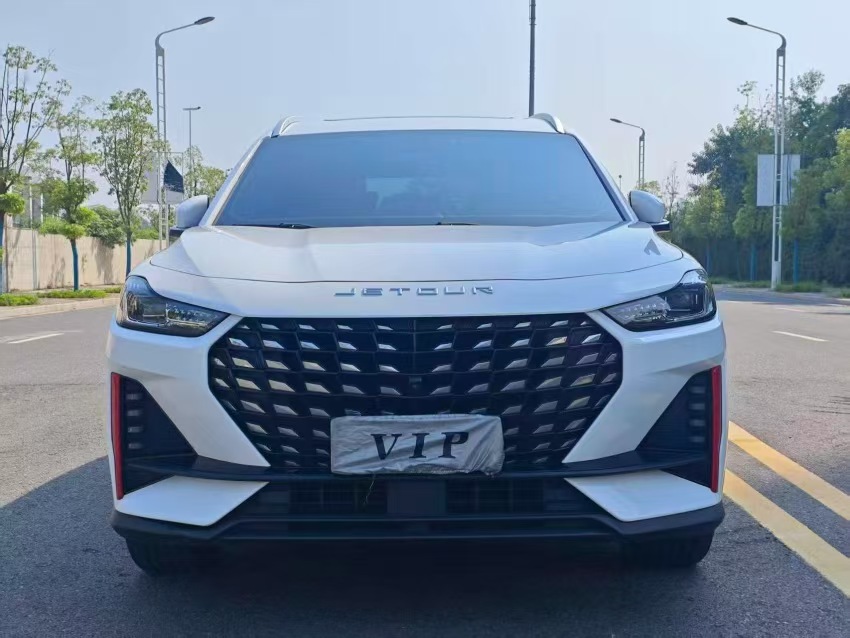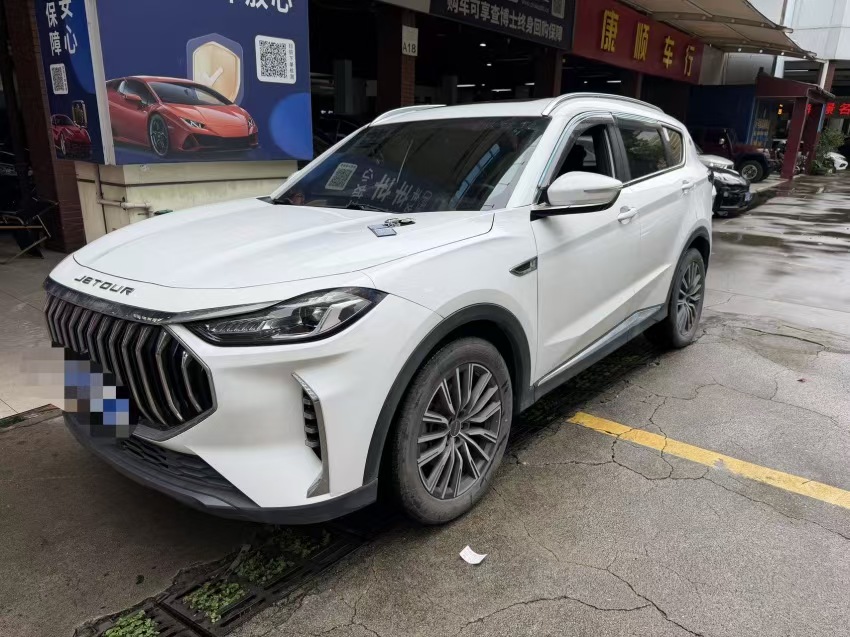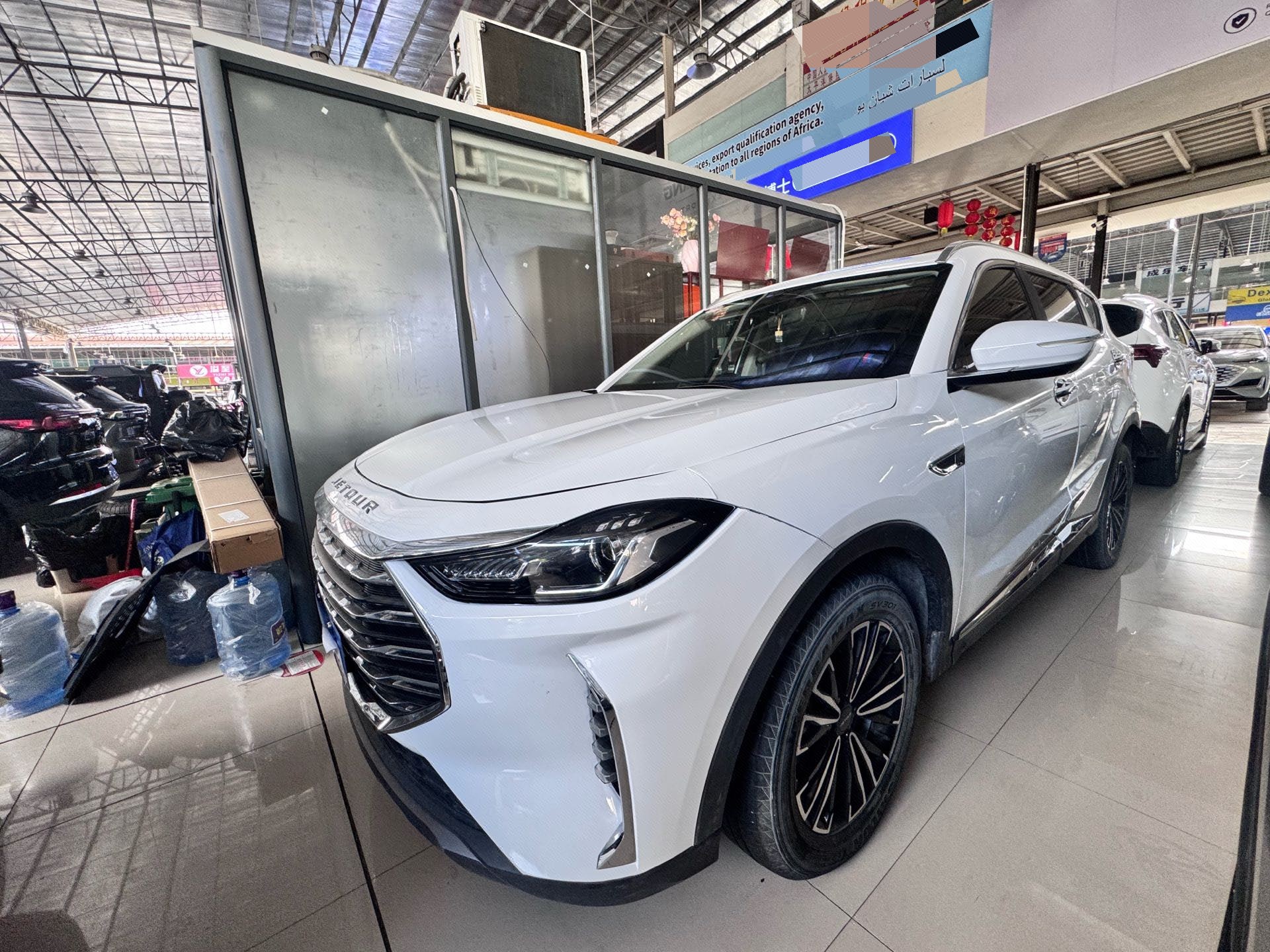
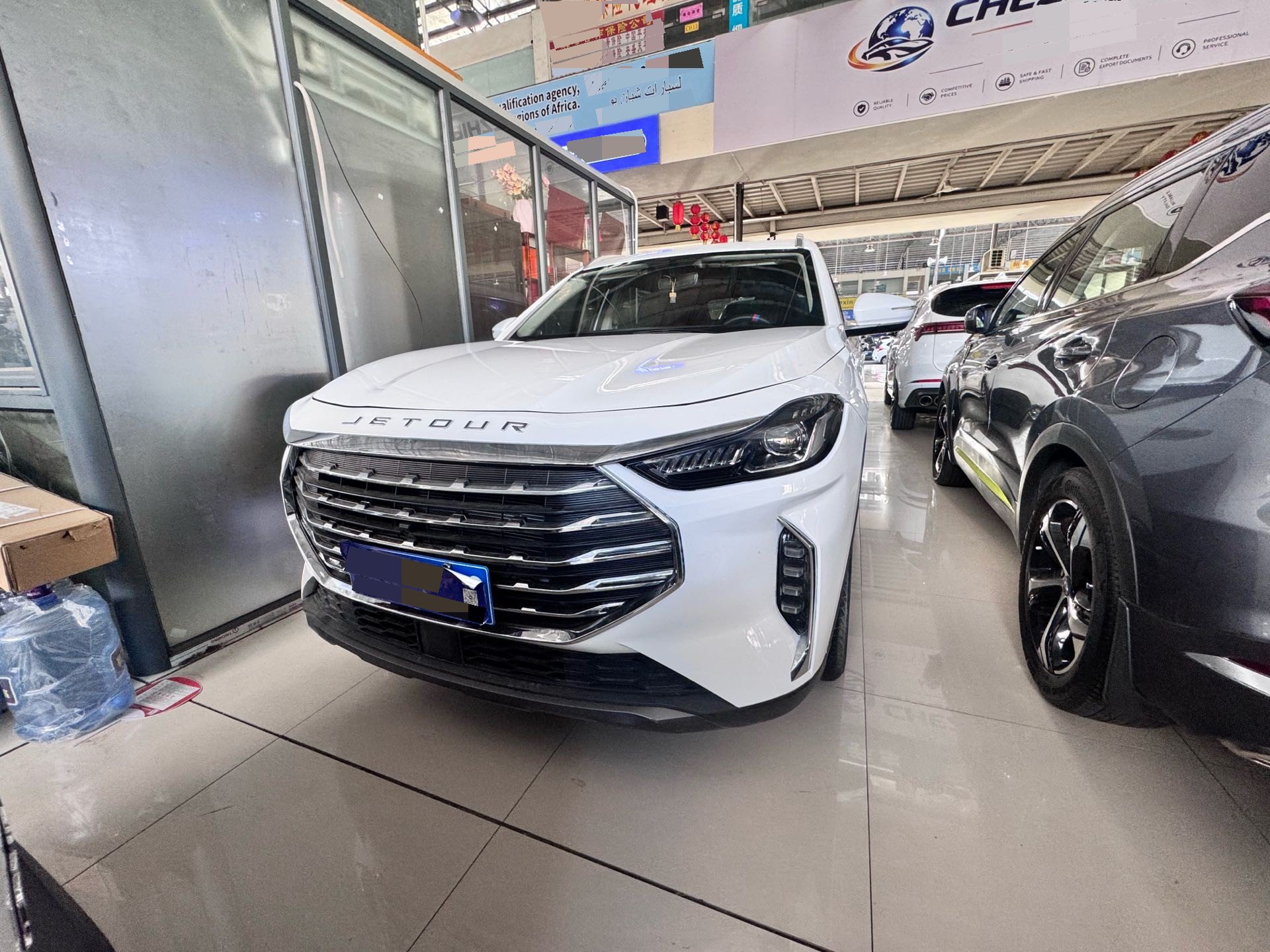
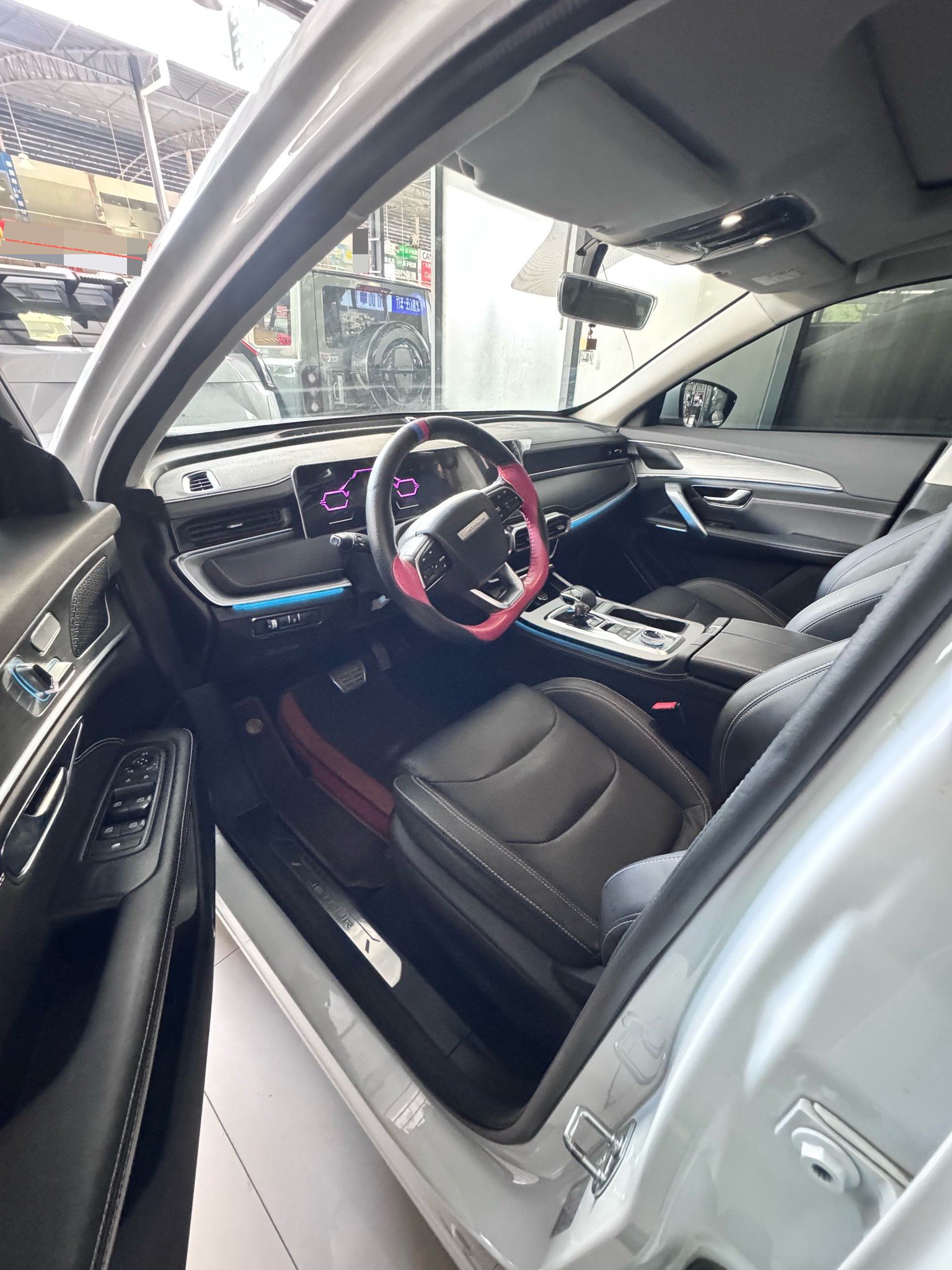
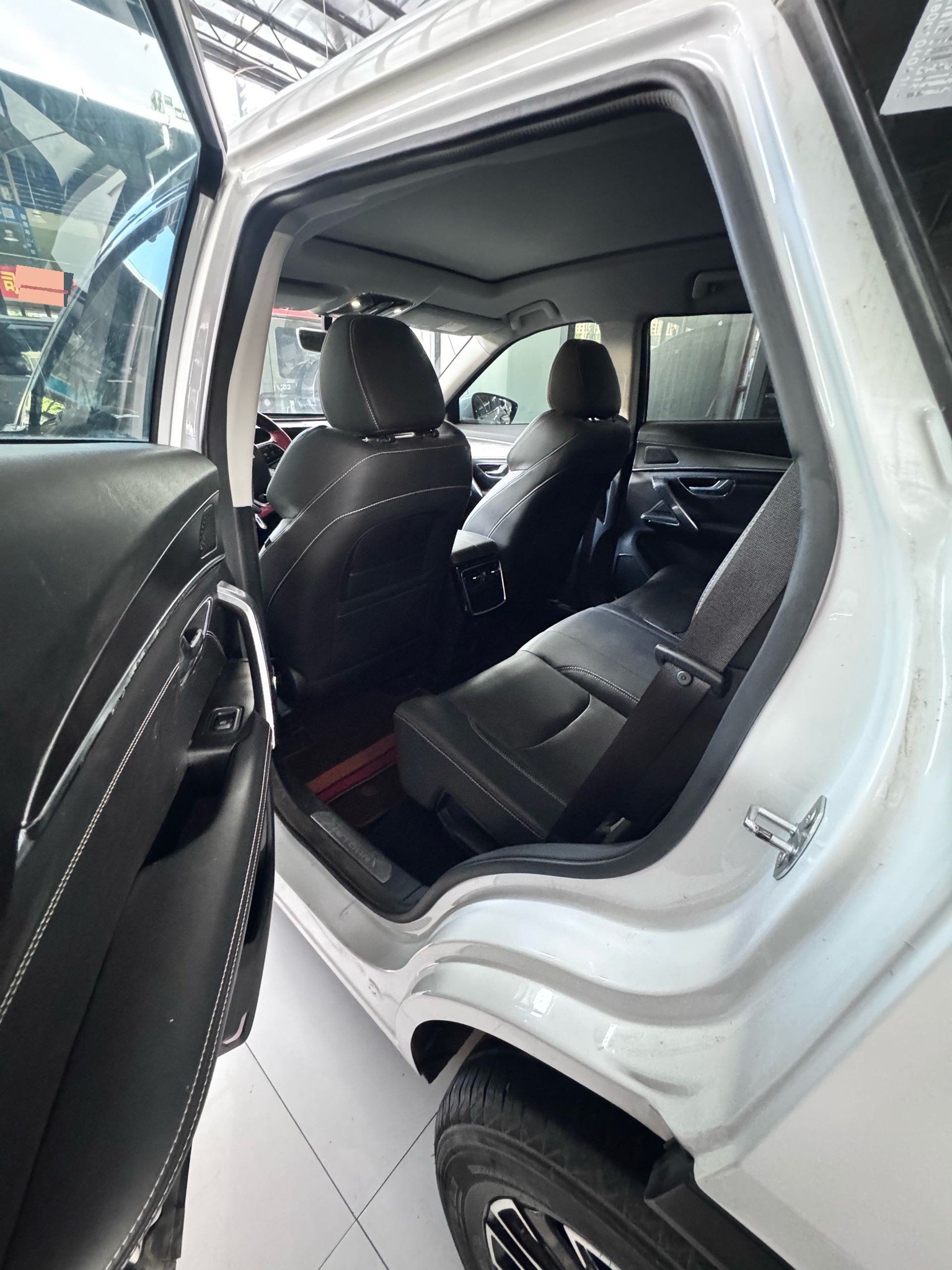
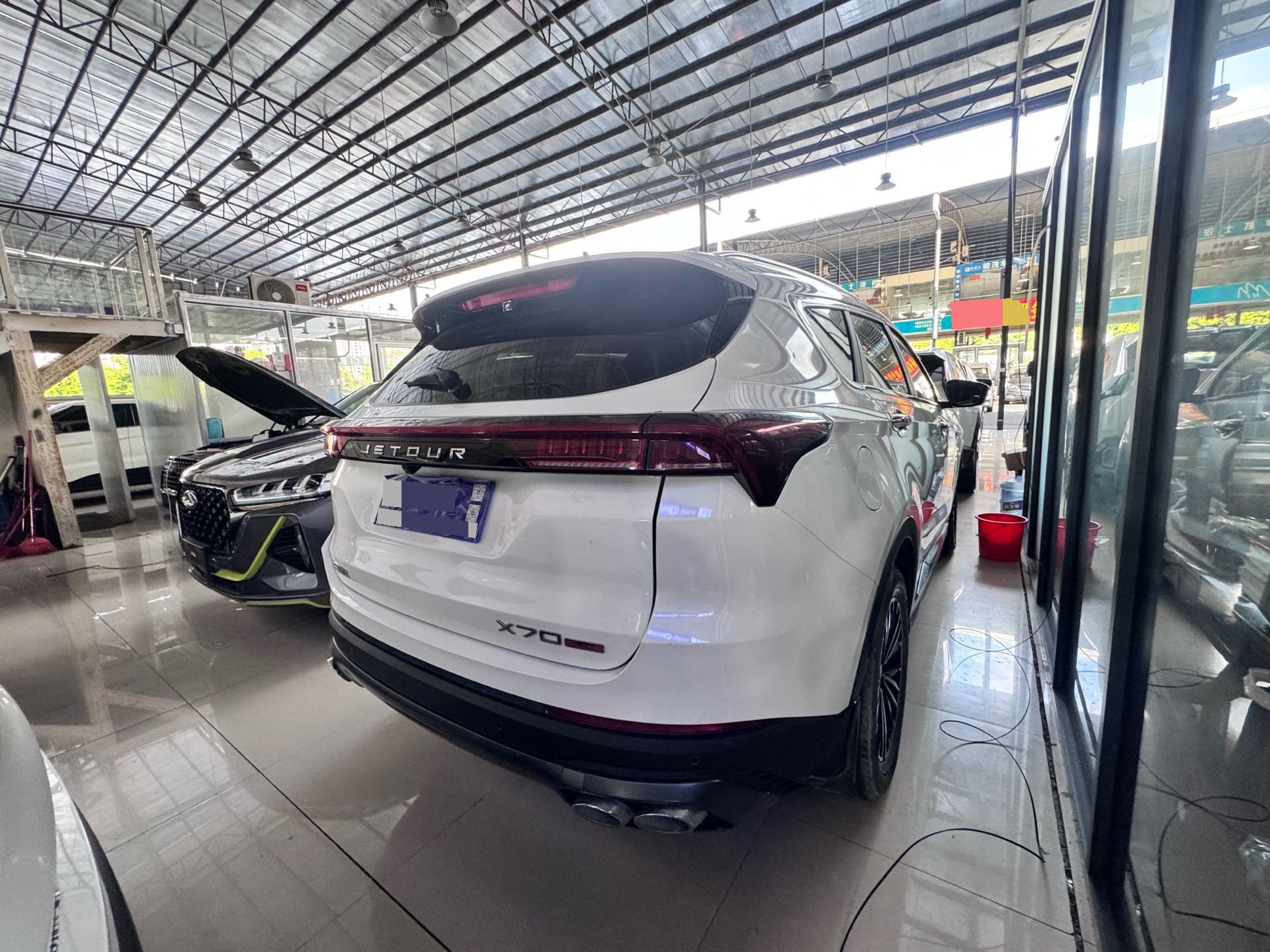
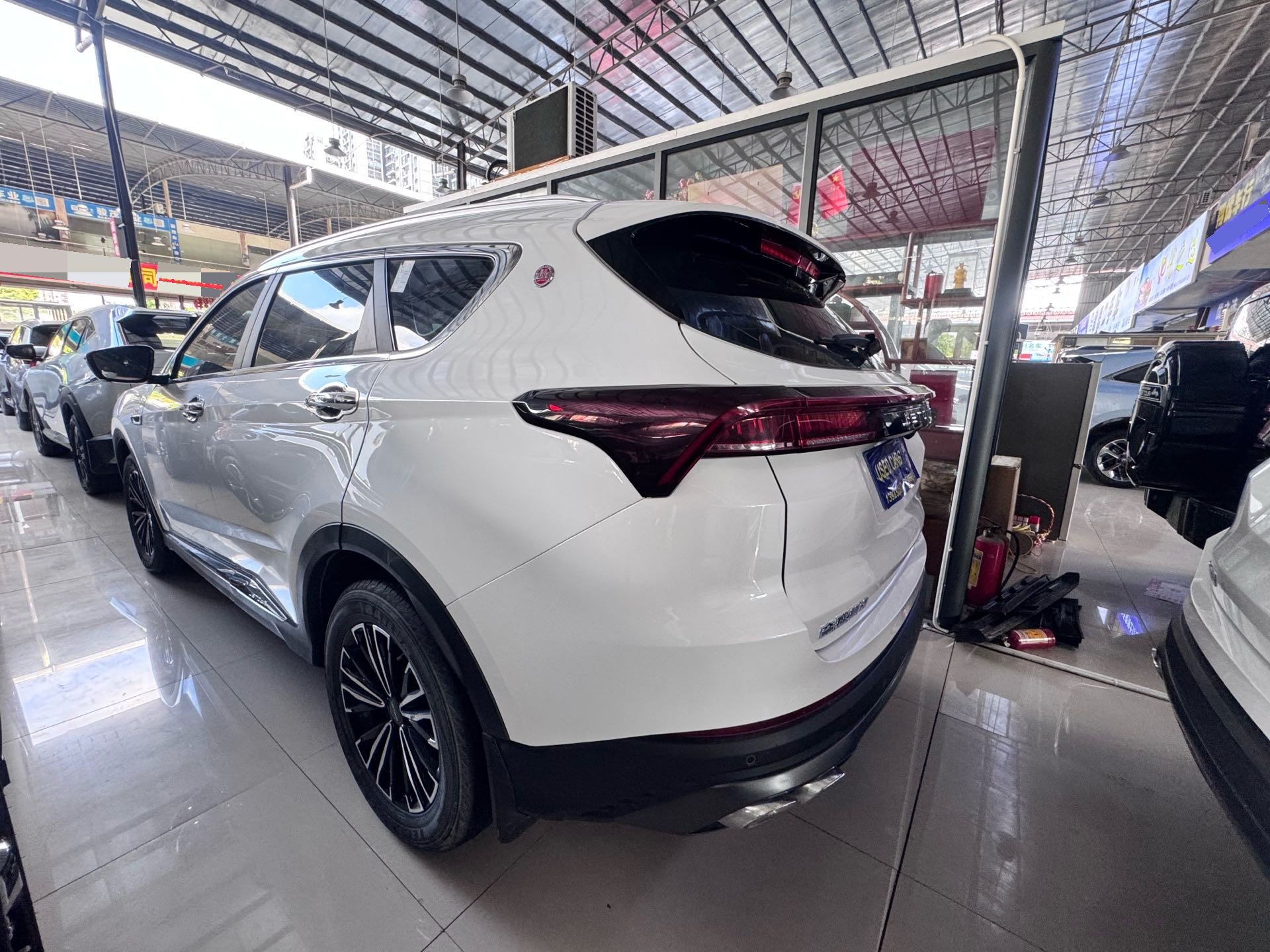
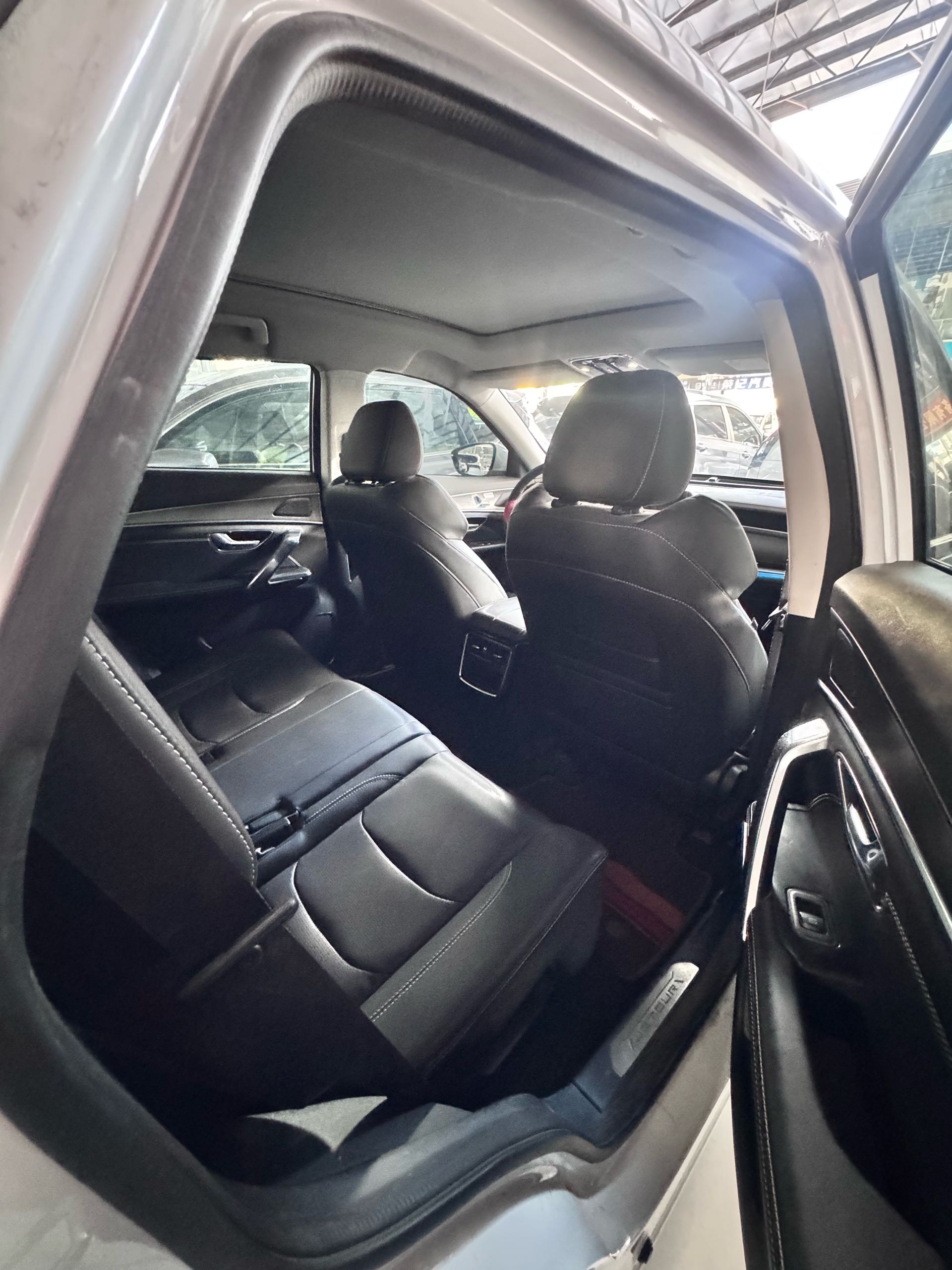
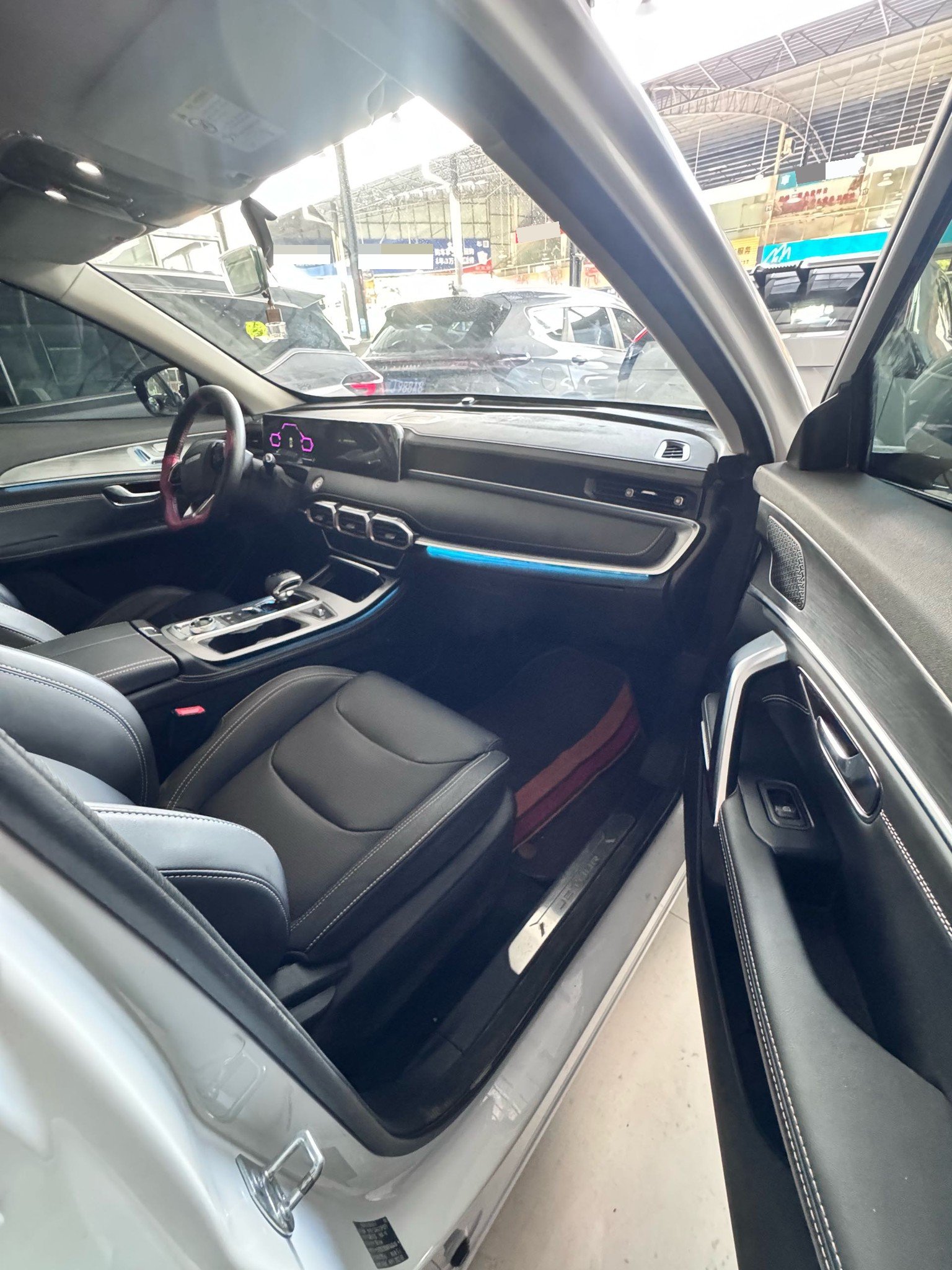
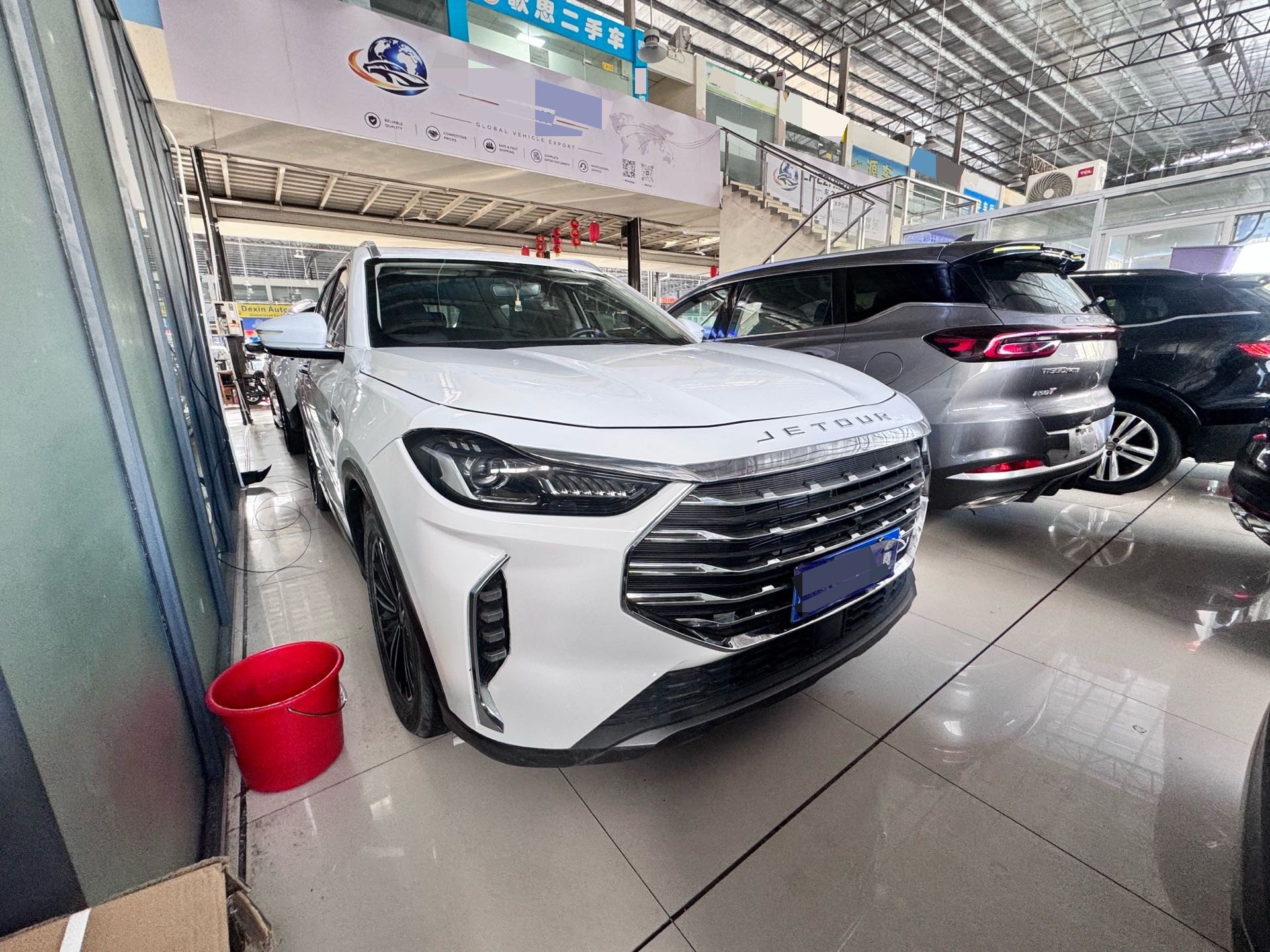



Basic Information

BrandJetour
SeriesX70 PLUS
Year2022
First Registration2022/12
Mileage50,000km
Transfer Count0times
FuelGasoline
TransmissionCVT
Engine1.5T 156 L4
ColorWhite
Seats-

Condition Description

Original condition, repainted, frame replaced.

Document Information

Inspection Expiry Date-
Warranty Expiry Date-
Insurance Expiry Date2026/12

Q&A

More

The bank returned my car payment due to compliance issues. Who bears the exchange rate loss and fees?

If the buyer's country is under international sanctions, or if the buyer fails to provide a legitimate source of funds leading to the bank returning the payment, all transfer fees and exchange rate losses incurred during this period are to be borne entirely by the buyer.


How do I handle recalls and software updates for my imported Chinese car once I'm back home?

Recalls and software updates depend on the brand's official presence in your country. Recalls: ask the seller for the VIN and confirm with the manufacturer whether any recall campaigns apply. Some Chinese brands have overseas service networks that honor recalls even for exported used cars; others don't. OTA updates: many connected features update over the air regardless of location, but some are region-locked. Before buying, ask the seller to confirm the car's software region and whether updates work outside China. Practical steps: keep your export documents and purchase invoice—they may be required to prove eligibility for warranty or recall work. Join owner communities for your model, as they share firmware and service information, and budget for dealer-level diagnostics at an independent shop familiar with Chinese vehicles. If the brand has no local presence, parts and software support will come mostly from parallel importers, so factor that into your decision.

What engine checks beyond a cold start should a pre-purchase inspection of a used Chinese car include?

A cold start tells you a lot, but it isn't enough. Ask your inspector for these additional checks: Compression test: measures cylinder pressure in each cylinder. Consistent readings across cylinders mean healthy piston rings and valves; one low cylinder suggests internal wear. Timing system: listen at idle and at 2000 rpm for chain rattle or belt squeal. On turbo engines, check for play in the turbo shaft and oil in the intake piping. Exhaust analysis: blue smoke means oil burning (worn rings or valve seals); white sweet-smelling smoke can mean head gasket issues; black smoke points to running too rich. Fluid condition: engine oil on the dipstick should not smell burnt or look milky; coolant should be clean without oil traces. Fault codes: a full OBD scan beyond pending codes — look at misfire counters, fuel trim values, and any history codes that were recently cleared. Ask for photos of the dipstick, exhaust at idle and revving, and the live OBD data. These give you an objective engine health record.