48H

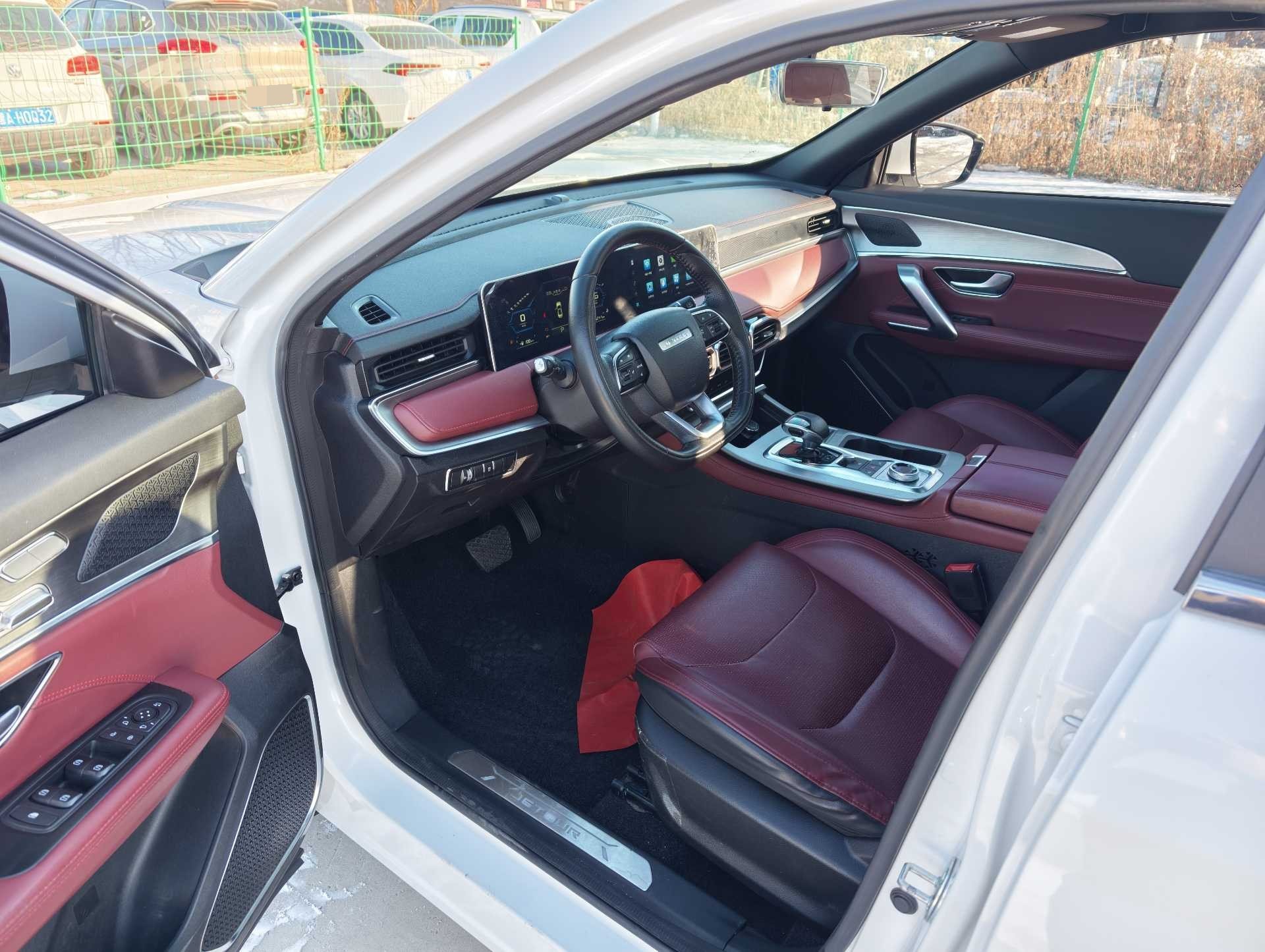
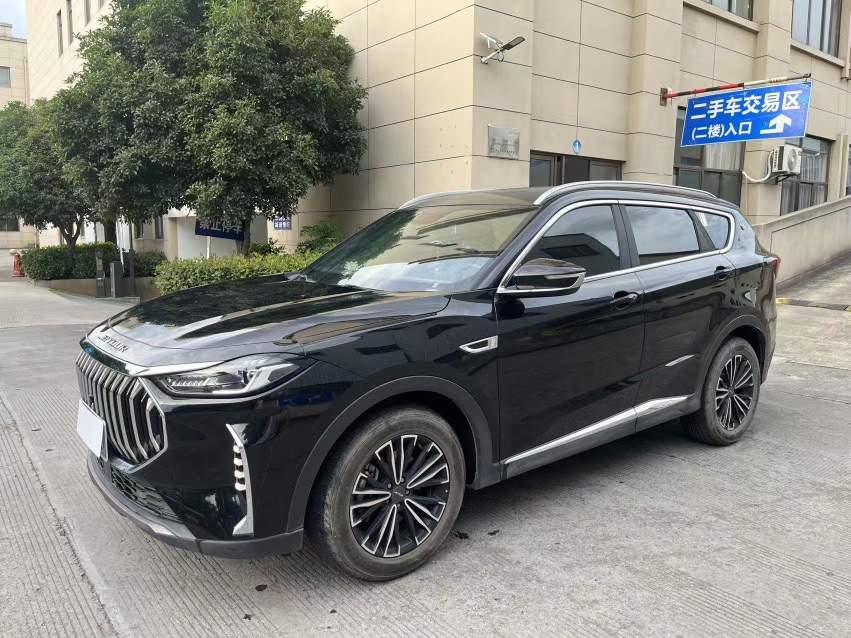
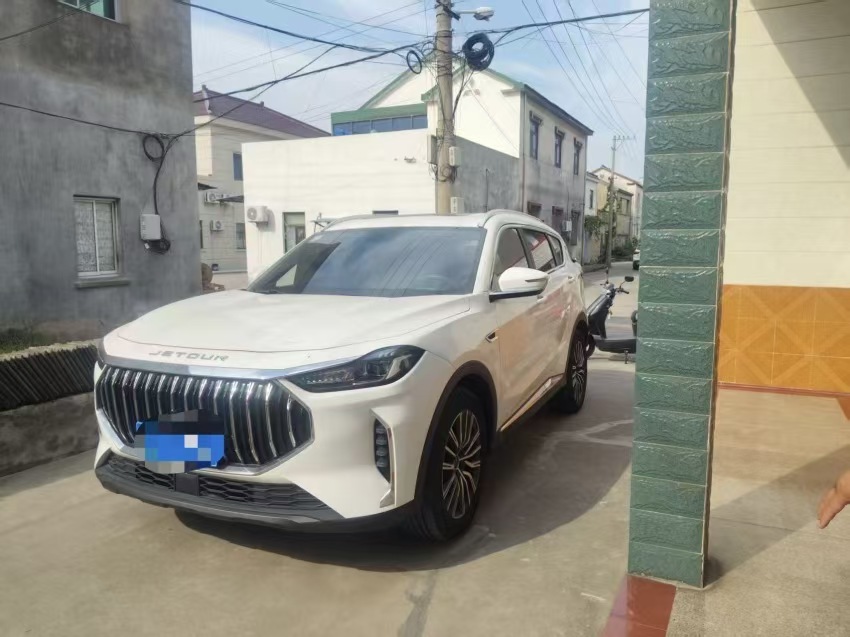
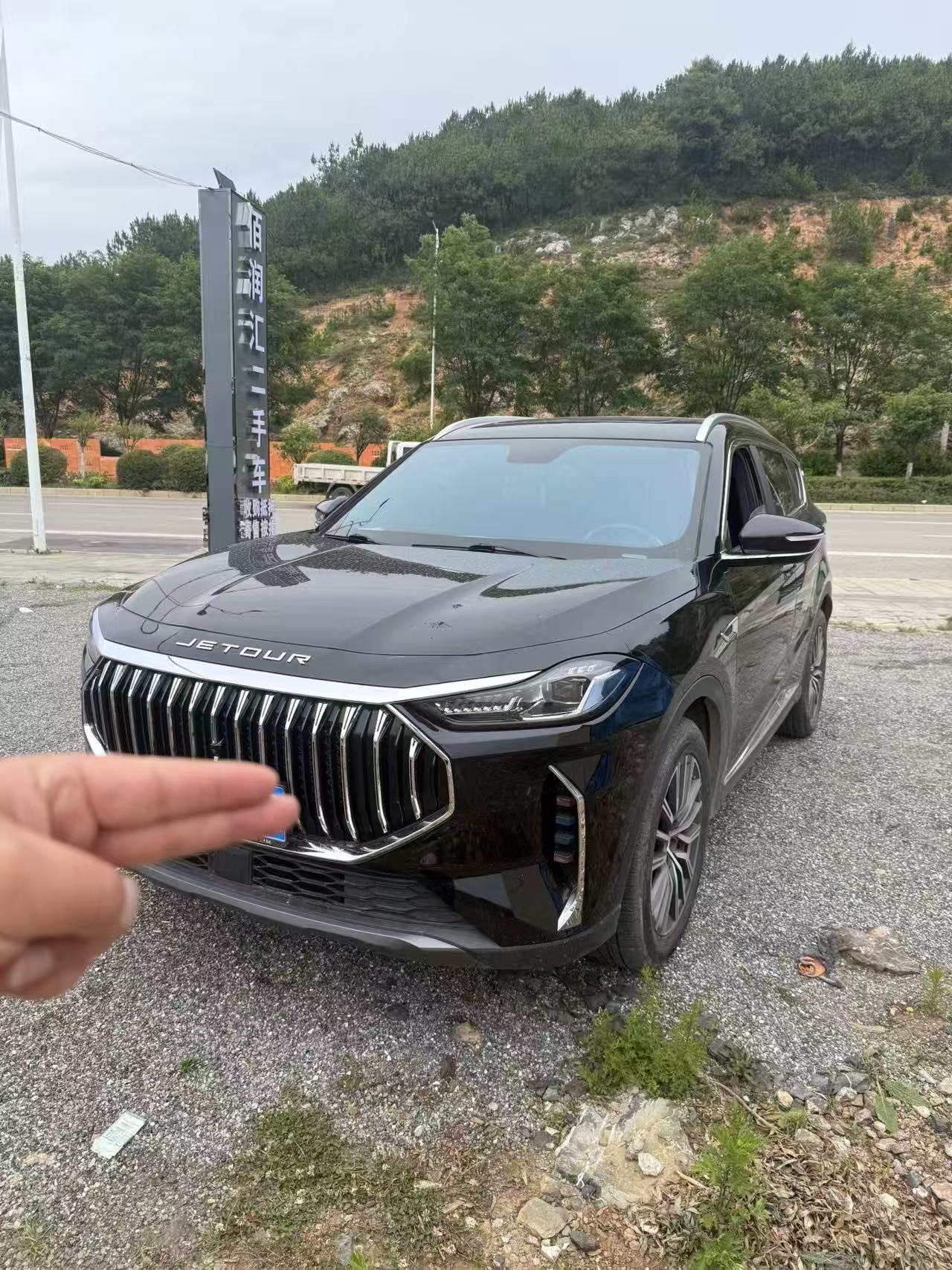
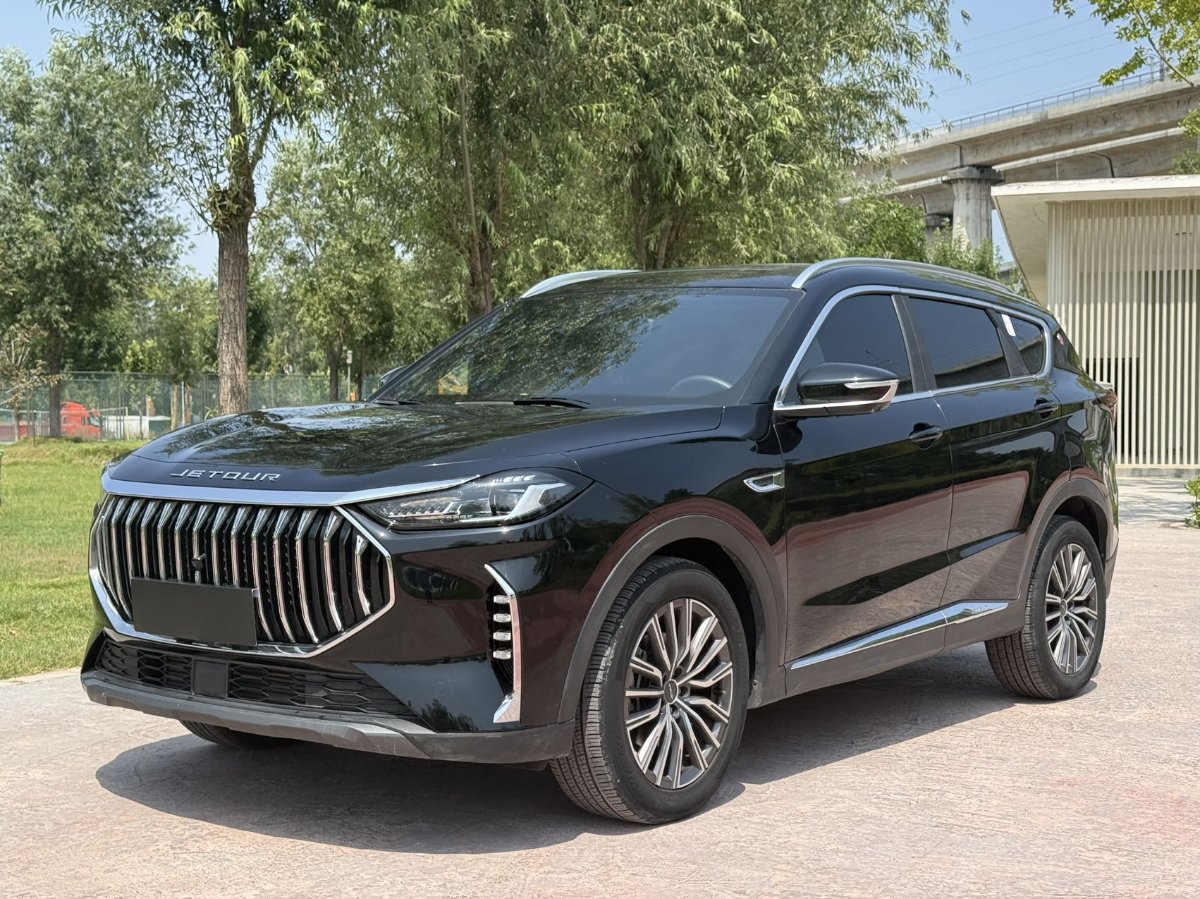
Basic Information

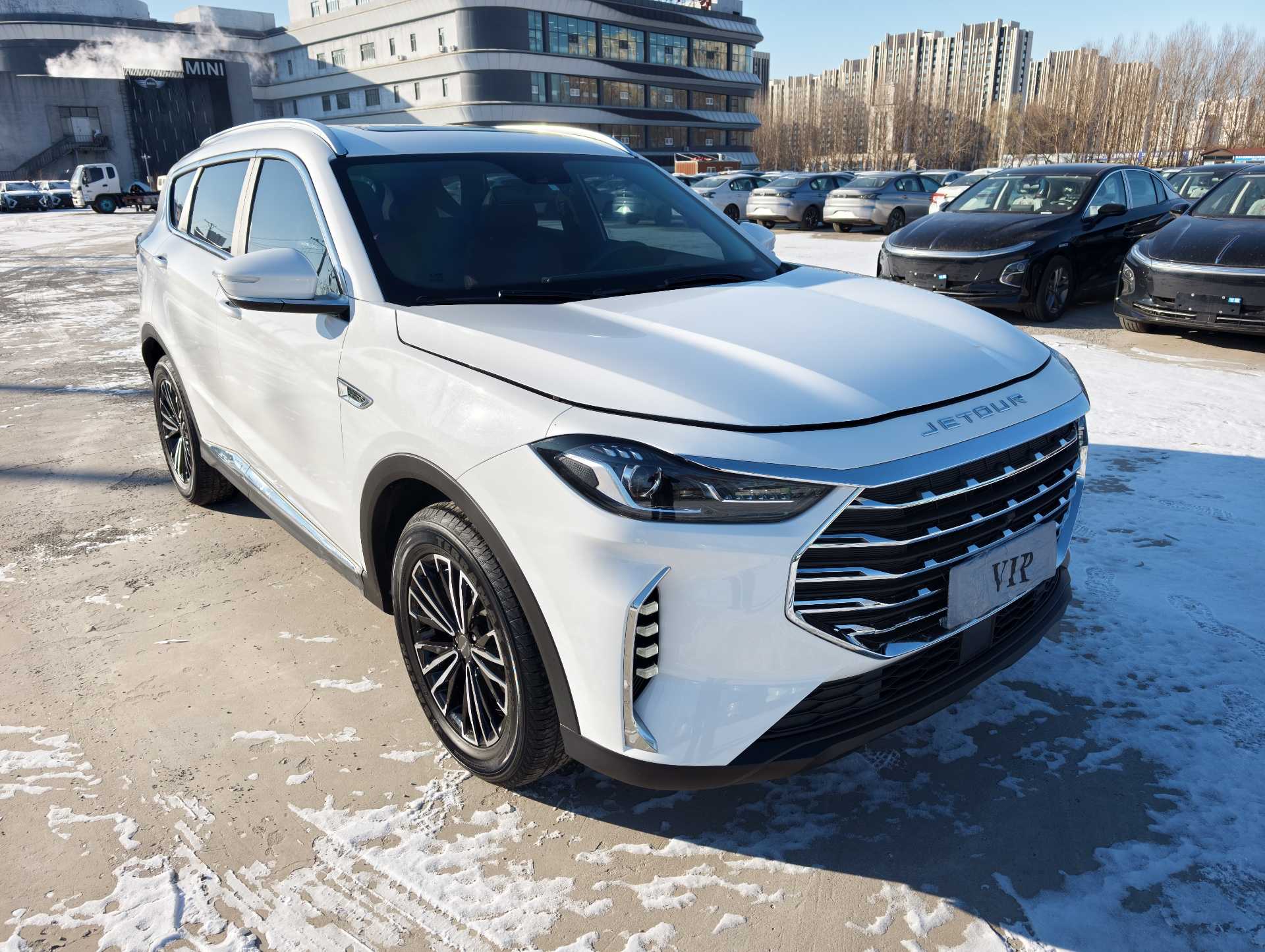
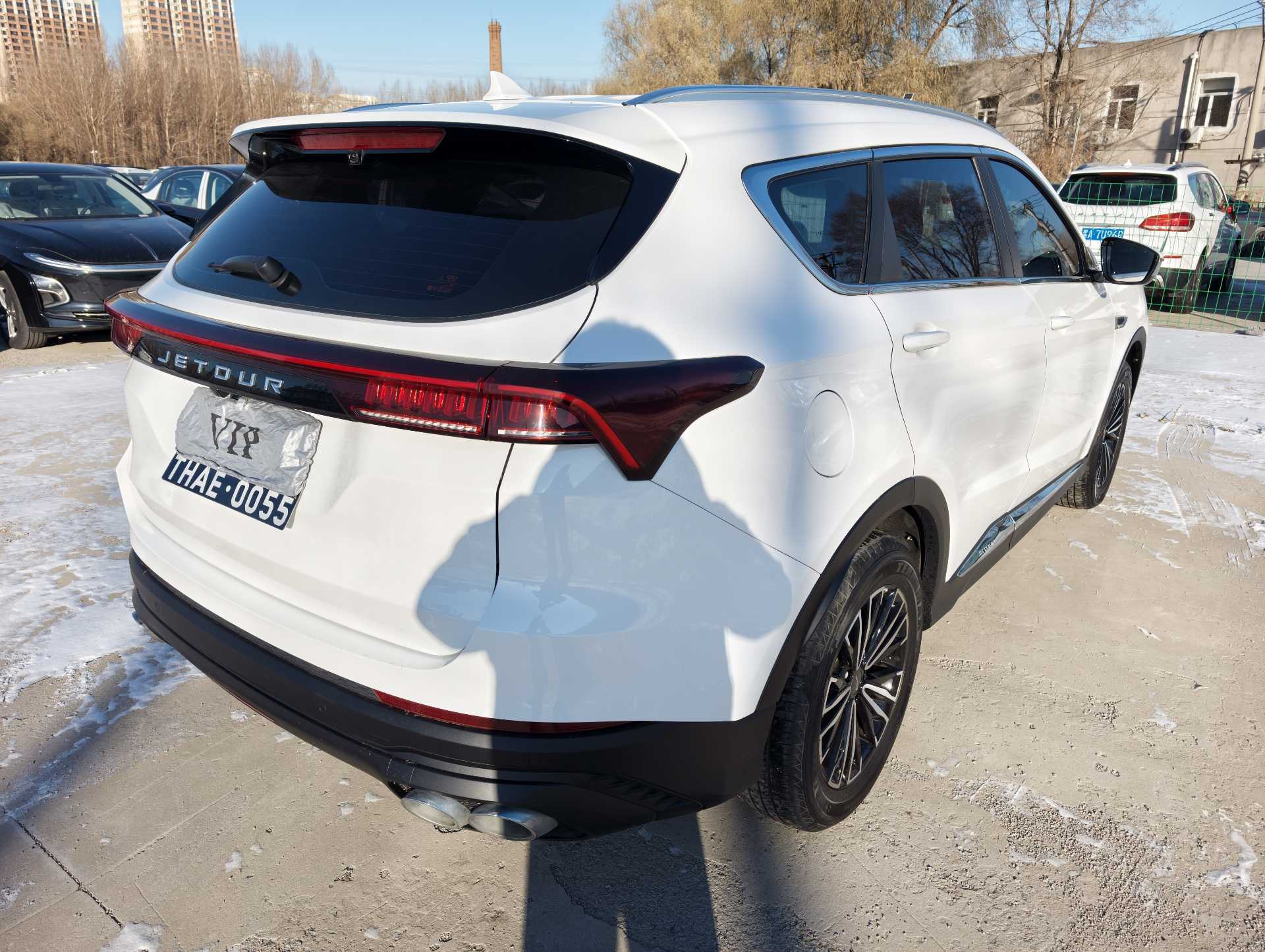
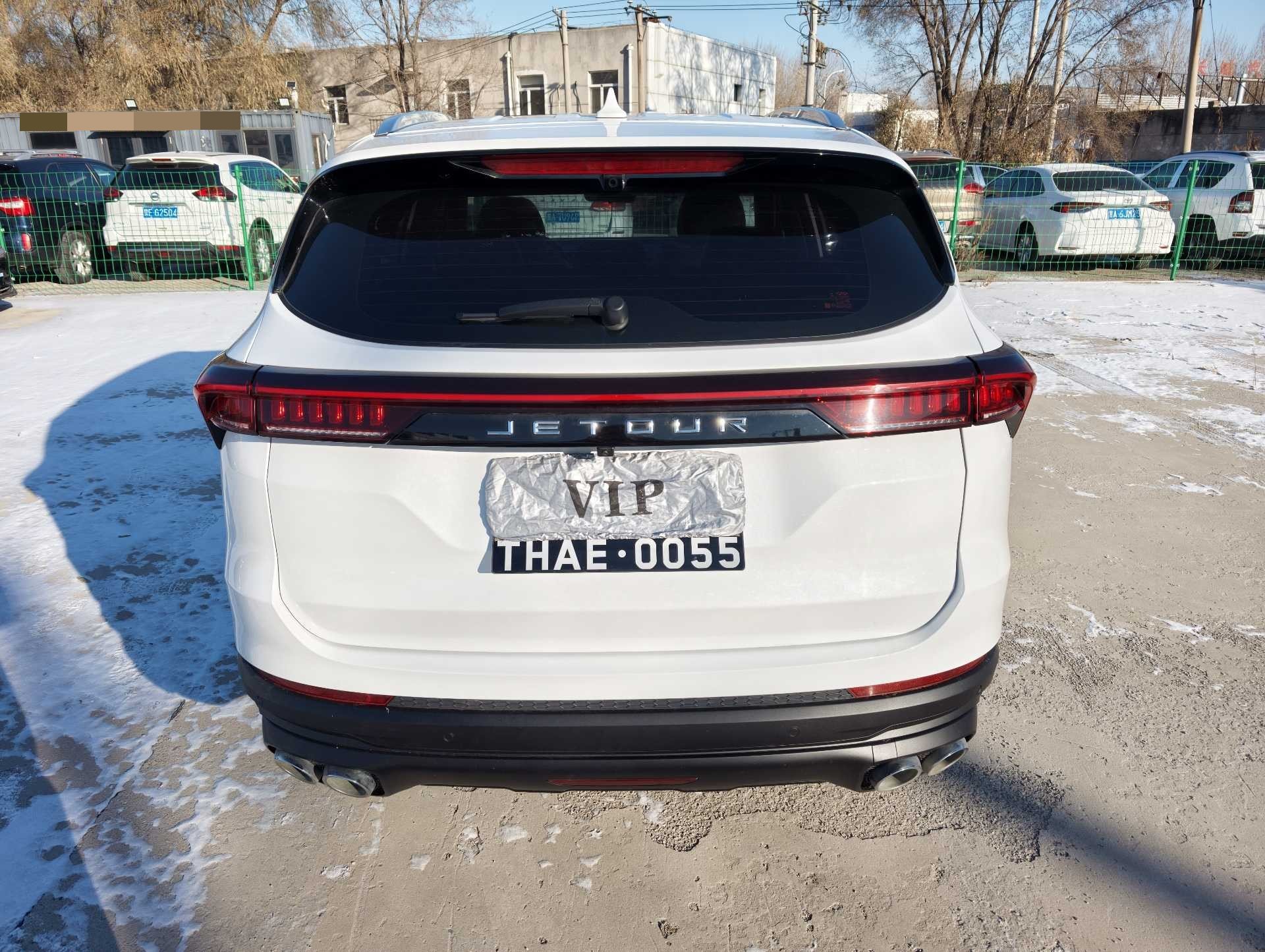
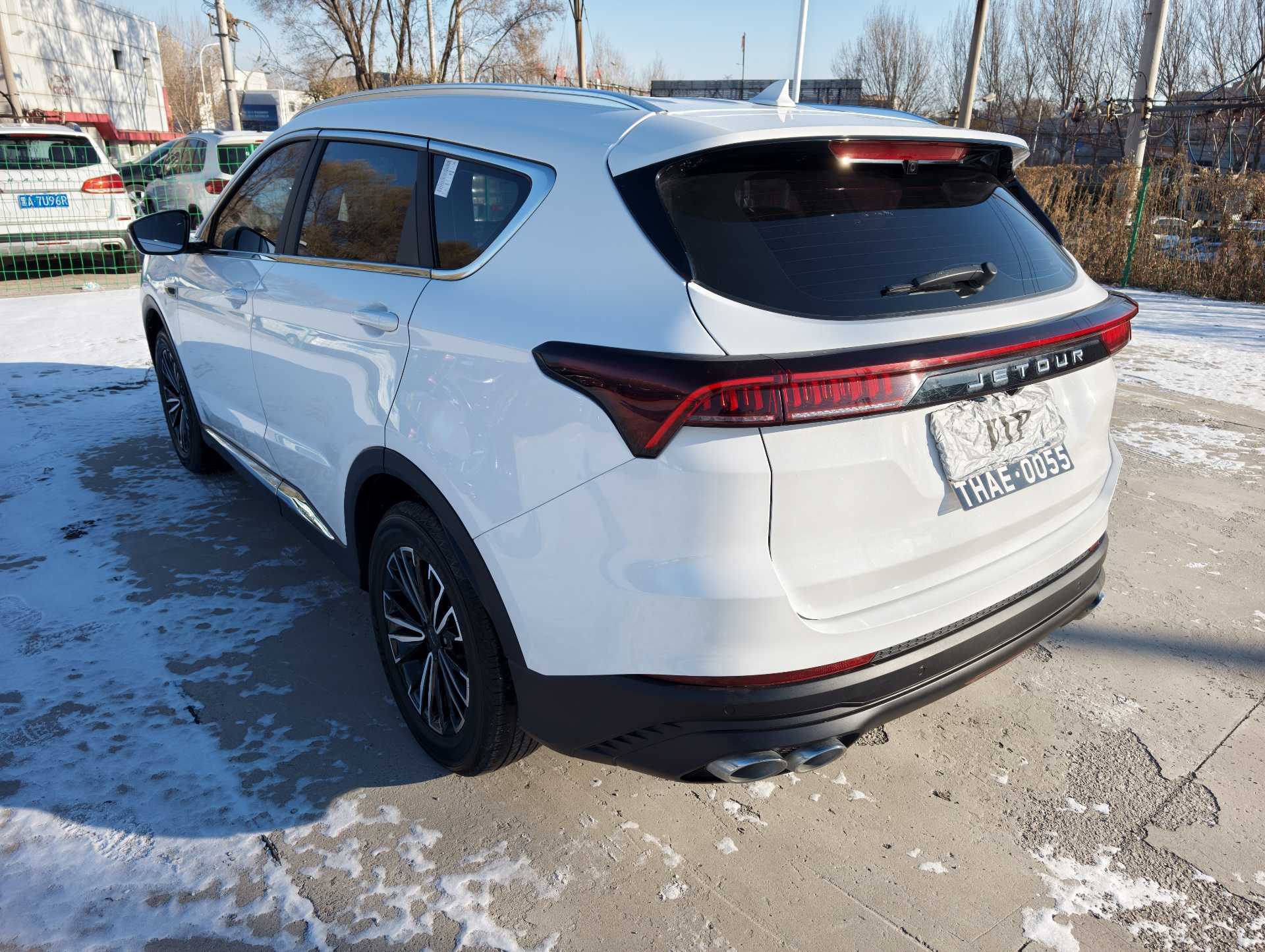
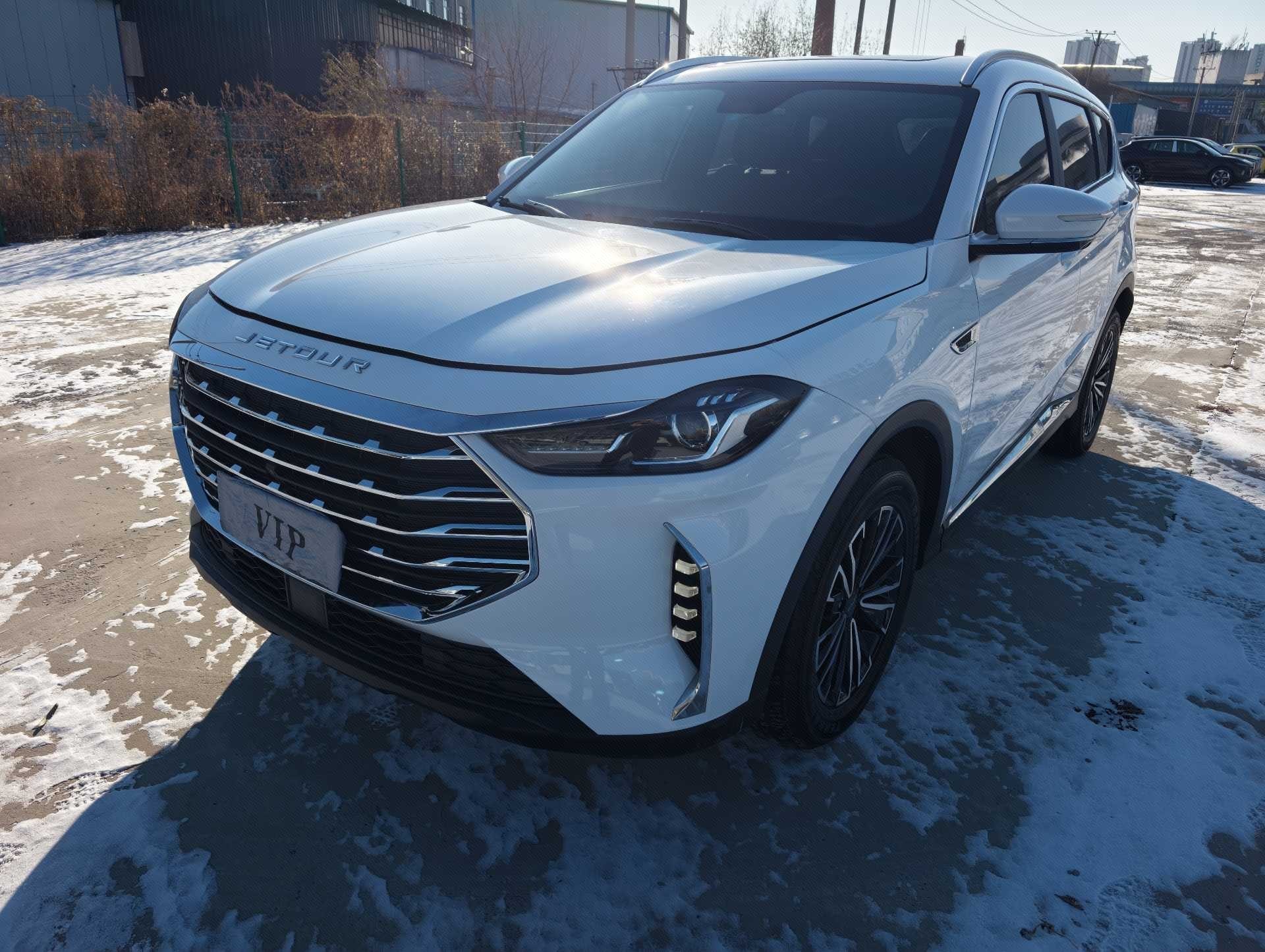
BrandJetour
SeriesX70 PLUS
Year2022
First Registration2022/03
Mileage56,200km
Transfer Count0times
FuelGasoline
TransmissionDCT
Engine1.5T 156 L4
ColorWhite
Seats-

Condition Description

Maintenance records complete, true vehicle condition.

Document Information

Inspection Expiry Date-
Warranty Expiry Date-
Insurance Expiry Date2026/12

Q&A

More

Are the quality assessment standards for used commercial vehicles (pickups, light vans) the same as for passenger cars?

Completely different. The assessment of commercial vehicles focuses on: the extent of wear/deformation in the cargo area, whether the frame has been twisted due to overload, the fatigue of the leaf springs, and the emissions of the diesel engine. Minor exterior scratches carry very little weight in the assessment of commercial vehicles.

How does customs clearance work at destination when importing a used car from China, and who handles it?

Customs clearance at destination is usually handled by a licensed customs broker, not the exporter. You can hire one yourself or use a broker recommended by your shipping agent. The typical flow: your broker files the import declaration using the documents the exporter must provide — the commercial invoice, packing list, bill of lading, and the certificate of origin. Depending on your country's rules, you will also need to pay import duty, VAT or sales tax, and any excise or environmental levies before the car is released. Things that commonly delay clearance: mismatched VIN numbers between documents, missing pre-shipment inspection certificates (required in some African and Middle Eastern countries), or non-compliance with your country's used-car import age limits. Budget 3–10 working days for clearance after the vessel arrives, plus storage fees if documents are incomplete. Tip: send all documents to your broker for review before the ship departs China — fixing errors at origin is much cheaper than demurrage at destination.

How is payment typically structured when buying a used car from a Chinese exporter, and how do I stay safe?

A typical payment structure looks like this: 1. Deposit: 10-30% after you confirm the car and price, often to reserve the vehicle and start the inspection. 2. Balance: paid after you approve the inspection report, but before or at shipment. A common safeguard is paying against a copy of the bill of lading, with telex release of the original B/L after funds arrive. 3. Never send 100% upfront to a new supplier. Use traceable methods (T/T bank transfer to a corporate account matching the company name, or escrow for first orders) and keep every agreement in writing. 4. Timeline: quote within days, inspection 3-7 days, booking and loading 1-2 weeks, ocean transit 3-6 weeks, customs clearance 3-10 days. Red flags: personal bank accounts, pressure to skip inspection, prices far below market.