48H

Basic Information

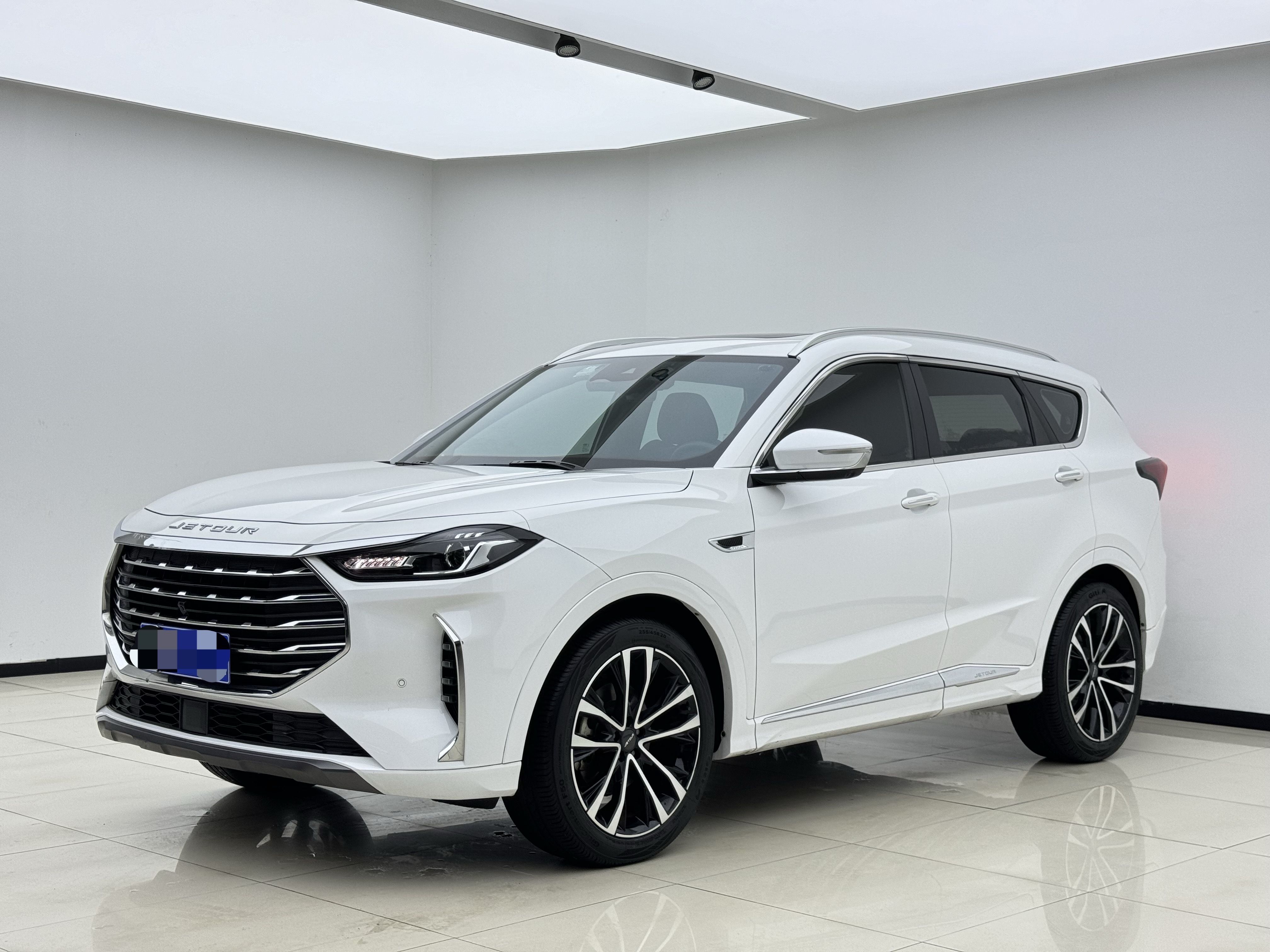
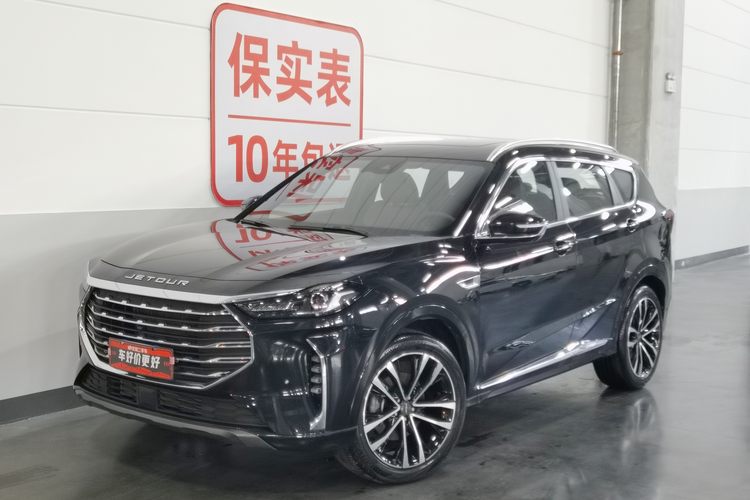
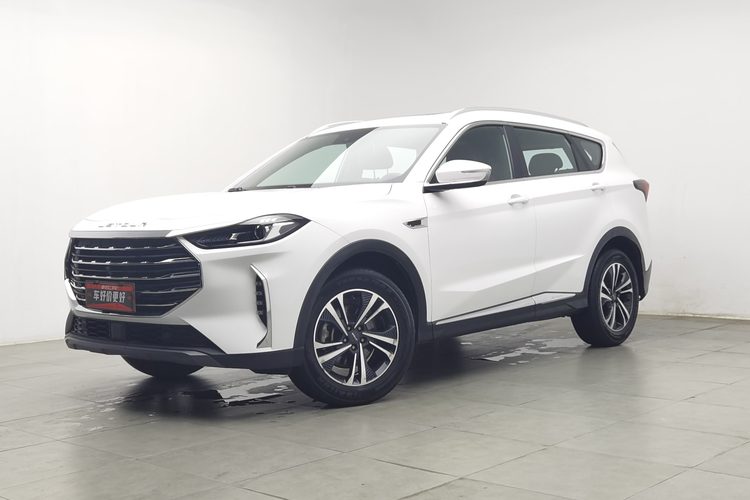
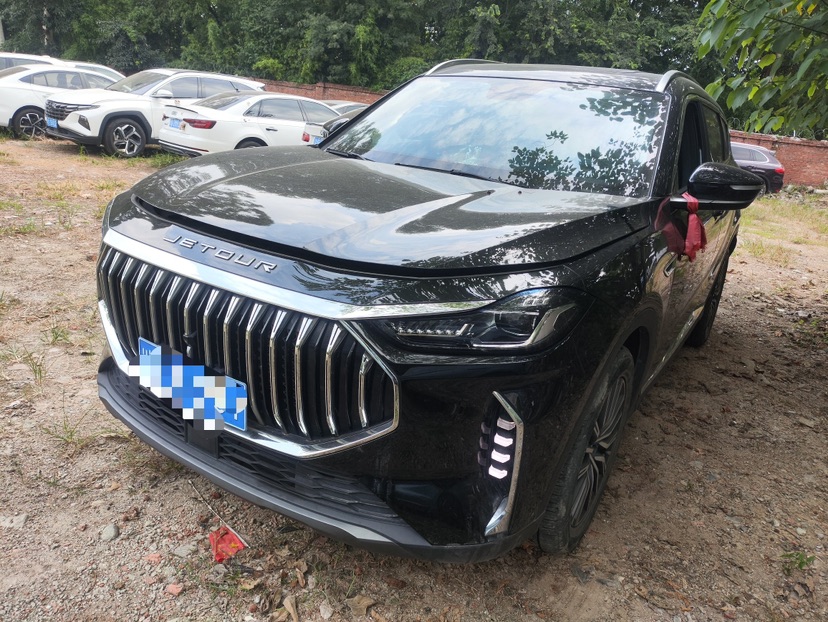
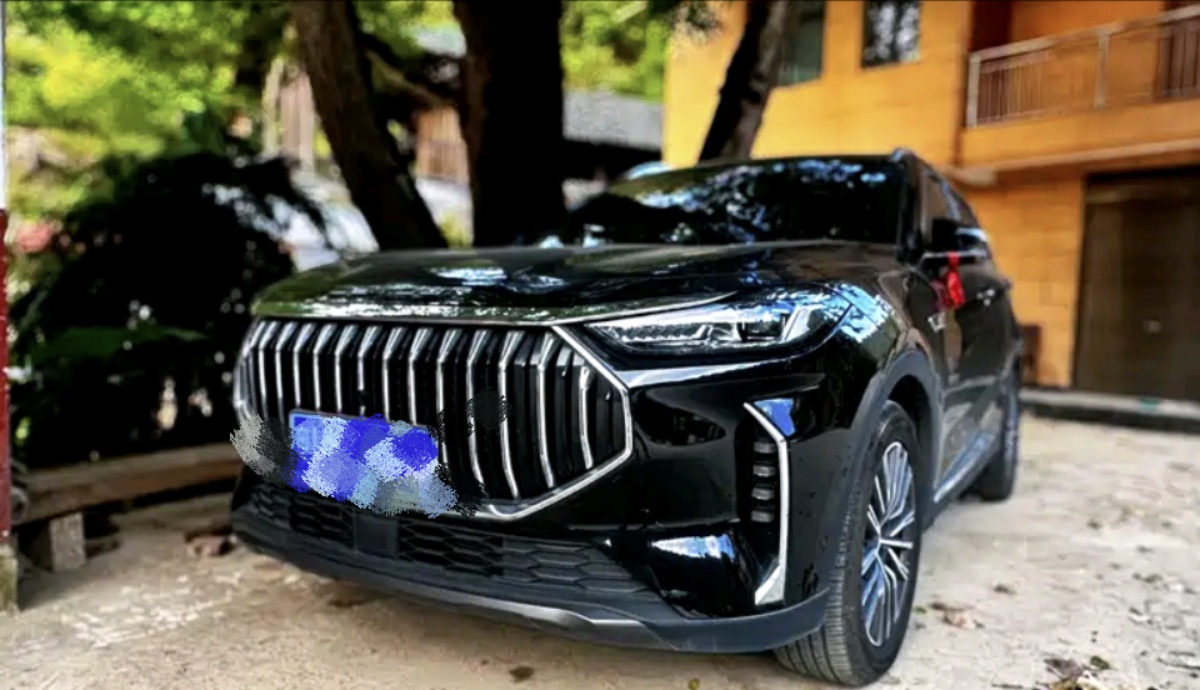
BrandJetour
SeriesX70 PLUS
Year2023
First Registration2023/05
Mileage50,000km
Transfer Count0times
FuelGasoline
TransmissionDCT
Engine1.6T 197 L4
Color
Seats7seats

Condition Description

官方质检 · 60天全车质保· 7天无理由有偿退车

Configuration Highlights

✓上牌时间: 2023-05
✓表显里程: 5万公里
✓车源地: 贵阳
✓排放标准: 国六
✓发动机: 1.6T
✓轴距: 2745mm
✓变速箱: 自动
✓最大功率: 145kW
✓功能配置: 28项
✓安全配置: 10项
✓动力类型: 前驱
✓空间舒适性: 好

Q&A

More

How can I verify the mileage and accident history of a used car from China?

Start with the paperwork: the vehicle registration certificate lists every ownership transfer, and the service book plus dealer maintenance records help confirm mileage. For digital verification, ask the seller for a live video walkaround plus a diagnostic scan report showing the ECU-recorded mileage, which is hard to manipulate. For EVs, request a battery state-of-health (SOH) report — it reveals real usage patterns far better than the odometer. Finally, a pre-shipment inspection by a third party should include structural checks (pillars, chassis rails) to rule out accident repairs. Build "no major accident, no flood or fire damage" into your purchase contract with a refund clause if the inspection contradicts it.


Beyond the car price, what costs should I budget for when importing a used car from China?

Plan for roughly 25-40% on top of the vehicle price. The main items are: 1. Pre-purchase: deposit (10-30%), third-party inspection fee (100-300 USD). 2. In China: inland trucking to the port, export declaration fees. 3. Shipping: ocean freight (container 20ft usually 1,500-4,000 USD depending on destination), marine insurance (about 0.3-0.5% of car value). 4. In your country: customs duty, VAT/GST, port handling and storage, customs broker, quarantine or pre-shipment inspection if required, registration and plates. Always ask the exporter for an itemized landed-cost estimate for your specific port before paying the deposit, and confirm which Incoterm the quote is based on (FOB, CIF or DDP makes a big difference).

Why are the shipping costs for used electric vehicles (EVs) usually higher than for internal combustion engine vehicles (ICEs)?

Pure electric vehicles are classified as Class 9 Dangerous Goods due to their large lithium batteries, leading to strict shipping regulations. Shipping companies have high requirements for the loading position and fire isolation measures for dangerous goods, and some roll-on/roll-off ships refuse to accept used EVs. As a result, EVs often require more expensive special container shipping and incur additional handling fees for hazardous materials.