
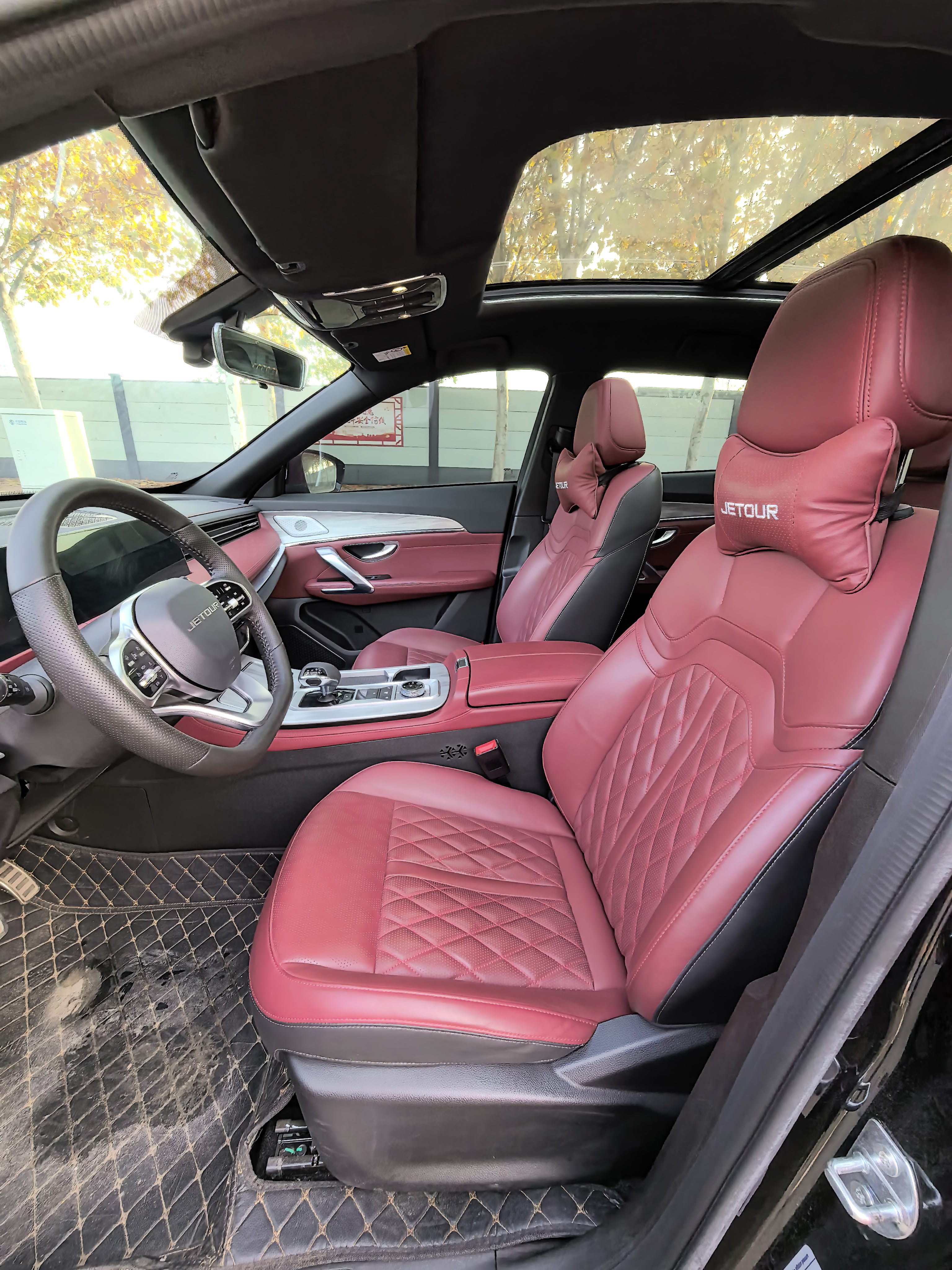


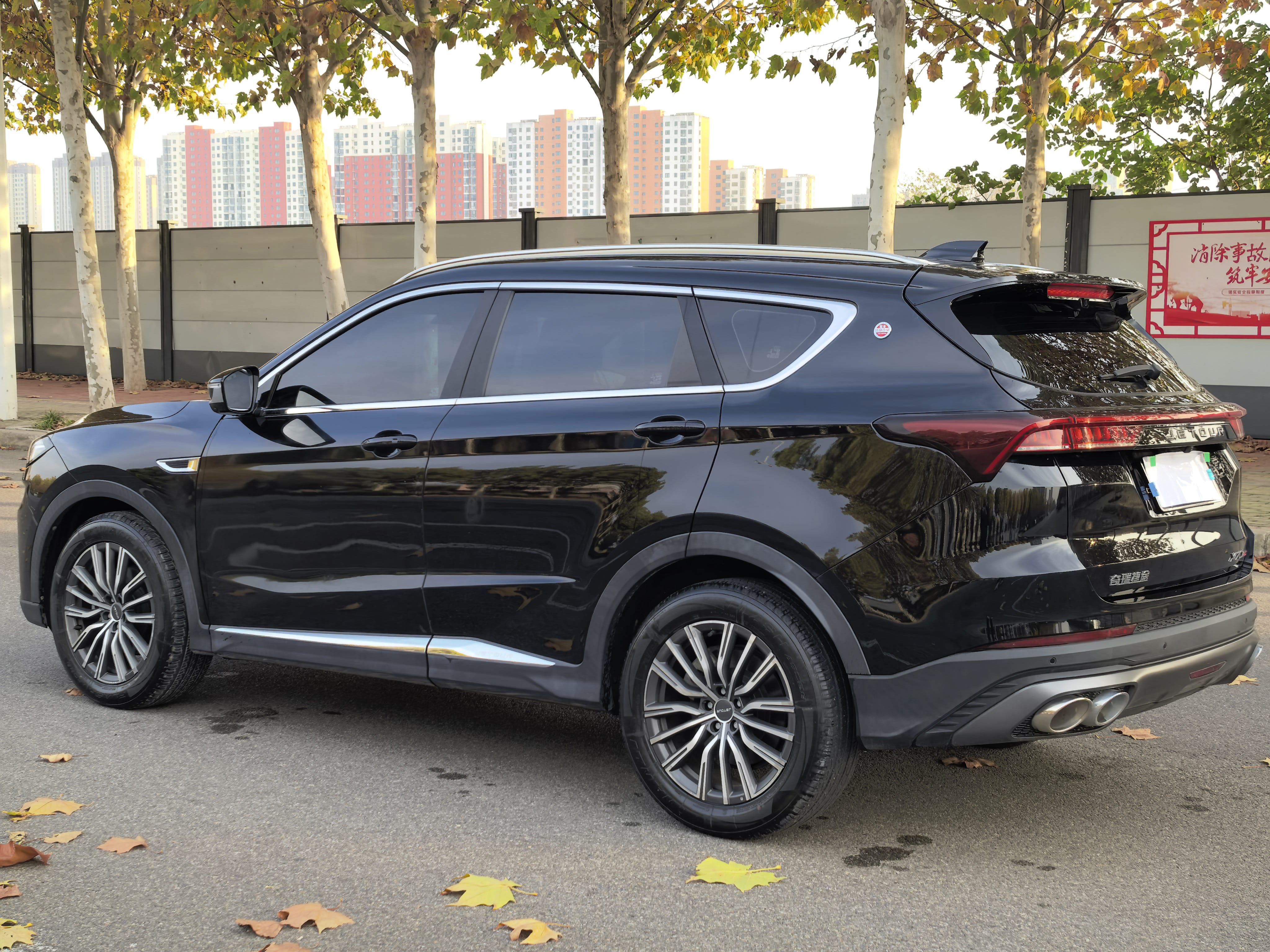
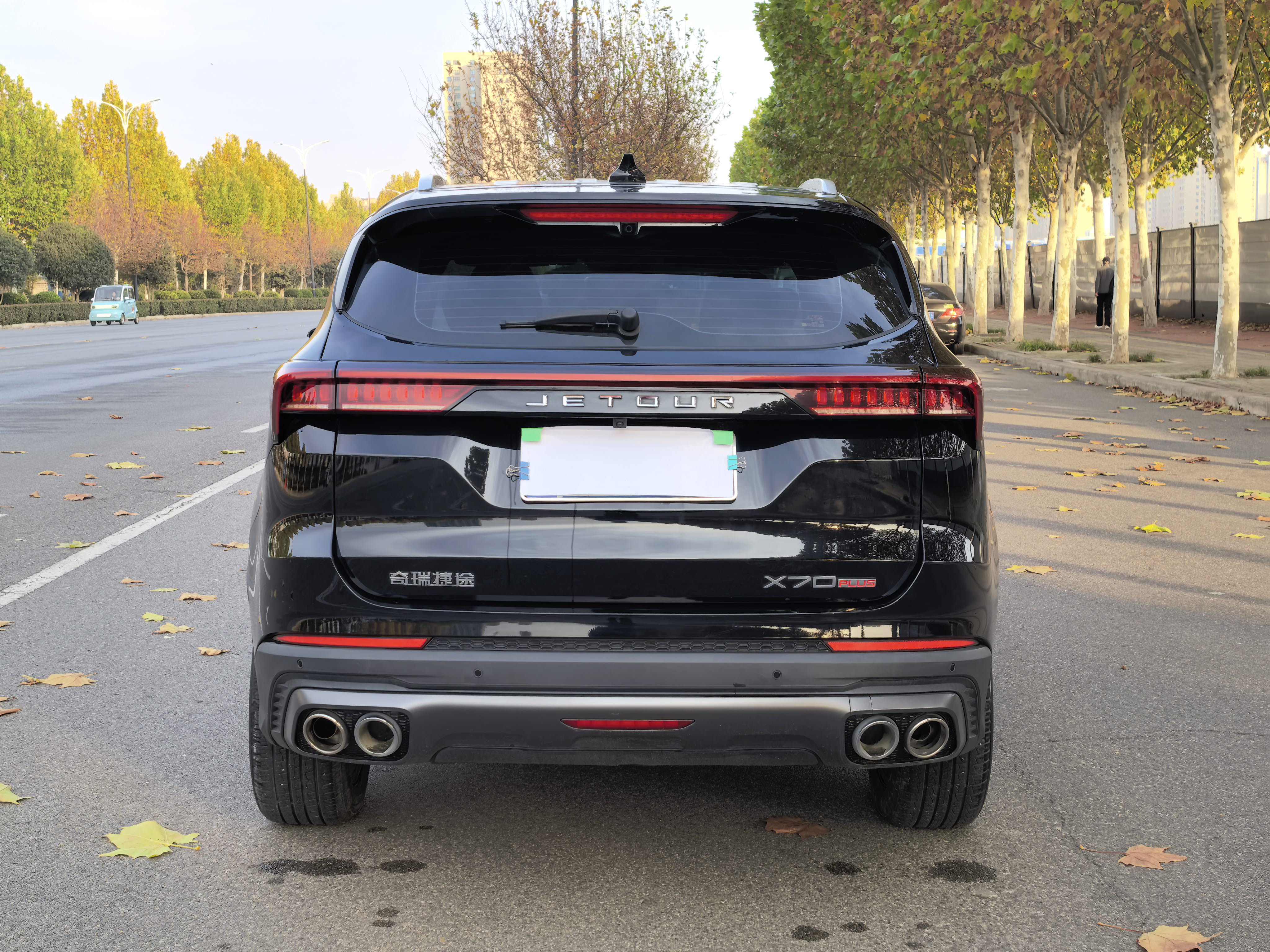



Basic Information

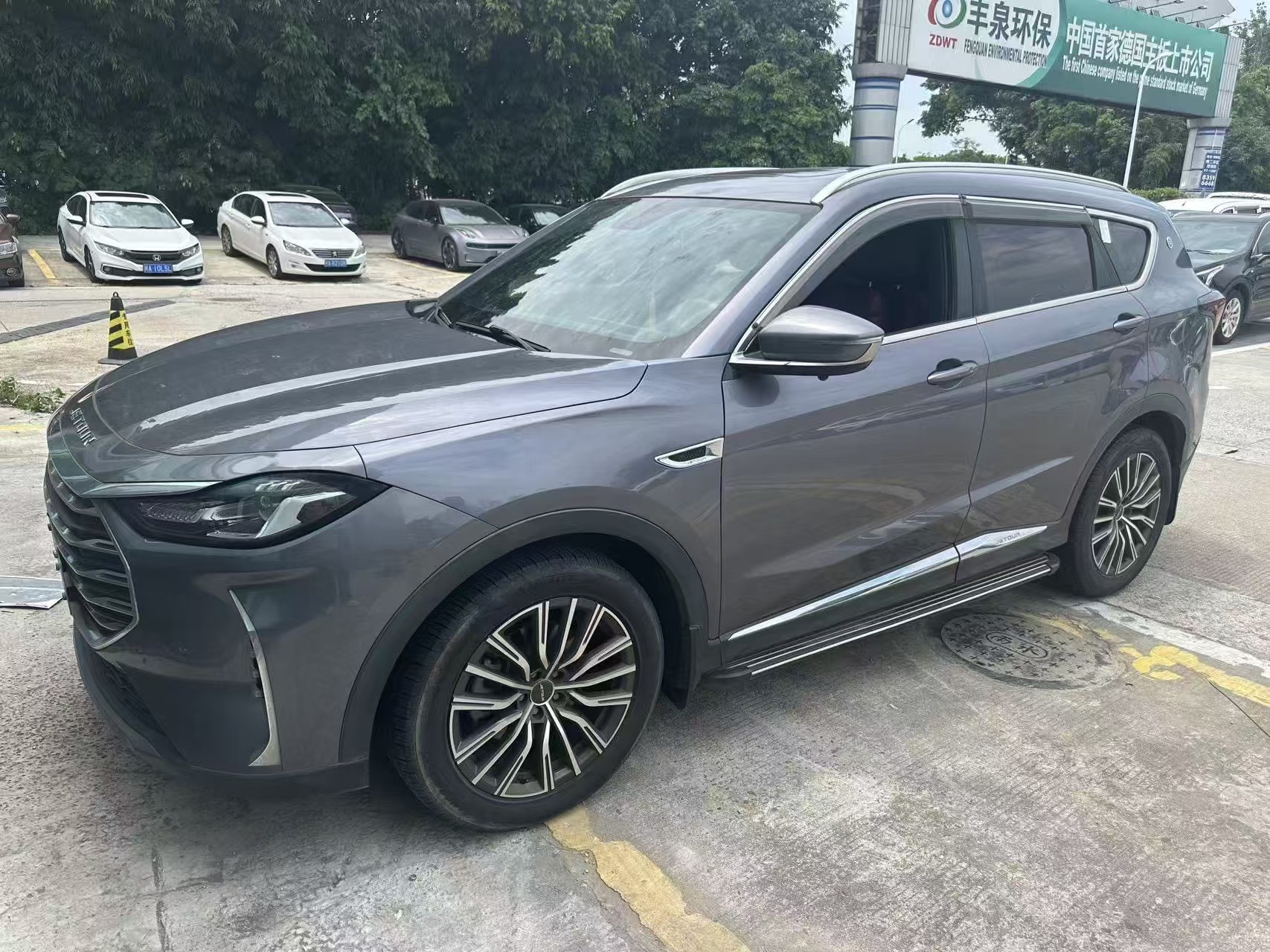
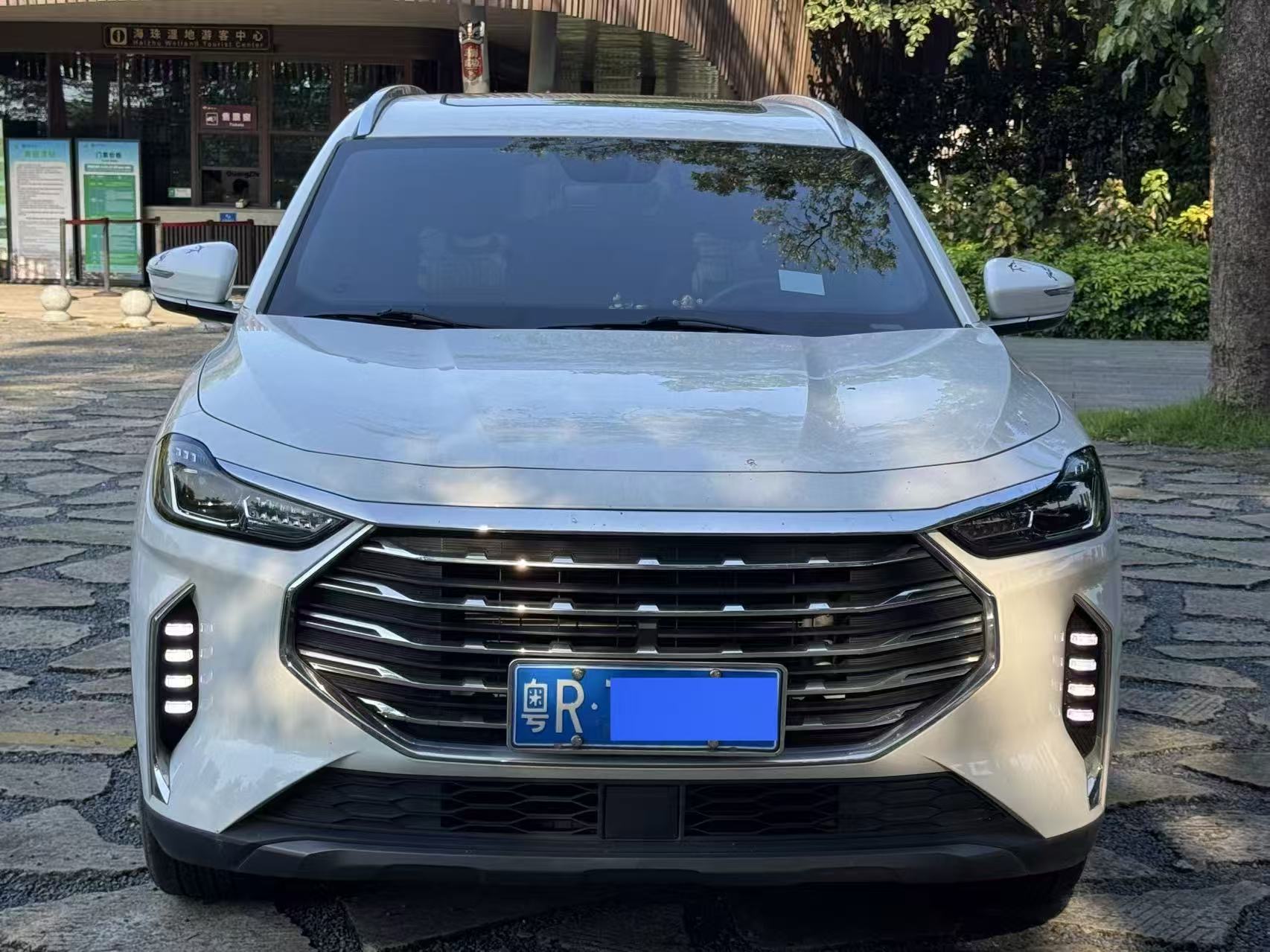
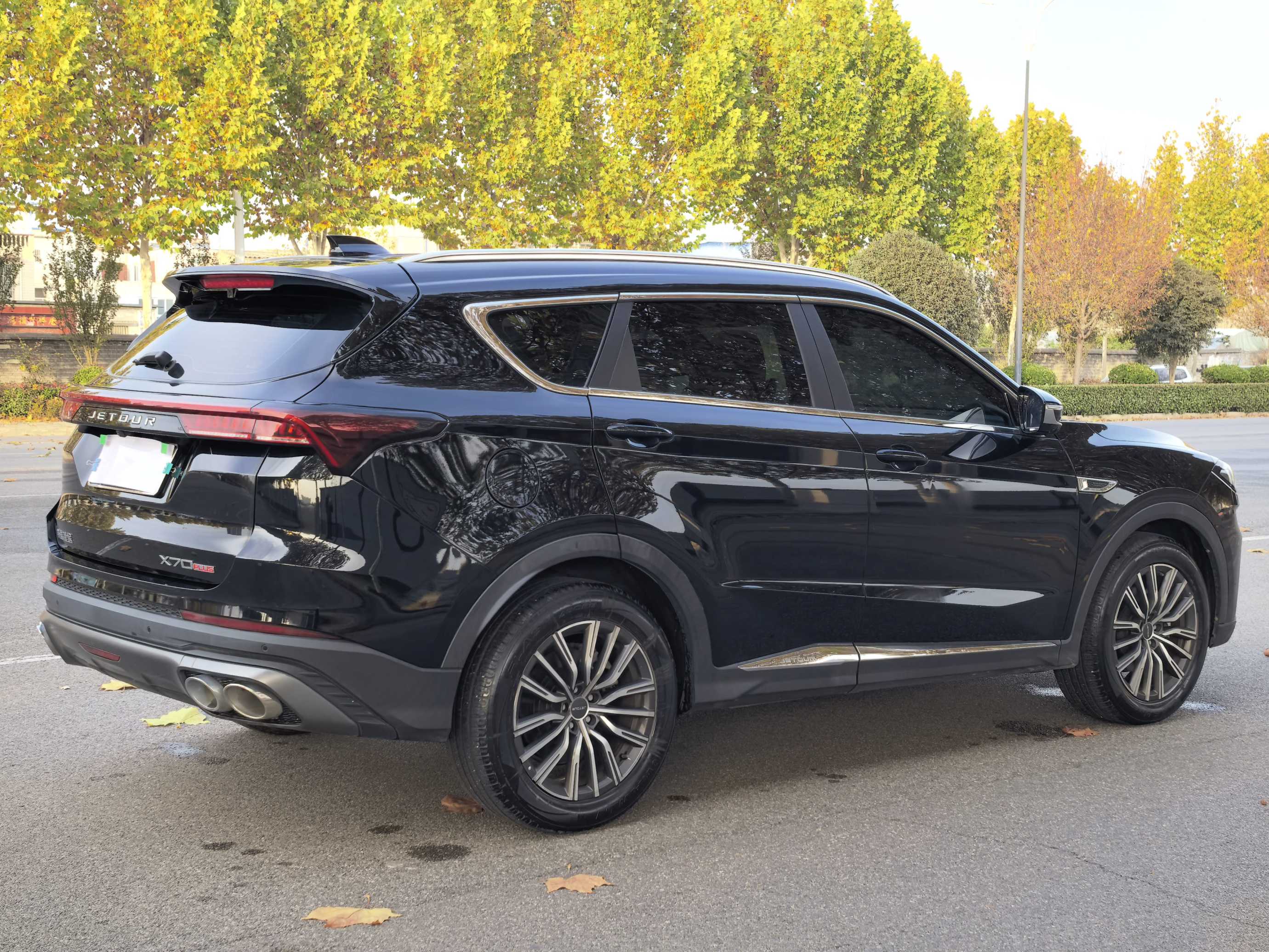
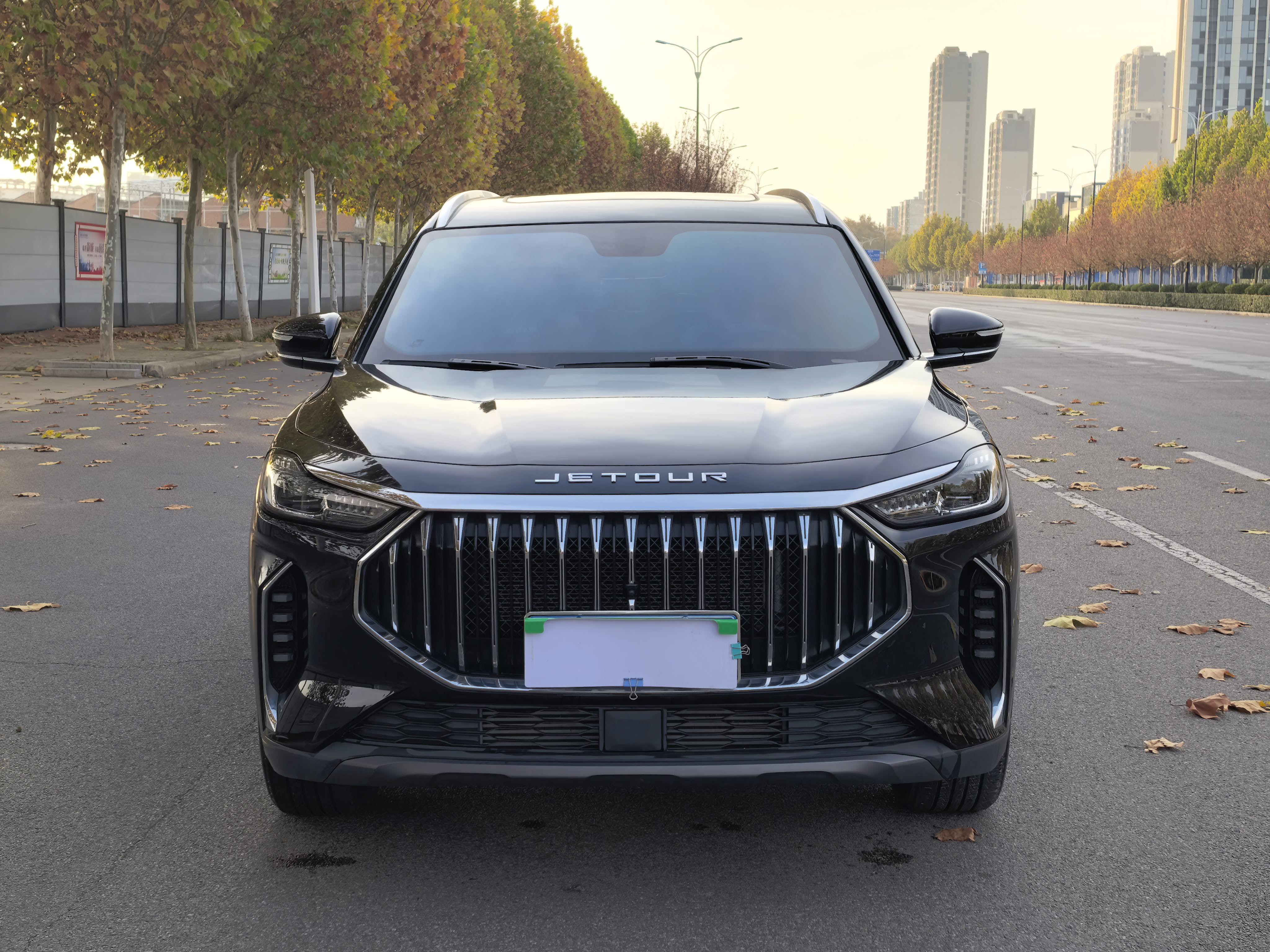
BrandJetour
SeriesX70 PLUS
Year2023
First Registration2023/04
Mileage15,000km
Transfer Count0times
FuelGasoline
TransmissionDCT
Engine1.6T 197 L4
ColorBlack
Seats5seats

Condition Description

2023 model year, original paint except one left front door repainted. Personal one-owner vehicle. Actual odometer reading 15,000 km.

Document Information

Inspection Expiry Date-
Warranty Expiry Date-
Insurance Expiry Date2027/04

Q&A

More

What is a Chinese vehicle registration certificate and how do I verify the seller actually owns the car?

The key document is the 机动车登记证书 (Vehicle Registration Certificate), the green booklet proving ownership. Along with it, the seller should provide the 行驶证 (driving license for the vehicle) and their ID. Verification steps: 1. Check that the VIN/chassis number on the certificate matches the car exactly, stamped on the dashboard and door frame 2. The certificate's 所有人 (owner) field must match the seller's company name or the export agent they claim to work with 3. Look at the registration history pages—frequent transfers in a short period can indicate problem cars being flipped 4. Confirm the car is not marked 抵押 (mortgaged/pledged to a bank) Be cautious if the seller only shows photos of these documents and refuses a live video panning across the original booklet with the day's newspaper. Also verify the export company has 二手车出口资质 (used-car export qualification)—a legitimate exporter will share their license number, which you can cross-check on Chinese commerce bureau websites.


After picking up the car, I found the tire pressure warning (TPMS). How can I reset the tire pressure sensor myself?

Temperature differences during sea transport can easily trigger the tire pressure warning. After inflating the tires to the standard pressure (usually 2.5 Bar), most vehicles will automatically clear the warning after driving a few kilometers; some models require manually clicking "Tire Pressure Reset" in the "Vehicle Settings" on the central screen.

What seasonal factors should I consider when scheduling my car's shipment from China?

Timing your shipment can save money and avoid delays. Peak season: August to October and the weeks before Chinese New Year are the busiest—rates rise and space is tight, so book 3-4 weeks ahead. Chinese New Year (late January or February) shuts down factories and ports for about two weeks. Weather: summer brings typhoons to South China ports such as Shenzhen and Guangzhou, which can delay departures; winter fog affects northern ports like Tianjin and Qingdao. Consider the destination too: shipping to Europe or the Gulf during winter is fine, but if your car will travel by rail or road through Central Asia, deep-winter departures face cold-weather handling requirements and slower border crossings. Practical tip: if you're not in a hurry, shipping in the off-season (March to June) is usually 10-20% cheaper. Always confirm the vessel's estimated departure and arrival dates in writing, and ask for tracking once the car is loaded.