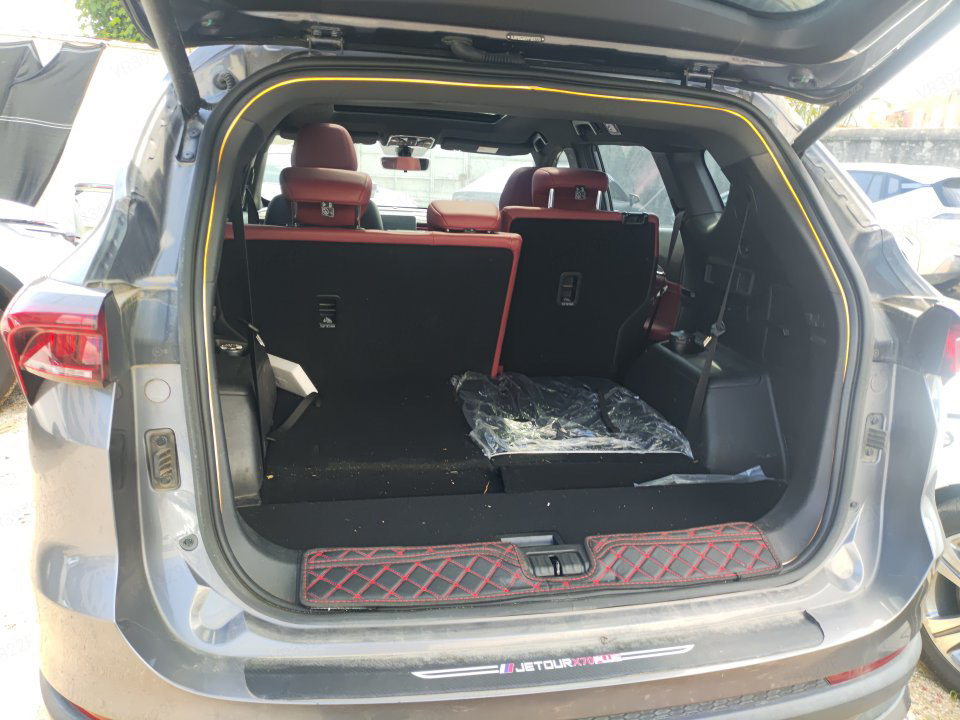
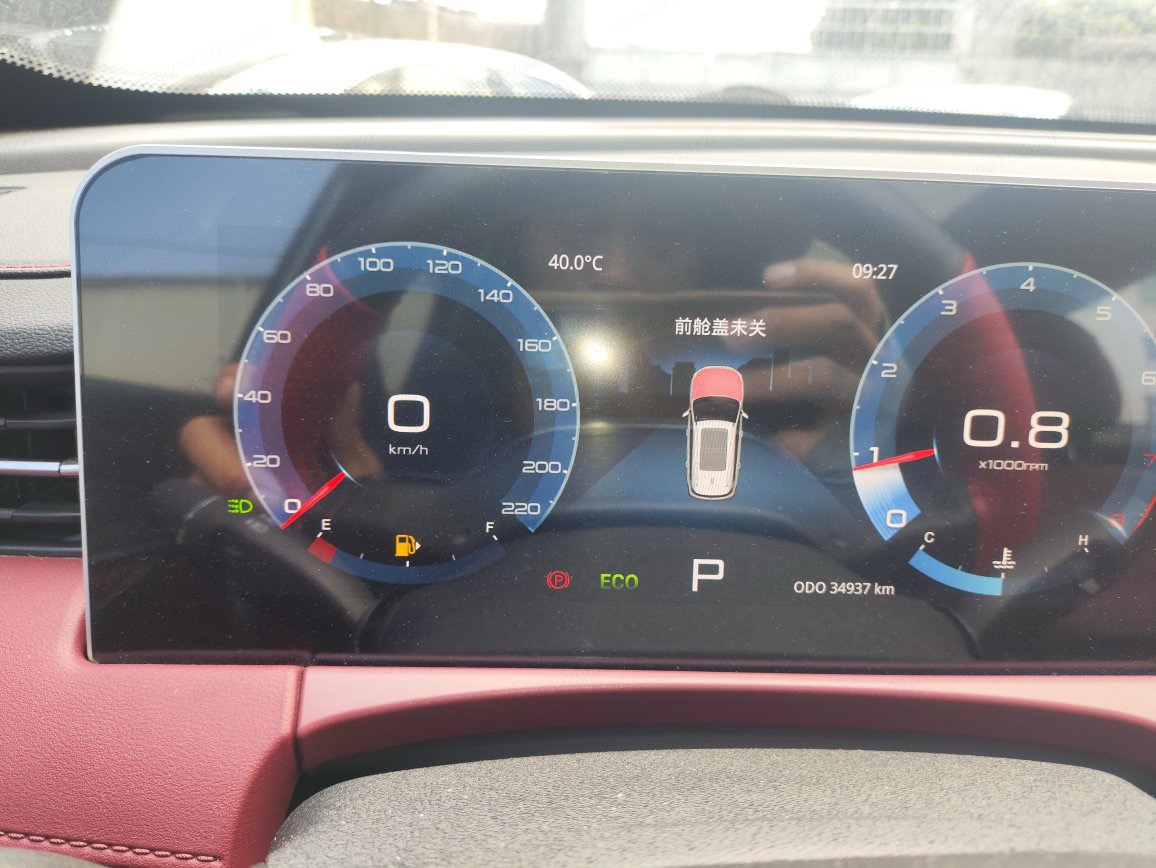



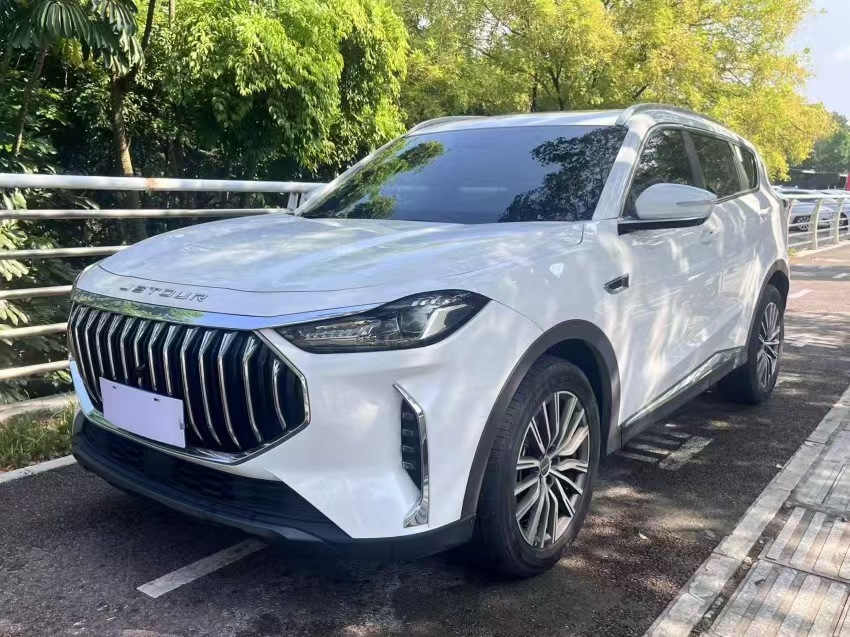
48H

Basic Information

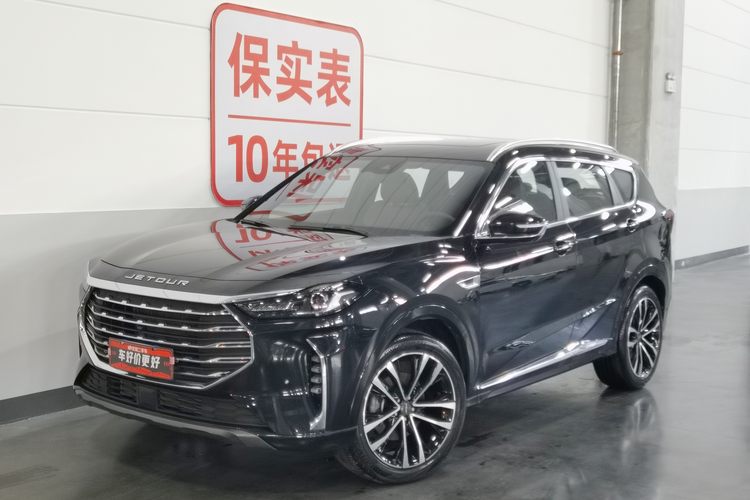
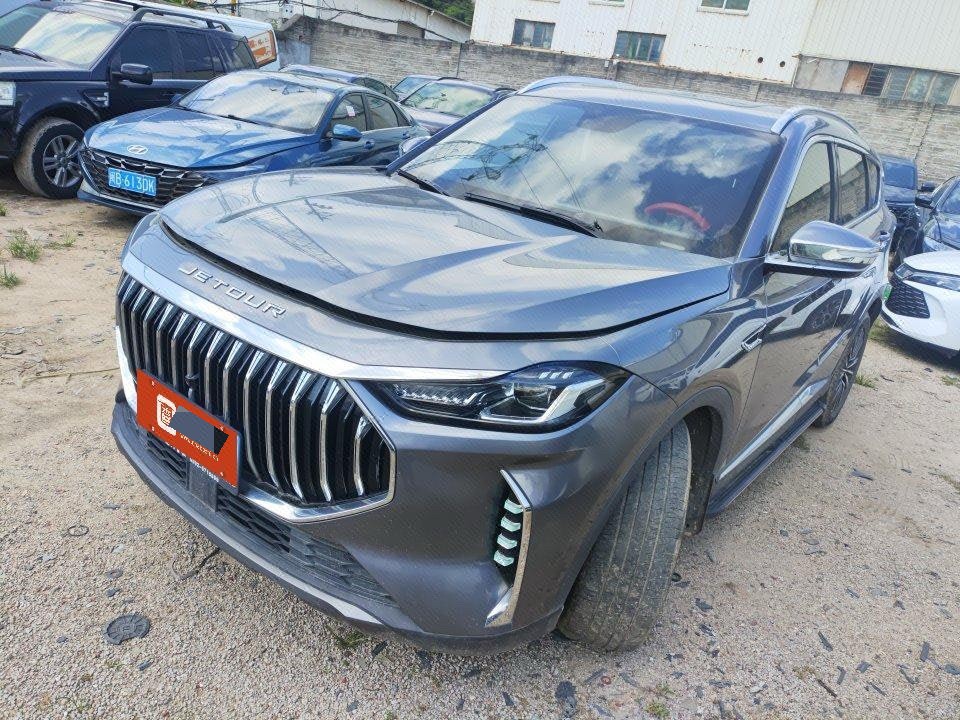
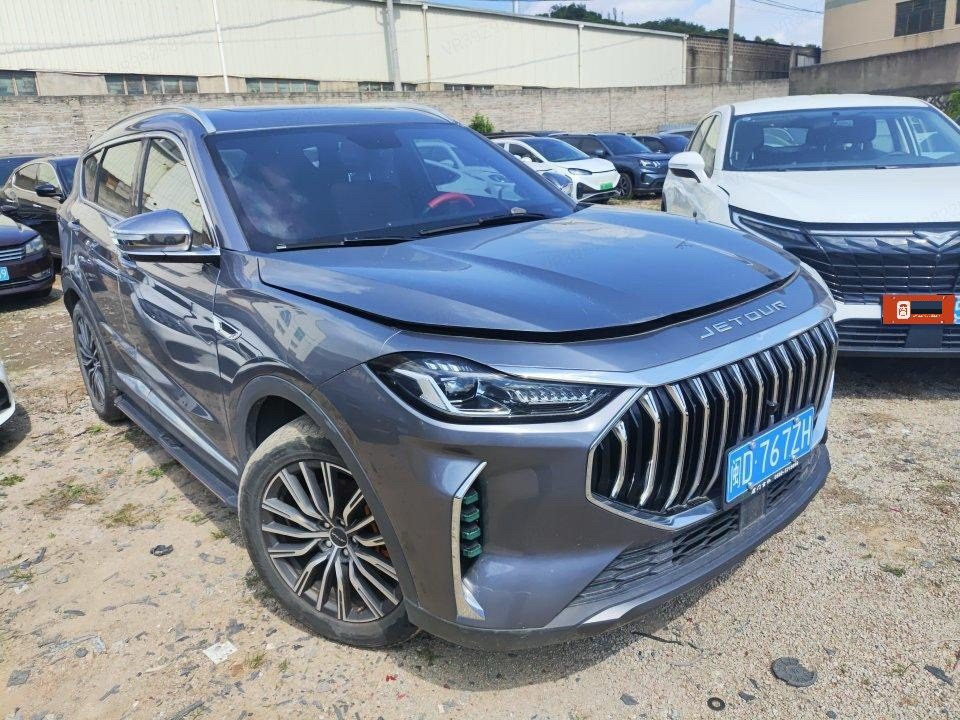
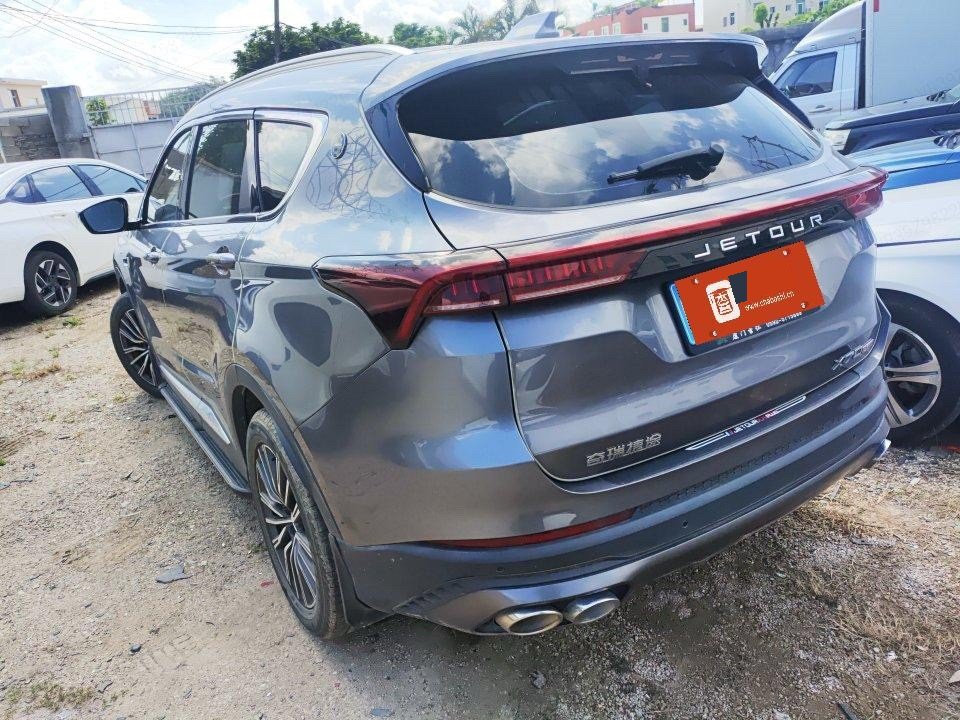
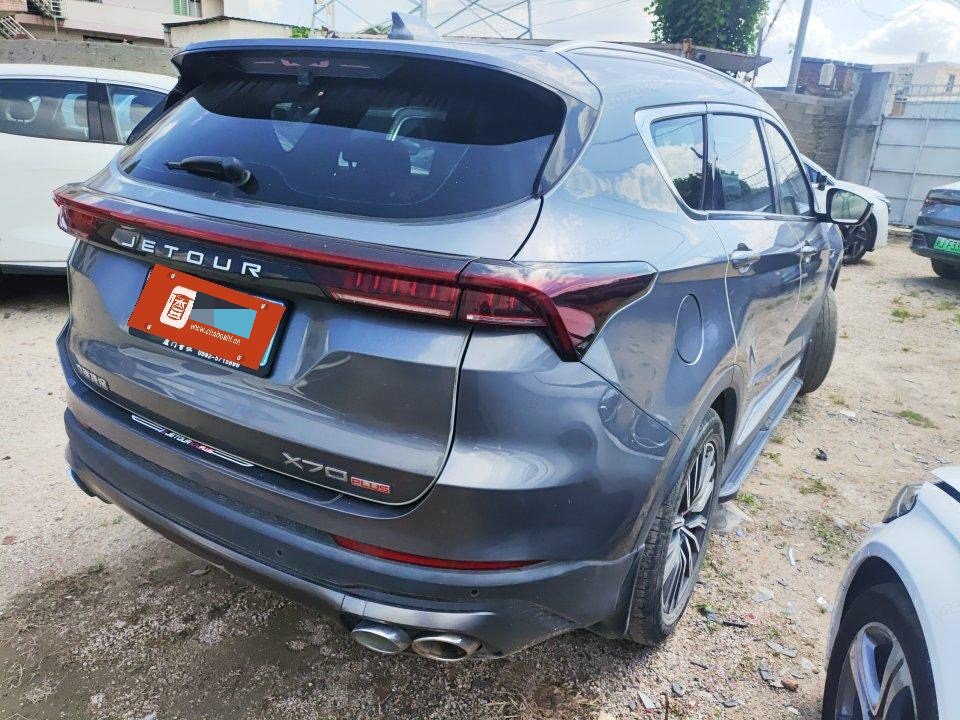
BrandJetour
SeriesX70 PLUS
Year2023
First Registration2023/12
Mileage34,900km
Transfer Count0times
FuelGasoline
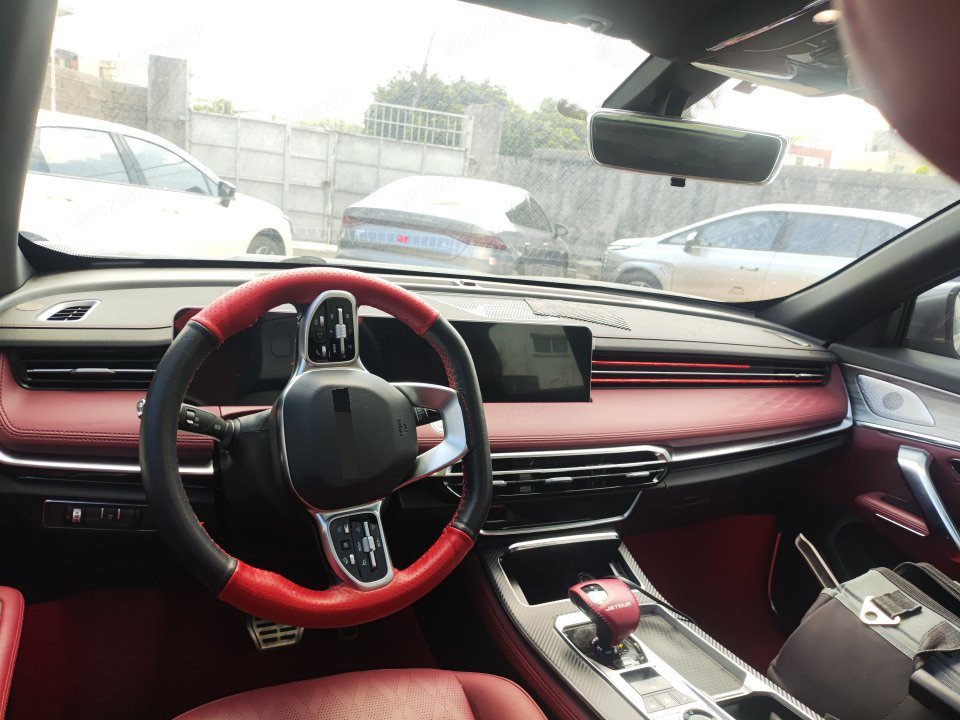
TransmissionDCT
Engine1.6T 197 L4
ColorGrey
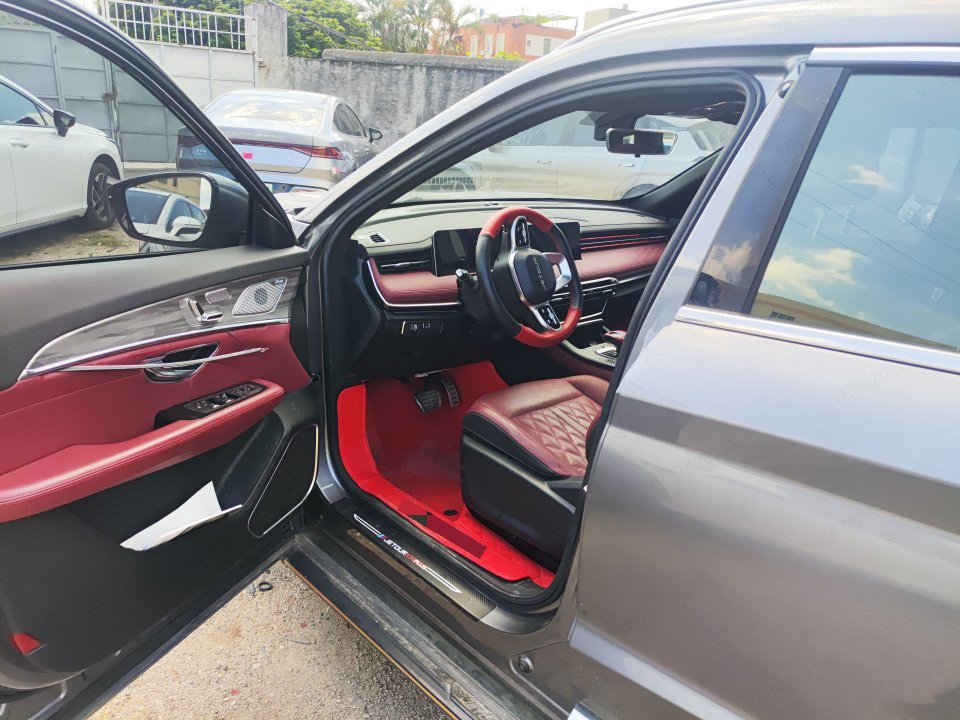
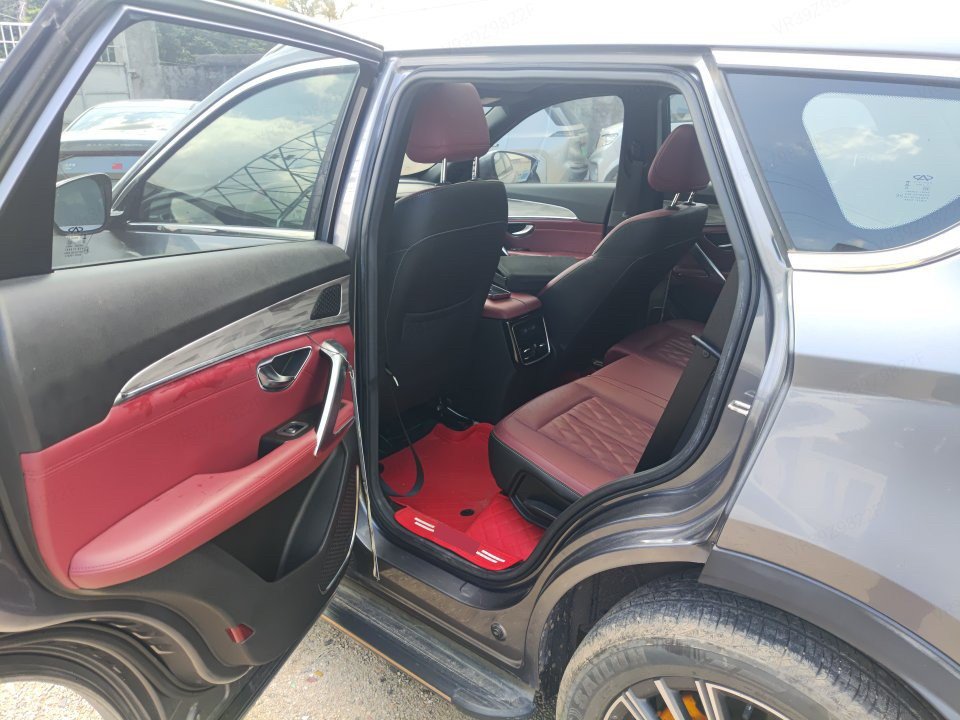
Seats7seats

Condition Description

Original paint, no repaint.

Document Information

Inspection Expiry Date-
Warranty Expiry Date-
Insurance Expiry Date2026/10

Q&A

More

If the previous owner modified the vehicle (like wheels or exhaust), will you keep it or restore it?

Unless the previous owner retained the original parts and provided them to us, we usually keep the existing modifications and clearly state in the report "includes non-original modifications." Since the standards for illegal modifications vary by country, buyers should assess whether these modifications can legally pass inspection in their destination country.

What does the real landed cost of importing a used car from China look like, and which line items do buyers most often underestimate?

A realistic landed cost has five layers: the car price, export-side fees (deregistration, export license, inland trucking to the port), international freight and insurance, destination duties and taxes, and local charges (port handling, inspection, registration). Buyers most often underestimate three items. First, destination duties are calculated on the customs value, which may include freight, so a cheap car can still attract significant tax. Second, port and terminal charges at both ends add up; demurrage fees apply quickly if documents are late. Third, compliance costs such as homologation, emissions testing, or translation of documents can run into hundreds of dollars depending on the country. Ask every exporter for a written, itemized quote to your port, not just an FOB price, and keep a 5% contingency. Quotes that look unusually cheap usually hide costs in the freight or handling lines.

Will you clearly inform if the vehicle was previously a commercial vehicle (ride-hailing, taxi, rental)?

The "usage type" section on the vehicle registration certificate has legal validity. Any vehicle that changes from "commercial" to "non-commercial" has a usage intensity far exceeding that of personal vehicles, and we will label these prominently. Such vehicles are usually cheaper but have more severe mechanical wear.