
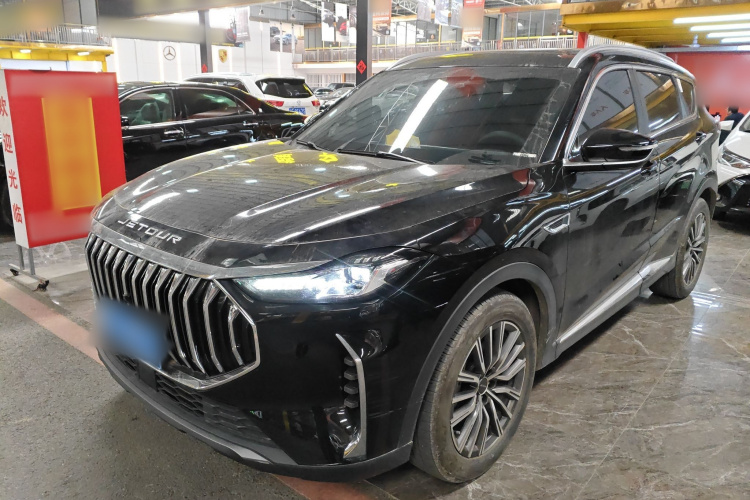

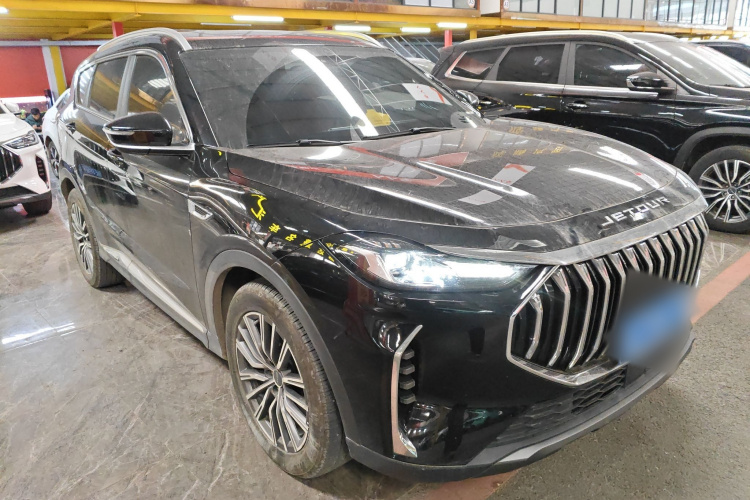
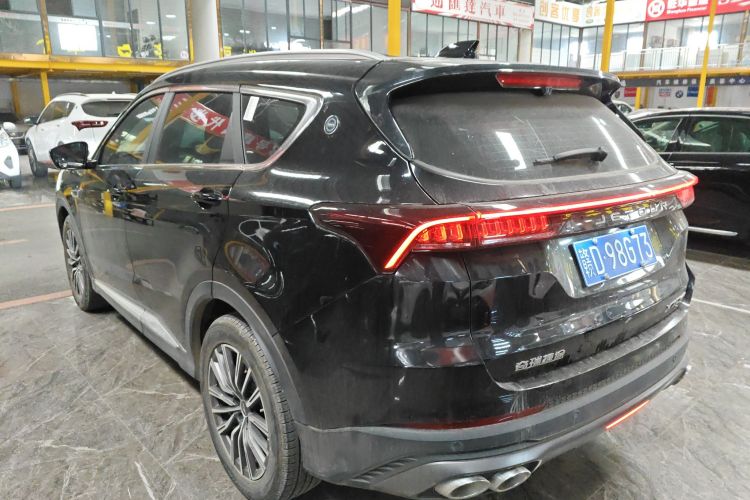
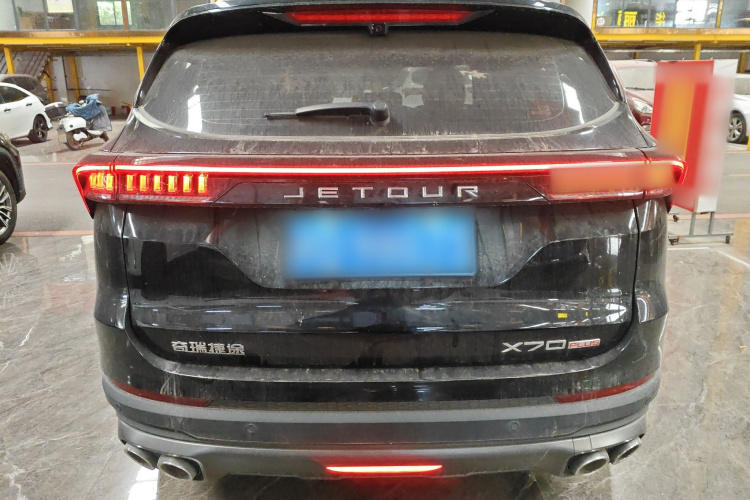
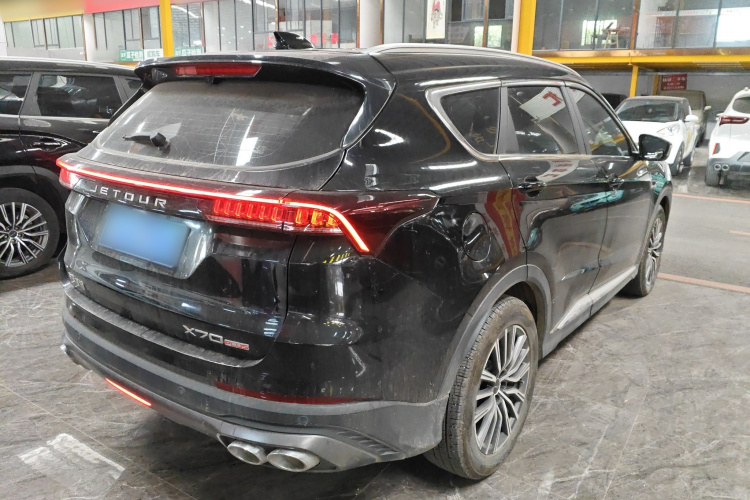
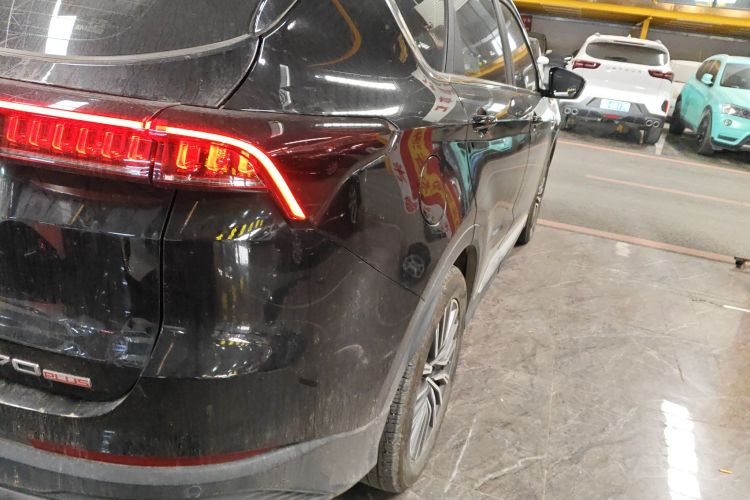
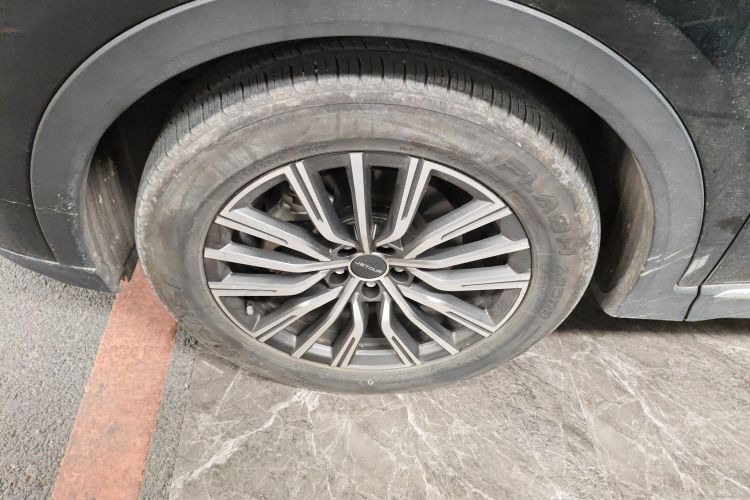
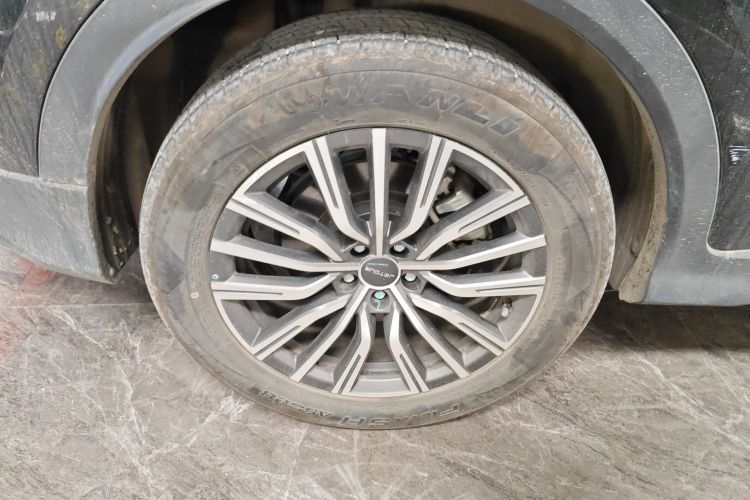




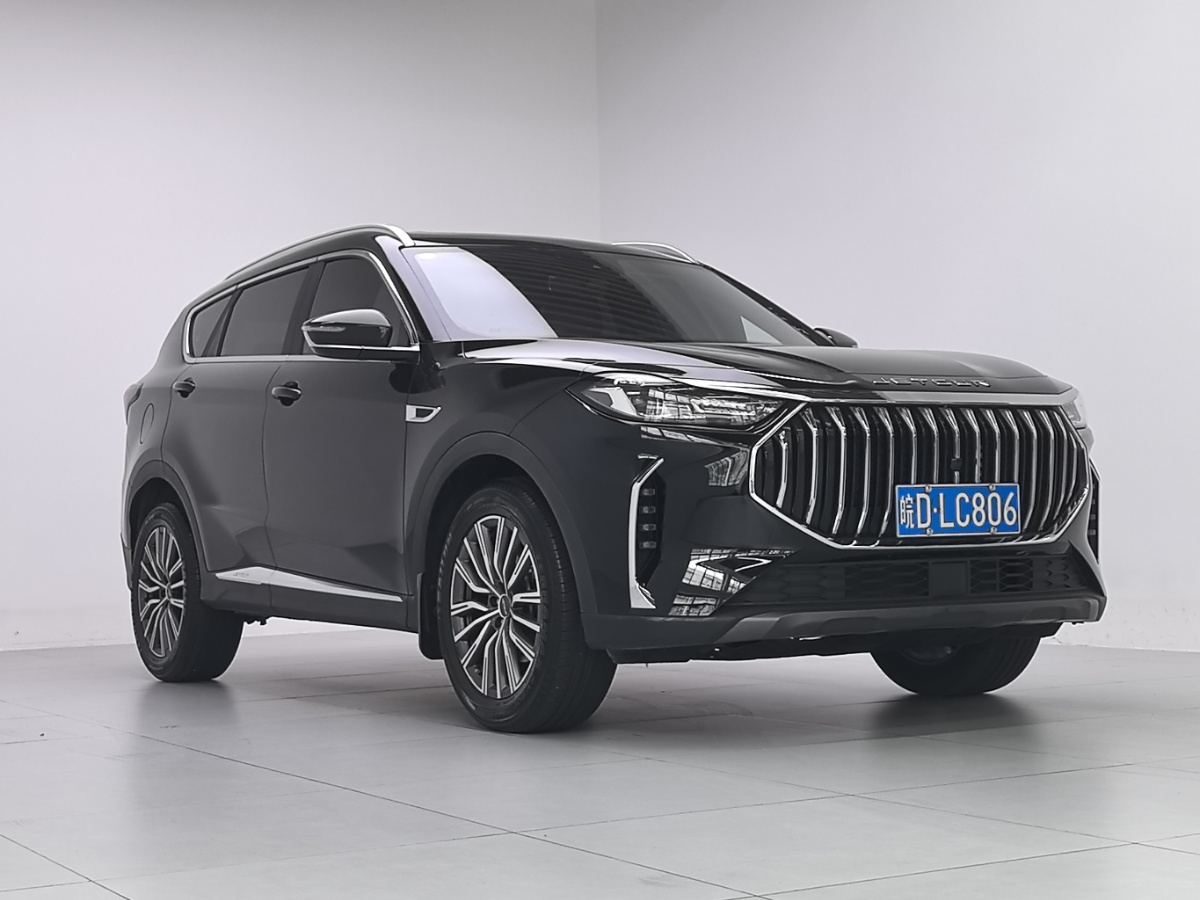
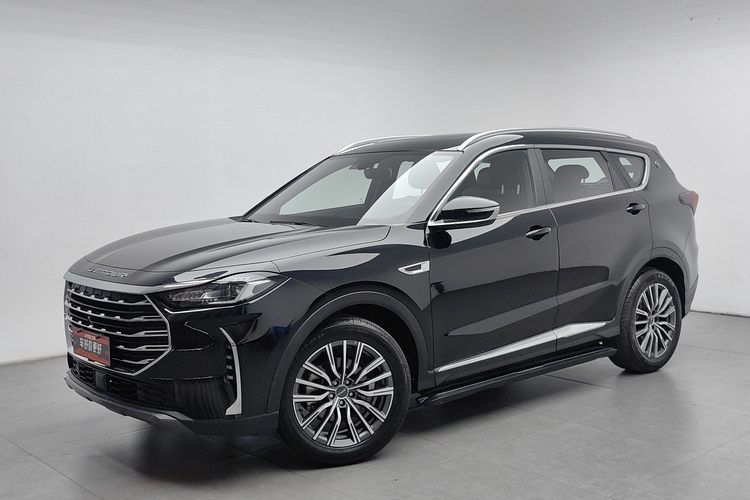
Basic Information

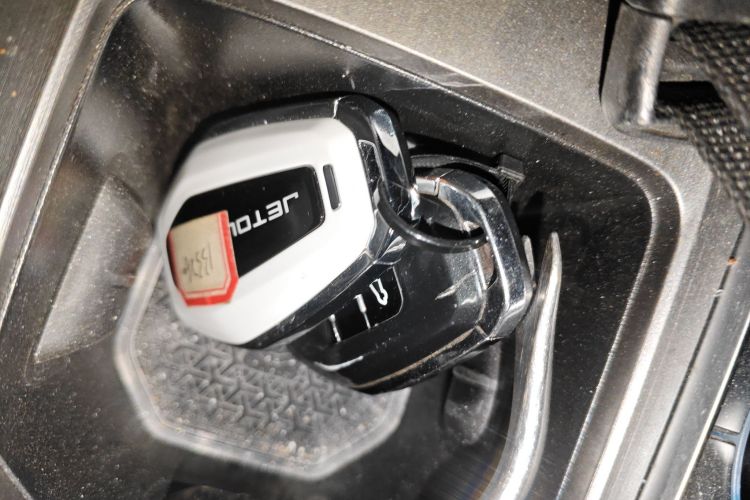
BrandJetour
SeriesX70 PLUS
Year2024
First Registration2024/09
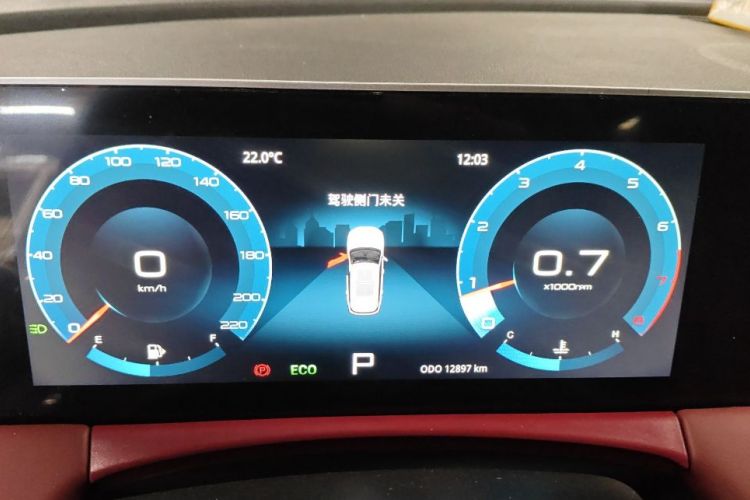
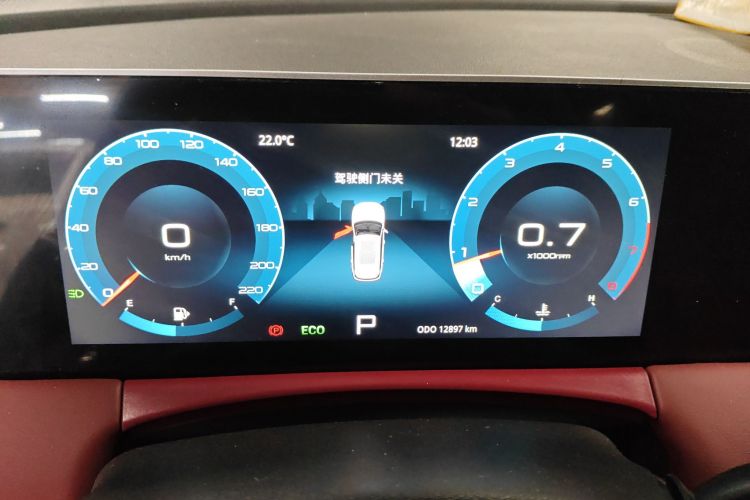
Mileage12,900km
Transfer Count-
FuelGasoline
TransmissionDCT
Engine1.5T 156 L4
ColorBlack
Seats5seats

Condition Description

Excellent car condition test passed the car condition is better than 80%, and the best car condition for sale is claimed 0 times and transferred 0 times.

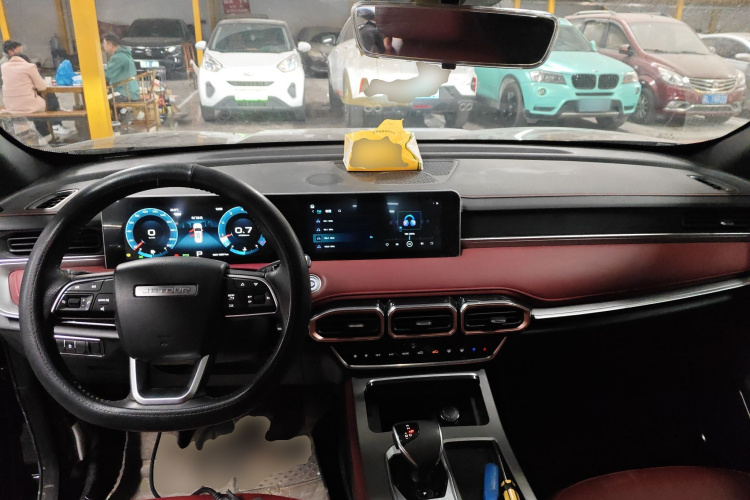
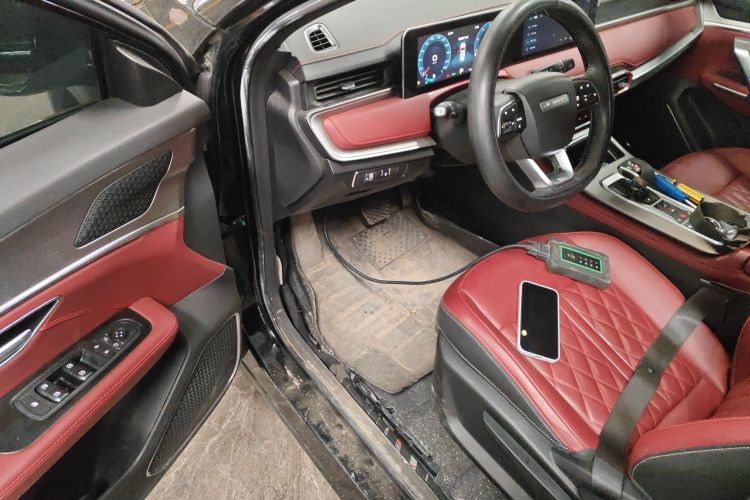
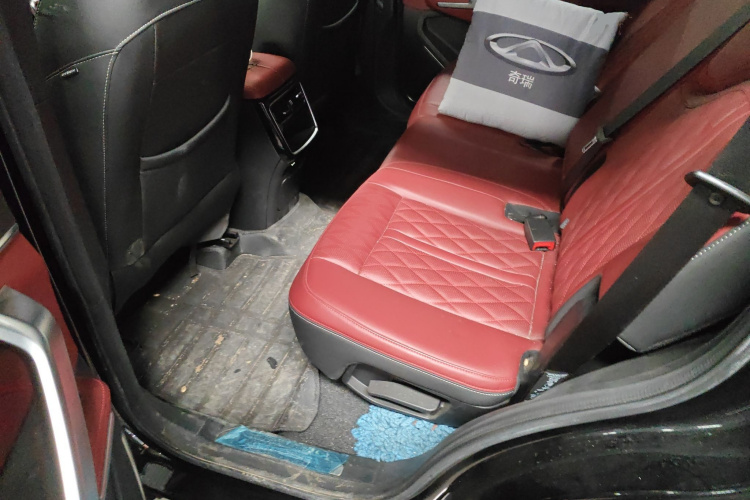
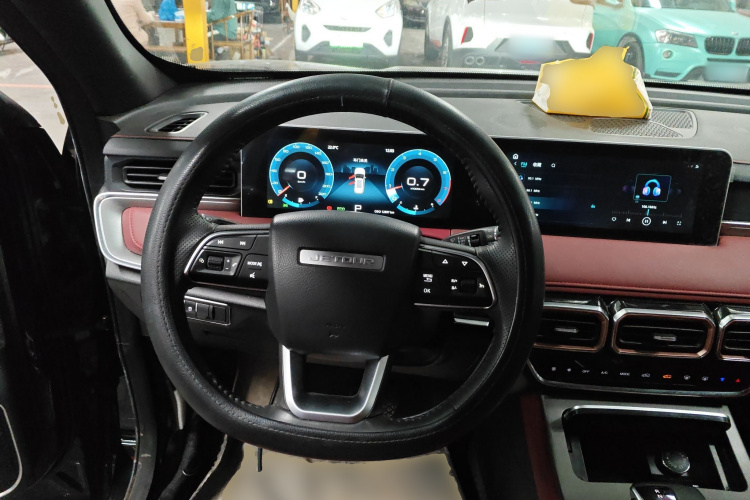
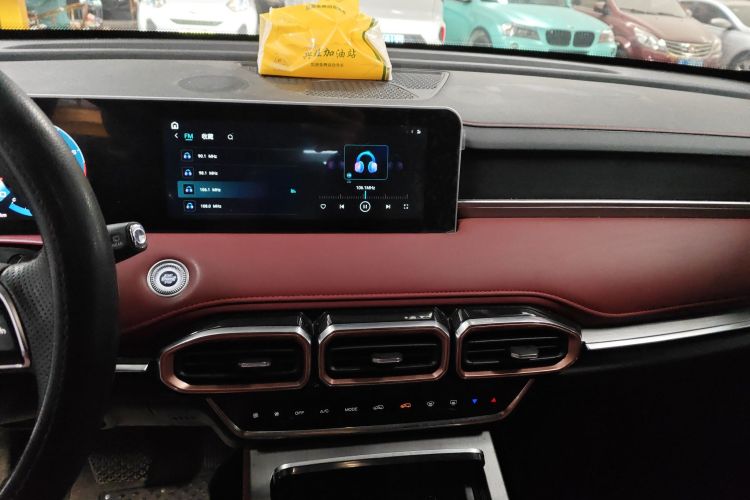
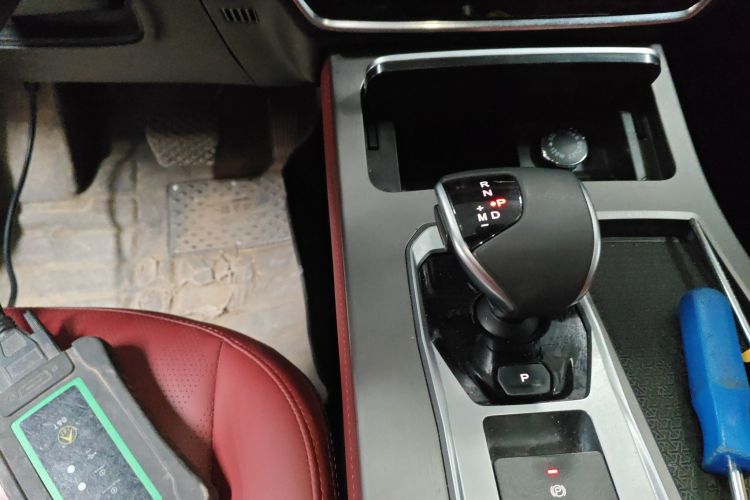
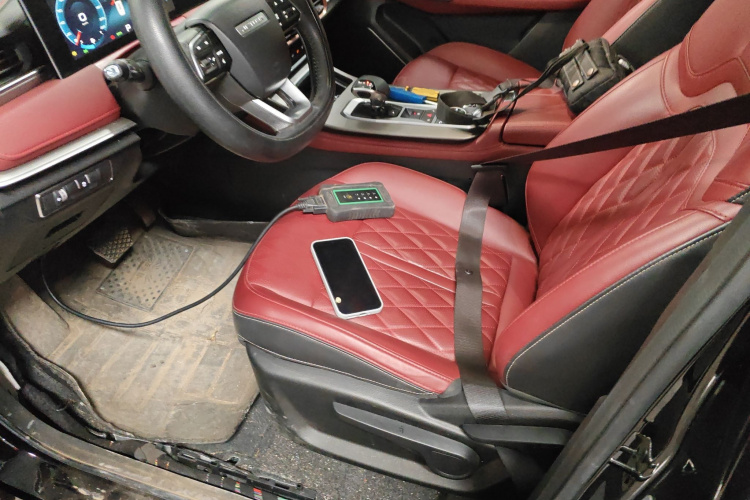
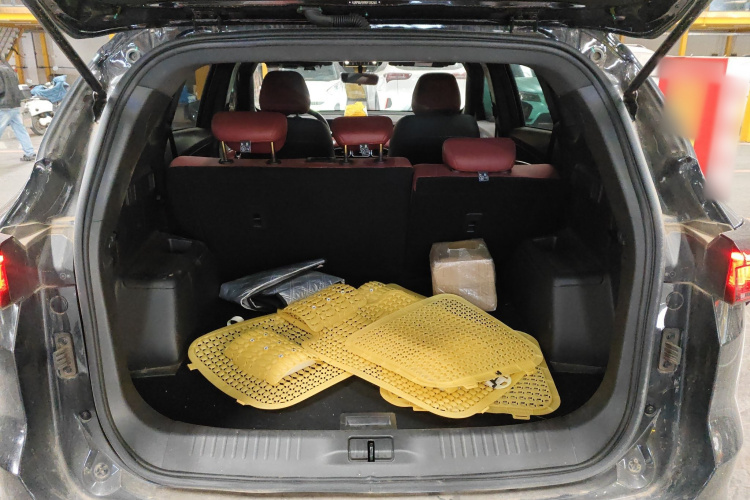
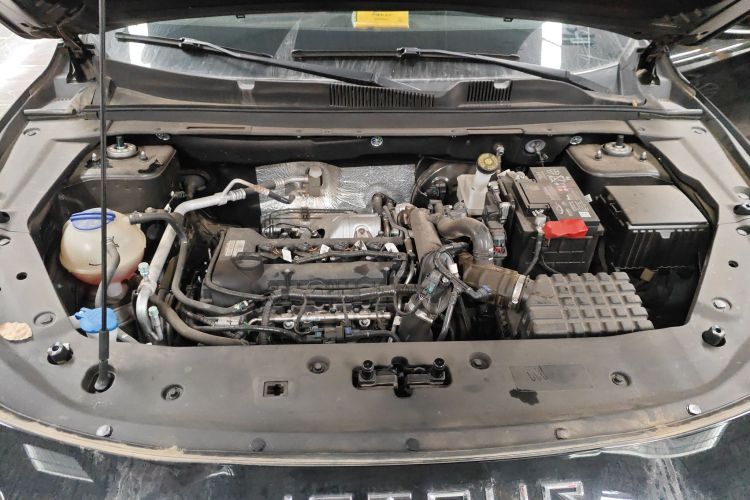
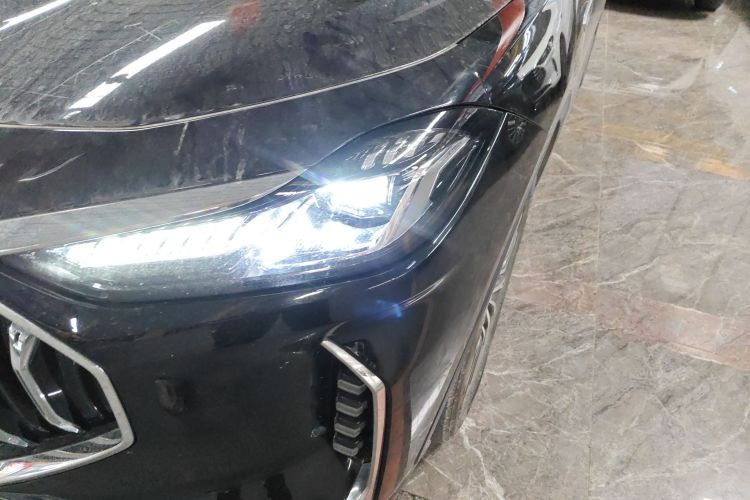
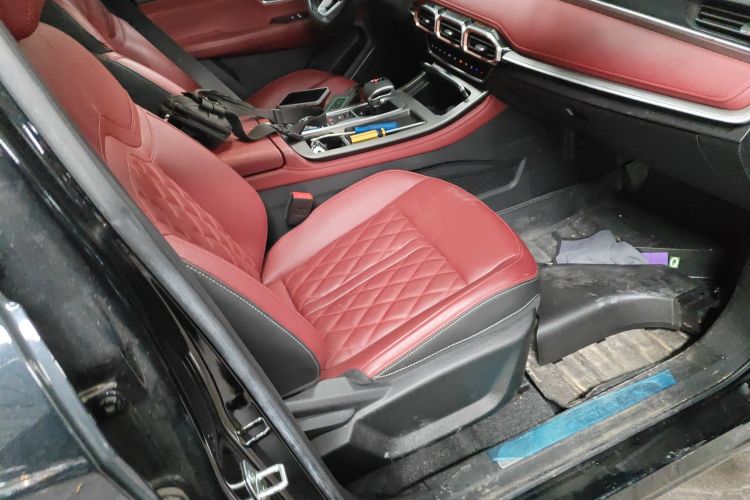
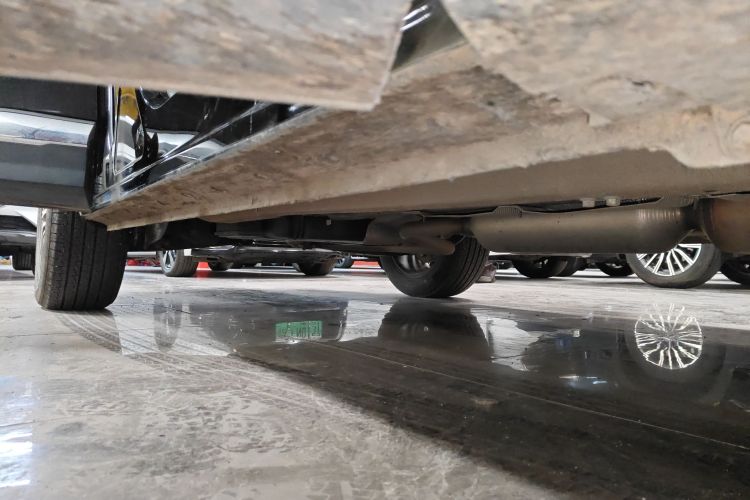
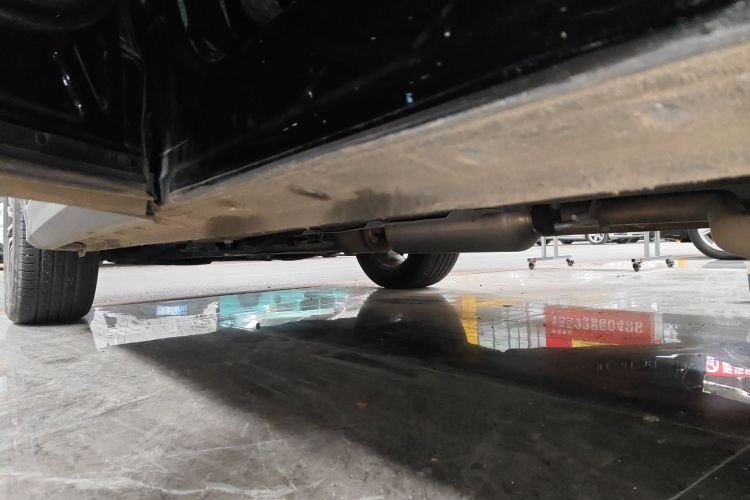
This vehicle is 2 years old, with a relatively short usage period, an average annual mileage of 6,500 kilometers, and low daily usage frequency. It has never been transferred to any other owner, making it a good first-hand vehicle. The exterior is in excellent condition, with a glossy paint finish but possibly minor scratches. The interior is clean and tidy, with minor signs of use. The overall body frame is intact and without any abnormalities. Fluids are normal, and the powertrain operates smoothly without any issues.

Configuration Highlights

✓Digital Instrument Cluster
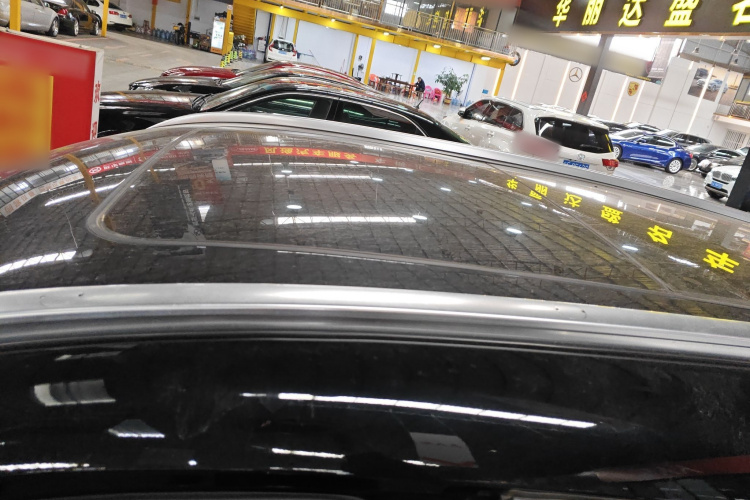
✓Panoramic Sunroof
✓Cornering Lights
✓Smartphone Connectivity
✓High Beam Assist
✓Auto Hold
✓Keyless Entry
✓Backup Camera
✓High-definition Low Beam
✓Auto Headlights
✓Cruise Control
✓Keyless Start
✓Rear Air Vents
✓Tire Pressure Monitoring
✓Hill Start Assist
✓Anti-pinch Windows

Q&A

More

What are the core advantages of buying used luxury cars (like Porsche, BBA) in China compared to purchasing them directly overseas?

China has a large number of luxury cars and a fast turnover rate. For luxury cars of the same year and mileage, the FOB offshore price in the Chinese market usually still has a 10%-15% arbitrage opportunity after deducting shipping costs, especially for models with high depreciation rates.
If a car frequently transfers between extremely cold areas (like Northeast China) and extremely hot areas (like Hainan), would you provide special risk warnings?

Absolutely. The extreme temperature fluctuations will significantly accelerate the aging of chassis rubber parts, oil seals, and interior plastics. For vehicles frequently dispatched across such latitudes, we will conduct fatigue resistance checks on chassis rubber parts that are twice as stringent as those for vehicles in temperate regions.

Why is there a time difference between the production date on the vehicle nameplate and the first registration date on the registration certificate?

The nameplate date is the absolute time when the vehicle leaves the factory; the registration date is when the vehicle is registered with the traffic management department after sale. The difference represents the time the vehicle spent in the dealer's warehouse or logistics. If the time difference exceeds 6-8 months, the vehicle is considered a "stock vehicle," and we pay special attention to the natural aging of its rubber components.