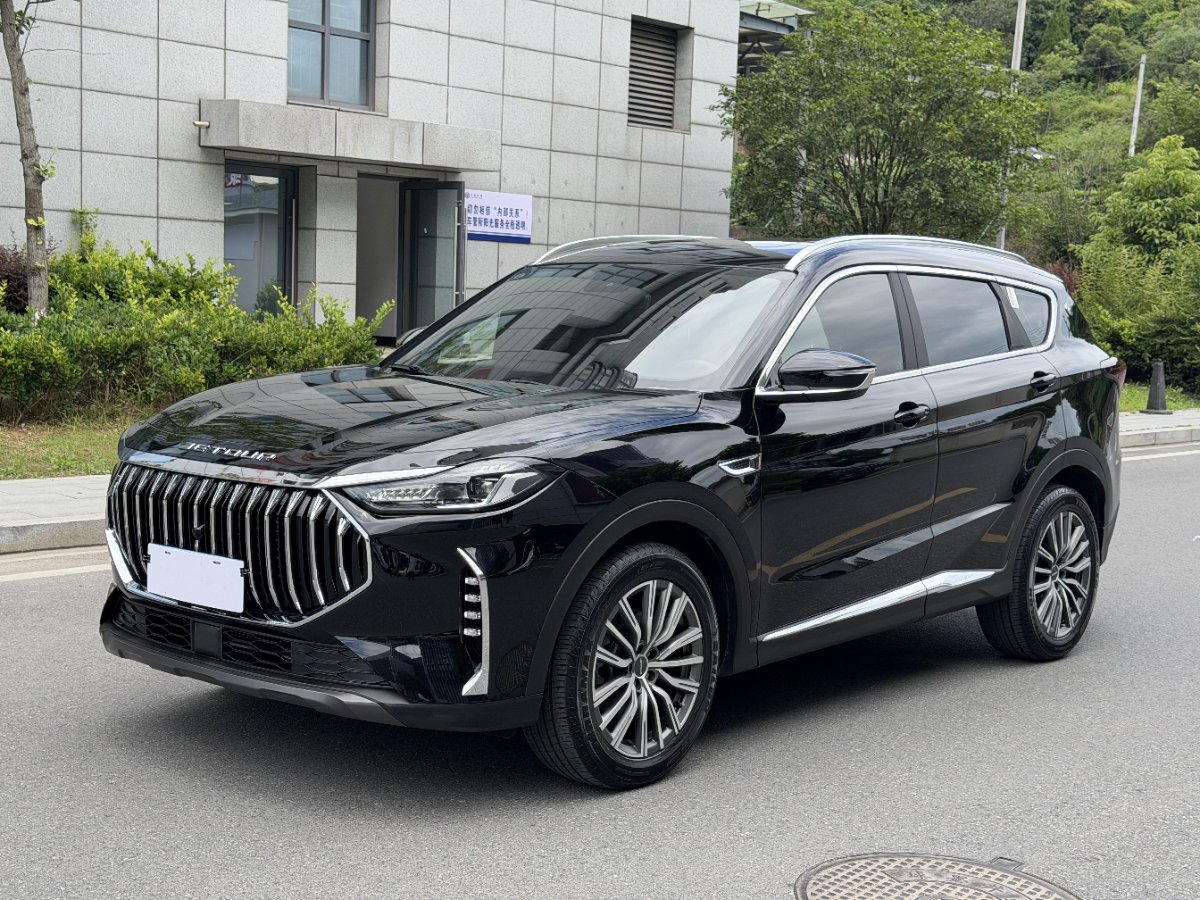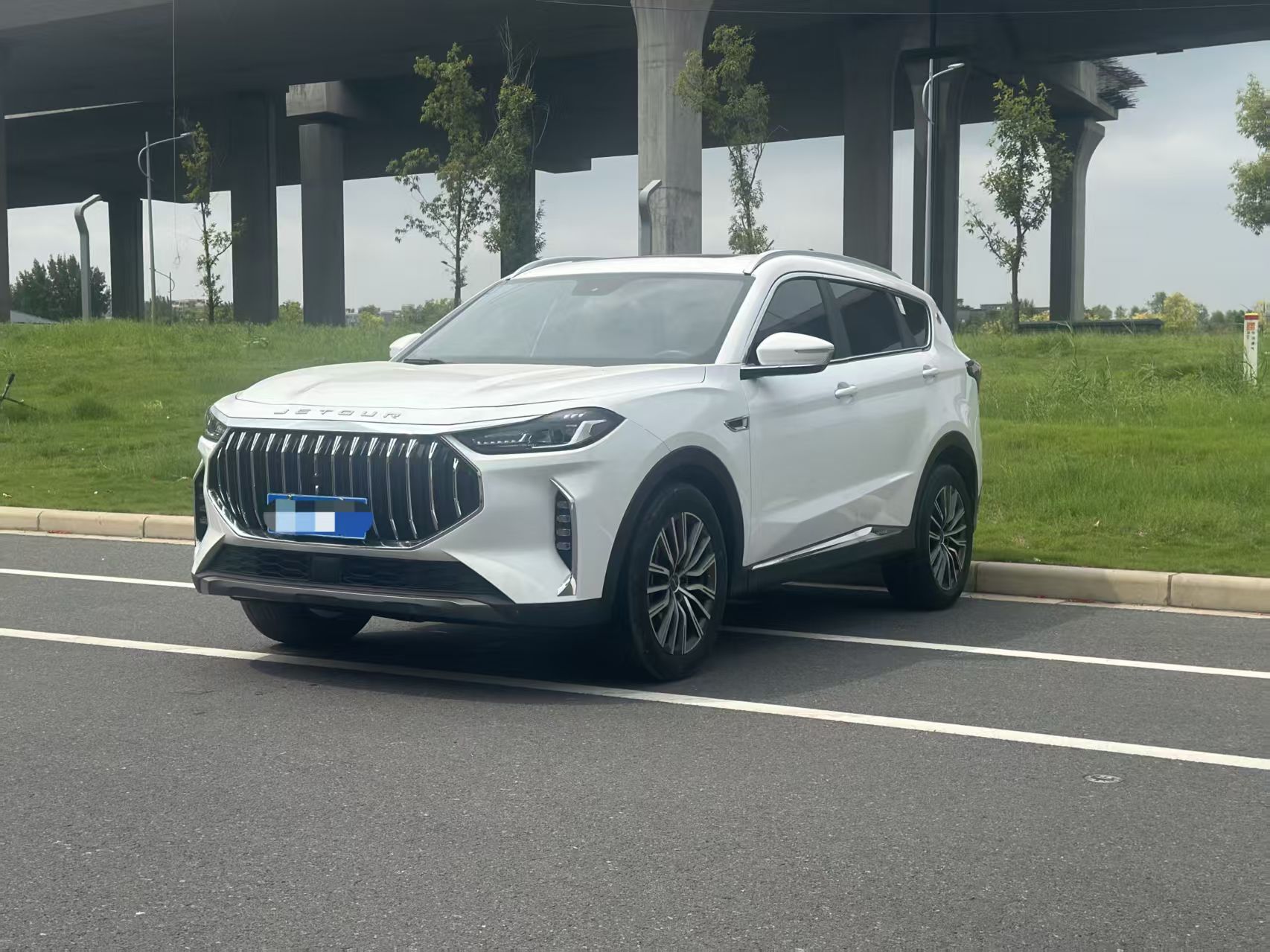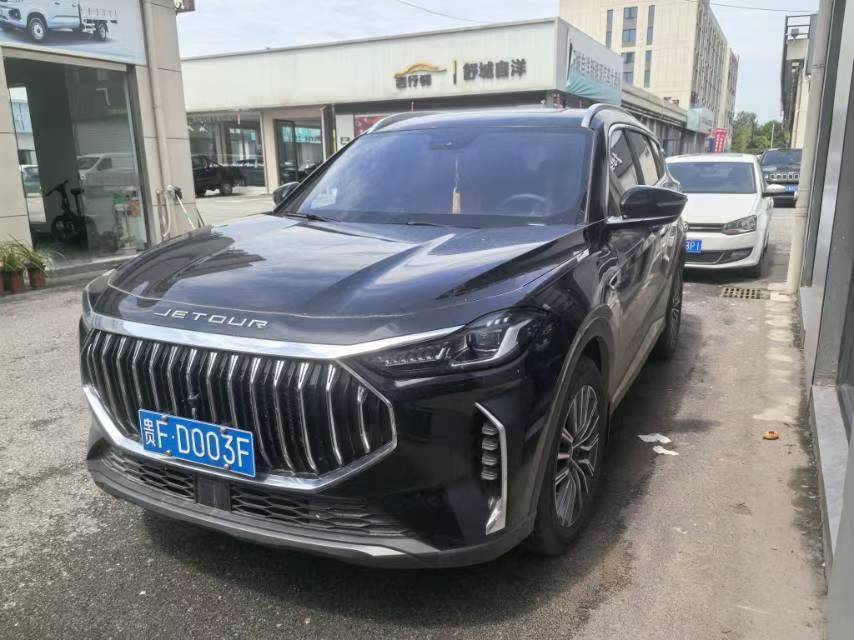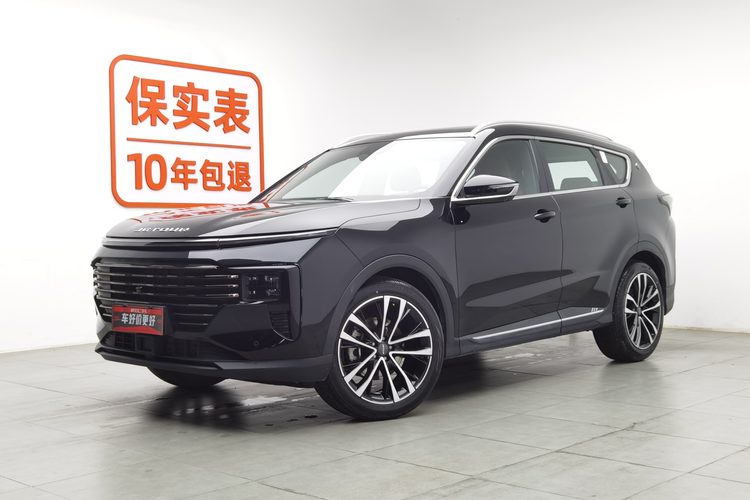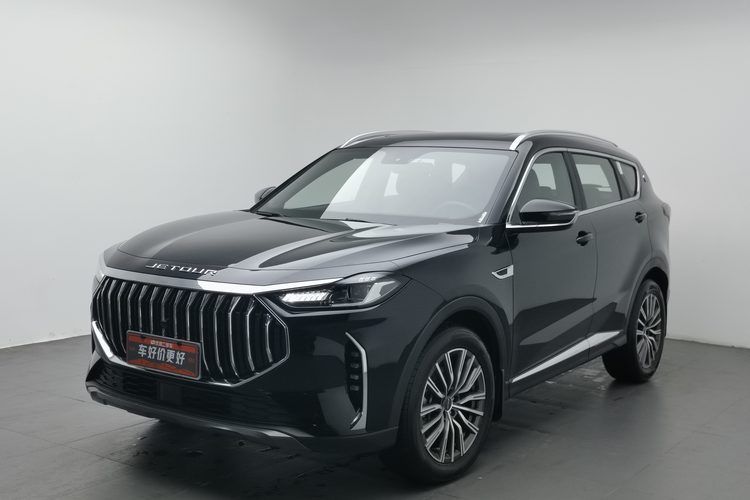
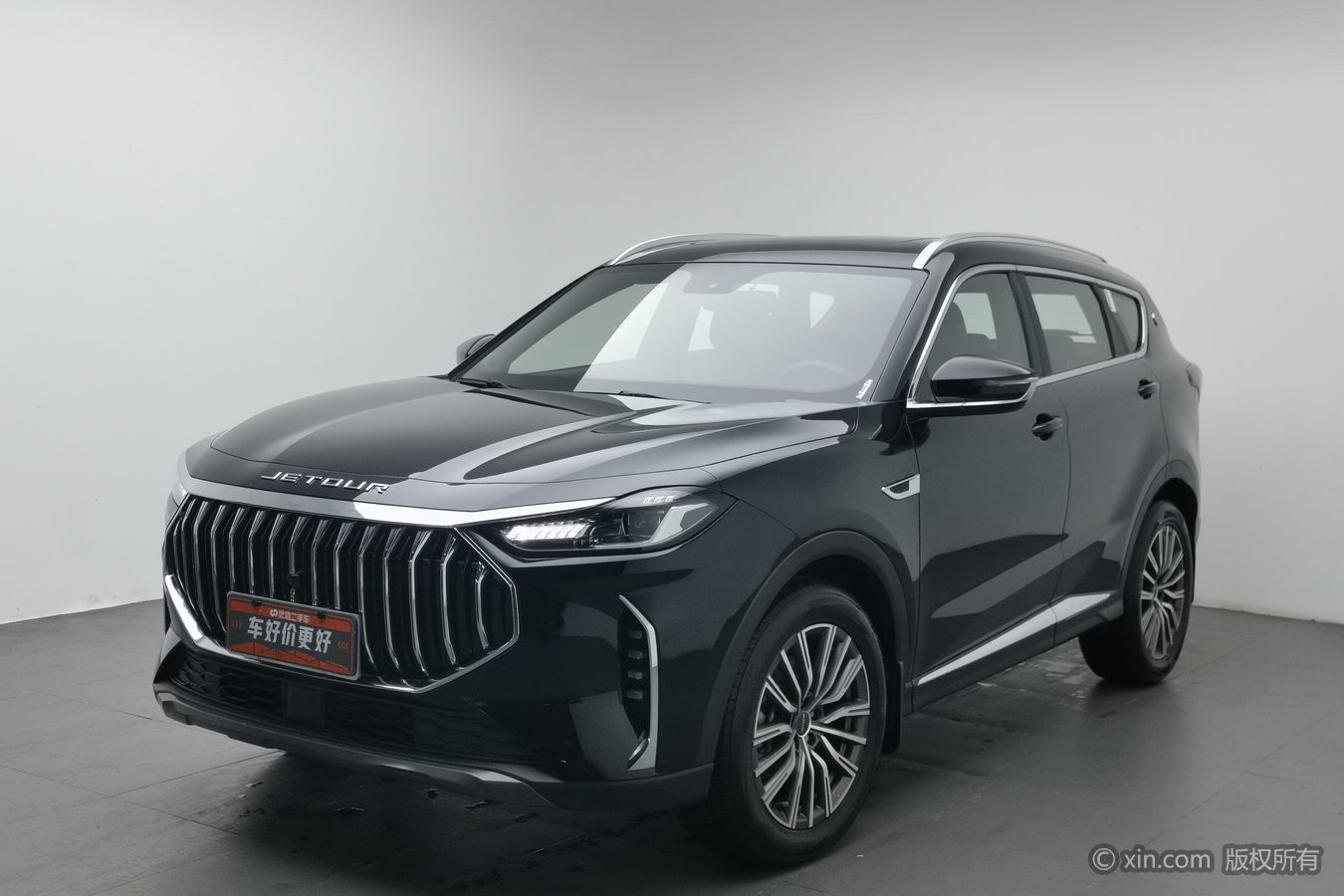
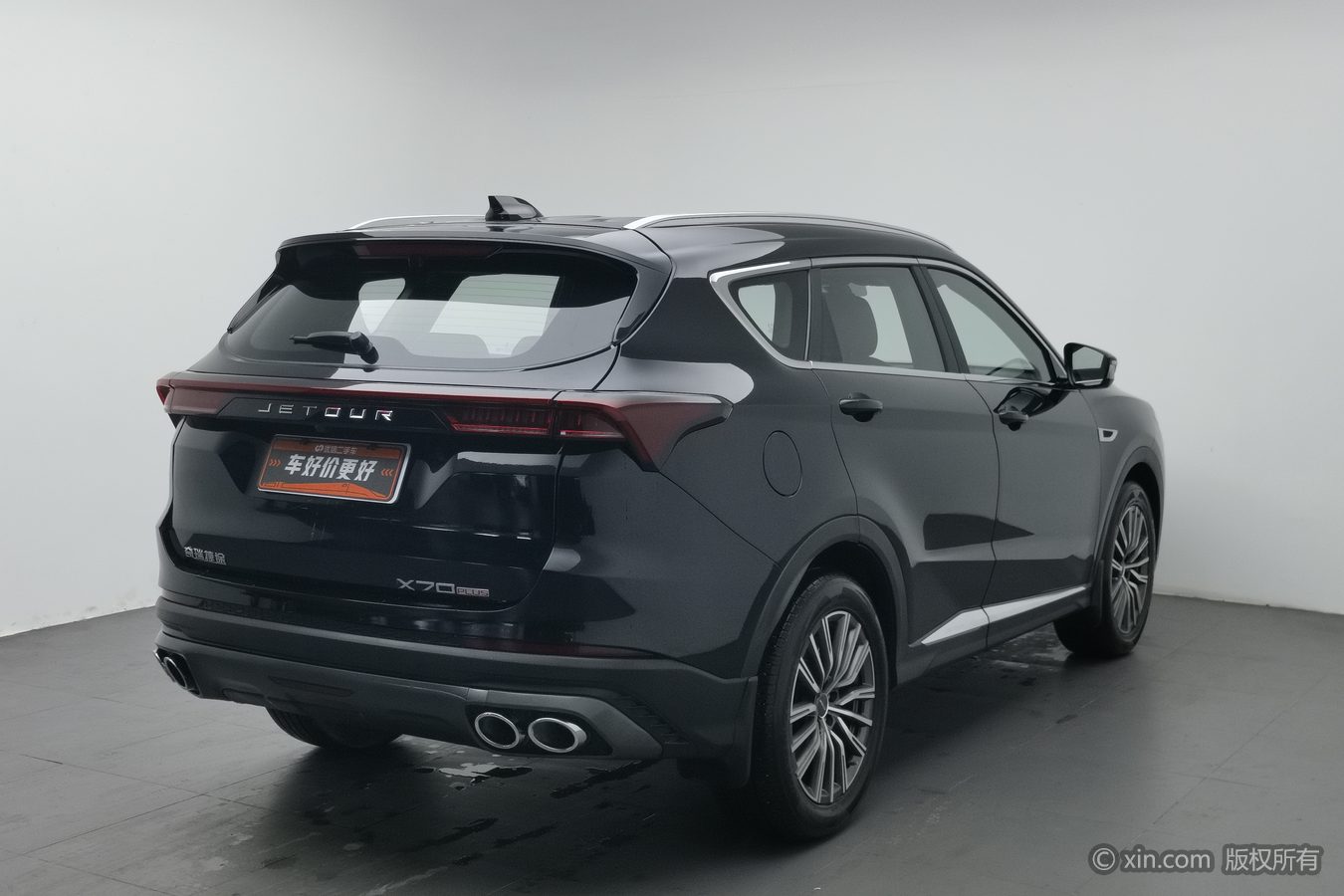
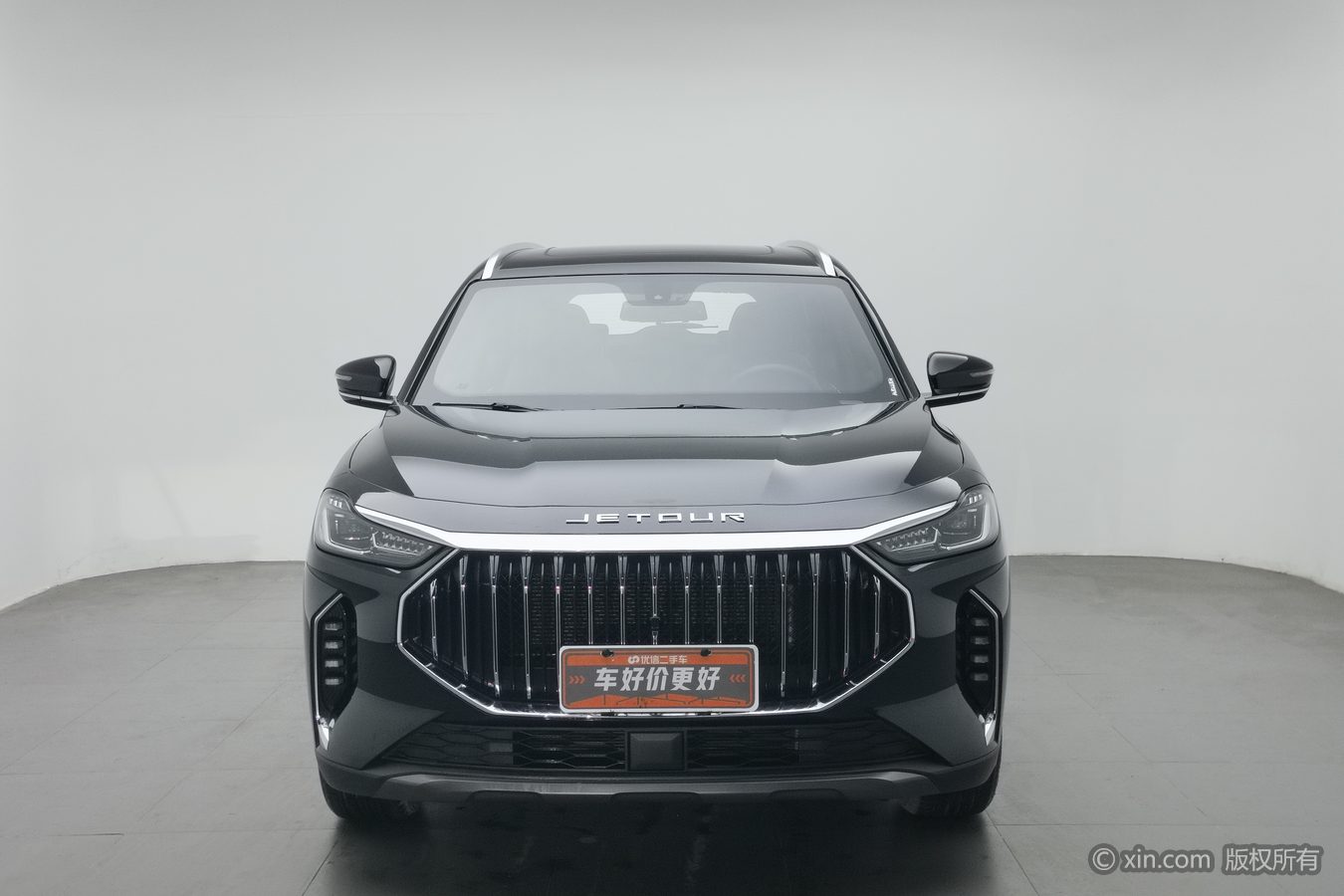
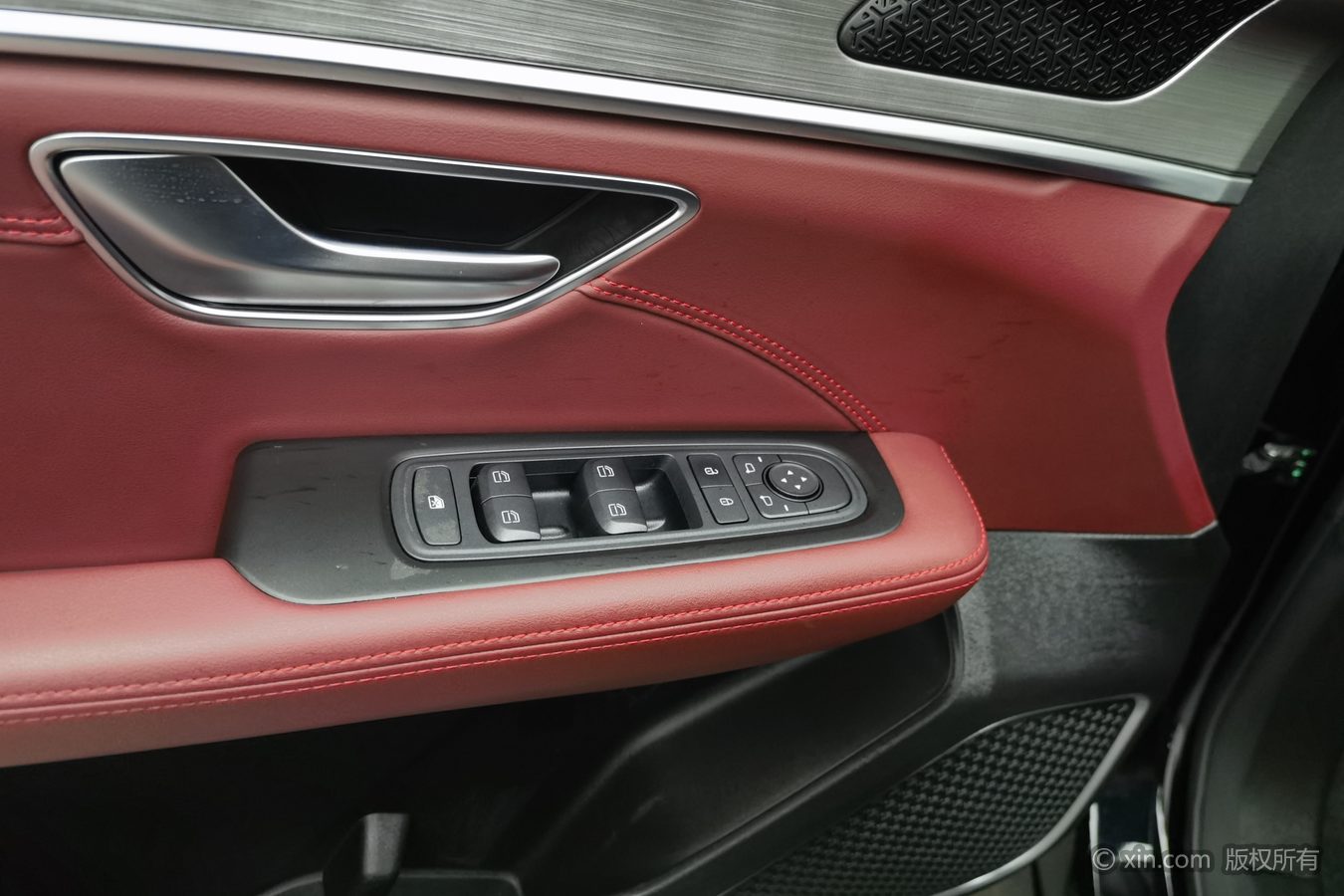
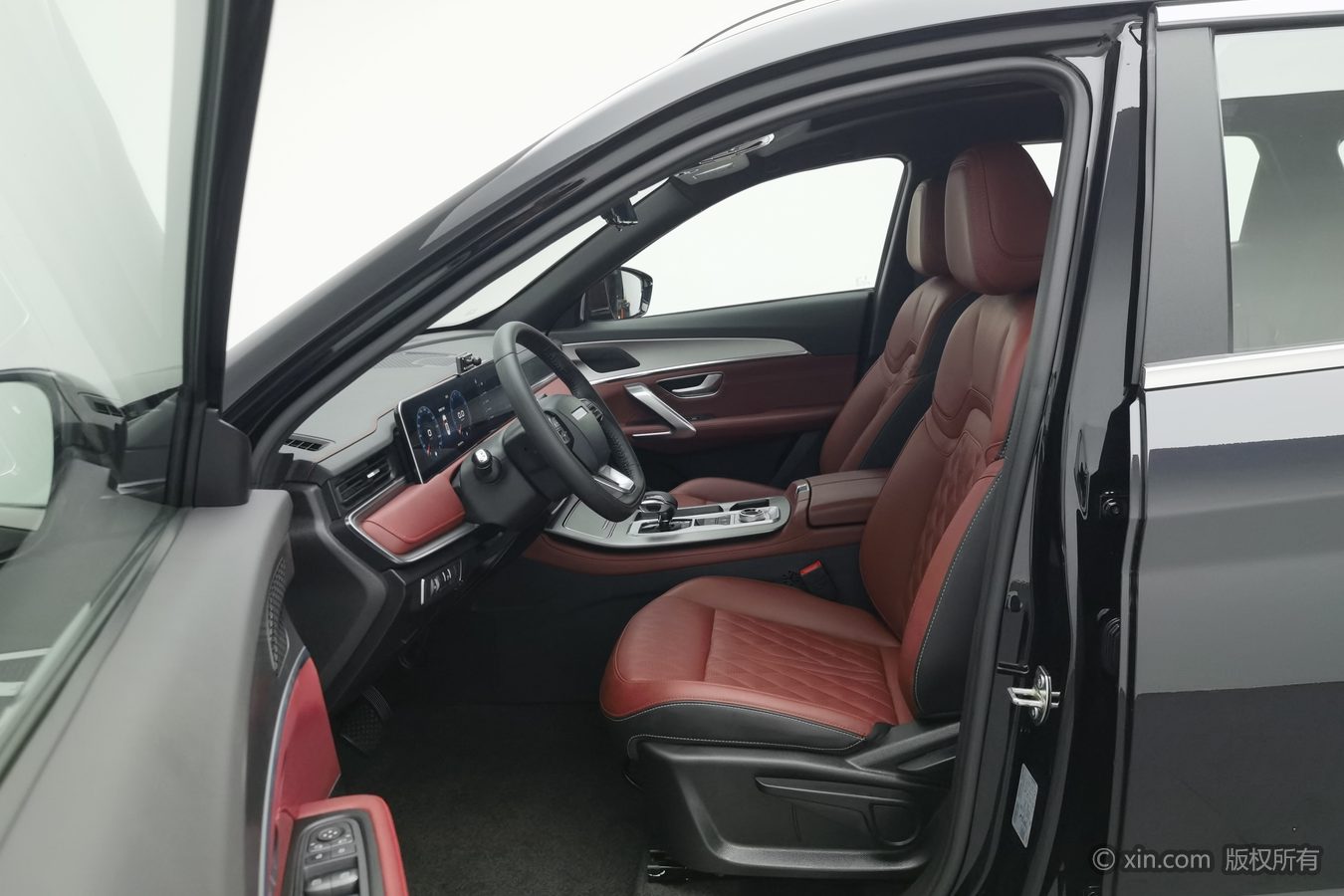
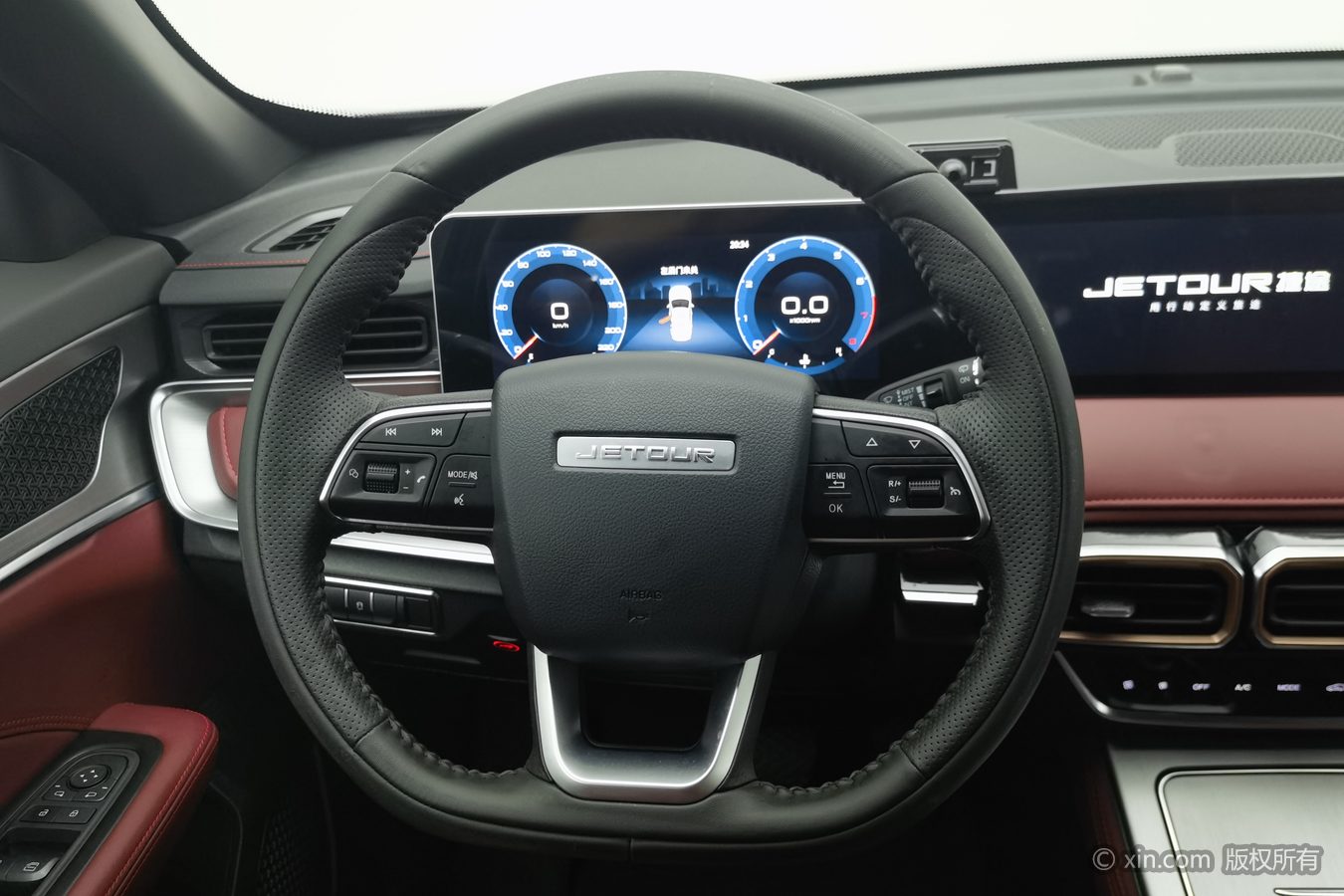
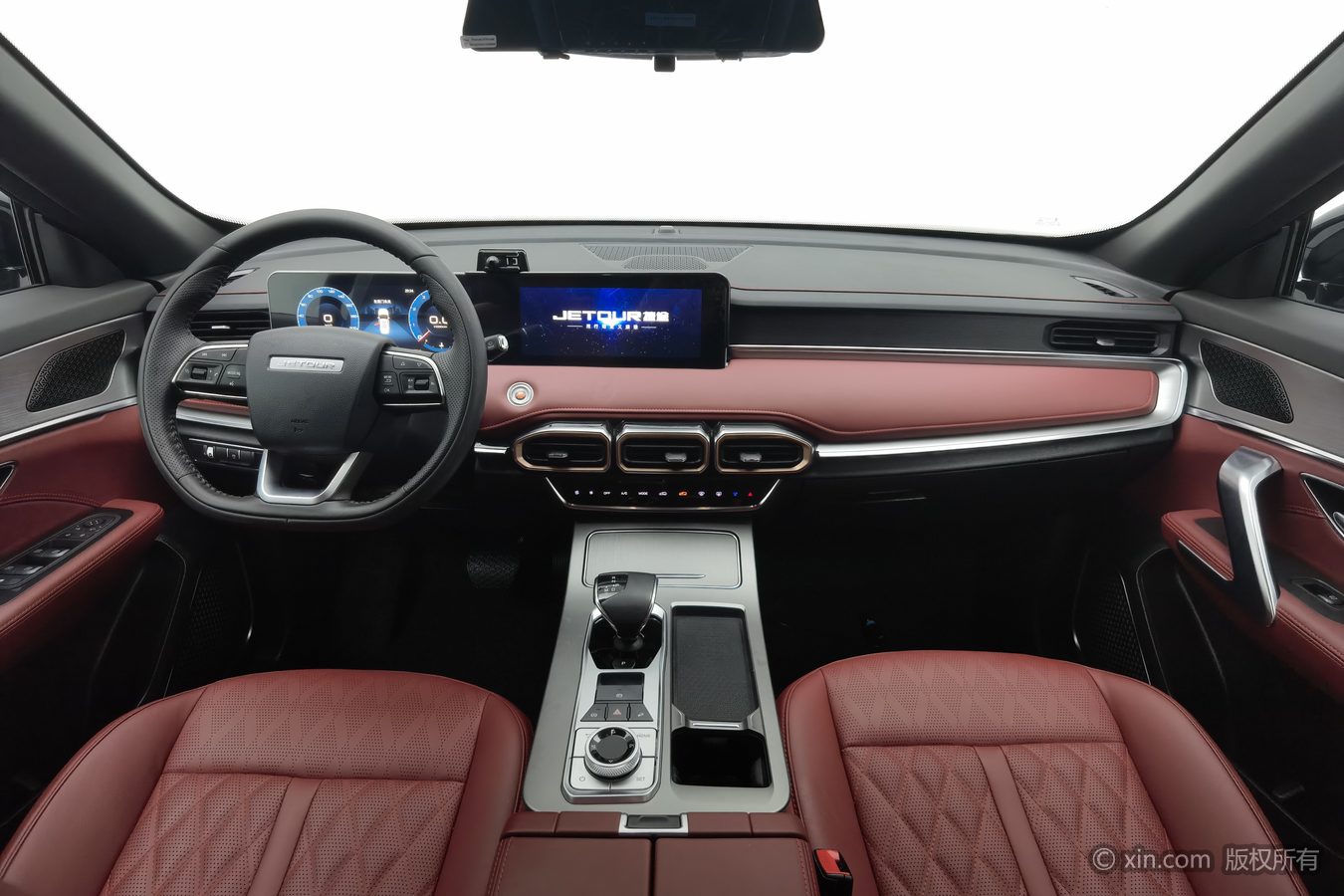
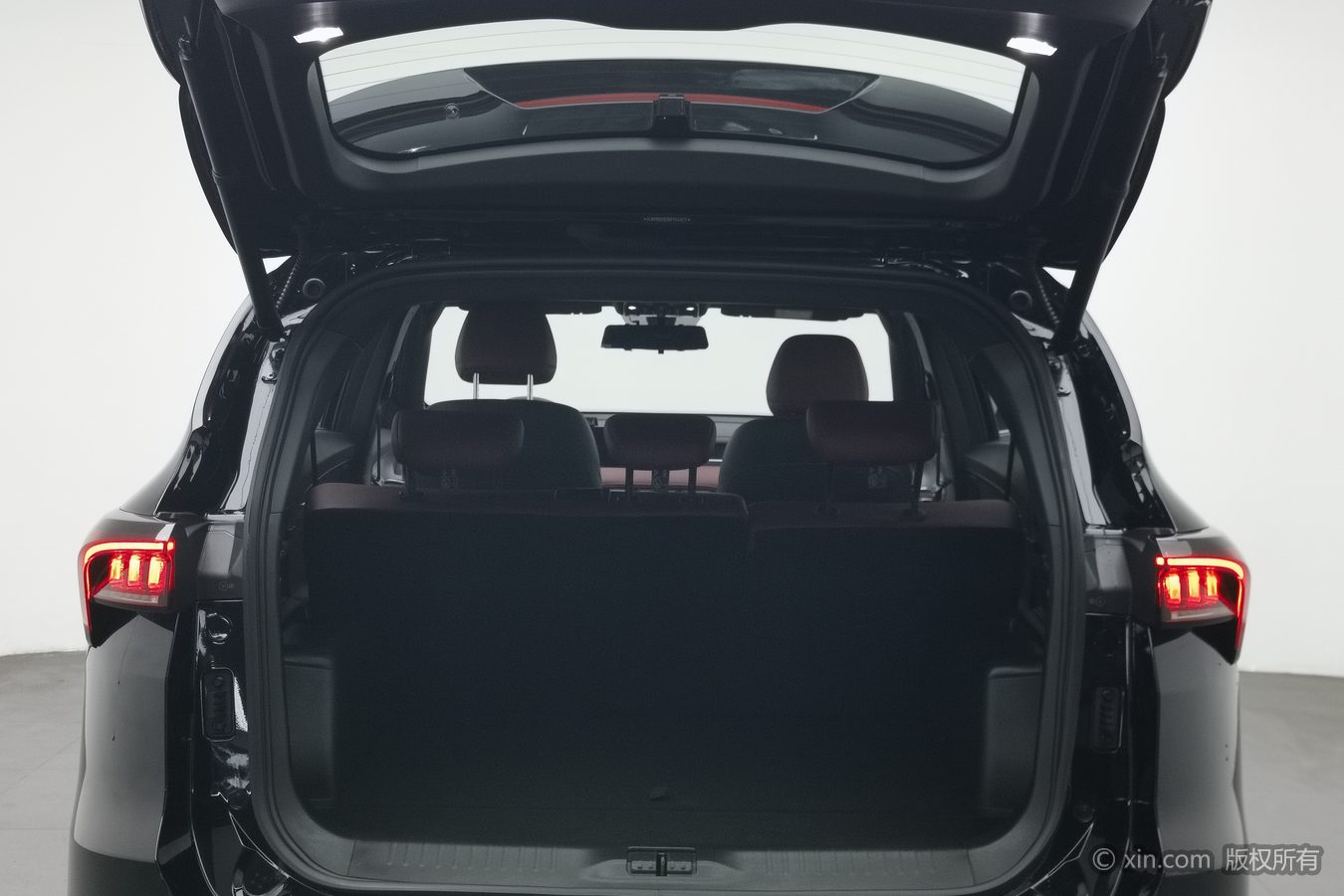
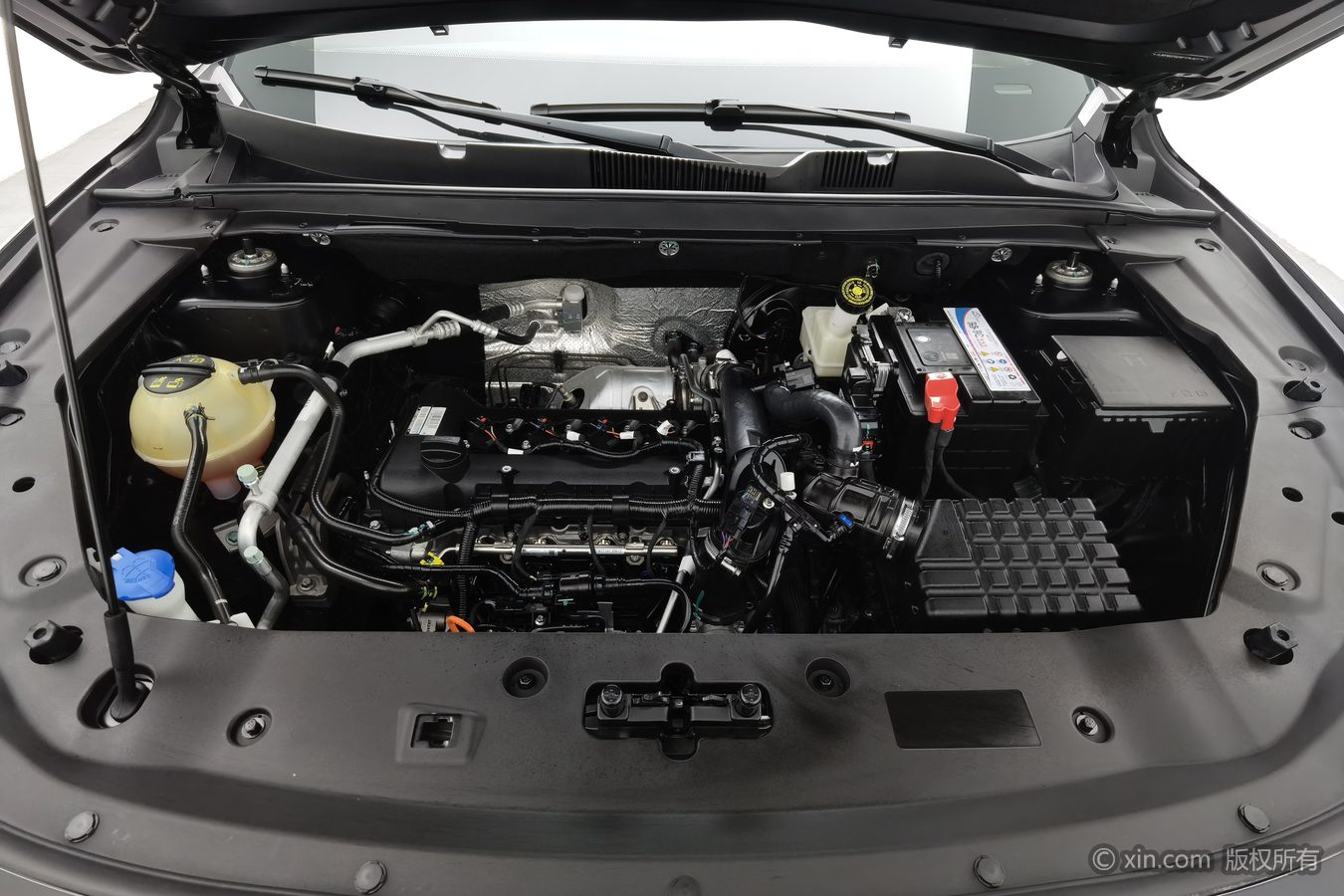
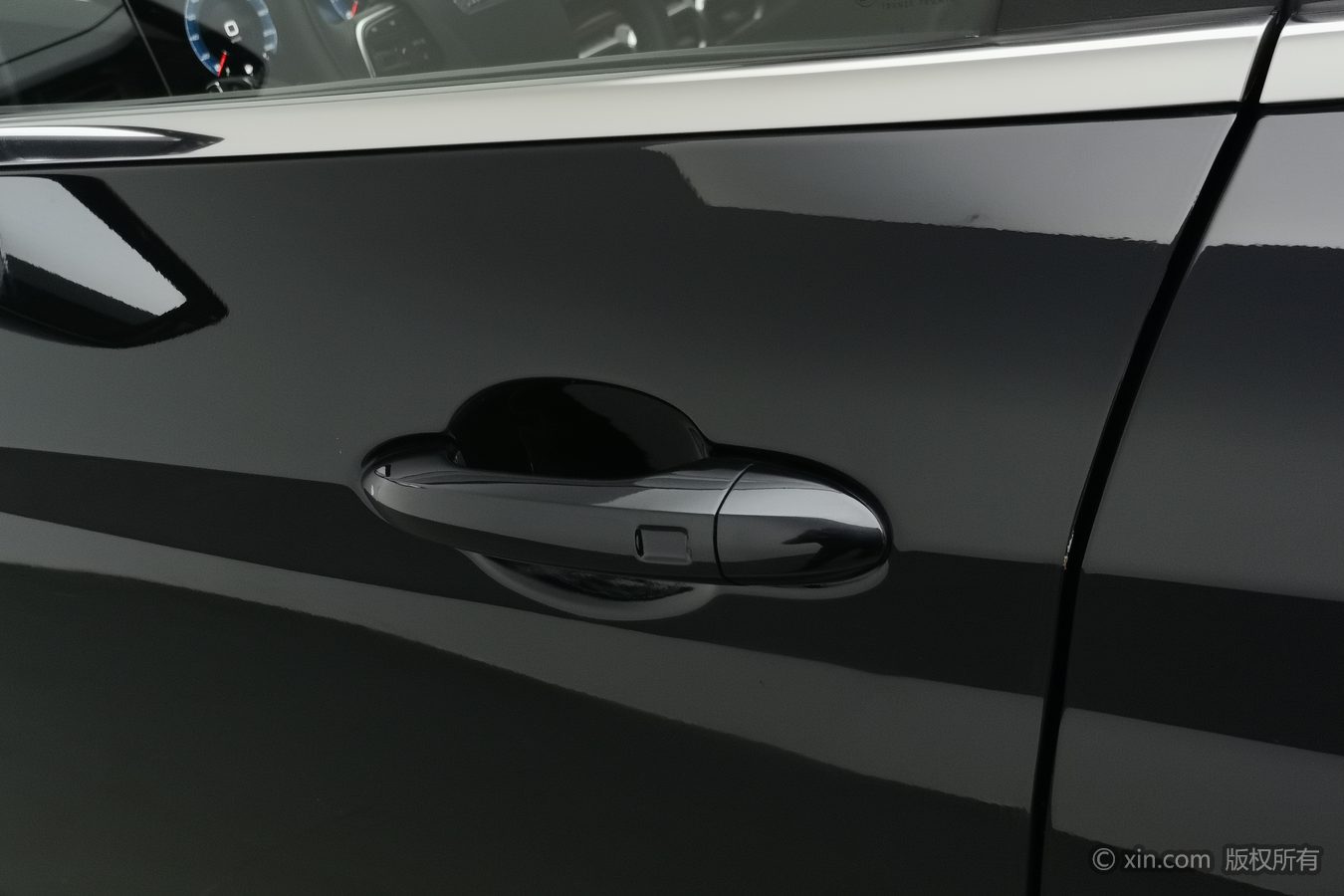
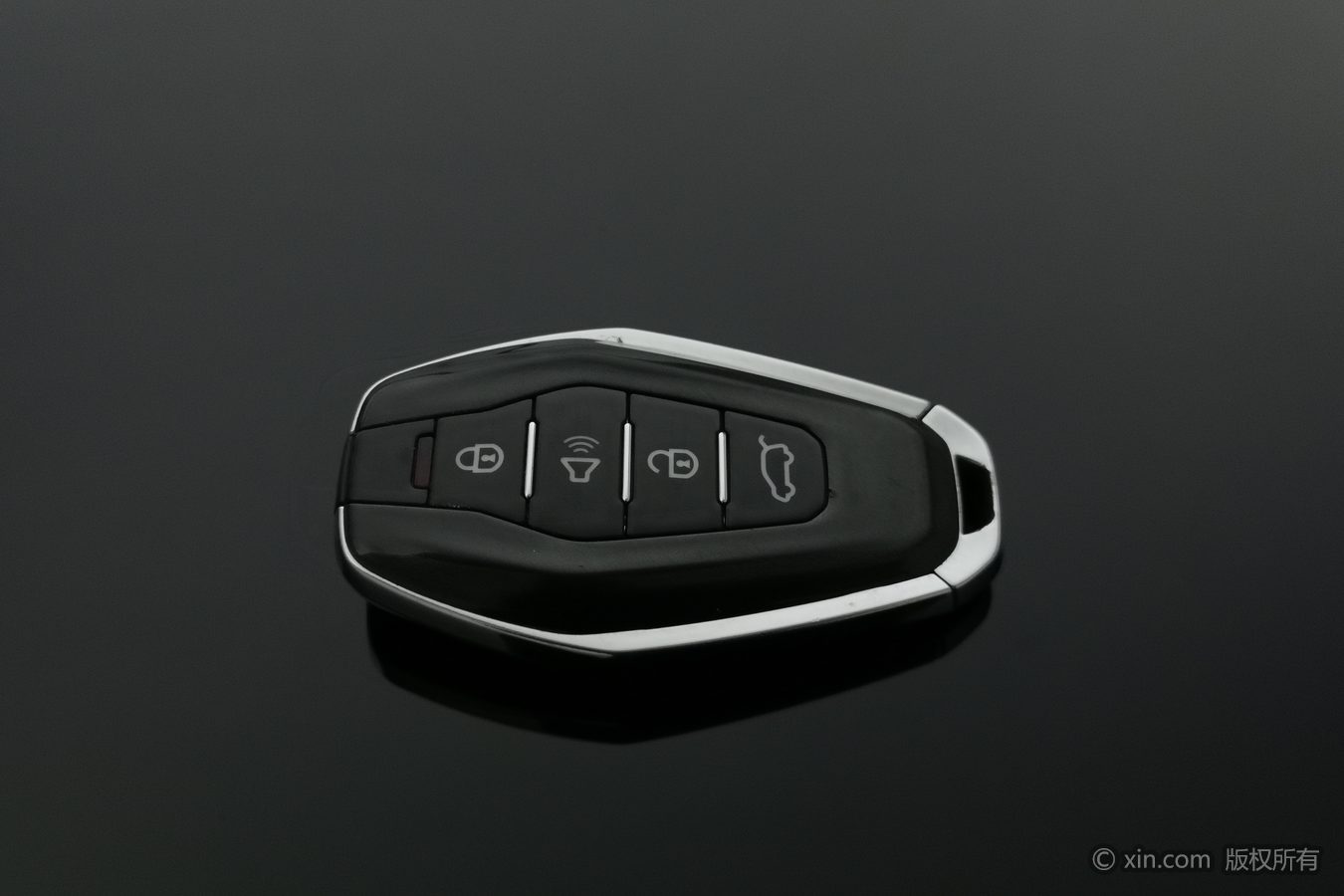



Basic Information

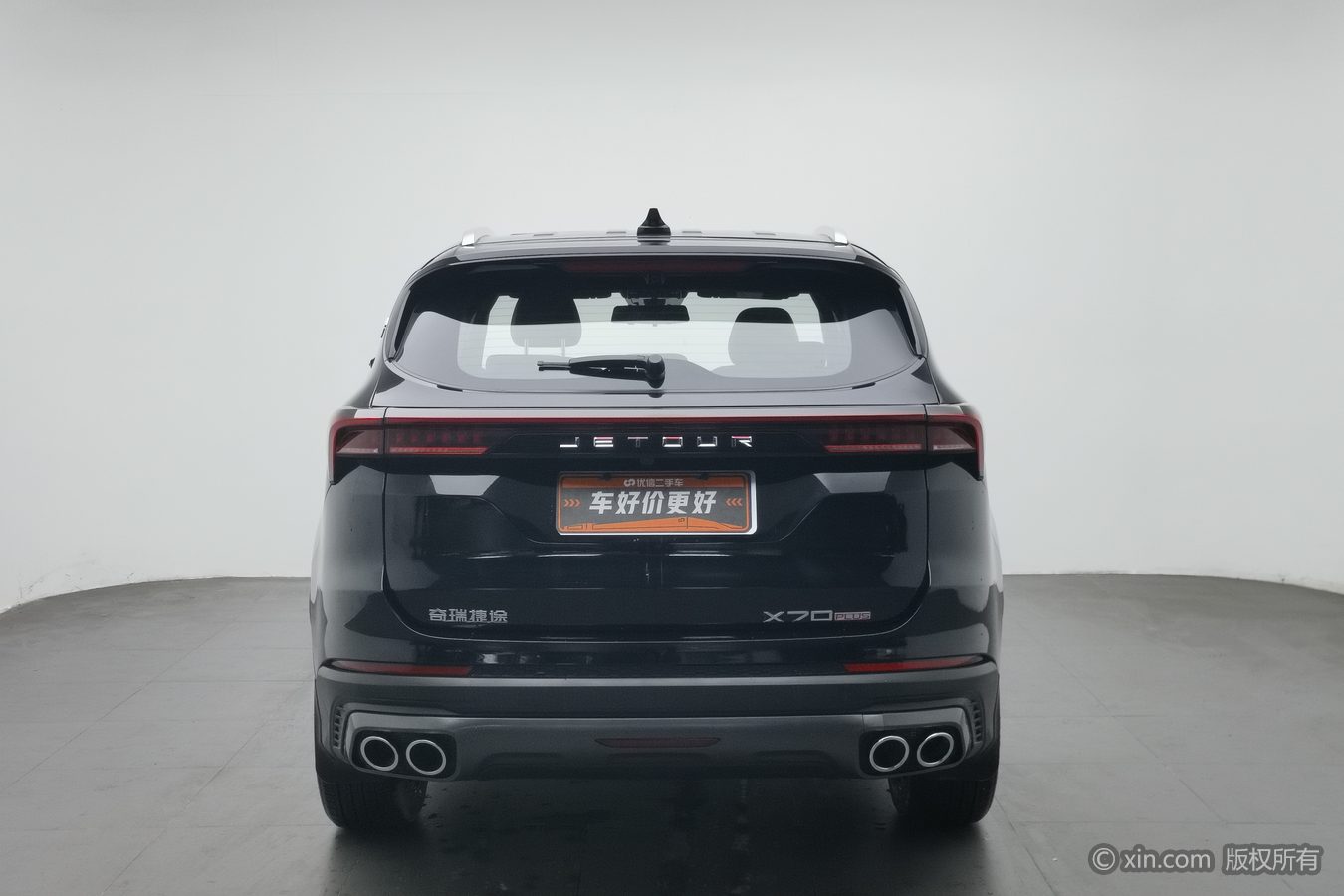
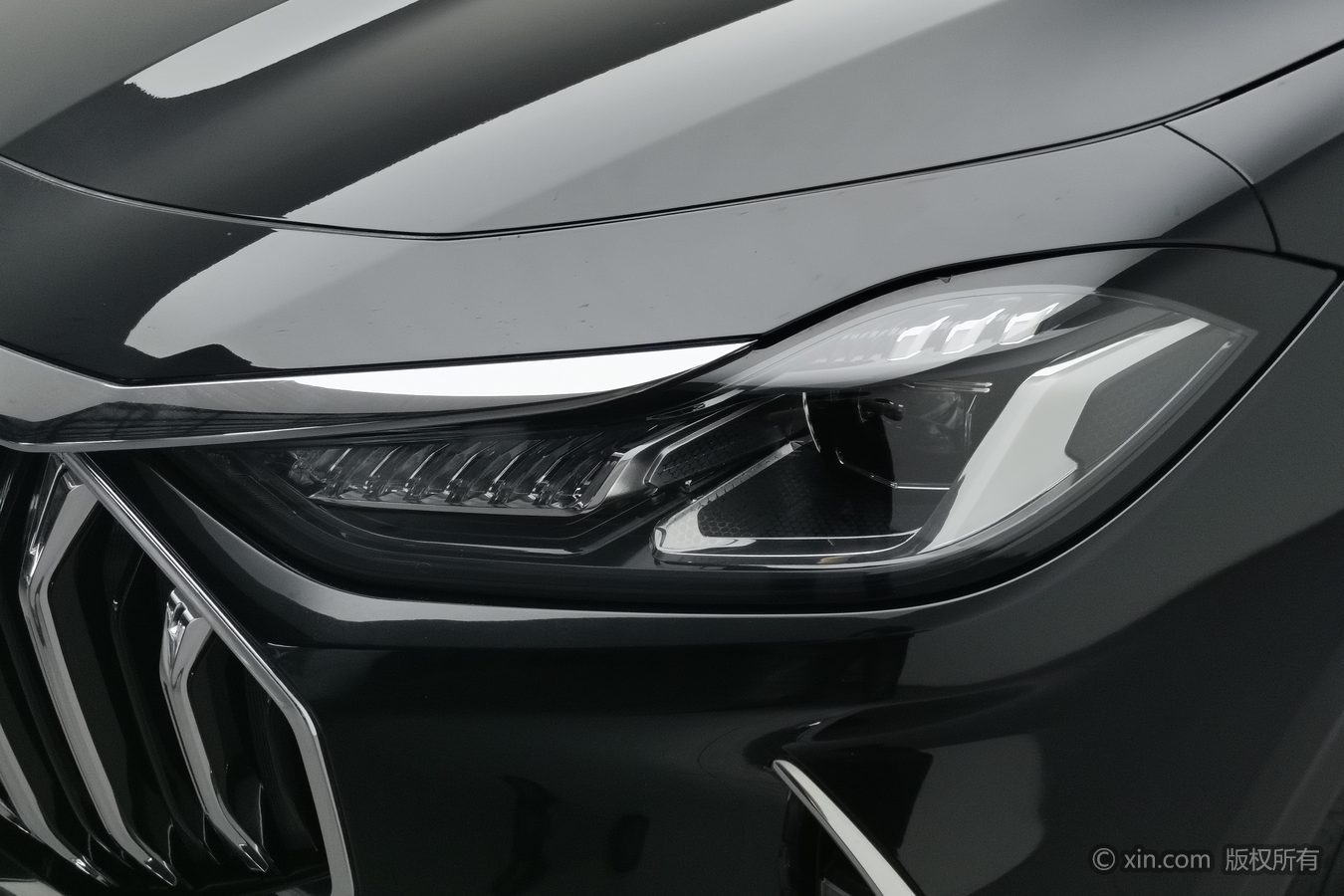
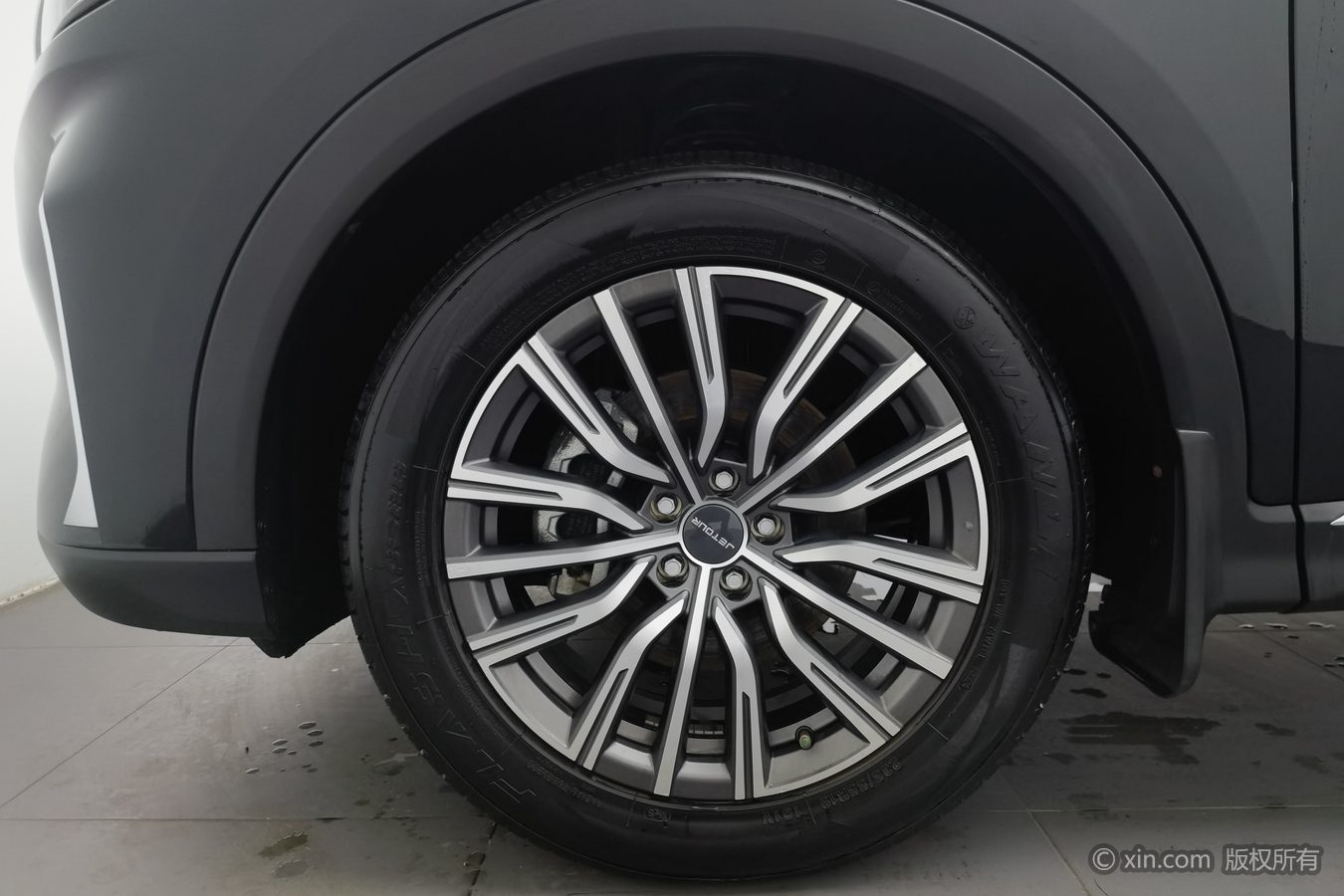
BrandJetour
SeriesX70 PLUS
Year2024
First Registration2024/11
Mileage18,000km
Transfer Count0times
FuelGasoline
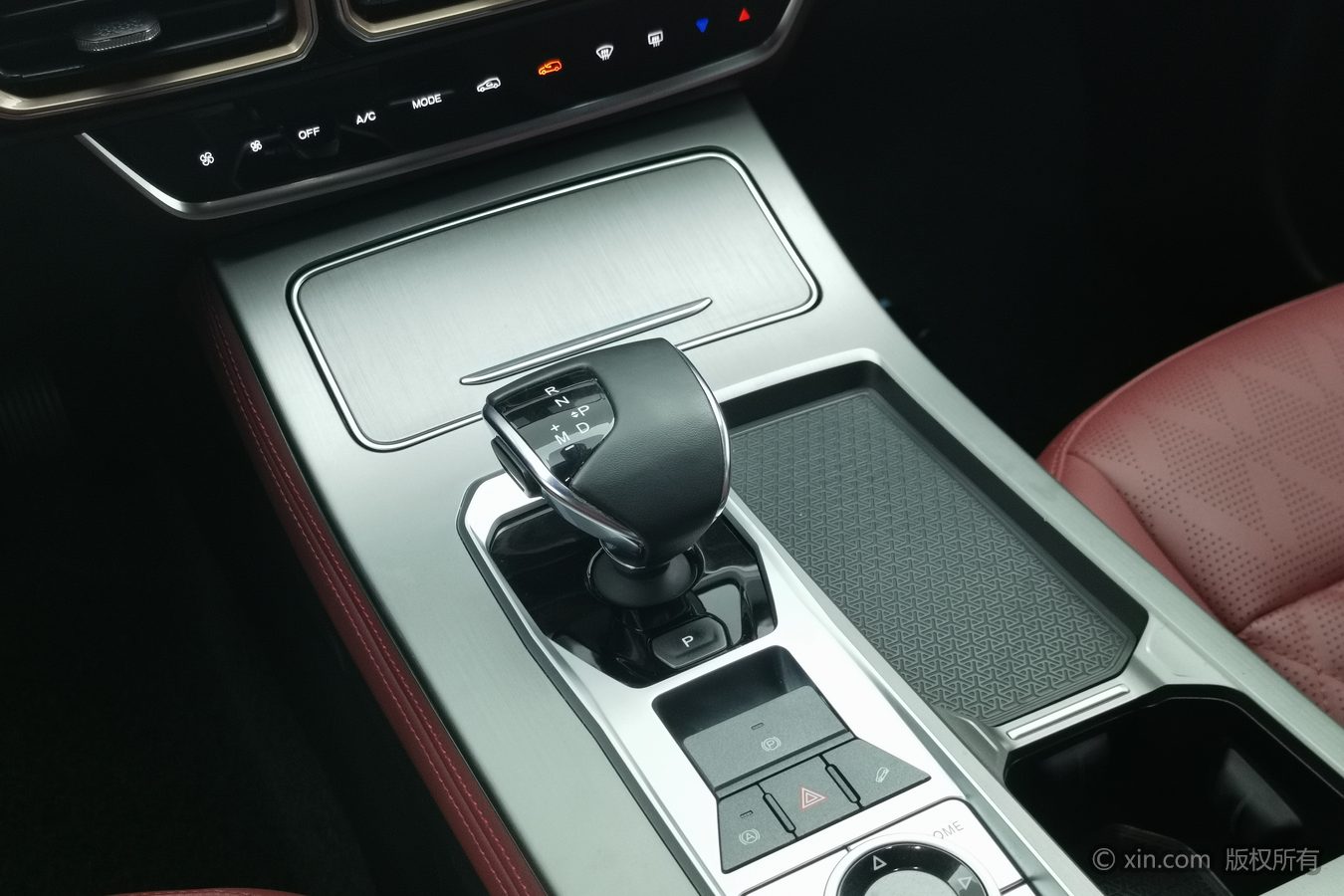
TransmissionDCT
Engine1.5T 156 L4
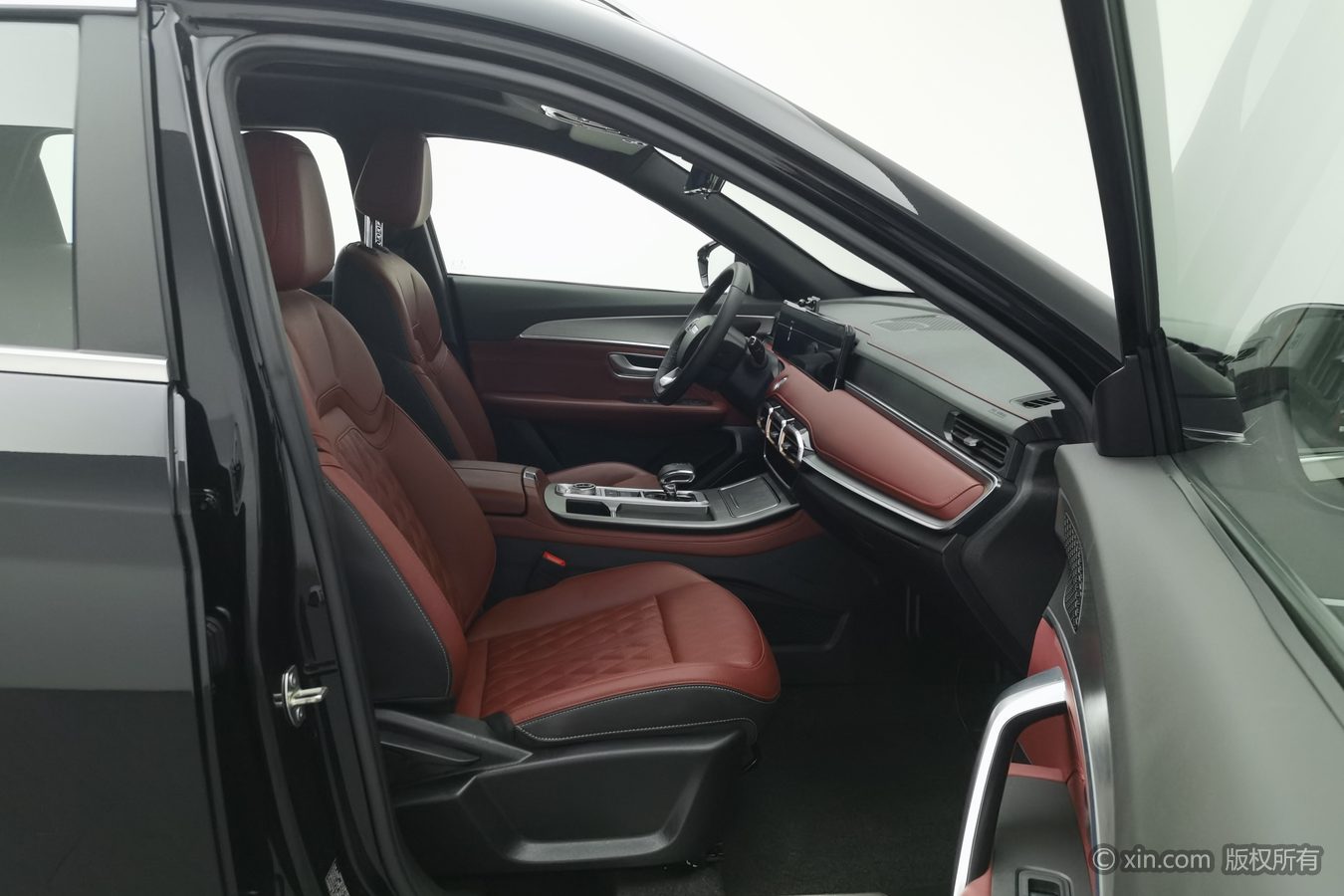
ColorBlack
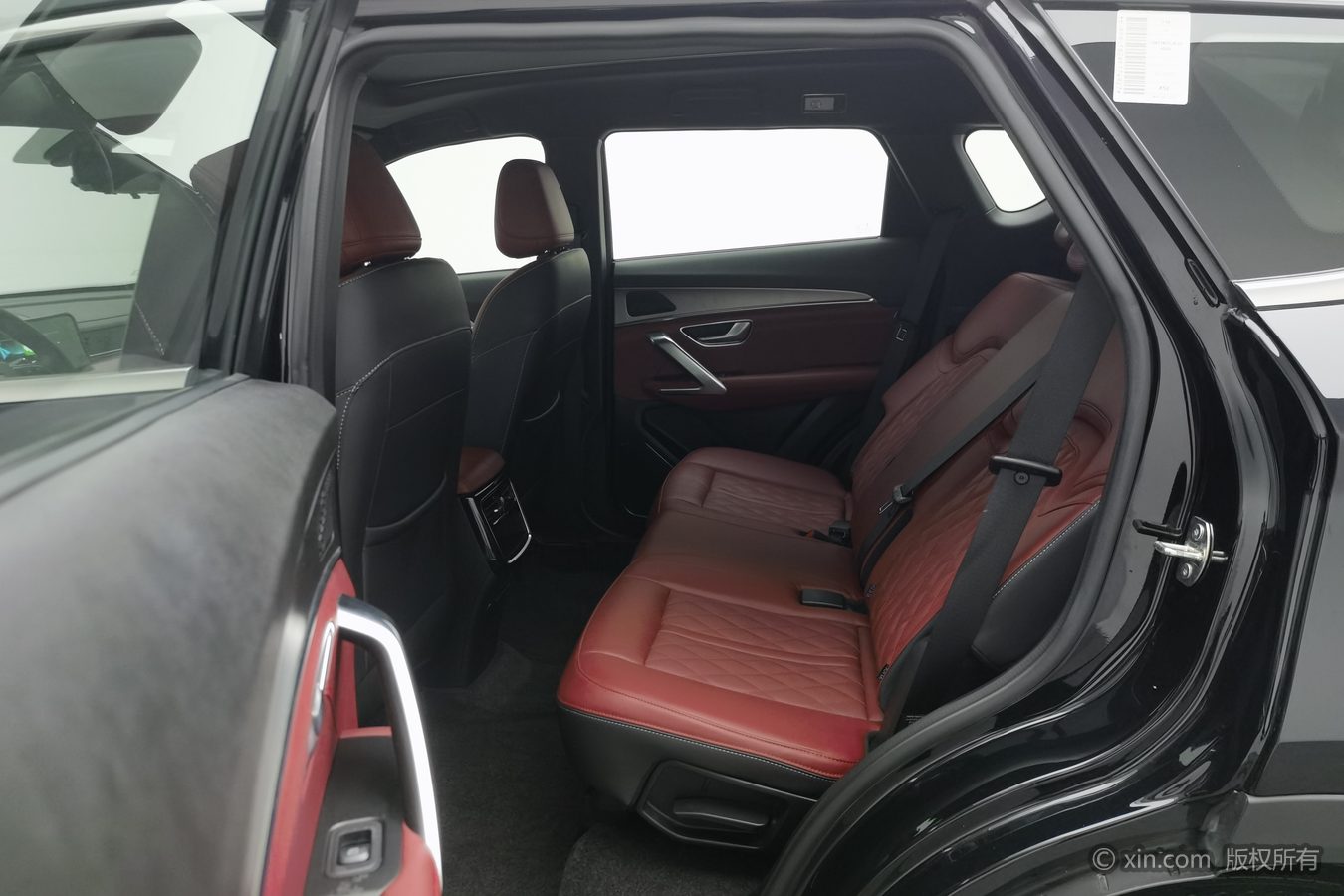
Seats5seats

Condition Description

No odometer tampering, no structural damage, no water damage, no fire damage.

Configuration Highlights

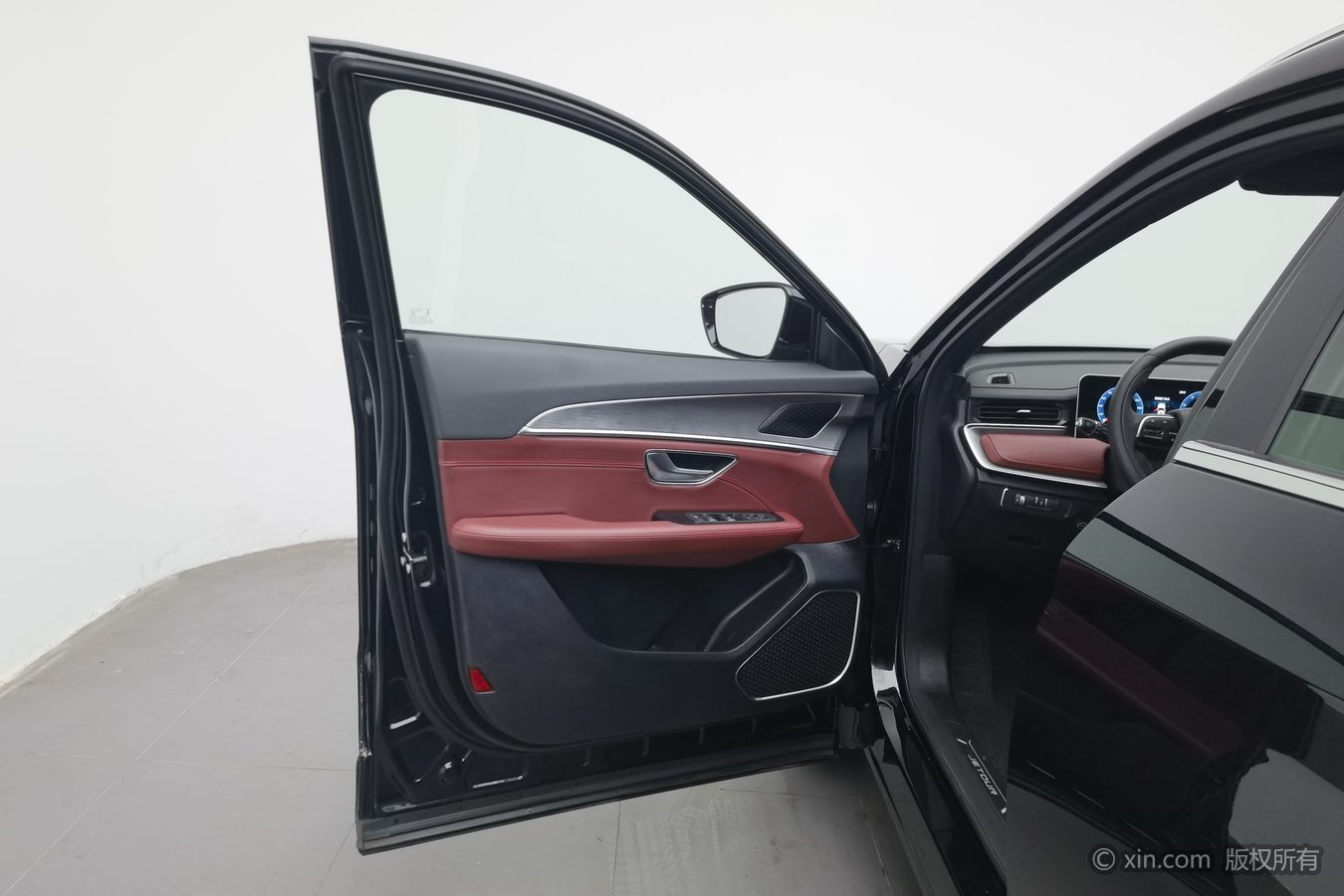
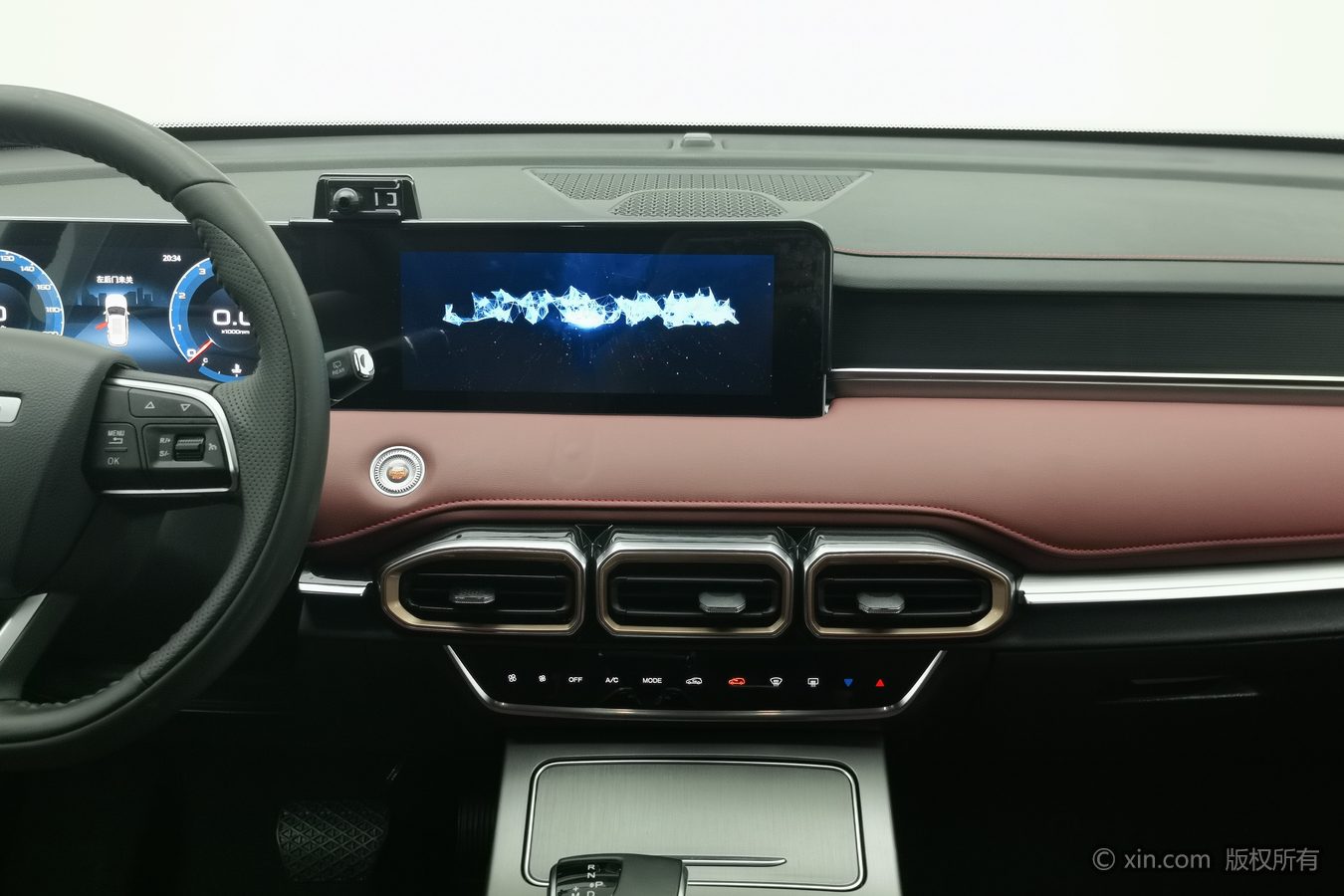
✓液晶仪表盘
✓Remote Start
✓Auto Hold
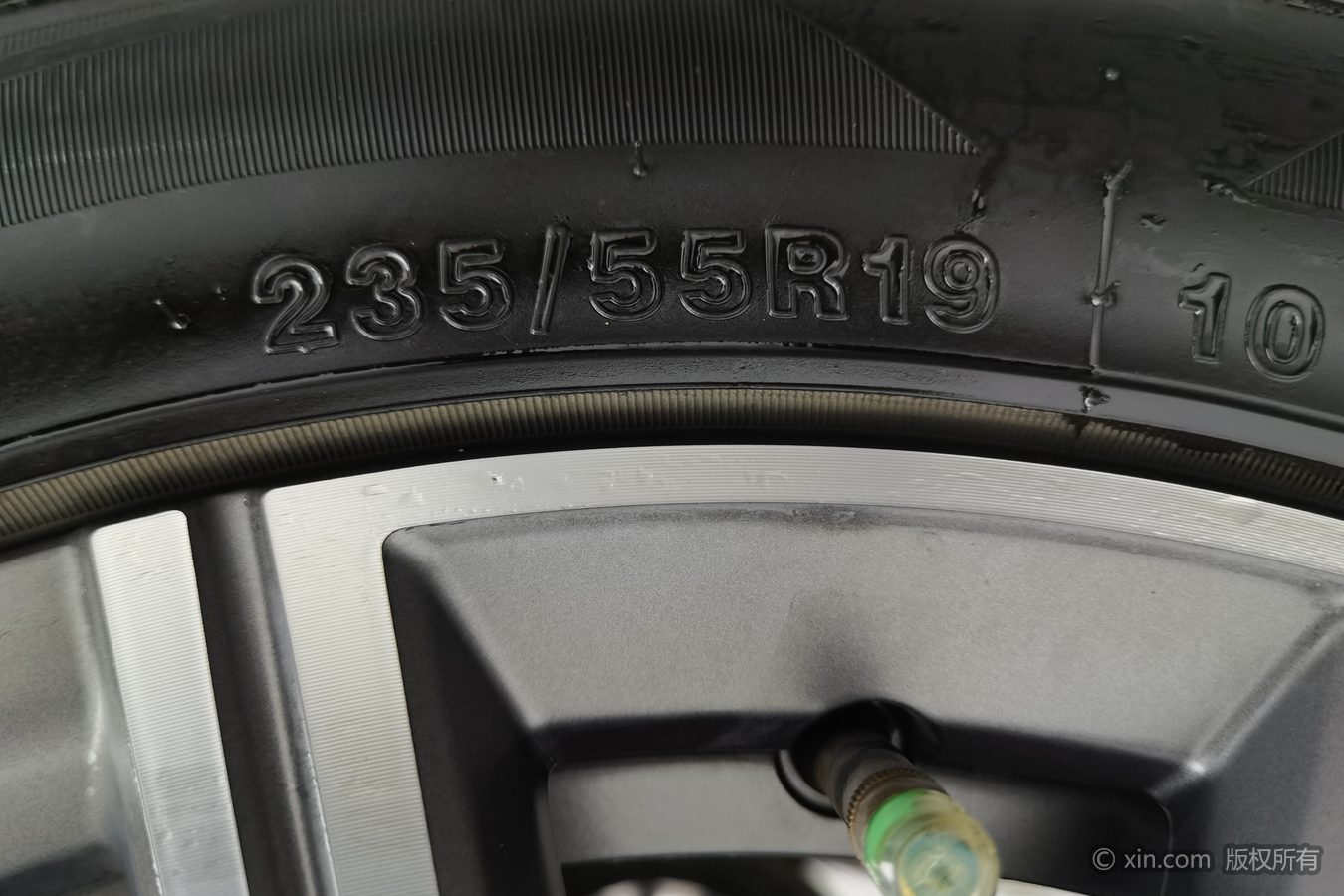
✓Tire Pressure Monitoring

Document Information

Inspection Expiry Date2028/11
Warranty Expiry Date-
Insurance Expiry Date-

Q&A

More

How is the degree of wear on the interior defined? (e.g., steering wheel, seat patina or cracking)

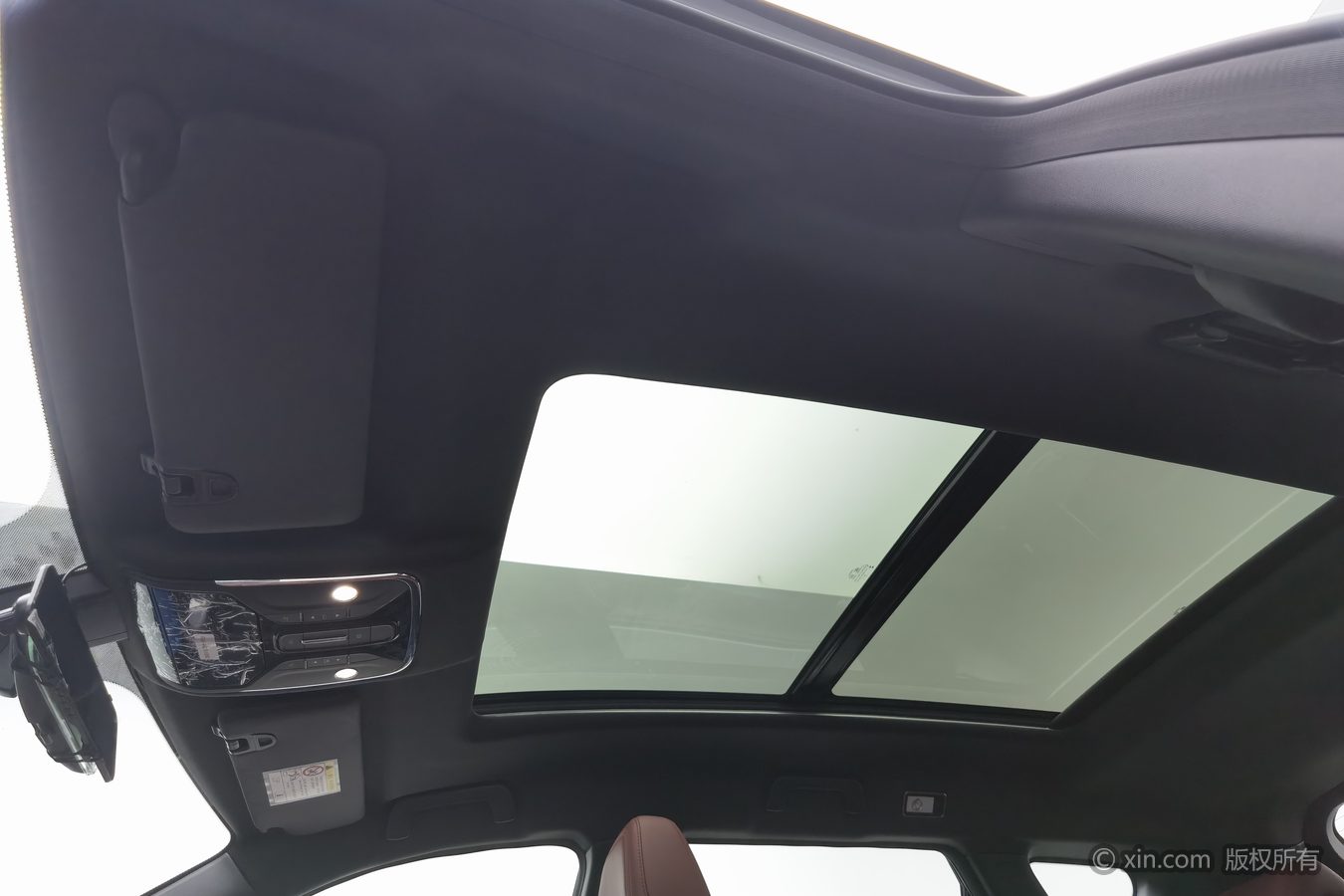
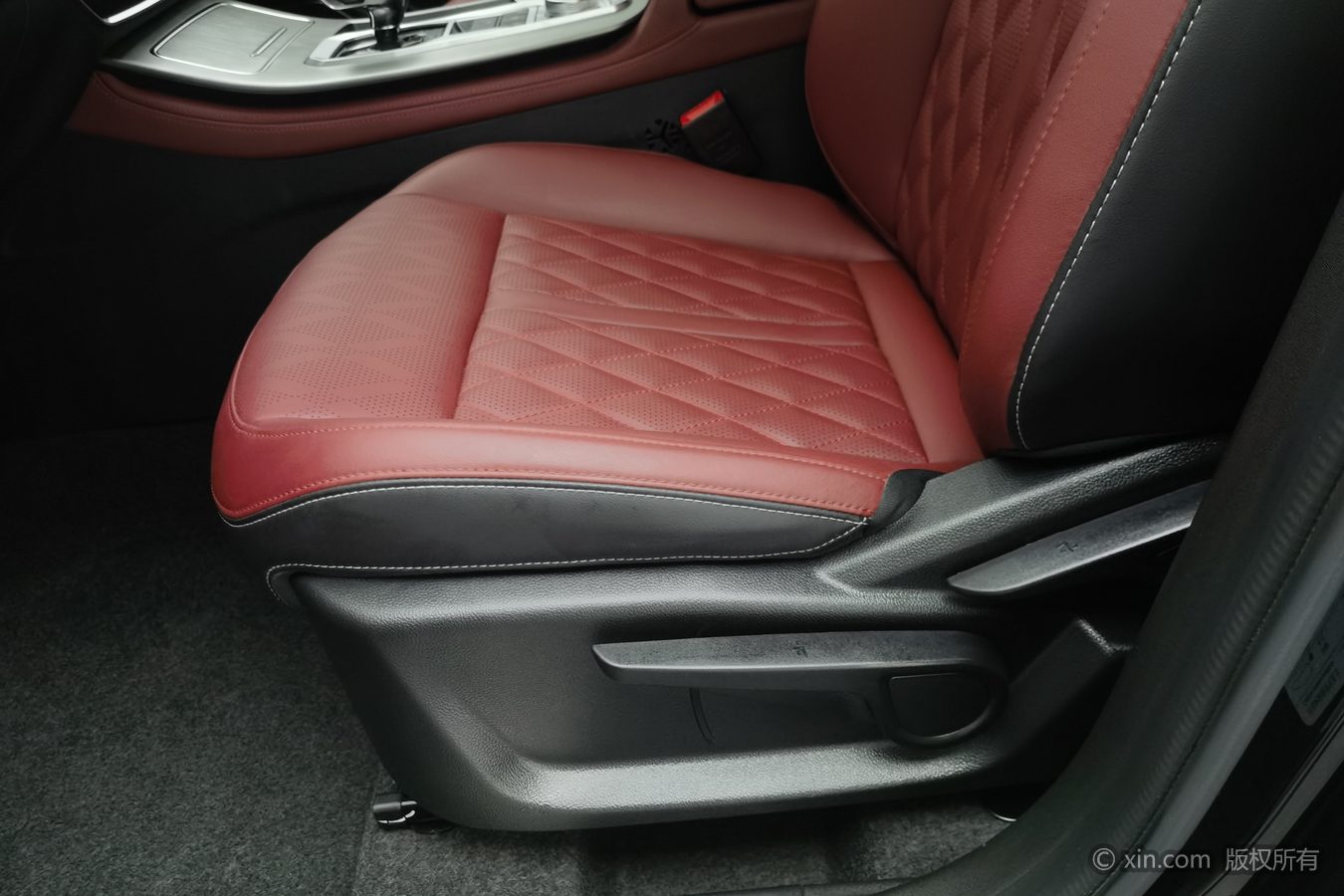
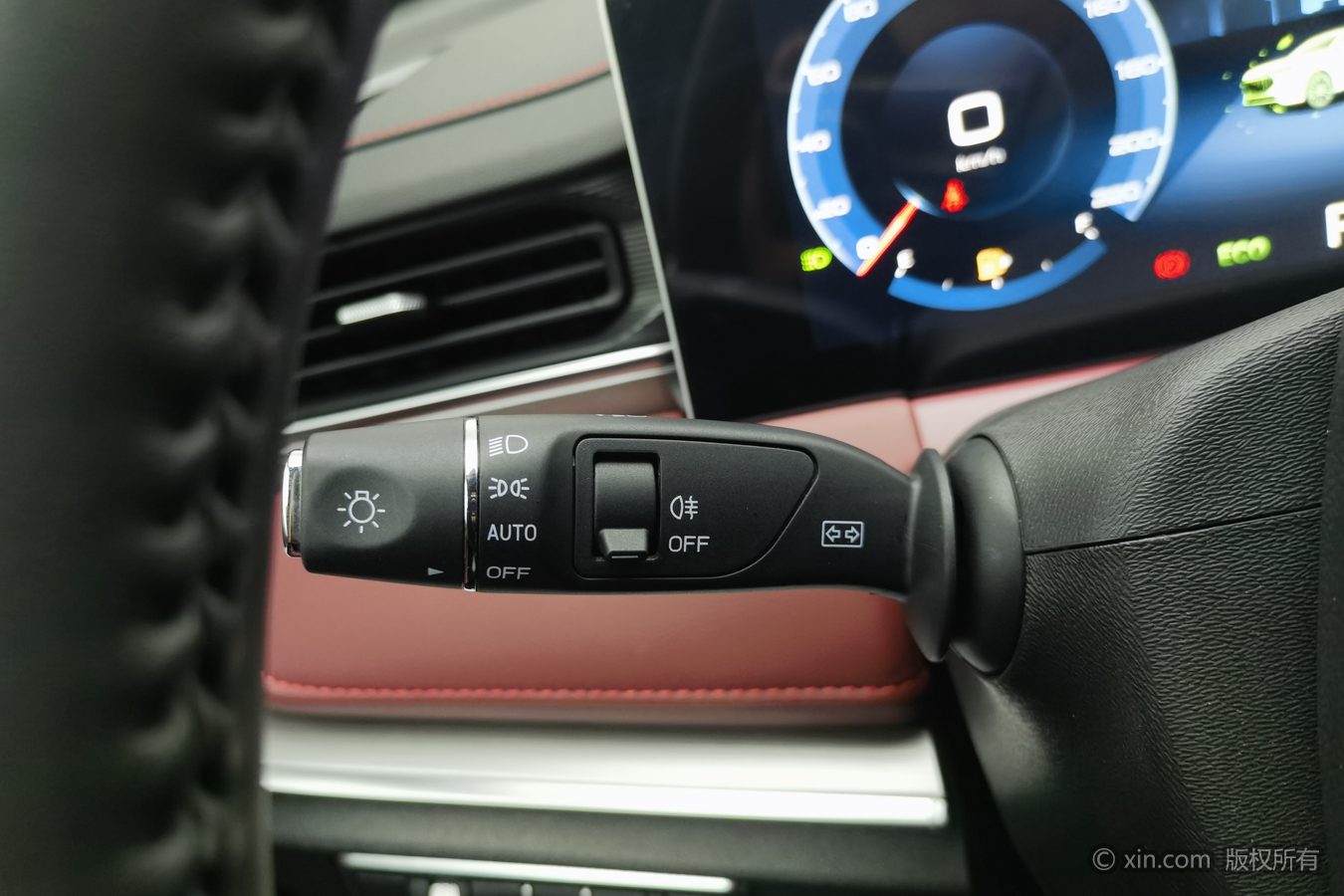
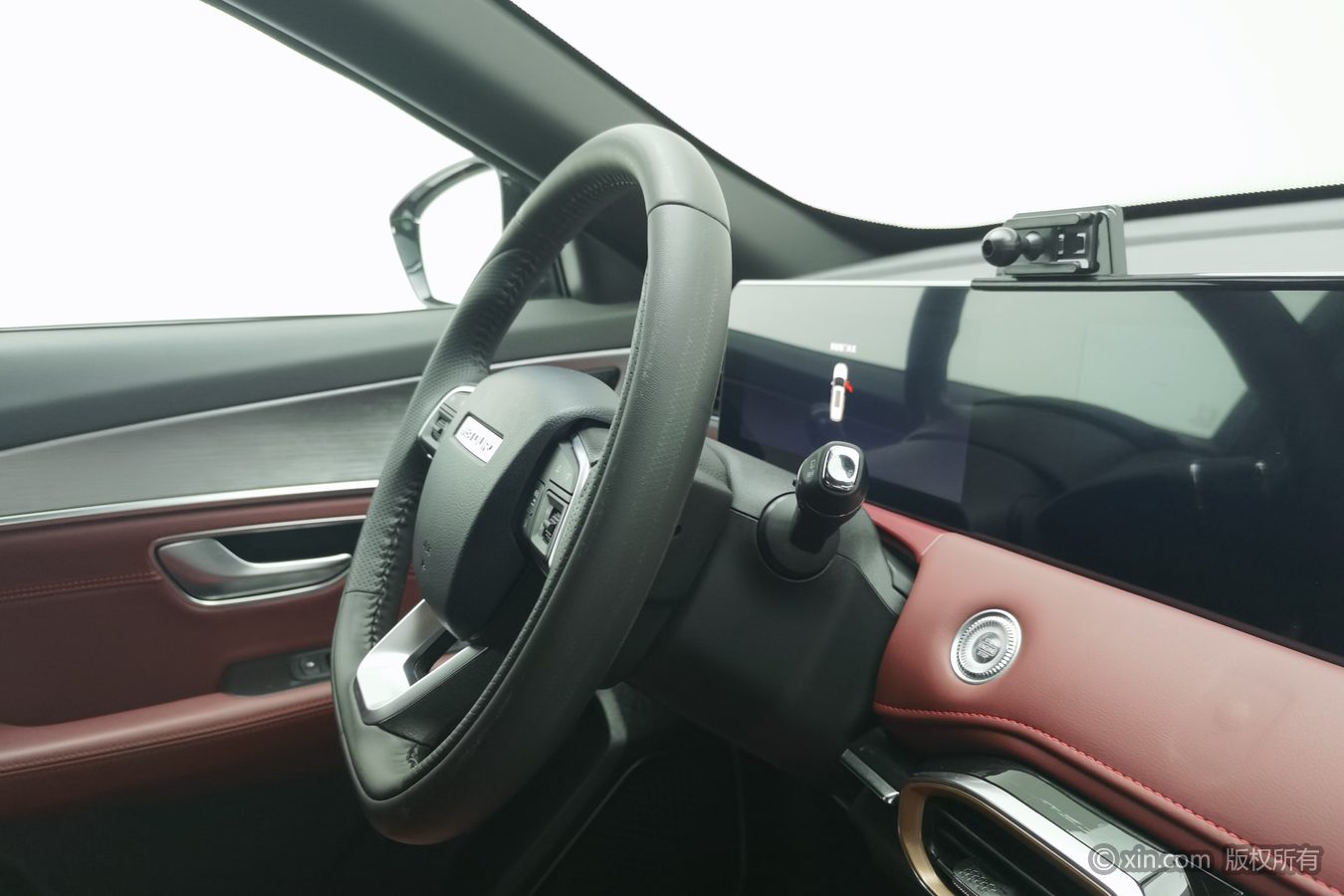
Interior assessment is divided into three core areas: the driver's high-frequency contact area (steering wheel, gear shift, edge of the driver's seat), central control button area, and rear seats and ceiling. The natural sheen of leather surfaces (patina) is normal; however, any physical damage (such as leather tearing, fabric burn holes, or plastic breakage) will be classified as "structural interior damage" and clearly marked.


If I cancel my order, how long should a refund of my deposit take, and what if the exporter keeps delaying?

A reasonable refund timeline is 5-15 business days after written cancellation, provided the car hasn't shipped or incurred costs. Legitimate deductions may apply: inspection fees, storage, or transport already spent on your order. To protect yourself, put refund terms in the contract before paying: state the refund amount, the deadline, and the payment method (same account you paid from). If delays occur, escalate in writing—email plus your messaging channel—and set a firm deadline referencing the contract clause. If the exporter keeps stalling beyond 30 days, your leverage is small from abroad, which is why the contract matters most. For large amounts, consider whether your bank can initiate a recall of the wire, or use escrow for future transactions so funds are only released against delivery milestones.

What is a battery SOH certificate and why does it matter when buying a used EV from China?

SOH (State of Health) measures the battery's remaining capacity as a percentage of its original capacity. Two EVs with the same mileage can have very different SOH depending on charging habits and climate exposure, and since the battery represents 30-50% of a used EV's value, the SOH number is effectively the real price tag. A proper certificate includes current SOH percentage, cell voltage balance, charge cycle counts, battery management system fault codes, and often a projected range estimate. In hot-climate markets like the Gulf, a degraded battery degrades even faster, so a documented SOH above 85-90% is strongly recommended. Exporters who provide verified SOH certificates close deals faster and command better prices, so treat the certificate as a core purchase document, not an extra.