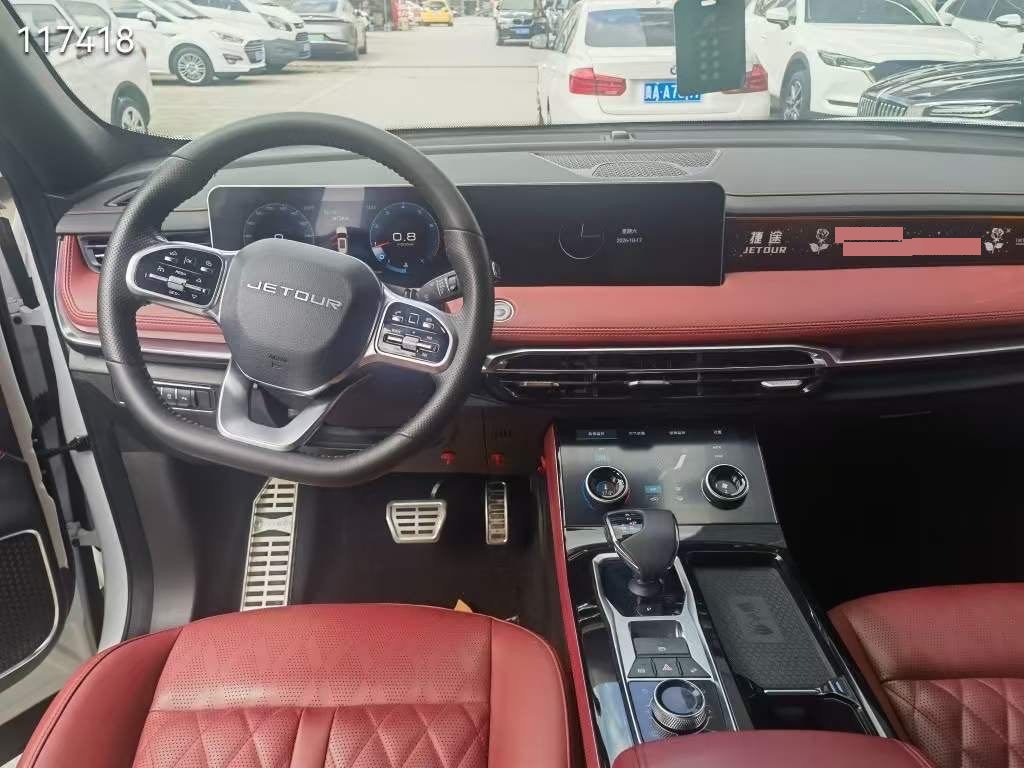
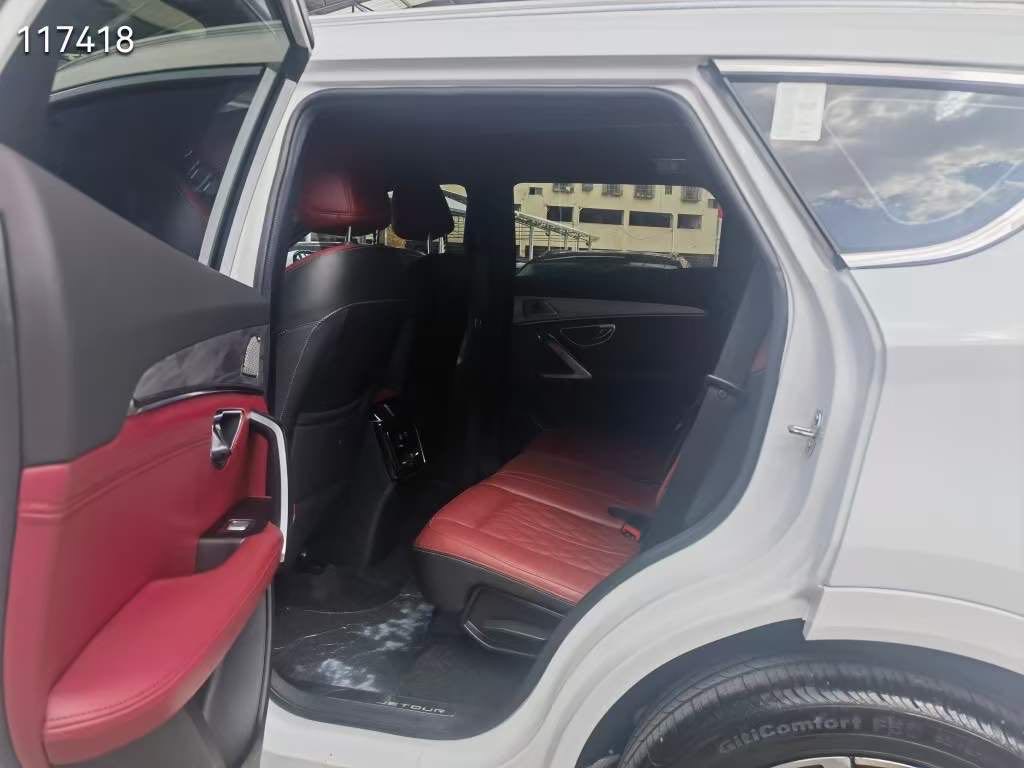
48H

Basic Information

BrandJetour
SeriesX70 PLUS
Year2024
First Registration2024/04
Mileage39,000km
Transfer Count0times
FuelGasoline
TransmissionCVT
Engine1.5T 156 L4
ColorWhite
Seats5seats

Condition Description

Full vehicle original paint.

Document Information

Inspection Expiry Date-
Warranty Expiry Date-
Insurance Expiry Date2027/04

Q&A

More

What are your assessment criteria and repair recommendations for vehicles with "slight oil seepage (non-dripping)" in the engine or transmission?

As rubber seals age, "slight oil seepage (oil stains but no dripping)" is very common in used cars and is not considered a major fault. Our recommendation is: as long as the oil level does not drop abnormally, just clean and monitor it regularly after arrival, without the need to immediately incur high costs to disassemble and replace the seals.

What should a professional pre-shipment inspection of a used car from China include?

A proper pre-shipment inspection is more than photos — it is a documented technical examination covering four areas. 1. Structure: paint thickness readings across the body, weld inspection of pillars and chassis rails, rust assessment underneath. 2. Mechanical: engine compression or at least a cold-start video, transmission shifts through all gears, suspension noise test on uneven roads, brake pad and disc thickness measurements. 3. Electronics: full OBD diagnostic scan with printed fault codes, all lights, windows, AC, infotainment, and driver-assistance functions tested. 4. Documentation: VIN and engine number physically matched to the registration certificate, photos of the certificate itself. Insist on a written report with photos, measured values, and a clear pass/fail conclusion per section. Make final payment conditional on this report, not on the seller's word or showroom-condition photos.

What can a pre-purchase OBD diagnostic scan actually reveal about a used Chinese car?

An OBD scan is one of the most cost-effective tools in a remote pre-purchase inspection, but you need to know what it can and cannot tell you. What it reveals well: current and stored fault codes across the engine, transmission, ABS, airbag, and body modules. A car with dozens of cleared codes in multiple modules may have electrical problems or a history of tampering. It also shows readiness monitors — if all monitors show 「not ready」 on a car that claims to be freshly serviced, the codes were probably cleared recently to hide something. What it reveals with the right software: live data. You can watch engine idle stability, coolant temperature under load, transmission shift behavior, and battery cell voltages on EVs. Abnormal fuel trims or misfire counters can flag worn injectors or coils before any warning light appears. What it cannot do: prove real mileage (odometers can be corrected digitally), detect physical accident repairs, or judge paint and rust. Practical advice: ask your inspector for a full-system scan report with screenshots, not just a 「no codes」 verbal summary. For Chinese brands, make sure the tool supports their protocols — mainstream scanners cover BYD, Geely, and Chery well, but some small brands need brand-specific software.