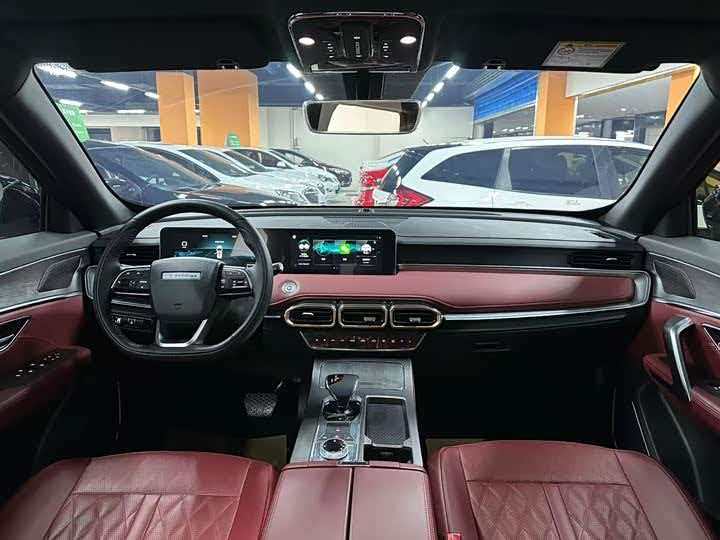

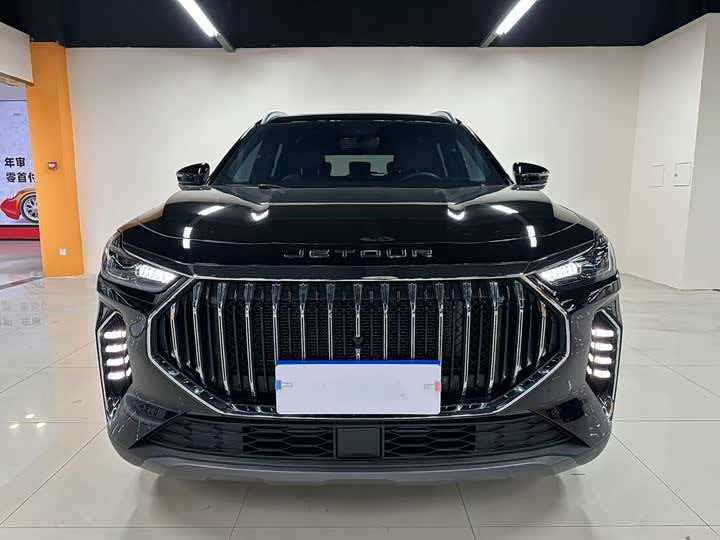



Basic Information

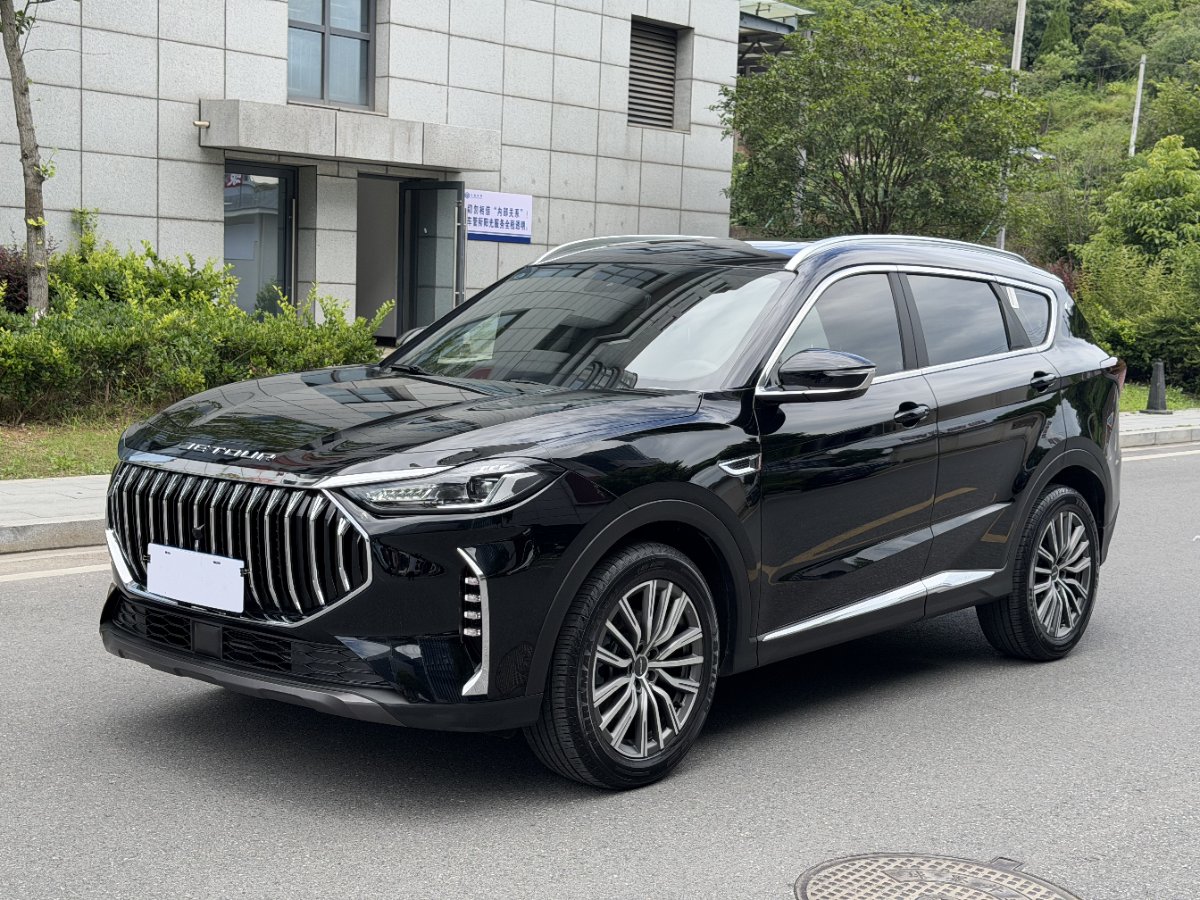
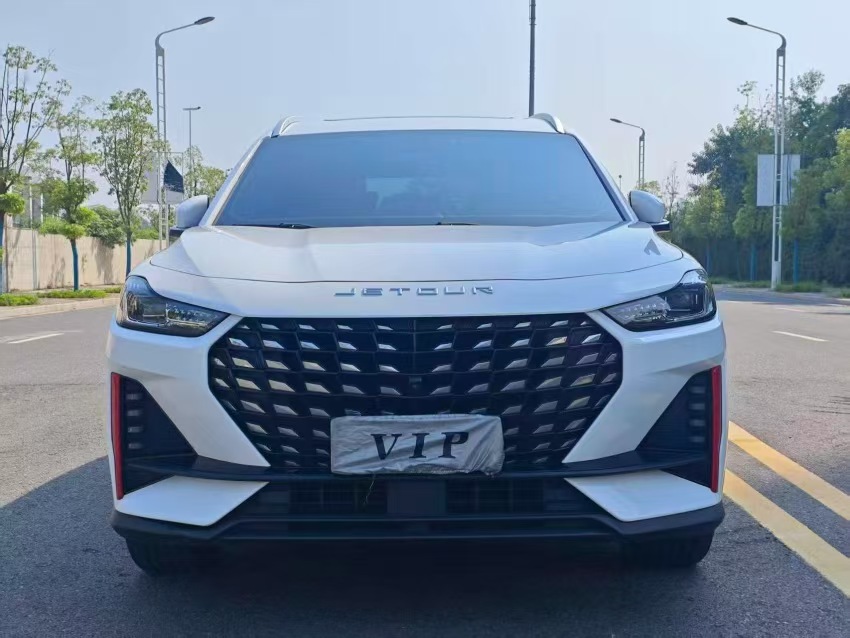
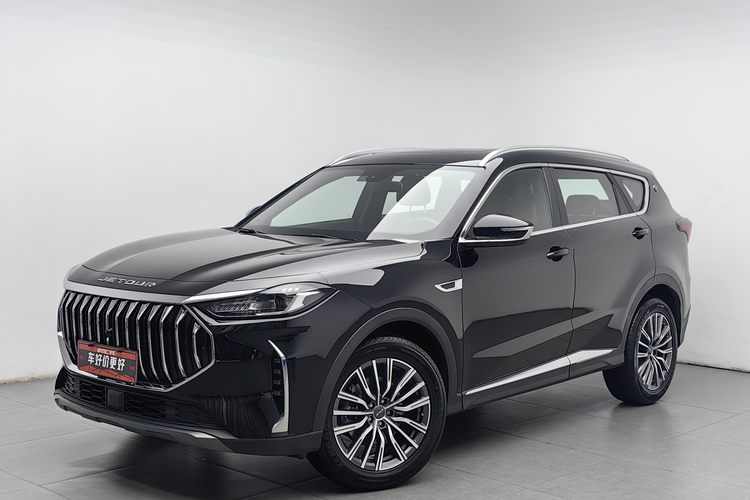
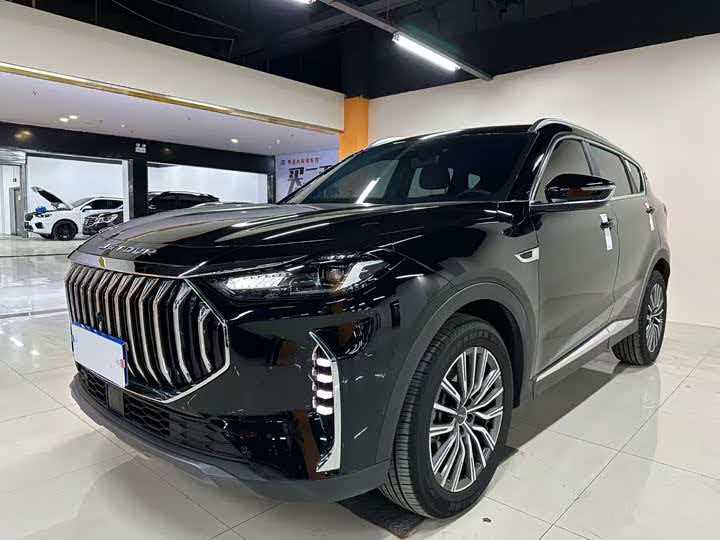
BrandJetour
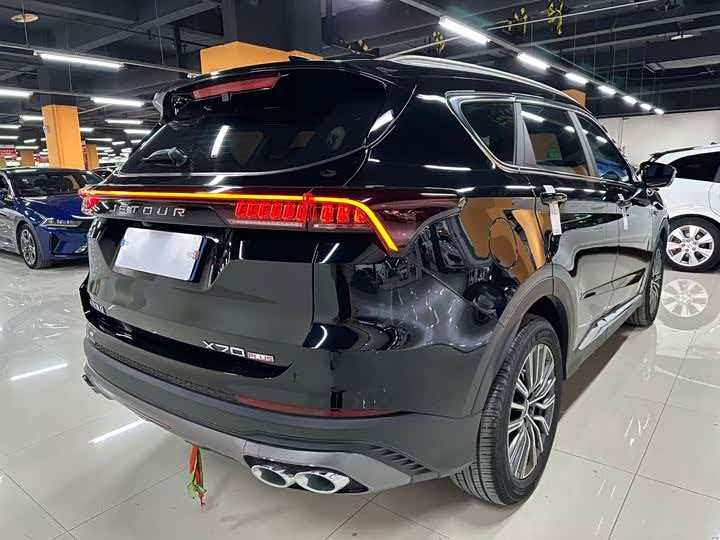
SeriesX70 PLUS
Year2025
First Registration2025/03
Mileage8,000km
Transfer Count0times
Fuel-
Transmission-
Engine-
ColorBlack
Seats-

Condition Description

Original paint, premium car

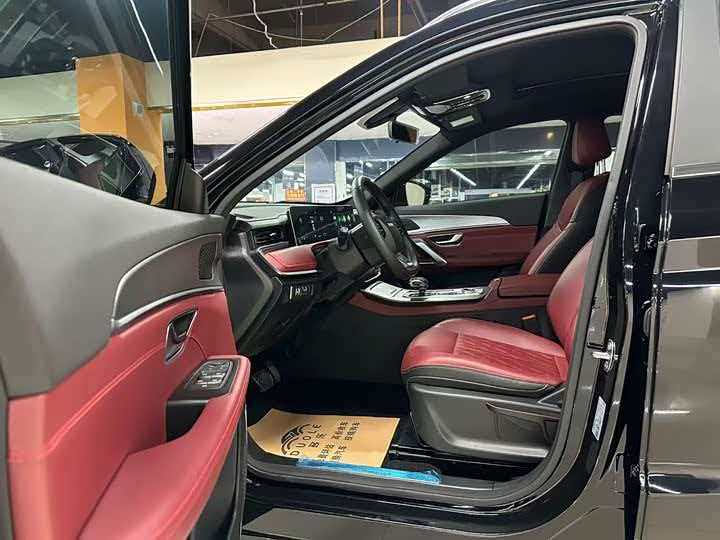
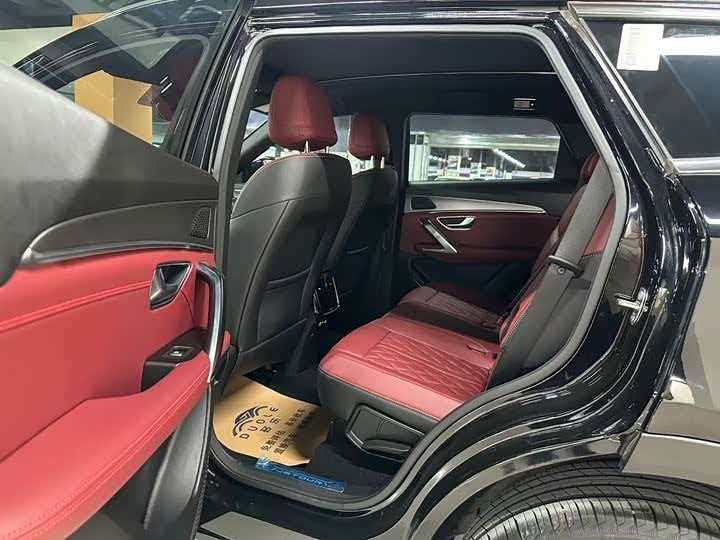
Original paint, zero accidents, 10-year/200,000 km warranty, 7-speed wet dual-clutch transmission, 19-inch sport wheels, panoramic sunroof, leather seats, two-tone interior, air purifier, ambient lighting, keyless entry, push-button start, dual-screen LCD instrument cluster, multi-function steering wheel, adaptive cruise control, daytime running lights, LED headlights, electronic parking brake, auto hold, tire pressure monitoring system, automatic headlights, factory-installed large-screen navigation, 360-degree surround view camera, smartphone connectivity, one-touch power windows, continuous taillights, driving mode selection, dual exhaust, power folding mirrors, etc.

Q&A

More

If the record of a vehicle's first maintenance is missing from the system, how do you determine its early wear condition?

Many car owners do not have their first maintenance done at authorized dealerships, leading to gaps in early data. In such cases, we do not blindly trust the odometer; instead, we analyze the tire production dates and wear levels, as well as the depth of grooves on the brake disc edges, using the "gold standard" of physical wear to infer the intensity of early use.


What is a Chinese customs export declaration, and why do I need it to register the car in my country?

The export declaration (报关单) is the official Chinese customs document recording that the vehicle legally left China: VIN, HS code, declared value, origin port and date. Most destination countries ask for it—or for the certificate of origin—during registration to prove the car was legally exported, not stolen or smuggled. Practical points: ensure the VIN on the declaration matches your car exactly; a single digit mismatch can block registration. The declared value also anchors customs valuation in many countries, so an undervalued declaration may save the seller tax but can raise your import duty or trigger a re-valuation penalty. Ask the exporter for a stamped copy before shipping, verify the VIN yourself, and check that the document shows the correct consignee. Keep the original—some registries require it, and you'll need it again if you ever sell the car. If the exporter hesitates to provide it, treat that as a red flag.

The target country has strict age and emission (such as Euro V/Euro VI) restrictions on imported used cars. Will you help me review this?

Our system provides basic risk alerts based on the general regulations of the main exporting countries, but the final responsibility for confirming whether the vehicle meets the import country's regulations lies with the buyer. We will rigorously indicate the vehicle's production year, first registration date, and Chinese emission standards (such as National V, National VI) on the details page. We recommend that you submit this accurate data to the local vehicle management department or customs agent for verification before placing an order.