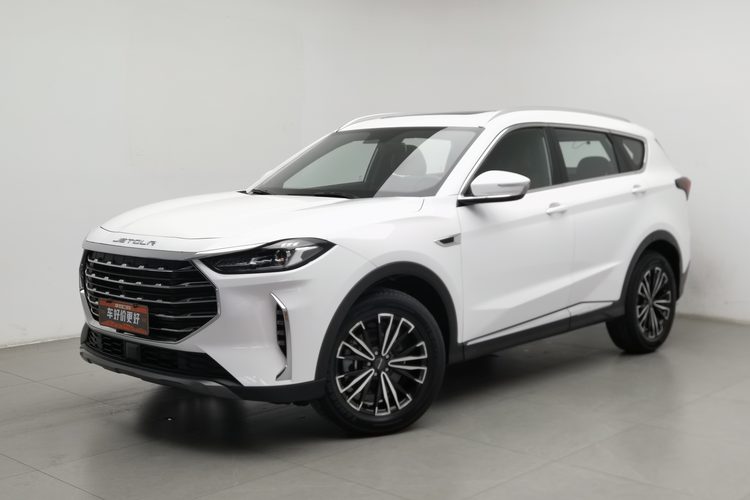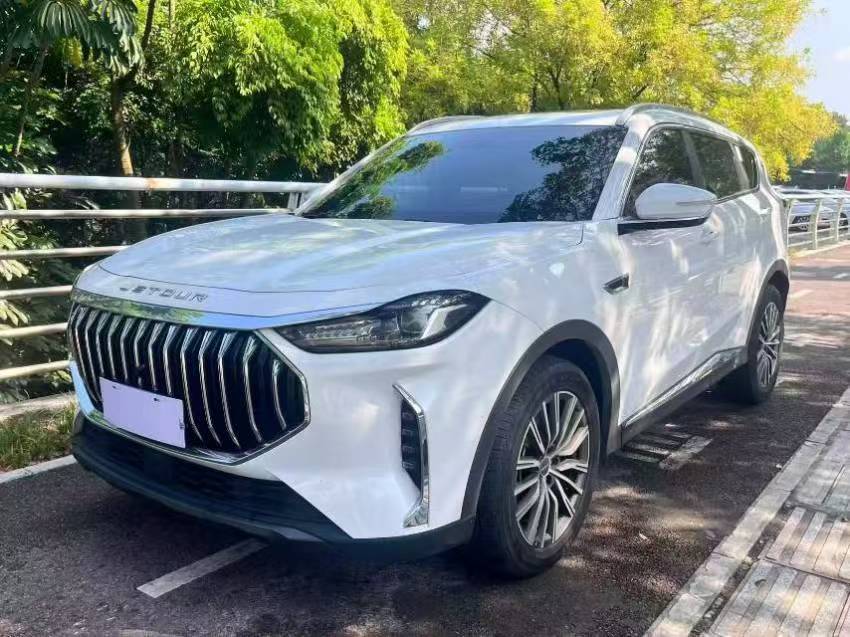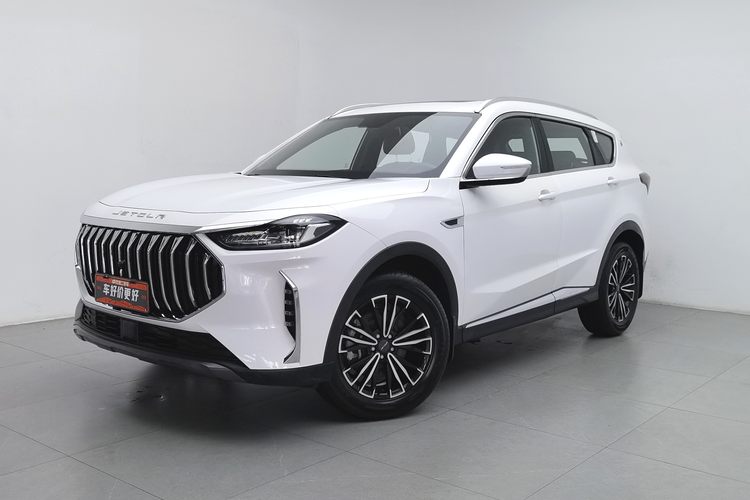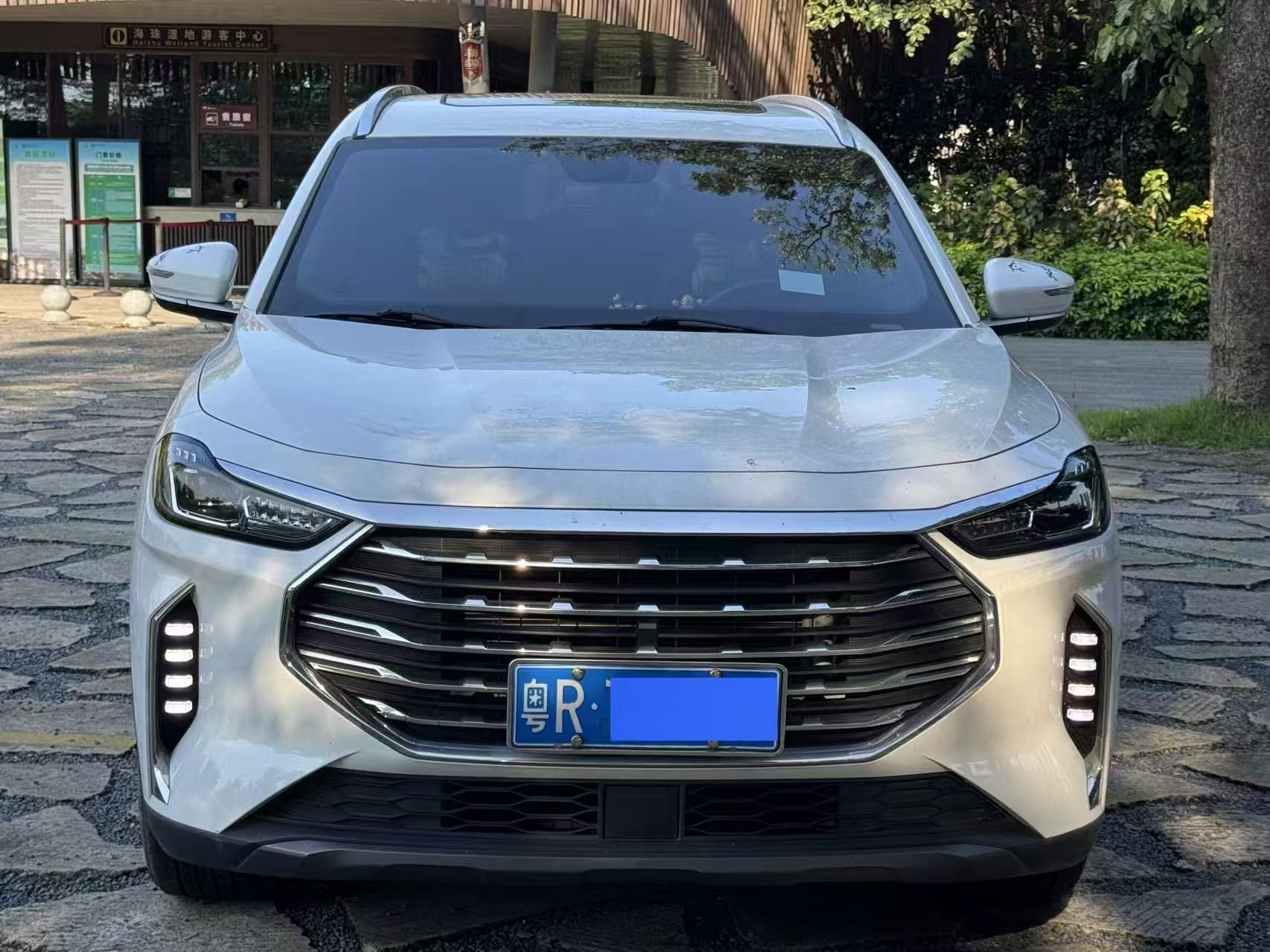
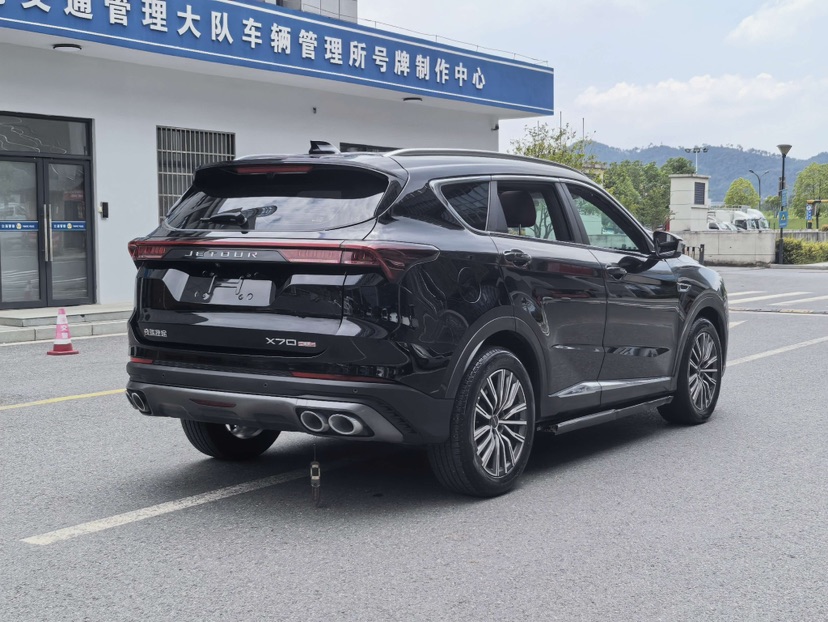
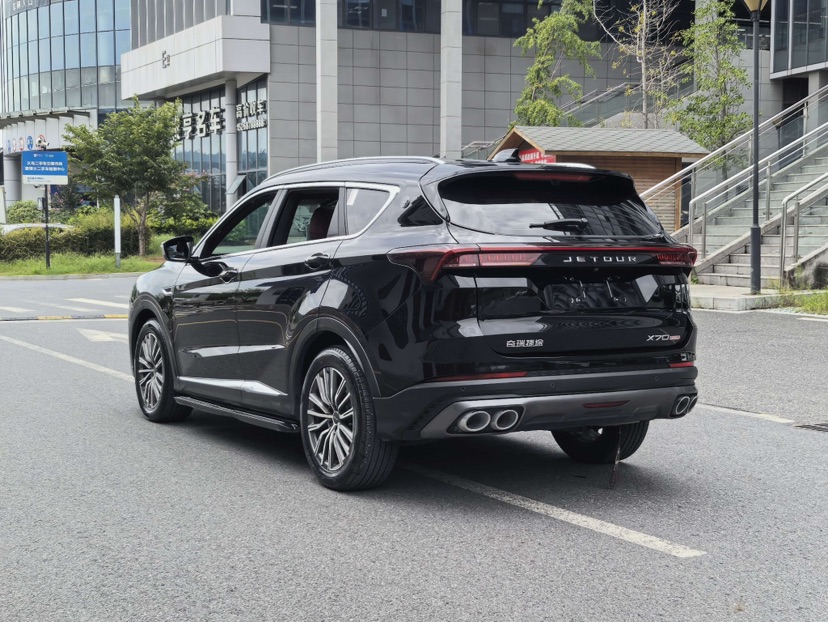

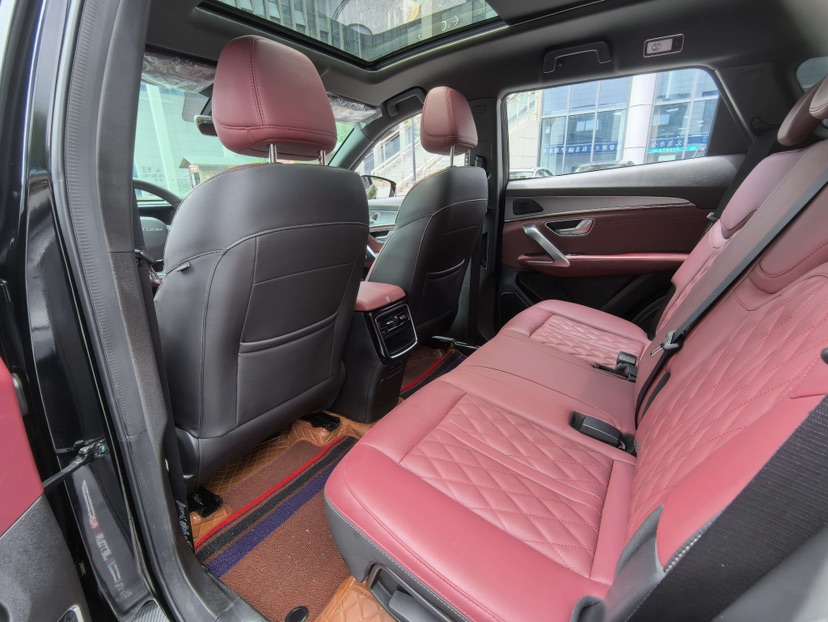
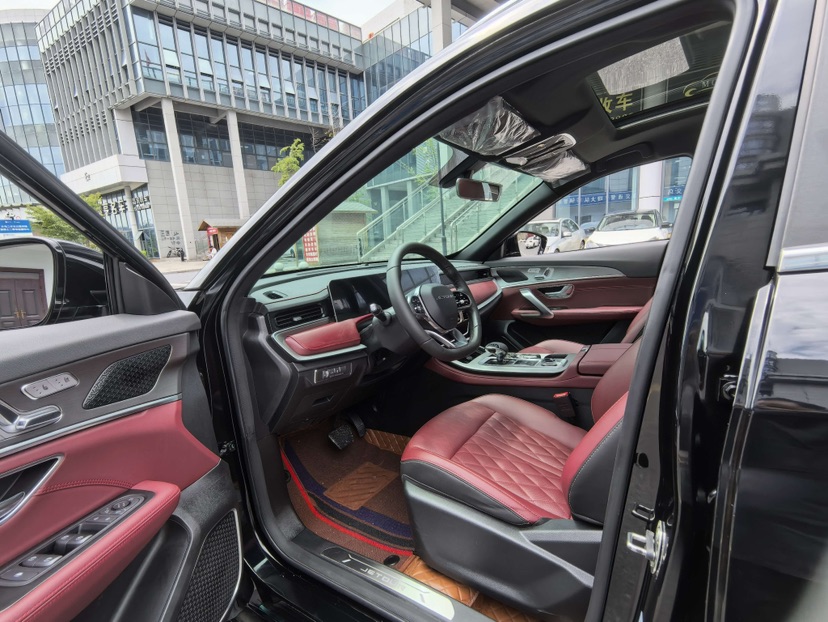



Stock

Basic Information

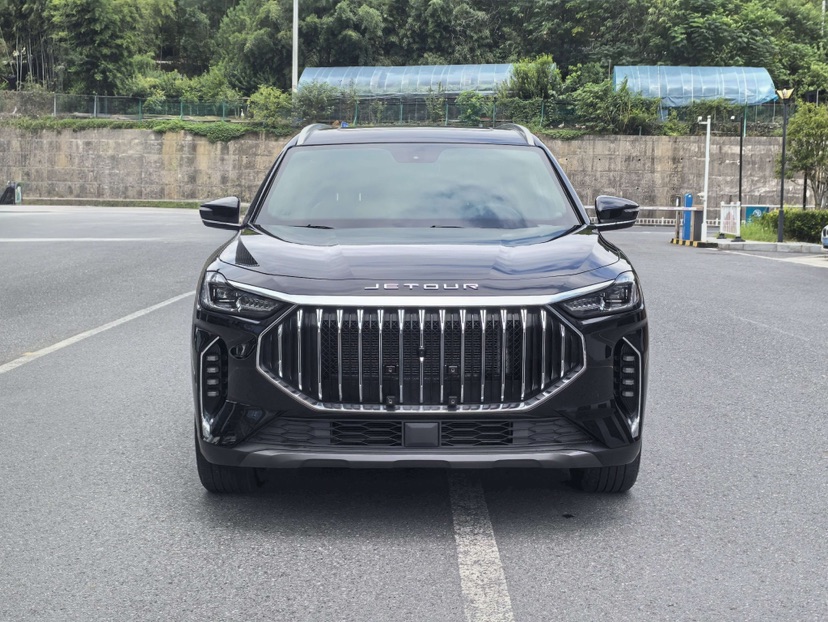
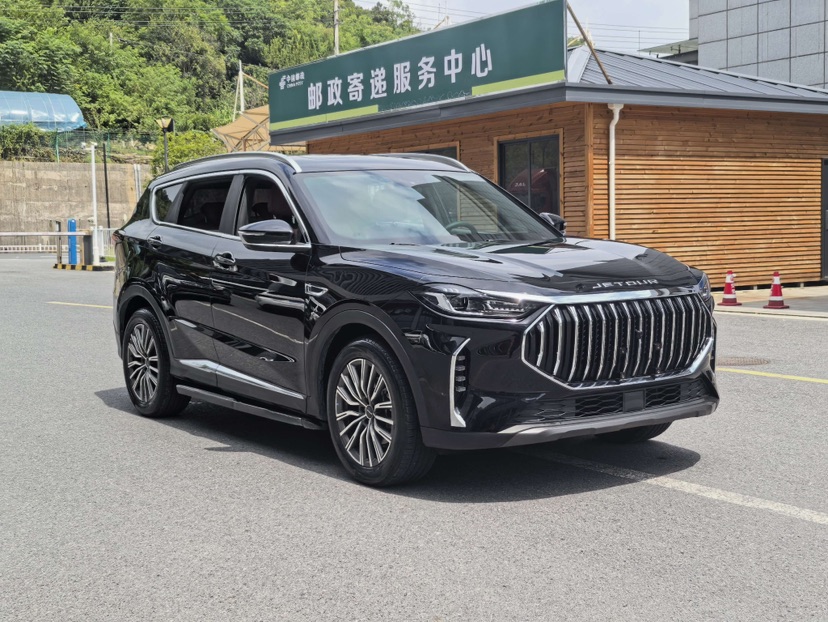
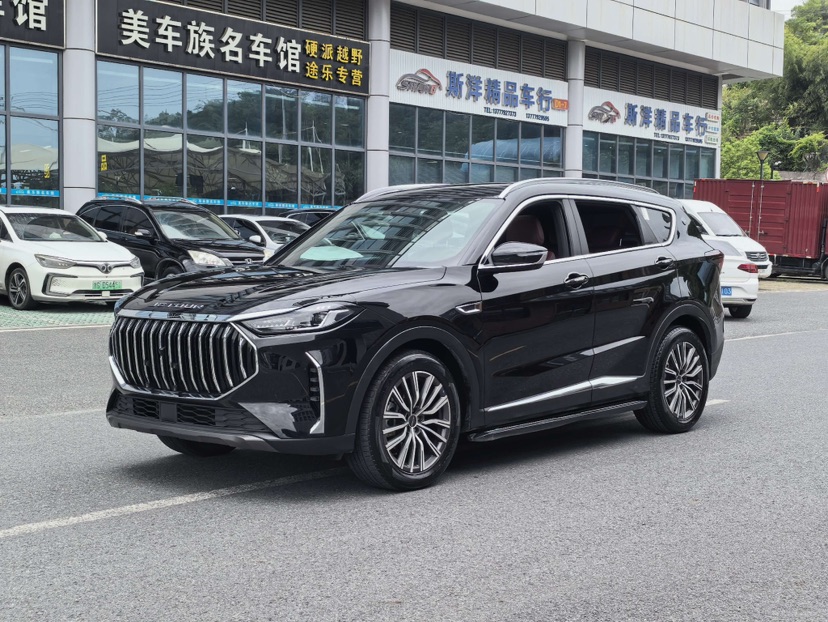
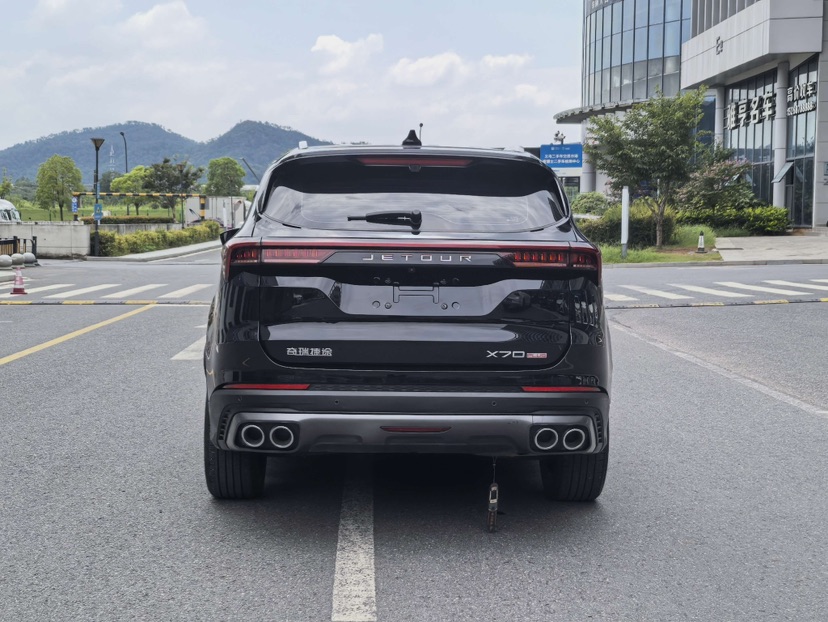
BrandJetour
SeriesX70 PLUS
Year2025
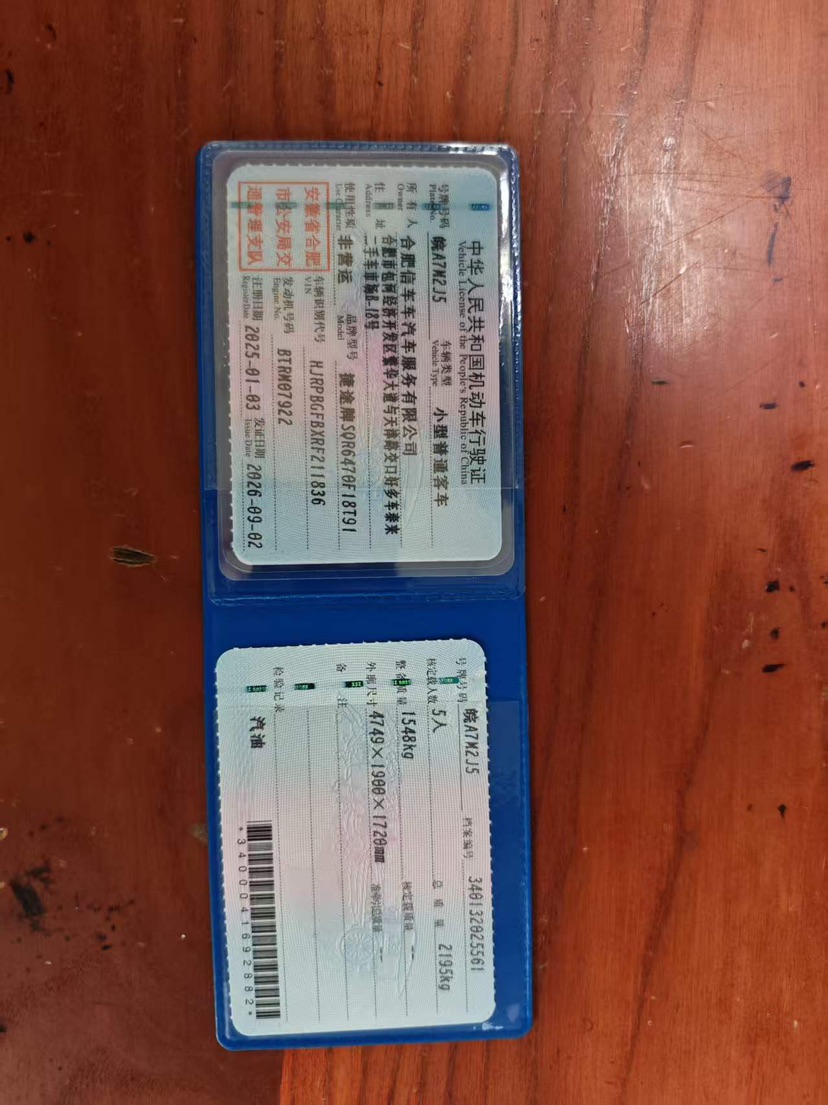
First Registration2025/01
Mileage21,000km
Transfer Count1times
FuelGasoline
TransmissionDCT
Engine1.5T 156 L4
ColorBlack
Seats5seats

Condition Description

Original paint, no repaint.

燃油车
SUV
自动
维保开放
事故开放
查验开放

Configuration Highlights

✓品牌: 捷途
✓车系: 捷途X70PLUS
✓车型: 2024款 冠军版 1.5T DCT冠军MAX 5座
✓车身类型: SUV
✓座位数: 5
✓排量: 1.5T
✓变速箱: 自动
✓能源类型: 燃油车
✓VIN: HJRPBGFBXRF211836
✓搜索关键词: 捷途捷途X70PLUS 2024款捷途X70PLUS冠军版1.5TDCT冠军MAX5座

Document Information

Inspection Expiry Date2027/01
Warranty Expiry Date-
Insurance Expiry Date2027/01

Q&A

More

Should I ship my used car from China in a container or by roll-on/roll-off (RORO)?

It depends on the car's value, type and destination. RORO means the car is driven onto the vessel and secured on deck or in the hull. It is usually cheaper per car and does not involve container packing fees. The downside: the car sits exposed to salt air for weeks, and RORO service is limited to ports with dedicated terminals. Container shipping (one 20ft or 40ft container per 1-2 cars) costs more but gives much better protection. It is strongly recommended for electric vehicles (battery safety regulations), luxury cars, and vehicles going on long voyages or rough sea routes. Practical tips: whichever method you choose, ask for the car to be shipped with a full battery charge disconnected at the terminals, tire pressures adjusted, and a condition report with photos signed at loading. For EVs, confirm the shipping line accepts used electric vehicles and what state-of-charge limits apply.


Which export documents does the Chinese seller provide, and which import documents do I need to prepare myself?

From the Chinese seller, expect these documents: 1. Vehicle registration certificate (the green book) 2. Driving license/registration card for the vehicle 3. Commercial invoice and sales contract 4. Export declaration documents (packing list, declaration forms handled by their forwarder) 5. Bill of lading, issued once the car is on the vessel You prepare on your side: 1. Import permit or approval, if your country requires one 2. Proof of compliance - emissions, safety, or type-approval certificates your customs authority asks for 3. Bill of lading release documents (original B/L or telex release) 4. Customs declaration through your broker, with your tax ID 5. Payment records - keep the bank transfer receipt, as some customs offices verify the declared value Practical tips: insist the seller removes any lien from the green book before export; verify the VIN on all documents matches the physical car; and confirm your country's age/emissions limits before paying a deposit, not after.

What are freight surcharges like BAF and PSS, and can I lock in a shipping rate when importing a used car from China?

Beyond the base ocean freight, carriers add surcharges that fluctuate monthly: BAF (bunker adjustment factor, tied to fuel prices), PSS (peak season surcharge, typically before Chinese New Year and summer), and congestion or war-risk surcharges for specific ports. These can add 10-30% to quoted freight, which is why a cheap rate today may not hold next month. To protect yourself: ask the exporter or forwarder for a rate validity period in writing (usually 2-4 weeks), and book space as soon as the inspection passes. For single cars this is standard practice. Also confirm whether the quote is all-in (including origin port fees, THC, and documentation) or freight-only. Comparing all-in quotes is the only reliable way to avoid surprises when the invoice arrives.