





24H

Basic Information

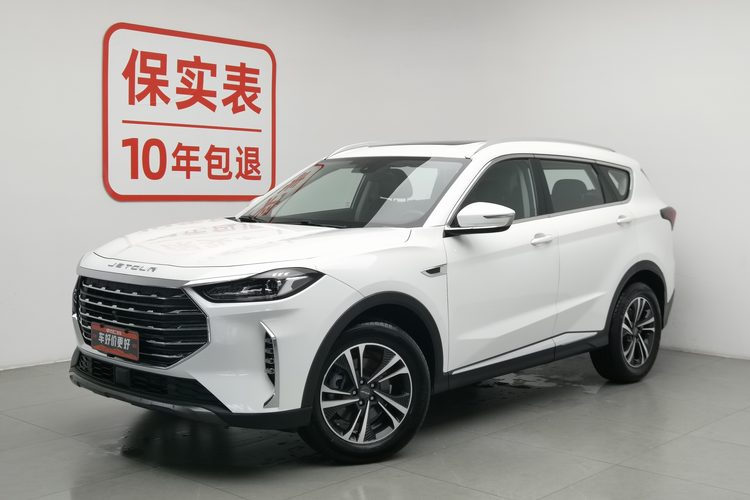
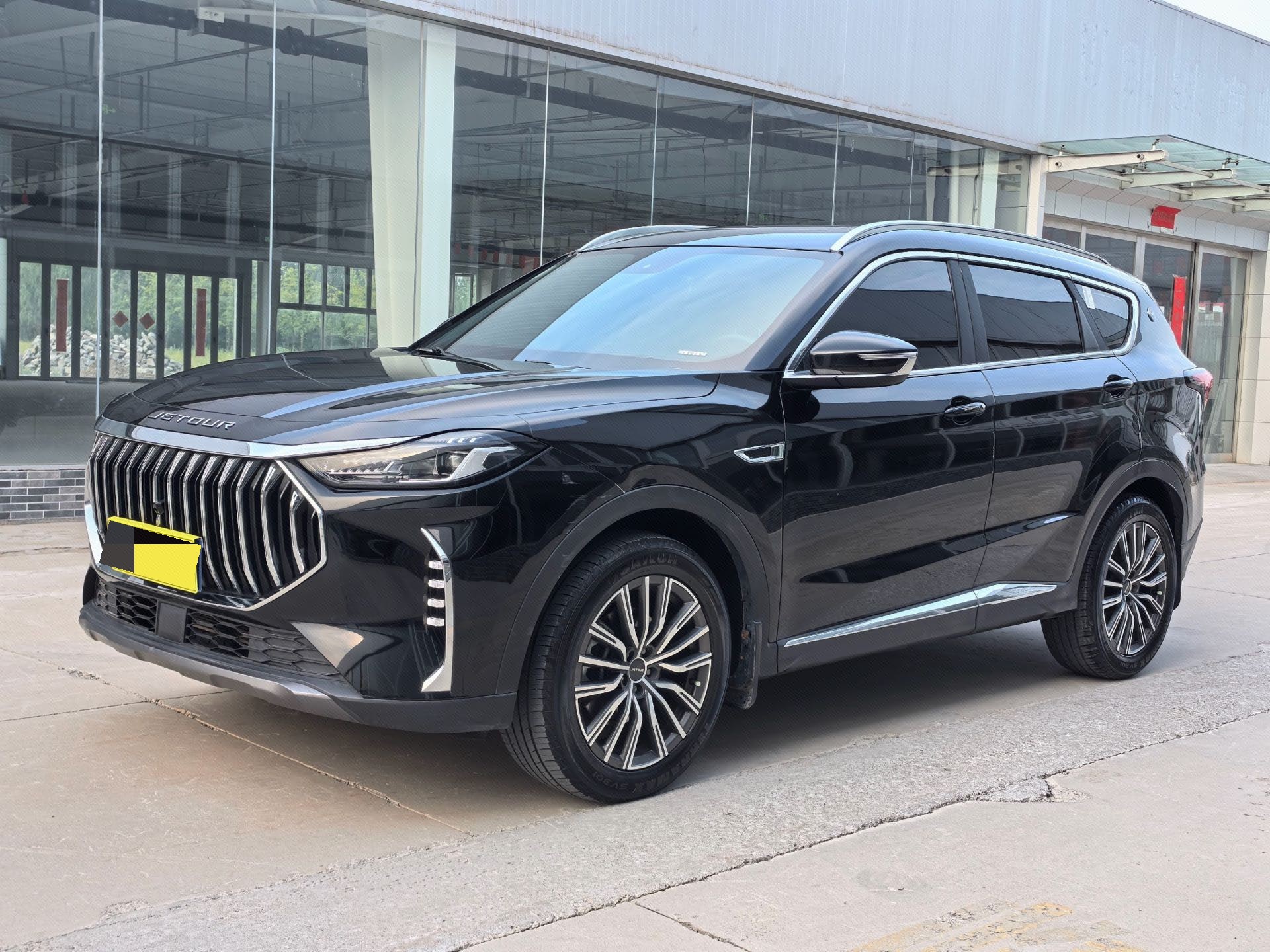
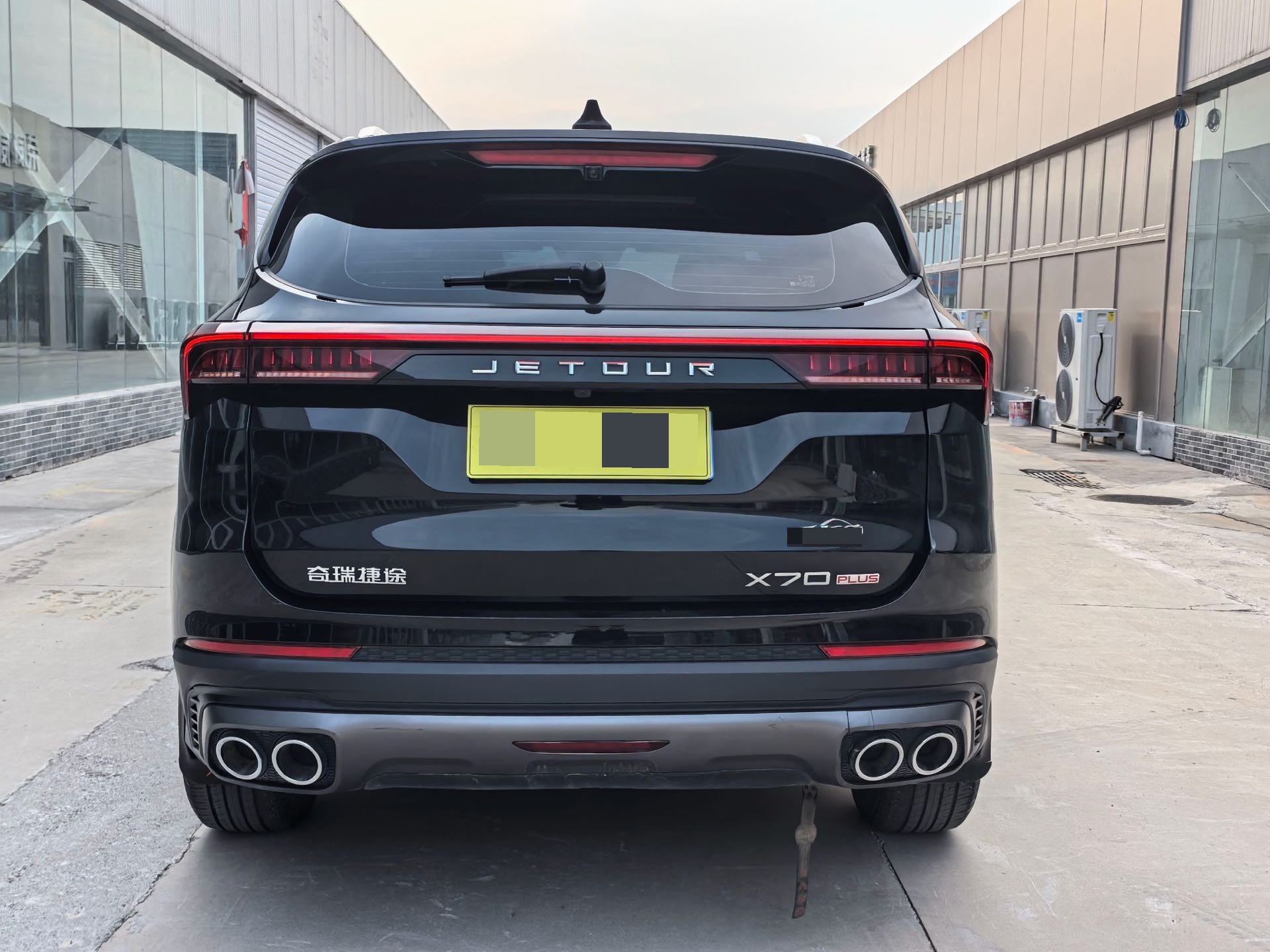
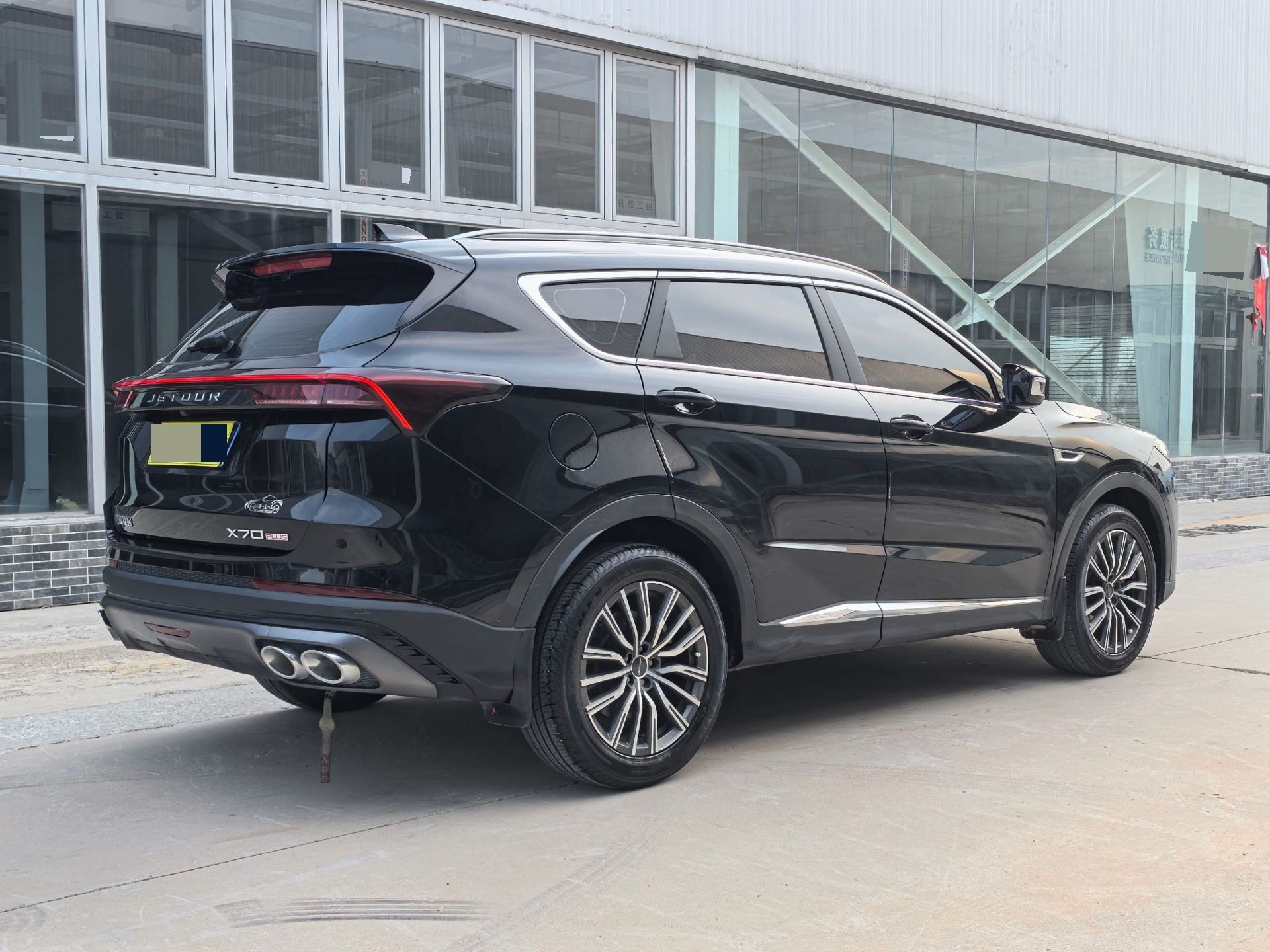
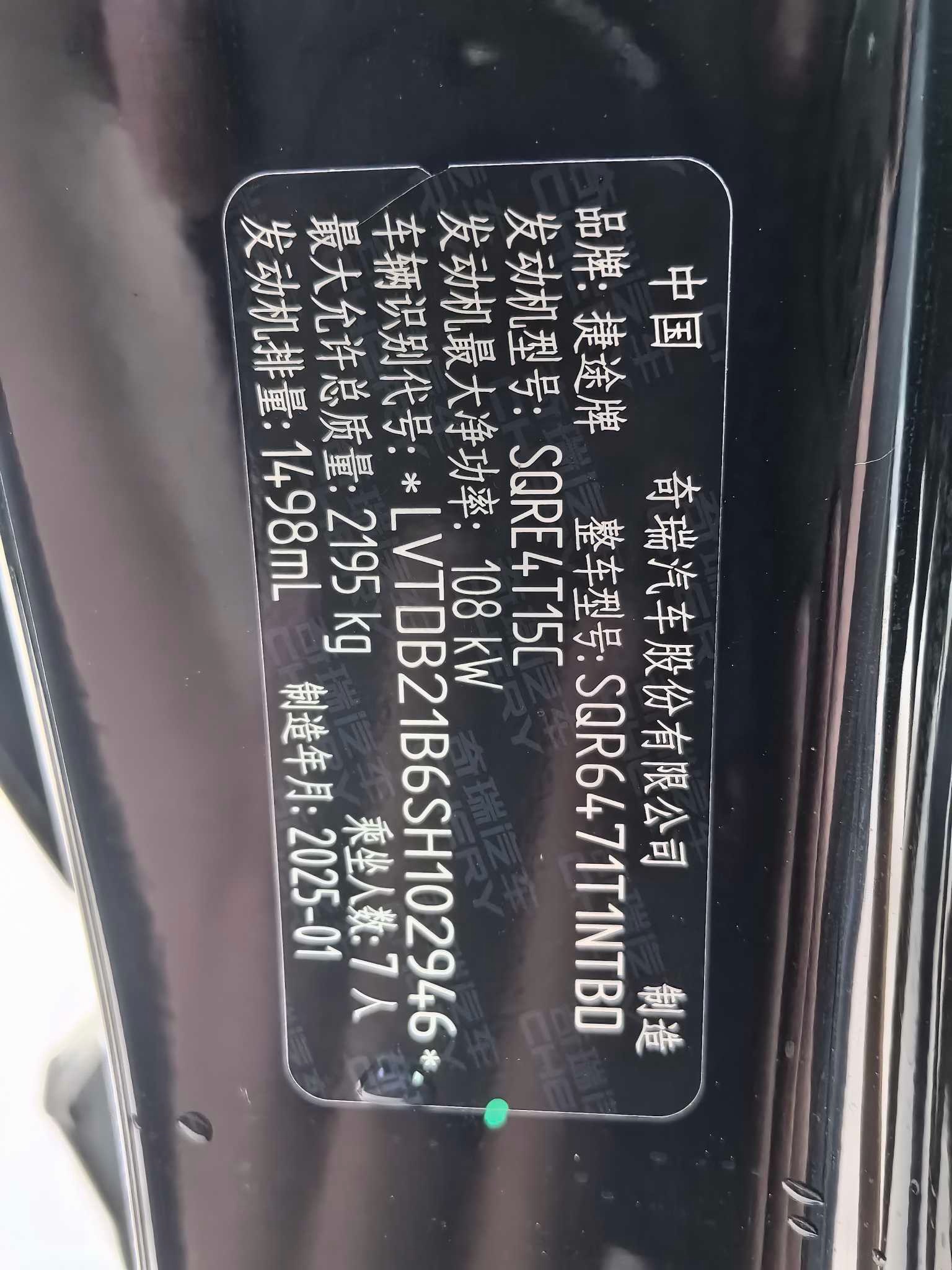
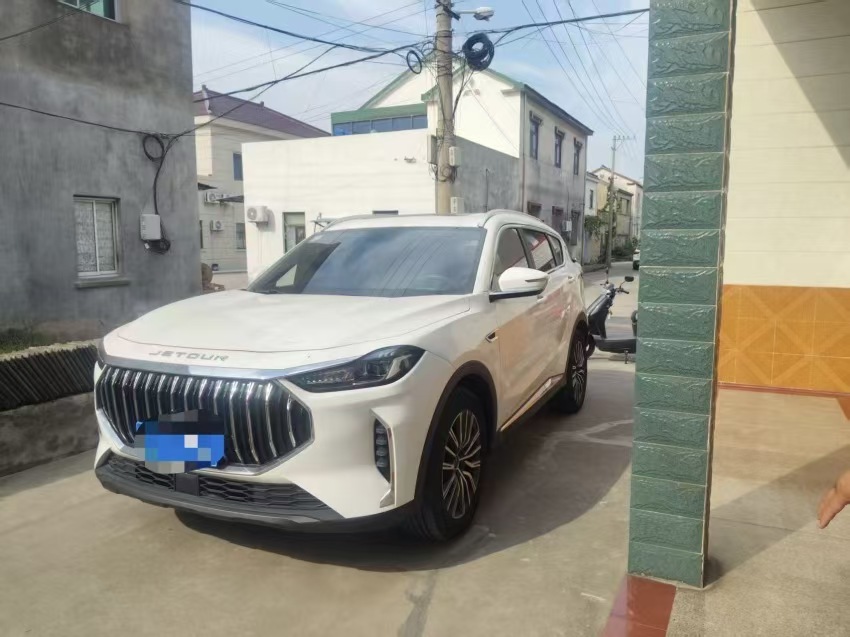
BrandJetour
SeriesX70 PLUS
Year2025
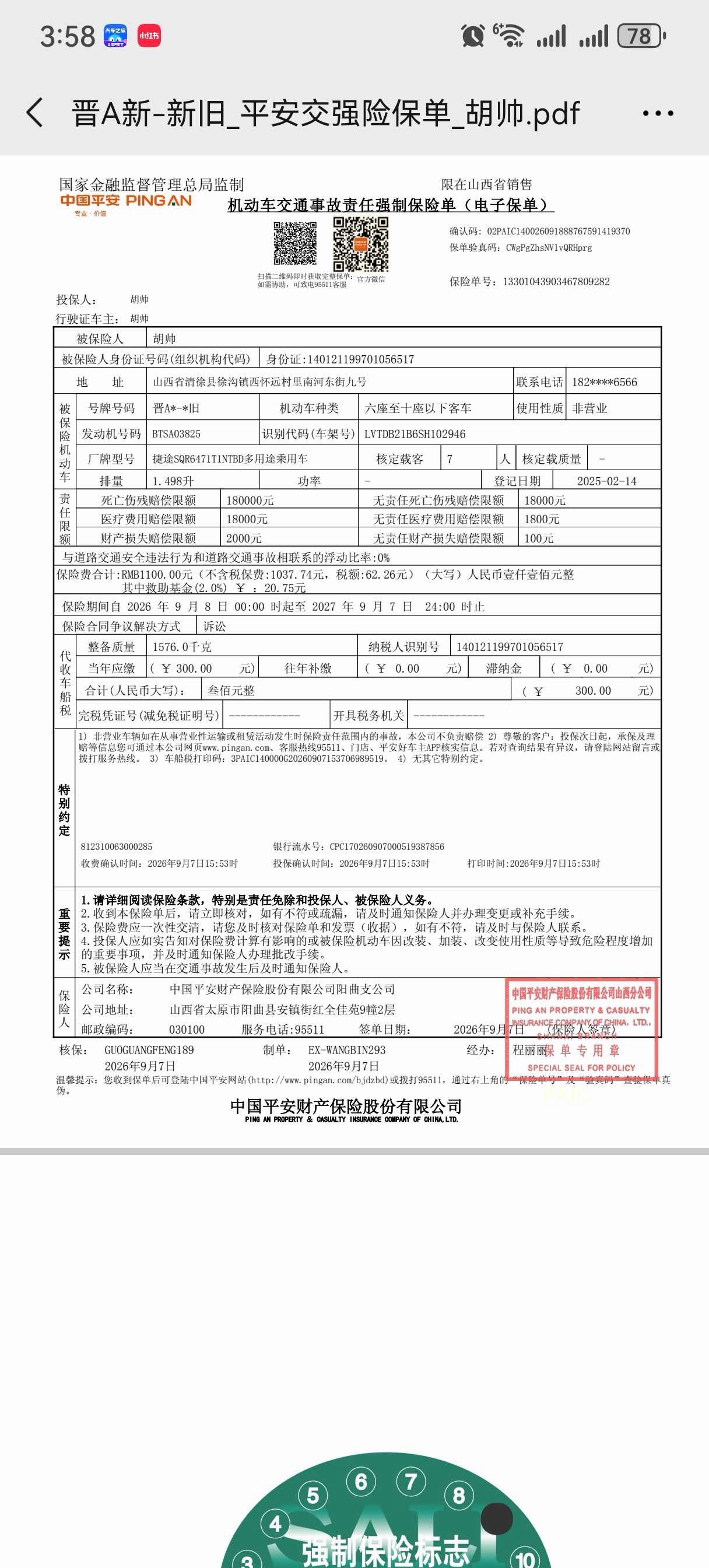
First Registration2025/02
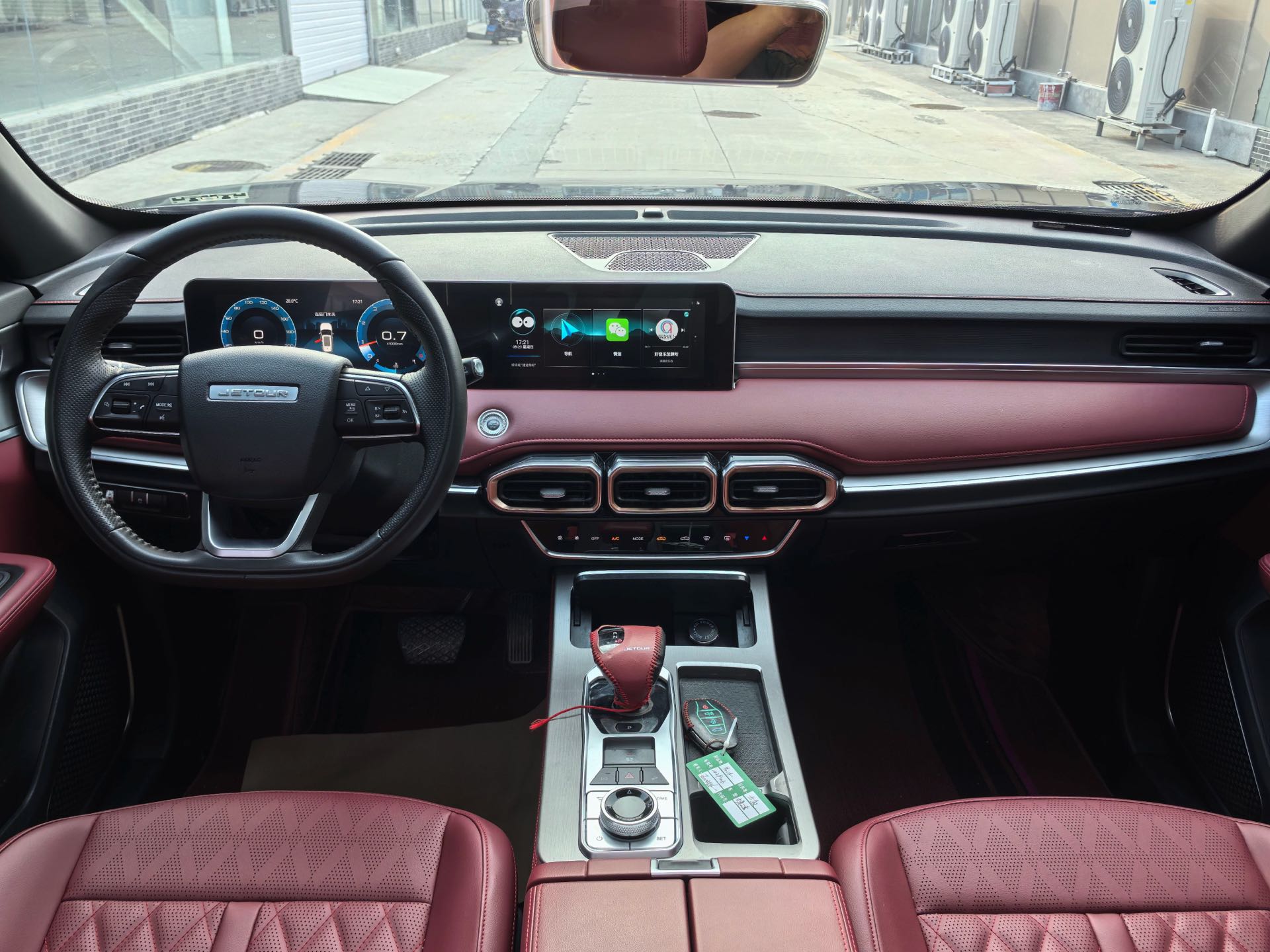
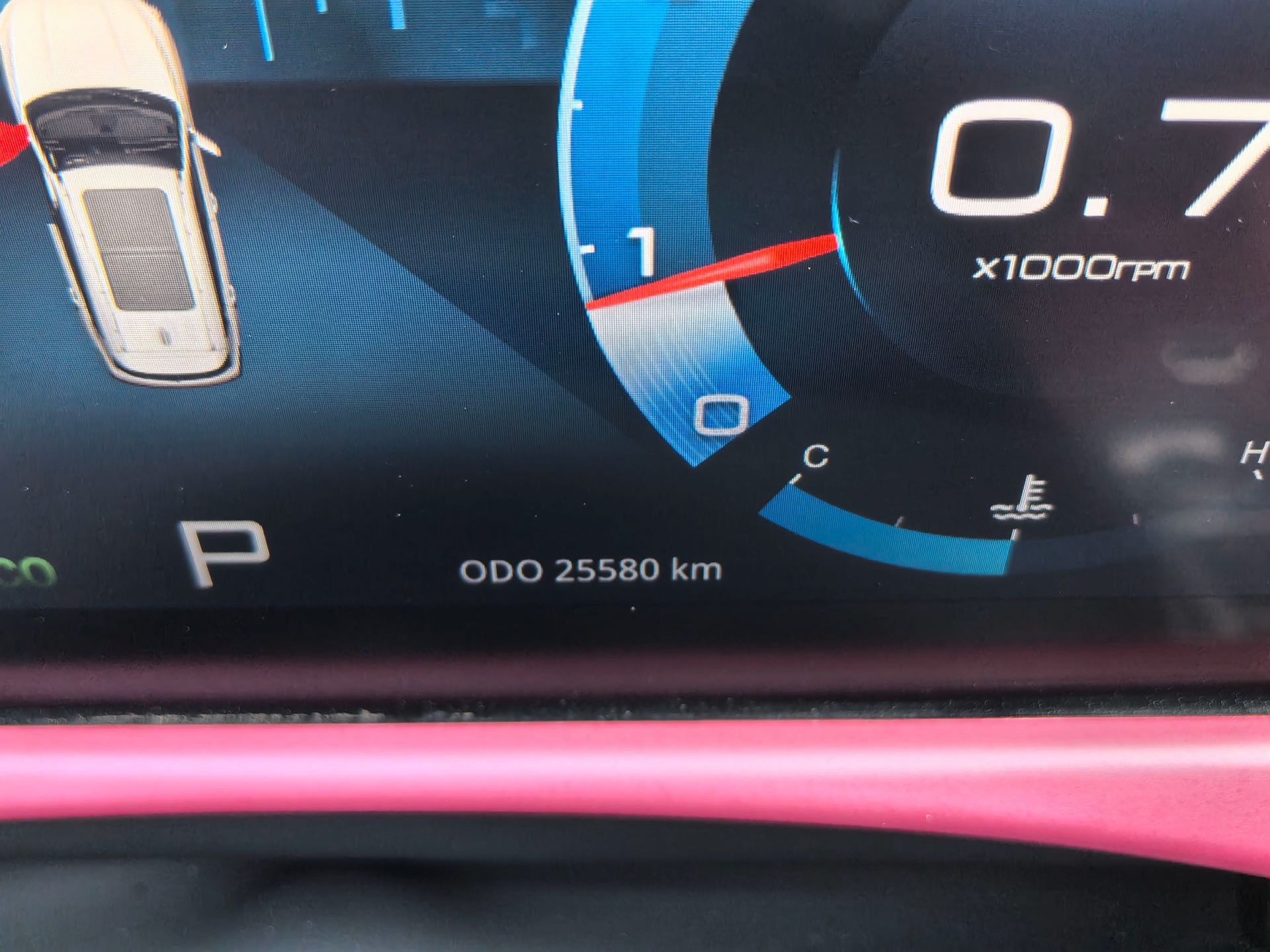
Mileage20,000km
Transfer Count0times
FuelGasoline
TransmissionDCT
Engine1.5T 156 L4
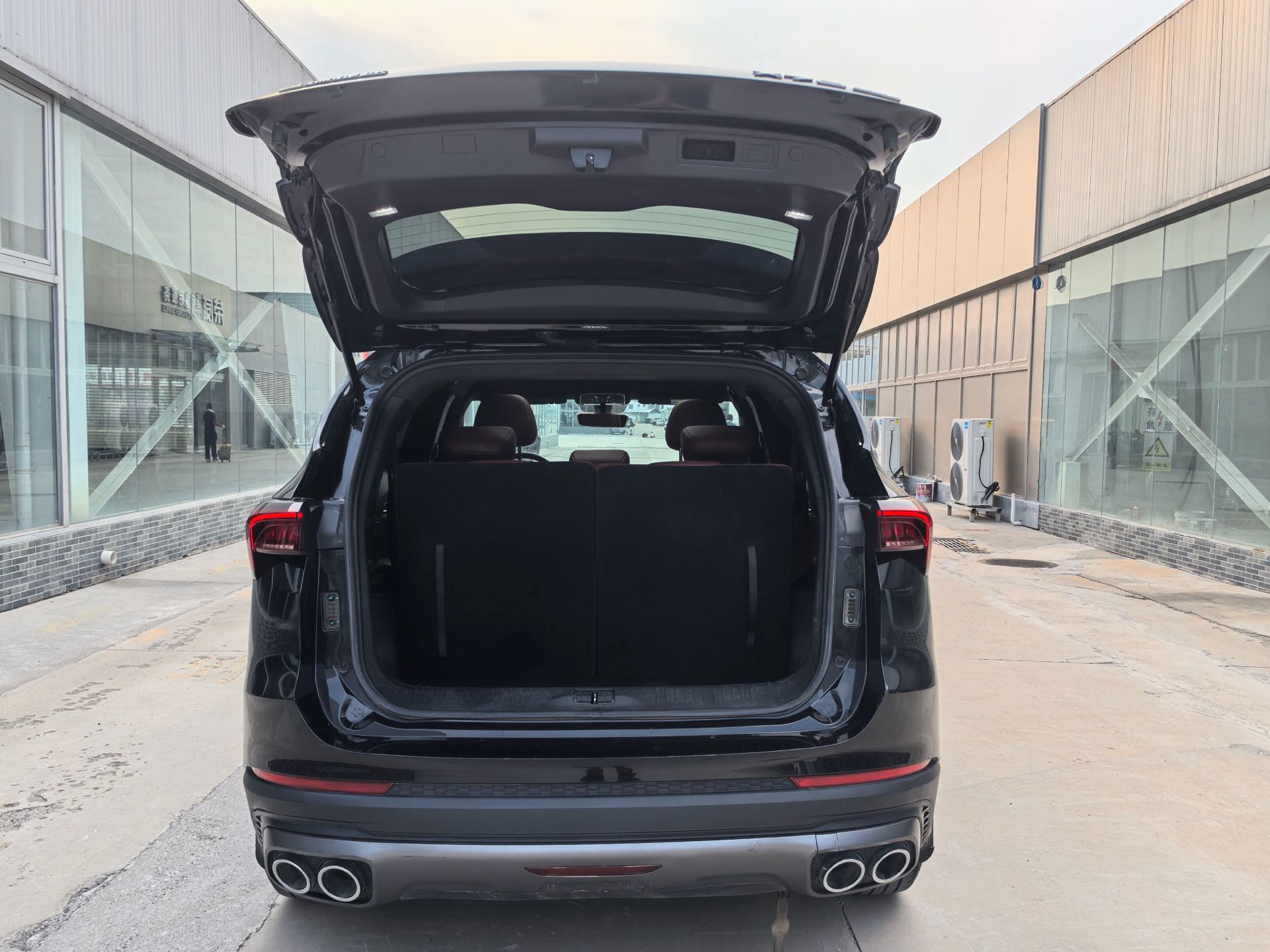
ColorBlack
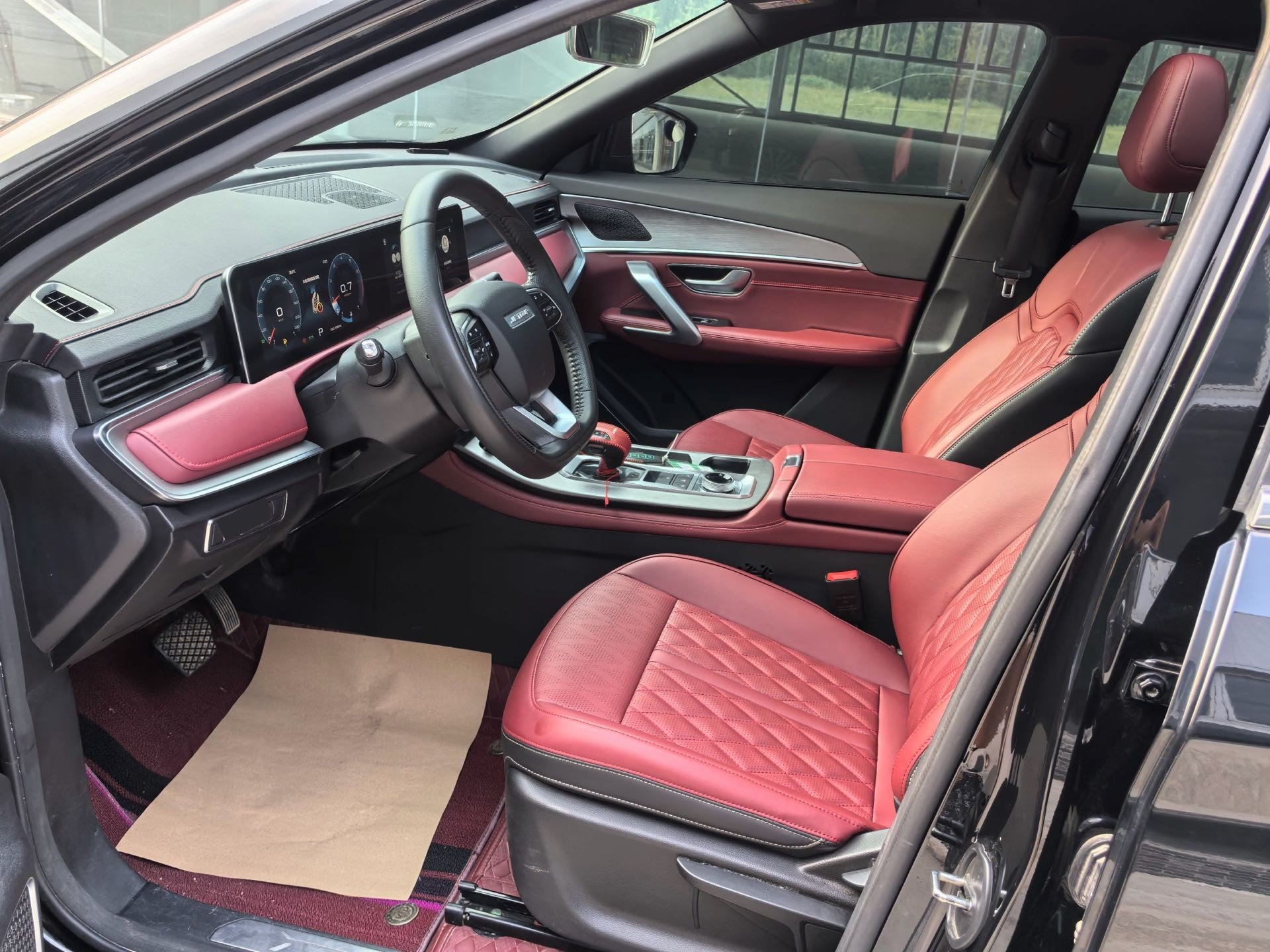
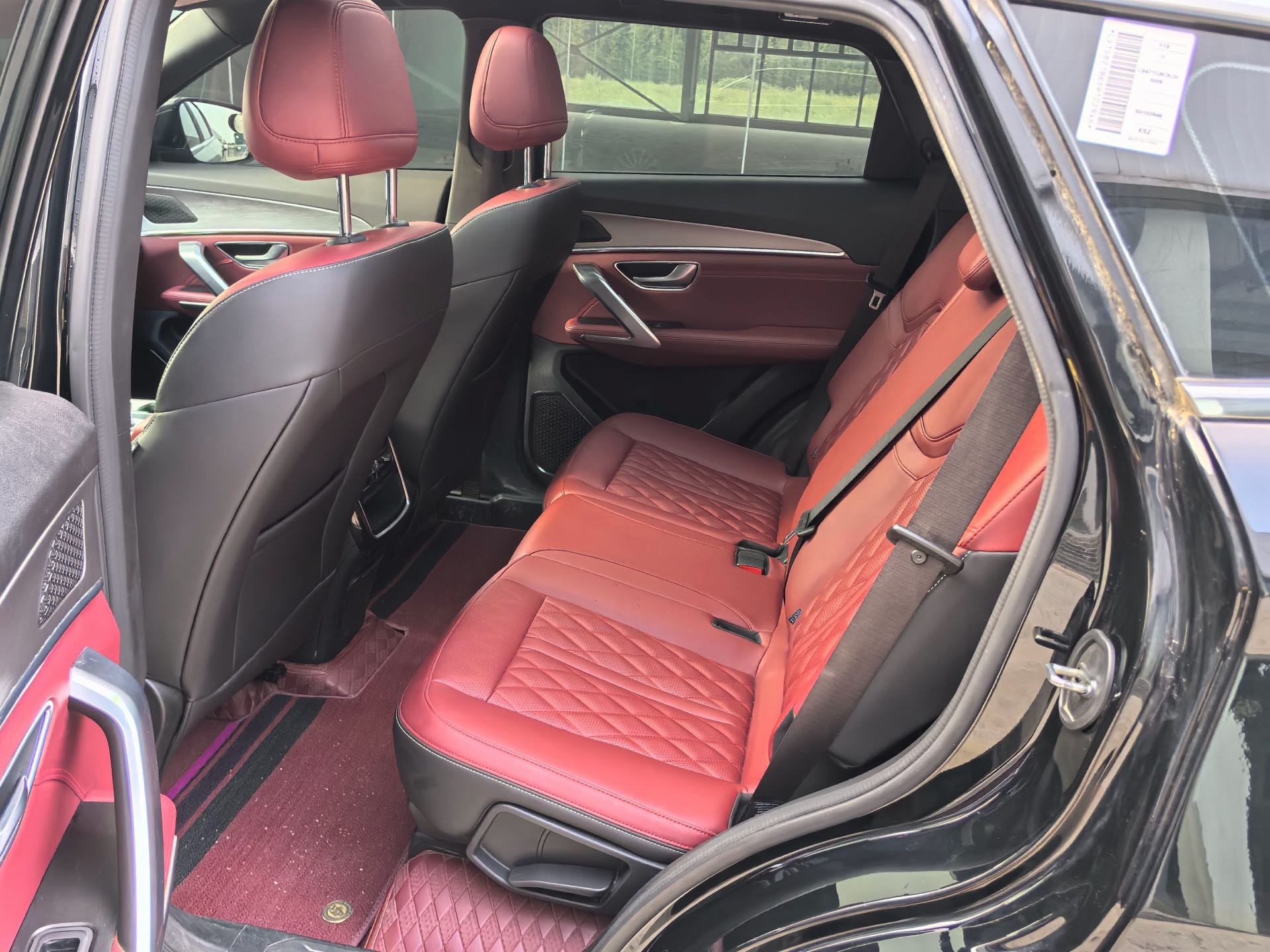
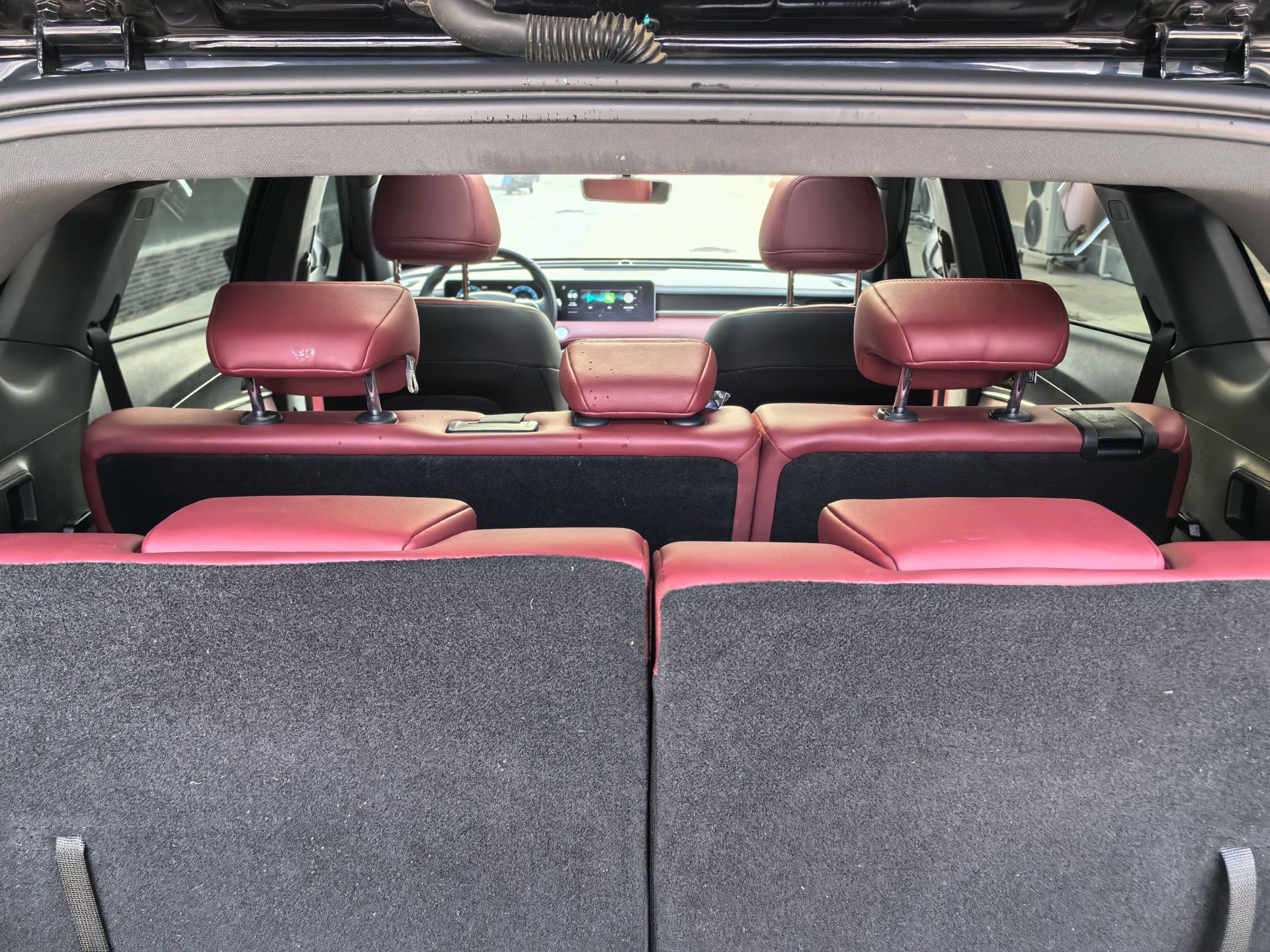
Seats7seats

Condition Description

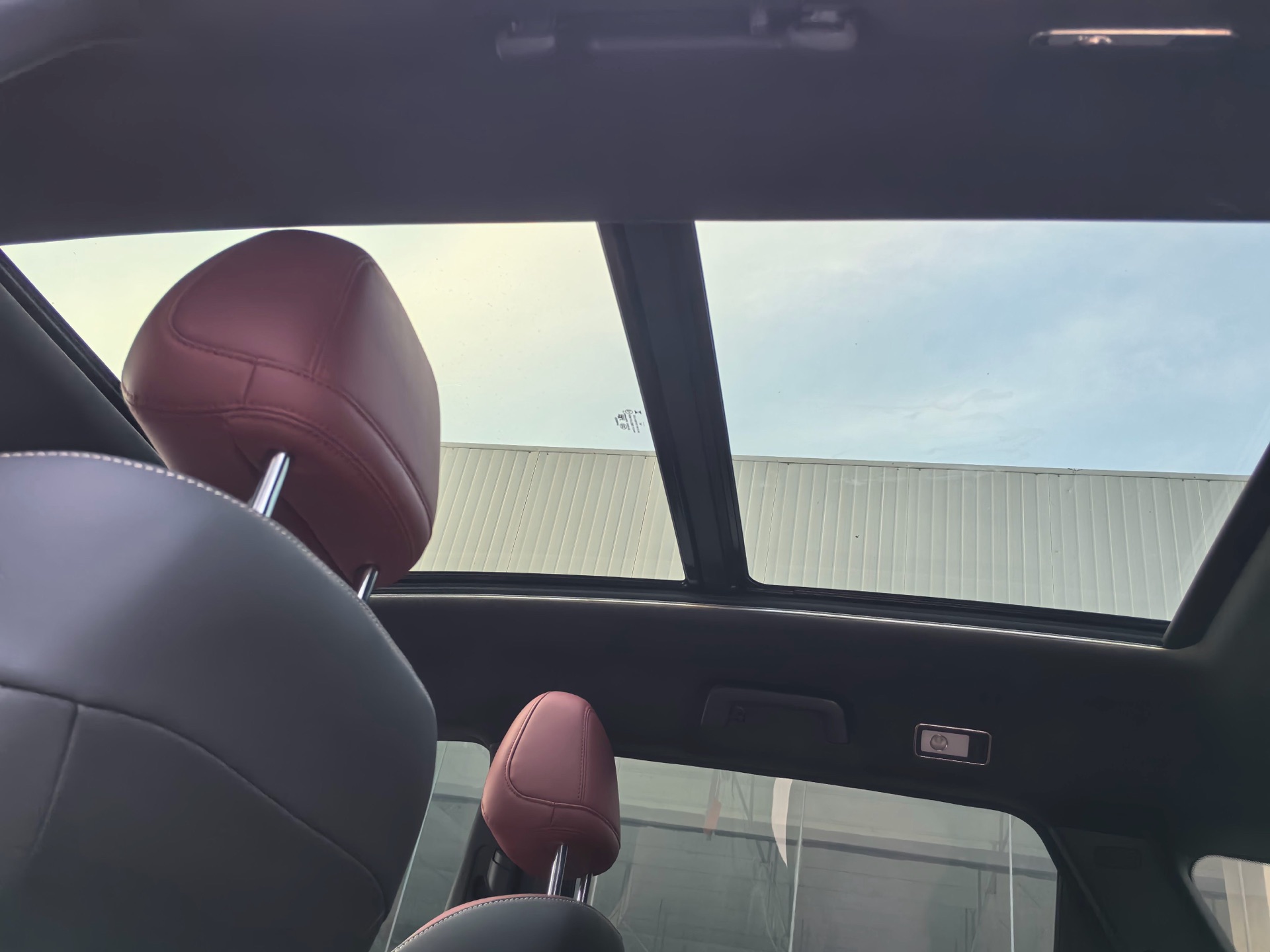
Manufactured in 2025. Original paint. Passed Chaboshi inspection.

Document Information

Inspection Expiry Date-
Warranty Expiry Date-
Insurance Expiry Date2027/02

Q&A

More

Do the exported new energy vehicle battery packs have the required UN38.3 test report and MSDS certificate for maritime transport?

Our documentation department has the latest versions of UN38.3 (United Nations Transport of Dangerous Goods Test and Standards) and MSDS reports authorized or filed by major Chinese new energy brands (such as BYD, Geely, GAC), which are essential customs documents for declaring dangerous goods to the maritime authority.
What is a Certificate of Origin and why do I need one when importing a car from China?

A Certificate of Origin (C/O) is an official document stating where the vehicle was manufactured. Customs authorities use it to decide which tariff rates and trade agreements apply to your import. Why it matters: many countries offer preferential tariffs for certain origins. With a valid C/O, such as the ASEAN-China Form E or a GSP Form A, you may pay reduced or zero duty. Without it, you typically pay the standard, higher rate. The certificate must match the vehicle exactly: VIN, make, model and invoice details. It is usually issued by the China Council for the Promotion of International Trade (CCPIT) or customs authorities. Practical tips: request the C/O before shipment, because adding it later is slow; check that your country's customs accepts the specific C/O format; and confirm with your broker whether your vehicle category qualifies for preferential rates. This single document can save you thousands in duty.

What does the buying process look like when importing a used car from China?

A typical transaction has six steps. 1. Selection: you confirm the vehicle through photos, a video walkaround, an inspection report and the VIN. 2. Deposit: most exporters ask 20%-30% to reserve the car. Pay by bank transfer to the company's corporate account, never a personal one. 3. Inspection: an independent pre-shipment inspection verifies the condition; you receive the report before paying the balance. 4. Balance payment: usually due before loading. Request the booking confirmation and container number. 5. Shipping: the exporter sends you the draft bill of lading for checking, then the original documents by courier. 6. Arrival: you clear customs with the invoice, C/O, B/L and inspection certificate, then register the vehicle. Total timeline is usually 2-6 weeks. Use payment methods with recourse (T/T or escrow) and keep every contract and receipt.