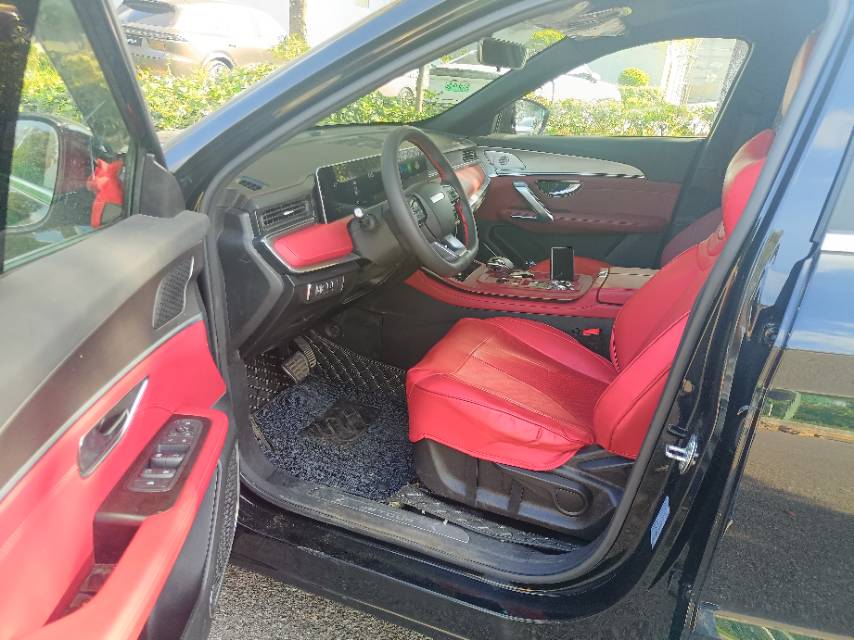
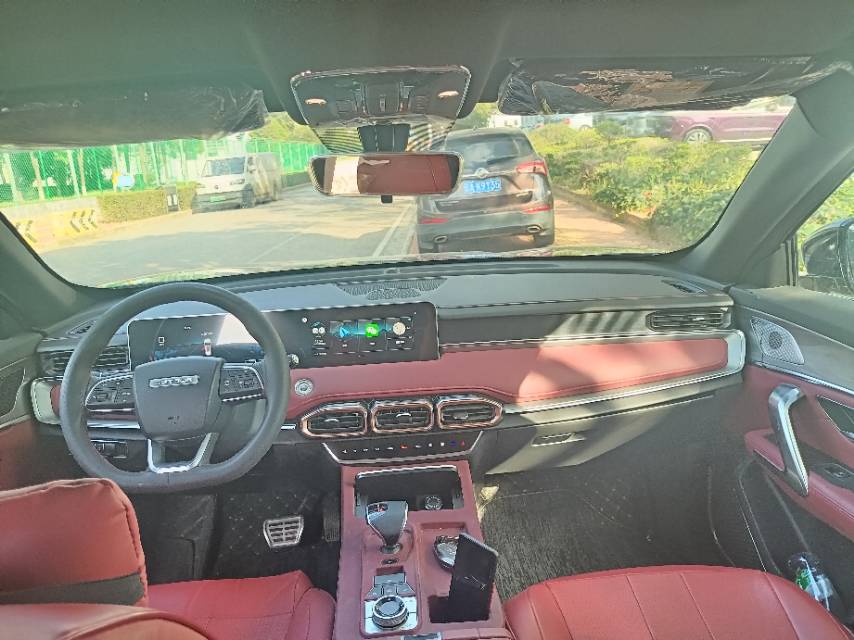
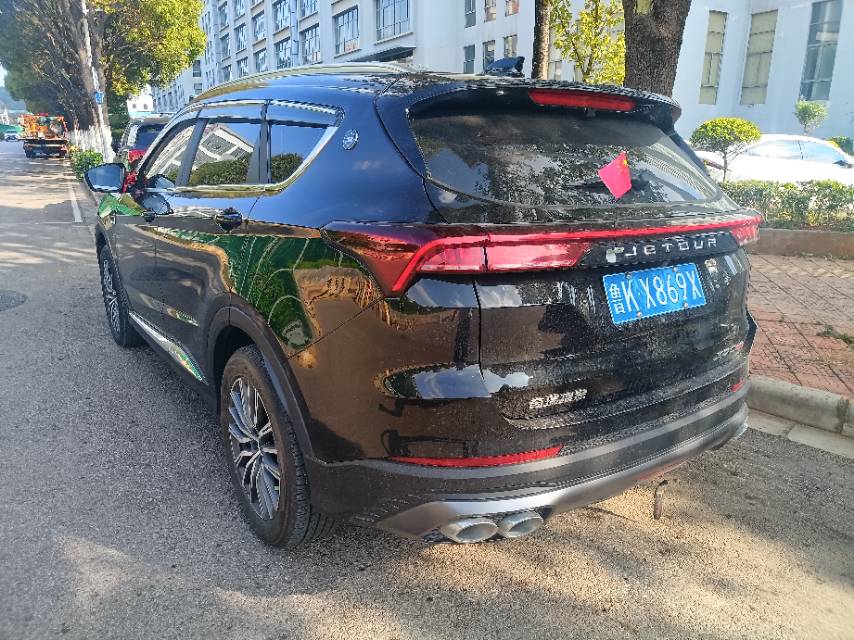
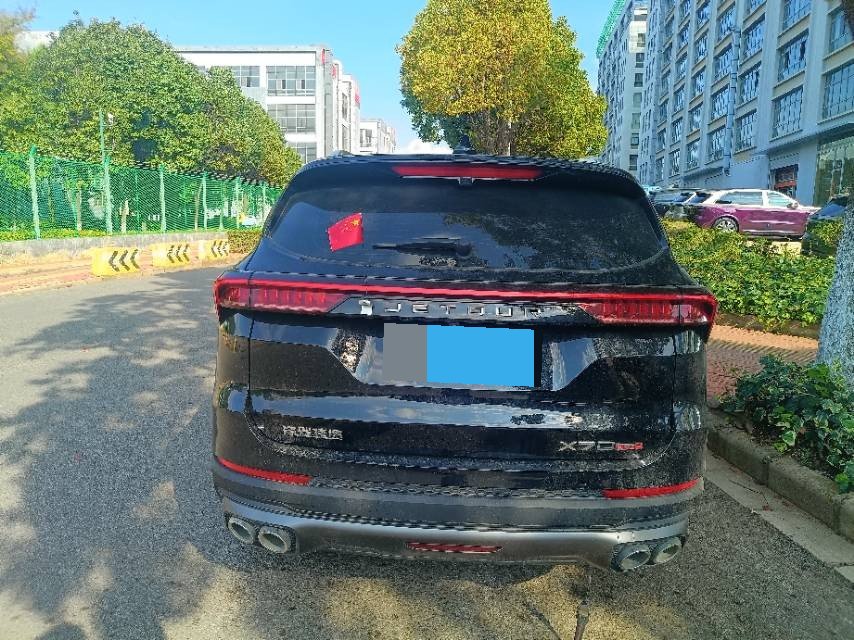
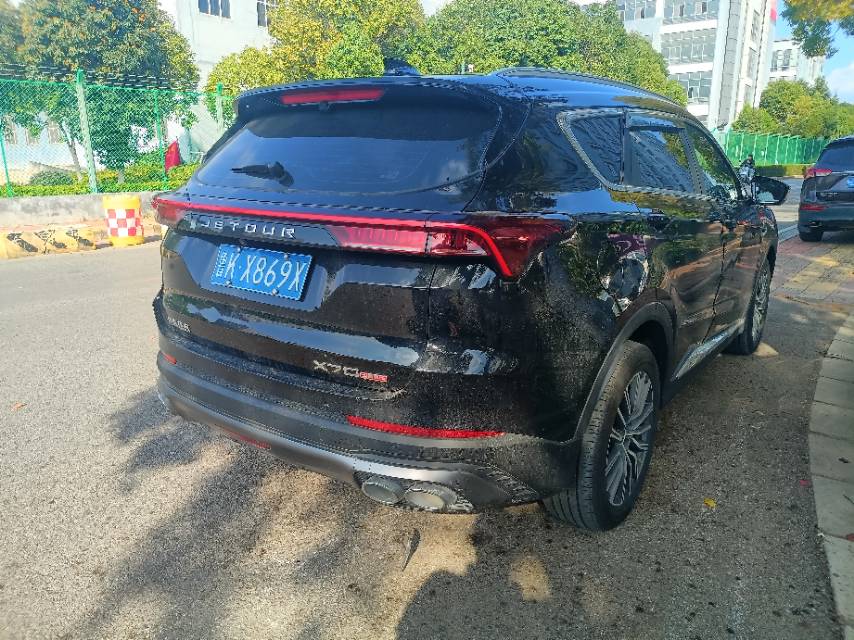



48H

Basic Information

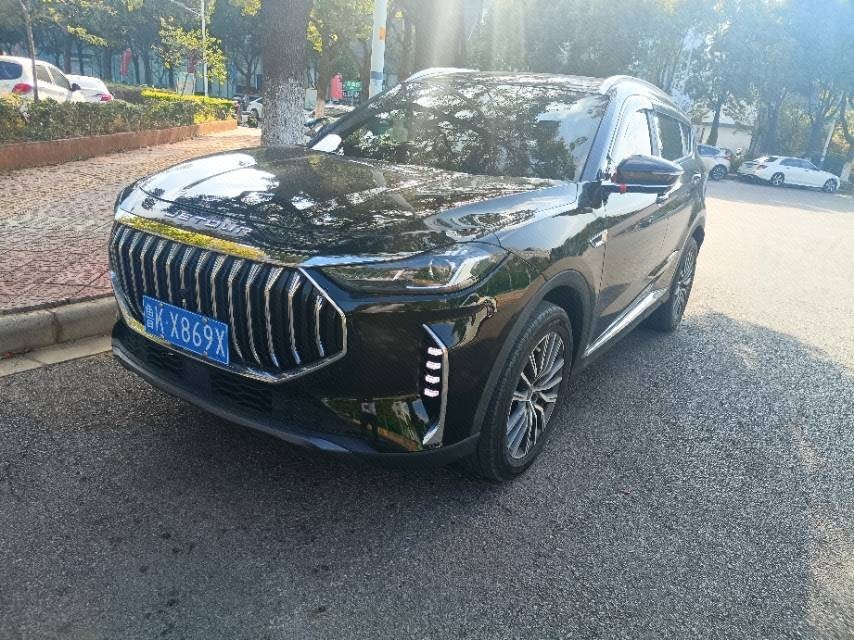
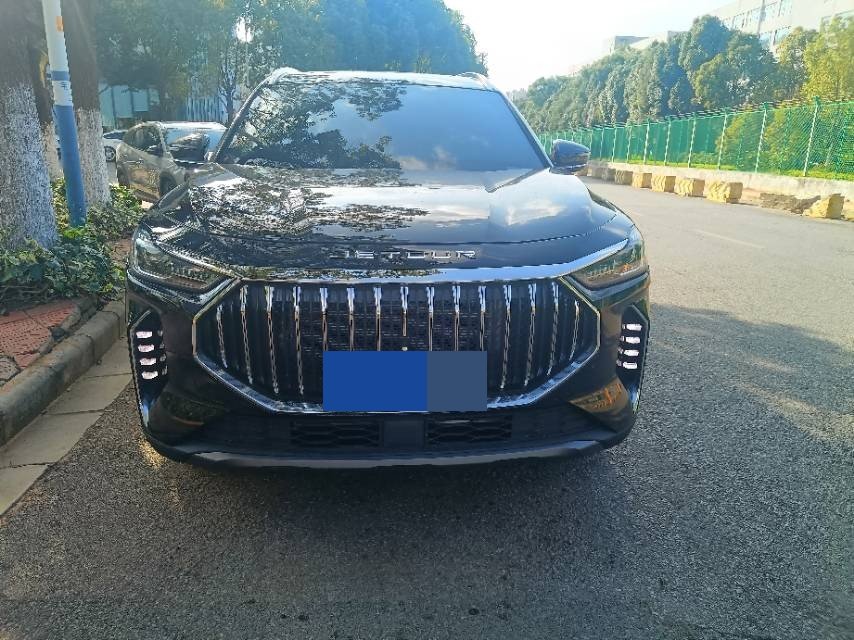
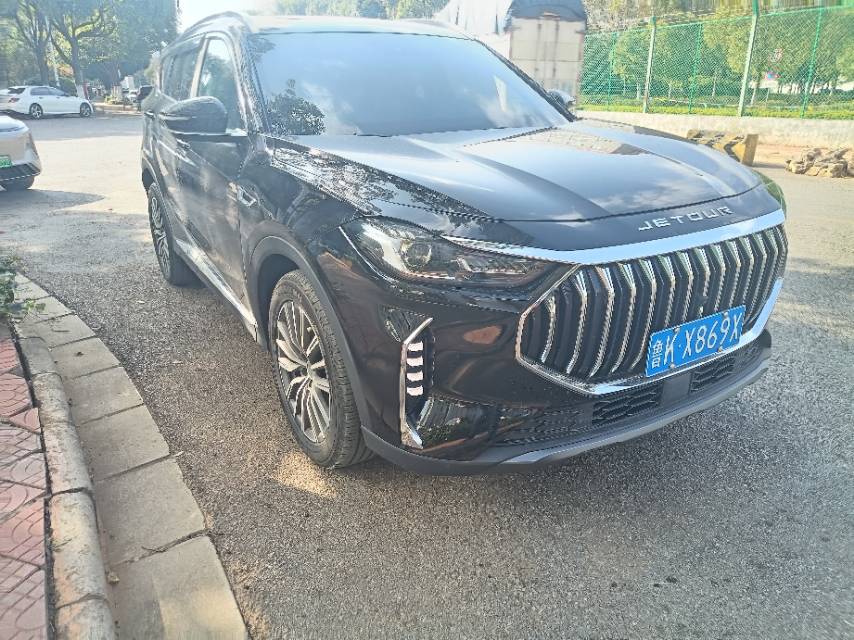
BrandJetour
SeriesX70 PLUS
Year2025
First Registration2025/06
Mileage23,000km
Transfer Count0times
FuelGasoline
TransmissionDCT
Engine1.5T 156 L4
ColorBlack
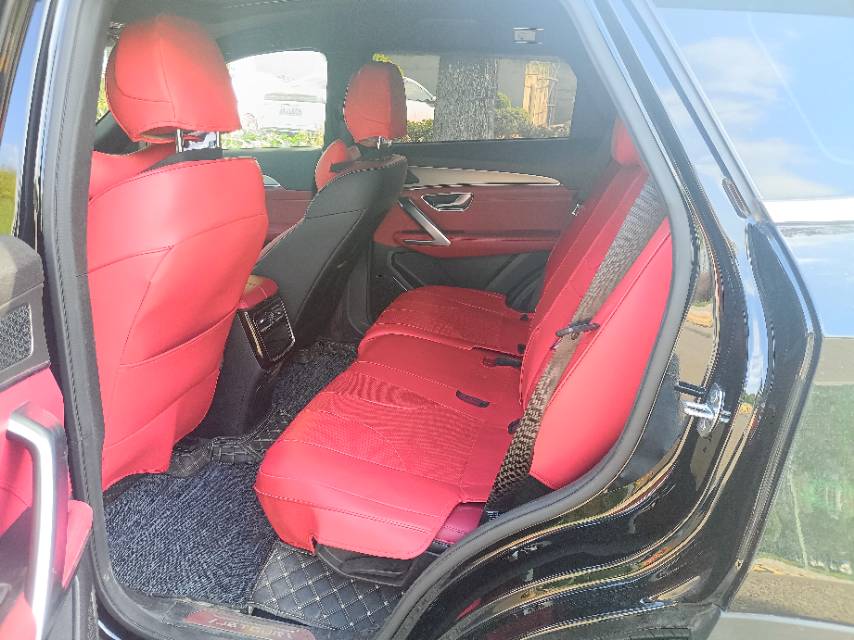
Seats7seats

Condition Description

Front-end assembly replaced, large insurance claim, airbags deployed, first owner.

Document Information

Inspection Expiry Date-
Warranty Expiry Date-
Insurance Expiry Date2026/06

Q&A

More

When buying remotely, how do I assess the engine, transmission, brakes, and tires of a used car from China over a live video call?

A structured live video inspection can catch most mechanical problems. Ask the seller to do the following in order: Cold start: film the engine bay before starting — check for leaks, cracked hoses, and corrosion. Then start from cold and listen for rattling or knocking during the first minute; abnormal noises on cold start often mean worn internals. Fluids: pull the oil dipstick — milky or foamy oil suggests head gasket issues. Check coolant color and level. Transmission: with the car warmed up, film each gear shift, forward and reverse. Hesitation, harsh jerks, or slipping RPM are red flags. Brakes: test at low speed in a safe area — the pedal should feel firm, not spongy, and the car must not pull to one side. Tires: walk around and film each tire's sidewall and tread. Uneven wear suggests alignment or suspension problems. Combine this with an independent pre-shipment inspection for a professional report — the video call is your first filter, not the final verdict.


What should I check during a live video test drive of a used car in China, and which sounds or behaviors are red flags?

Request a live video call during the test drive rather than a pre-recorded one. Cold start first: listen for rattling or metal scraping in the first seconds — possible timing chain or hydraulic lifter issues. During acceleration, a whining from the gearbox area can mean bearing wear; hesitation or jerking in an automatic suggests transmission problems. Braking: the pedal should feel firm, not spongy, and the car must not pull to one side. Turn the wheel fully in both directions and listen for clicking — a classic CV joint fault. Insist on a highway segment too: vibrations above 100 km/h often point to unbalanced wheels or bent rims. Ask the driver to film the dashboard throughout — warning lights that flicker on briefly are still faults that OBD will record.

For PHEV plug-in hybrid models, are you responsible if overseas technicians do not follow the dedicated hybrid mode for exhaust during oil changes, leading to engine overheating?

This is a typical case of "secondary damage caused by unprofessional rescue." Many hybrid vehicles require access to "maintenance mode" via engineering computers to allow the water pump to run at full speed for exhaust. We do not bear any moral or financial responsibility for cylinder damage caused by local technicians' misoperation.