
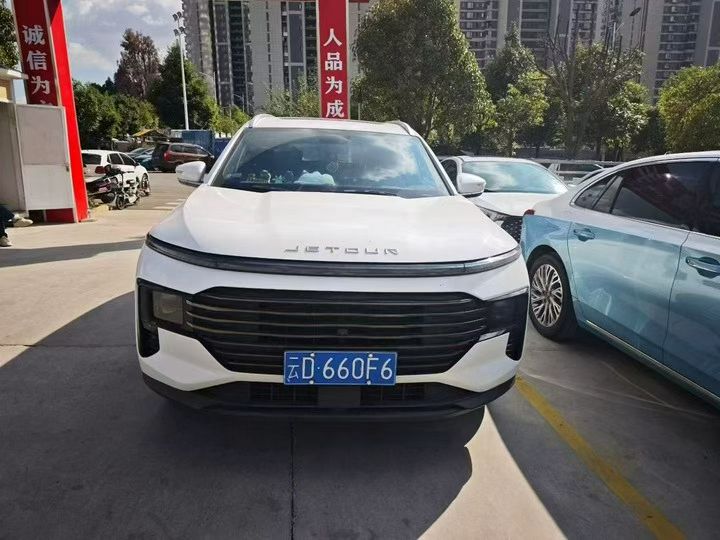
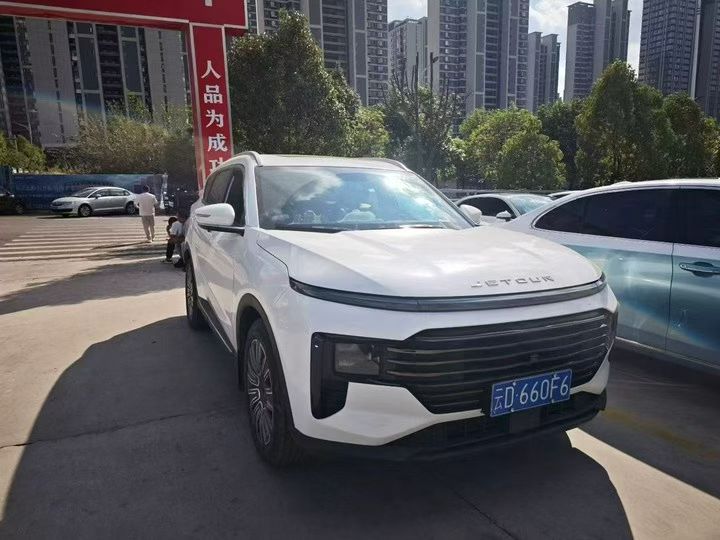
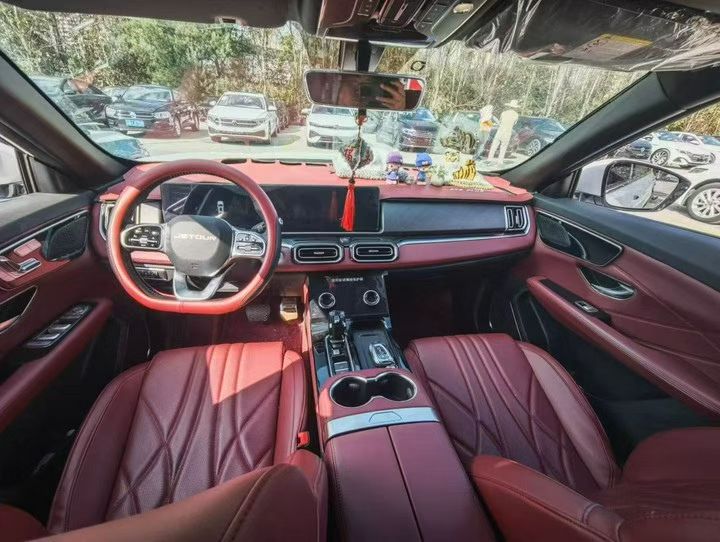
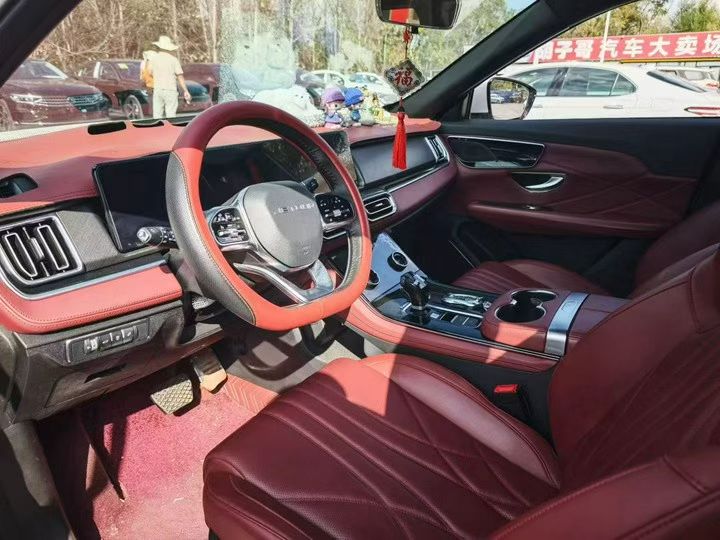
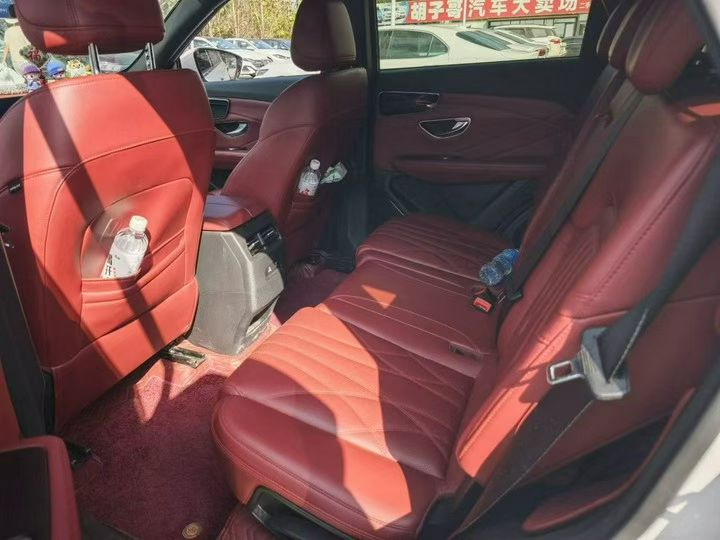
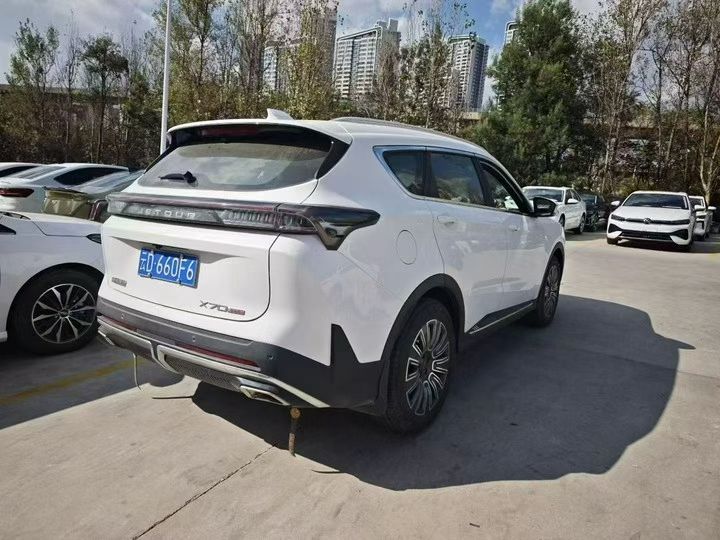



48H

Basic Information

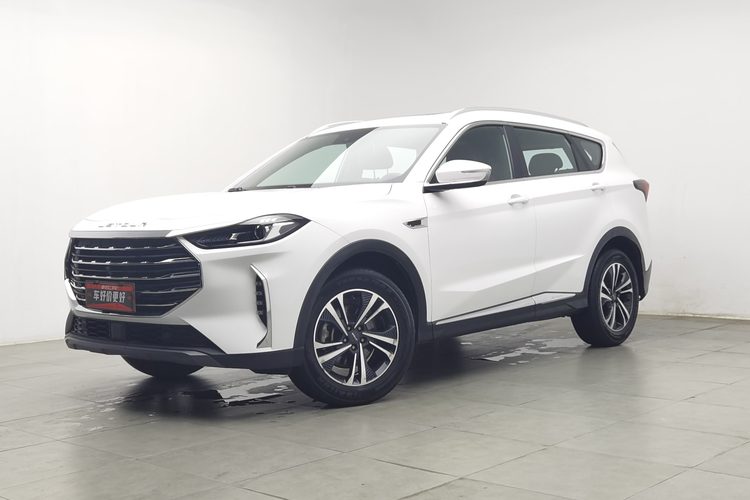
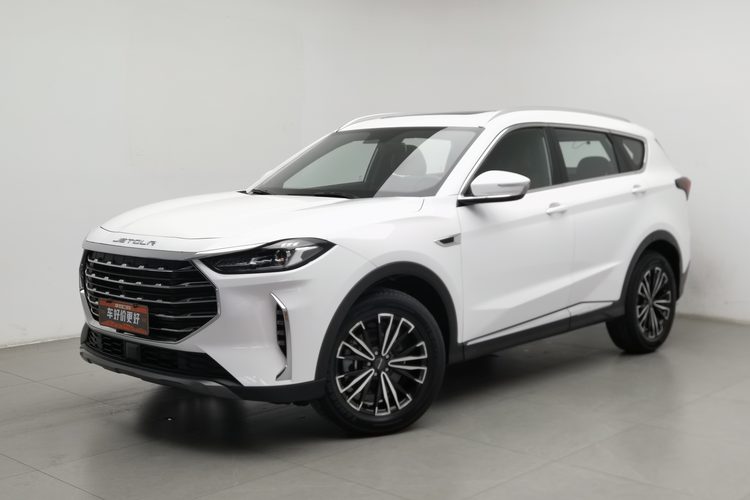
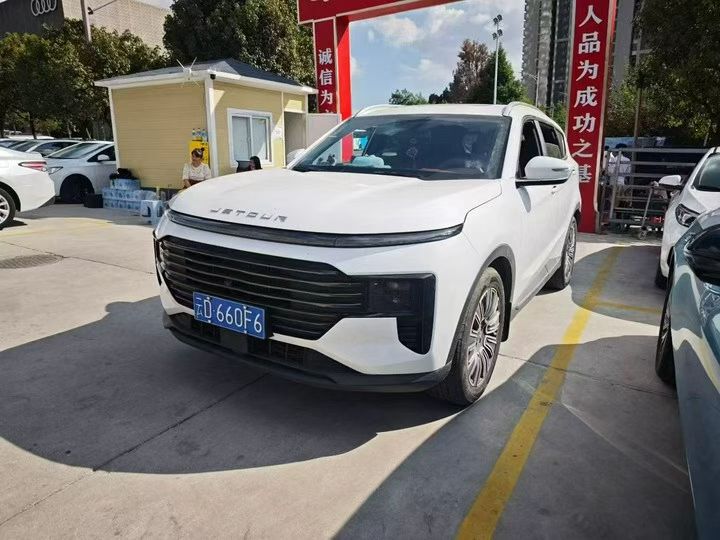
BrandJetour
SeriesX70 PLUS
Year2025
First Registration2025/02
Mileage17,000km
Transfer Count0times
FuelGasoline
TransmissionDCT
Engine1.5T 184 L4
ColorWhite
Seats7seats

Condition Description

General condition

Original paint, no repaint

可议价
已上架
New
Wholesale

Configuration Highlights

✓品牌: 捷途
✓车系: 捷途X70 PLUS
✓车型: 捷途X70 PLUS 2025款 1.5T 豪华澎湃版 7座
✓能源类型: 燃油车
✓发动机: 1.5T
✓变速箱: 7挡湿式双离合
✓排放标准: 国VI
✓指导价: 13.09万
✓车源编号: 12805289
✓VIN: HJRP*******205979

Document Information

Inspection Expiry Date2027/02
Warranty Expiry Date-
Insurance Expiry Date2027/02

Q&A

More

Which documents should I receive from a Chinese exporter before my used car ships, and how do I verify each one?

Before shipping you should hold: the sales contract and commercial invoice, the export declaration (customs form showing the VIN), the vehicle registration certificate, and the bill of lading or rail waybill once cargo is loaded. Verify them like this. The VIN on the invoice, the export declaration, and the waybill must be identical, character for character. The registration certificate should show a clear ownership chain with the seller as the current owner; ask for a scan before payment. The export declaration proves the car legally left China and is essential for customs clearance at destination. If the exporter cannot provide the registration certificate or hesitates on the VIN check, pause the deal. Also confirm who handles the document courier: originals should arrive before or with the vessel, because many ports will not release a car without original bills of lading.
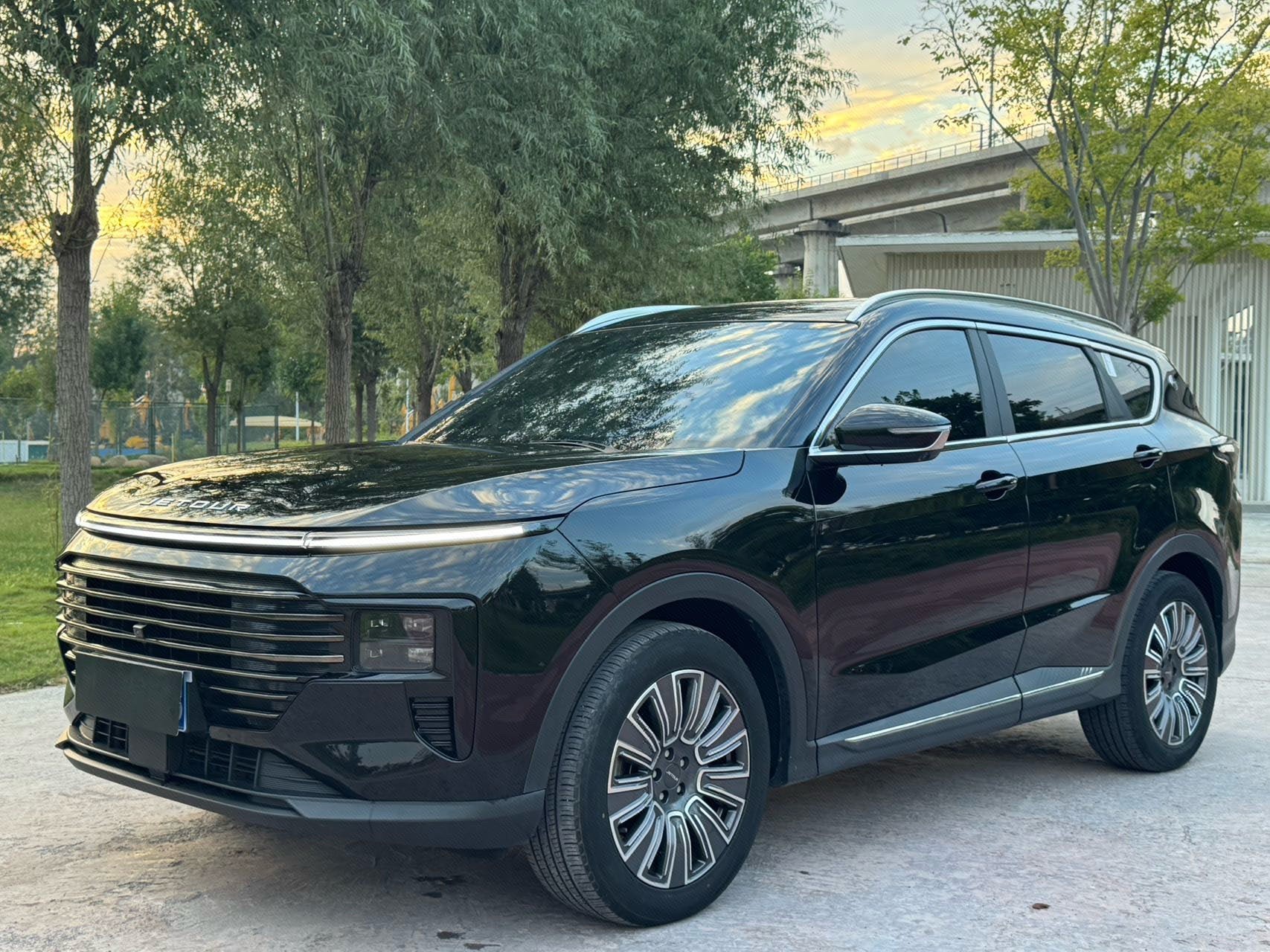
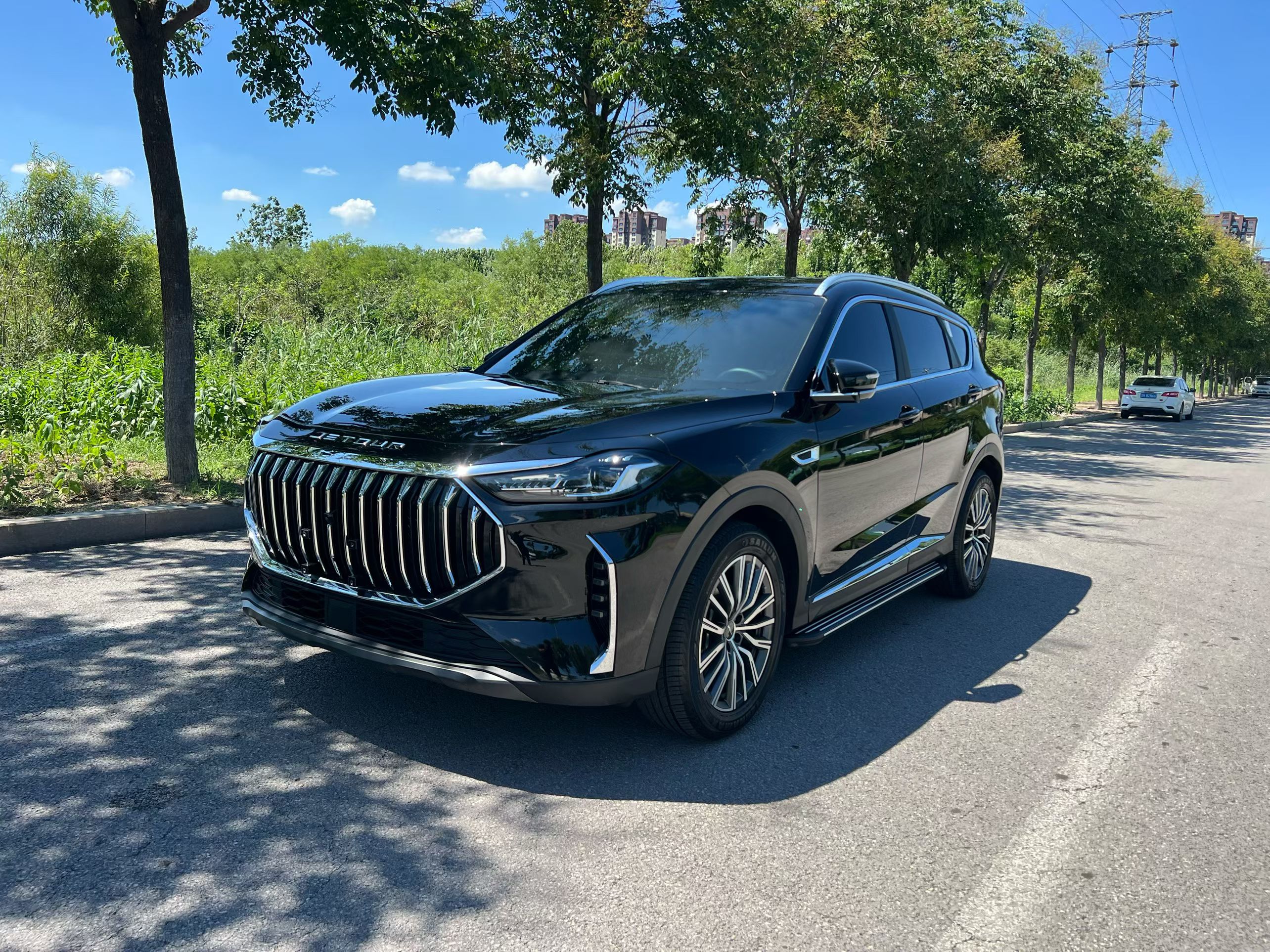
What generation is this car?

We will directly check the registration certificate (the big green book) and count the number of changes.

Beyond the car price, what costs should I budget when importing a used car from China?

A realistic budget has several layers beyond the vehicle price. First, inland logistics in China: moving the car to the export port typically costs $300-$800. Second, export handling: inspection, customs declaration and paperwork usually add $500-$1,000. Third, ocean freight. A 20ft container to most destinations runs $1,200-$3,000 depending on route; RoRo shipping can be cheaper for driveable cars. Add marine insurance, usually 0.3%-0.5% of the car value. Fourth, destination charges: port handling, customs duties, VAT/GST and local registration fees. These vary widely; some countries charge duties of 20%-80% of the vehicle value plus an excise based on engine capacity. Finally, any compliance work: inspection certificates, modifications to meet local standards, or homologation. Ask your exporter for a full CIF quote and have a local customs broker confirm destination taxes before you commit.