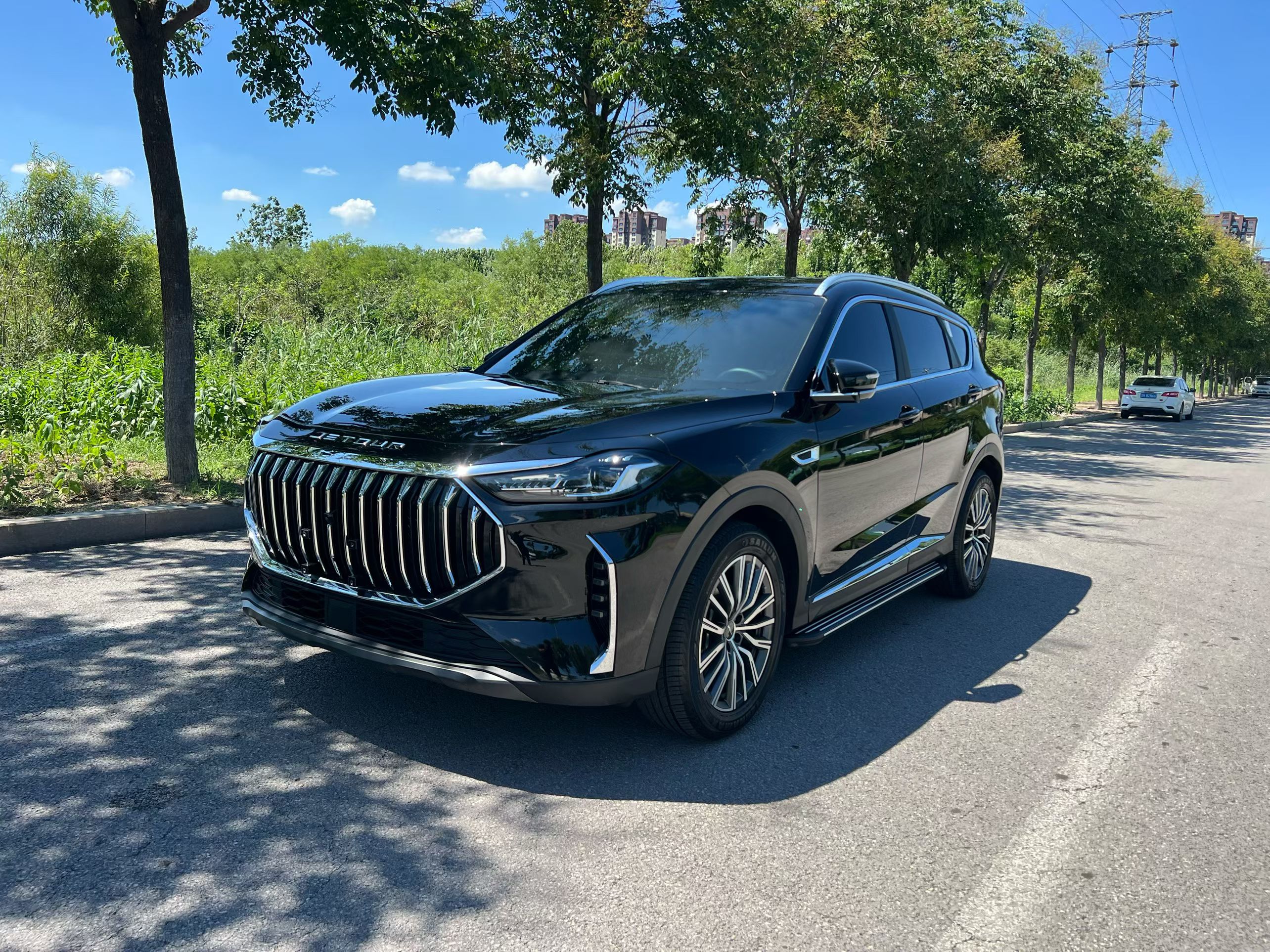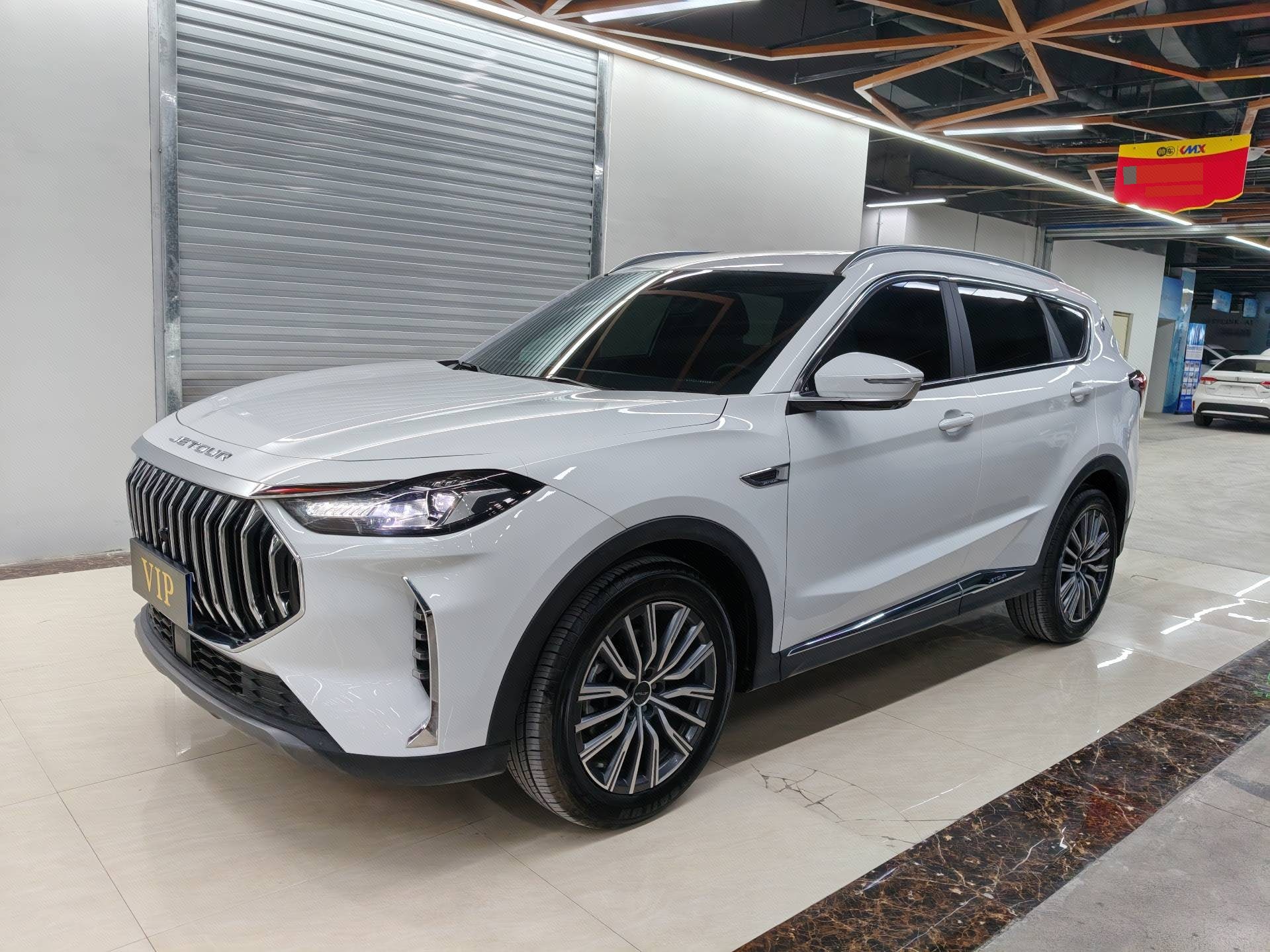
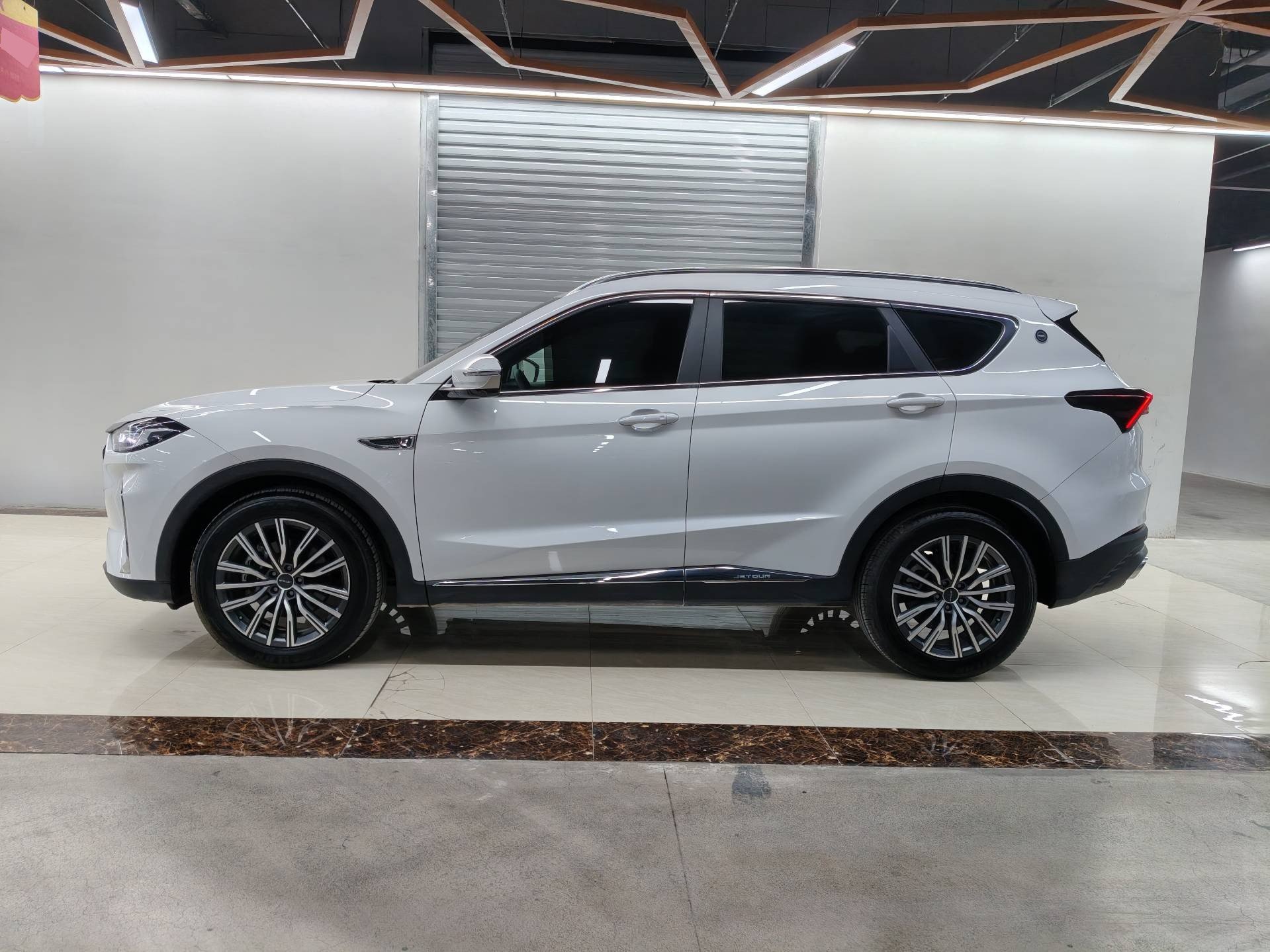
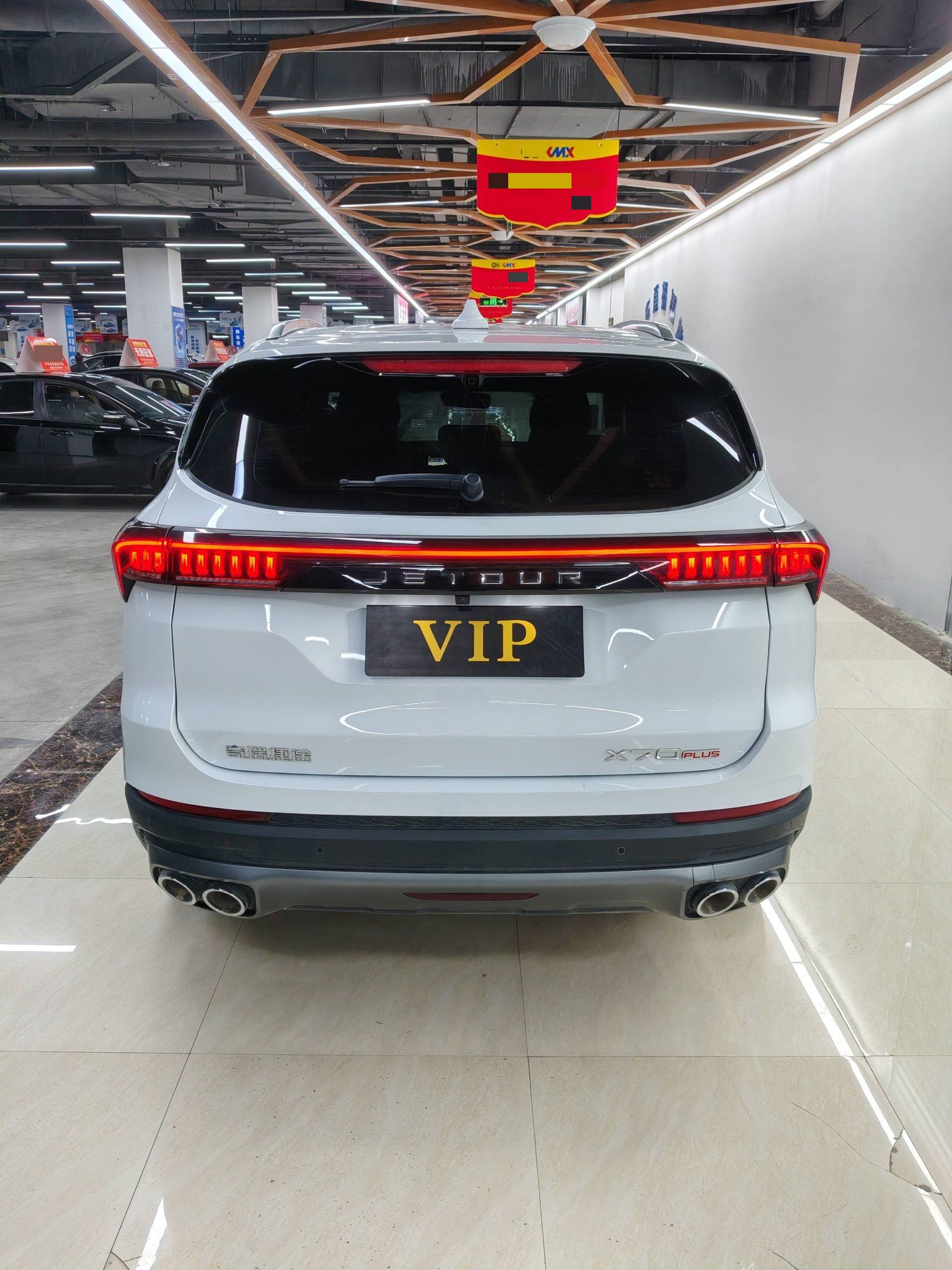
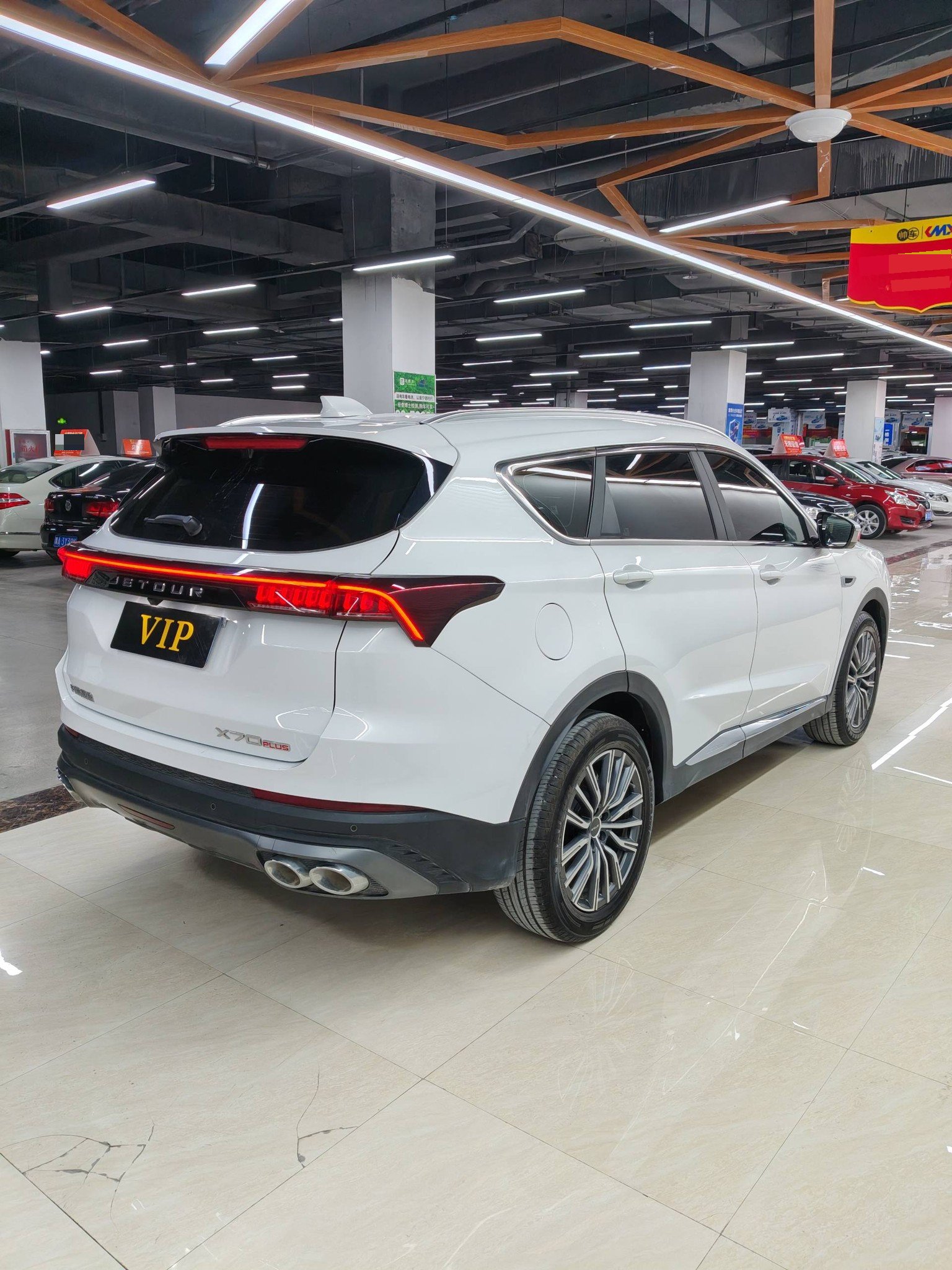
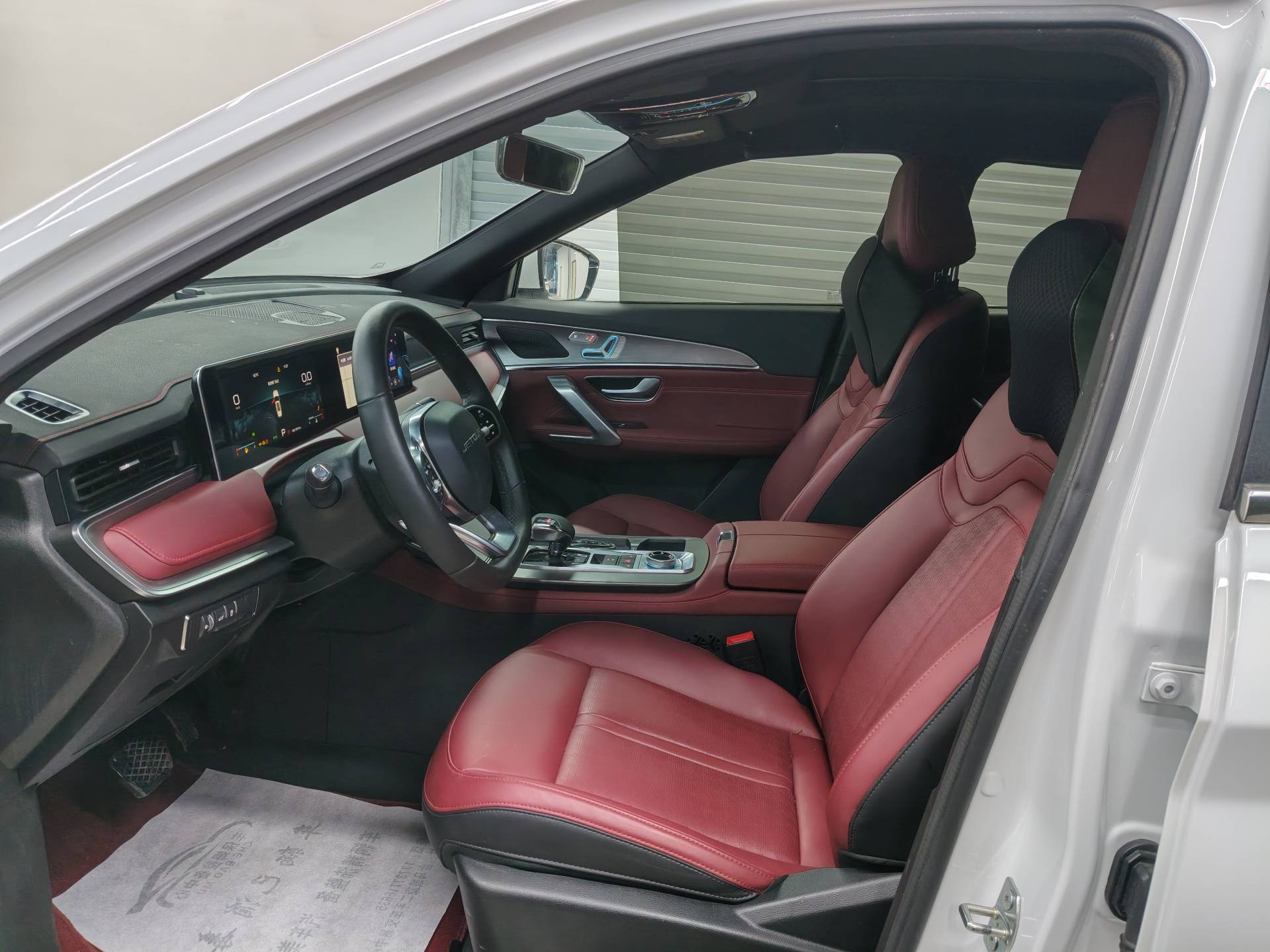
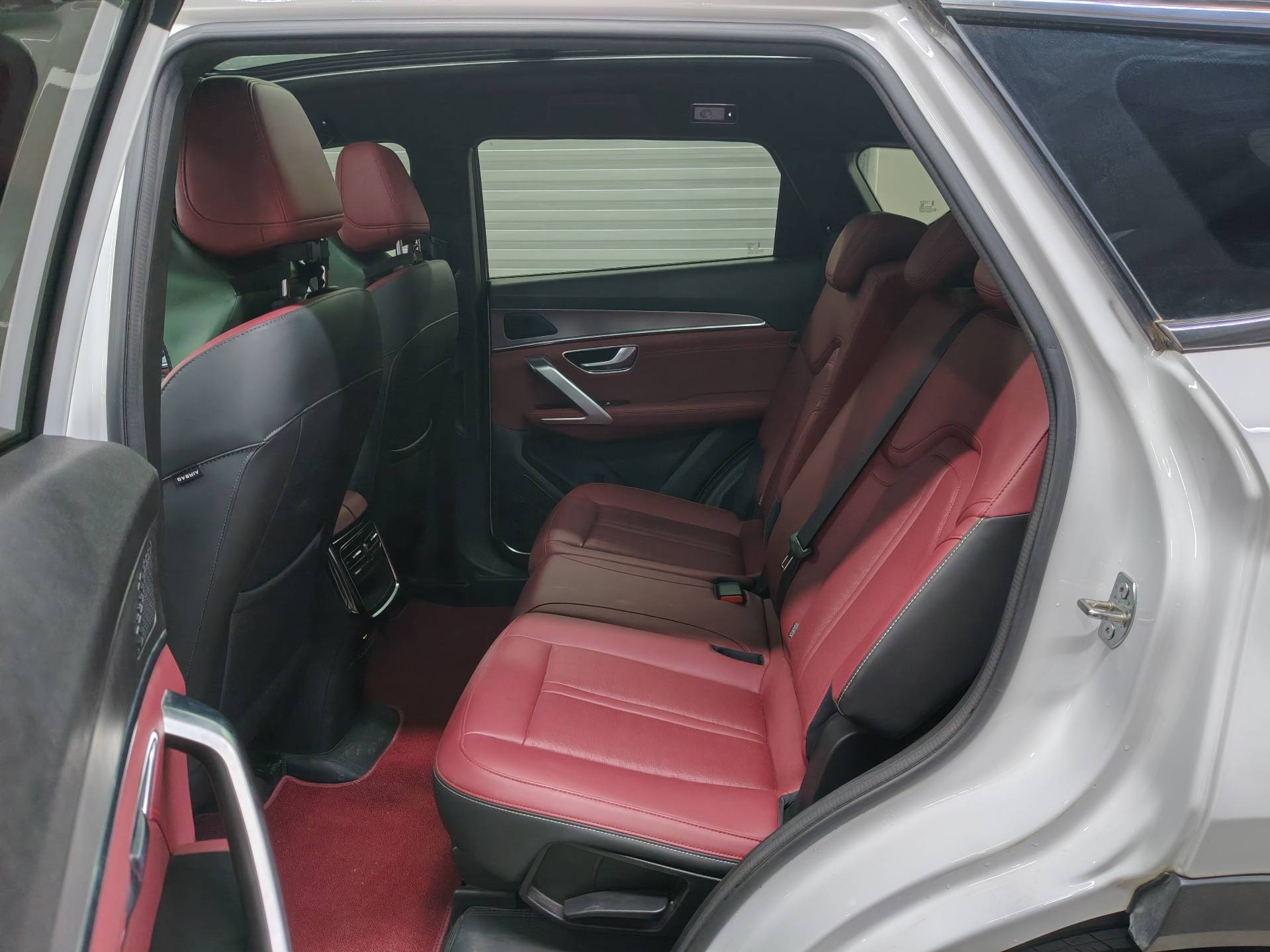
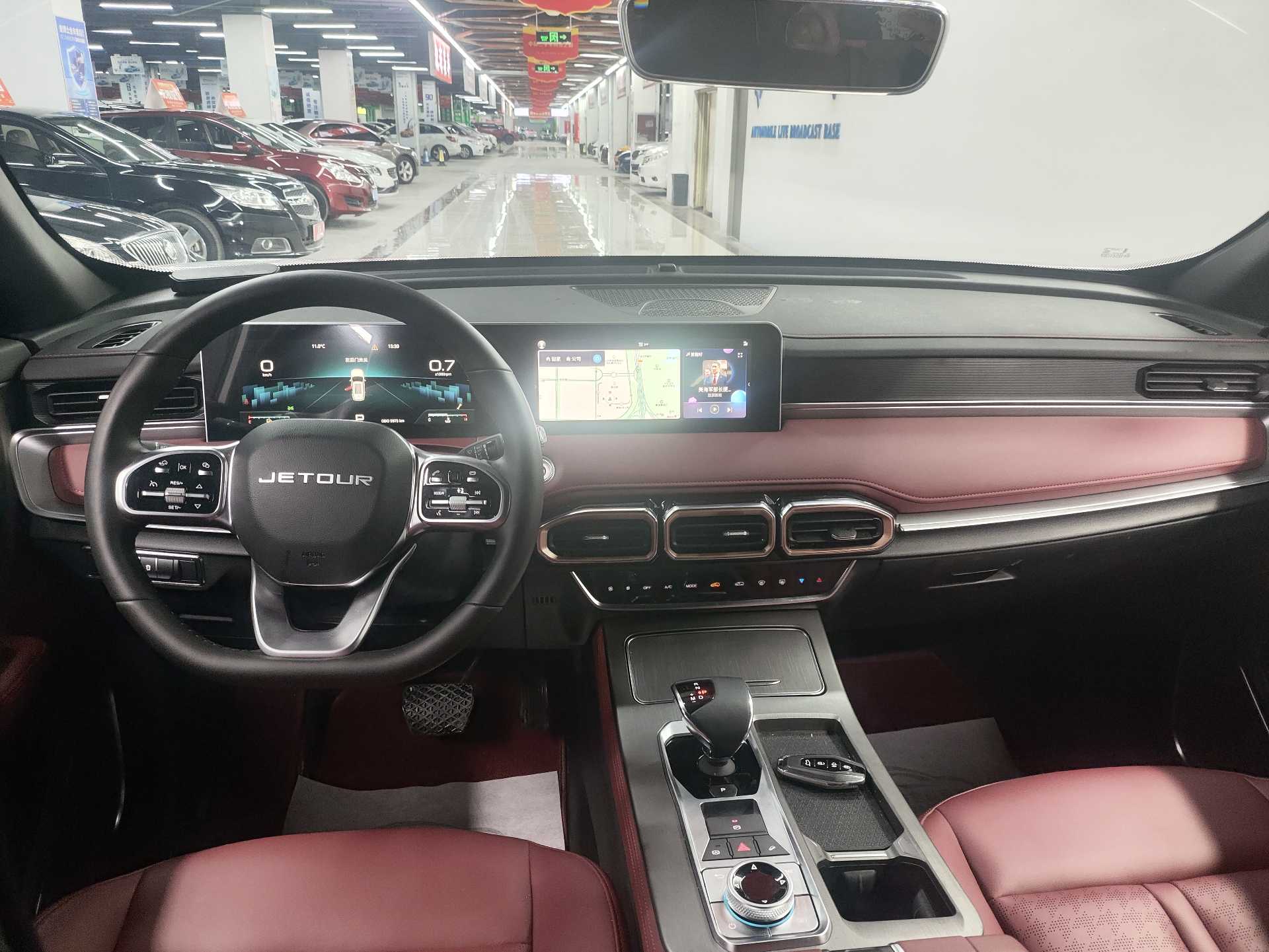
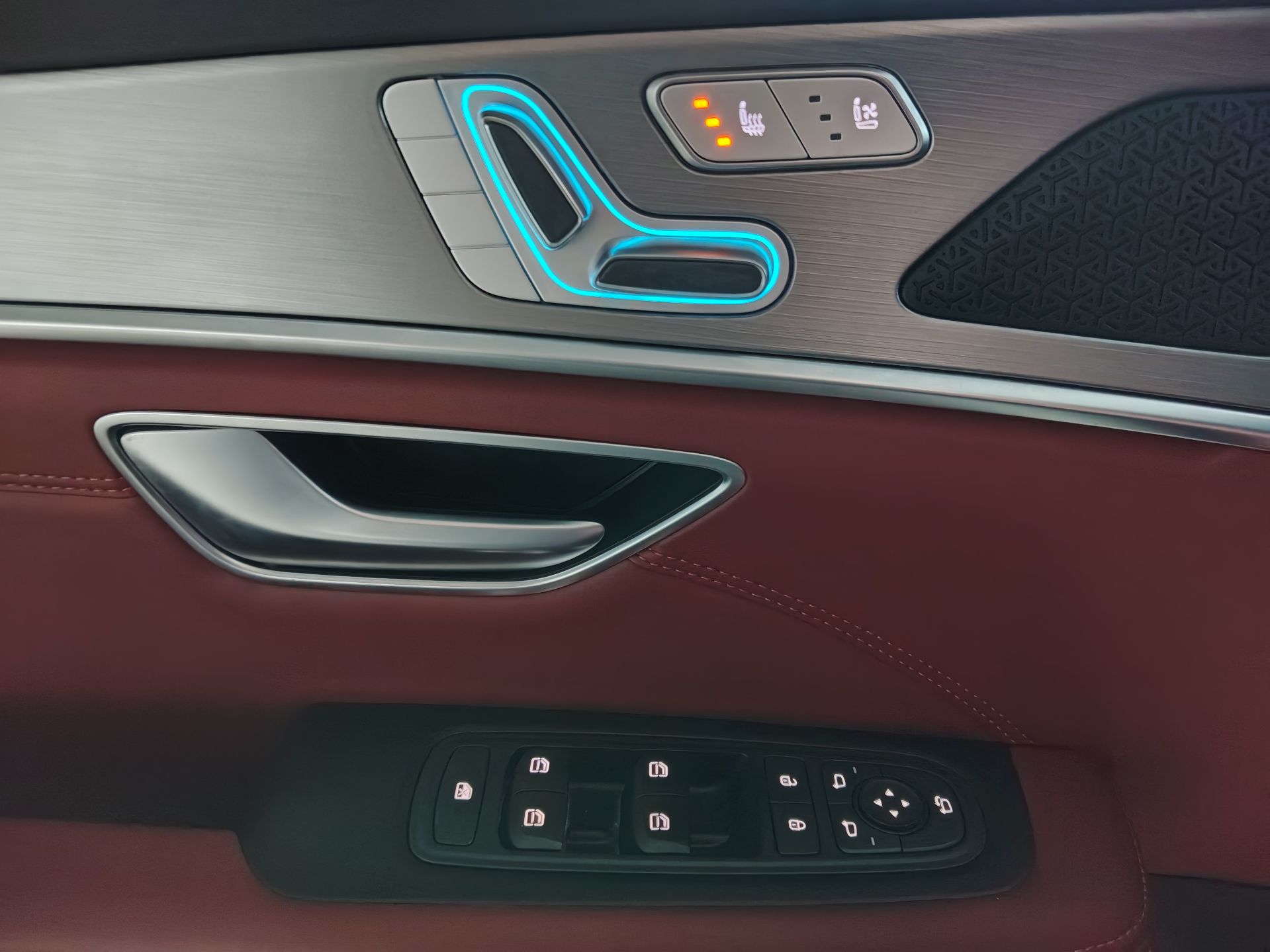
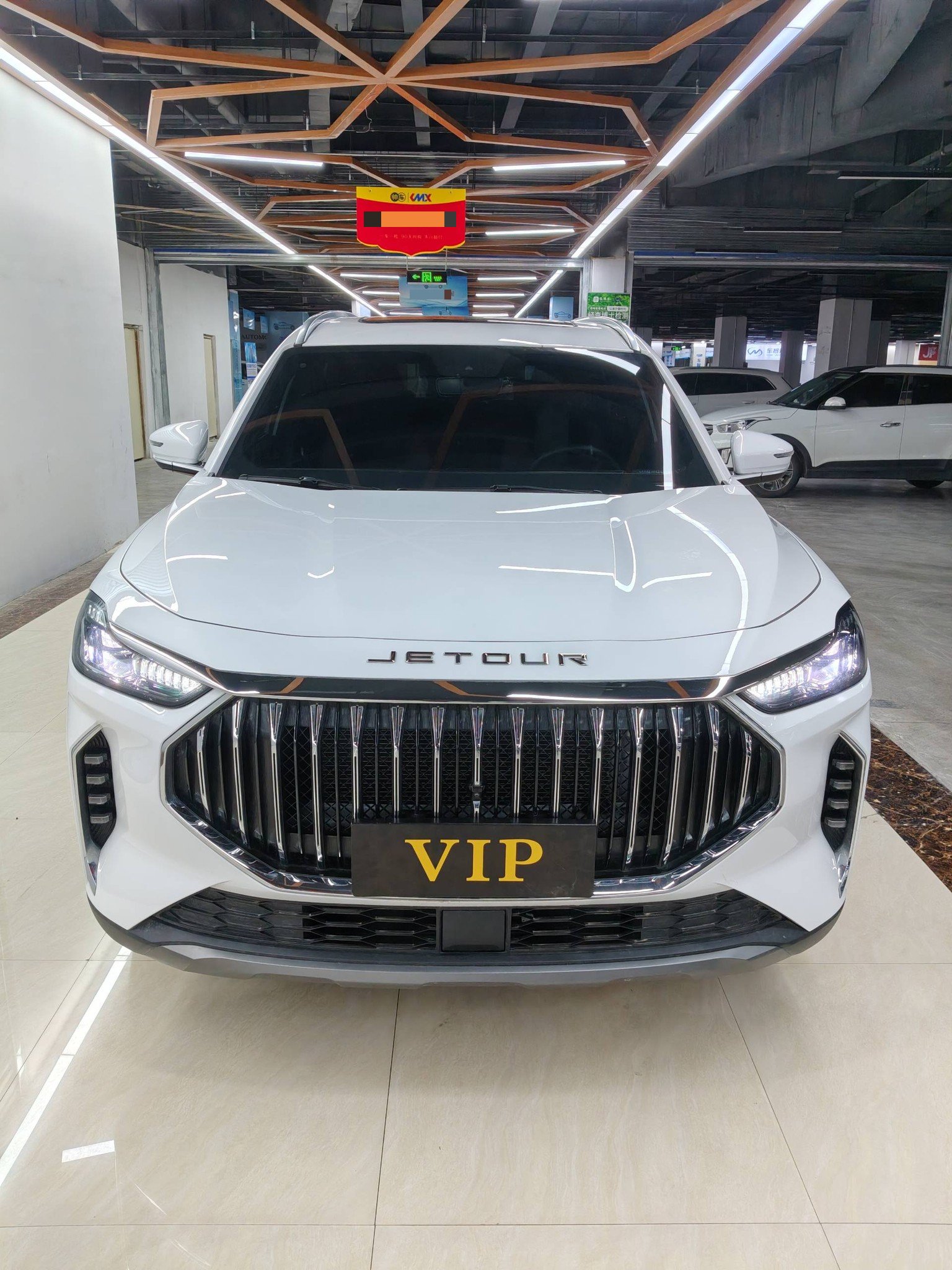
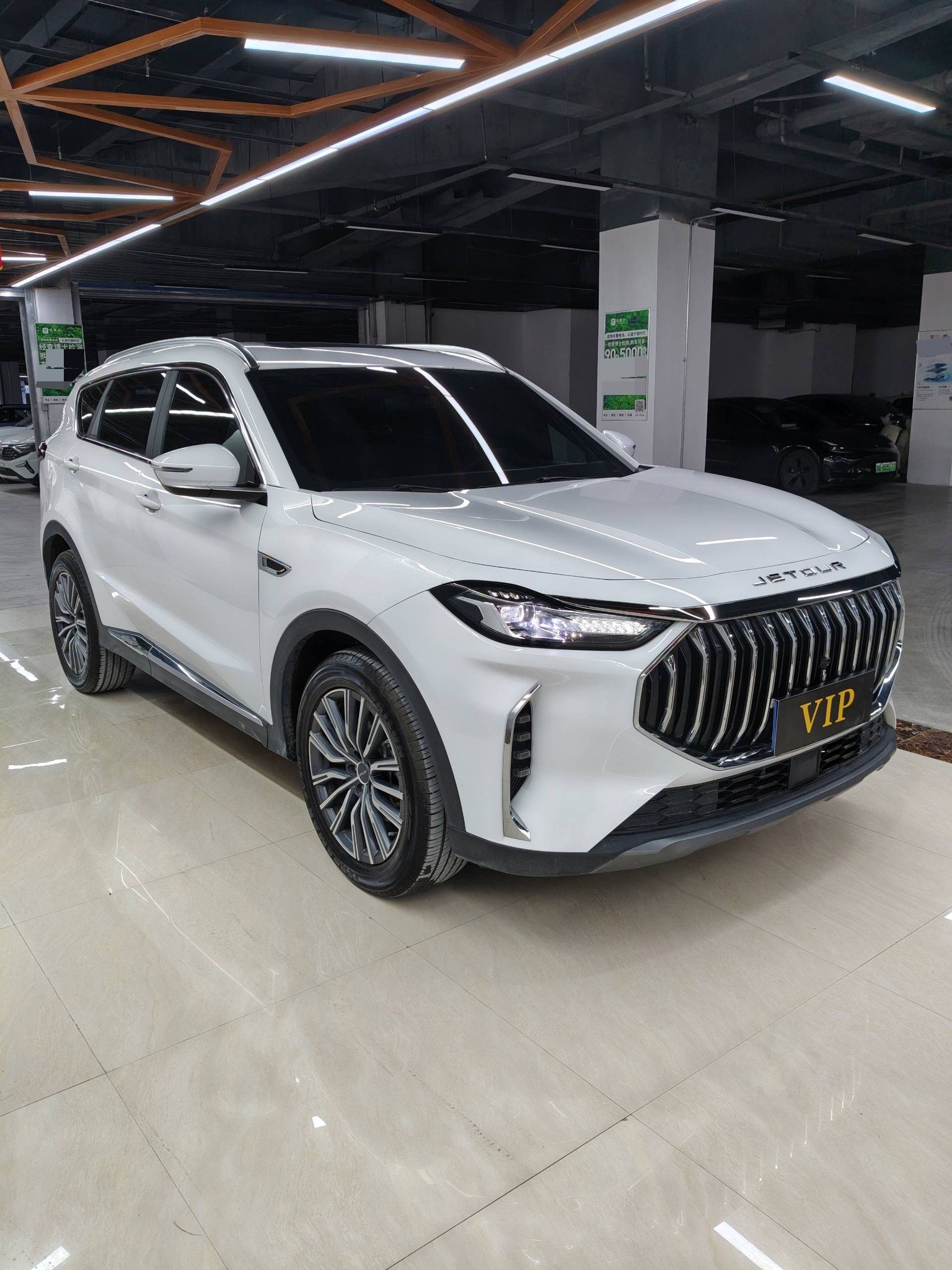
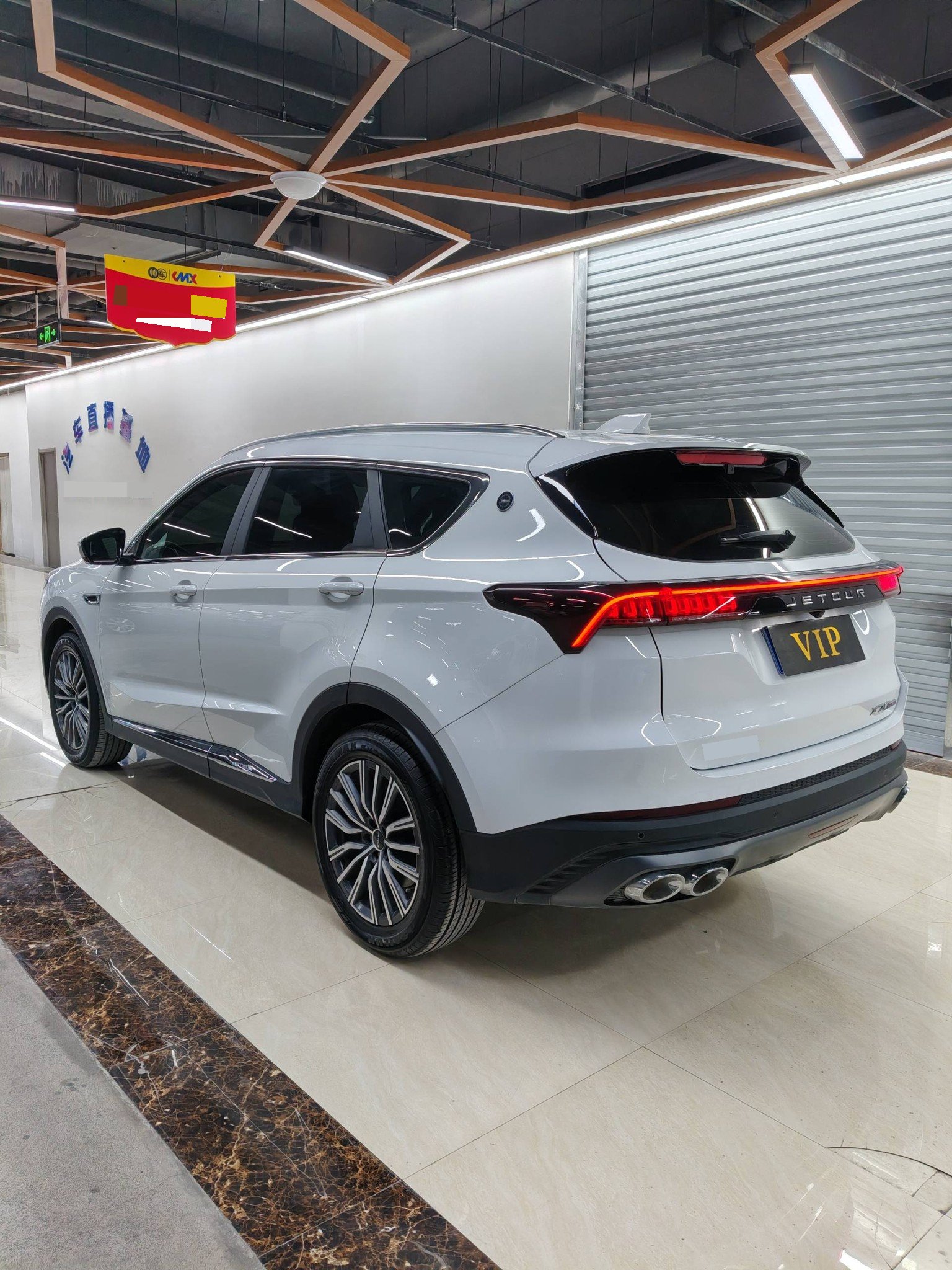
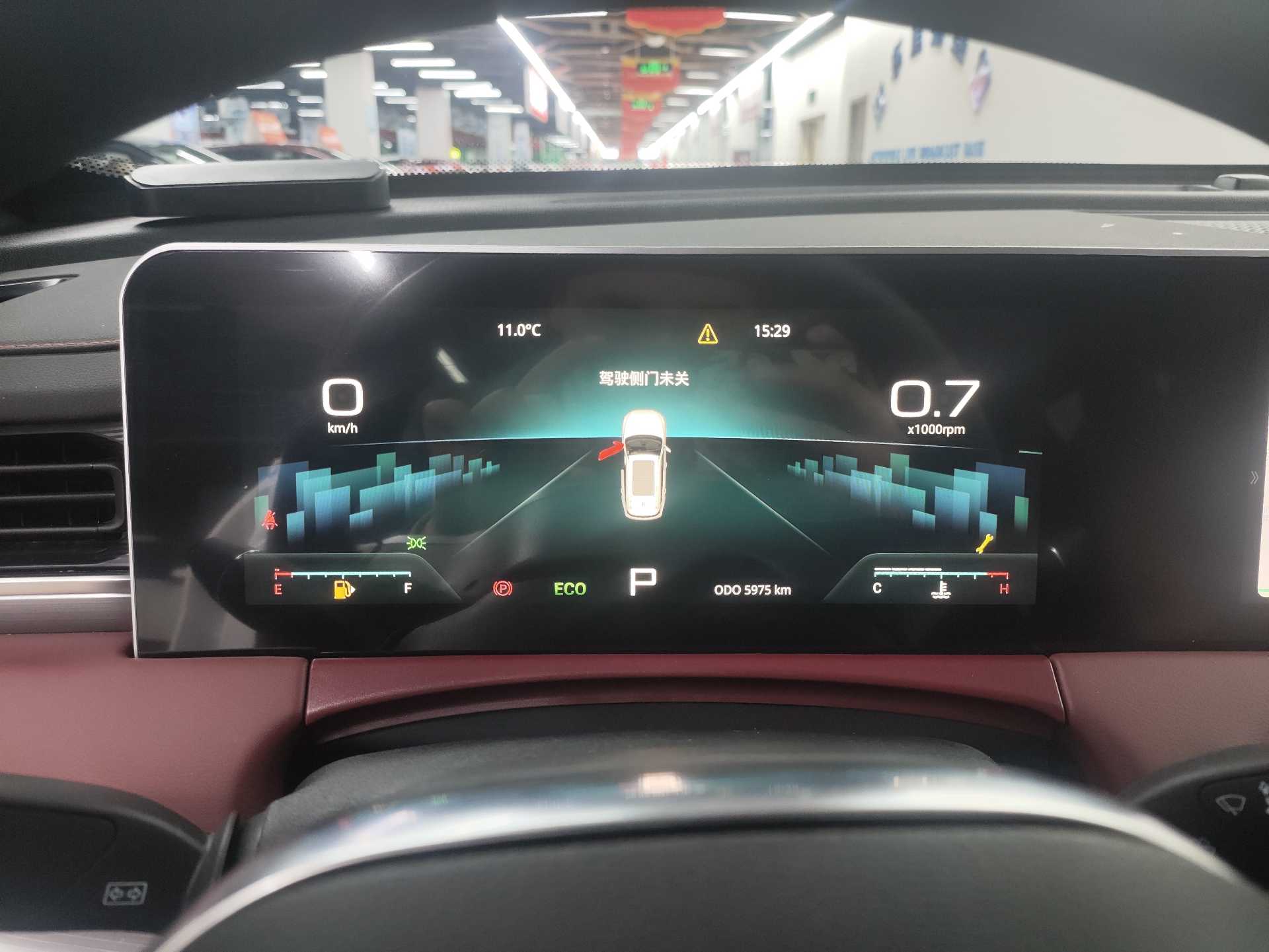
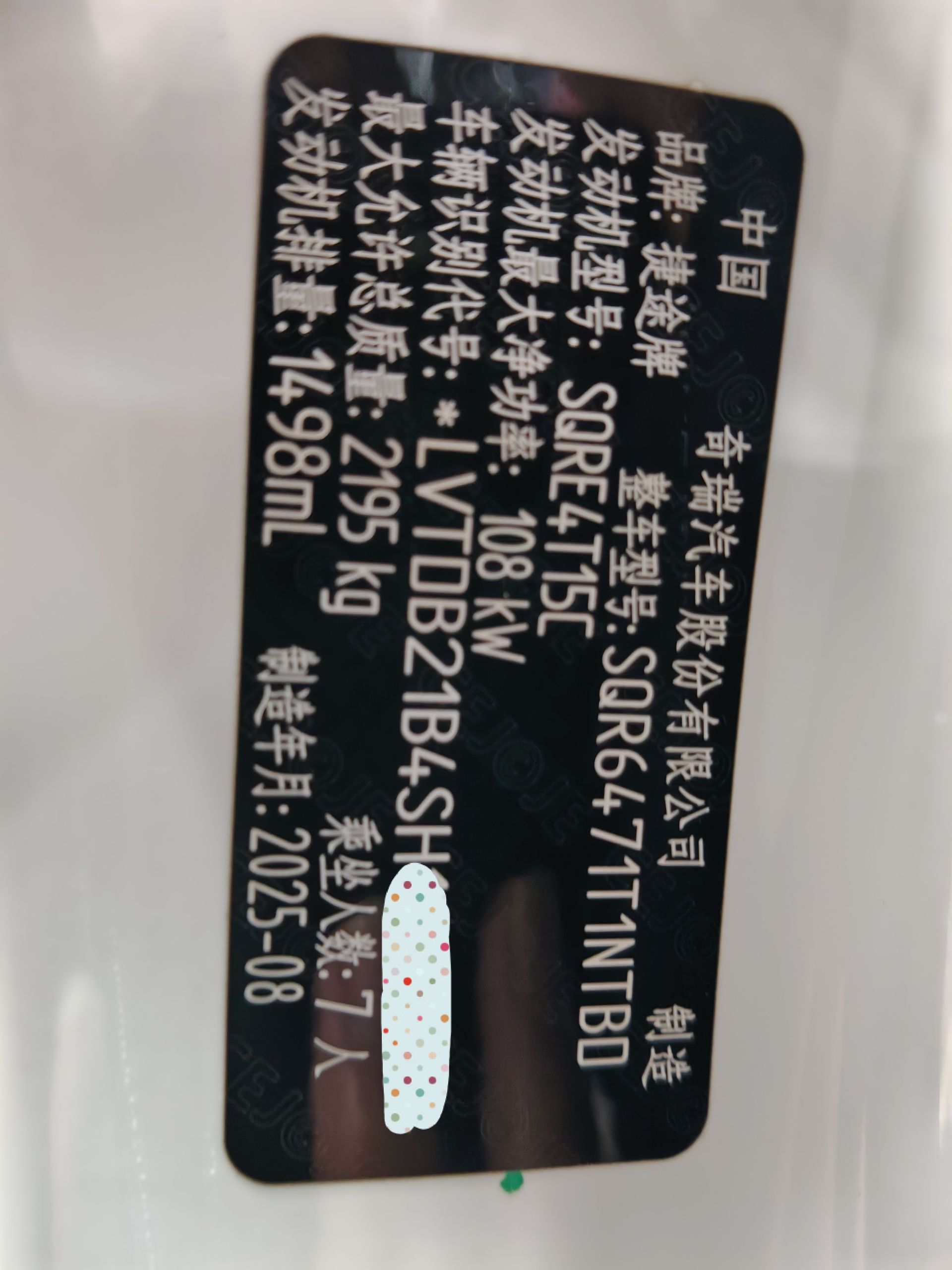



Basic Information

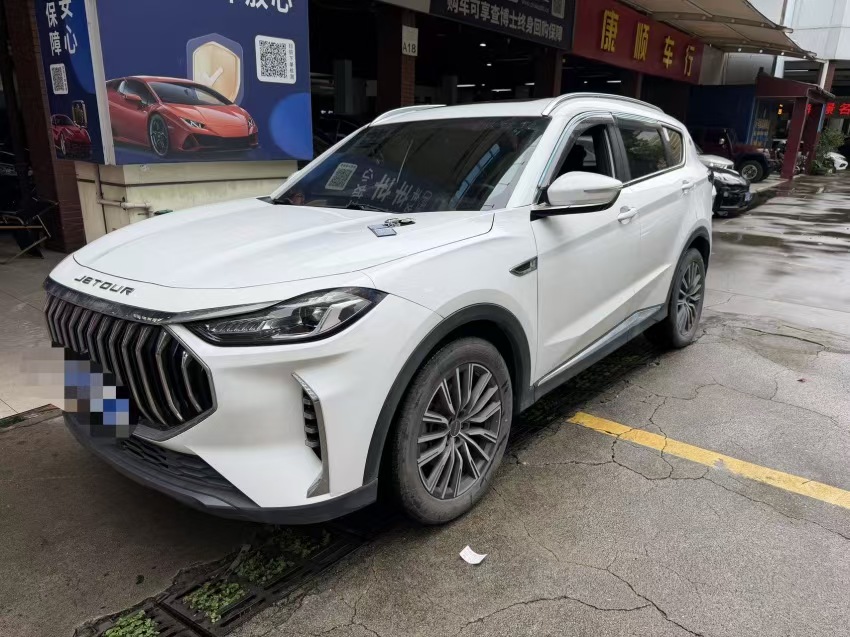
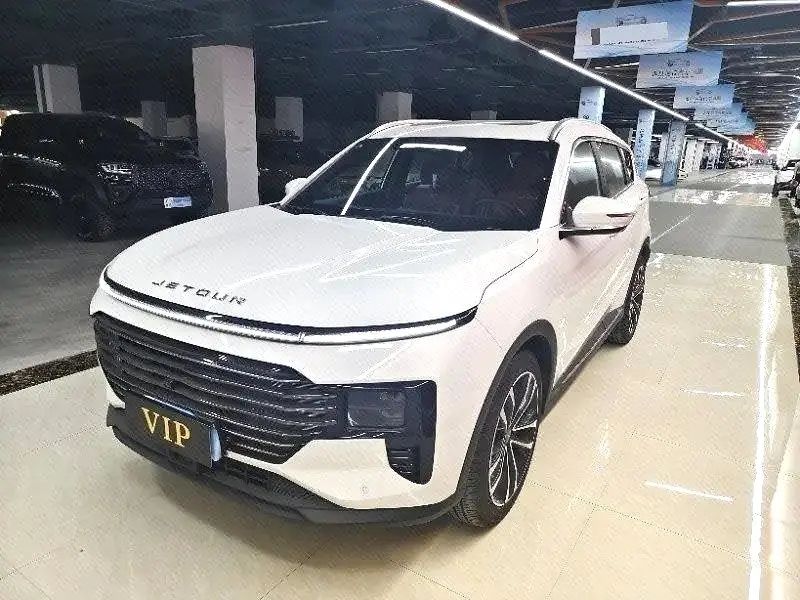
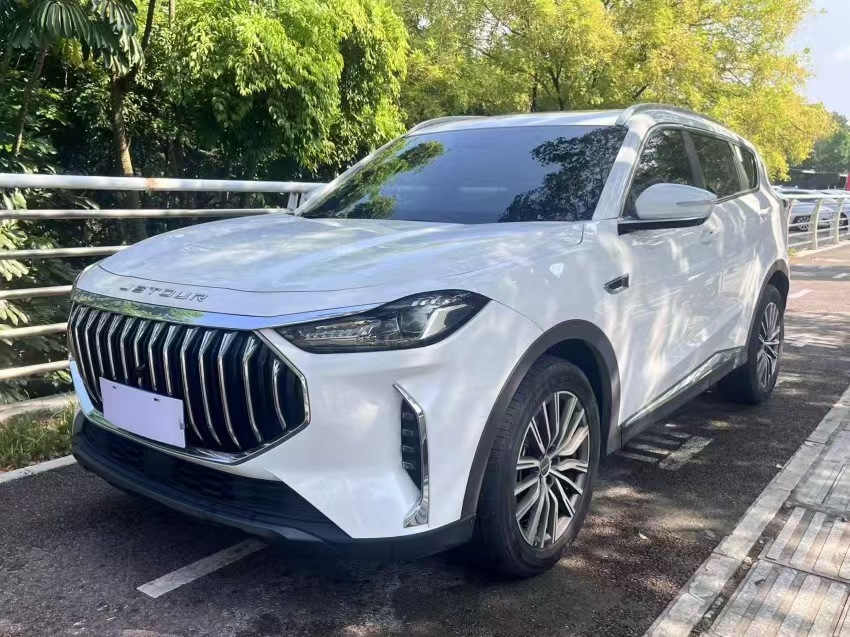
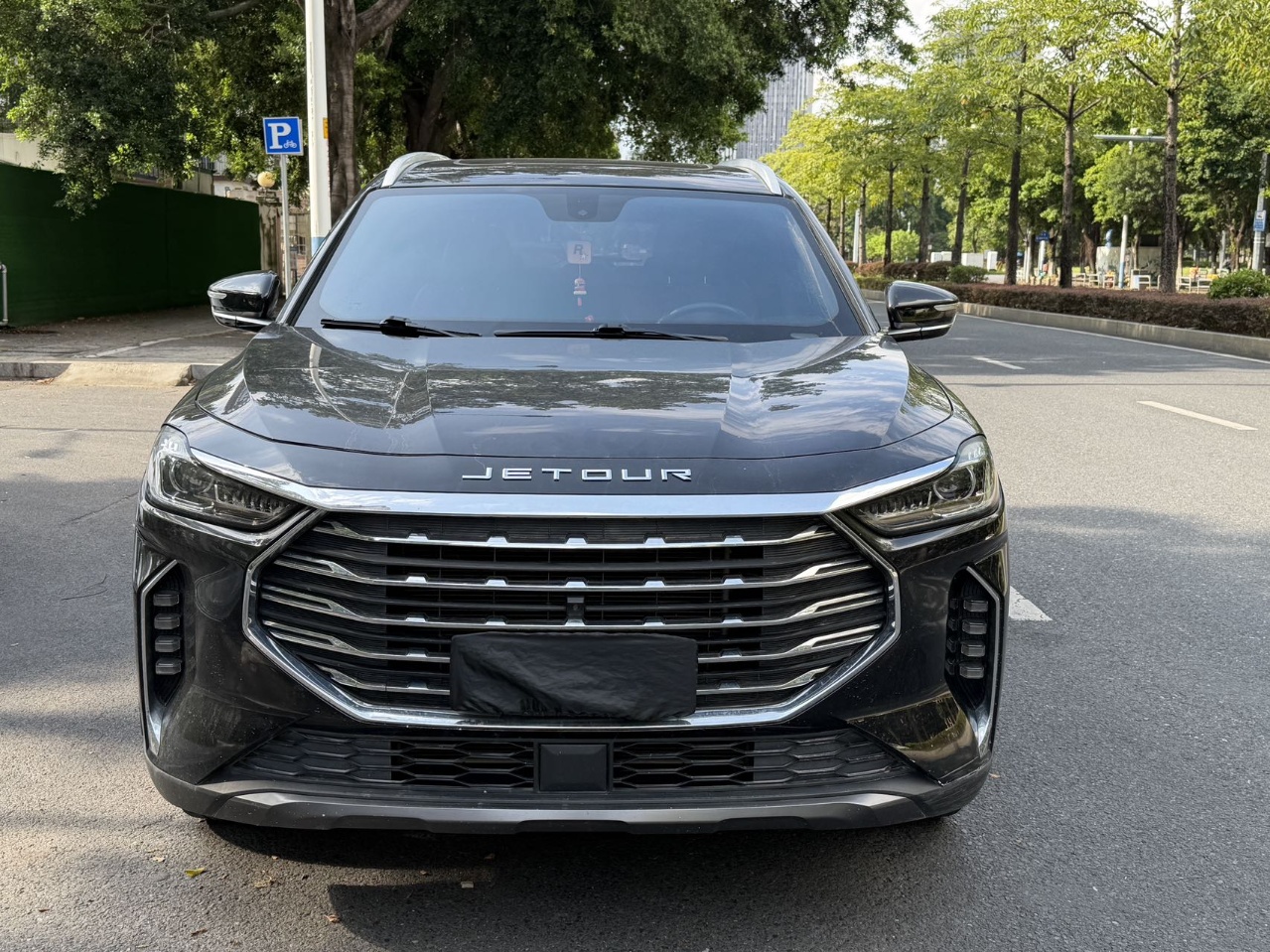
BrandJetour
SeriesX70 PLUS
Year2026
First Registration2026/06
Mileage6,000km
Transfer Count0times
FuelGasoline
TransmissionDCT
Engine1.5T 156 L4
ColorWhite
Seats7seats

Condition Description

Original condition, all original paint.

Document Information

Inspection Expiry Date-
Warranty Expiry Date-
Insurance Expiry Date2026/06

Q&A

More

How do I decode a Chinese VIN and what can it tell me about a used car before I buy?

A Chinese VIN is 17 characters, and decoding it takes minutes but reveals a lot. Positions 1-3 are the World Manufacturer Identifier. Cars sold domestically in China usually start with L (for example LFV for FAW-VW, LGB for Dongfeng Nissan), which tells you it was built in China rather than imported. Position 10 is the model year letter or number. Positions 4-8 describe the model, body type, and drivetrain, so you can verify the seller's description matches the actual car. Cross-check the VIN in three places: the plate at the base of the windshield, the sticker on the door jamb or B-pillar, and the registration certificate. Mismatched VINs or signs the plates were re-riveted are a serious red flag for a cloned or rebuilt vehicle. Use the VIN to pull a history report from a Chinese data provider and to verify recall status with the manufacturer. Any seller who hesitates to share the full VIN is telling you something important.


Does the vehicle-to-load (V2L) feature on used Chinese EVs work in my country, and how do I check it remotely?

V2L lets an EV power external appliances through a discharge port, typically 2.2 to 6 kW. Whether it works abroad depends on three things. First, hardware: the car must have a V2L discharge port or adapter, and the OBC must support discharge mode—not all trims include it. Confirm the exact trim has V2L before paying. Second, frequency compatibility: Chinese models output 220V/50Hz, which matches most of Asia, Africa and Europe, but not North America's 110V/60Hz without an external transformer. Third, software region locks: some brands disable discharge functions for exported units. To verify remotely, ask the seller for a live video: connect a load (a kettle or work light), start discharge from the infotainment menu, and show no error messages. Also request a screenshot of the discharge settings page. If V2L matters to you, write it into the contract as a confirmed working feature.

How does the buying process actually work step by step when importing a used car from China?

A typical safe flow looks like this: 1. Sourcing: you pick a car from listings; the exporter confirms availability, sends photos, video and a condition report. 2. Contract: a written sales contract stating VIN, price, included costs, inspection standards and delivery terms (FOB or CIF). 3. Deposit: usually 10–30% after you or a third party verify the car. Pay to a company account, never personal. 4. Inspection: independent pre-shipment inspection; you approve the report before shipping. 5. Balance payment: due before shipment, against copy of the bill of lading. 6. Shipping and documents: exporter sends original documents by courier; you track the vessel. 7. Arrival: your customs agent clears the car, you pay duties and collect it. Timeline: typically 3–8 weeks from deposit to arrival, depending on route. Any exporter pushing for 100% upfront payment should be treated as a red flag.