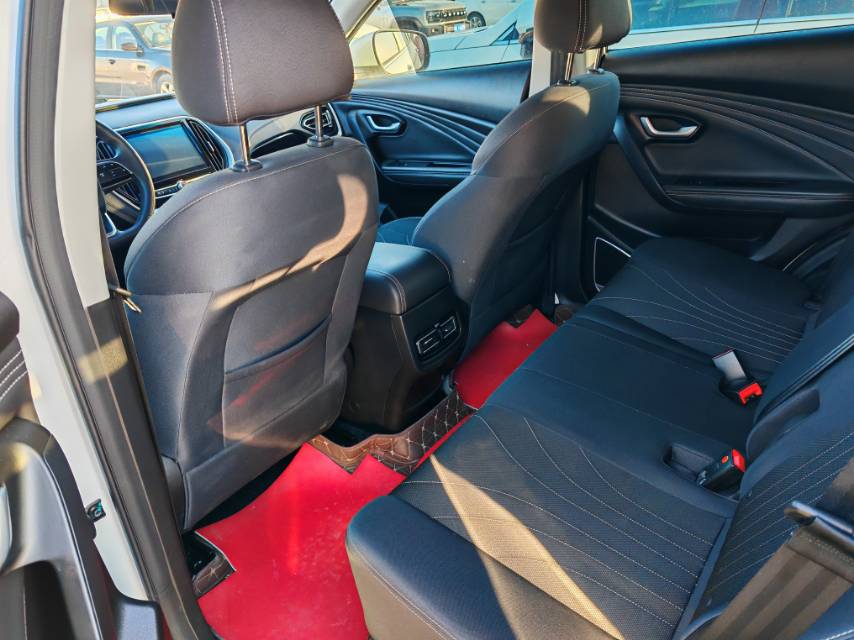
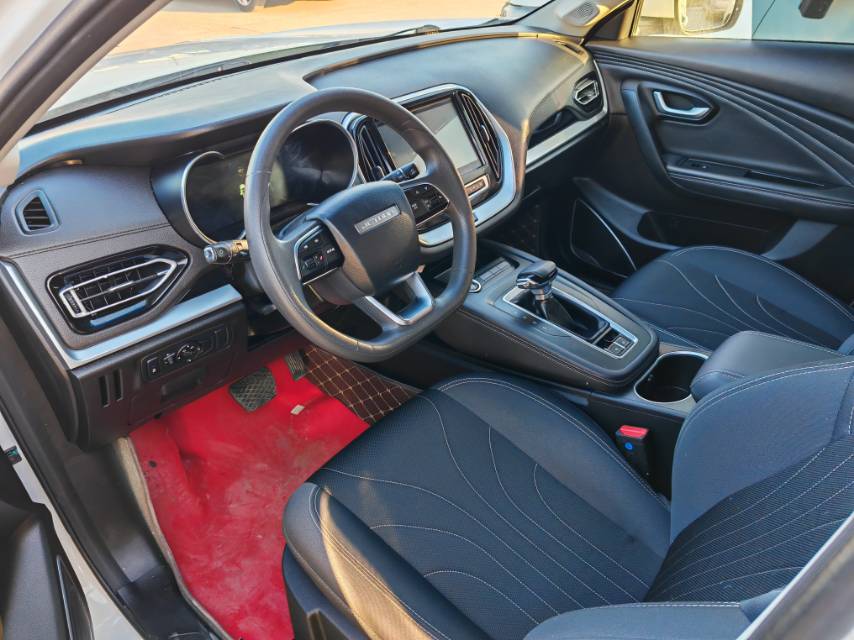
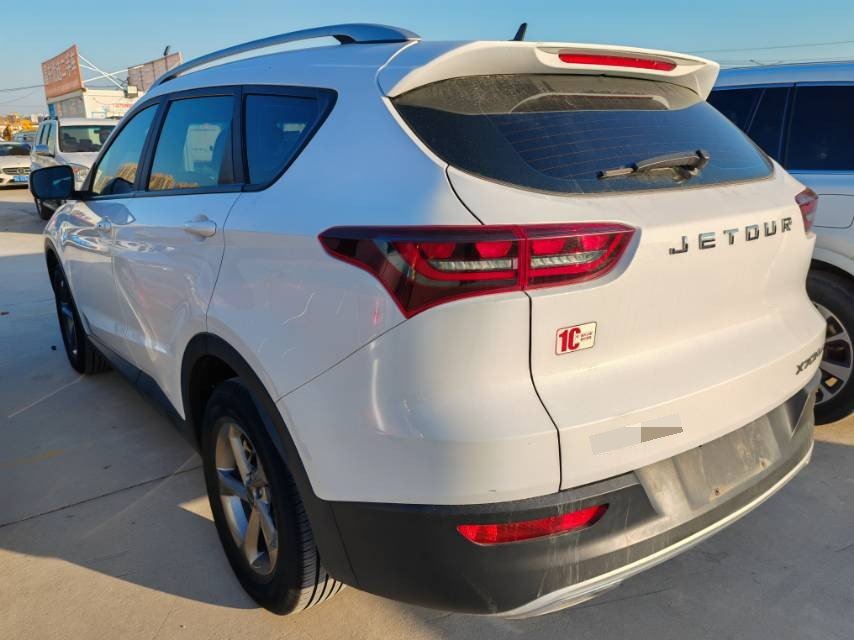
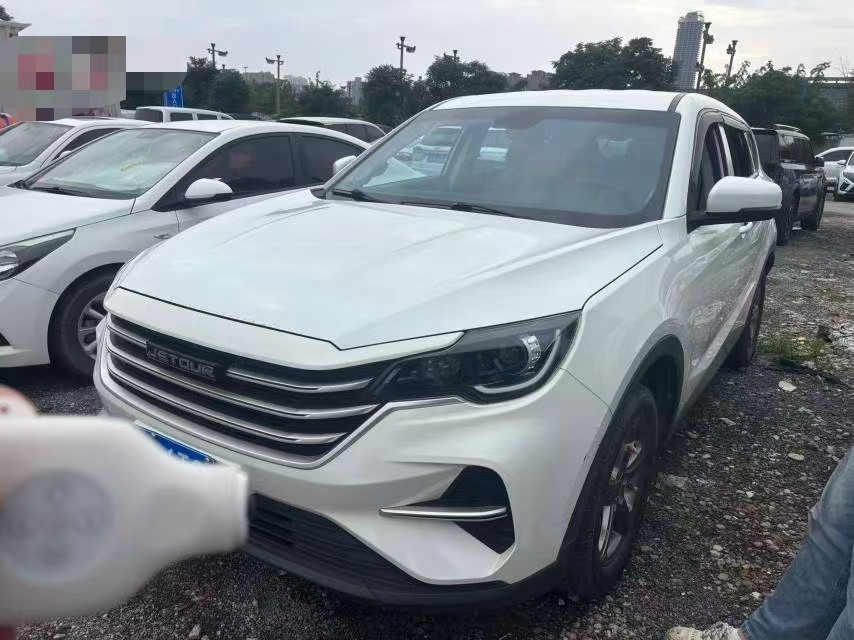
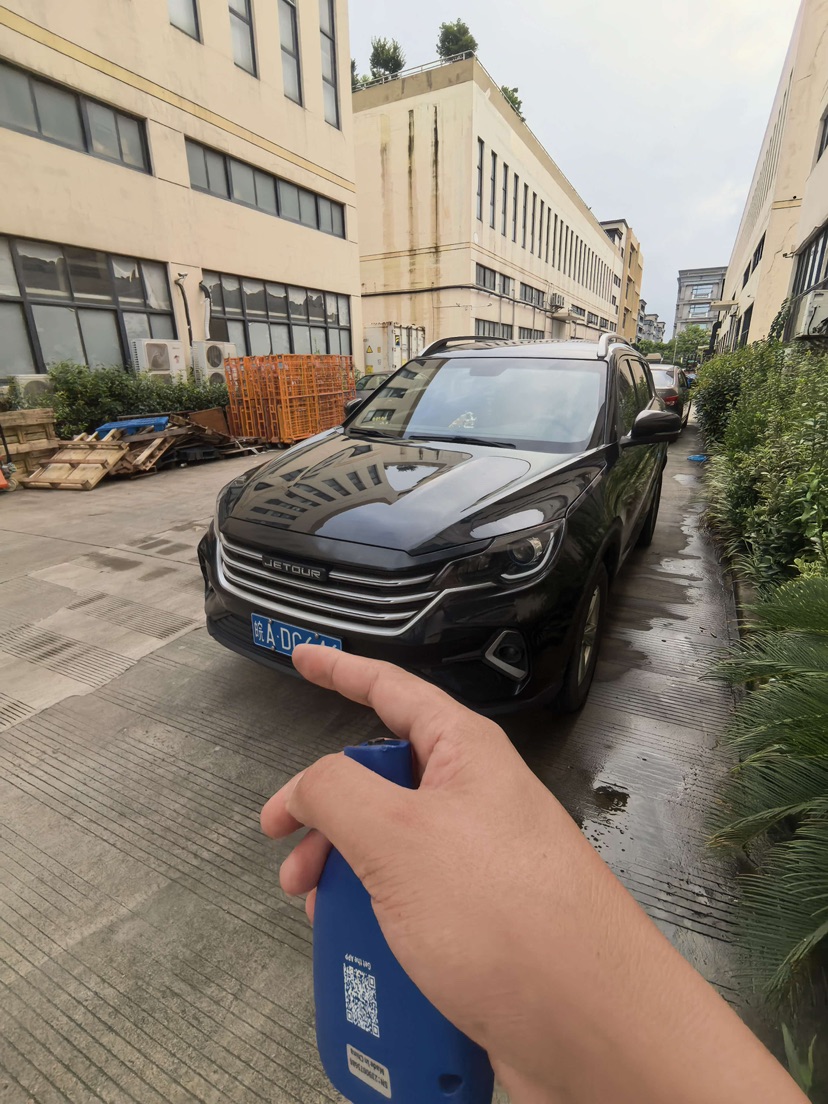
Basic Information

BrandJetour
SeriesX70M
Year2021
First Registration2021/12
Mileage30,000km
Transfer Count0times
FuelGasoline
TransmissionDCT
Engine1.5T 156 L4
ColorWhite
Seats7seats

Condition Description

Original paint, no repaint.

Document Information

Inspection Expiry Date-
Warranty Expiry Date-
Insurance Expiry Date2026/12

Q&A

More

Can the buyer request the internal resistance test data of the battery pack at different state of charge (SOC) levels?

Obtaining precise internal resistance at different SOC levels requires disassembling the battery pack and connecting it to a professional charge-discharge cabinet for several days of cycling tests. This is beyond the scope of non-destructive used car inspections; we only provide real-time estimated internal resistance data based on OBD port readings.

How do I transfer the connected-car account and smartphone app of a used Chinese EV to my name after import?

Connected services are tied to the first owner's account, so transferring them is a real step you must plan for. Before purchase: ask the seller whether the car's telematics account can be unbound and re-registered. Most Chinese brands (BYD, NIO, XPeng, etc.) allow a dealership or the owner's app to do a ownership transfer — but some export cars were registered to the export company, which complicates things. Check region lock: many connected features depend on backend servers in China. After export, remote AC, app locking, and OTA updates may stop working if the car has a Chinese-spec head unit and SIM. Some brands offer international app versions; others require a hardware change. Practical fallback: even without the app, core functions work from the car itself. For remote charging and climate, third-party tools exist but use them carefully. Ask your seller to confirm in writing: (1) account unbinding before shipment, (2) which connected features will keep working in your country, and (3) whether the head unit can be switched to your language and region.


How do seasonal factors—peak seasons, weather, holidays—affect shipping times and rates from China?

Timing your shipment can save both money and weeks of waiting. Several predictable patterns affect routes from China. Peak season surcharges: January through March, before Chinese New Year, exporters rush to ship, so container and RoRo space tightens and rates rise 20-50%. Book at least 3-4 weeks ahead during this window. After the holiday (usually February), factories and ports restart gradually, causing 2-3 weeks of backlog. Weather effects: Typhoon season (July-September) can delay departures from southern Chinese ports like Shenzhen and Guangzhou. Winter fog and ice affect northern ports like Dalian and Tianjin, slowing loading operations. Destination-side factors: Monsoon seasons can slow port operations in South and Southeast Asia. Holiday periods at destination (e.g., Ramadan in the Gulf, year-end holidays elsewhere) reduce customs staffing and extend clearance times. Practical advice: ask your forwarder for rate calendars, avoid booking right before major Chinese holidays, and build 1-2 weeks of buffer into delivery promises to your customers. Flexible departure ports (Shanghai vs. Ningbo vs. Shenzhen) can also help you find available space.