Stock

Basic Information

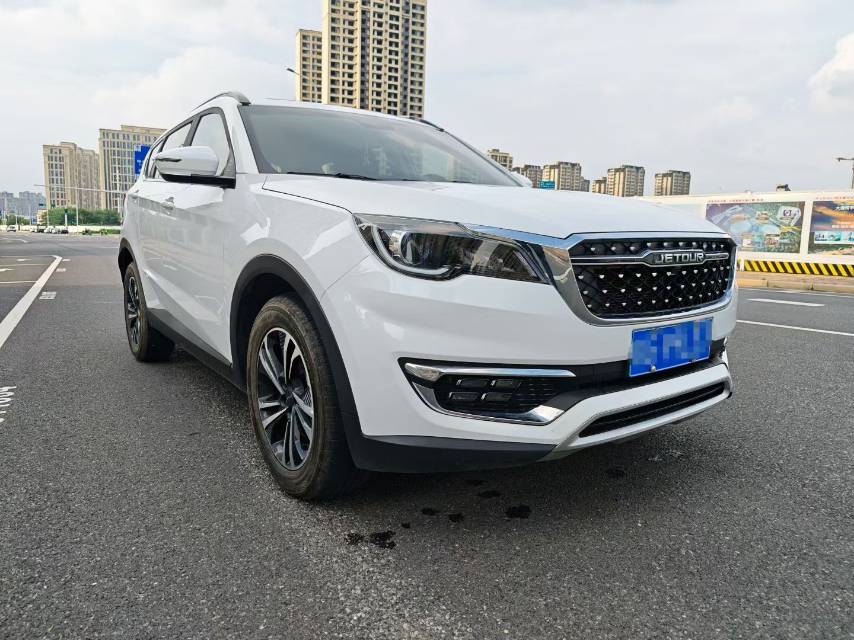
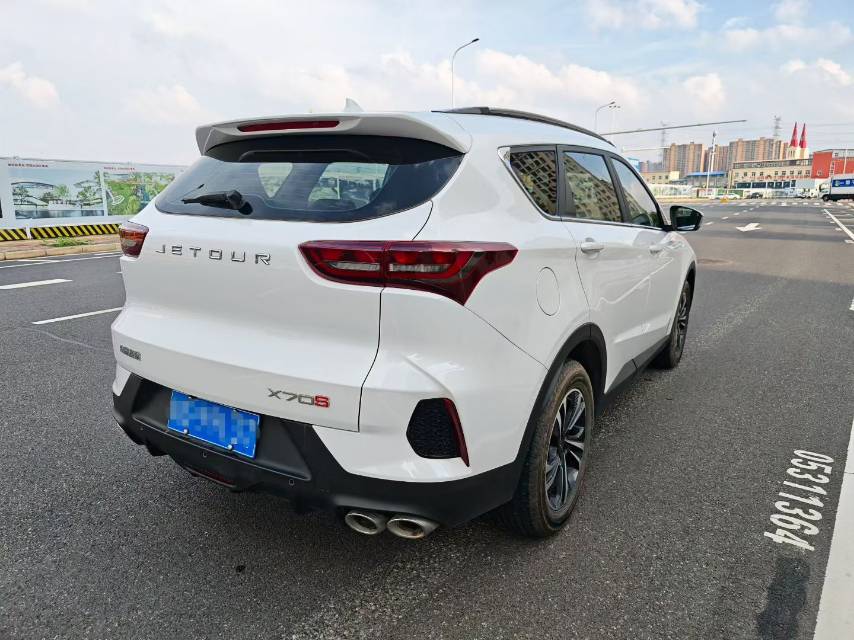
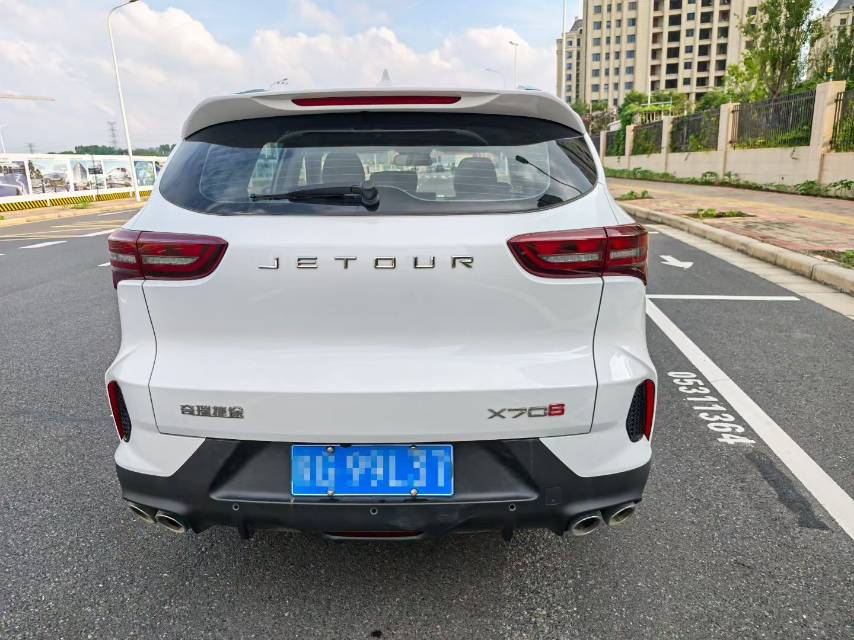
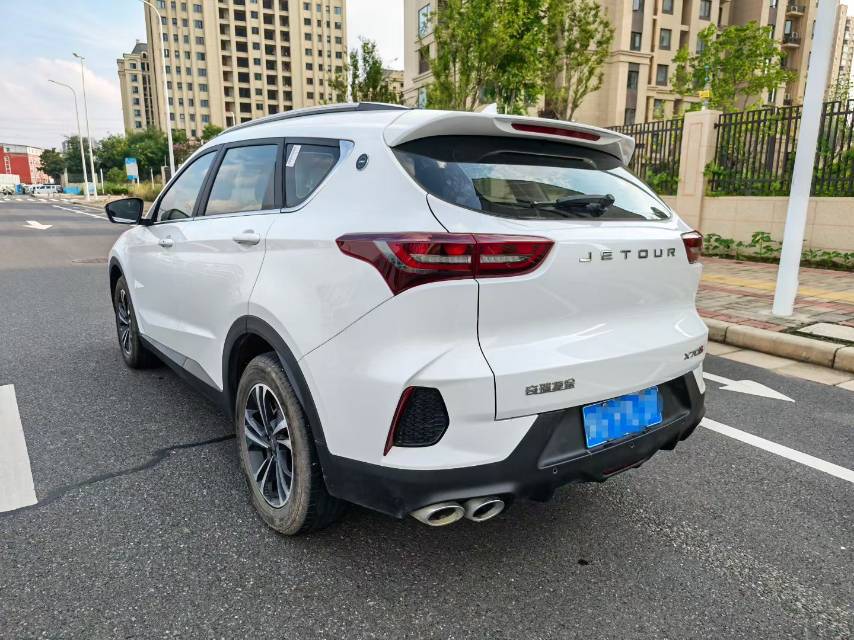
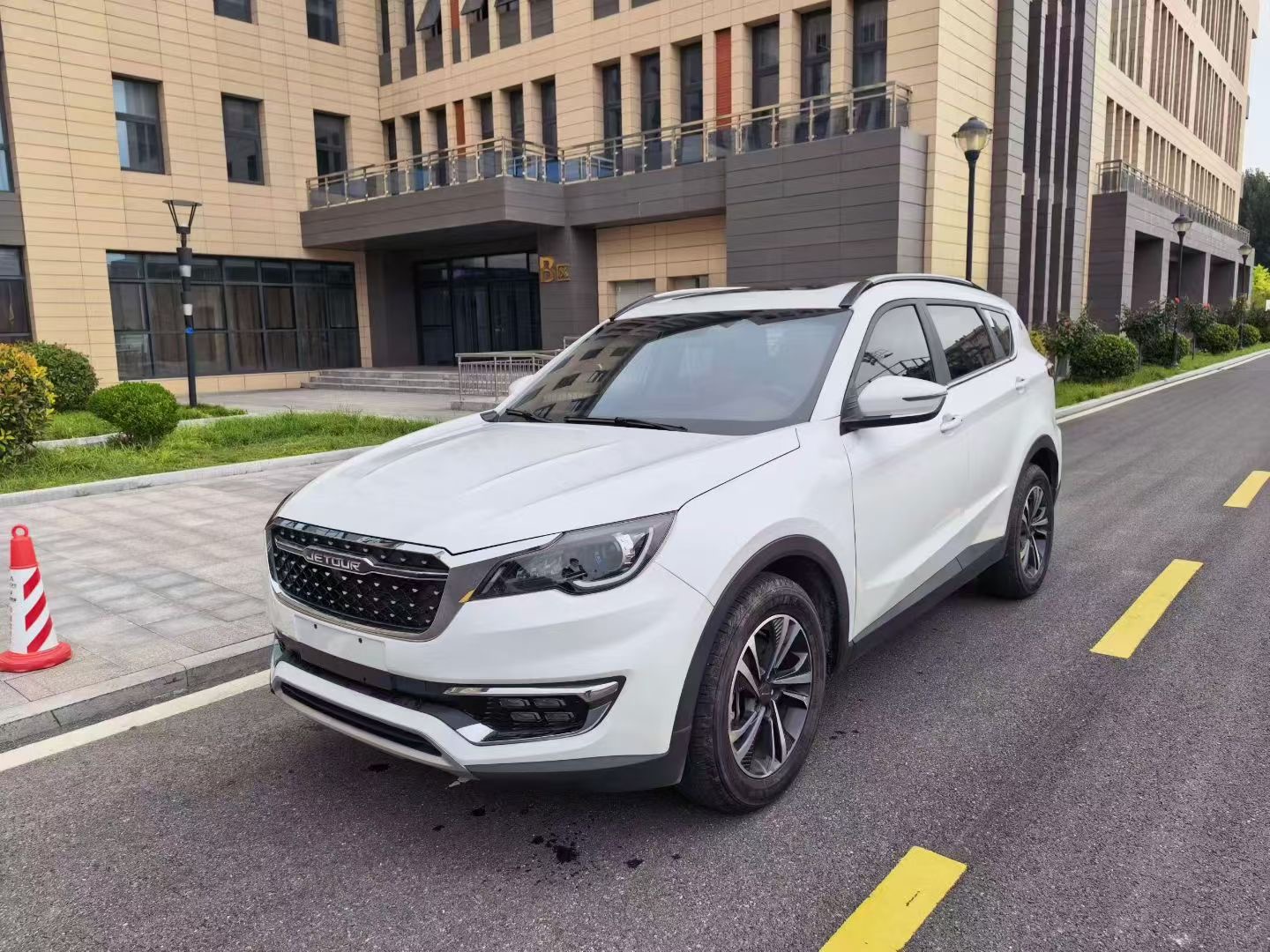
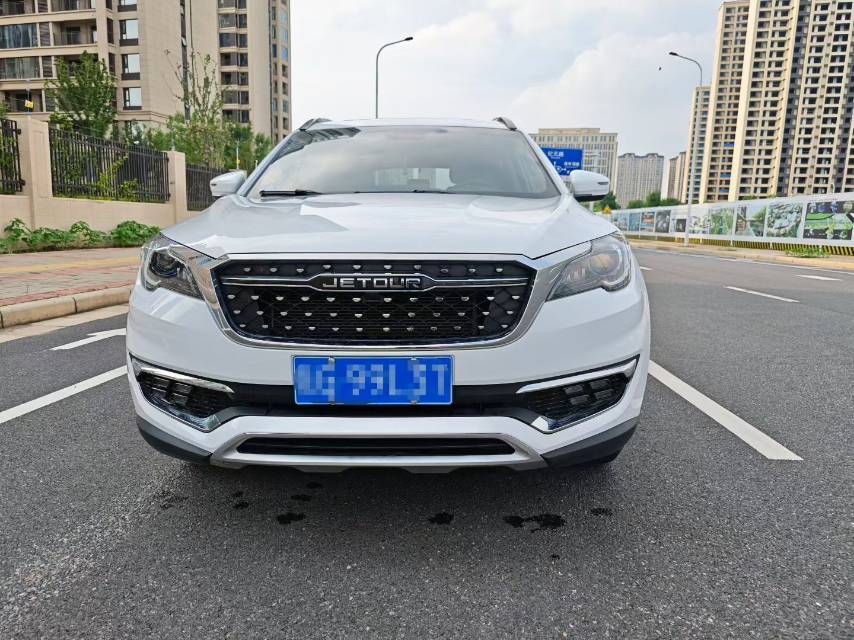
BrandJetour
SeriesX70S
Year2024
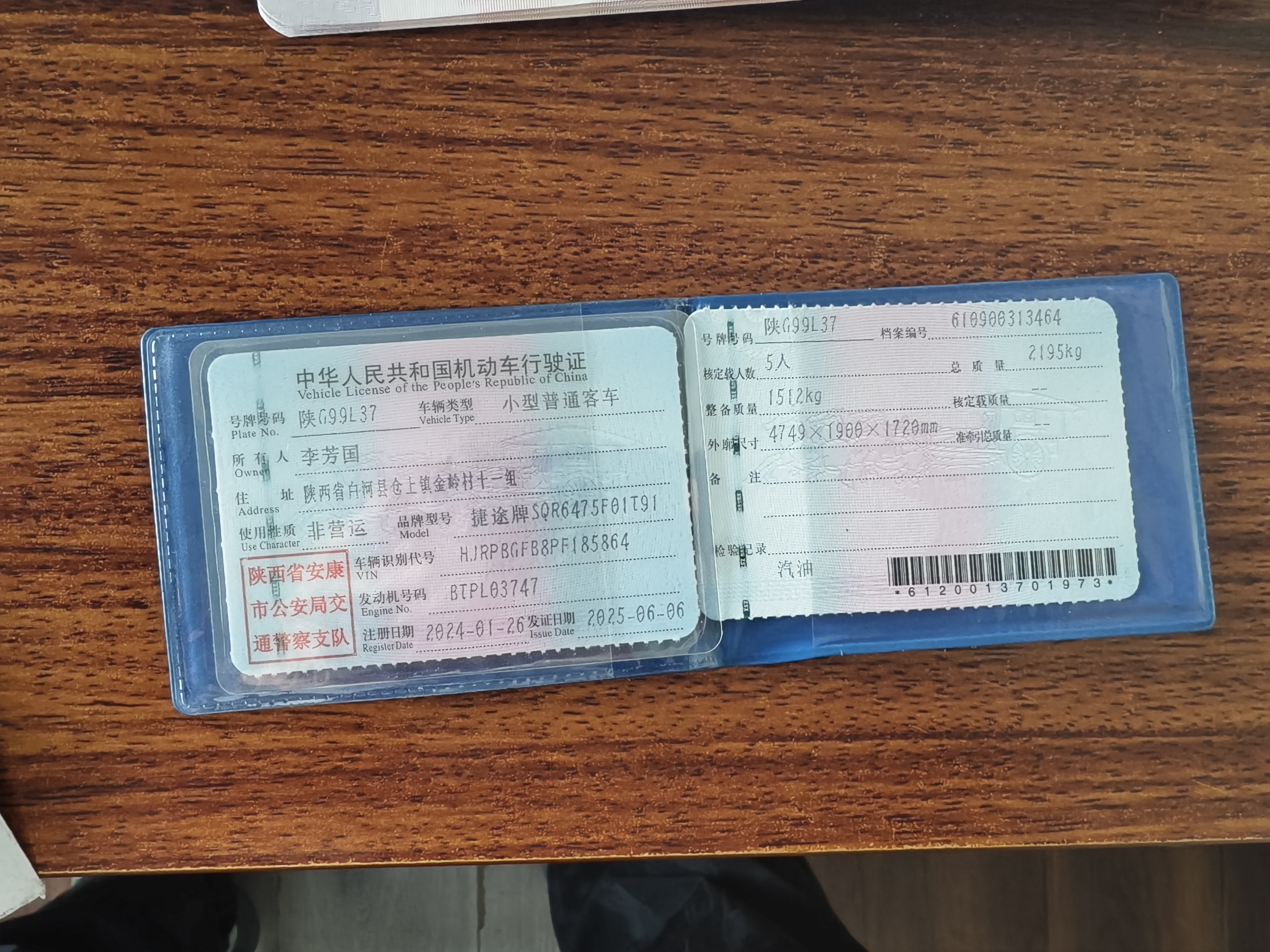
First Registration2024/01
Mileage10,000km
Transfer Count1times
FuelGasoline
TransmissionDCT
Engine1.5T 156 L4
ColorWhite
Seats5seats

Condition Description

Original paint, no repaint.

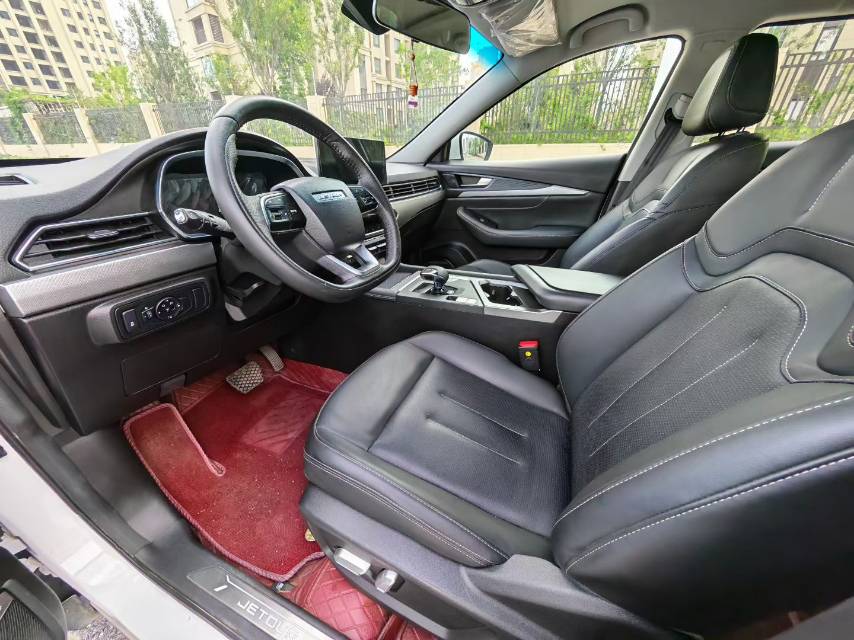
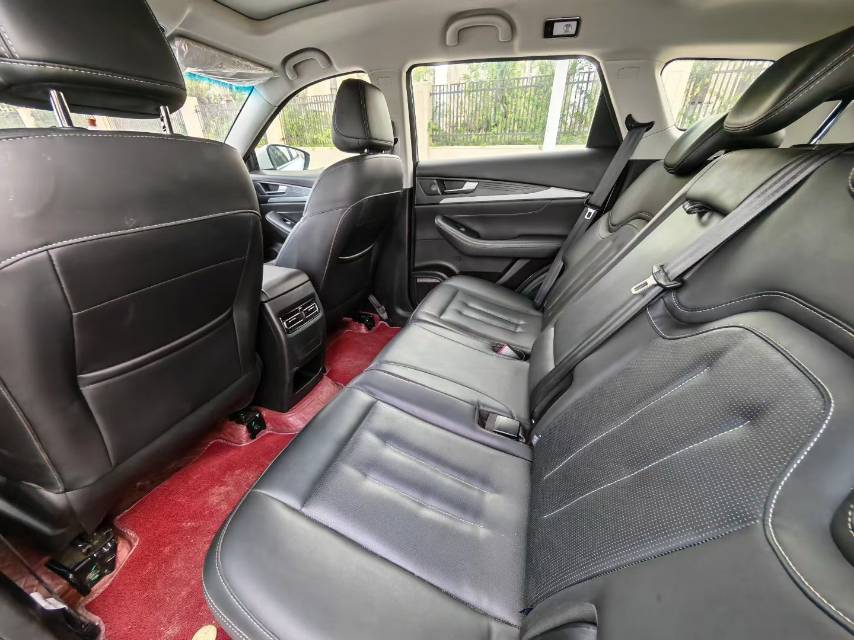
Original paint, no repaint. Excellent condition. Interior clean and tidy.

燃油车
SUV
自动
维保开放
事故开放
查验开放

Configuration Highlights

✓品牌: 捷途
✓车系: 捷途X70S
✓车型: 2023款 1.5T DCT荣耀版 5座
✓车身类型: SUV
✓座位数: 5
✓排量: 1.5T
✓变速箱: 自动
✓能源类型: 燃油车
✓VIN: HJRPBGFB8PF185864
✓搜索关键词: 捷途捷途X70S 2023款捷途X70S1.5TDCT荣耀版5座

Document Information

Inspection Expiry Date2028/01
Warranty Expiry Date-
Insurance Expiry Date2026/08

Q&A

More

What documents should I prepare to import a used car from China?

Typically you will need: 1. The commercial invoice and packing list from the seller; 2. The bill of lading issued by the shipping line; 3. The vehicle's export customs declaration; 4. The original registration certificate and a deregistration or transfer proof from China; 5. A certificate of origin if your country requires it; 6. Destination-specific documents, such as a pre-shipment inspection certificate (for example ECTN for West African ports). Requirements vary by country, so confirm the full list with your customs broker before shipment.

Local mechanics in my country are not familiar with Chinese cars. How do I get technical support, wiring diagrams, or repair guidance after importing?

This is a common issue, and there are several practical ways to get your Chinese car serviced locally. 1. Ask the exporter before buying: many professional exporters can provide workshop manuals, wiring diagrams, or diagnostic software for the models they sell. Put this in writing in your purchase agreement. 2. Use online communities: Chinese brands like BYD, Chery, Geely, and Haval have active owner forums and Facebook/Telegram groups in Russia, Central Asia, the Middle East, and Latin America where wiring diagrams and repair procedures are shared. 3. OBD diagnostic tools: most Chinese cars from 2016 onward support standard OBD-II protocols. A tool that reads manufacturer-specific codes (not just generic ones) helps any mechanic identify faults. Ask the exporter which protocol your model uses. 4. Video call assistance: some exporters offer paid remote support where their technician guides your local mechanic via video call — agree on rates and availability in advance. 5. Parts cross-referencing: many Chinese cars share platforms and components; experienced mechanics can match brake pads, filters, and sensors to cross-compatible parts available locally. Key point: choose a brand with existing presence in your region — the larger the local fleet, the easier support becomes.

How can I verify a used car's mileage is genuine and hasn't been rolled back before export?

Odometer rollback is a common risk, so verify mileage through multiple channels rather than trusting the dashboard alone. First, ask the seller for maintenance records from the brand's official service network. Each service entry records the odometer reading with a date, so a consistent upward trend confirms the mileage is genuine. Second, run a VIN-based history report through Chinese platforms (such as CarVertical-style reports covering Chinese records) and check auction records if the car came from a used-car auction — auction sheets always log the mileage. Third, inspect physical wear during your video inspection: pedal rubber, steering wheel shine, seat bolsters, and gear knob wear should match the claimed mileage. A car showing 40,000 km with heavily worn pedals is a red flag. Finally, check the odometer reading in the export documents — Chinese customs and inspection records also capture mileage, giving you an official data point. If the seller refuses to share service records, treat the mileage as unverified and price your offer accordingly.