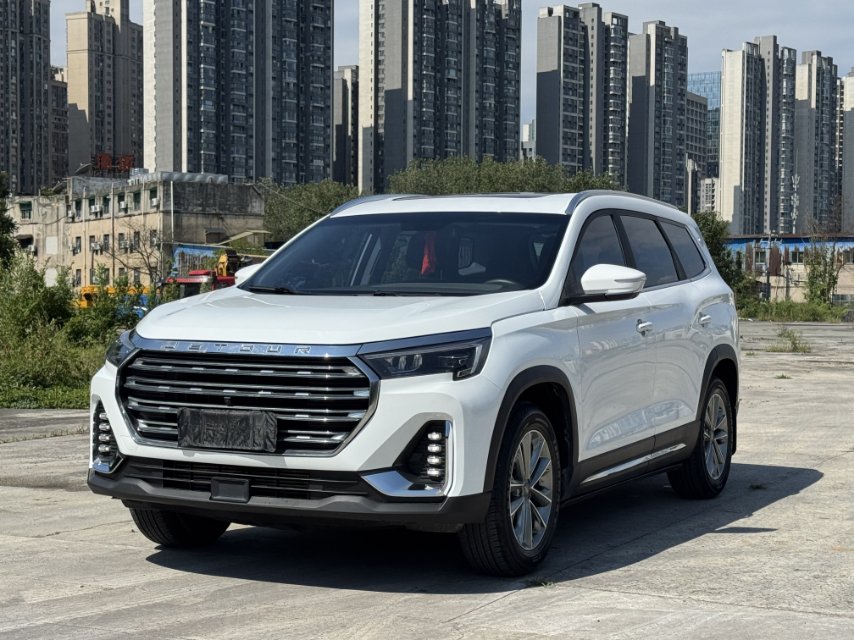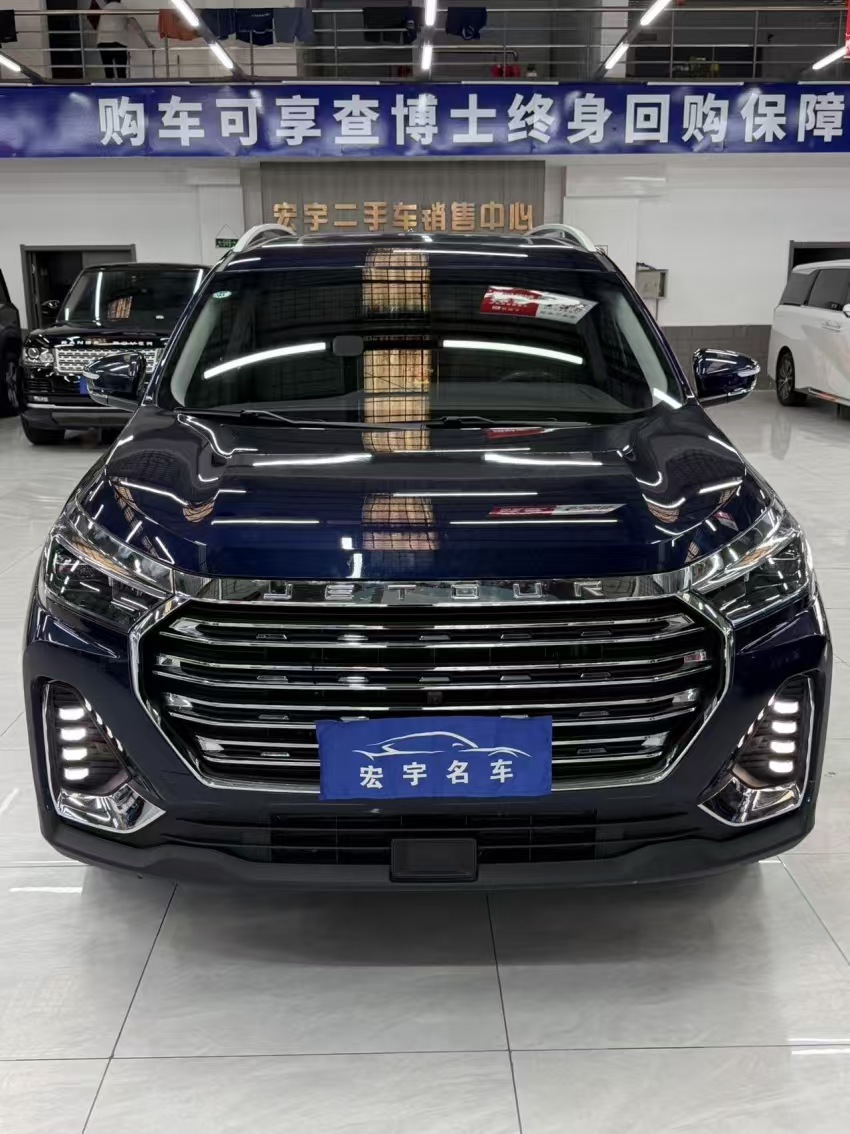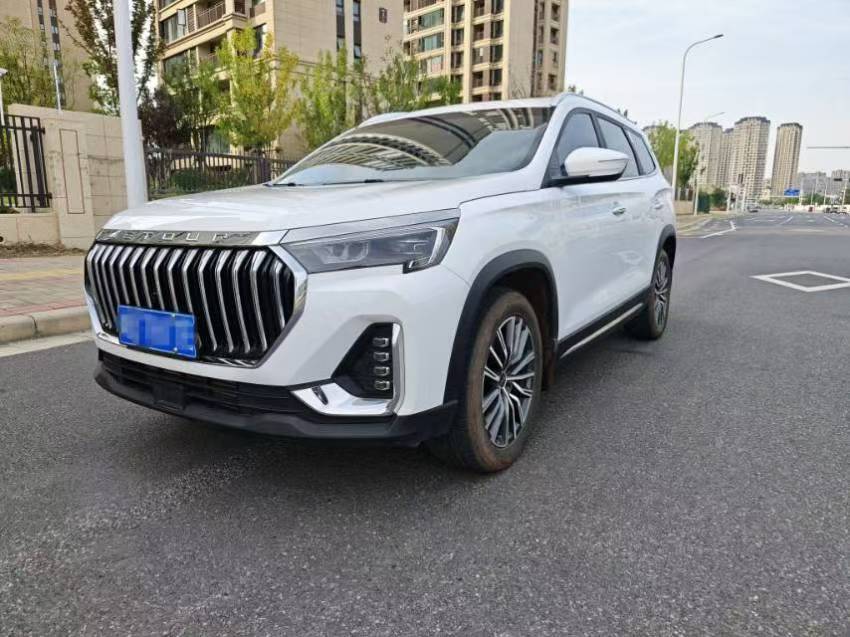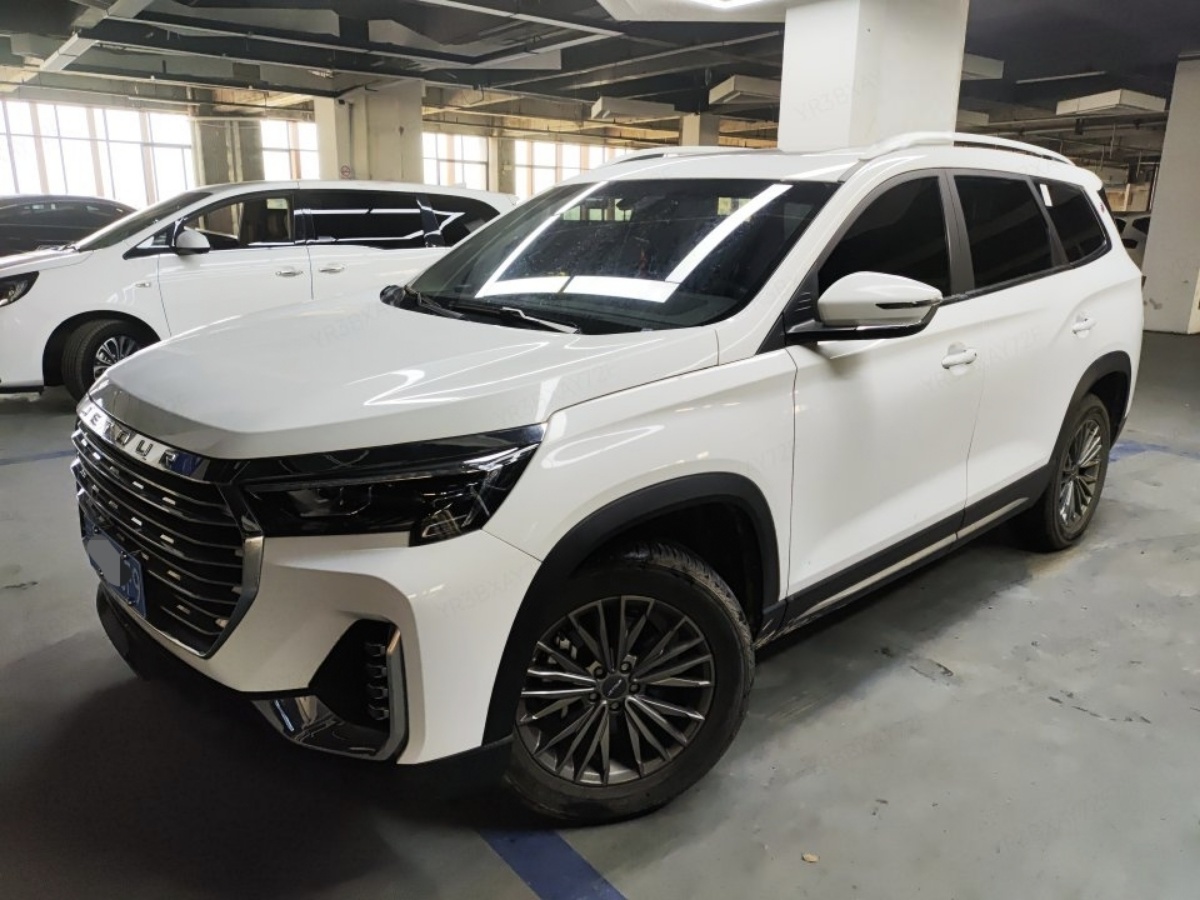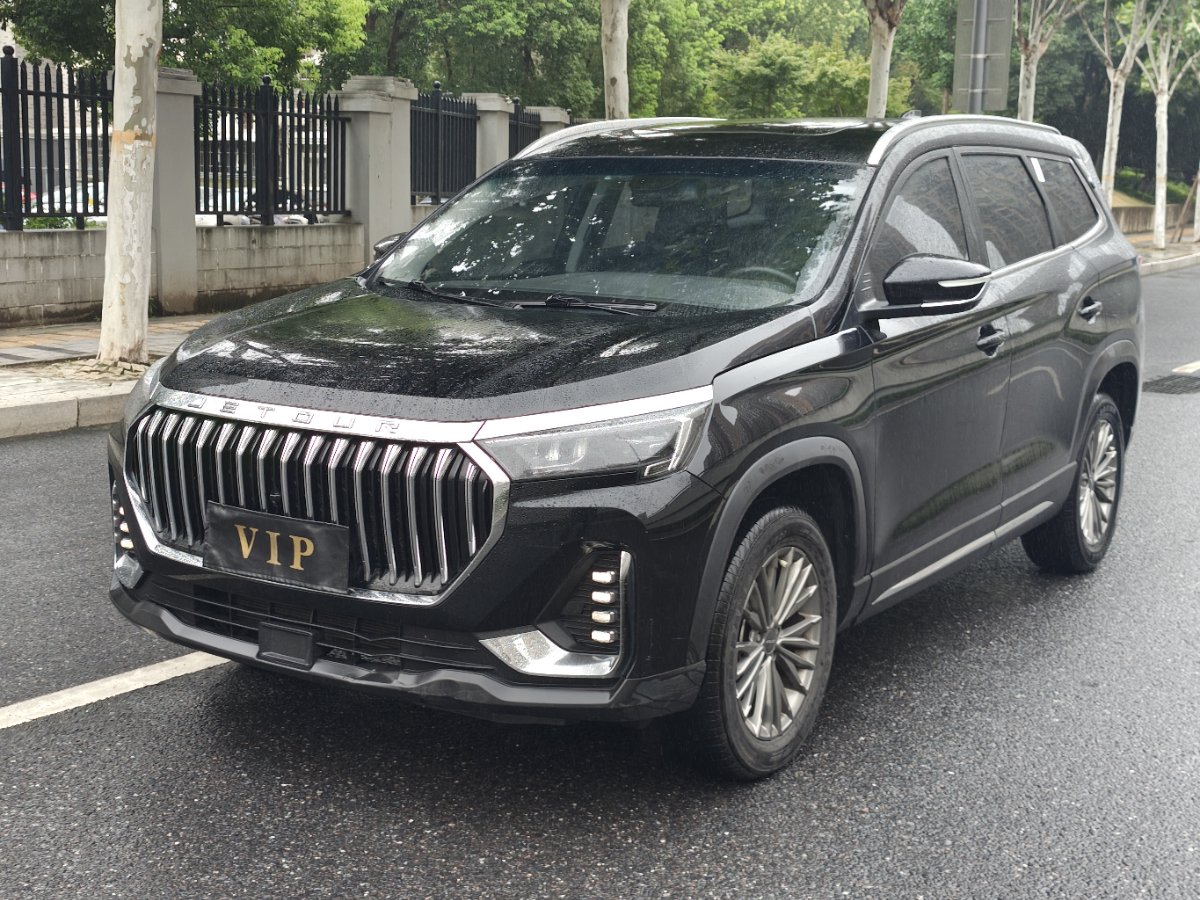
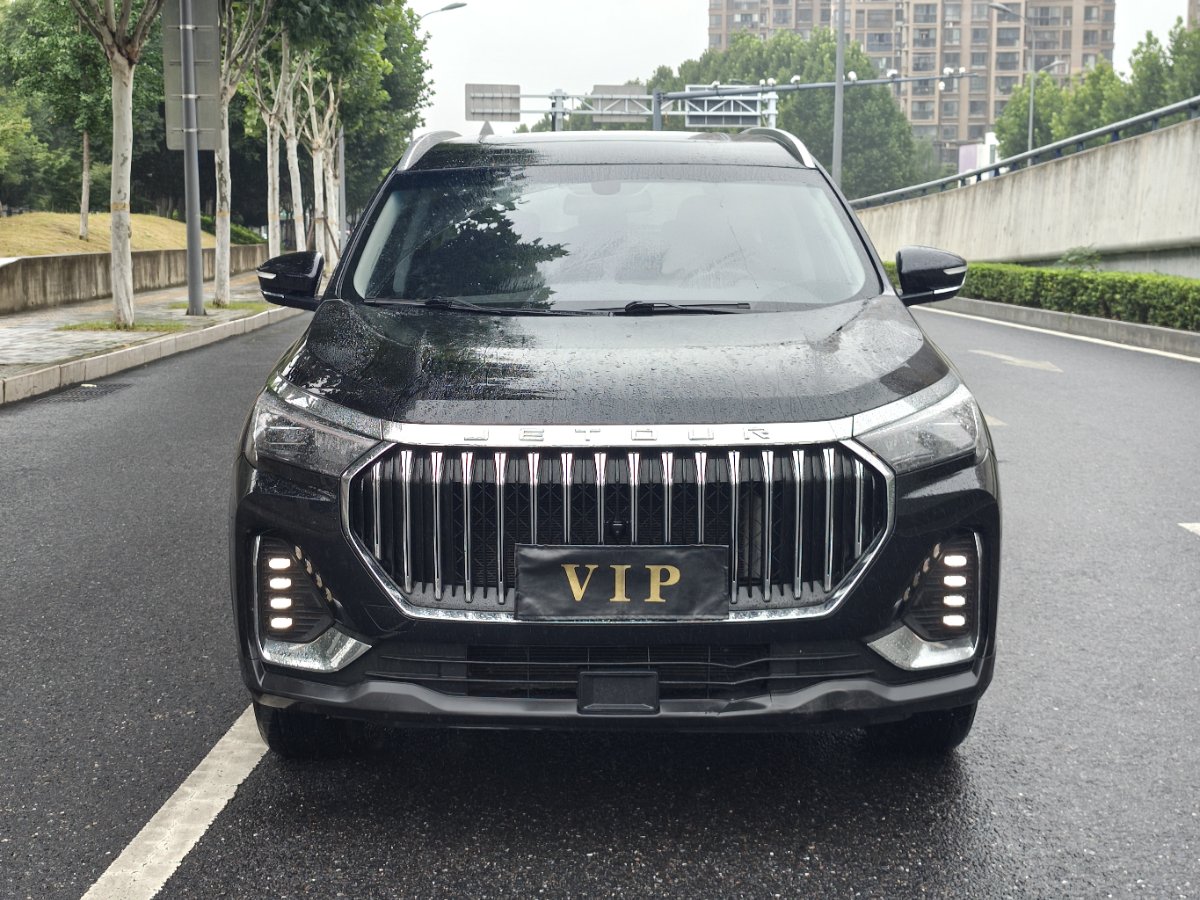
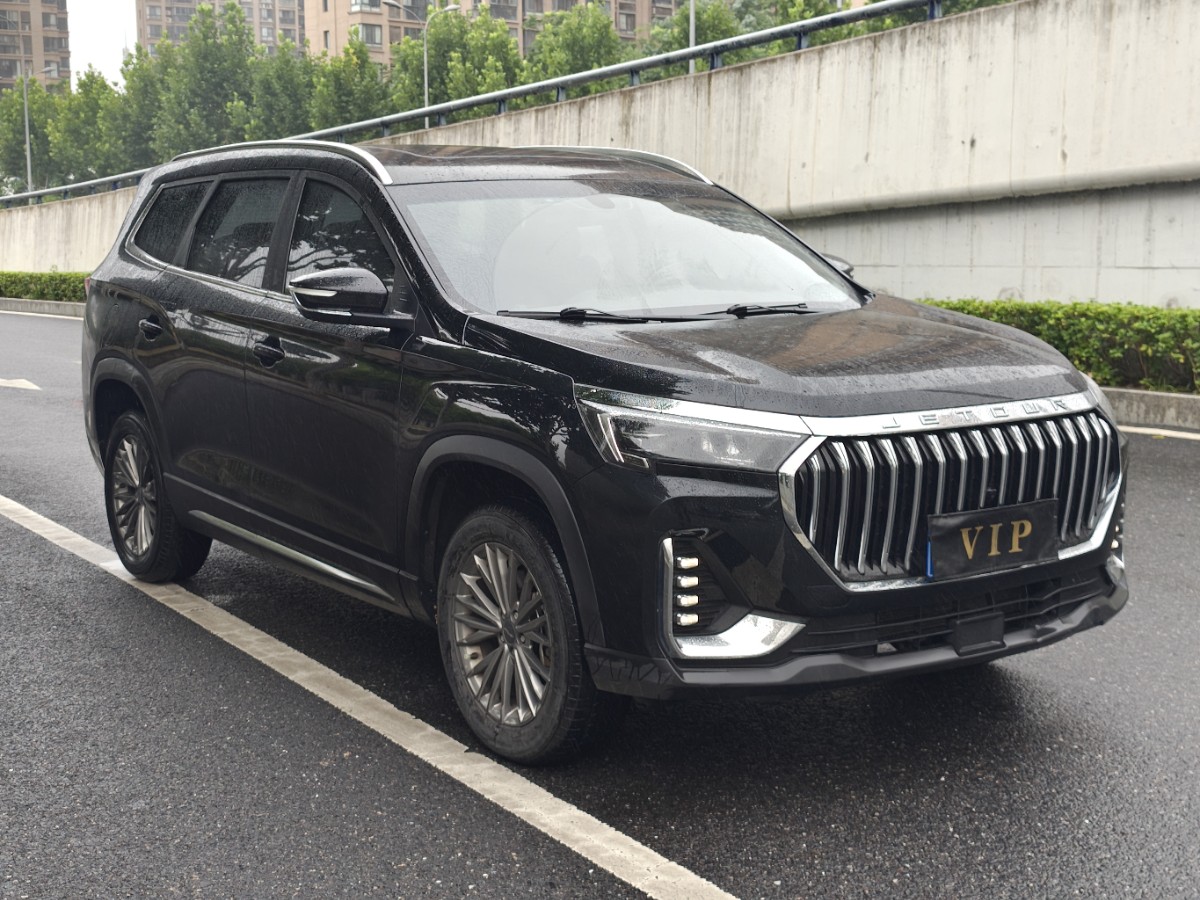
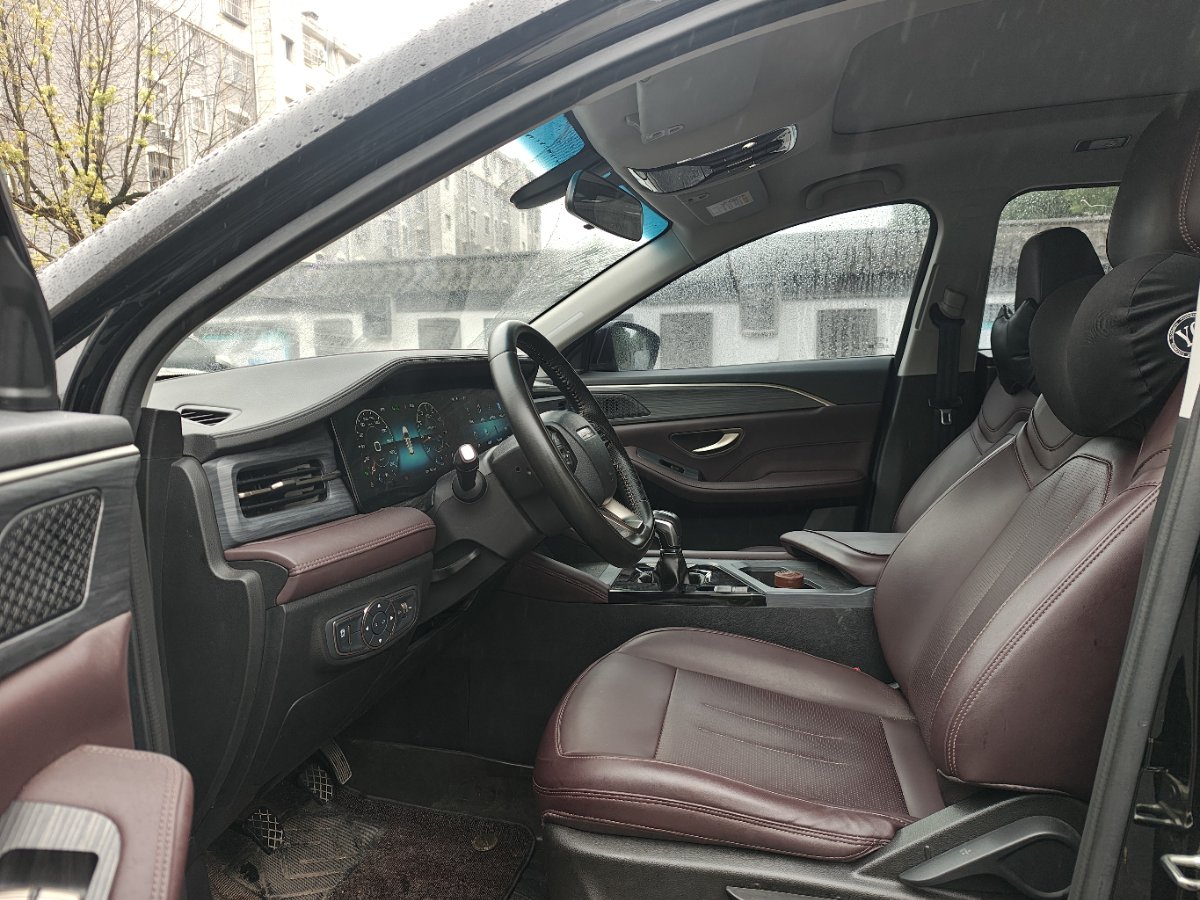
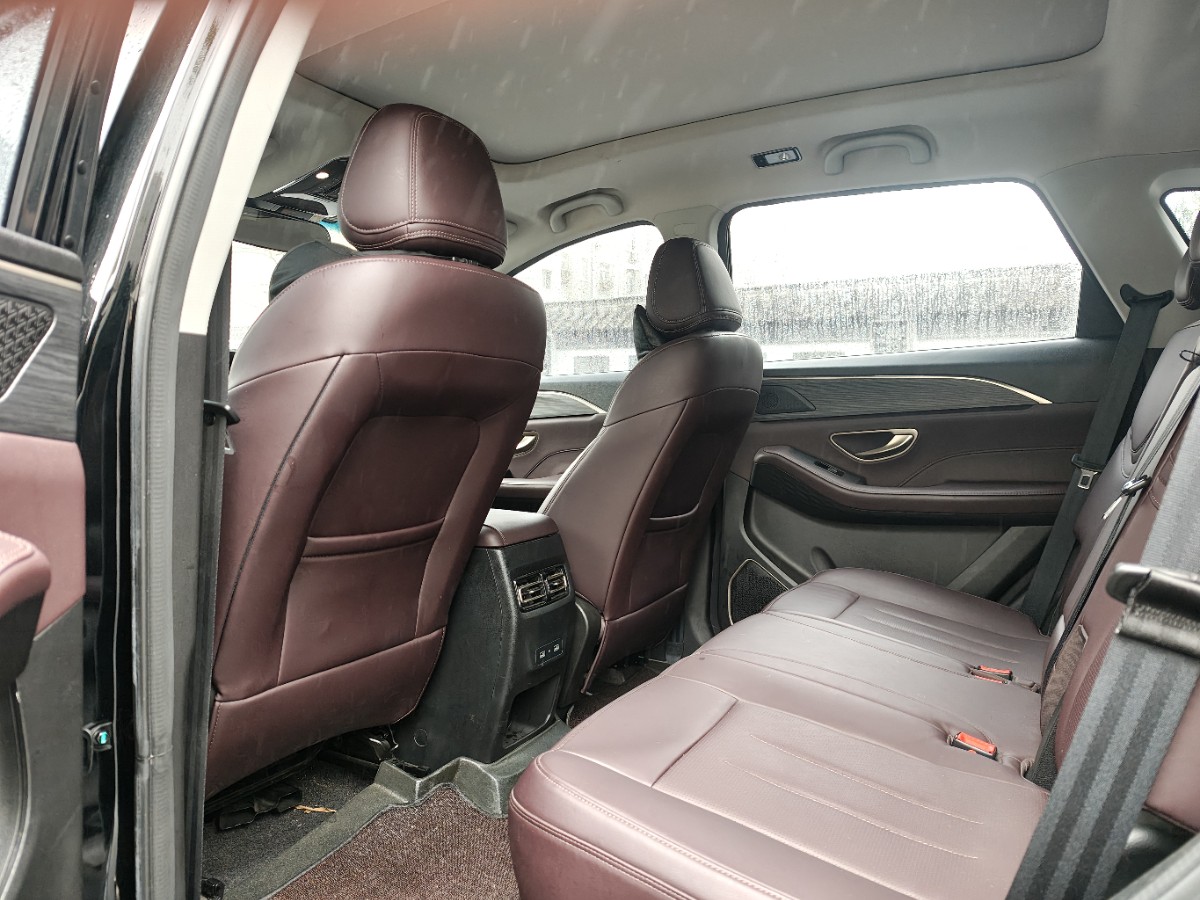
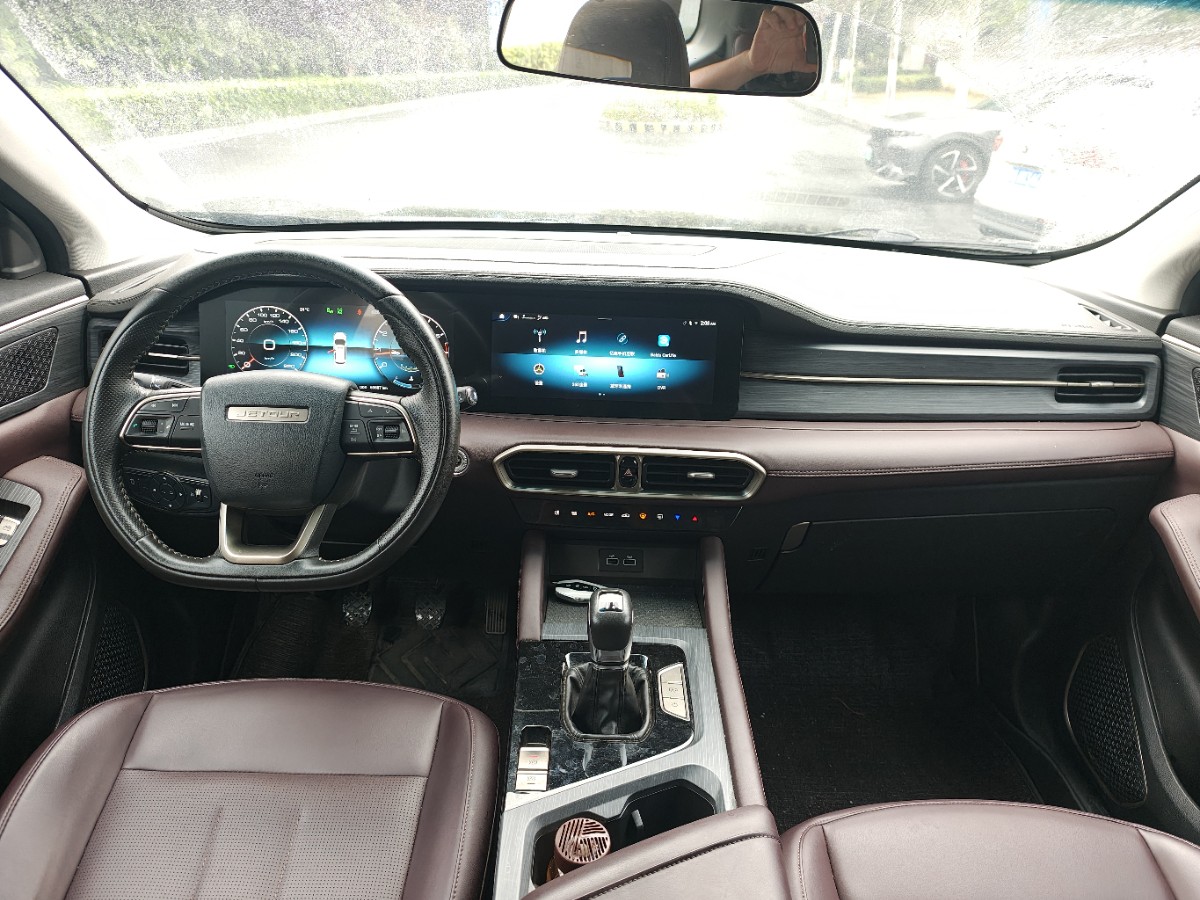
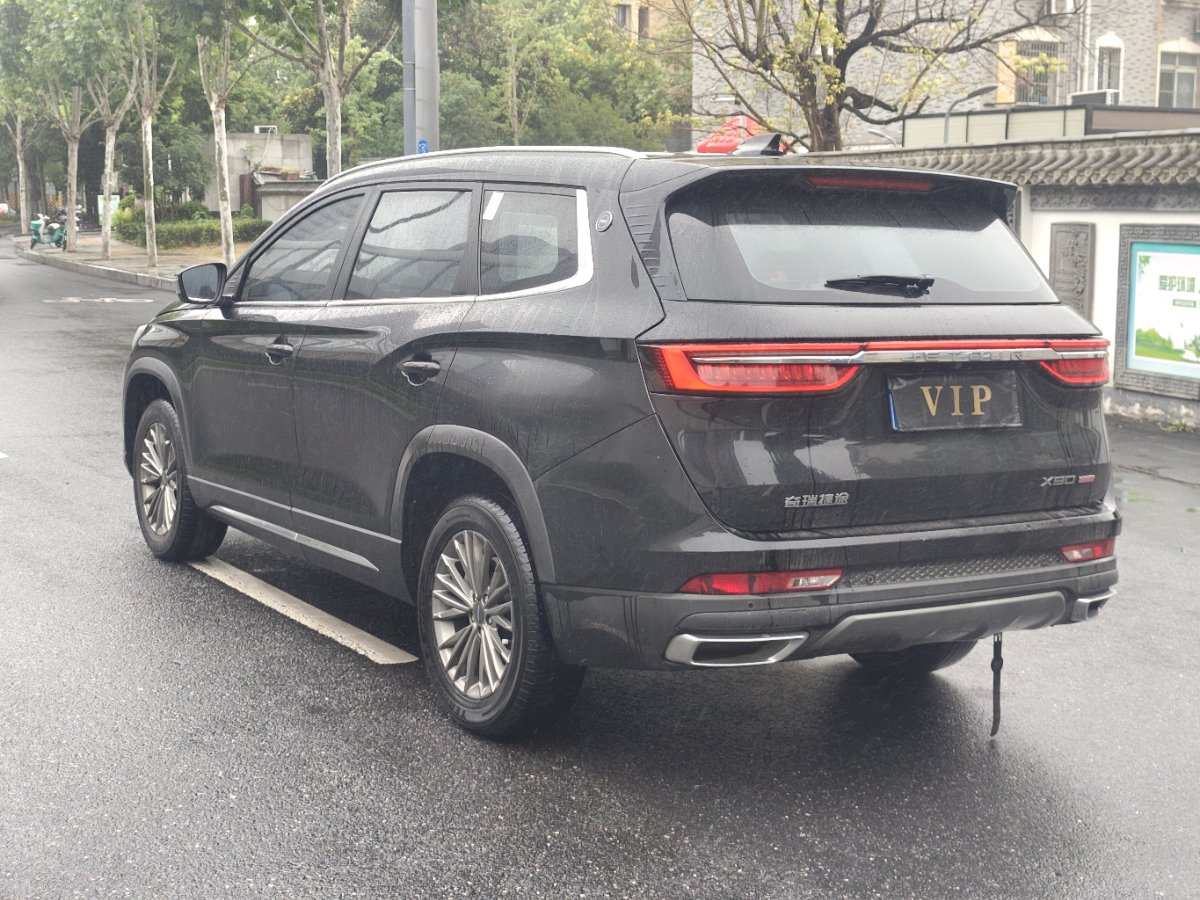
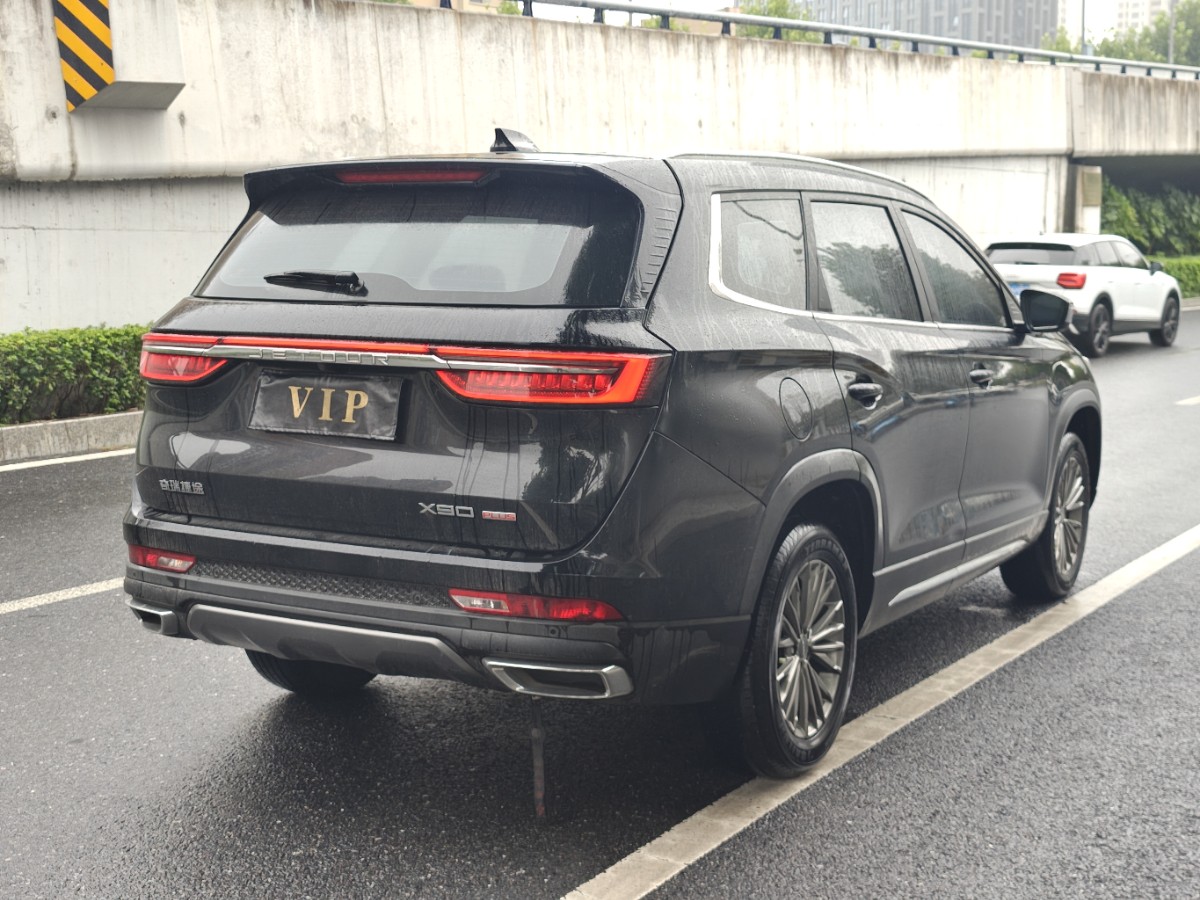
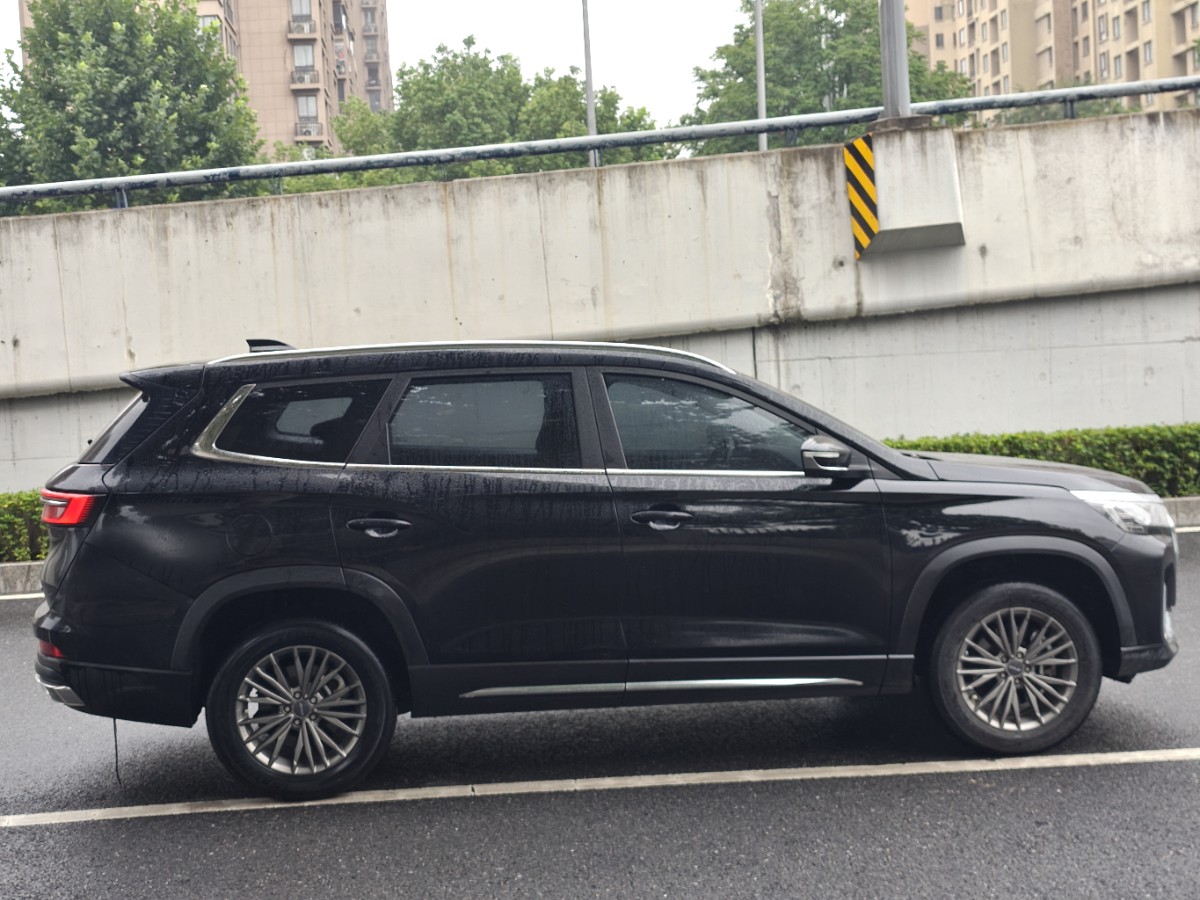
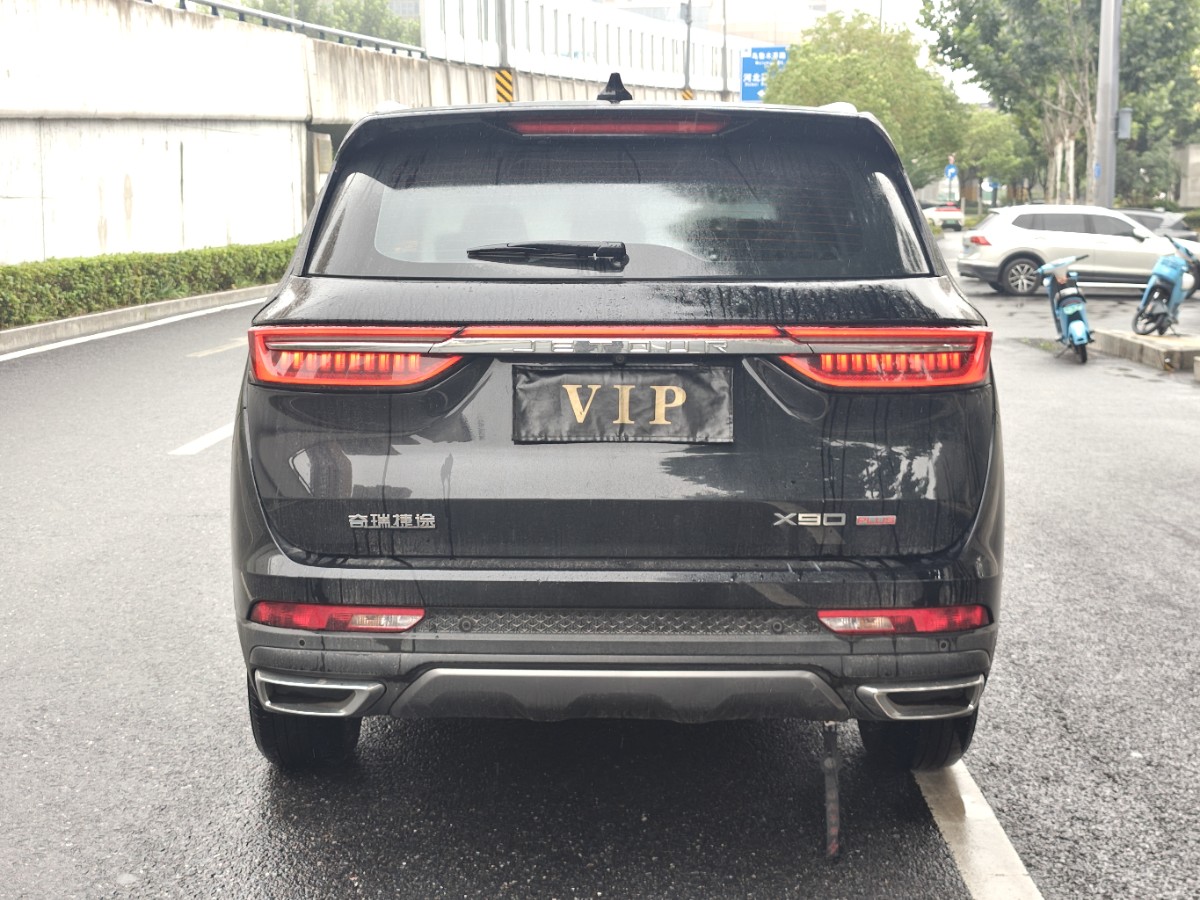



Stock

Basic Information

BrandJetour
SeriesX90 PLUS
Year2024
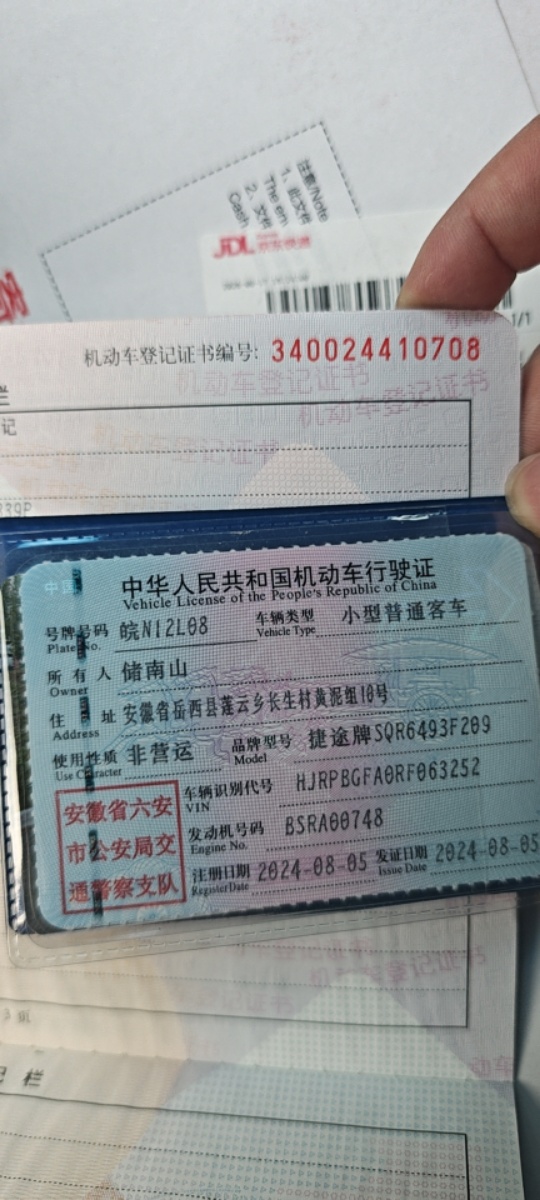
First Registration2024/08
Mileage50,000km
Transfer Count1times
FuelGasoline
TransmissionManual
Engine1.5T 156 L4
ColorBlack
Seats5seats

Condition Description

First-hand car, one panel repainted, all other panels original paint.

燃油车
SUV
手动
维保开放
事故开放
查验开放

Configuration Highlights

✓品牌: 捷途
✓车系: 捷途X90PLUS
✓车型: 2024款 1.5T 手动洋房 5座
✓车身类型: SUV
✓座位数: 5
✓排量: 1.5T
✓变速箱: 手动
✓能源类型: 燃油车
✓VIN: HJRPBGFA0RF063252
✓搜索关键词: 捷途捷途X90PLUS 2024款捷途X90PLUS1.5T手动洋房5座

Document Information

Inspection Expiry Date2028/08
Warranty Expiry Date-
Insurance Expiry Date2027/08

Q&A

More

Besides the purchase price, what other fees should I budget for when importing a used car from China?

The purchase price is only part of your total landed cost. Plan for these items: - Inland transport in China: moving the car from the seller's city to the export port, plus transfer and inspection fees. - Export fees: customs declaration, port handling, and terminal charges. Ask for an FOB (Free On Board) quote so these are included. - Ocean freight: RoRo (roll-on/roll-off) is cheapest for regular cars, but EVs often require special containers or dedicated EV shipping due to battery regulations, which costs more. - Insurance: marine cargo insurance, typically 1-3% of the car's value. - Import side: import duty, VAT or sales tax, customs brokerage, port charges at destination, and any homologation or compliance testing fees. As a rule of thumb, add 25-40% on top of the FOB price for a realistic landed-cost estimate, depending on your country's tax rates. Get a written breakdown from both your supplier and a customs broker before committing.


How should I compare quotes from multiple Chinese exporters to find the real best price?

Comparing headline prices alone will mislead you—quotes often bundle or exclude different items. Build a like-for-like comparison before deciding. Request every exporter to break their quote into: vehicle price, domestic transport in China, export handling and documentation fees, inspection fee, ocean freight to your port, and insurance. Then add what they exclude: your country's customs duty, VAT/GST, port charges, and local delivery. Watch for common padding: "service fees" of 3-8% that appear only in the final invoice, inflated inland transport (a truck from Guangzhou to a port should rarely exceed a few hundred dollars), and freight quotes that assume a shared container while charging you for a full one. Ask each exporter to state validity (7-14 days is normal) and whether the price is FOB or CIF. Once normalized, the cheapest quote usually isn't the lowest number—it's the one with the shortest list of exclusions and the clearest terms.

How can I spot repainted panels and past accident repairs in photos of a used Chinese car?

Repaint work is one of the most commonly hidden issues in remote purchases, but photos and video can reveal a lot if you know what to request. Ask for photos of every panel in natural daylight, plus close-ups of panel gaps around the hood, doors, and trunk. Uneven gaps, mismatched orange-peel texture, or overspray on rubber seals and plastic trim are classic repaint signs. A short walkaround video helps you judge color consistency — repainted panels often differ slightly in shade under sunlight. Check the paint edges inside door frames and under the hood: factory paint lines are sharp, while repainted areas show tape lines or soft transitions. For structural repairs, specifically request photos of the inner fenders, radiator support, and trunk floor. Fresh sealant, mismatched welds, or new-looking bolts on an old car are red flags. Finally, consider paying for a third-party inspection with a paint thickness gauge — it measures coating depth on every panel and is the most reliable check you can get remotely.