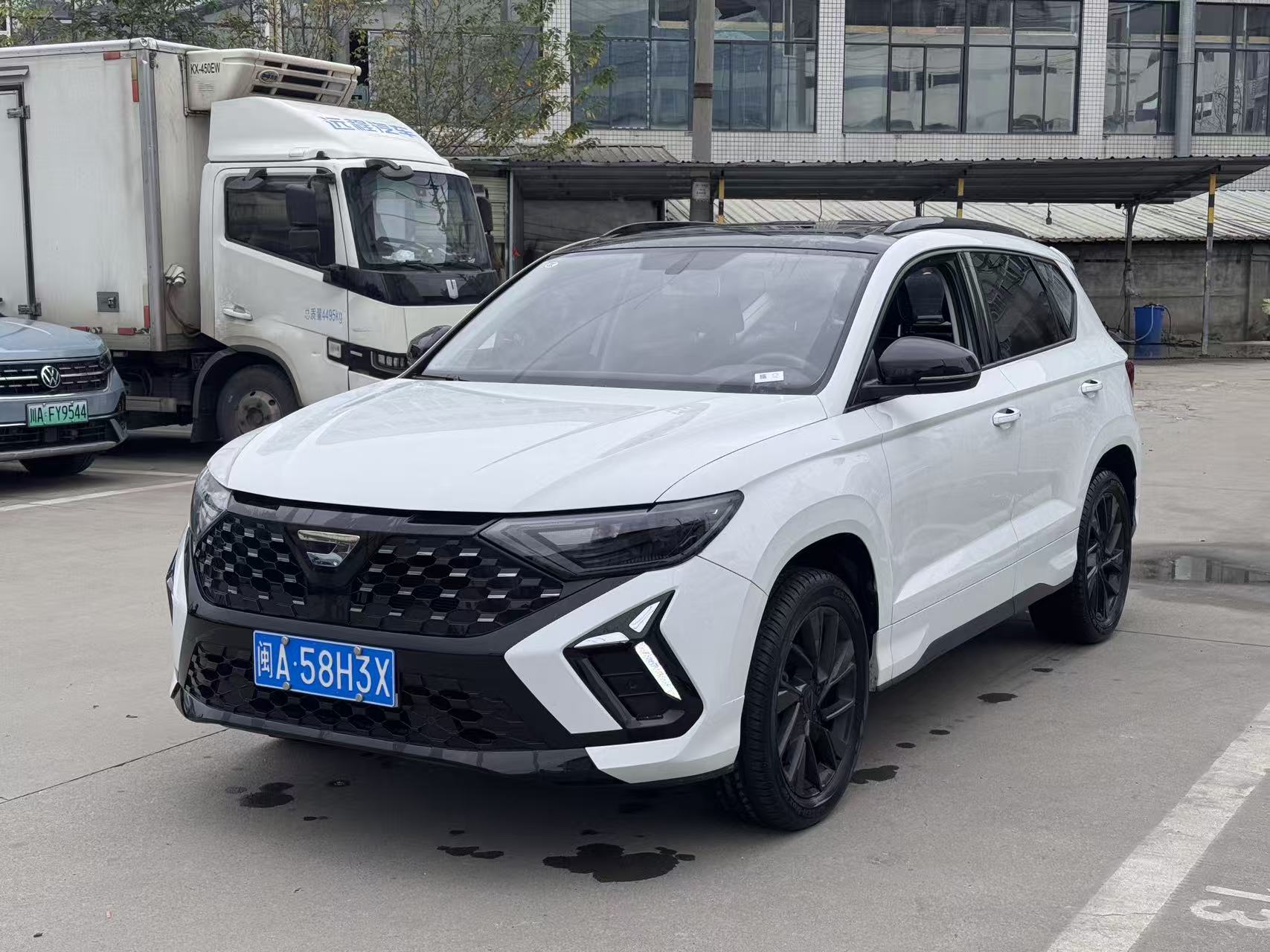



Sold

Basic Information

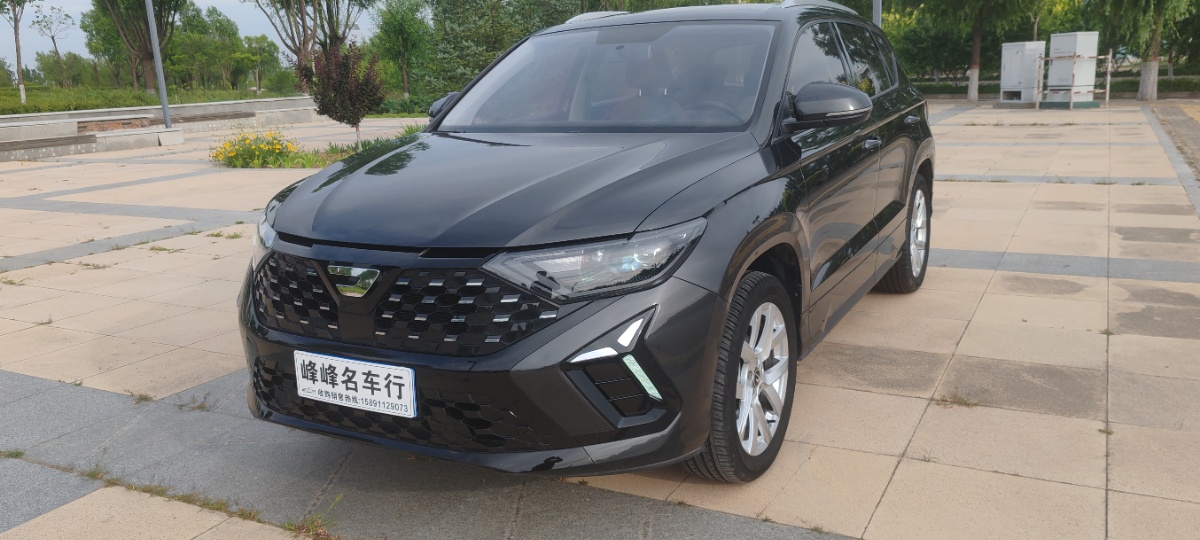
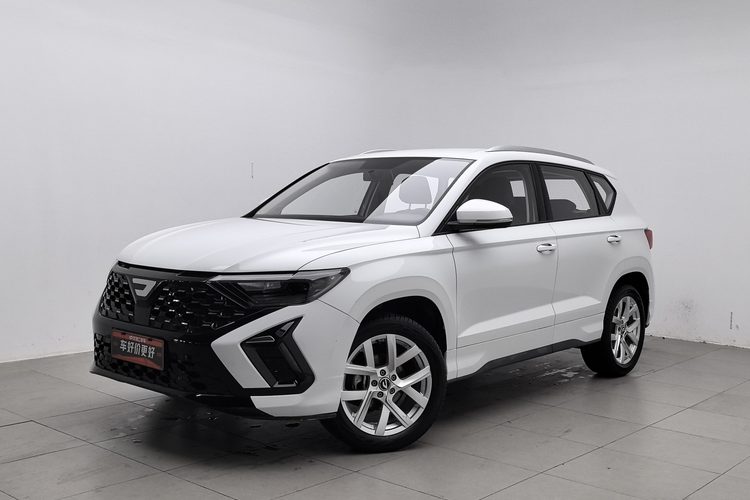
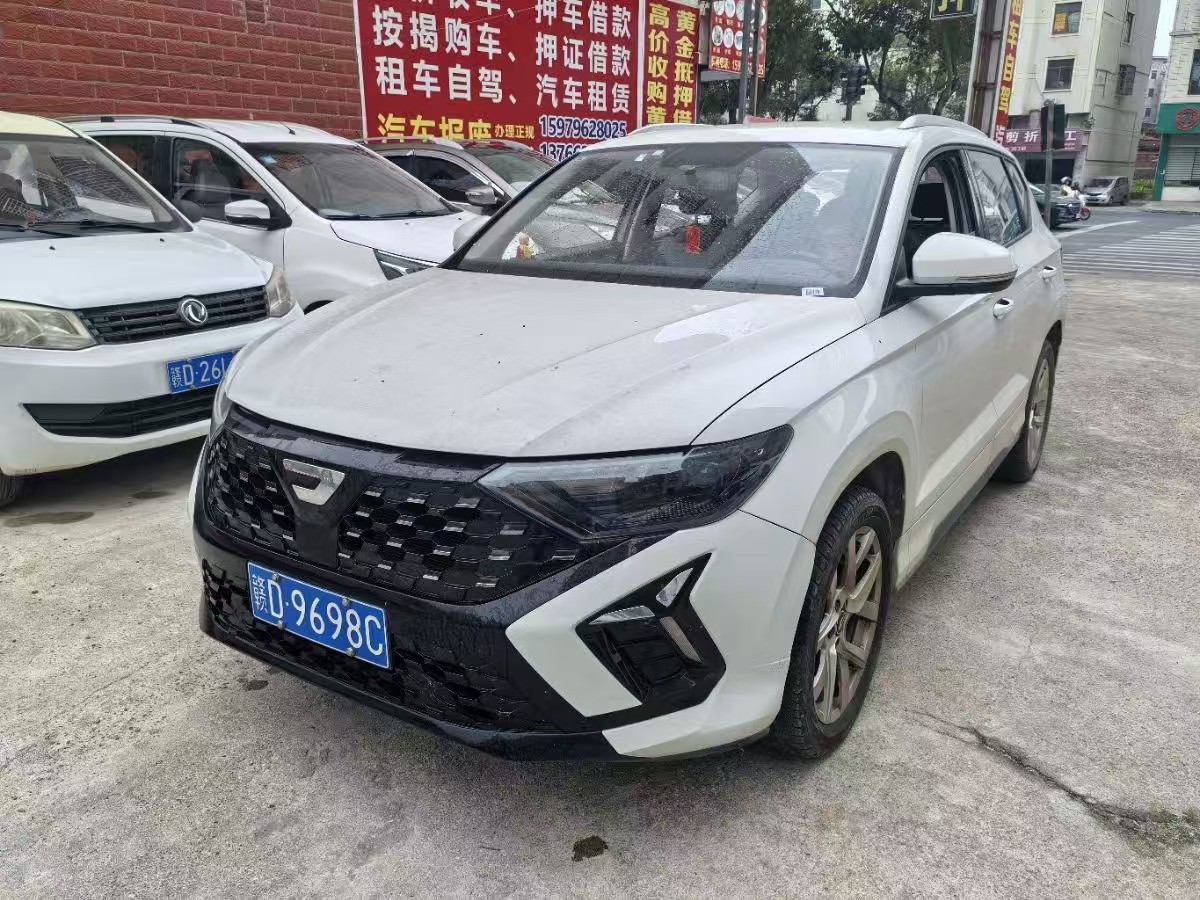
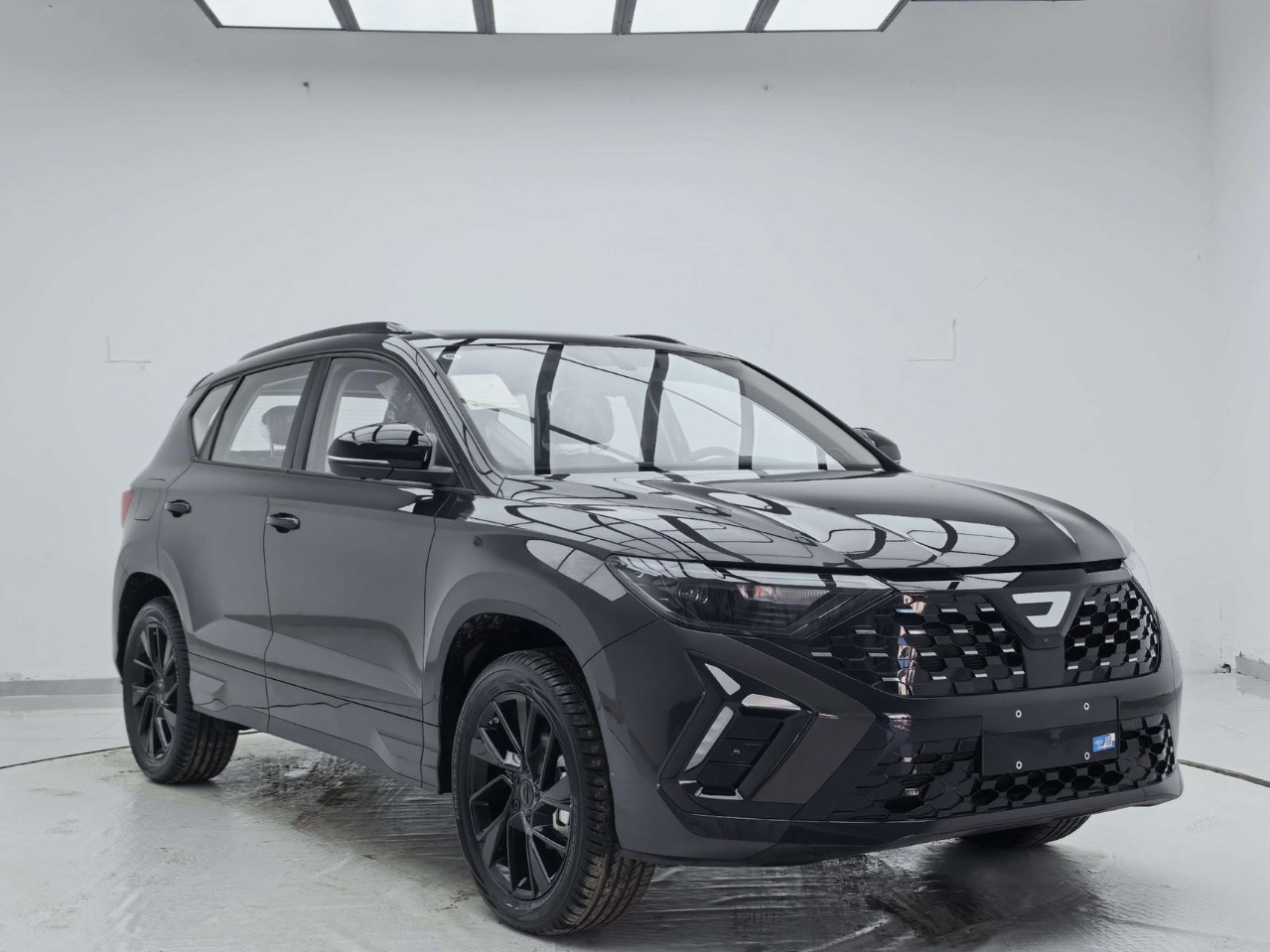
BrandJetta
SeriesVS5
Year2024
First Registration2024/07
Mileage39,000km
Transfer Count0times
FuelGasoline
TransmissionManumatic
Engine1.4T 150 L4
ColorWhite
Seats5seats

Condition Description

Original paint, manufactured in June 2024.

Q&A

More

What engine checks beyond a cold start should a pre-purchase inspection of a used Chinese car include?

A cold start tells you a lot, but it isn't enough. Ask your inspector for these additional checks: Compression test: measures cylinder pressure in each cylinder. Consistent readings across cylinders mean healthy piston rings and valves; one low cylinder suggests internal wear. Timing system: listen at idle and at 2000 rpm for chain rattle or belt squeal. On turbo engines, check for play in the turbo shaft and oil in the intake piping. Exhaust analysis: blue smoke means oil burning (worn rings or valve seals); white sweet-smelling smoke can mean head gasket issues; black smoke points to running too rich. Fluid condition: engine oil on the dipstick should not smell burnt or look milky; coolant should be clean without oil traces. Fault codes: a full OBD scan beyond pending codes — look at misfire counters, fuel trim values, and any history codes that were recently cleared. Ask for photos of the dipstick, exhaust at idle and revving, and the live OBD data. These give you an objective engine health record.


Is China's "National VI B" emission standard equivalent to Europe's Euro VI standard?

From a technical perspective, China's "National VI B (China VI-b)" is one of the strictest emission standards globally, with limits on carbon monoxide, nitrogen oxides, and particulate matter that are even stricter than some of Europe's Euro VI standards. However, the two are not legally recognized by each other, depending on your country's import regulations.

How are import duties on used cars from China calculated, and which HS code applies?

Used cars are classified under HS heading 8703 (motor vehicles for transport of persons), with the last four digits determined by engine type and size. Gasoline cars usually fall in 8703.21–8703.80 depending on displacement; pure EVs fall under 8703.80; hybrids have their own subheadings. The duty amount depends on your country's tariff schedule: 1. Most countries charge duty on the CIF value (car price + freight + insurance), not the FOB price. 2. Many developing markets levy higher duties on used vehicles than new ones, and some add a surcharge based on age — older cars can cost significantly more to clear. 3. After duty, you typically pay VAT/GST on the CIF + duty total, plus port and customs fees. Practical tips: ask your exporter to state the exact HS code on the commercial invoice and confirm it with a local customs broker before shipping. A wrong code can trigger reclassification, penalties, or delays. Also budget for any excise tax tied to engine capacity — in several markets a 2.5L car clears far cheaper than a 3.5L one.