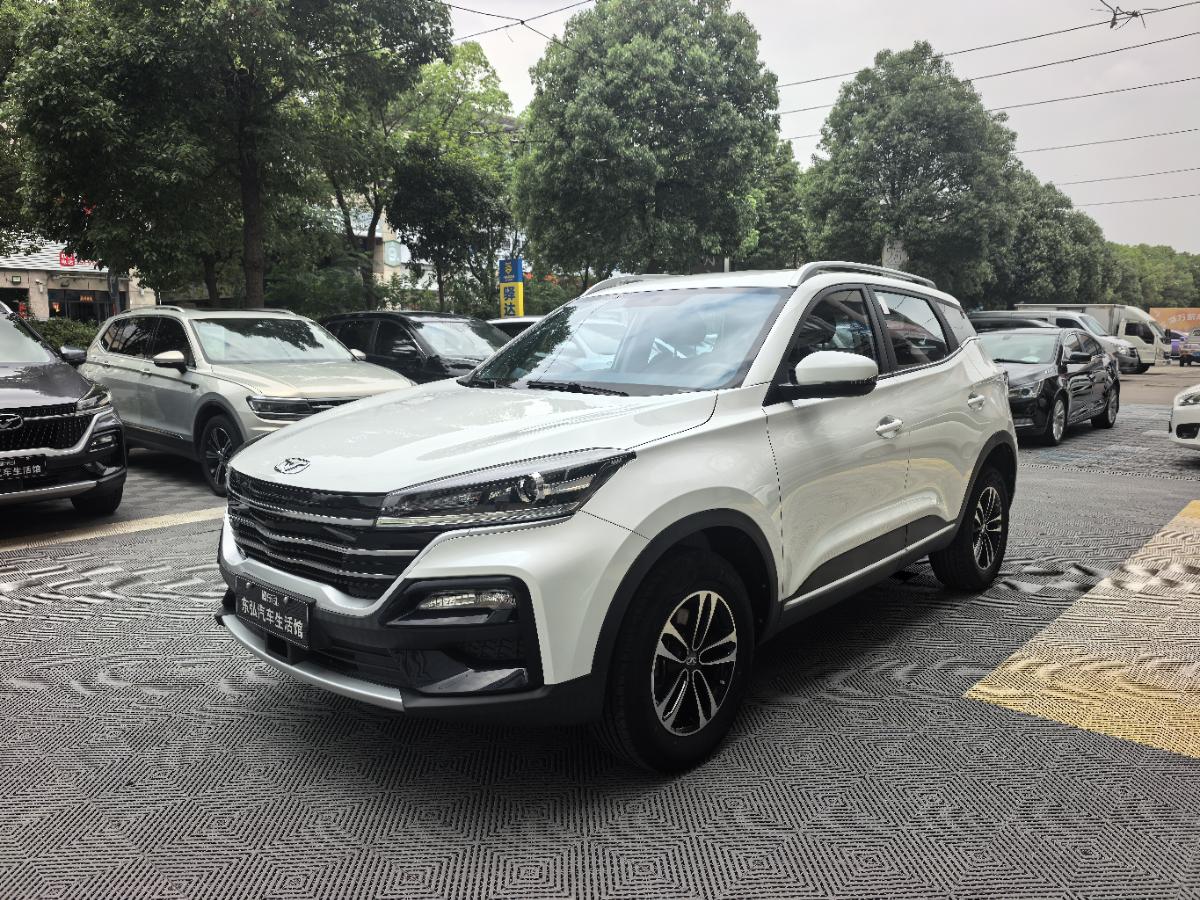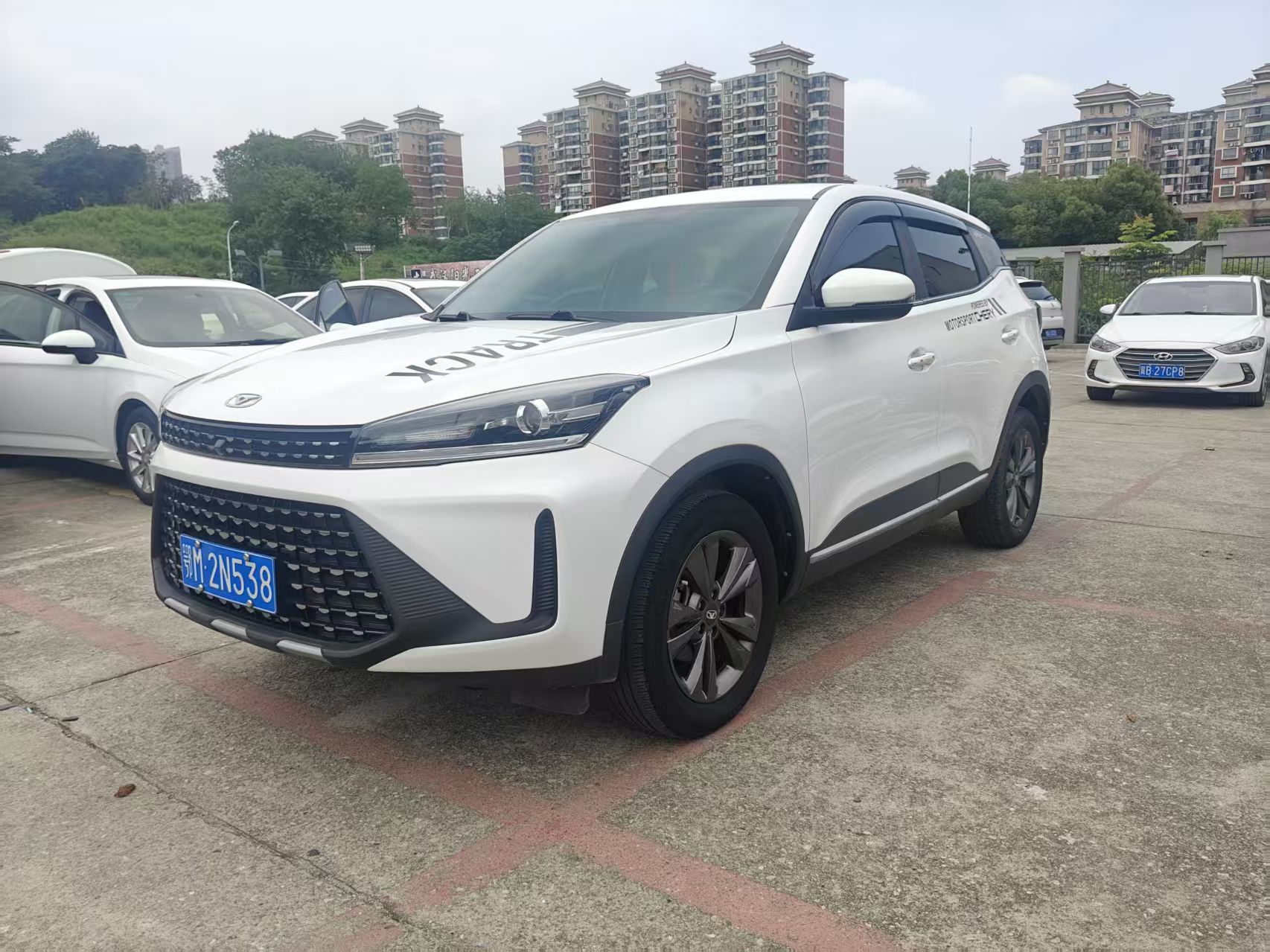
Basic Information

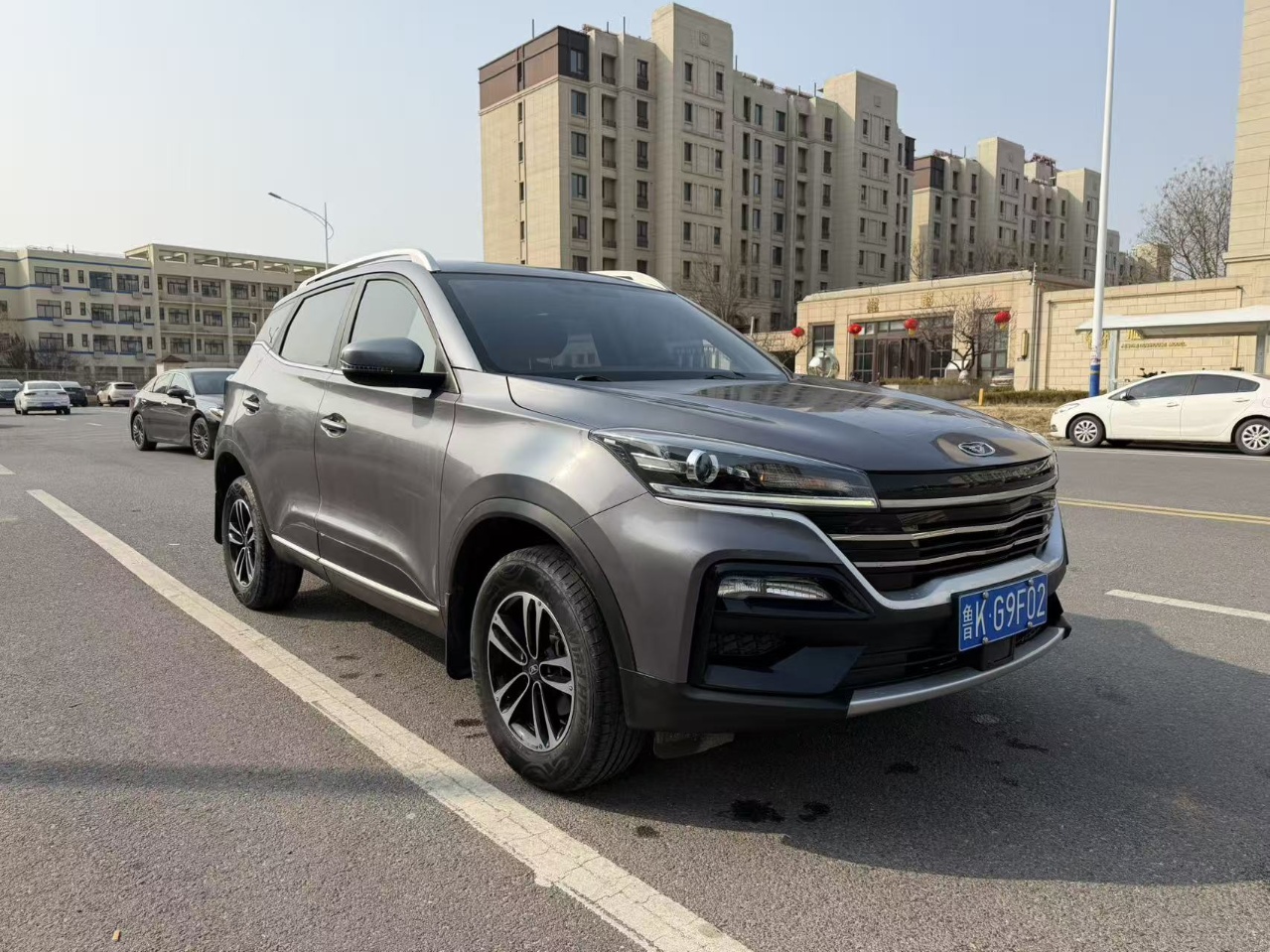
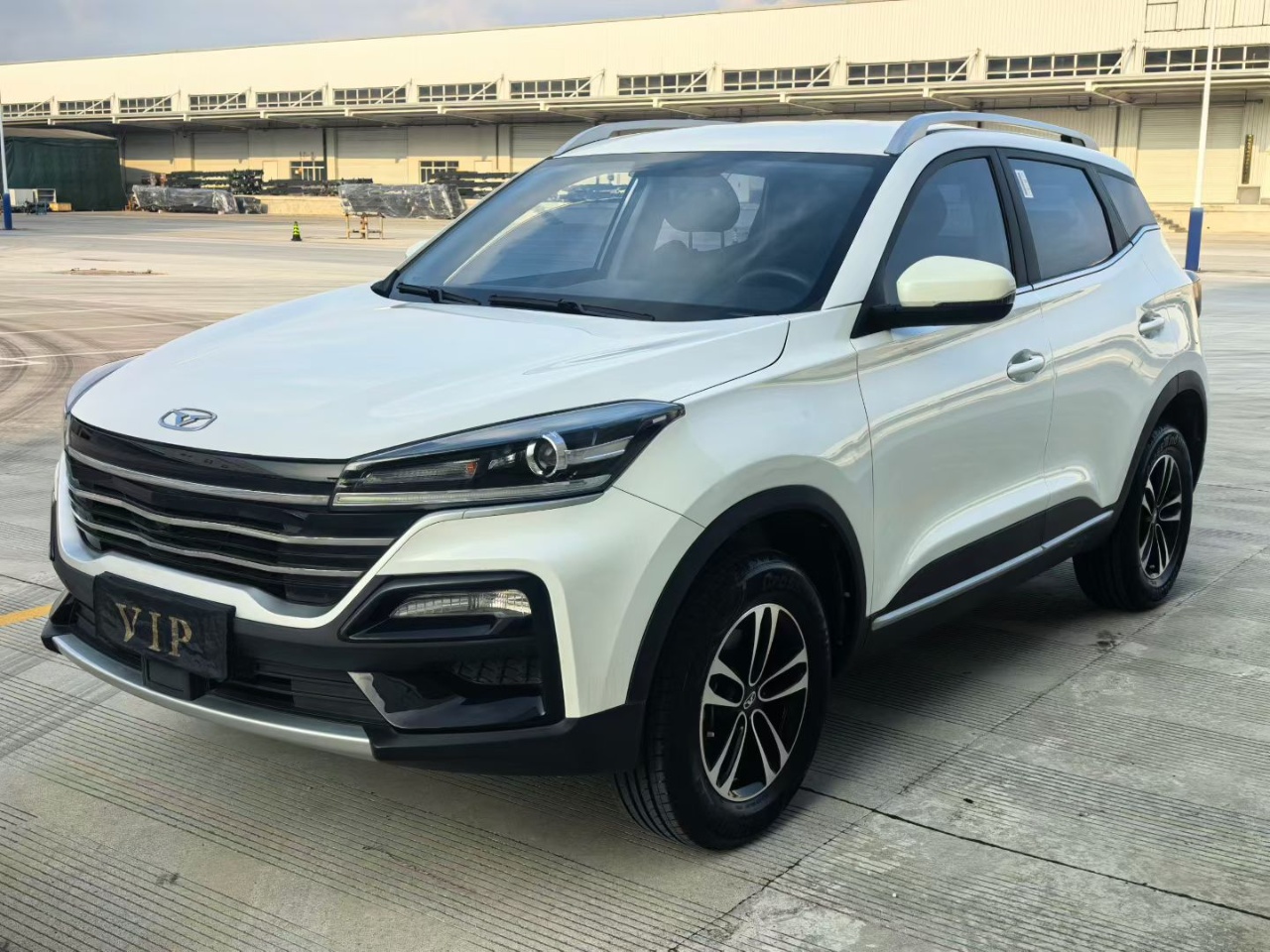
BrandKaiyi
SeriesShowjet
Year2020
First Registration2020/08
Mileage-
Transfer Count2times
FuelGasoline
TransmissionManual
Engine1.5L 116 L4
ColorWhite
Seats-

Condition Description

Vehicle has major accident/fire/water damage or major defects in structural/reinforcing/panel parts or power battery components, repaired or unrepaired, still affecting body structural strength or safe use, with hidden fault risks.

Accident inspection: main structure undamaged, reinforcing parts damaged, panels undamaged, hinges normal; engine bay: engine assembly repaired/disassembled; exterior: 2 replaced parts, 4 dent repairs, 2 repainted areas; interior: most features normal, airbags normal, seatbelts normal, dashboard normal, gauges normal, lighting system normal; startup test: main components normal; tool kit: missing.

电话直连
可讲价
平台物流
新检测标准升级>
泡水-中度

Document Information

Inspection Expiry Date2028/08
Warranty Expiry Date-
Insurance Expiry Date2027/08

Q&A

More

What are the core advantages of buying used luxury cars (like Porsche, BBA) in China compared to purchasing them directly overseas?

China has a large number of luxury cars and a fast turnover rate. For luxury cars of the same year and mileage, the FOB offshore price in the Chinese market usually still has a 10%-15% arbitrage opportunity after deducting shipping costs, especially for models with high depreciation rates.
What are the specific thresholds for tiered pricing (Volume Discount) in B2B bulk purchasing?

Our bulk discounts are not simply calculated by the number of units, but by shipping batches. Typically, consolidating enough for a 40-foot container (which can hold 2-3 vehicles, depending on size) can waive some logistics fees; purchasing more than 5 units at once triggers tiered discounts.

Does the Chinese government provide tax rebates for used car exports? Is this subsidy reflected in the car price?

Unlike new car exports, there are currently no large national export tax rebates for used cars in China. Therefore, our FOB price is purely the vehicle's residual value plus compliant operating costs, leaving no room for price wars using subsidies.