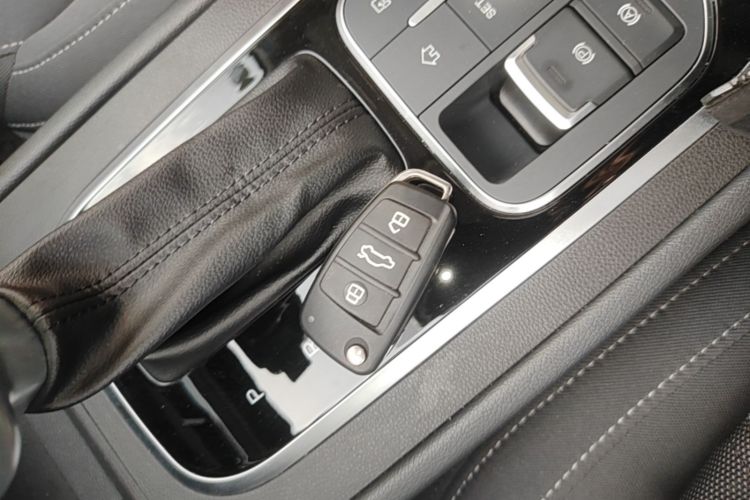
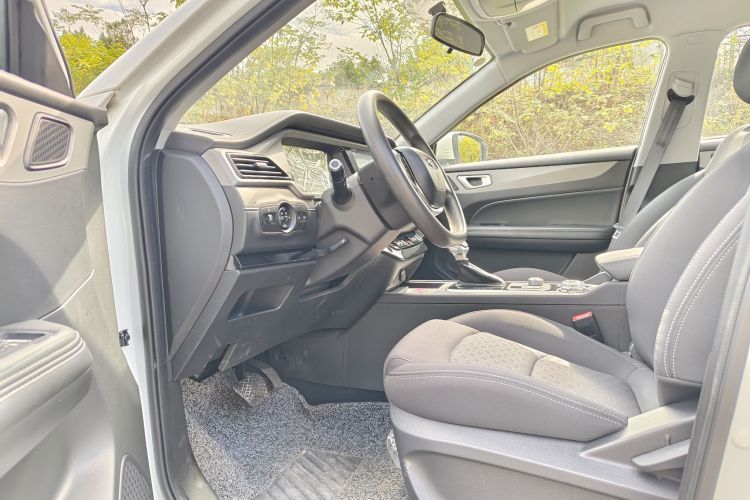
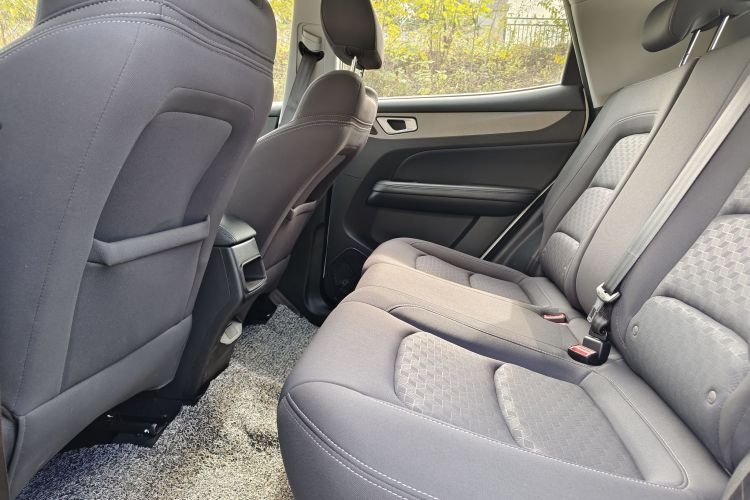
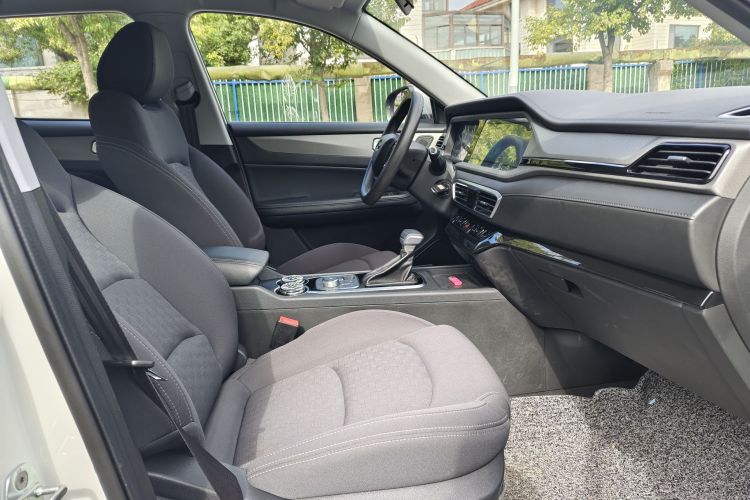



24H

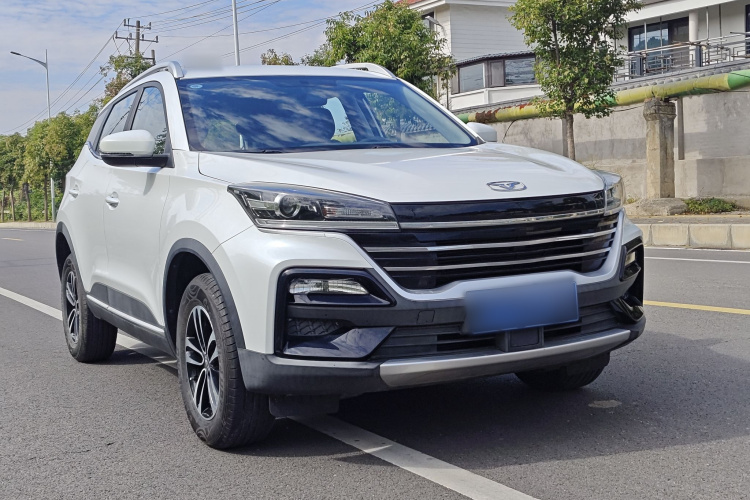
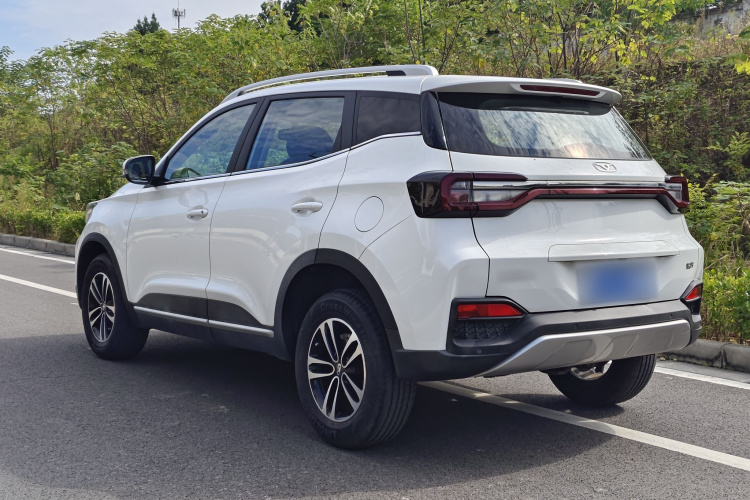
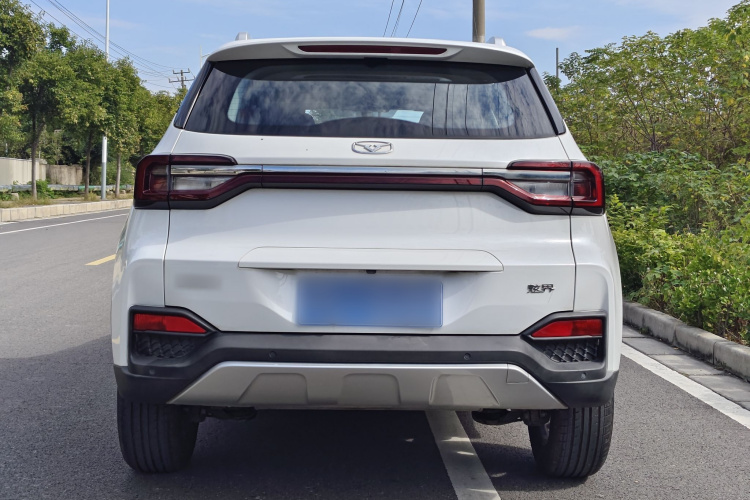
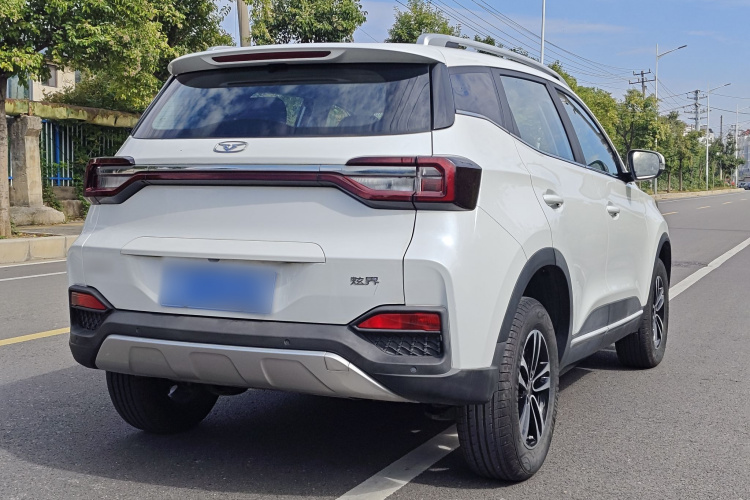
Basic Information

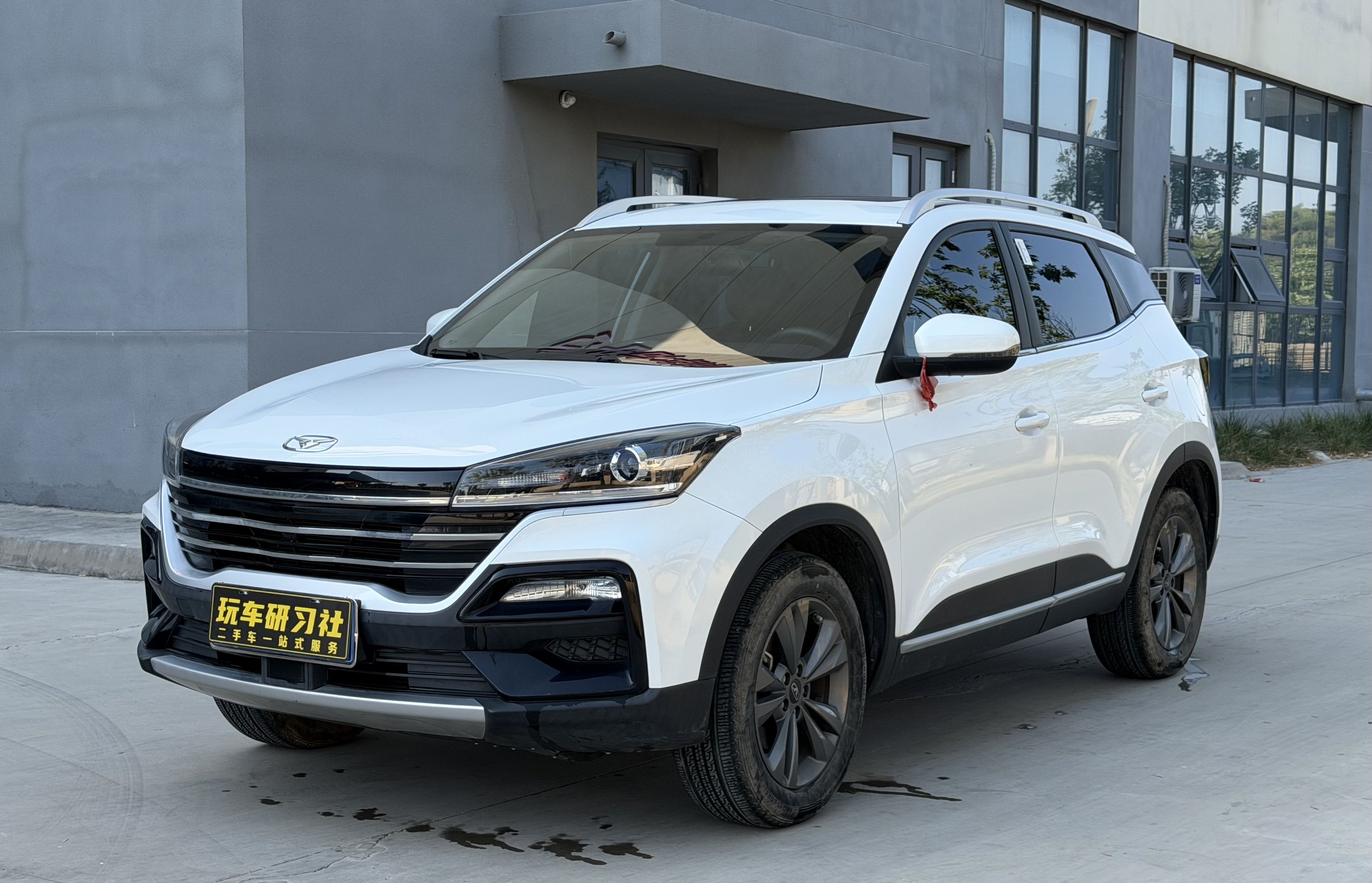
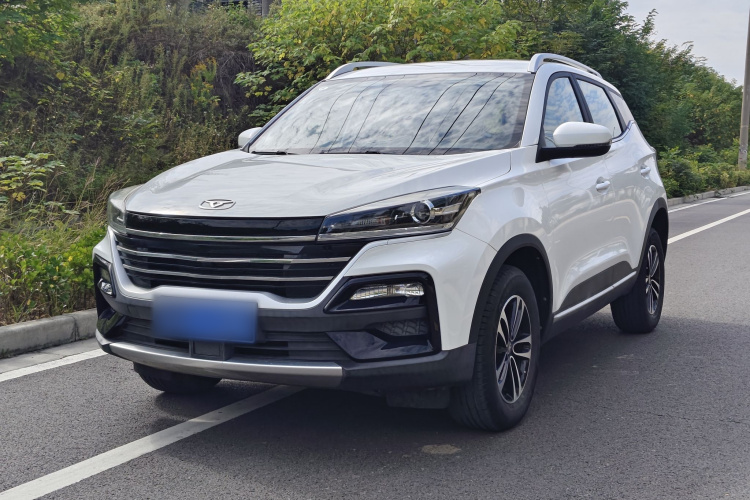
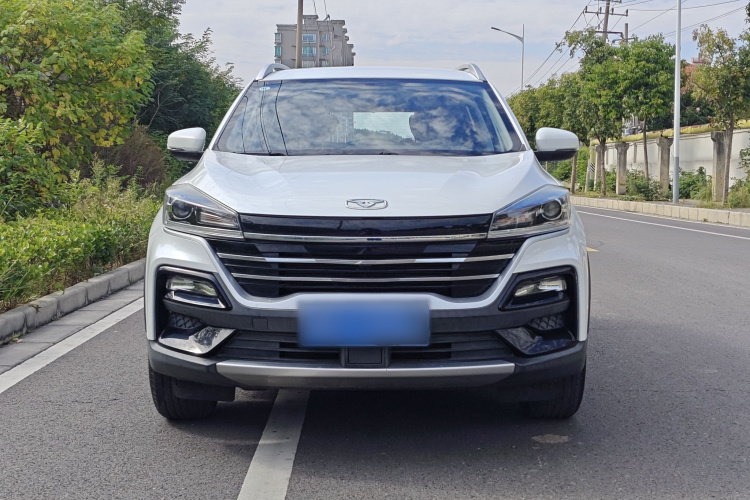
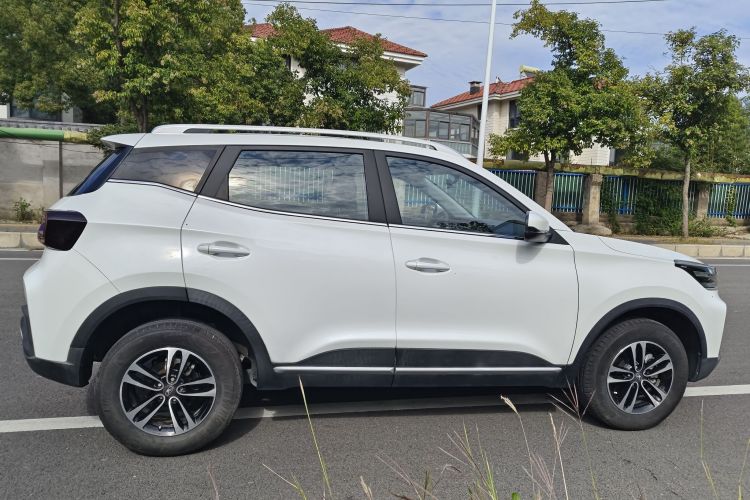
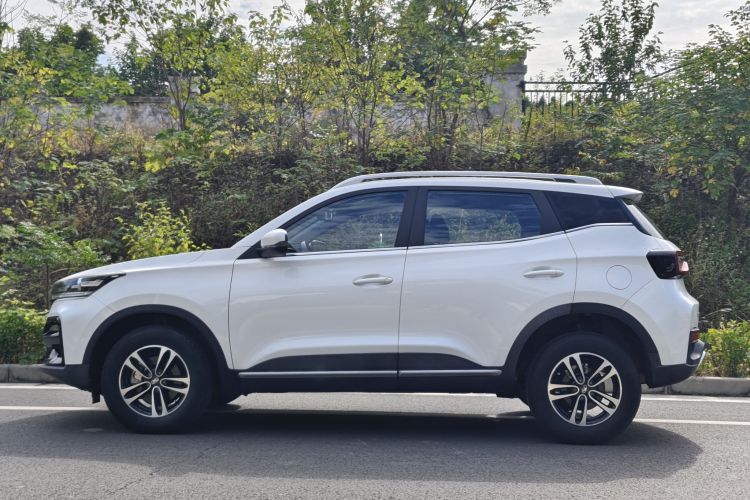
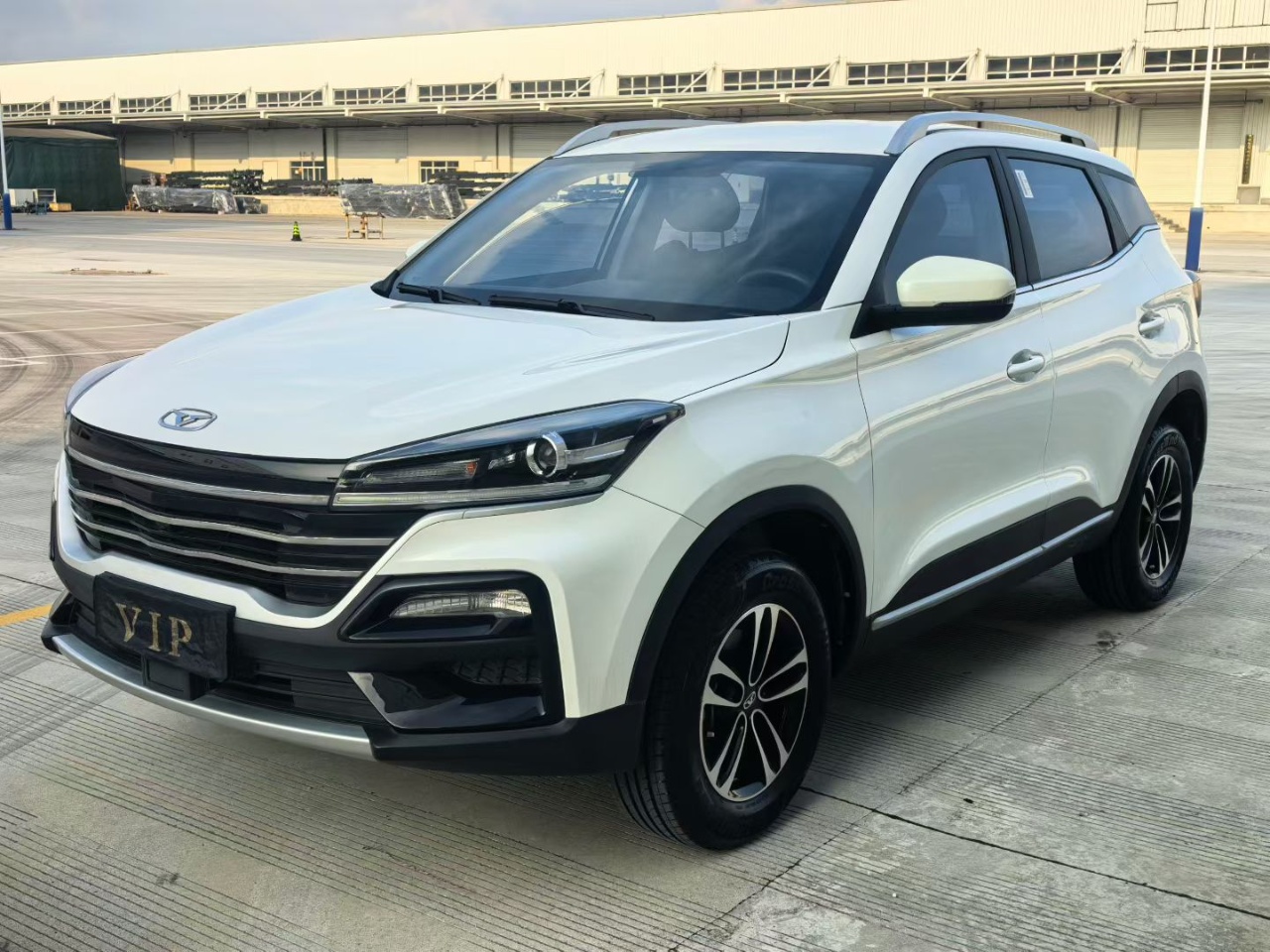
BrandKaiyi
SeriesShowjet
Year2022
First Registration2022/09
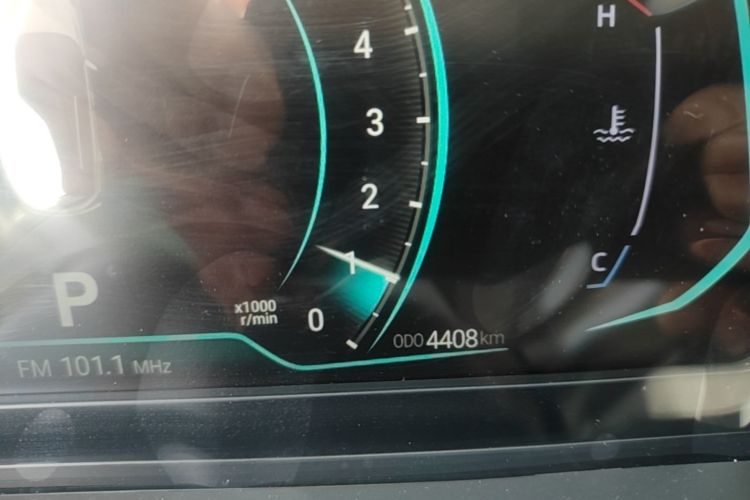
Mileage4,400km
Transfer Count0times
FuelGasoline
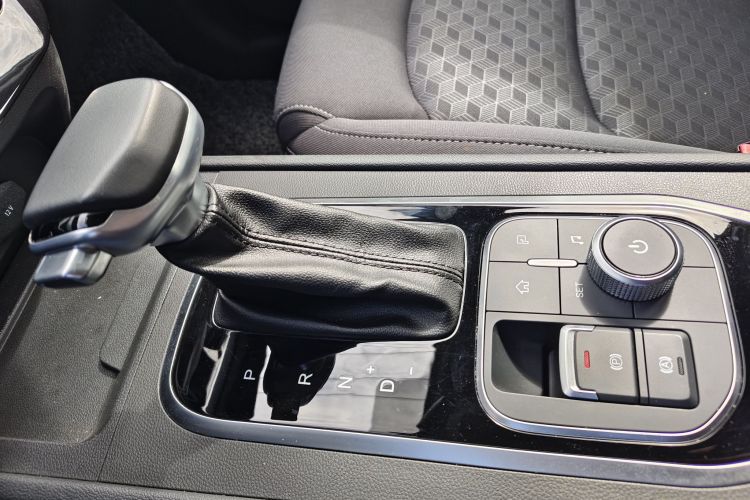
TransmissionCVT
Engine1.5L 116 L4
Color
Seats-

Condition Description

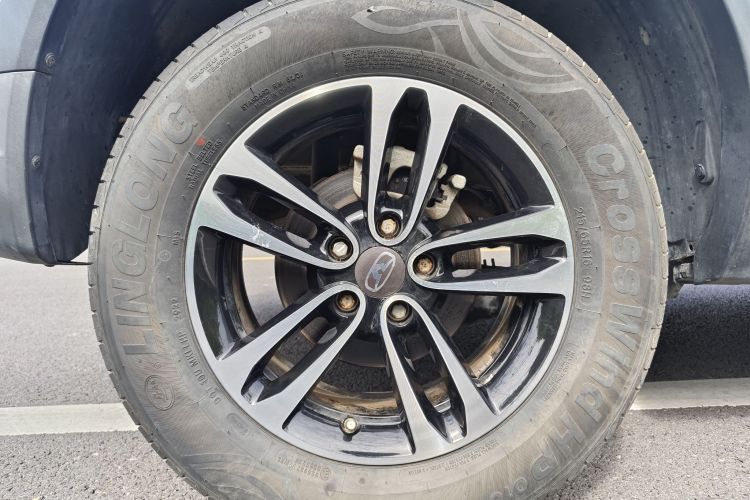
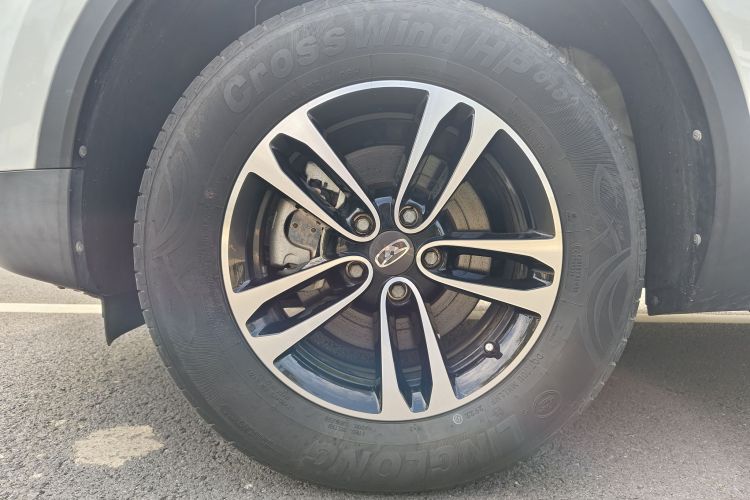
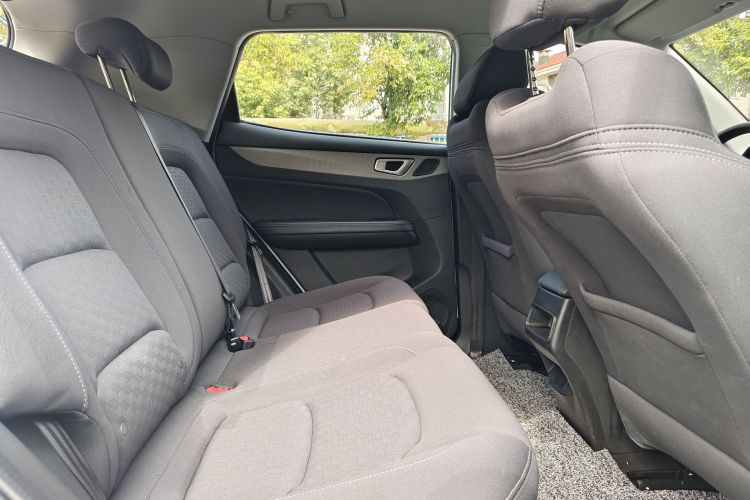
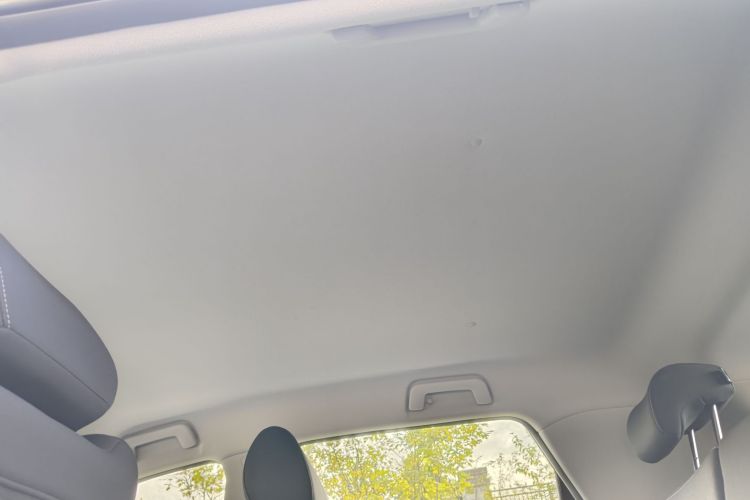
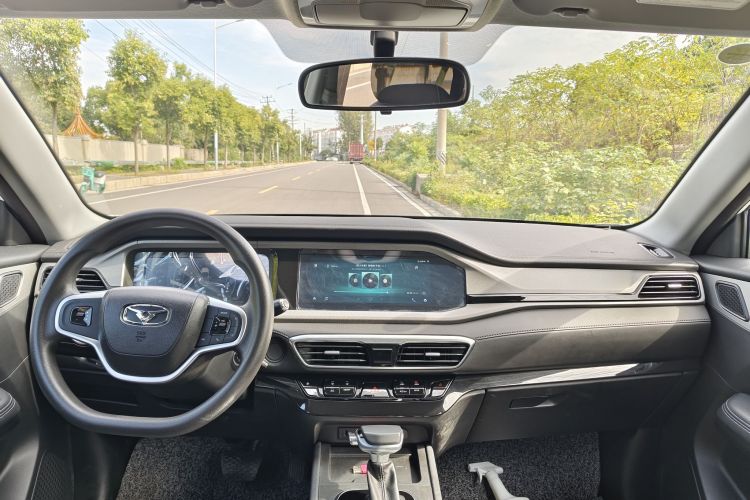
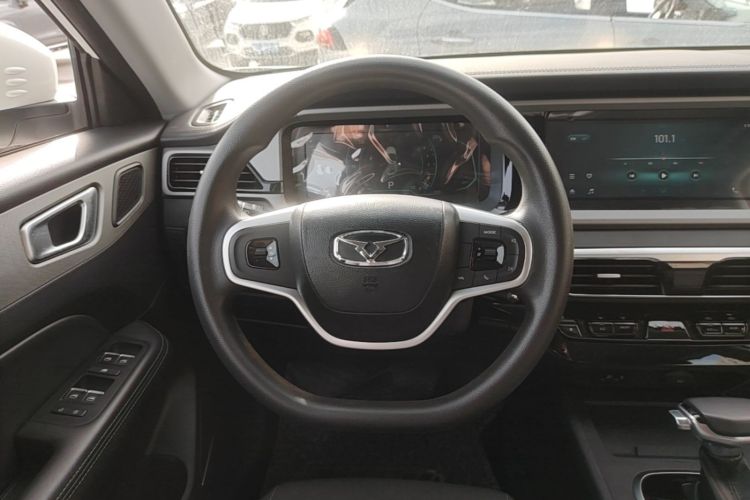
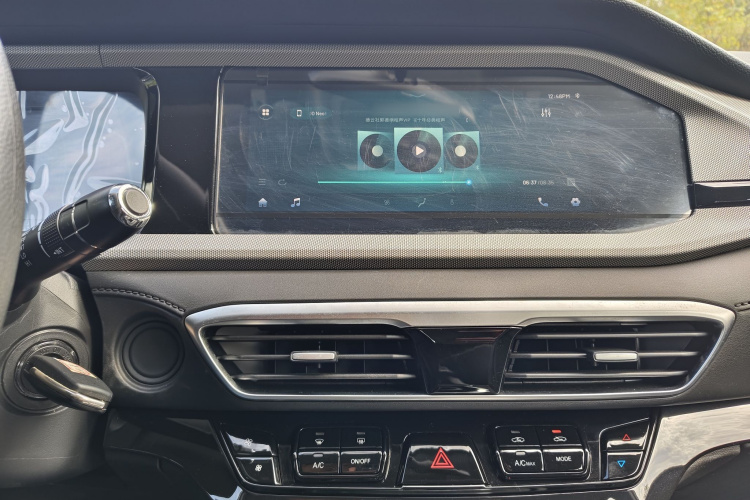
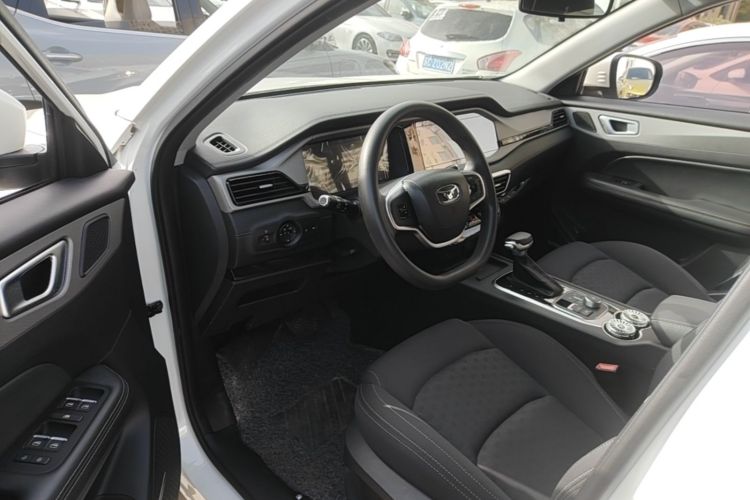
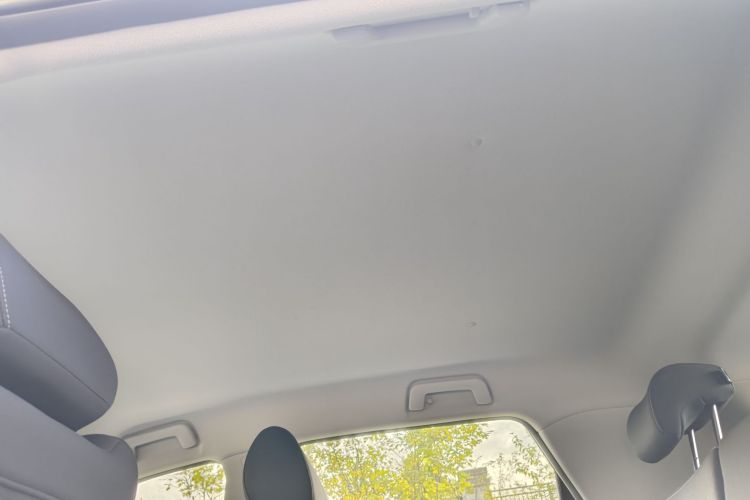
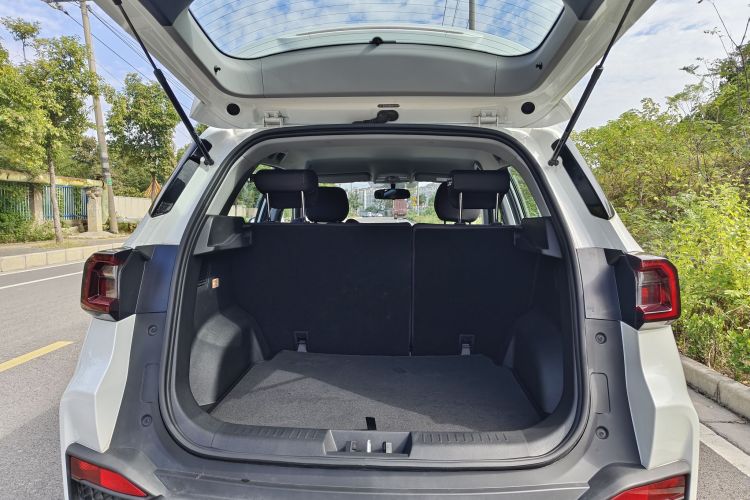
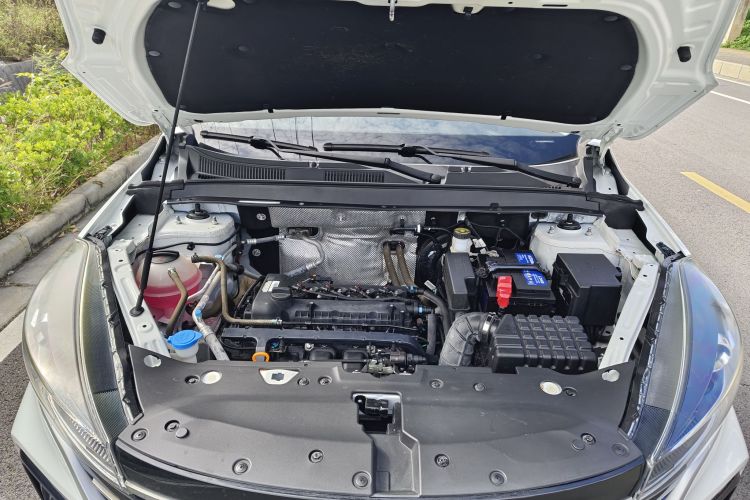
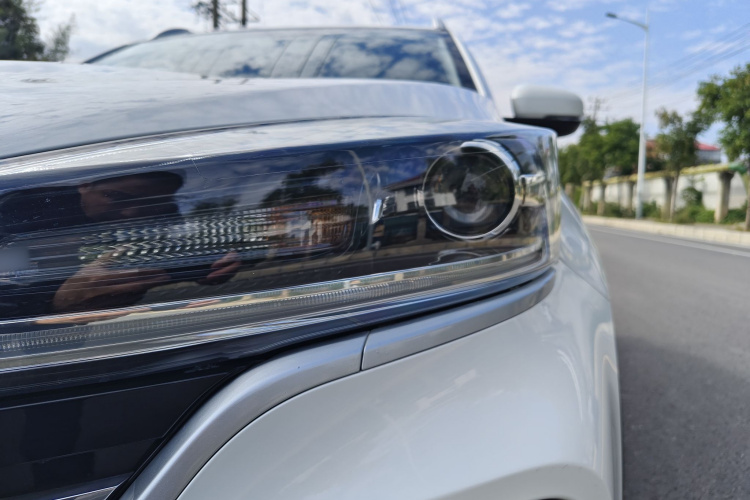
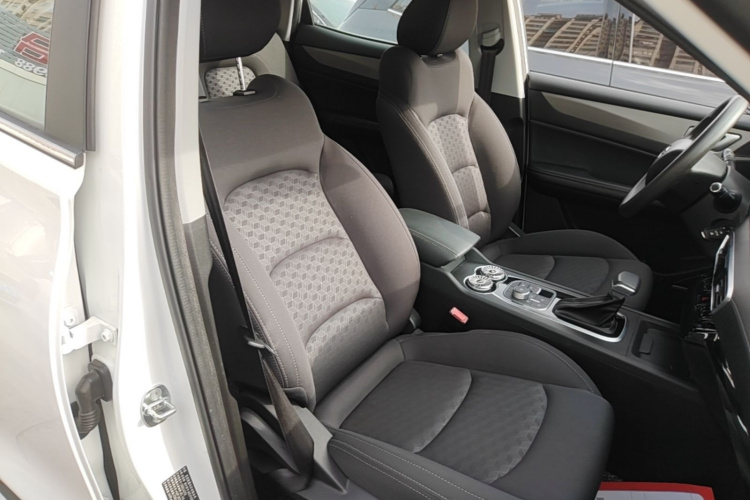
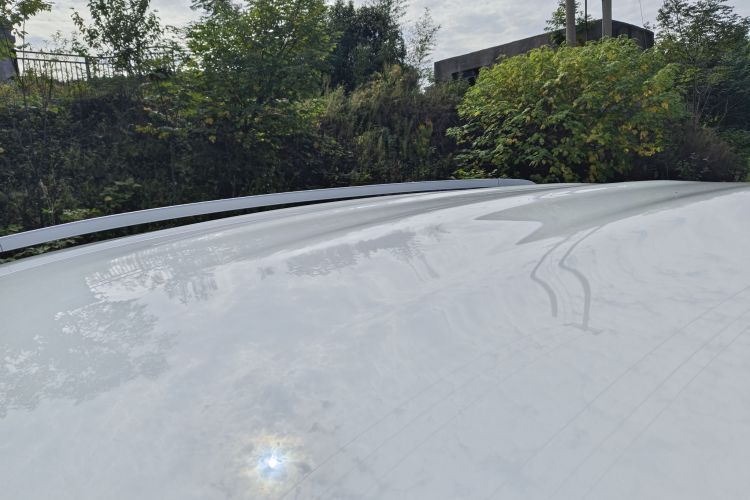
Excellent basic condition | 0 insurance claims | 0 transfers

Q&A

More

What should a purchase contract with a Chinese used-car exporter include to protect me?

A solid contract is your main protection in a cross-border deal. It should specify: 1. Vehicle identification: VIN, year, mileage, trim level, and photos of the actual car appended as an annex — not just「a 2021 Toyota」. 2. Condition guarantees: no accident, no flood or fire damage, no structural repairs, supported by a third-party inspection report referenced in the contract. 3. Price and Incoterm: total amount, currency, the named port, and whether freight and insurance are included. 4. Payment schedule: e.g., 20–30% deposit after contract signing, balance against copy of the Bill of Lading. Avoid 100% upfront. Use T/T to the company's corporate bank account only — never a personal account. 5. Timeline: inspection date, estimated loading date, and latest shipment date, with remedies if delayed. 6. Dispute clause: governing law and arbitration (CIETAC or your local chamber) rather than foreign court litigation. Ask for the contract in English (or bilingual) with the supplier's company chop. A company that refuses a written contract or pushes for full prepayment is a red flag.
Are the quality assessment standards for used commercial vehicles (pickups, light vans) the same as for passenger cars?

Completely different. The assessment of commercial vehicles focuses on: the extent of wear/deformation in the cargo area, whether the frame has been twisted due to overload, the fatigue of the leaf springs, and the emissions of the diesel engine. Minor exterior scratches carry very little weight in the assessment of commercial vehicles.

How can I check the body and paint quality of a used car from China to spot hidden accident repairs?

Ask the exporter for a paint thickness gauge report, or request a live video where they measure the car in front of you. What to look for: · Factory paint on most Chinese cars measures 80–120 microns. Readings above 150–200 microns on a panel usually mean repainting; above 300 microns often means body filler (putty) underneath. · Inconsistent readings between panels (e.g., left door 95µm, right door 180µm) suggest the right side was repaired. · Check gaps between panels (doors, hood, trunk). Uneven gaps or misaligned headlights/bumper clips point to past collision repairs. · Look for overspray on rubber seals, plastic trim, or inside door jambs — a clear sign of repainting. · Check bolt heads on fenders, doors, and hood. Wrench marks or fresh paint over bolts mean the panel was removed. Combine these checks with an OBD scan for airbag or crash-related fault codes. Any repainting should be declared by the seller; if discovered undeclared, you have grounds to renegotiate or reject the car.