


Stock

Basic Information

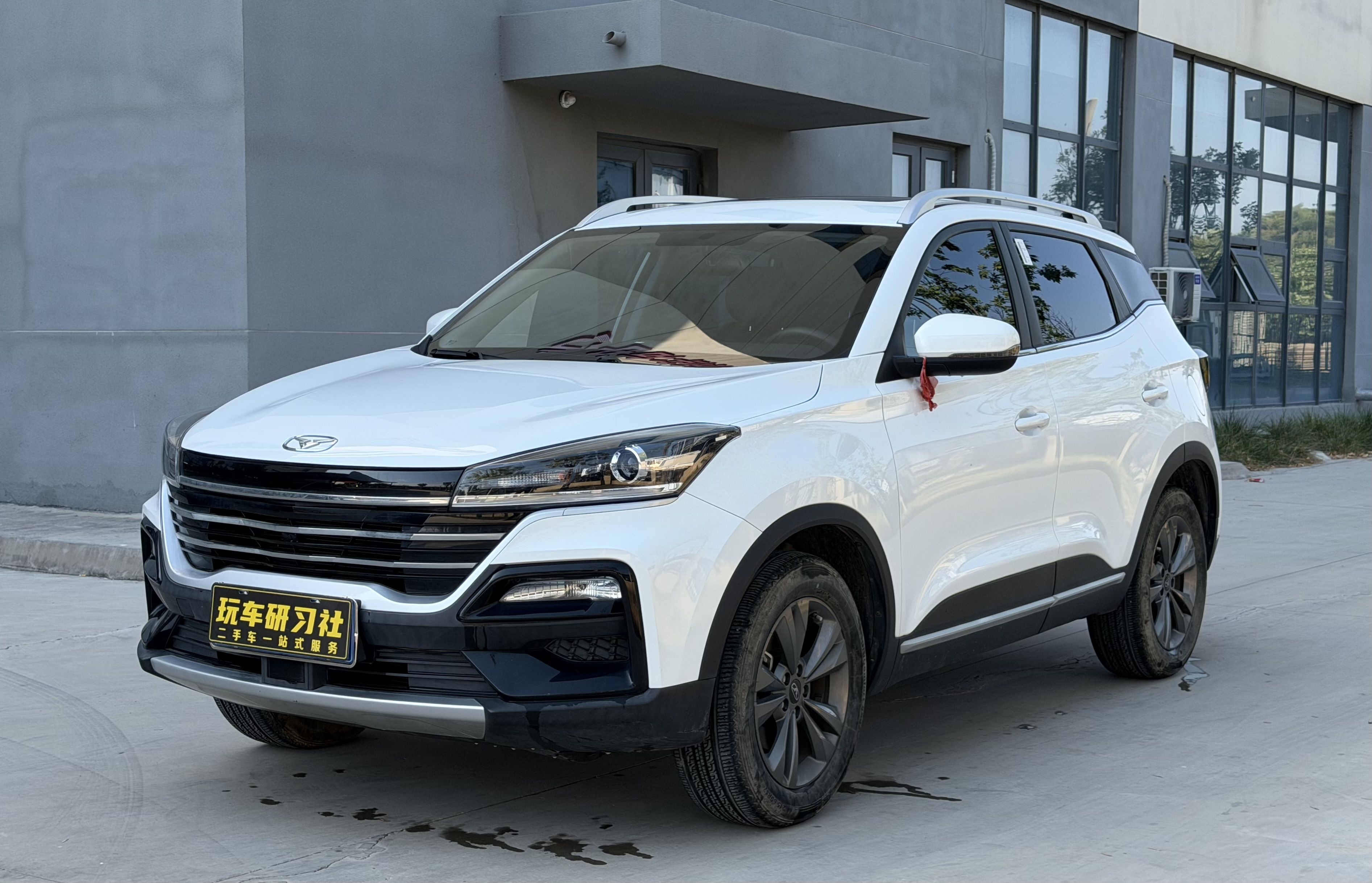
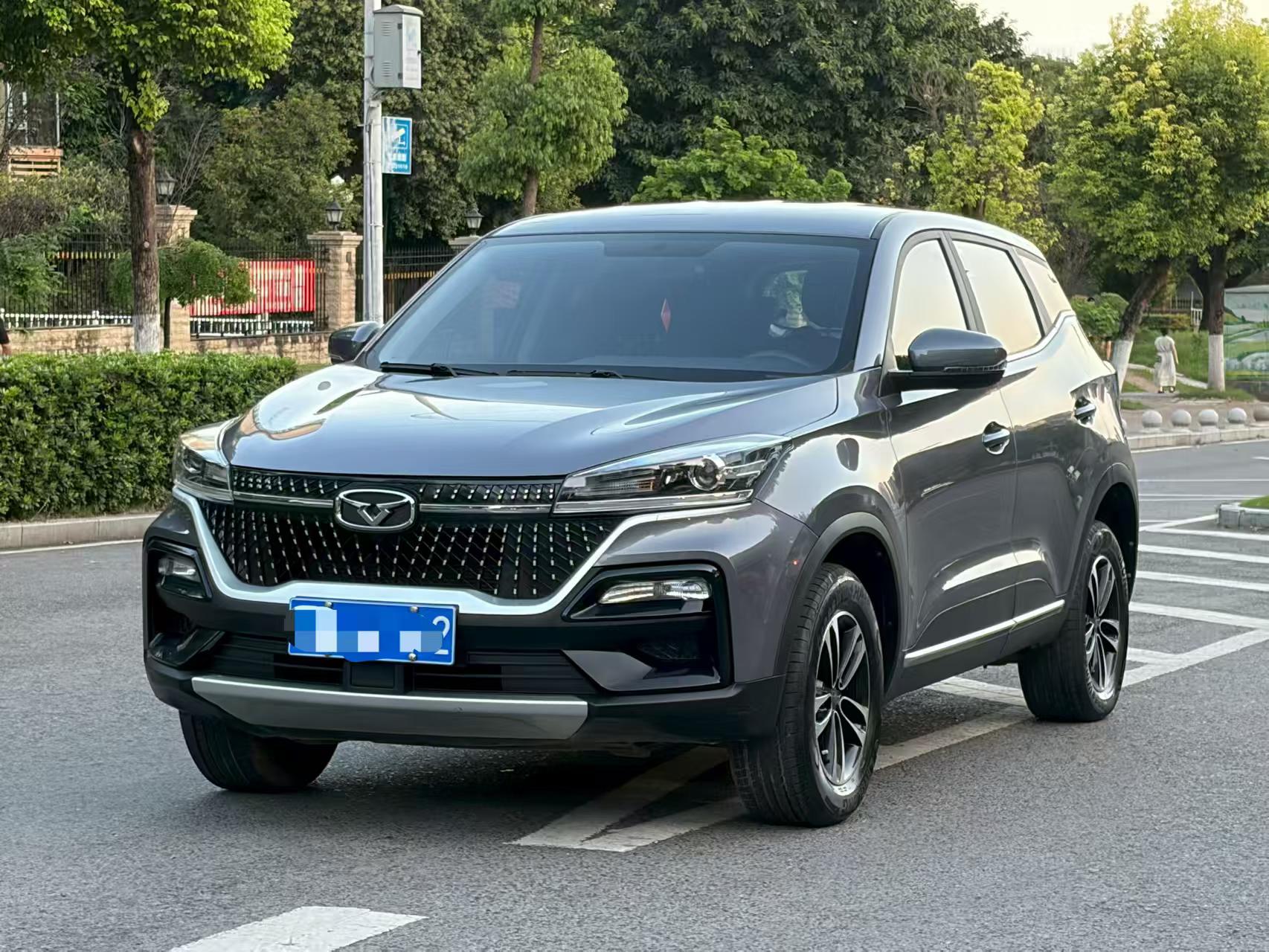
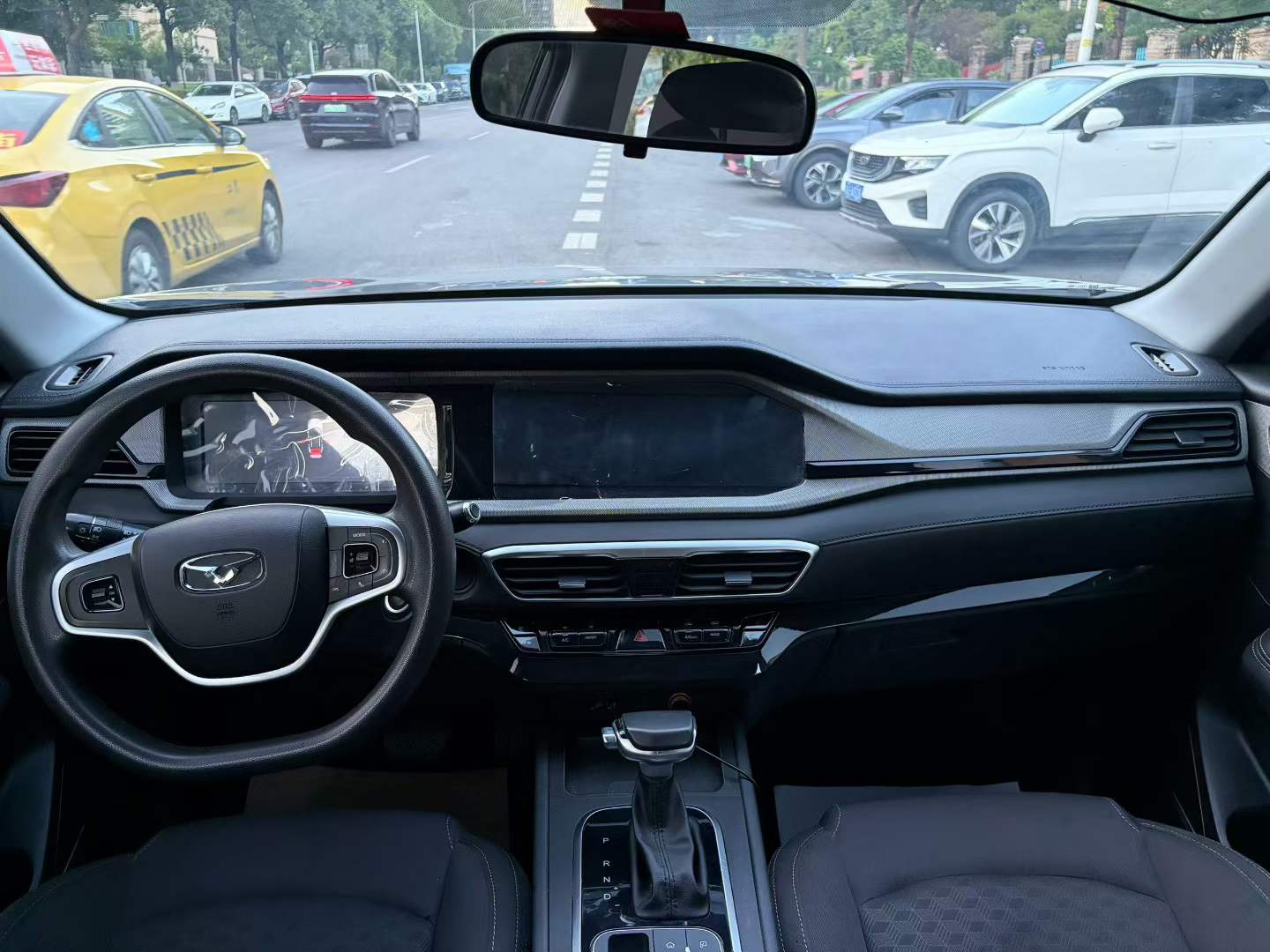
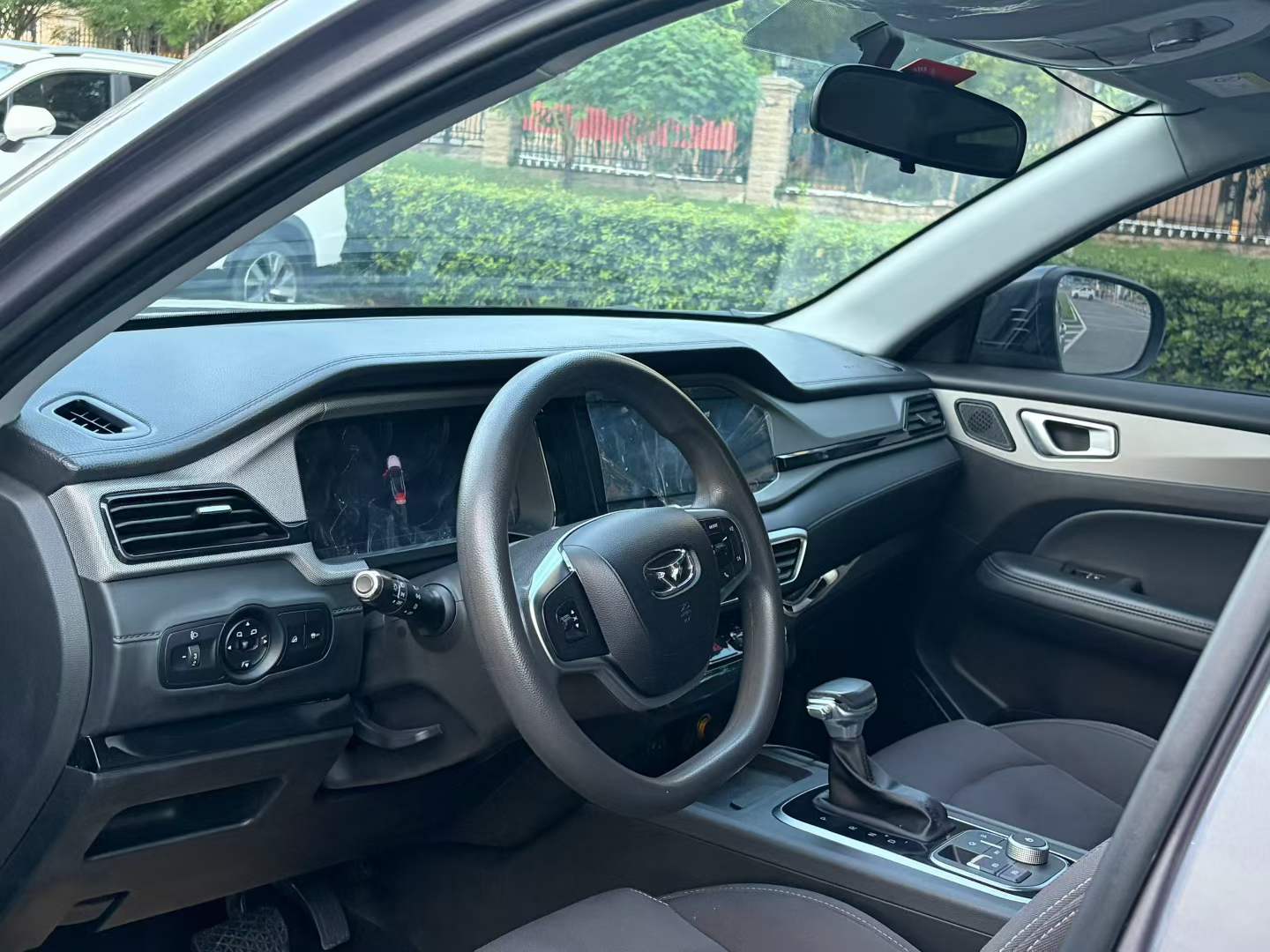
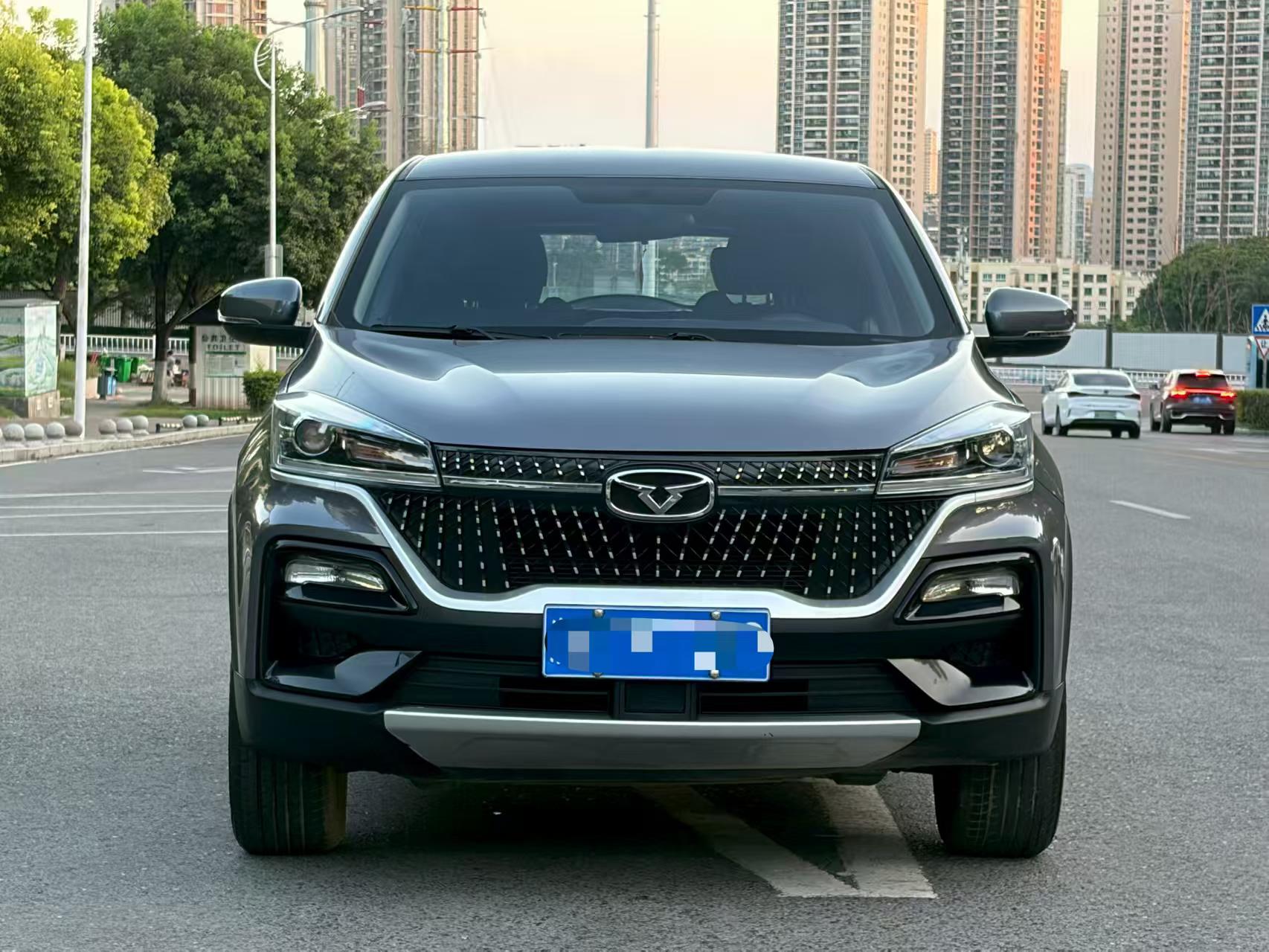
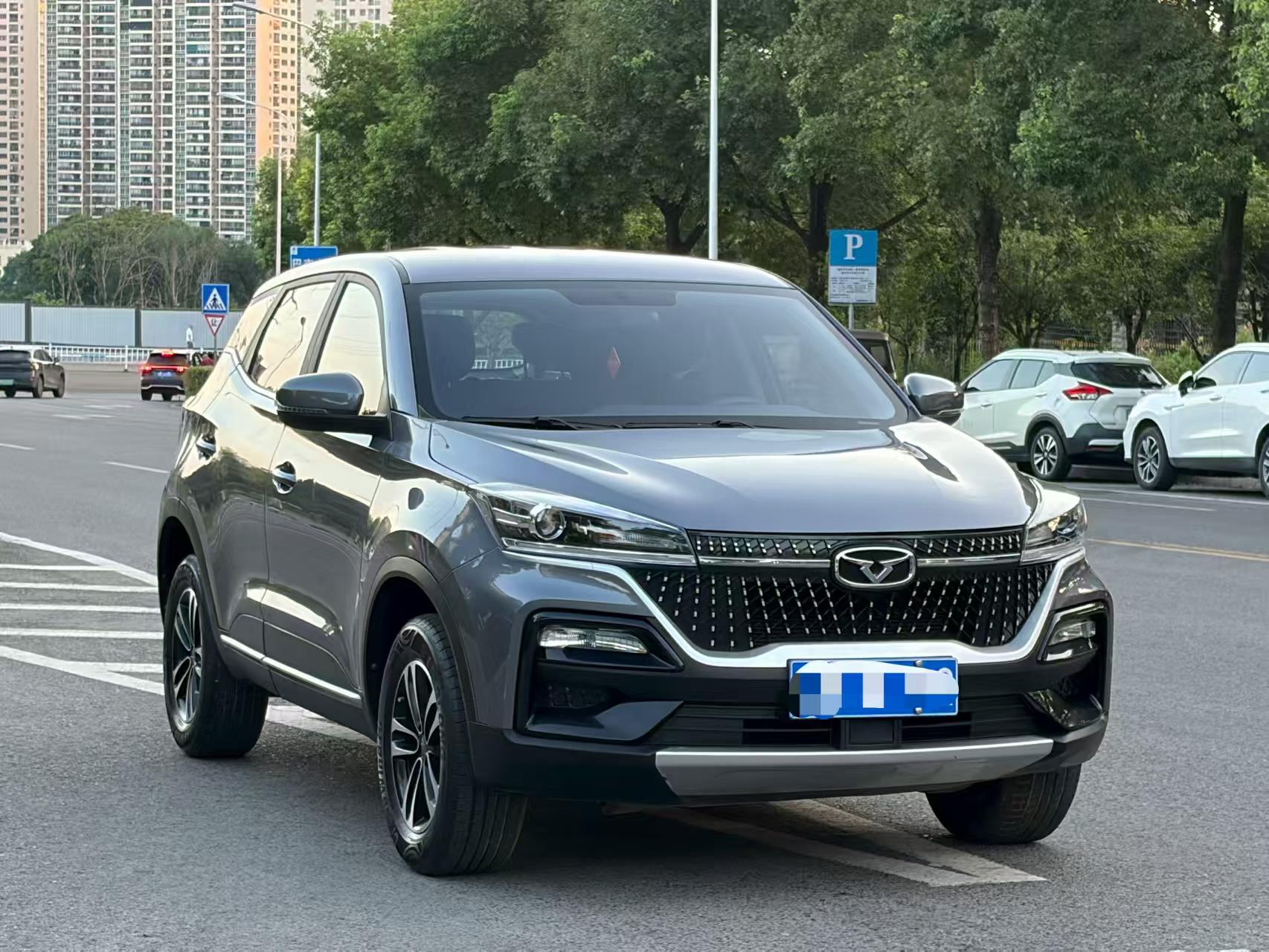
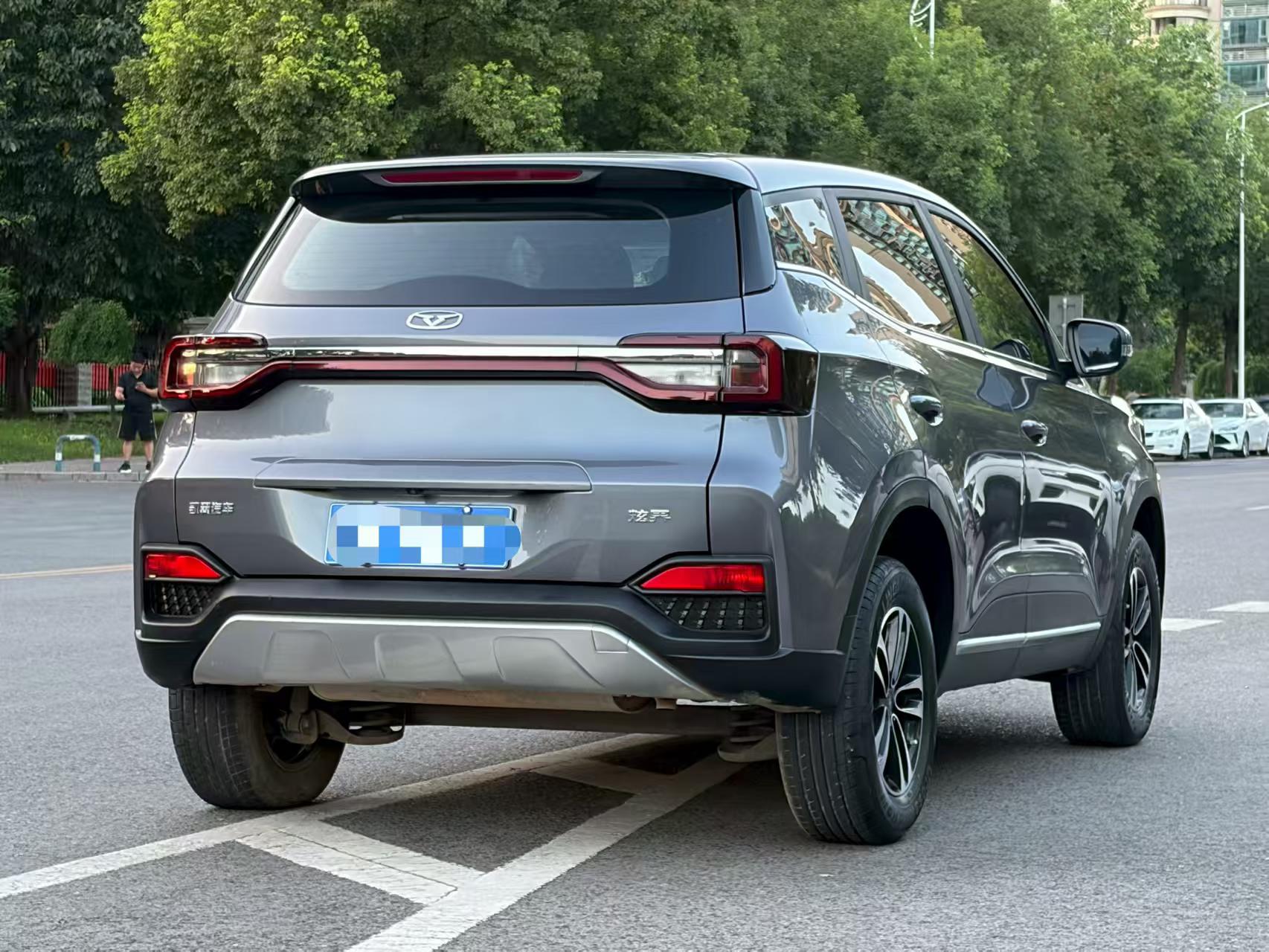
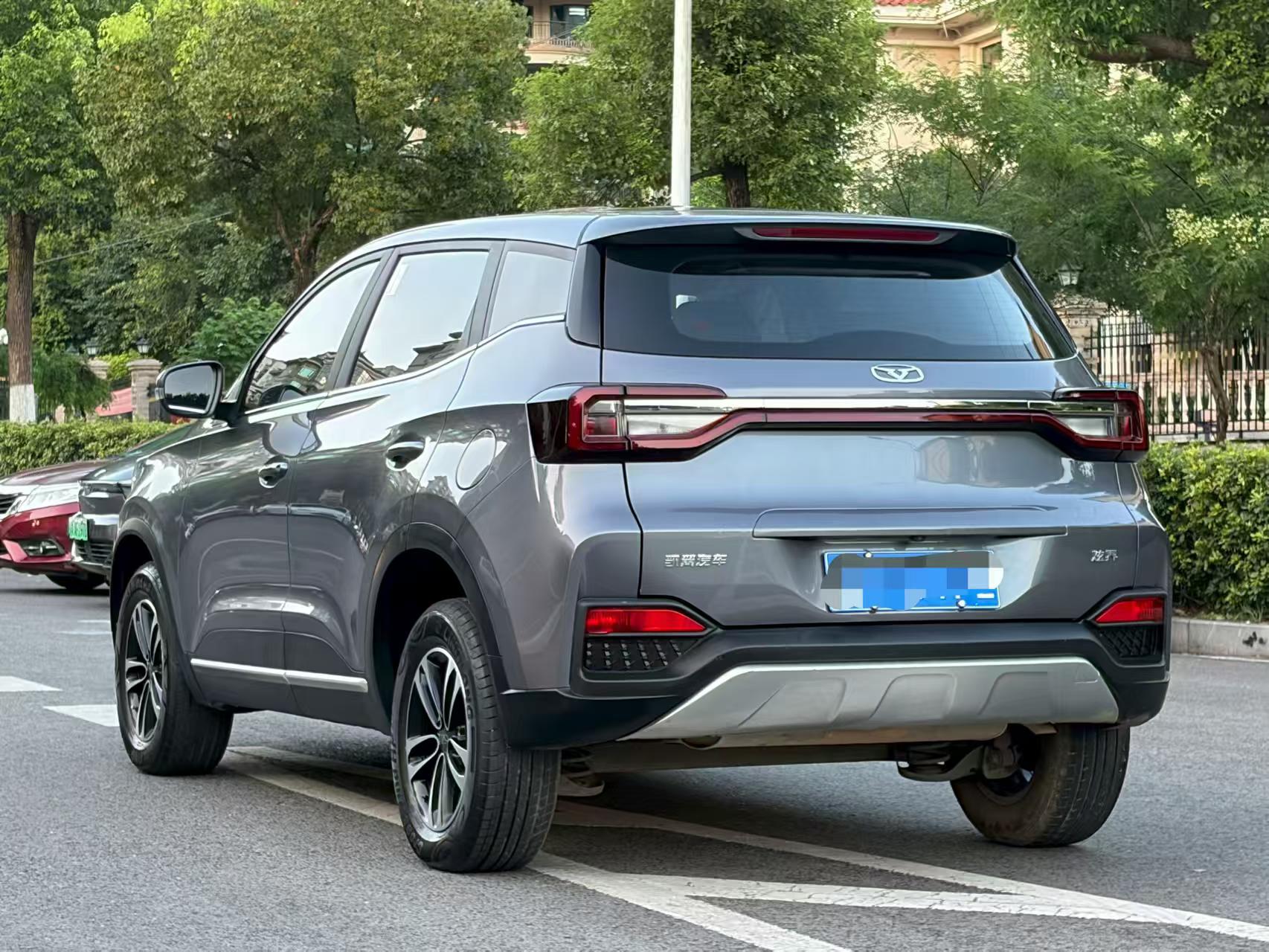
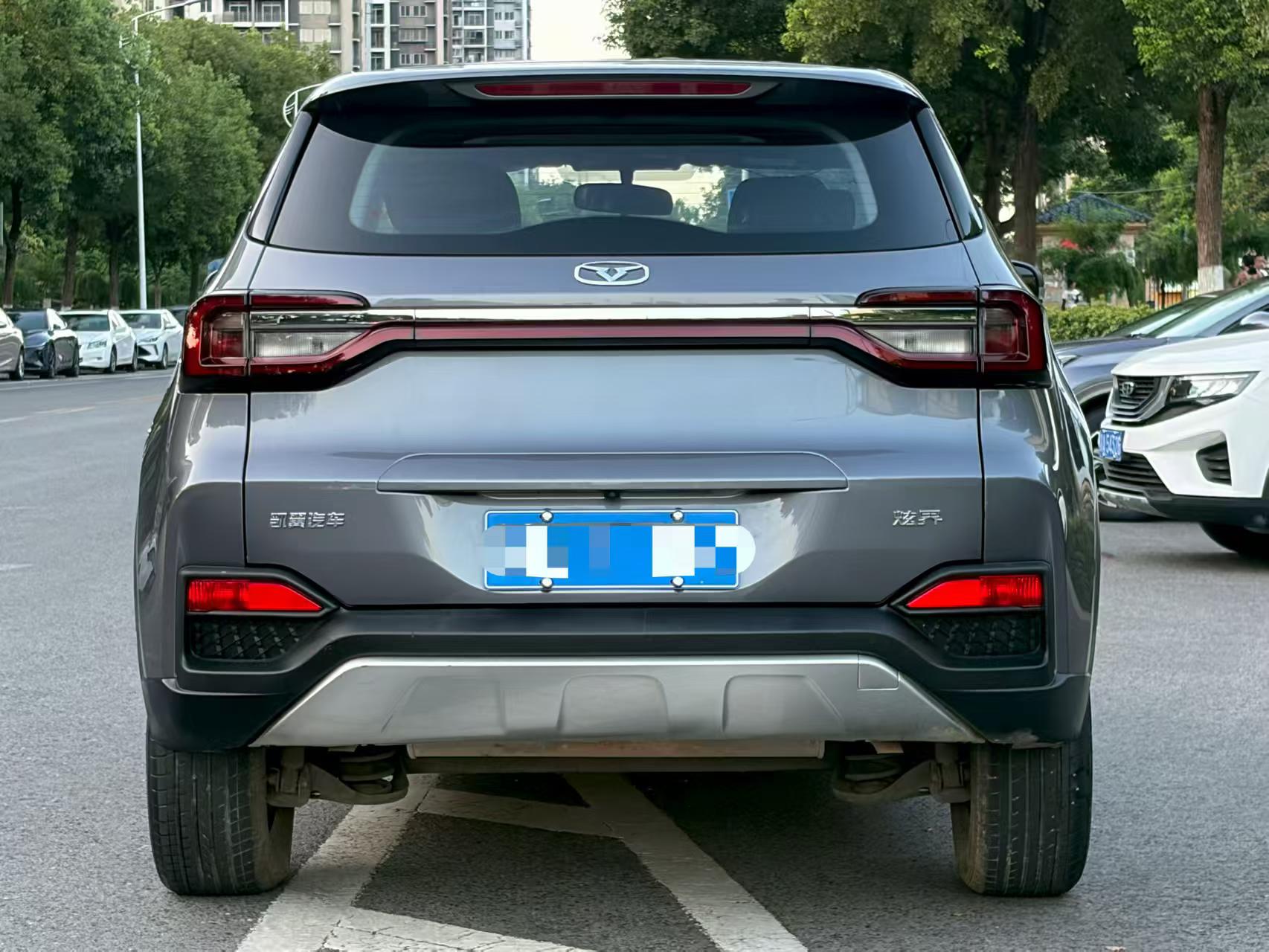
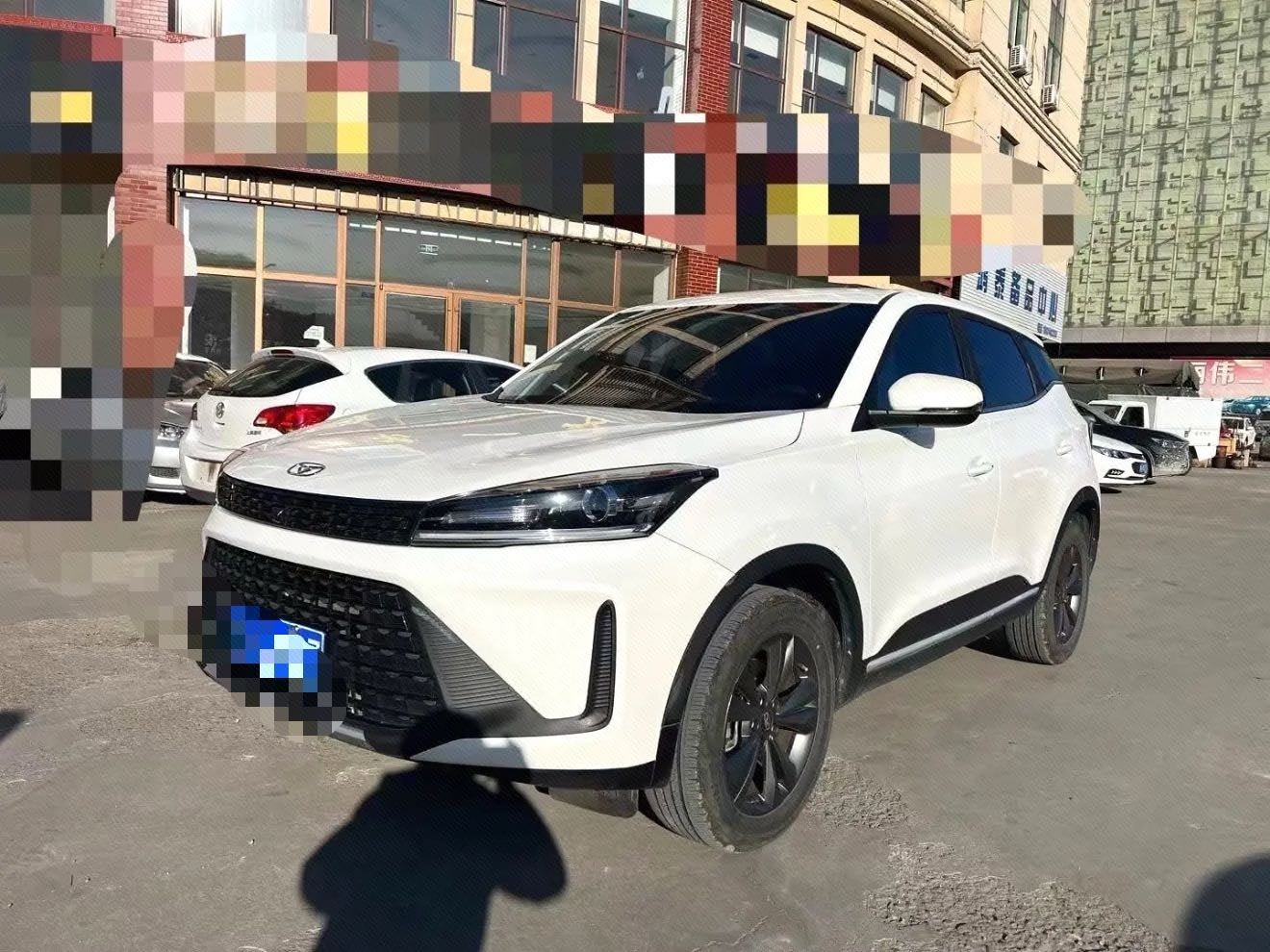
BrandKaiyi
SeriesShowjet
Year2023
First Registration2023/12
Mileage39,000km
Transfer Count0times
Fuel-
Transmission-
Engine-
ColorGrey
Seats-

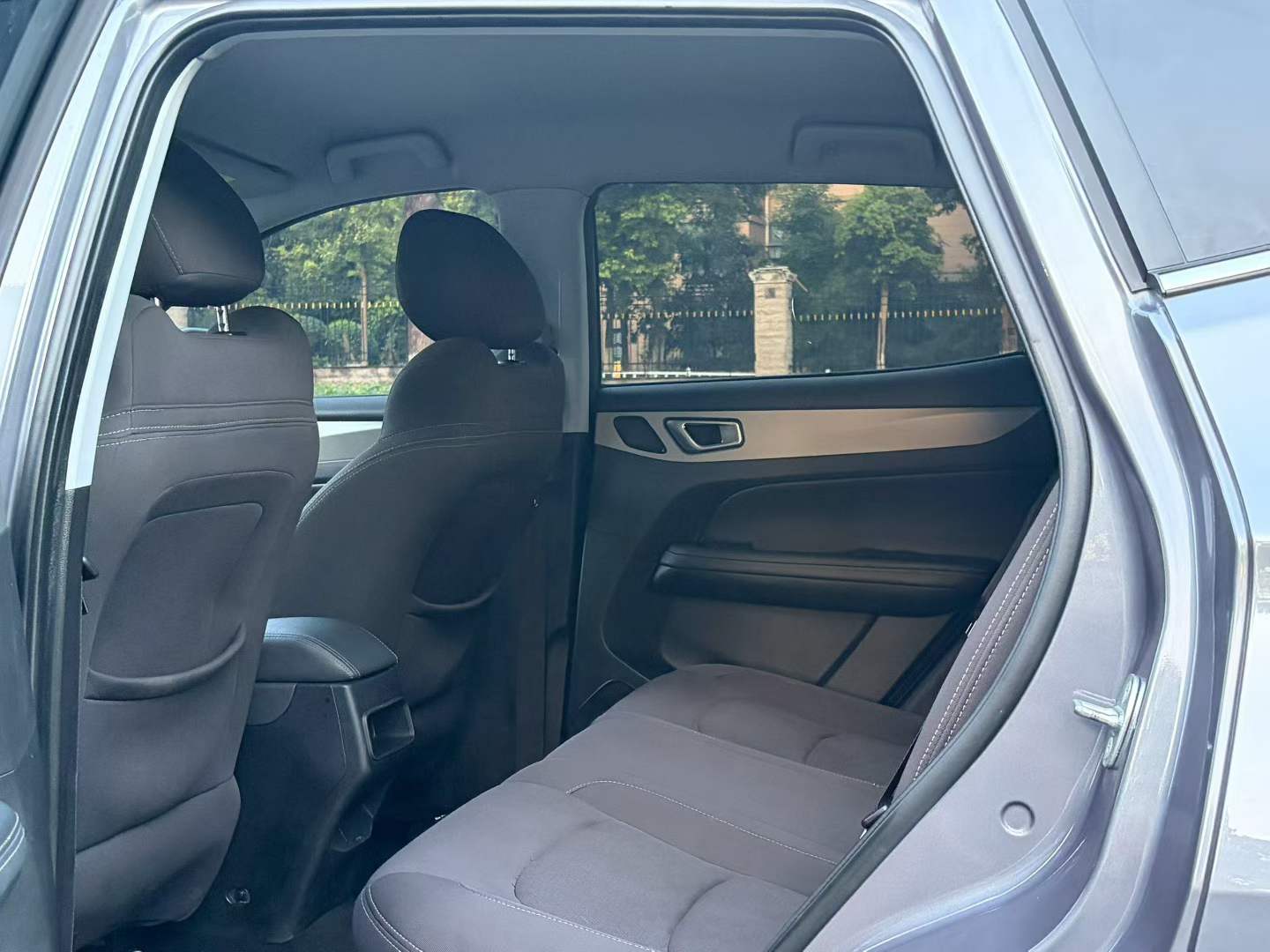
Condition Description

Partial sheet metal work on the right rear door. Manufacturing date: September 23rd.

Q&A

More

Beyond the car price, what costs should I budget when importing a used car from China?

A realistic budget has several layers beyond the vehicle price. First, inland logistics in China: moving the car to the export port typically costs $300-$800. Second, export handling: inspection, customs declaration and paperwork usually add $500-$1,000. Third, ocean freight. A 20ft container to most destinations runs $1,200-$3,000 depending on route; RoRo shipping can be cheaper for driveable cars. Add marine insurance, usually 0.3%-0.5% of the car value. Fourth, destination charges: port handling, customs duties, VAT/GST and local registration fees. These vary widely; some countries charge duties of 20%-80% of the vehicle value plus an excise based on engine capacity. Finally, any compliance work: inspection certificates, modifications to meet local standards, or homologation. Ask your exporter for a full CIF quote and have a local customs broker confirm destination taxes before you commit.
Is a four-wheel alignment or dynamic balance test done before the vehicle is sent to the port?

It's not mandatory. Four-wheel alignment and dynamic balance are part of routine maintenance. During long-distance towing and sea transport, the suspension may experience slight changes in stress. We recommend that buyers perform a four-wheel alignment locally after picking up the vehicle at the destination port and replacing tires suitable for local road conditions.

What kind of after-sales support can I expect if a problem appears after the car arrives?

Cross-border after-sales support mainly comes from three channels: 1. Contract terms: Reputable exporters commit in the sales contract to engine and gearbox coverage for 30 days after pickup, excluding wear-and-tear items. Get this in writing before paying. 2. Inspection report: The pre-shipment inspection report is your baseline. If the car arrives with problems that contradict the report (e.g., hidden accident damage not disclosed), you can file a claim against it. 3. Parts supply: For mainstream Chinese brands, spare parts channels exist in Russia, Central Asia, the Gulf, and Africa. Many exporters will help you source and ship parts after delivery. Practical tips: inspect the car on arrival and photograph everything; report any issue in writing within 48 hours; keep all shipping documents. Claims filed weeks later are hard to prove.