






Basic Information

BrandKaiyi
SeriesShowjet
Year2023
First Registration2023/04
Mileage42,000km
Transfer Count0times
FuelGasoline
TransmissionCVT
Engine1.5L 116 L4
ColorWhite
Seats-

Condition Description

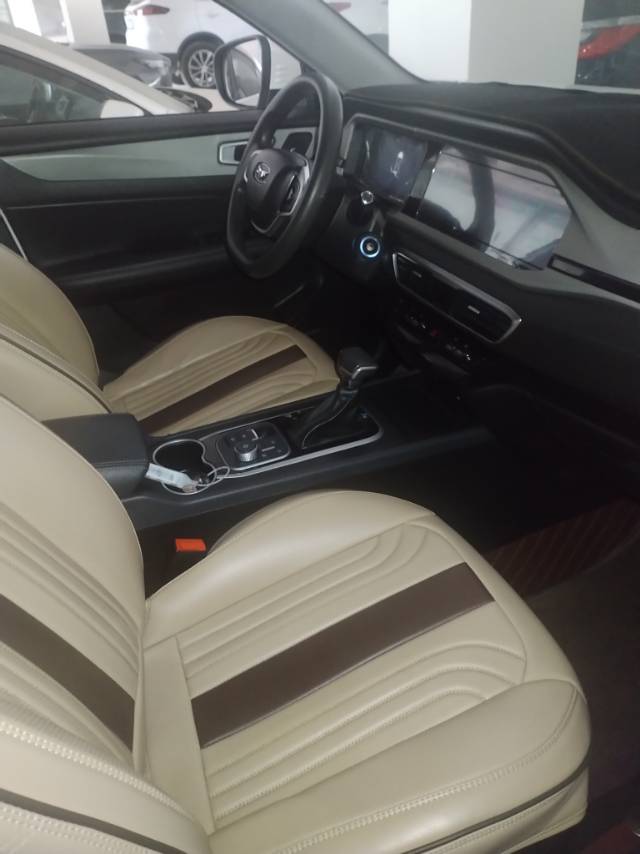
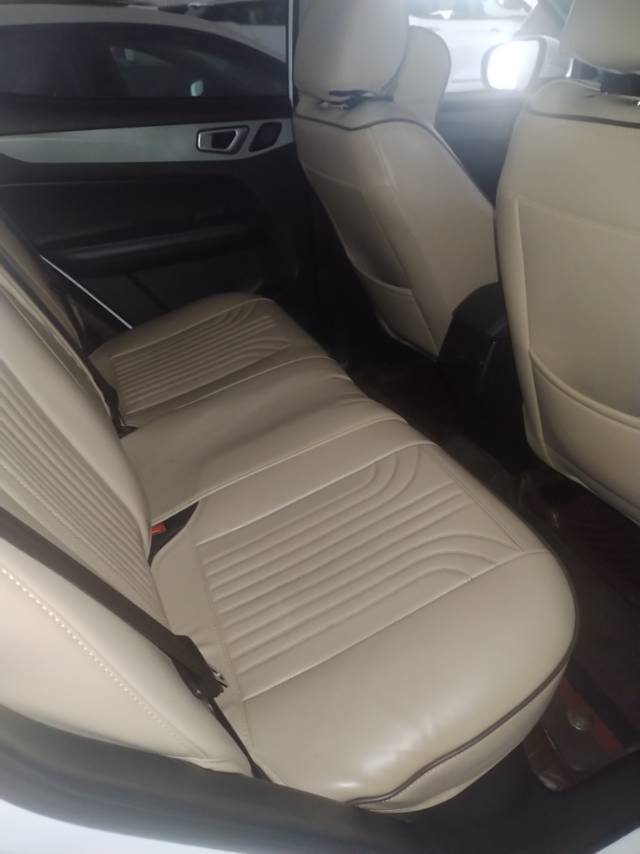
Original condition, one panel repainted, excellent overall condition.

Document Information

Inspection Expiry Date-
Warranty Expiry Date-
Insurance Expiry Date2027/04

Q&A

More

Will you provide a full vehicle electronic fault code scan report read by the OBD (On-Board Diagnostics) computer?

Yes. We will use a professional diagnostic tool to scan all vehicle systems, including the Engine Control Unit (ECU), Transmission Control Module (TCM), Anti-lock Braking System (ABS), and Airbag Module (SRS), and provide English screenshots of all current and historical Diagnostic Trouble Codes (DTCs).


Will OTA remote upgrades and mobile app control still work after the vehicle is exported overseas?

We must inform you objectively: Most Chinese car manufacturers' connected services (cloud servers) are restricted by data security regulations and overseas network limitations. Once the vehicle leaves China, the factory-installed SIM card will become inactive. This means that official OTA upgrades and factory mobile app remote controls (like pre-cooling the car or unlocking doors) typically cannot be used overseas. The vehicle will operate as a standalone version, but this will not affect basic driving and physical button functions.

What engine checks beyond a cold start should a pre-purchase inspection of a used Chinese car include?

A cold start tells you a lot, but it isn't enough. Ask your inspector for these additional checks: Compression test: measures cylinder pressure in each cylinder. Consistent readings across cylinders mean healthy piston rings and valves; one low cylinder suggests internal wear. Timing system: listen at idle and at 2000 rpm for chain rattle or belt squeal. On turbo engines, check for play in the turbo shaft and oil in the intake piping. Exhaust analysis: blue smoke means oil burning (worn rings or valve seals); white sweet-smelling smoke can mean head gasket issues; black smoke points to running too rich. Fluid condition: engine oil on the dipstick should not smell burnt or look milky; coolant should be clean without oil traces. Fault codes: a full OBD scan beyond pending codes — look at misfire counters, fuel trim values, and any history codes that were recently cleared. Ask for photos of the dipstick, exhaust at idle and revving, and the live OBD data. These give you an objective engine health record.