

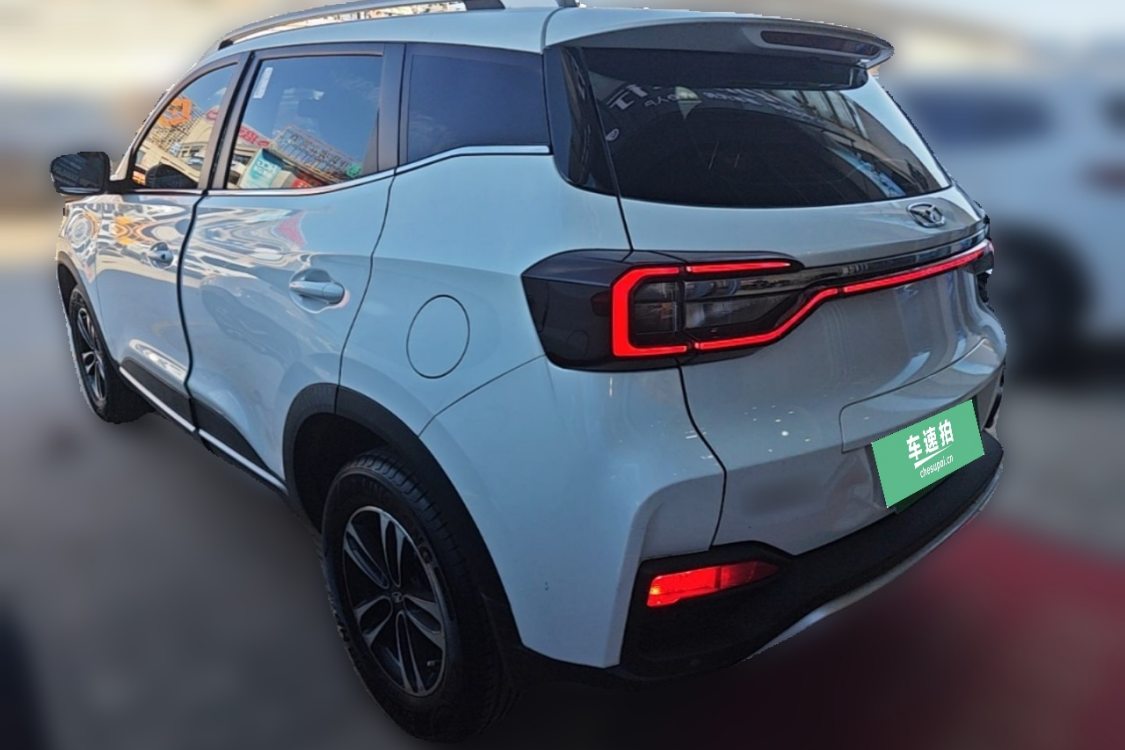
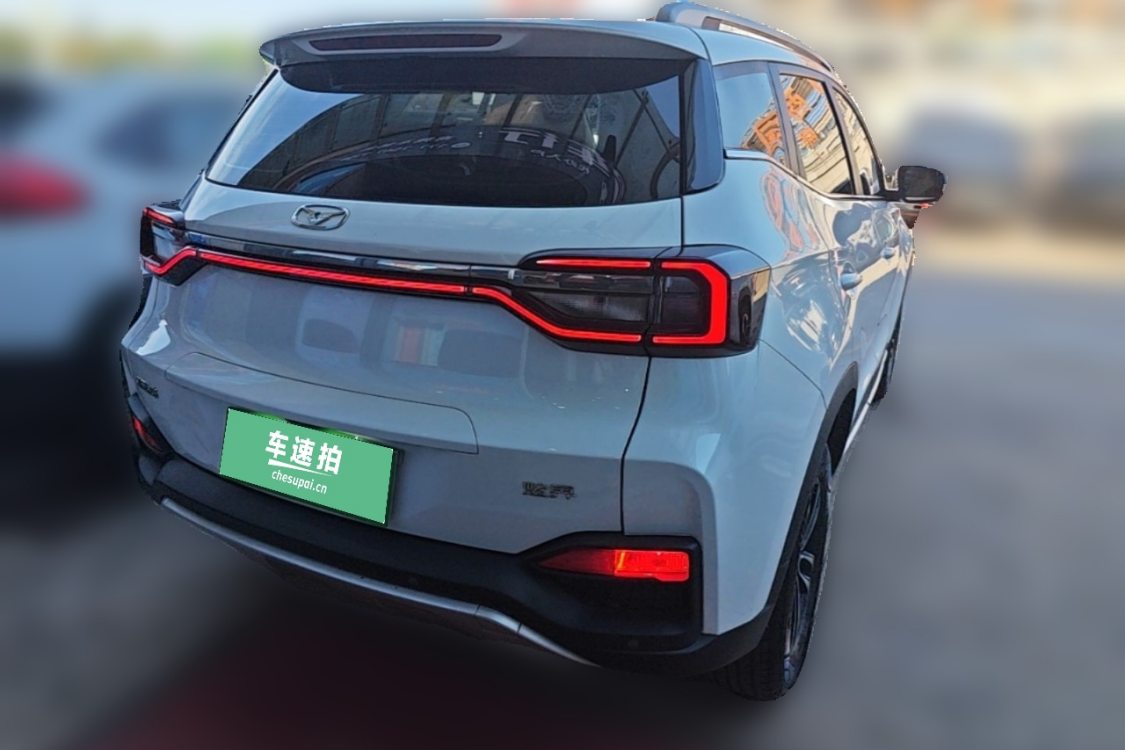
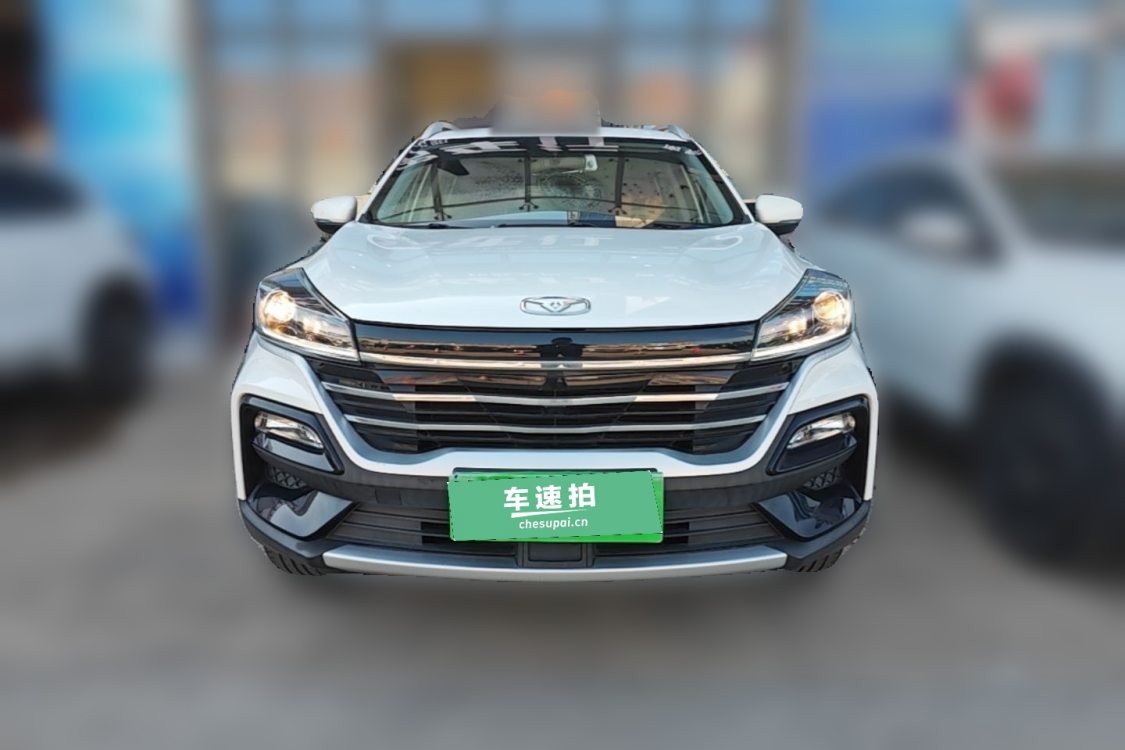
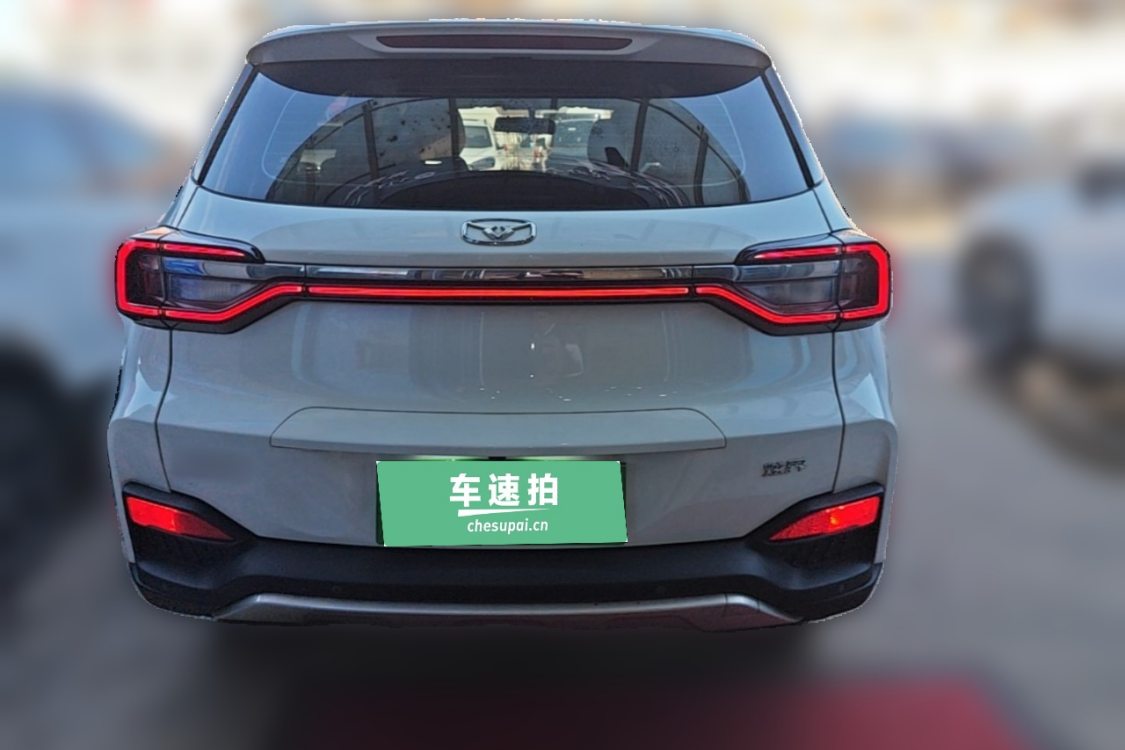



24H

Basic Information

BrandKaiyi
SeriesShowjet
Year2023
First Registration2023/07
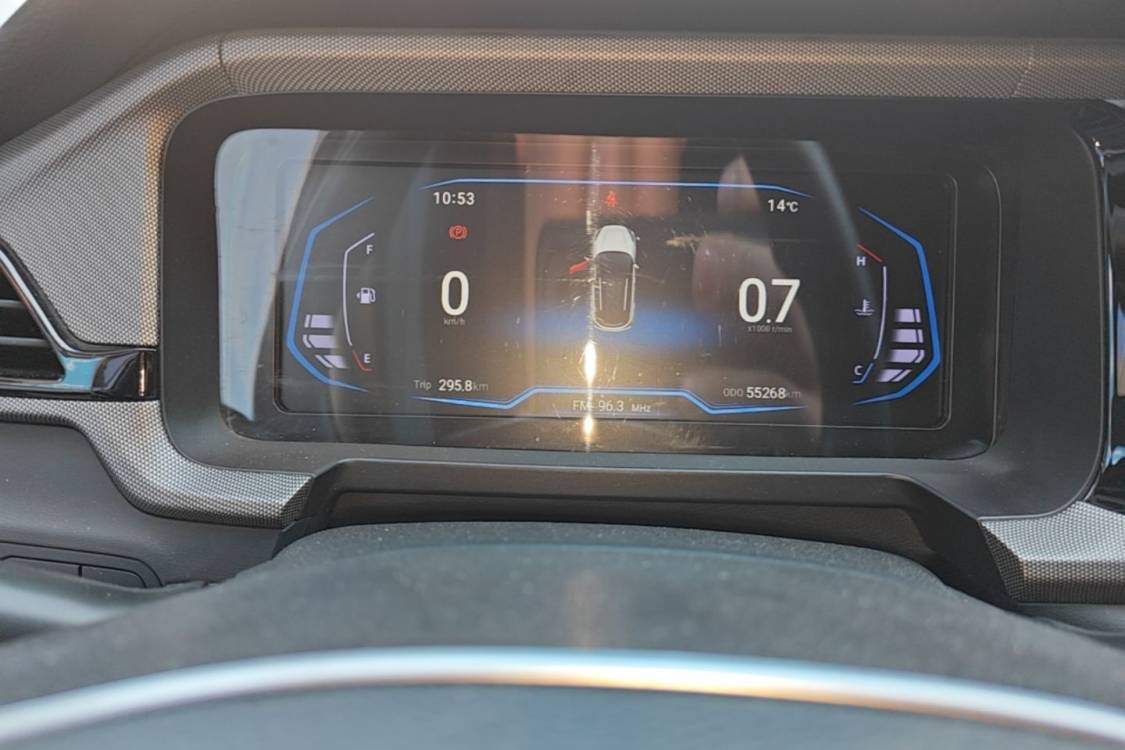
Mileage55,300km
Transfer Count-
FuelGasoline
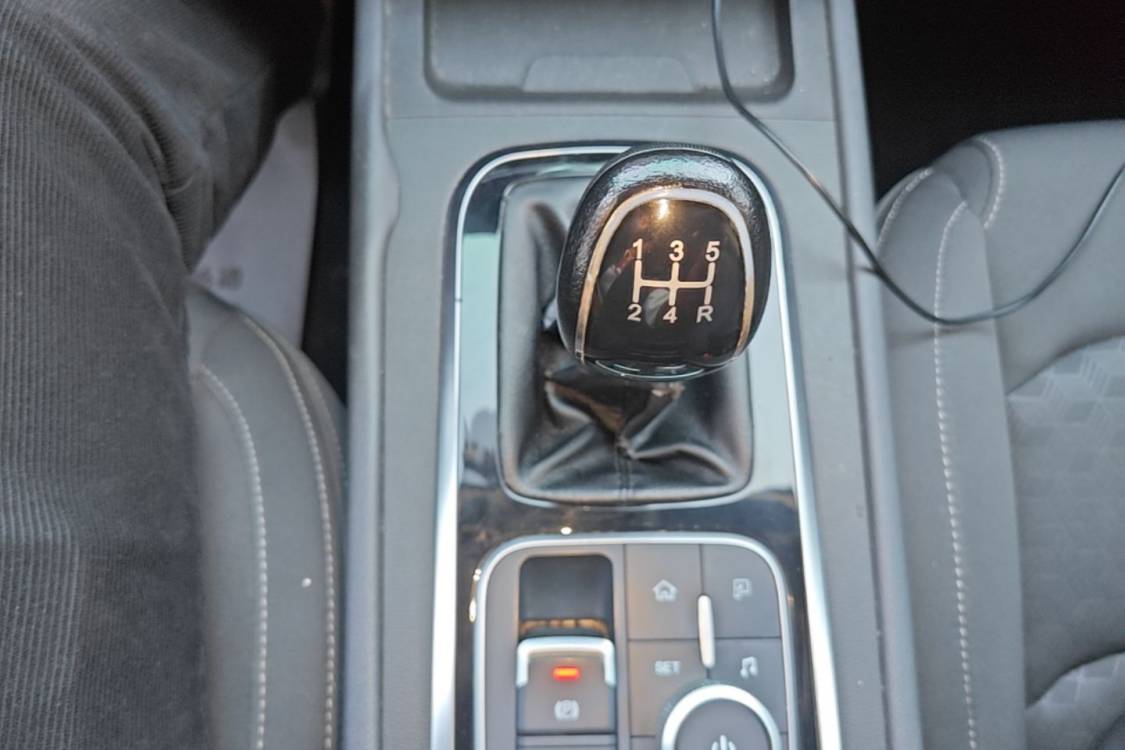
TransmissionManual
Engine1.5L 116 L4
ColorWhite
Seats-

Condition Description

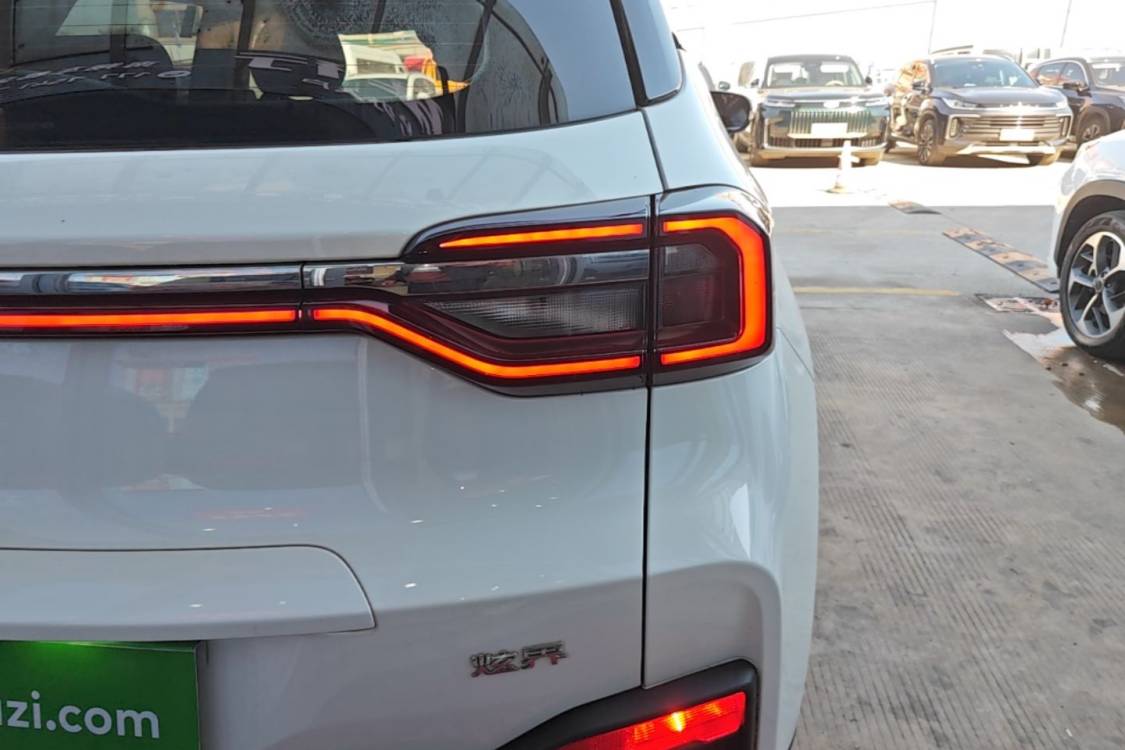
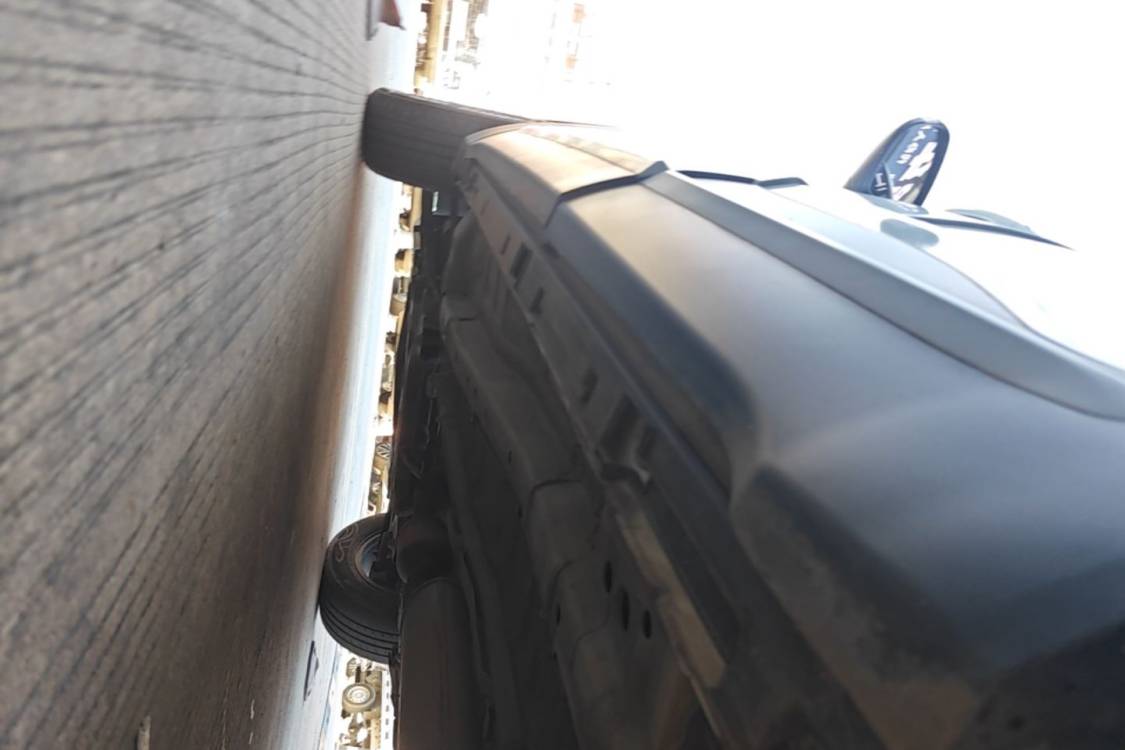
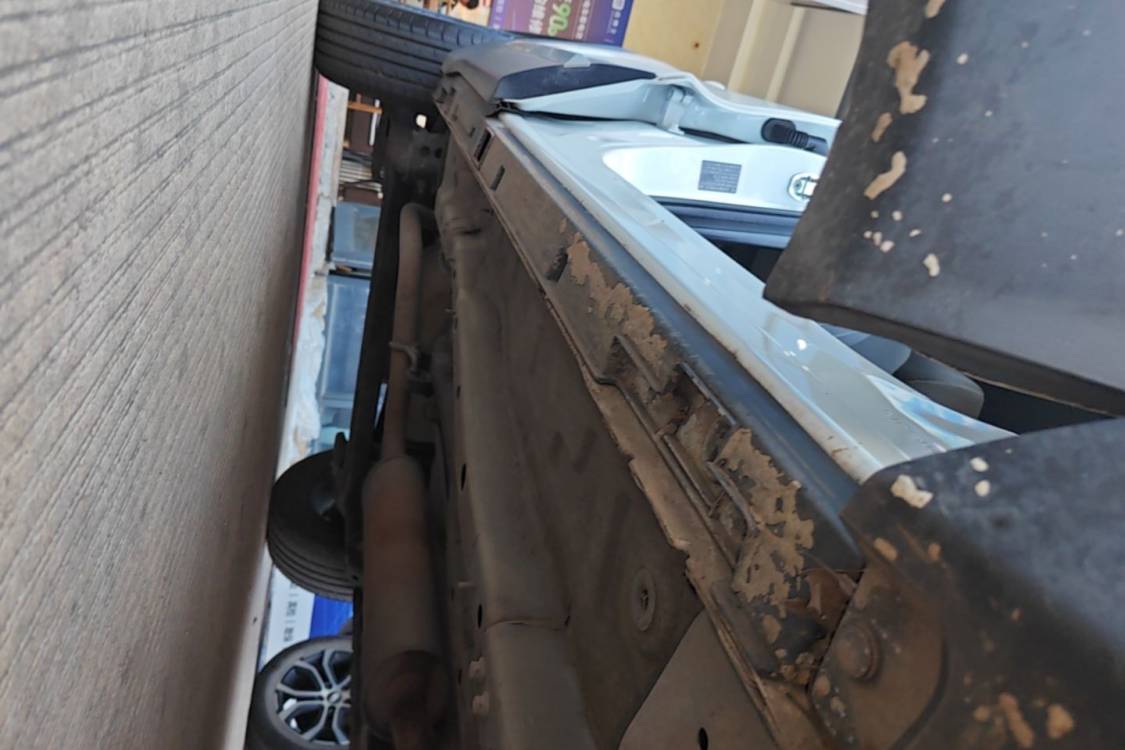
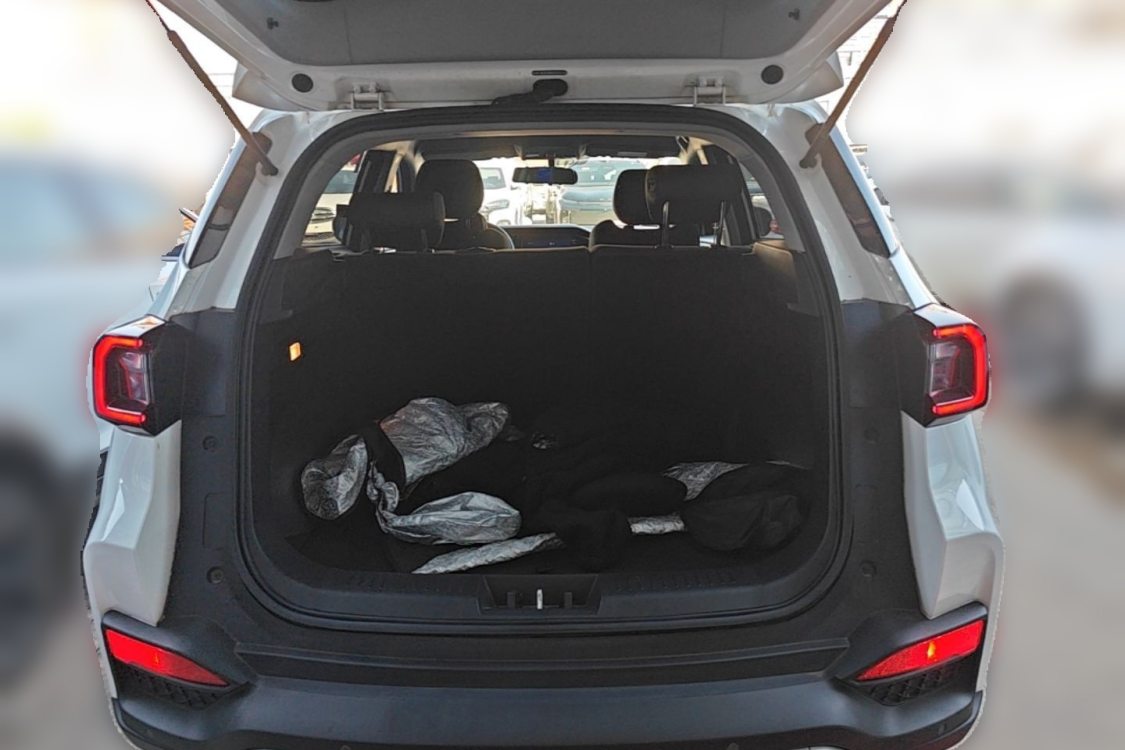
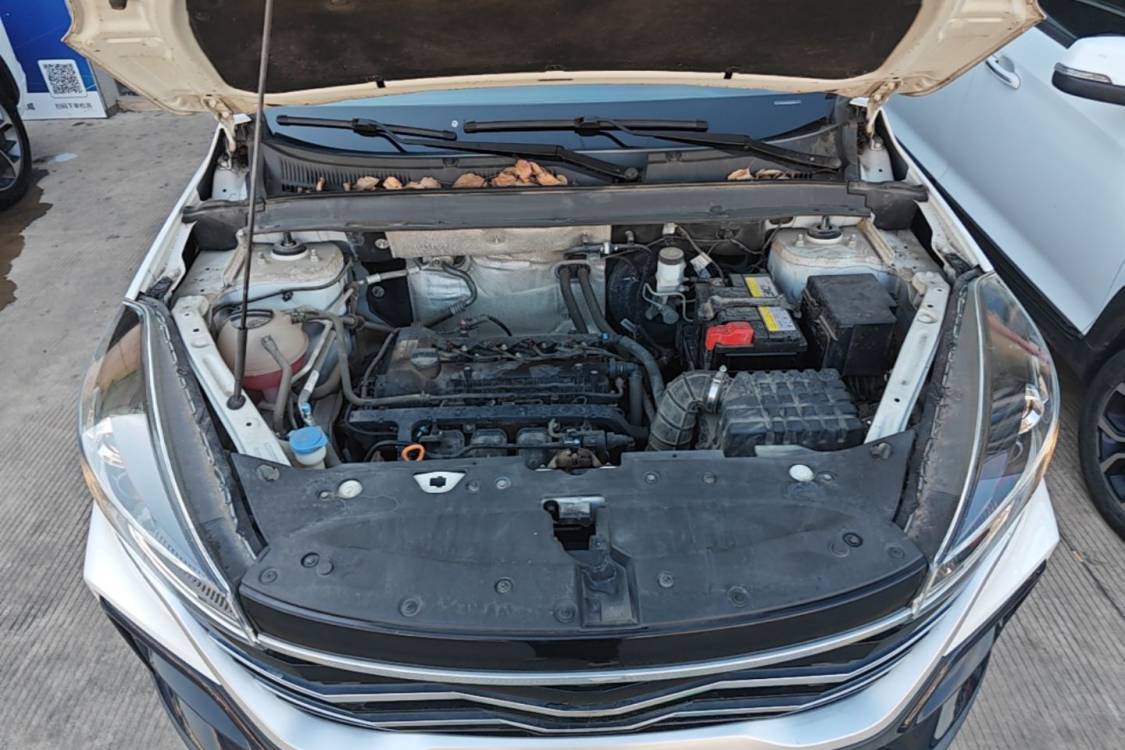
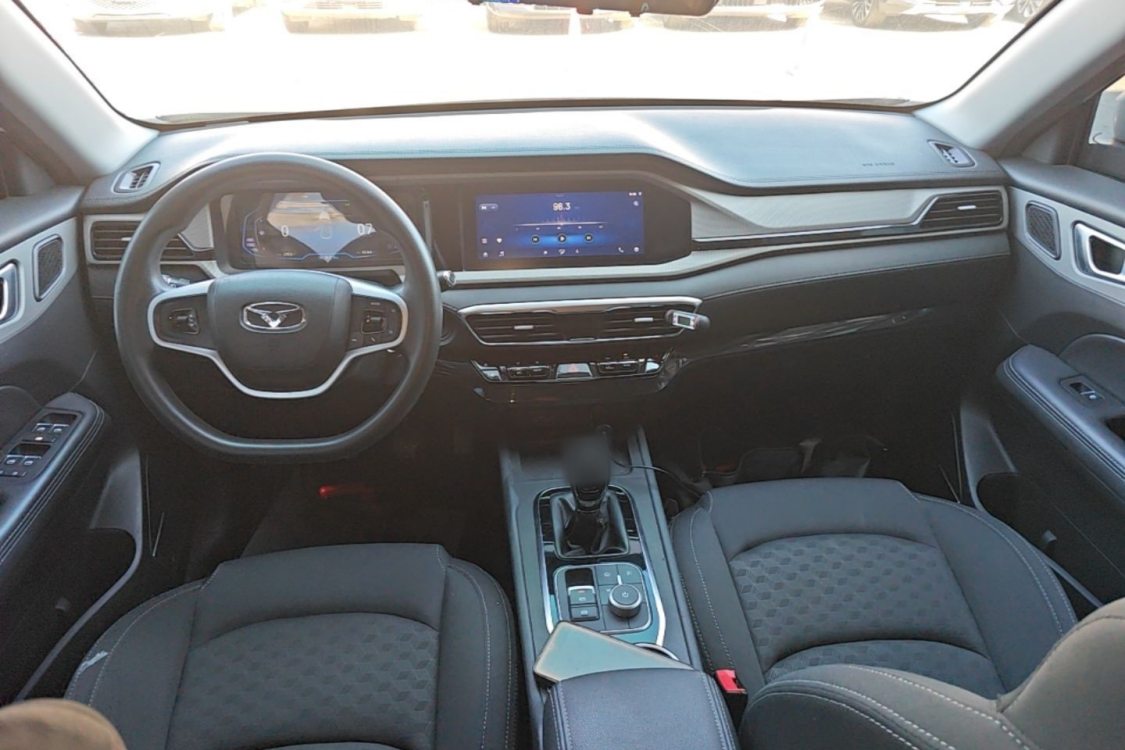
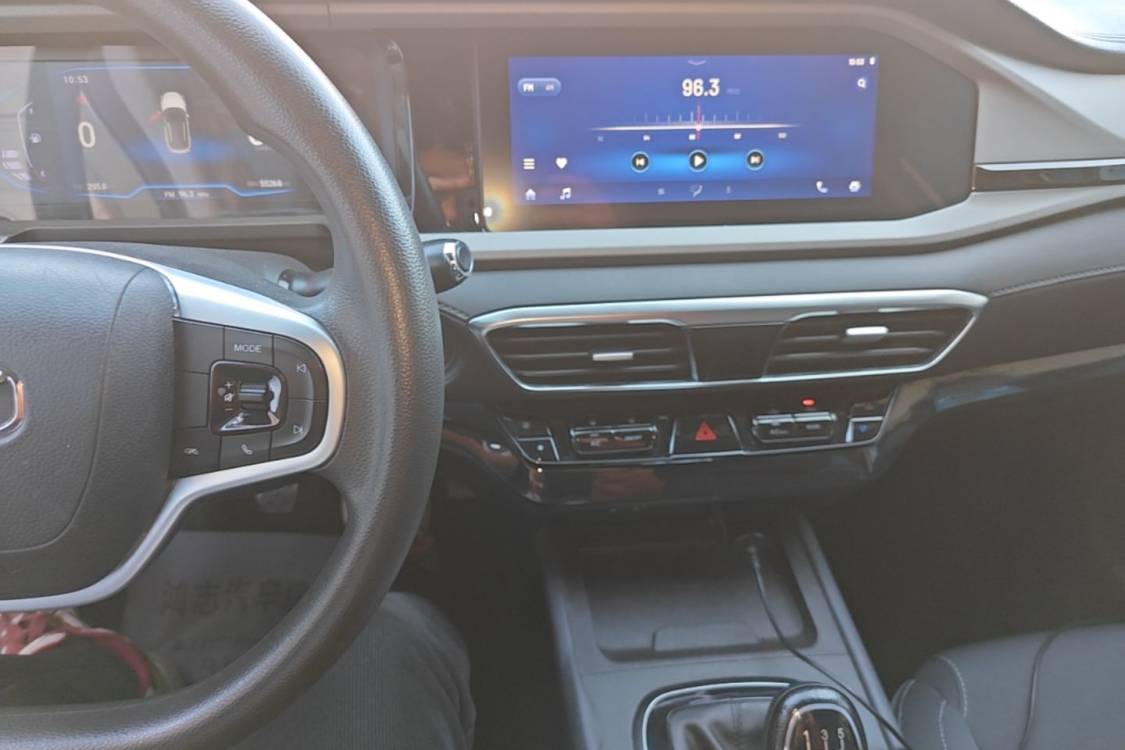
Vehicle performance is good. No accident-related damage or repairs to structural, reinforcement, or covering panels. No damage to the three electric systems (battery, motor, and electronic control).

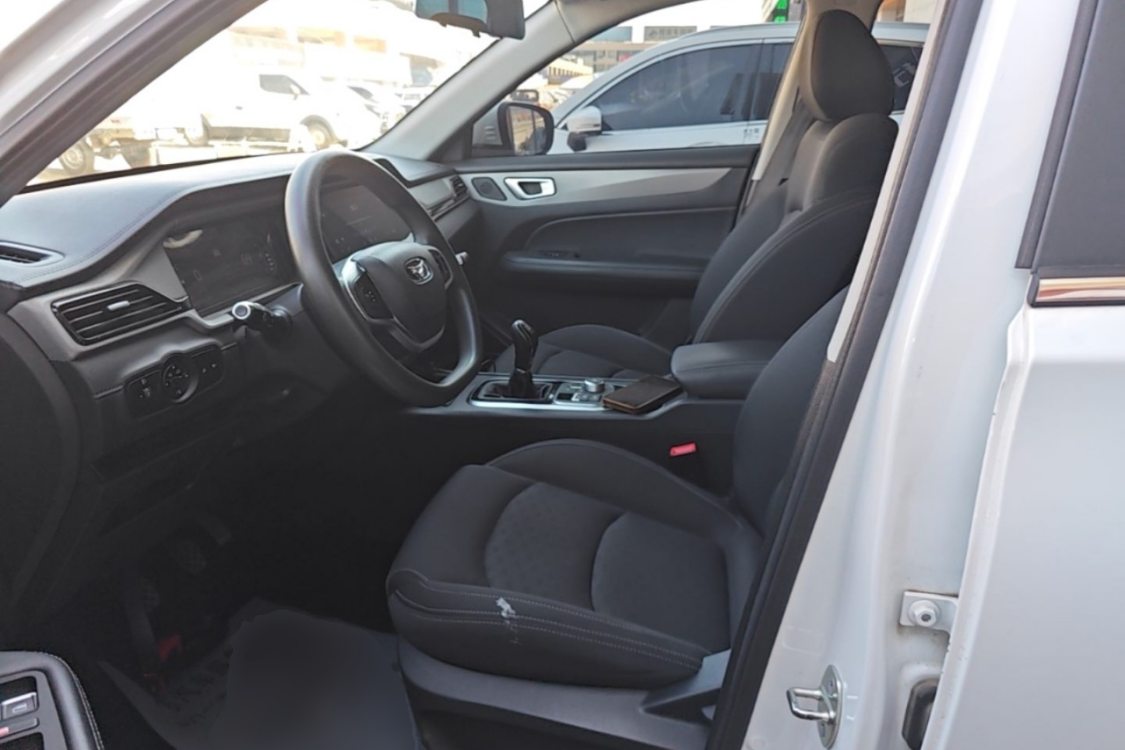
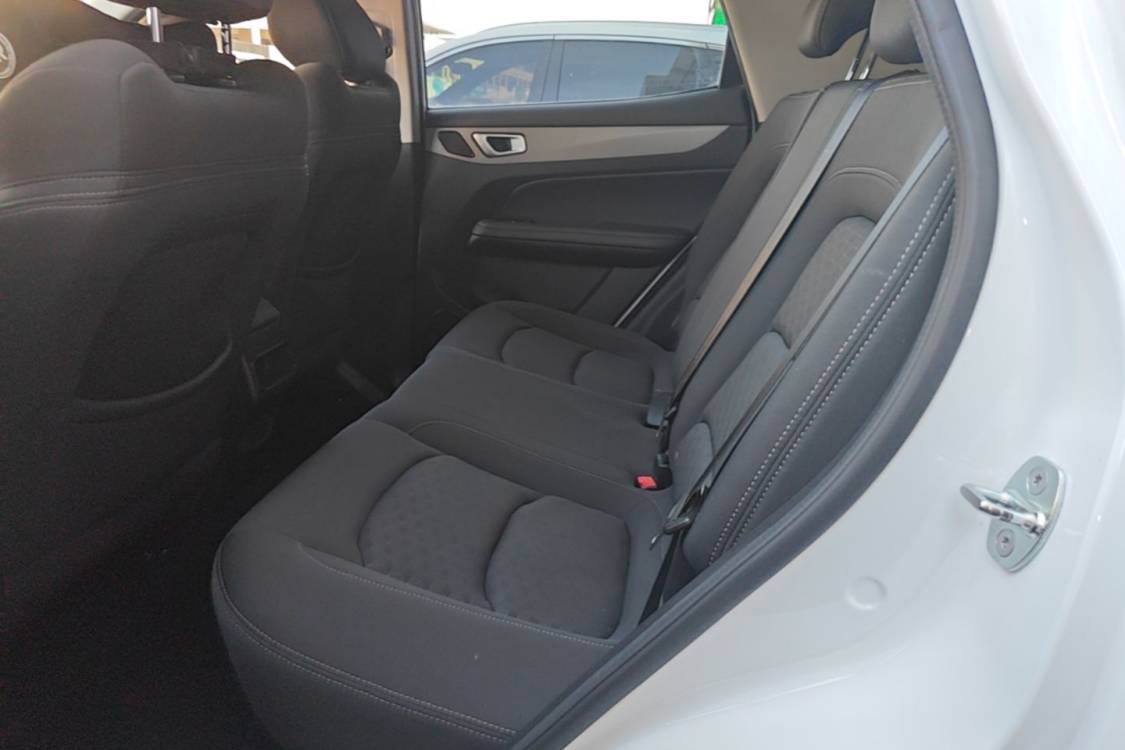
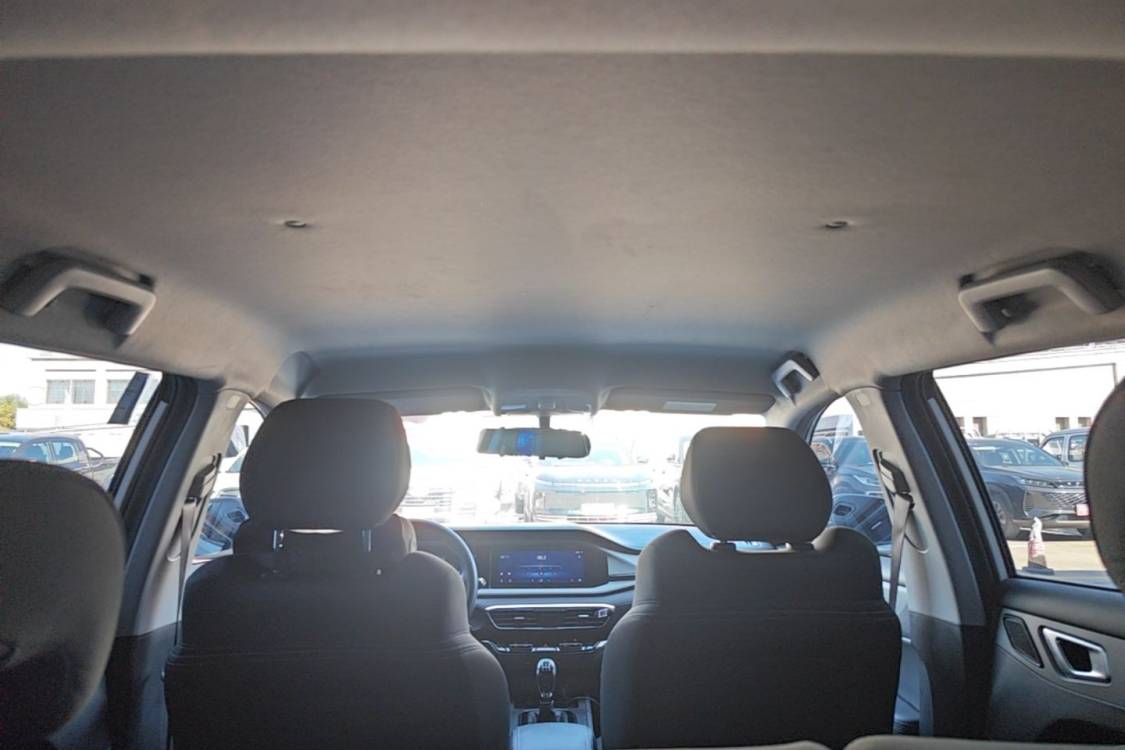
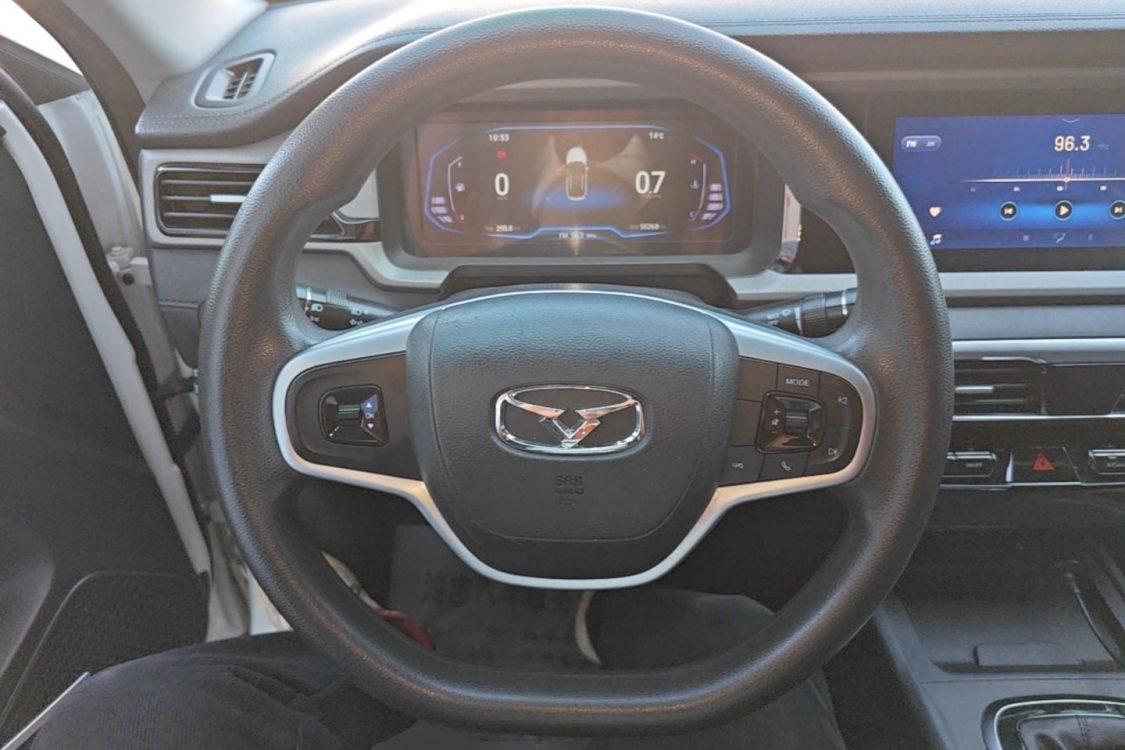
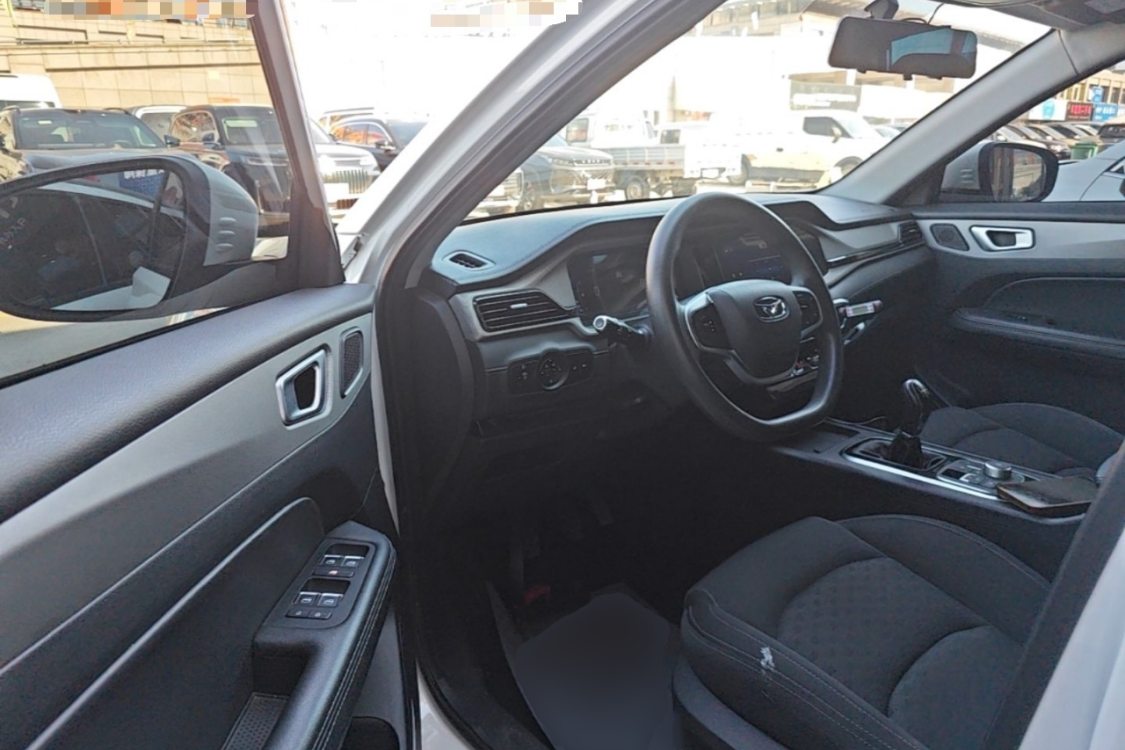
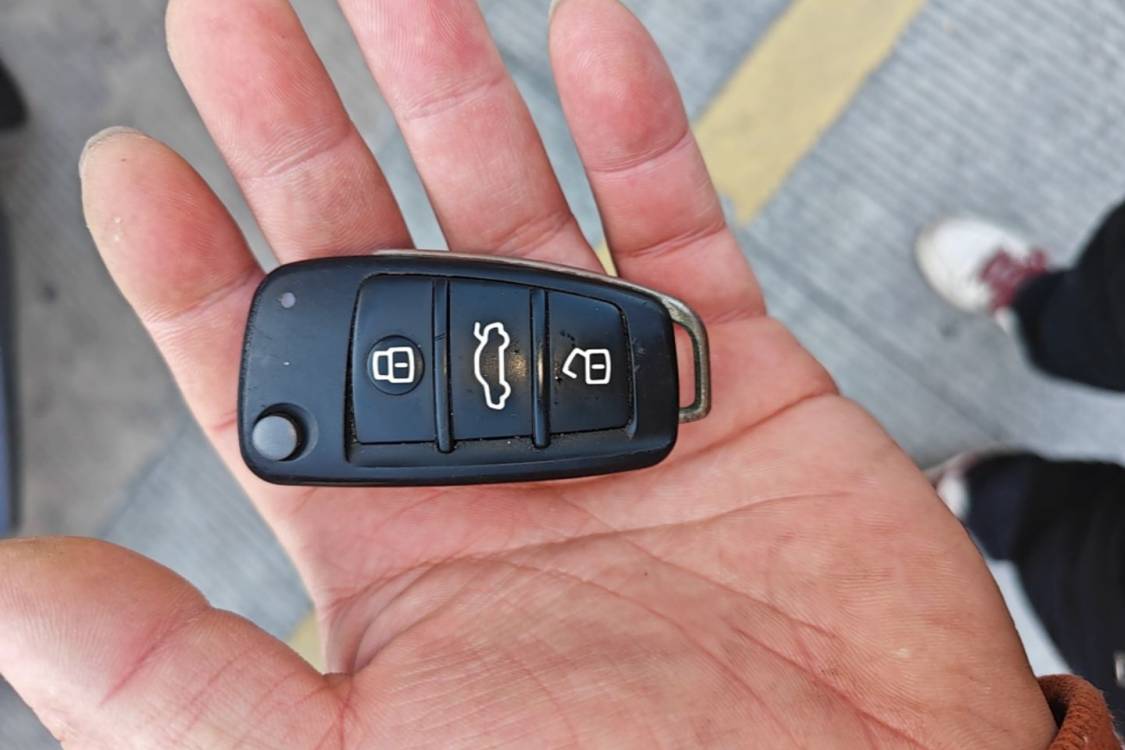
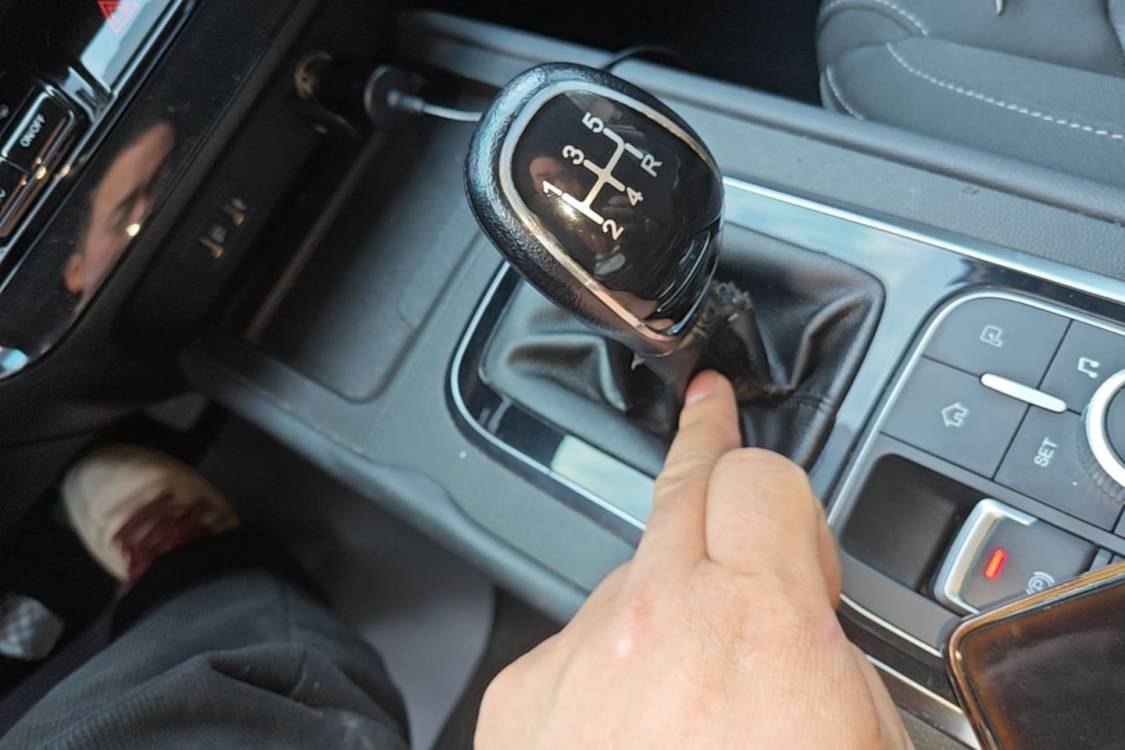
Accident inspection: no damage to main structure, reinforcement parts, covering panels, or hinges. Engine bay inspection: key mechanical components normal. Exterior: no issues. Interior: gear shift knob damaged; most features normal; airbag system normal; lighting system normal. Startup inspection: main components normal. Onboard tools: none.

独家上新
电话直连
可讲价
平台物流
公户车
零过户
新检测标准升级>
非泡水

Document Information

Inspection Expiry Date2027/07
Warranty Expiry Date-
Insurance Expiry Date2026/12

Q&A

More

Is the freight from port to port calculated per vehicle or by volume (CBM)?

RoRo ships usually charge based on the vehicle's volume (length x width x height, calculated in CBM) in tiers; container shipping has a fixed compartment price. We will calculate which method is the most economical for the current sailing.


What does a pre-shipment inspection include, and is it worth the cost?

A professional pre-shipment inspection typically costs a small fraction of the vehicle price and routinely pays for itself. A thorough inspection covers: paint thickness measurement across 30+ points to map body repairs; structural assessment of pillars, rails and crossmembers for accident damage; engine and transmission operation; a full electronic scan for fault codes; suspension and underbody checks for leaks and rust; and, for EVs, battery SOH and thermal management performance. You receive a written report with photos before the car is loaded — if the car fails, you can stop the shipment or renegotiate. Skipping the inspection to save a small fee is the classic false economy in used car importing: discovering a problem after arrival is far more expensive than preventing it at origin.

How to check the condition of the turbocharger (oil leaks, unusual noises, insufficient pressure) for turbocharged vehicles?

Experience turbo lag and power surge during road tests; check for significant oil accumulation at the turbo intake and intercooler connections (slight oil vapor is normal); and use OBD to read the real-time boost pressure peak to see if it meets factory settings.