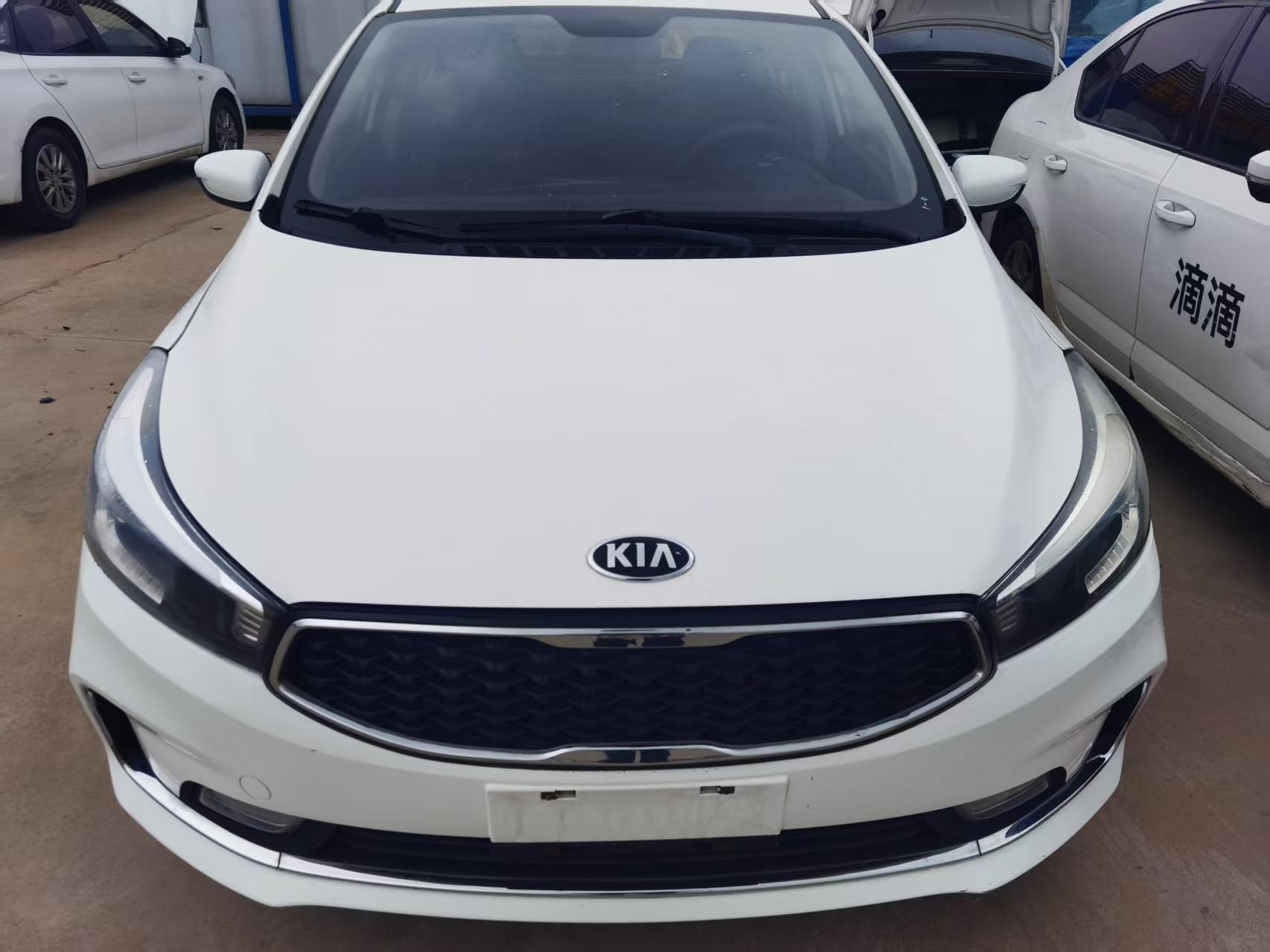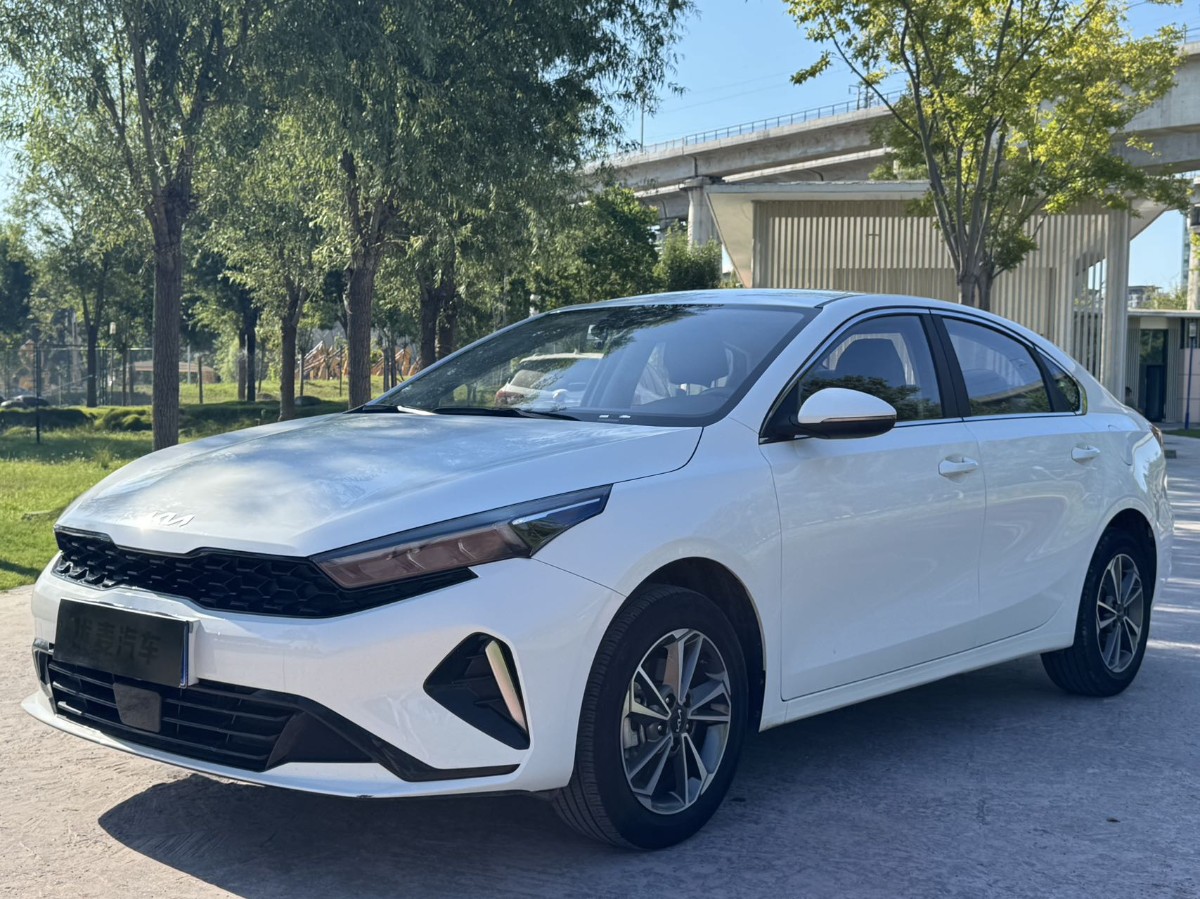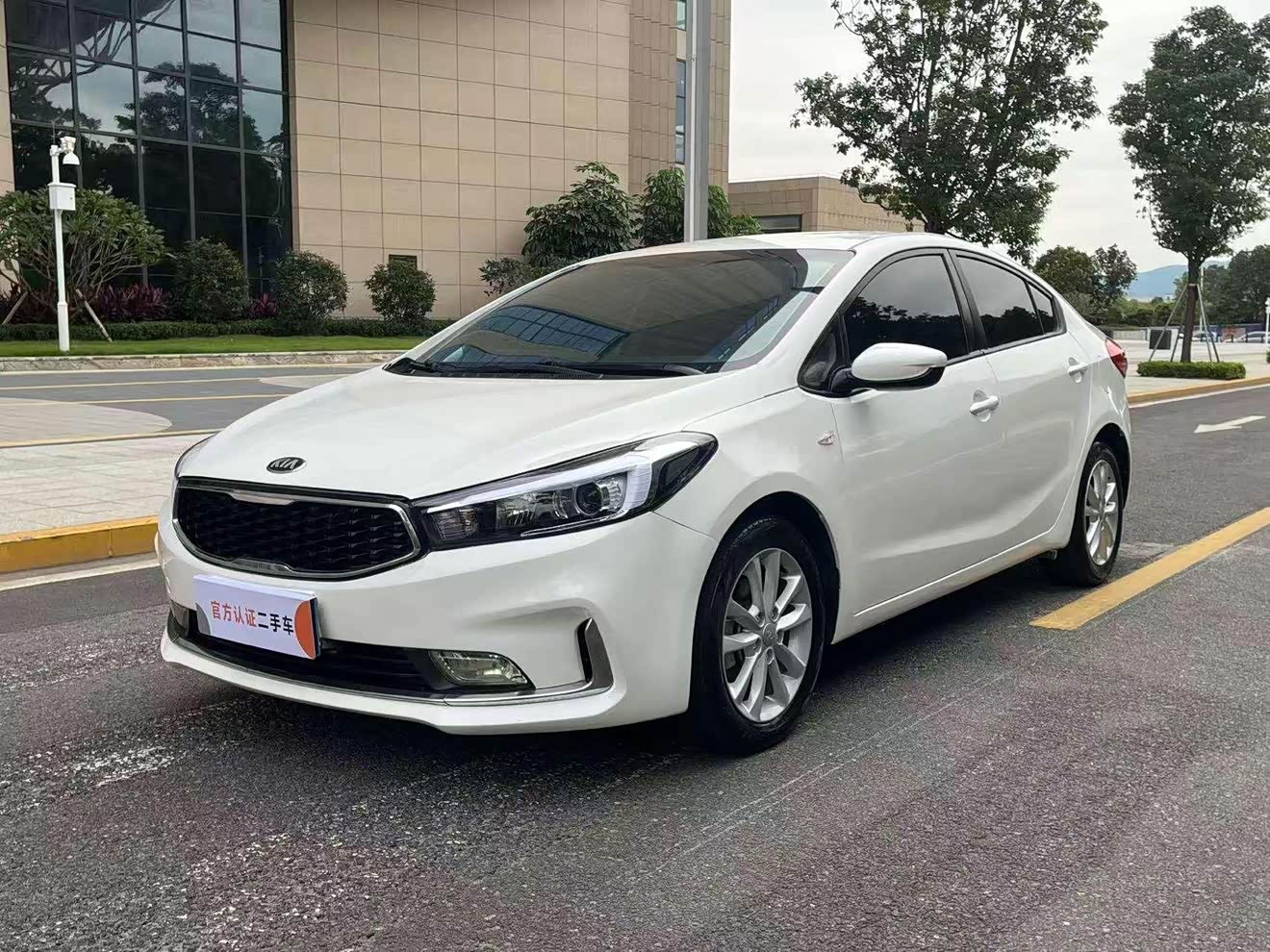
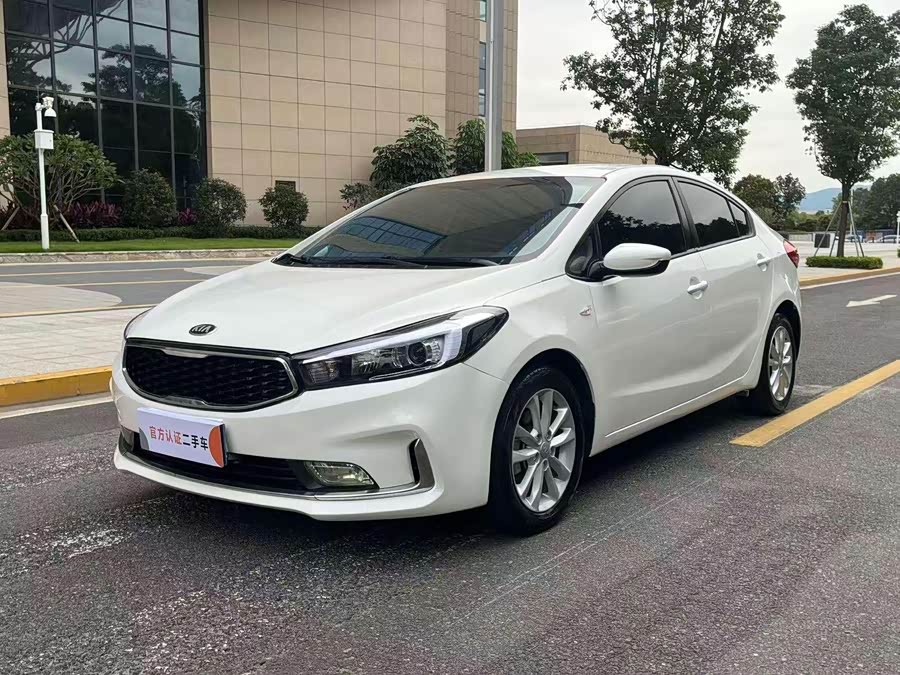

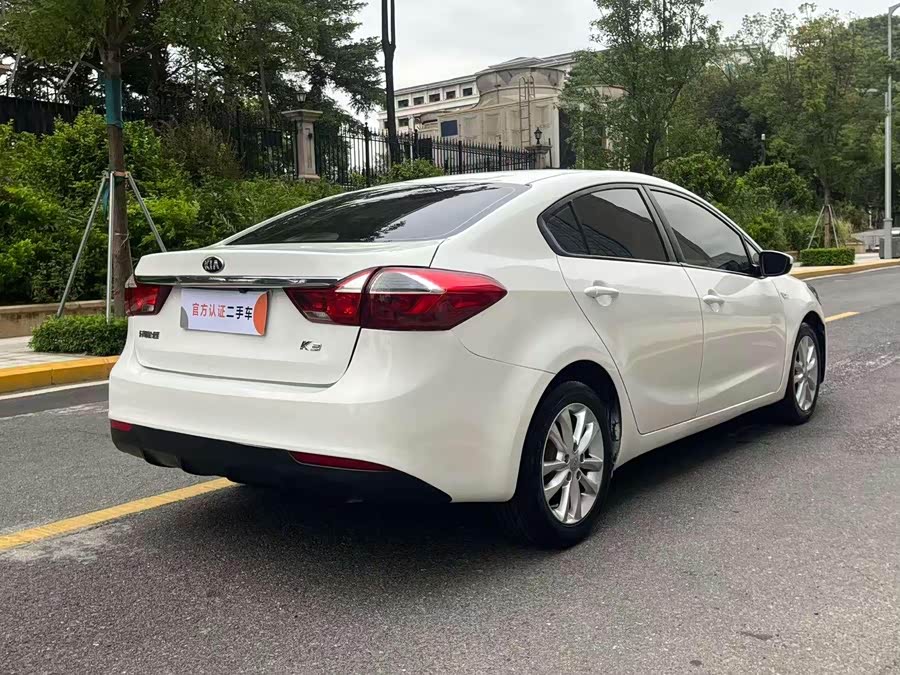
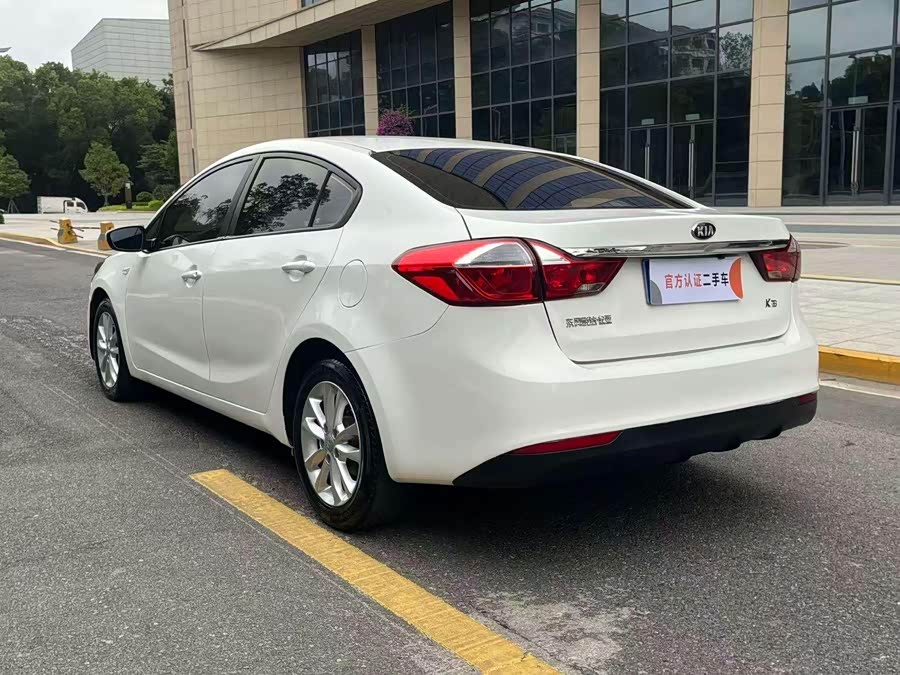
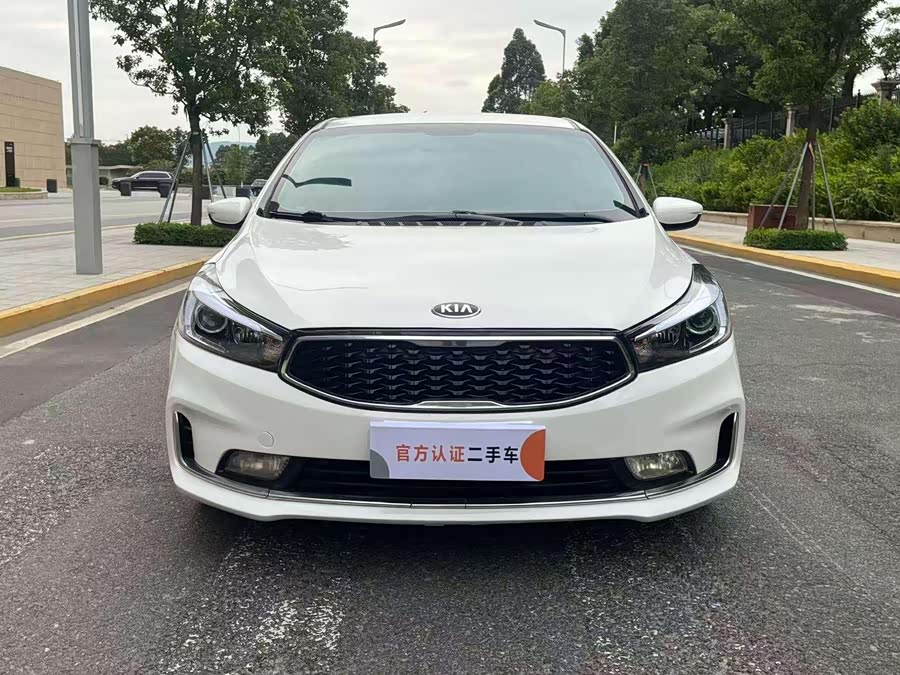
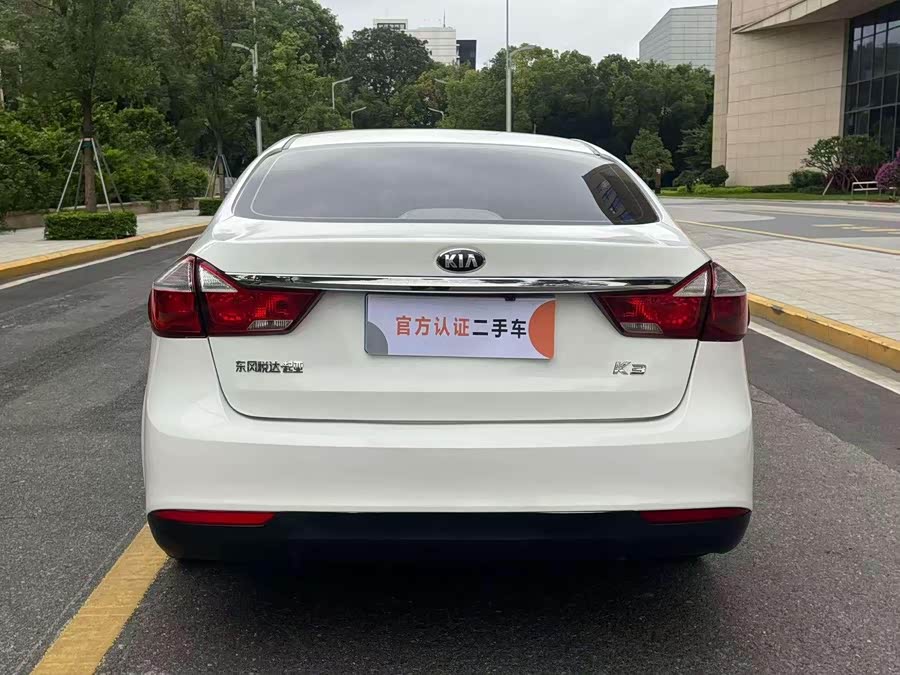
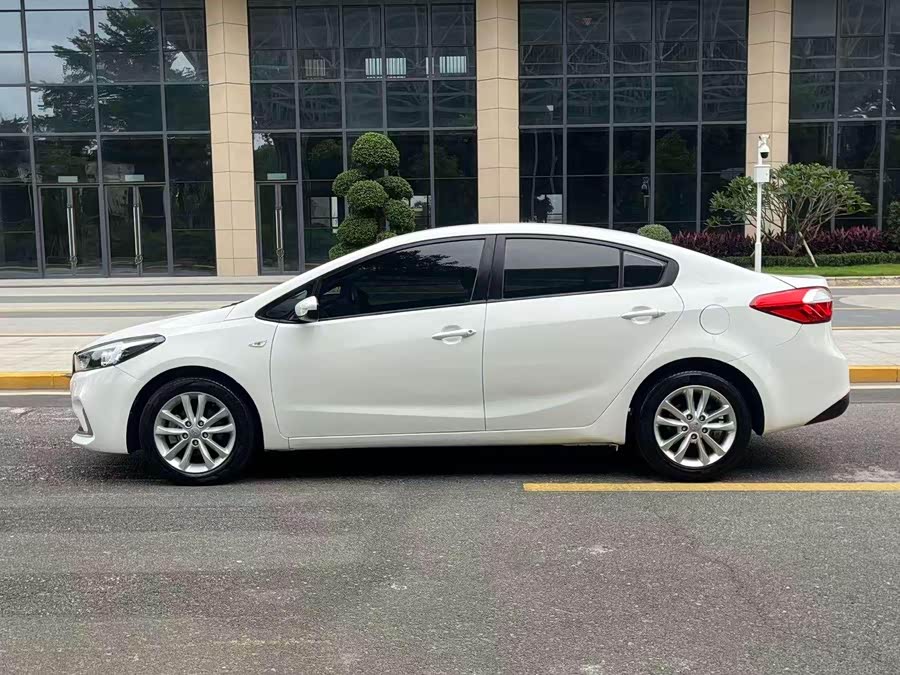
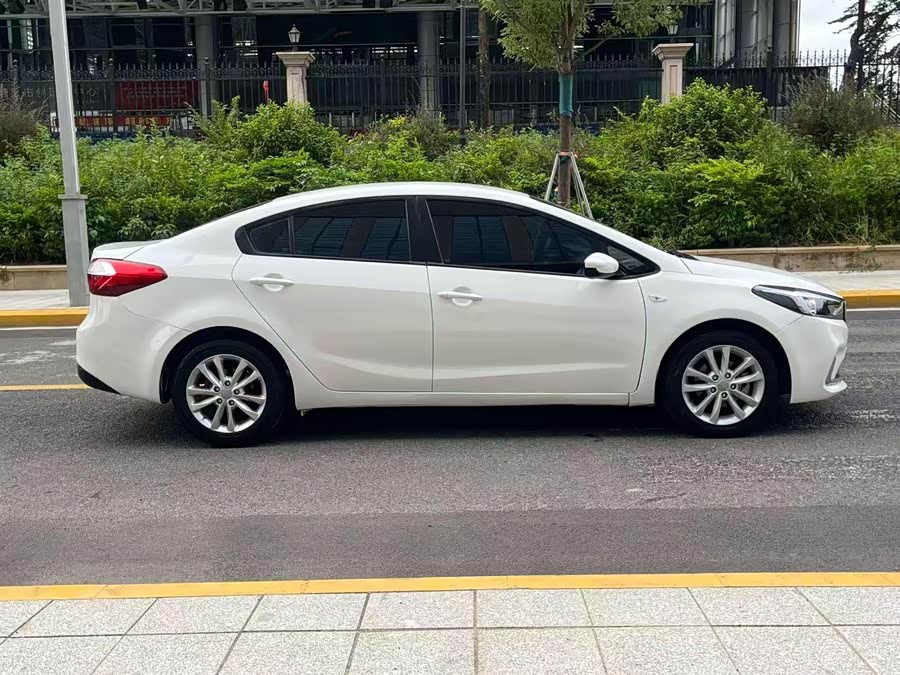
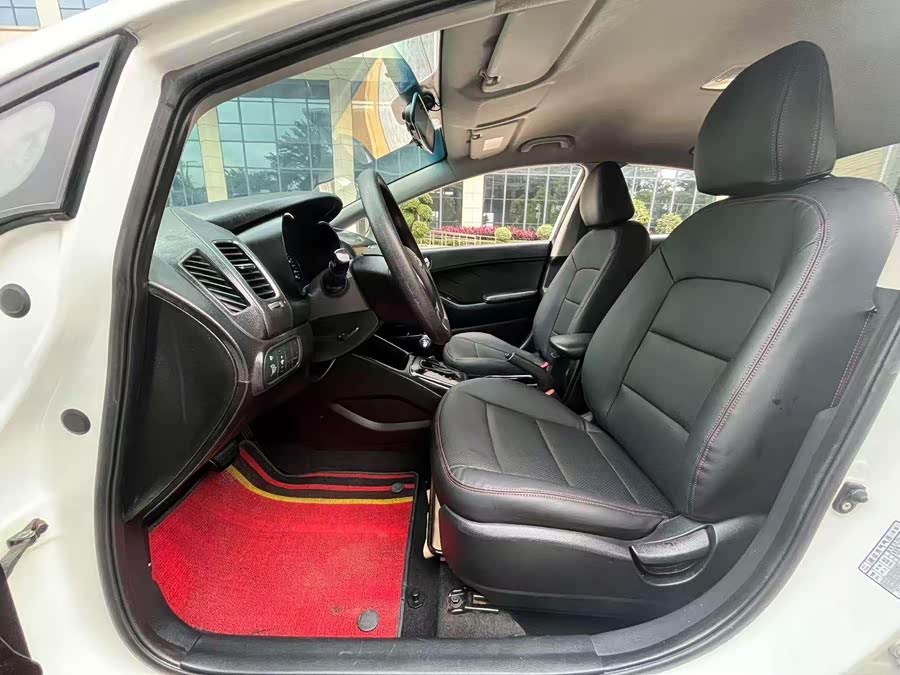
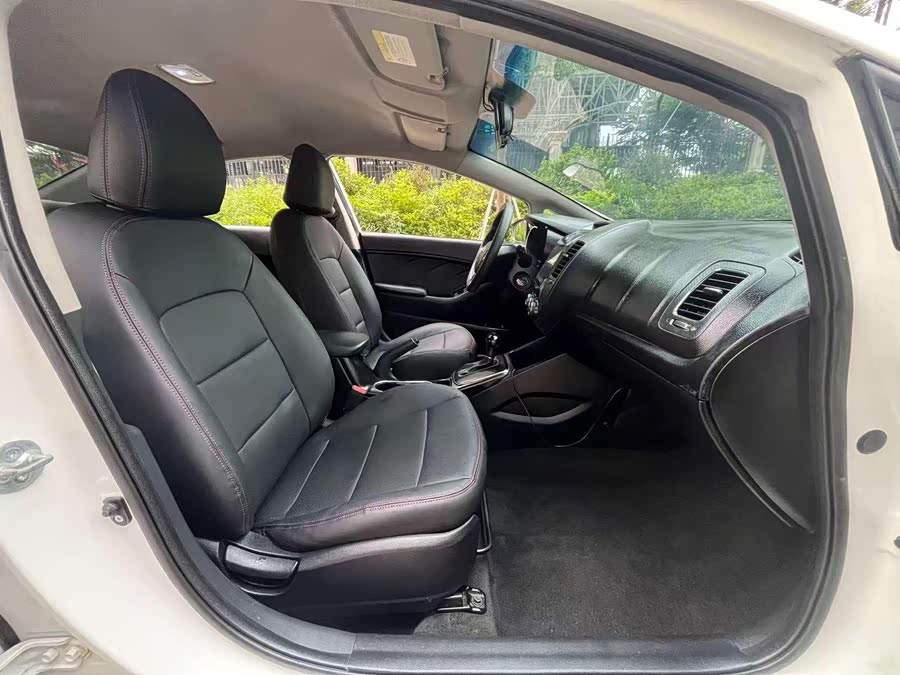
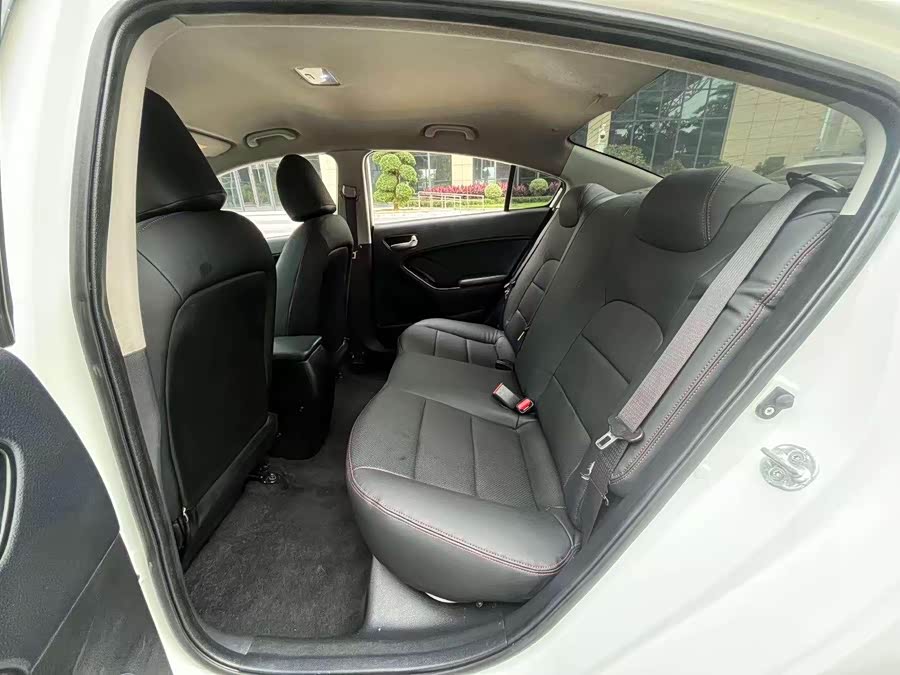
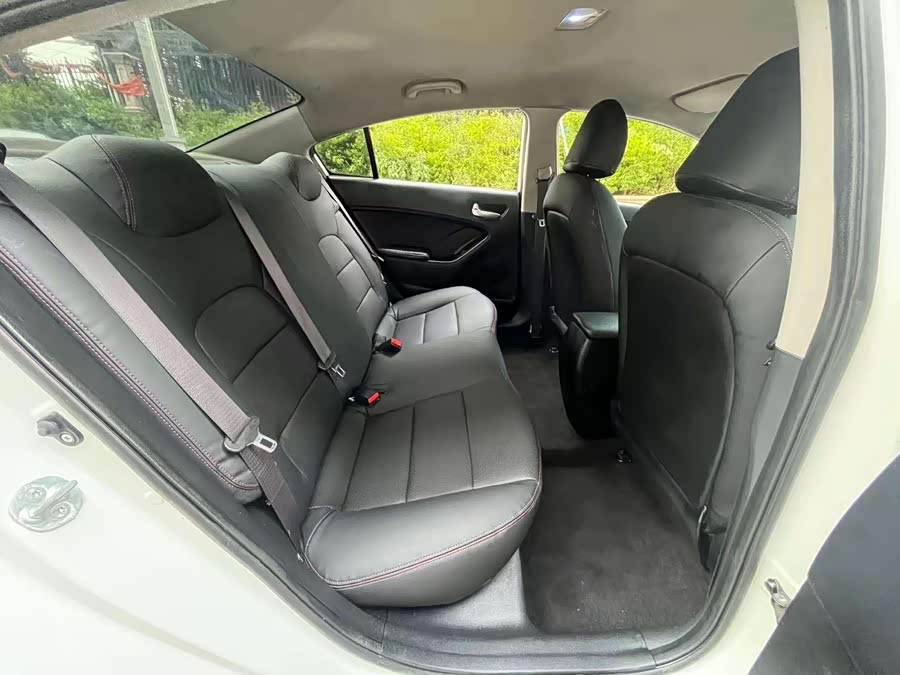
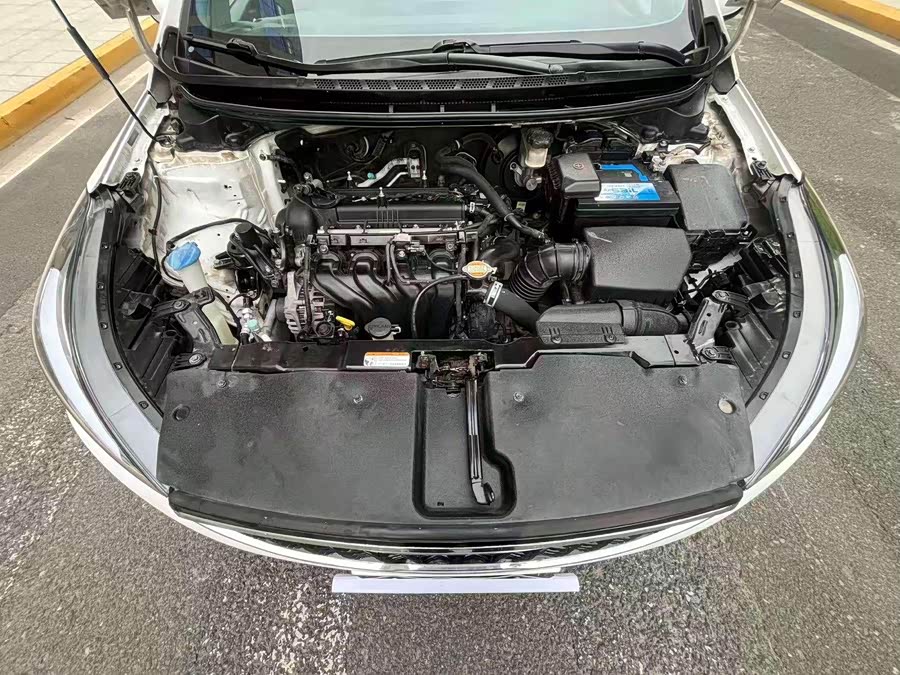



Basic Information

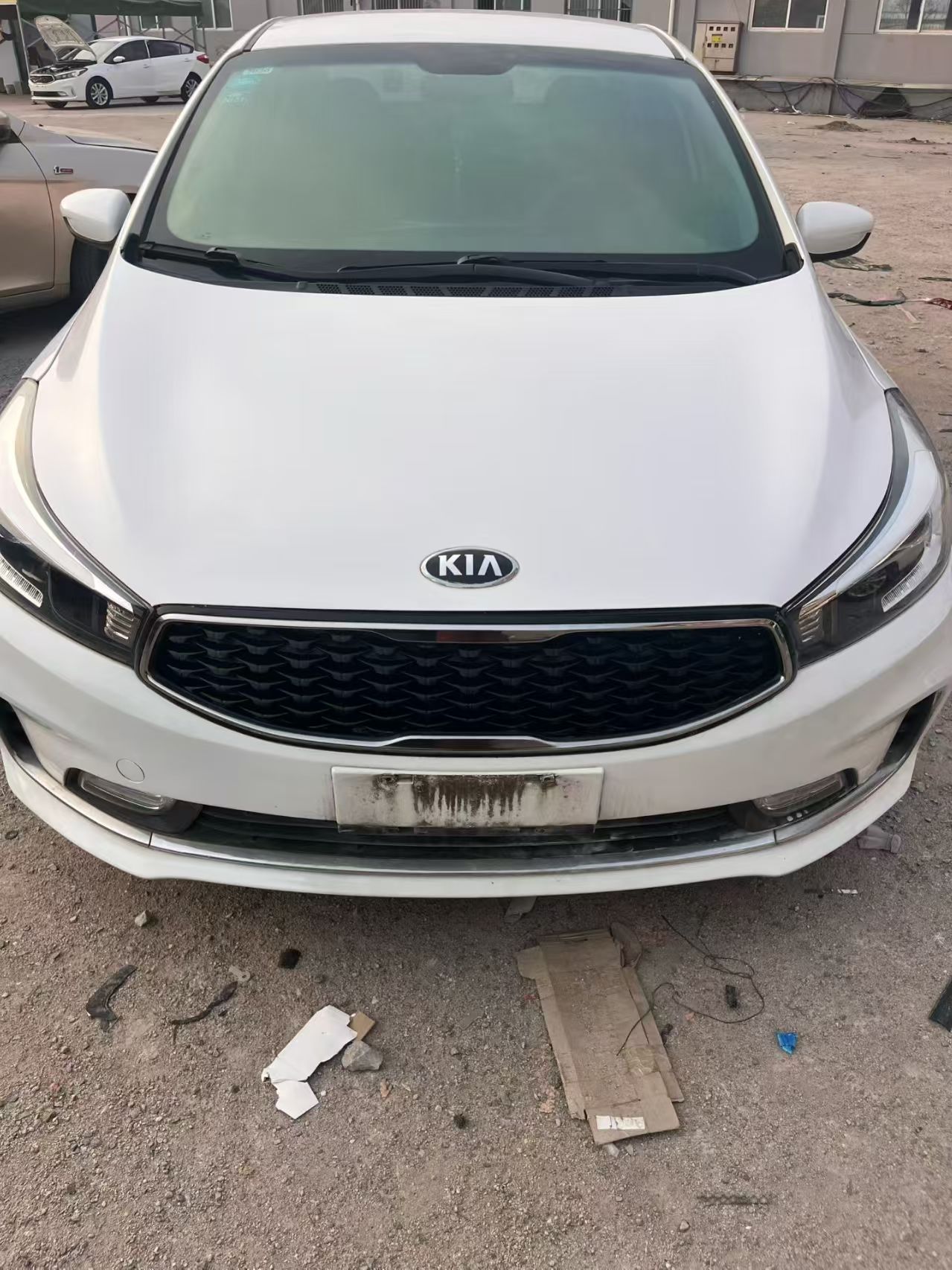
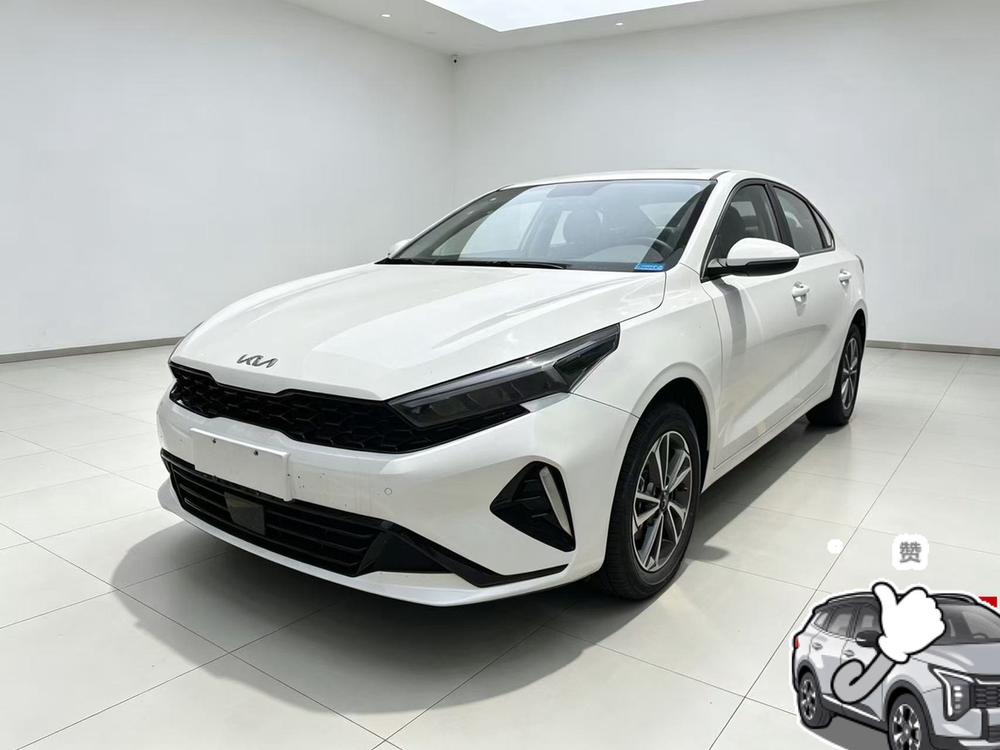
BrandKia
SeriesK3
Year2017
First Registration2017/12
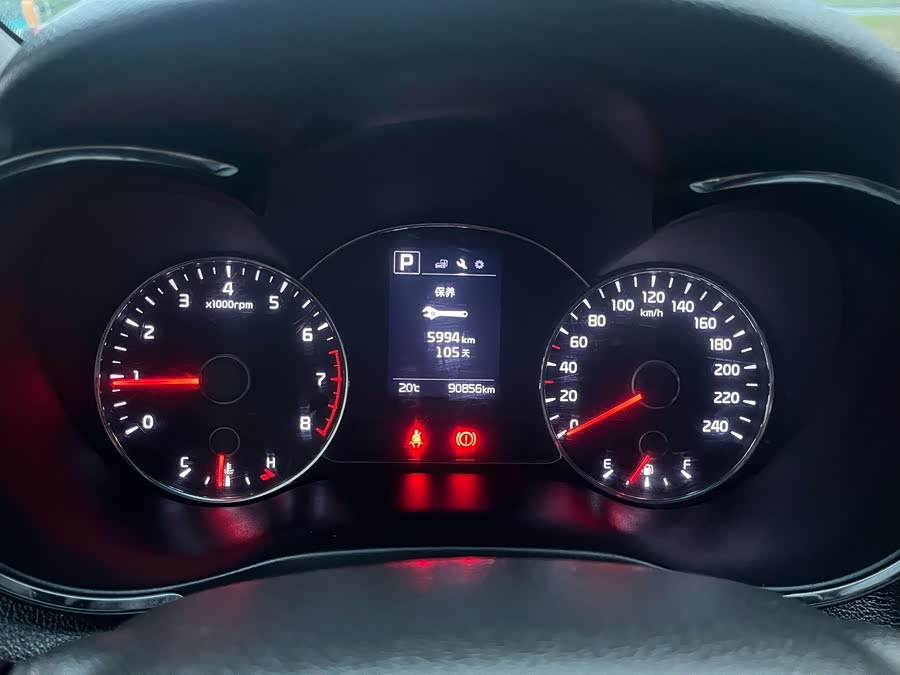
Mileage90,000km
Transfer Count-
FuelGasoline
TransmissionManumatic
Engine1.6L 128 L4
ColorWhite
Seats-

Condition Description

very good

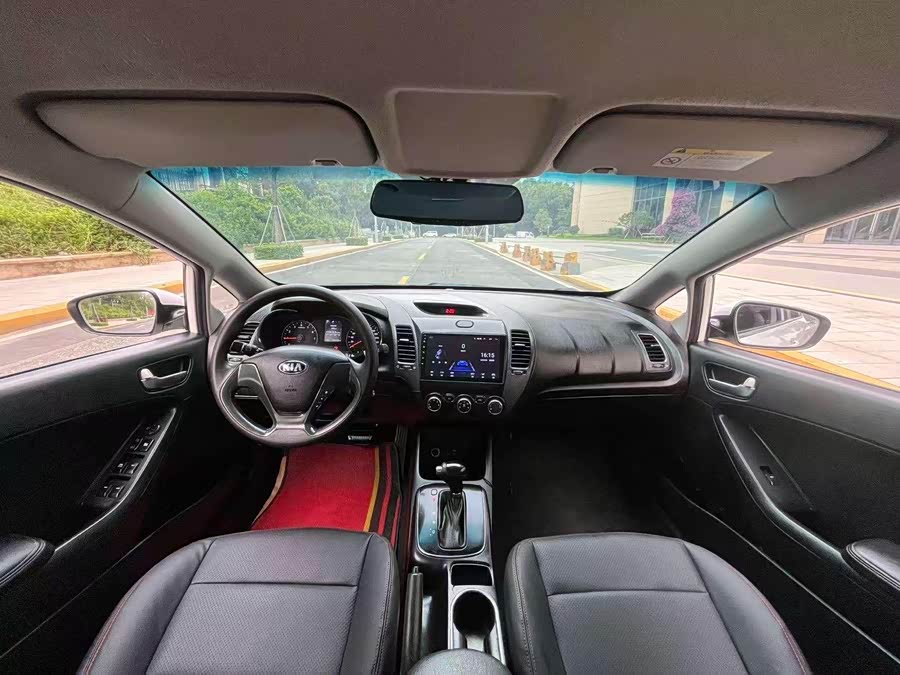
This is a one-owner car used by a local medical professor for commuting. It's in excellent condition, with both interior and exterior well-maintained. It boasts a spacious interior, excellent air conditioning, a large central infotainment and navigation system, and a reversing camera. It offers strong handling, is a Korean model, and guarantees quality. It's fuel-efficient and worry-free, suitable for beginners and everyday family use. It has all necessary annual inspection and insurance. To avoid wasting your valuable time, please call the sales manager beforehand to confirm the car's availability.

0 transfers

Configuration Highlights

✓ISOFIX Child Seat Anchors

Accident & Maintenance Records

Accident Record

🔗 Open Link

Maintenance Record

🔗 Open Link

Document Information

Inspection Expiry Date2026/12
Warranty Expiry Date-
Insurance Expiry Date2026/12

Q&A

More

What is the validity period of the vehicle technical inspection report that comes with the vehicle?

The inspection report only represents the physical condition of the vehicle at the moment the inspection was completed (down to the minute). Once the vehicle begins long-distance inland towing or international shipping, the report no longer guarantees the future condition due to drastic environmental changes.
Who is responsible for damages to the vehicle during maritime transport?

Be sure to purchase cargo insurance (all-risk or water damage insurance). In case of damage, claim with the bill of lading, insurance policy, and proof of damage at the destination port.

If the record of a vehicle's first maintenance is missing from the system, how do you determine its early wear condition?

Many car owners do not have their first maintenance done at authorized dealerships, leading to gaps in early data. In such cases, we do not blindly trust the odometer; instead, we analyze the tire production dates and wear levels, as well as the depth of grooves on the brake disc edges, using the "gold standard" of physical wear to infer the intensity of early use.