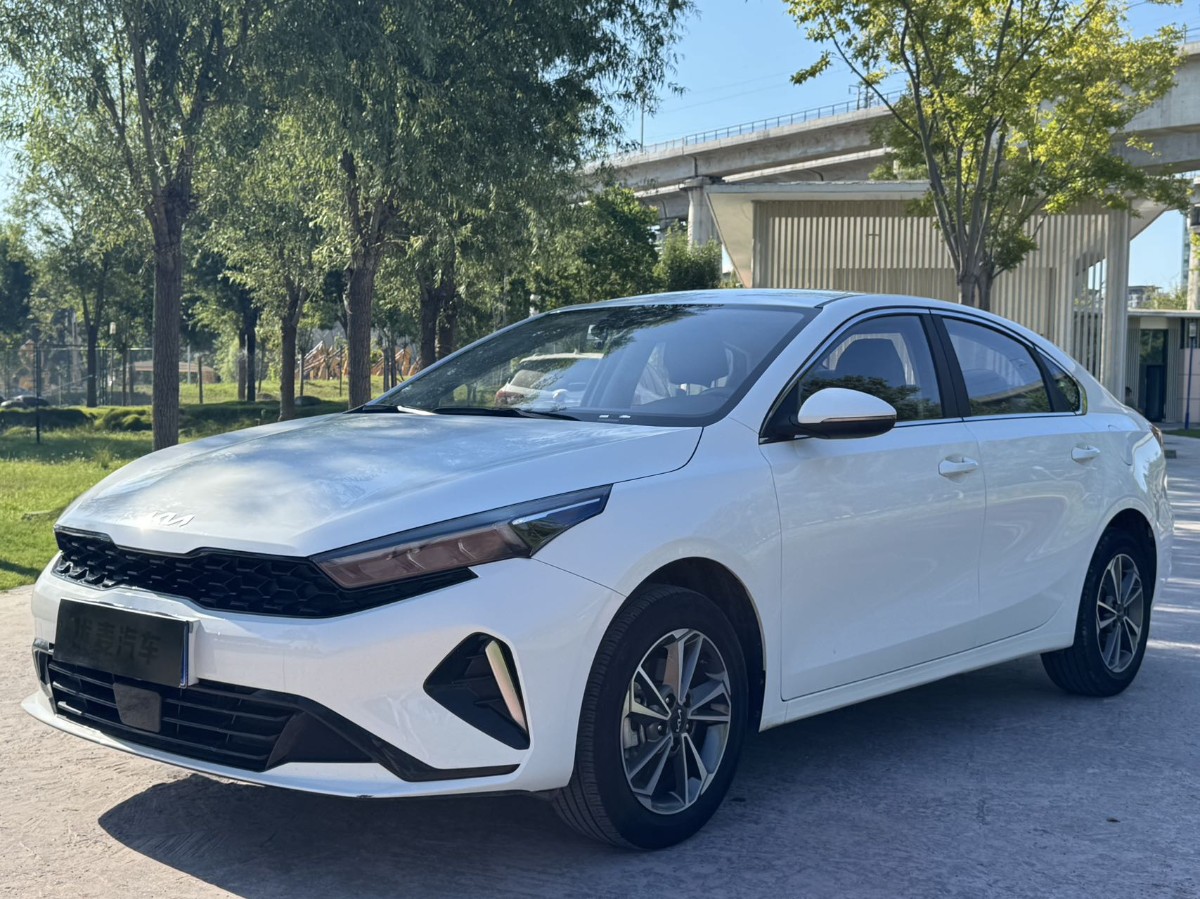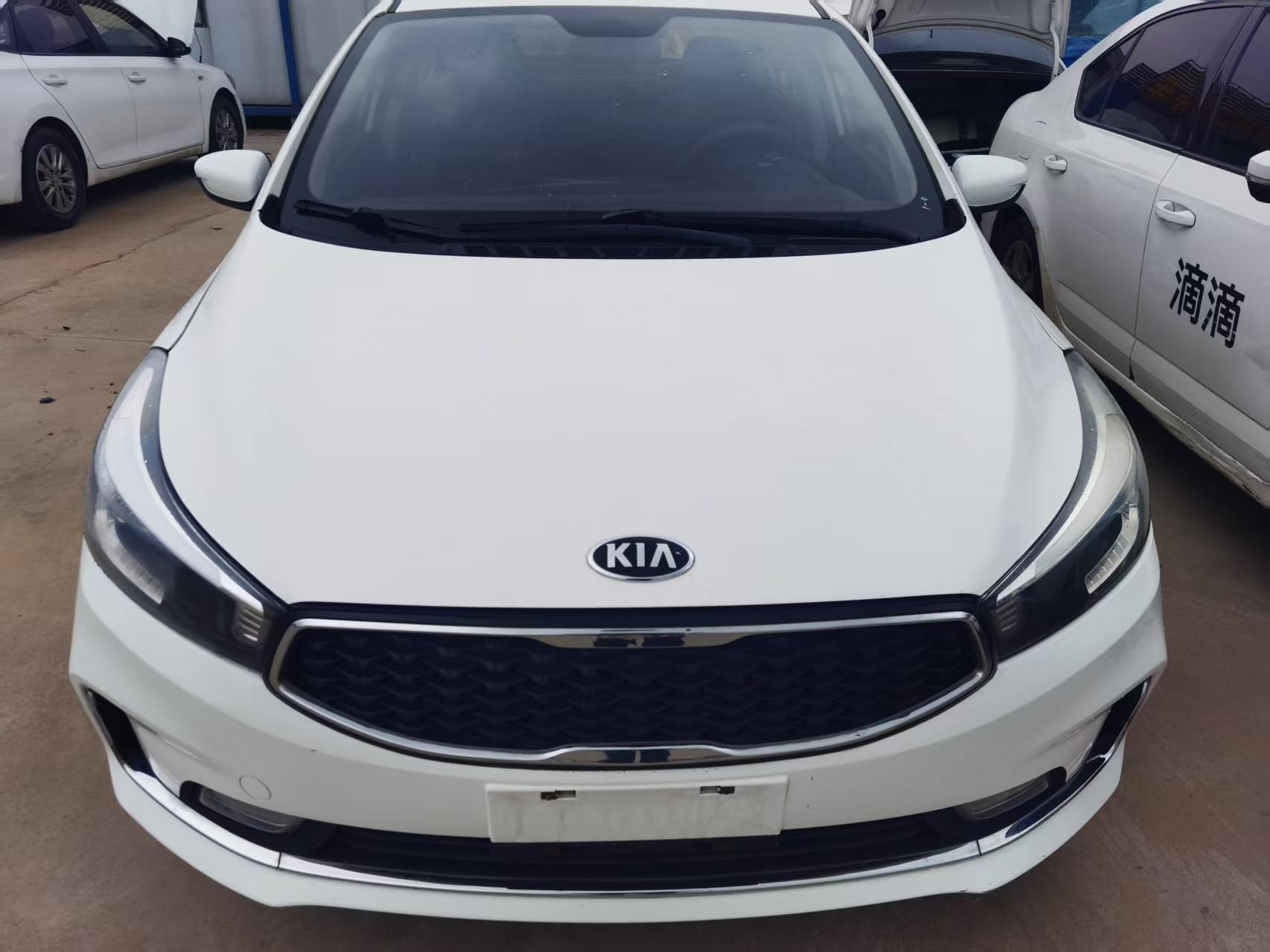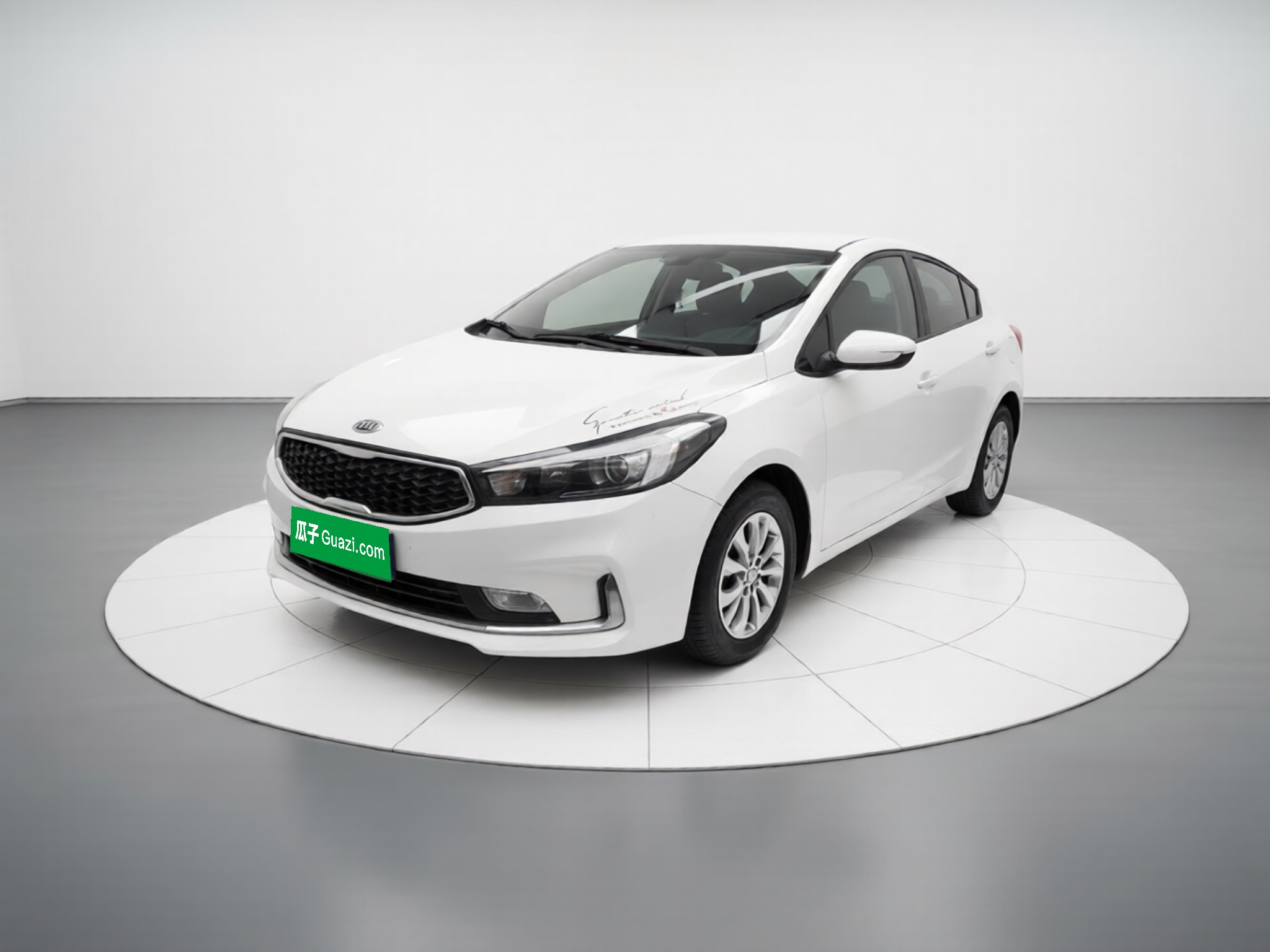
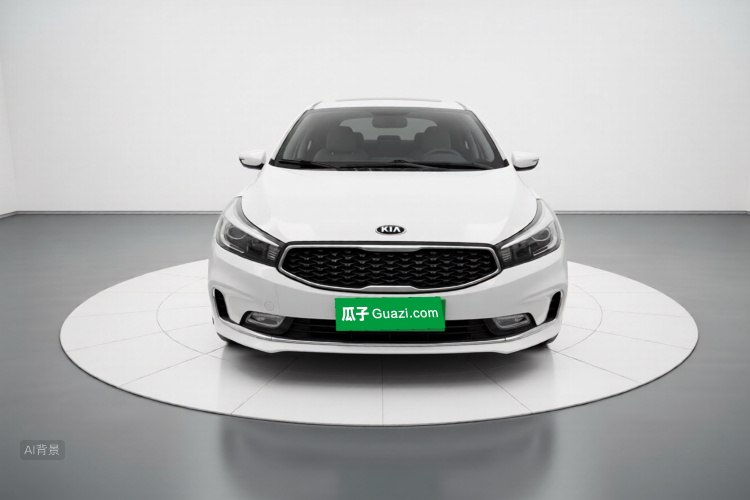
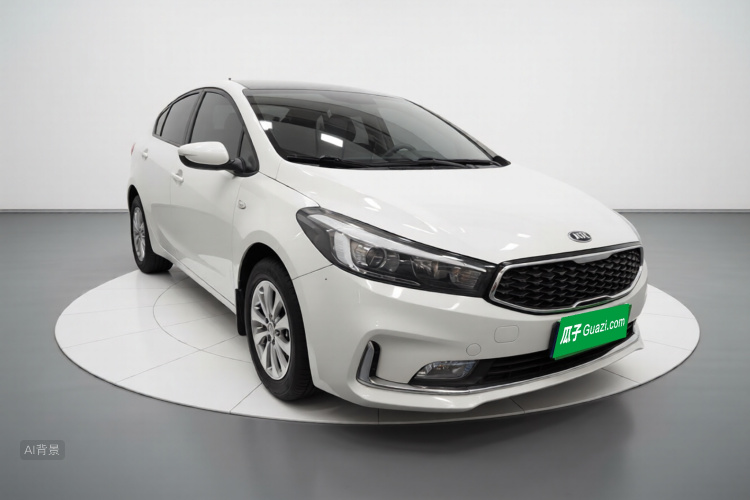
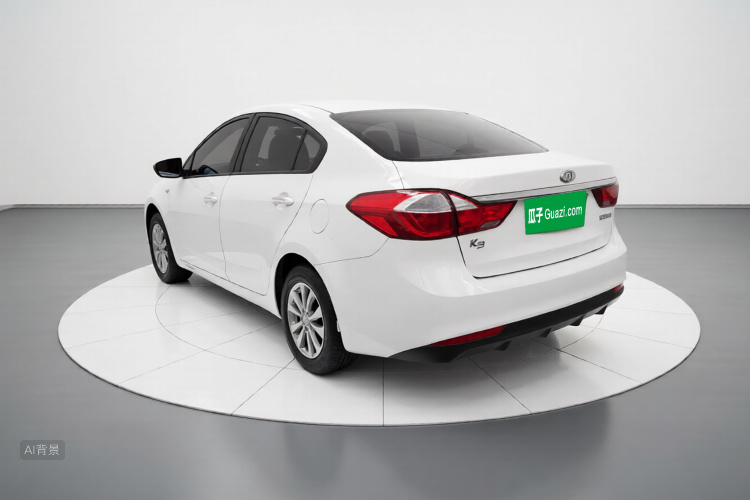
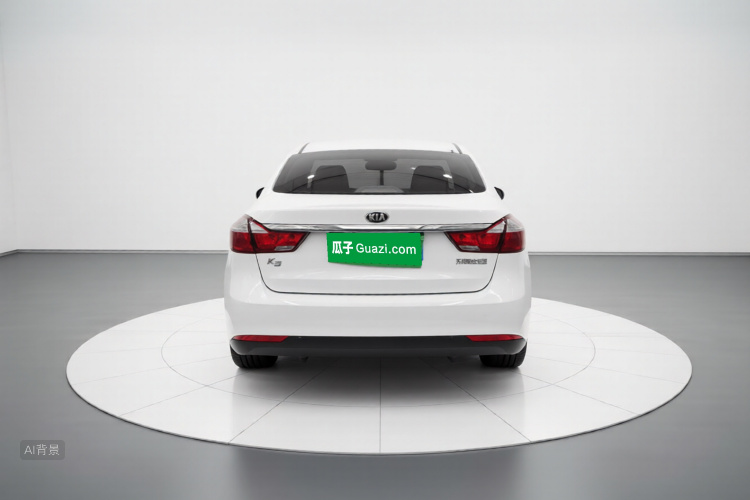
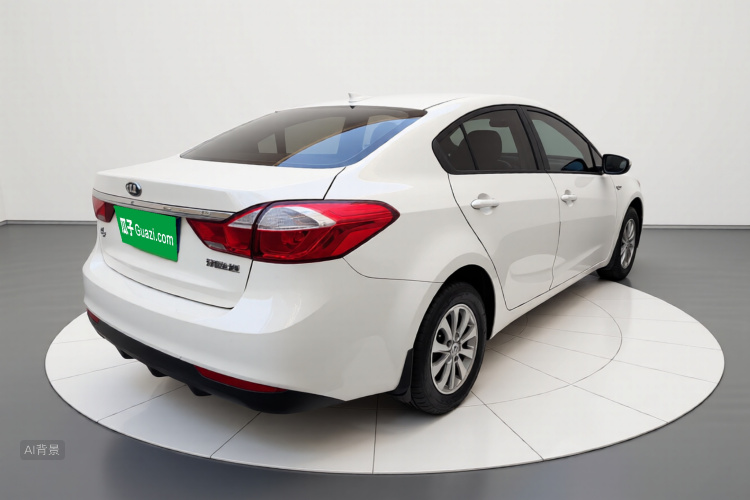
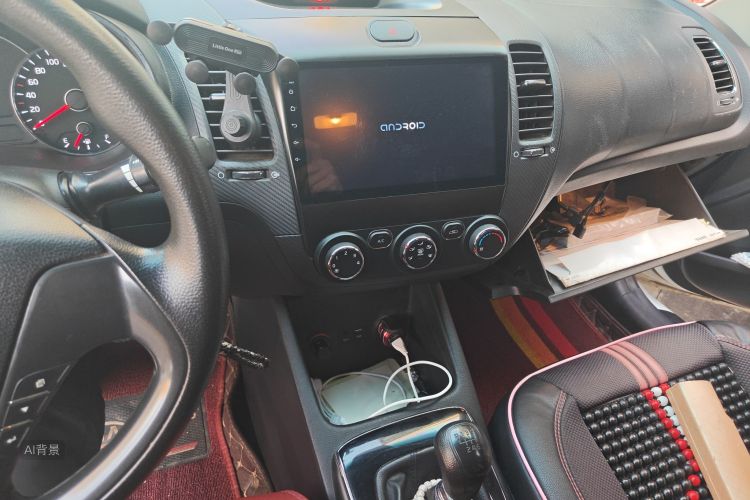
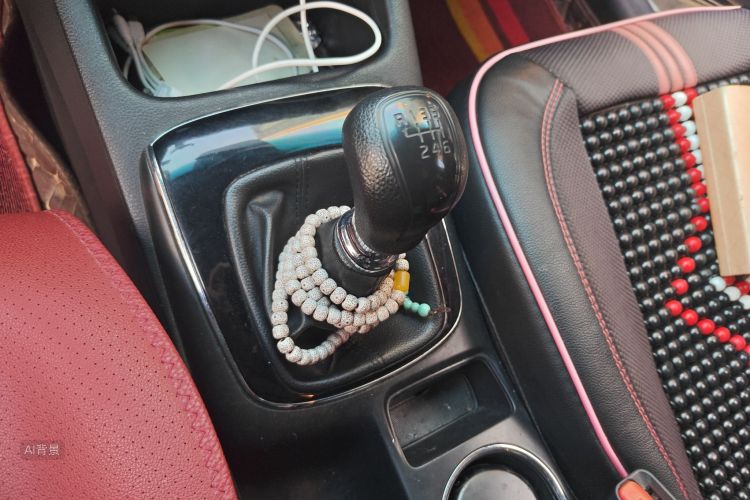
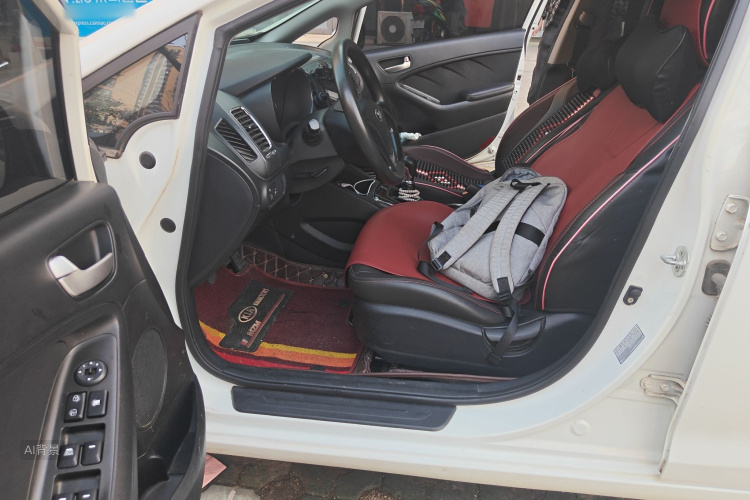
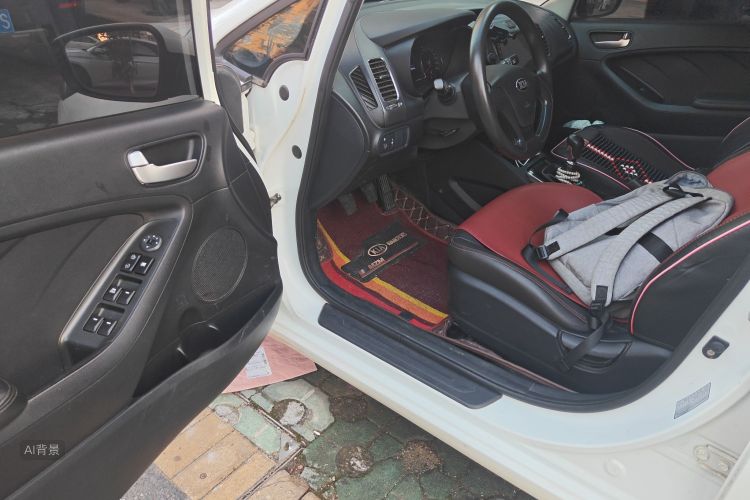
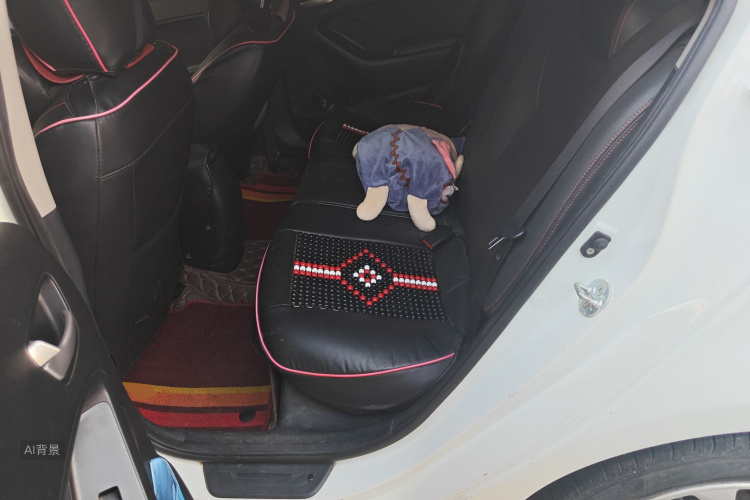
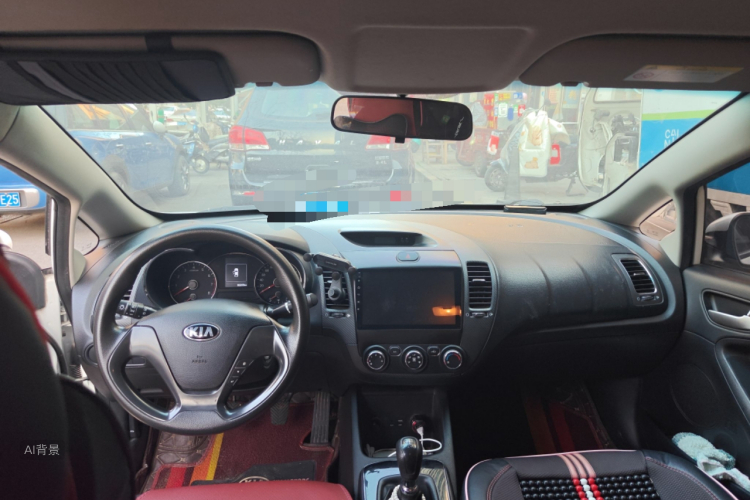
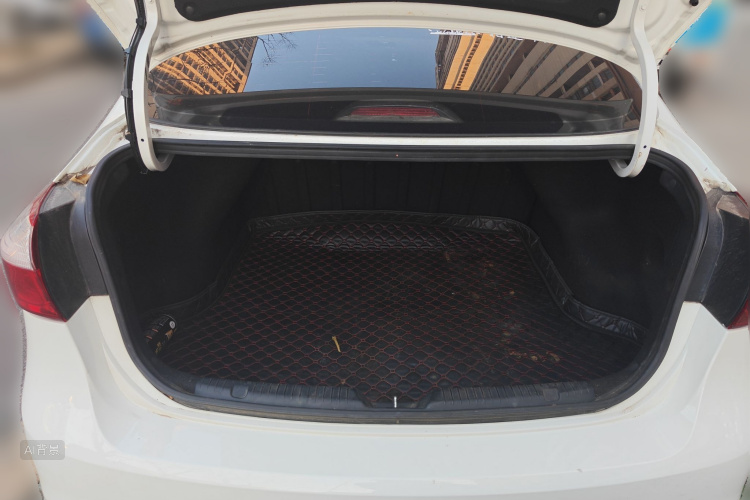
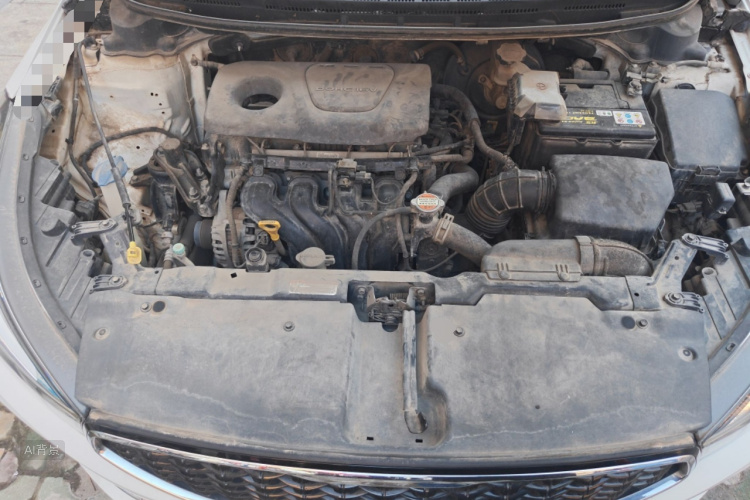



Basic Information

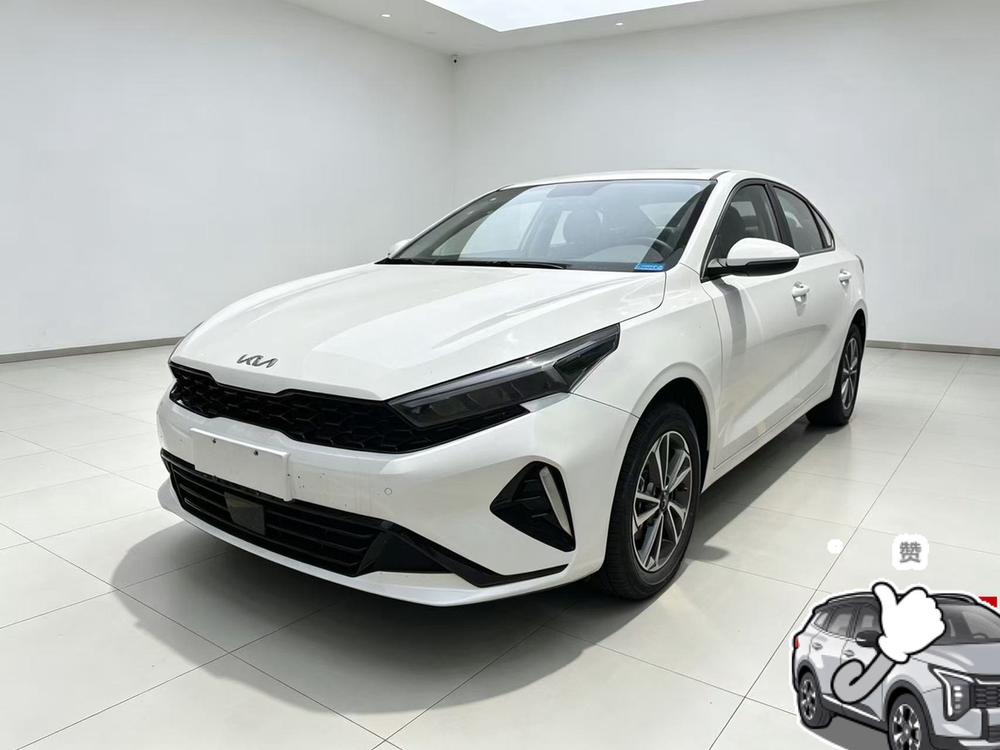
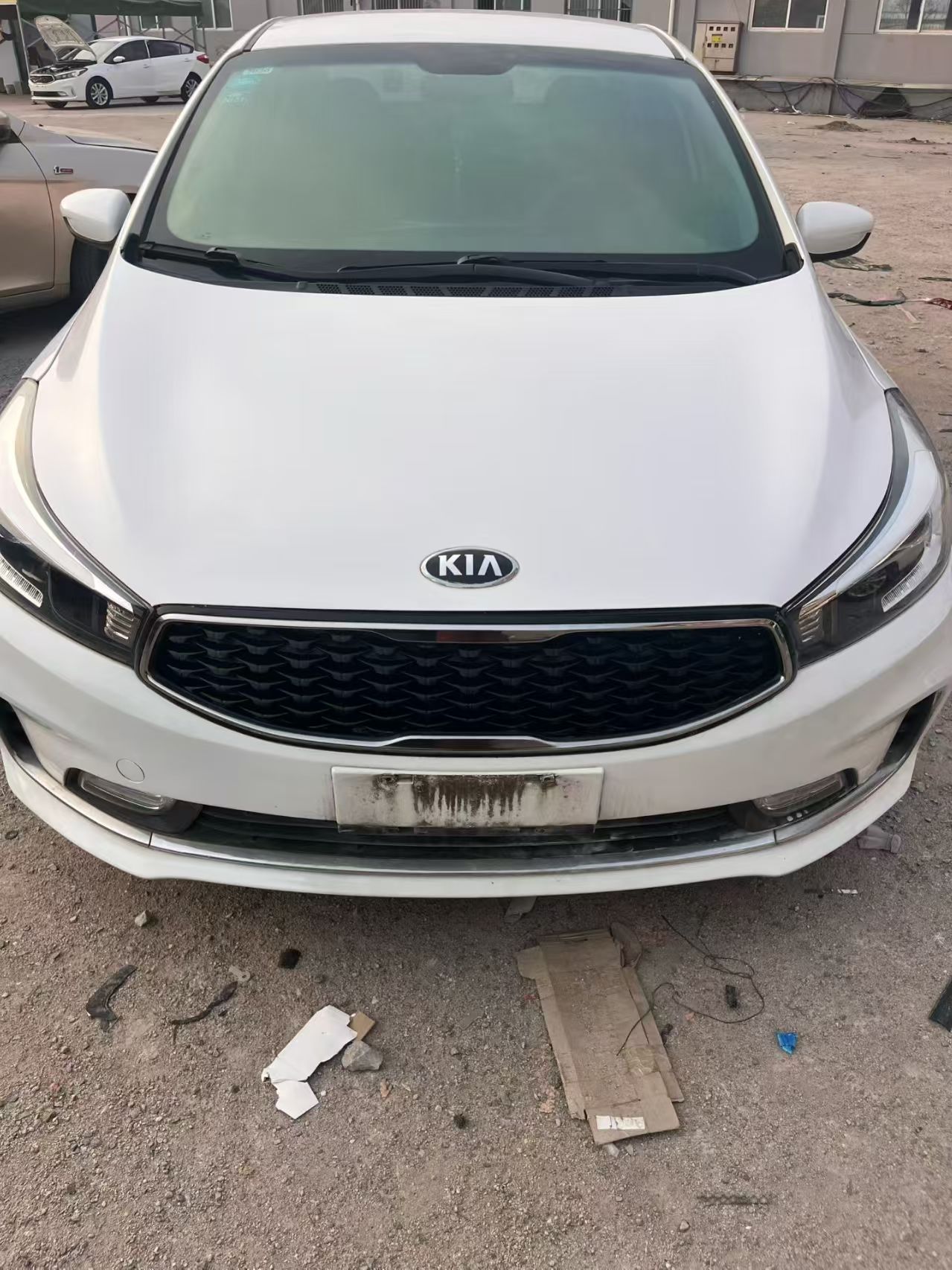
BrandKia
SeriesK3
Year2017
First Registration2017/10
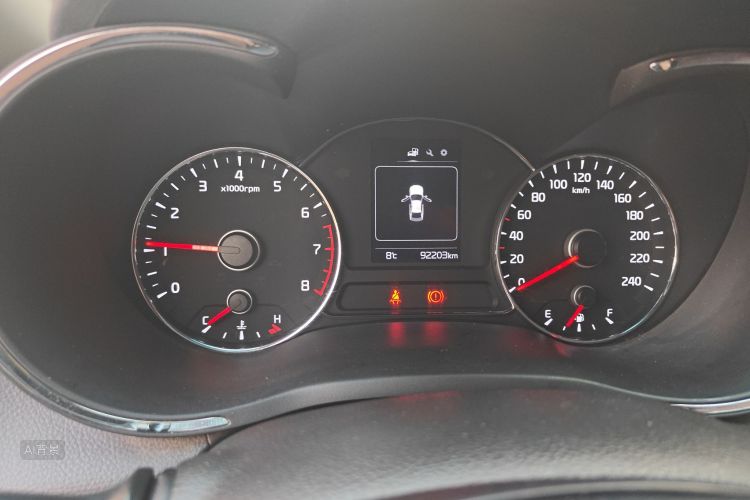
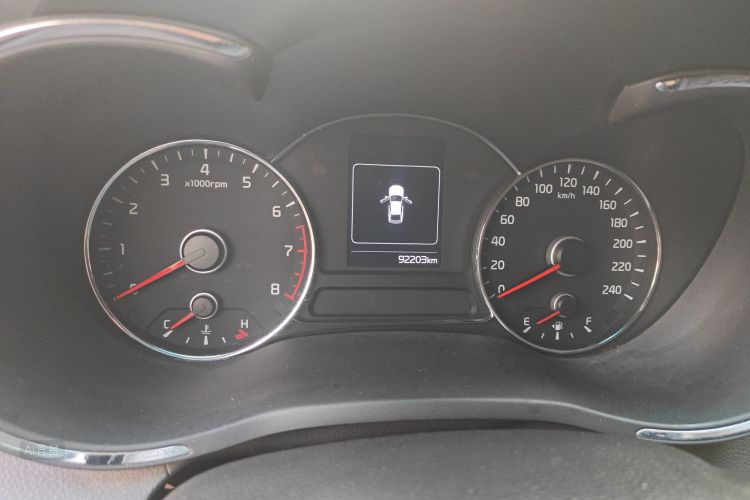
Mileage92,200km
Transfer Count2times
FuelGasoline
TransmissionManual
Engine1.6L 128 L4
ColorWhite
Seats-

Condition Description

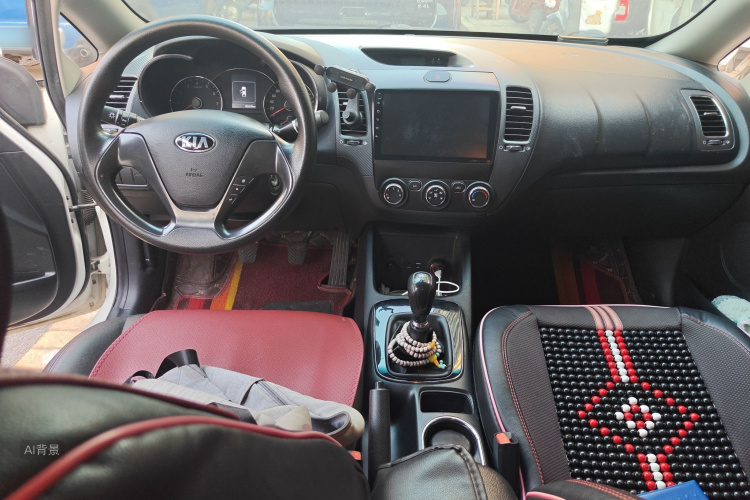
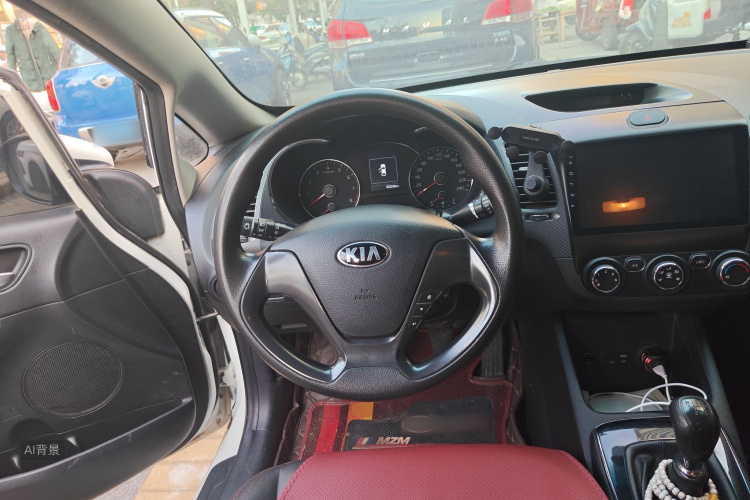
Vehicle in good condition, passed inspection, 0 claims, 2 ownership transfers.

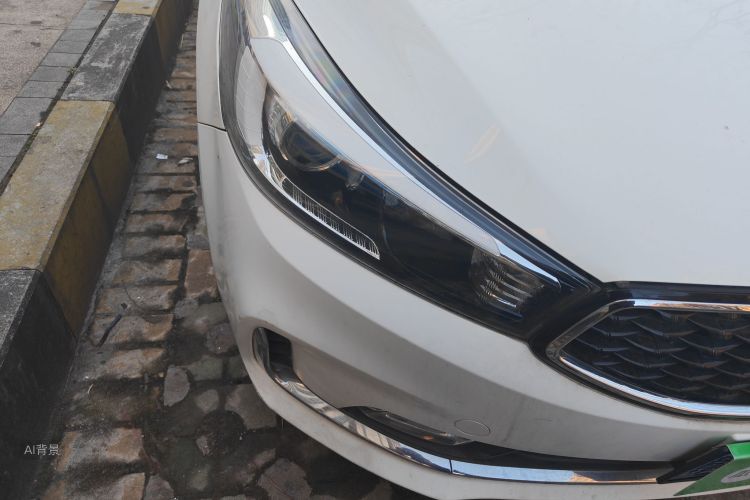
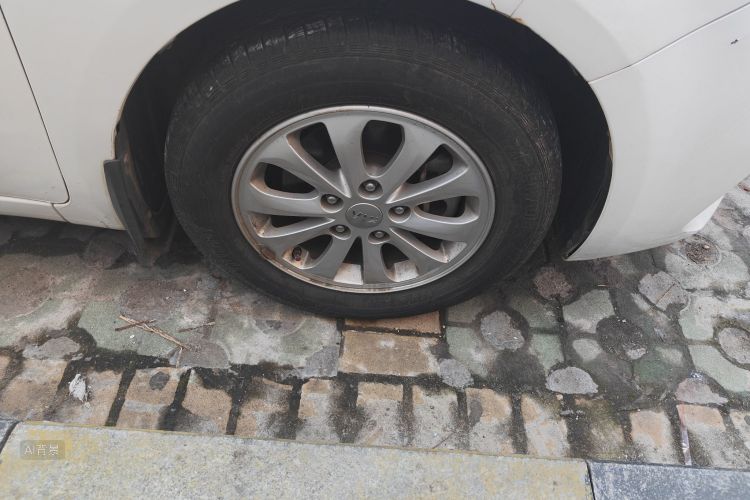
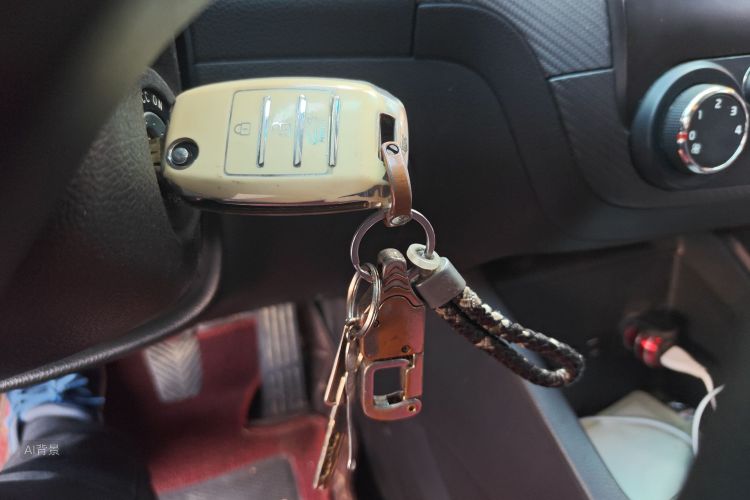
This vehicle is 9 years old, with an average annual mileage of 10,200 kilometers. It has been used infrequently and has been transferred to another owner twice. There may be some obvious signs of wear and tear on the exterior. The interior is in good condition with normal signs of use. The overall body frame is intact, but there are a few abnormal issues. The fluid levels are normal, and the powertrain is functioning well.

Q&A

More

How to manage overseas buyers' expectations for continuous software updates of Chinese new energy vehicles (especially from new car manufacturers)?

We repeatedly confirm and emphasize to buyers before sale: after leaving mainland China, most Chinese smart electric vehicle ecosystems (such as cloud voice assistants, online maps, OTA updates) will be permanently offline. You are purchasing a hardware platform with excellent mechanical quality and a three-electric system; please use it as a "standalone" vehicle. Do not trust false promises from other channels claiming "perfect overseas unlocking and continuous official OTA updates."
What is the compensation mechanism if the seller (sellwellauto) unilaterally defaults and fails to deliver the vehicle during the contract execution period?

It rarely happens, but there is a clear mechanism. If the transaction is canceled due to our reasons (such as the vehicle being suddenly seized by judicial authorities during the transfer), we will refund the full deposit you have paid and provide additional compensation according to the penalty clauses in the contract.

Why are the shipping costs for used electric vehicles (EVs) usually higher than for internal combustion engine vehicles (ICEs)?

Pure electric vehicles are classified as Class 9 Dangerous Goods due to their large lithium batteries, leading to strict shipping regulations. Shipping companies have high requirements for the loading position and fire isolation measures for dangerous goods, and some roll-on/roll-off ships refuse to accept used EVs. As a result, EVs often require more expensive special container shipping and incur additional handling fees for hazardous materials.