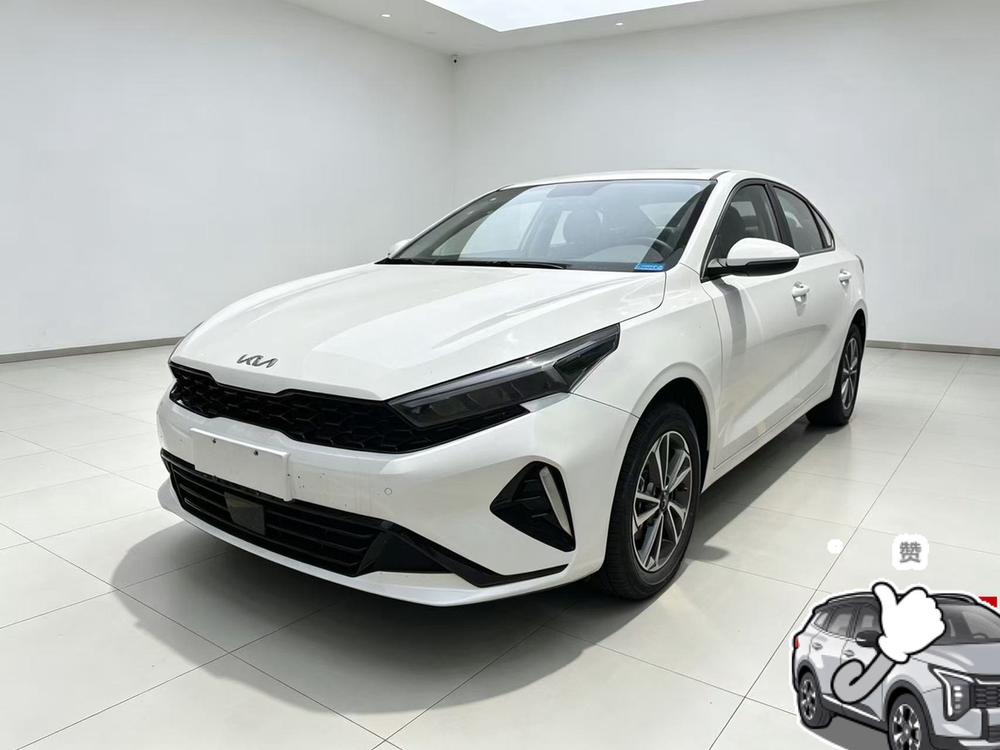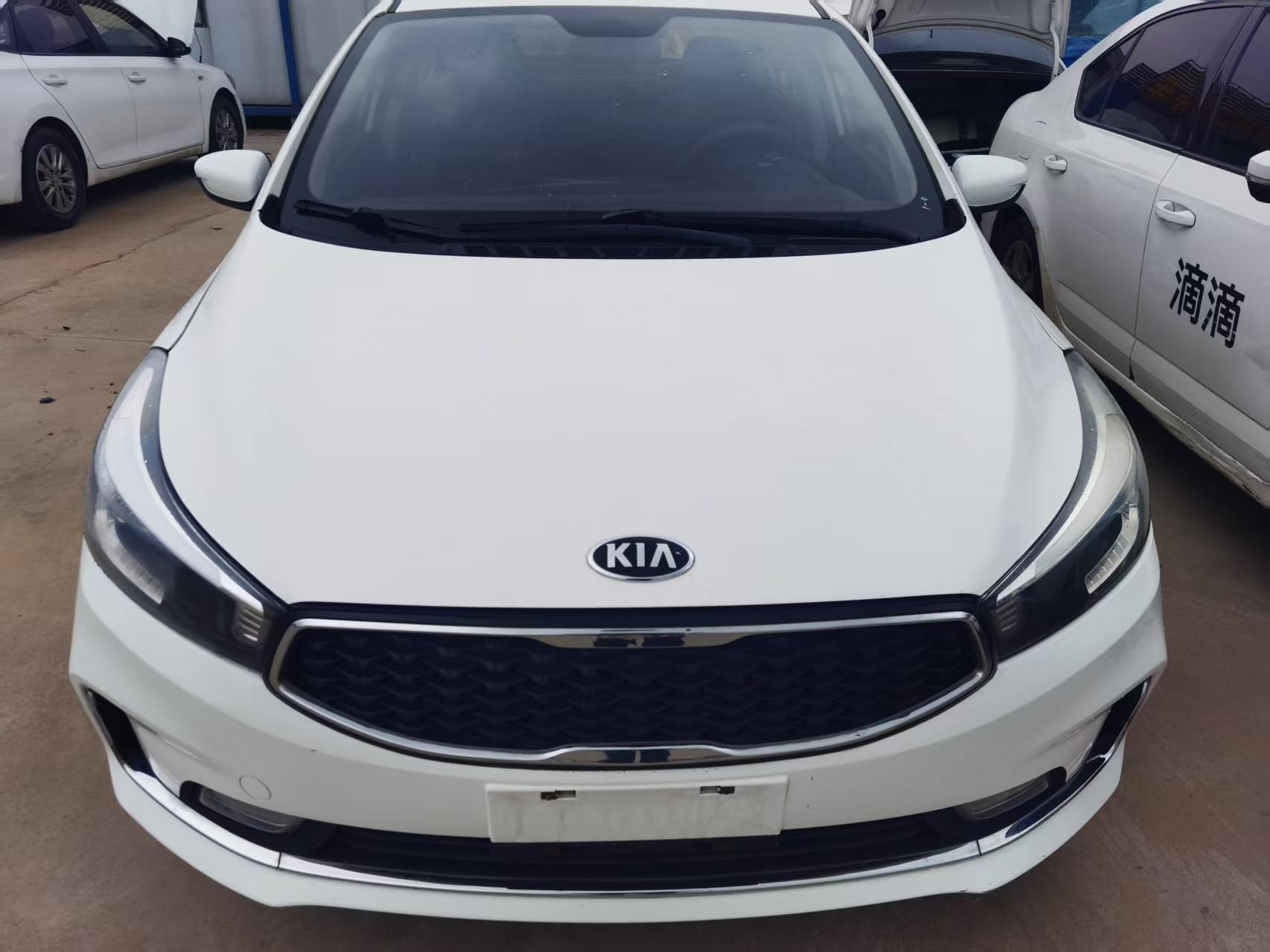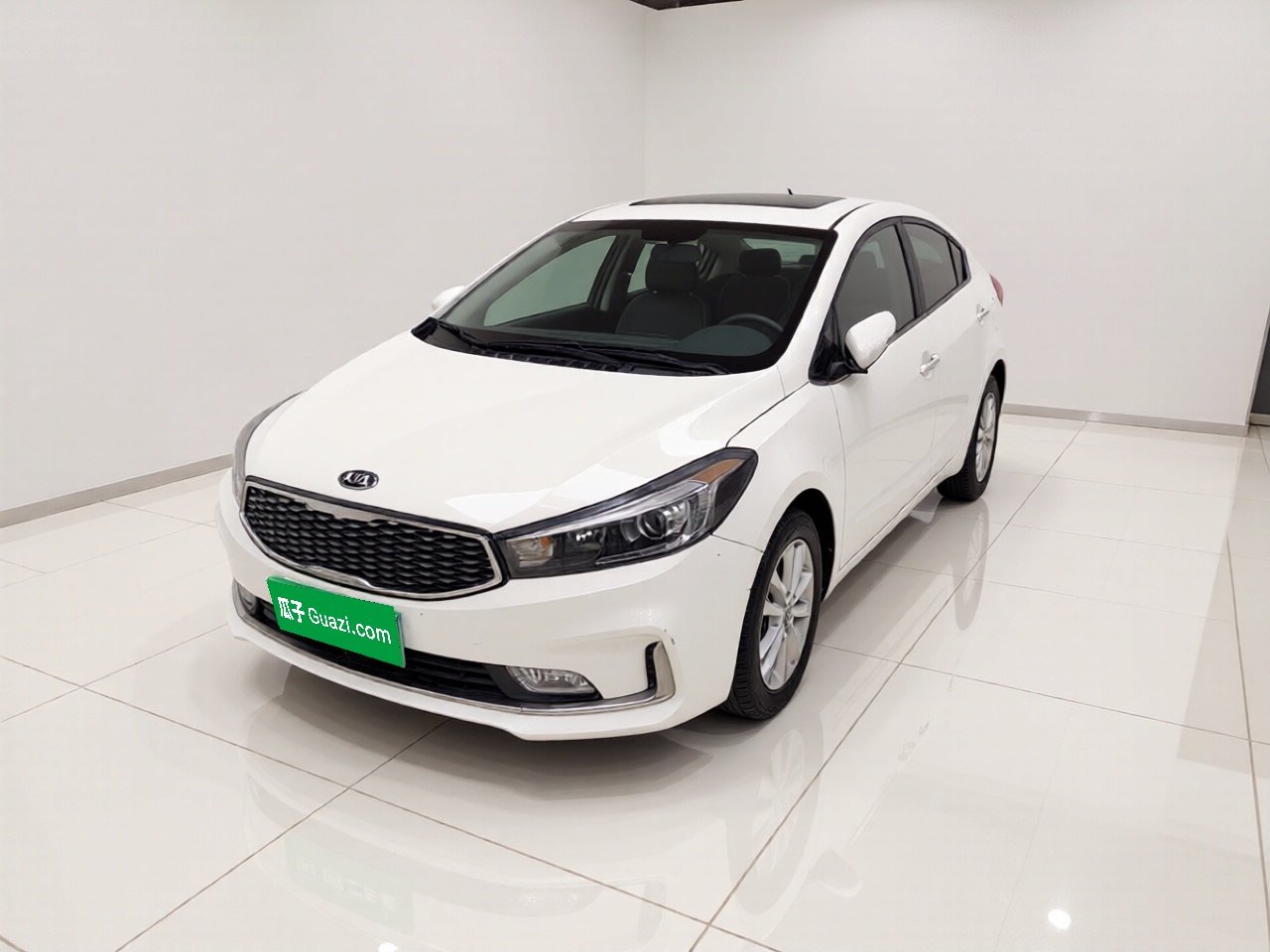

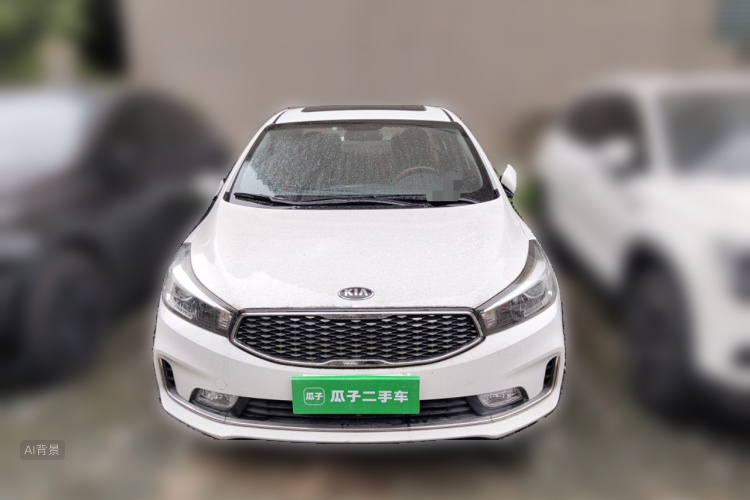



Basic Information

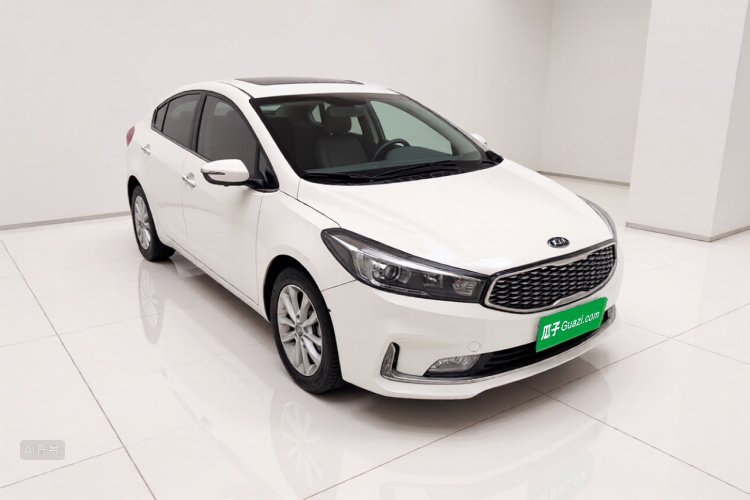
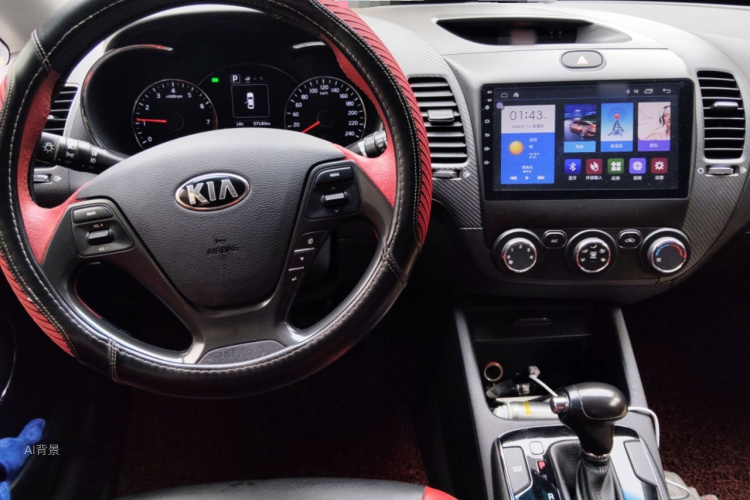
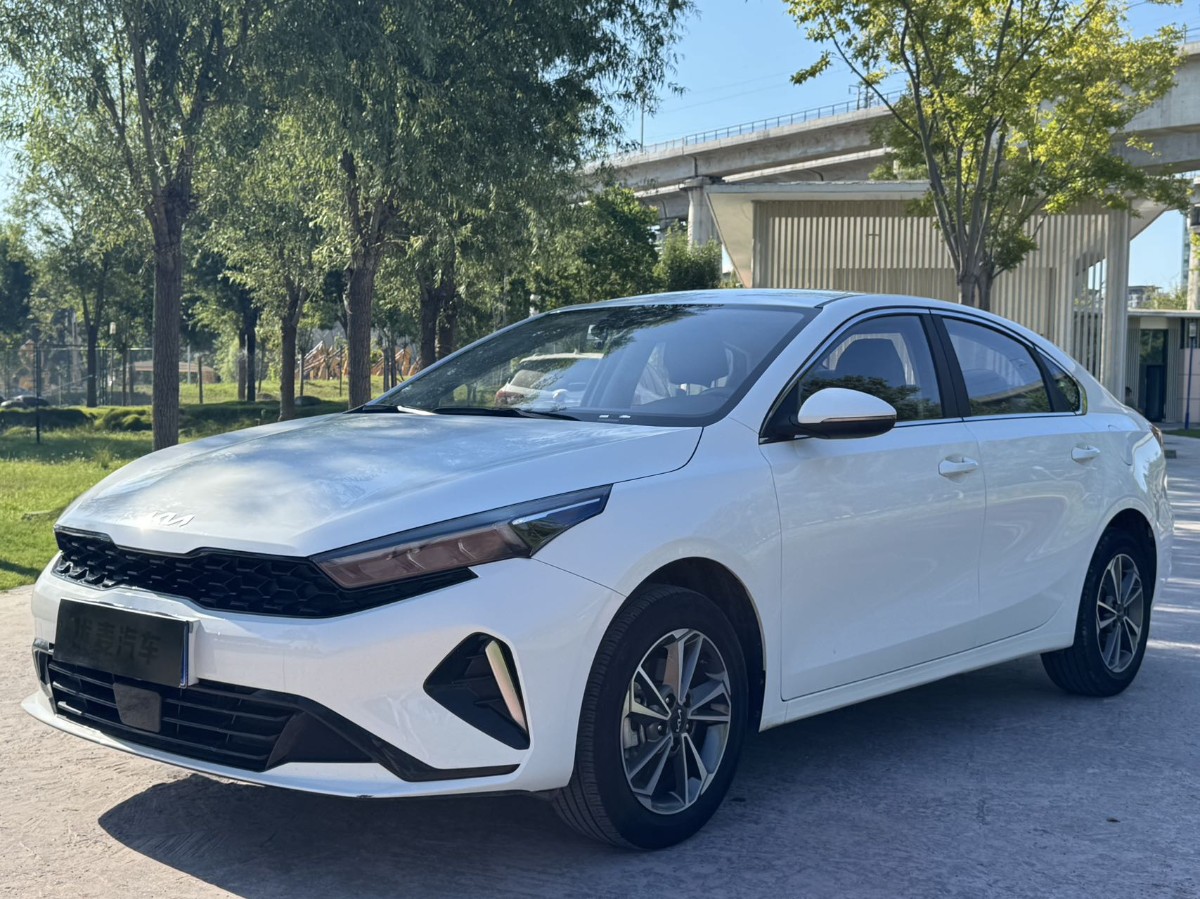
BrandKia
SeriesK3
Year2017
First Registration2017/03
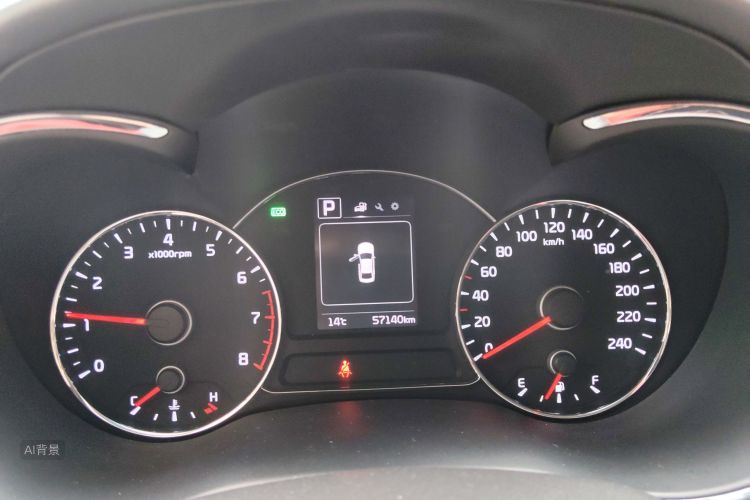
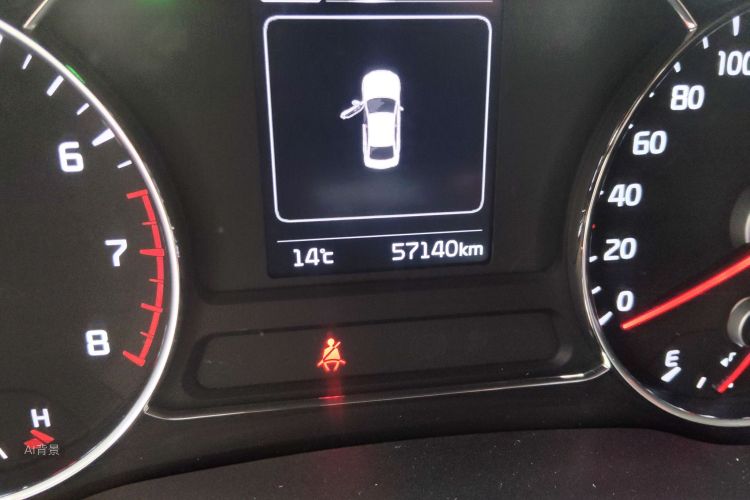
Mileage57,100km
Transfer Count-
FuelGasoline
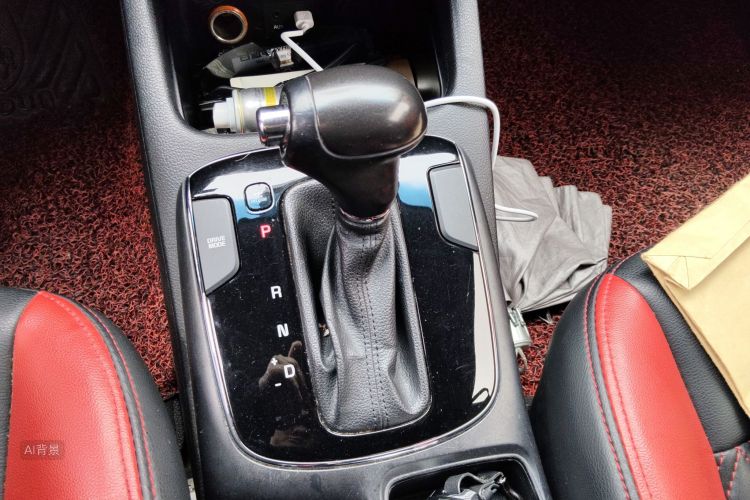
TransmissionManumatic
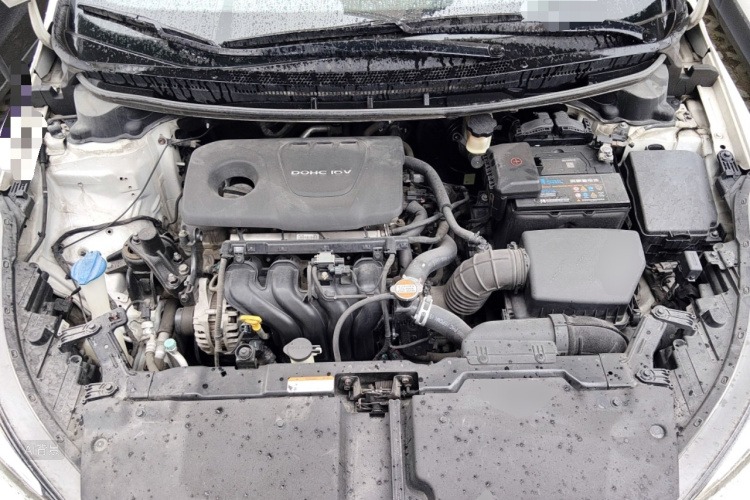
Engine1.6L 128 L4
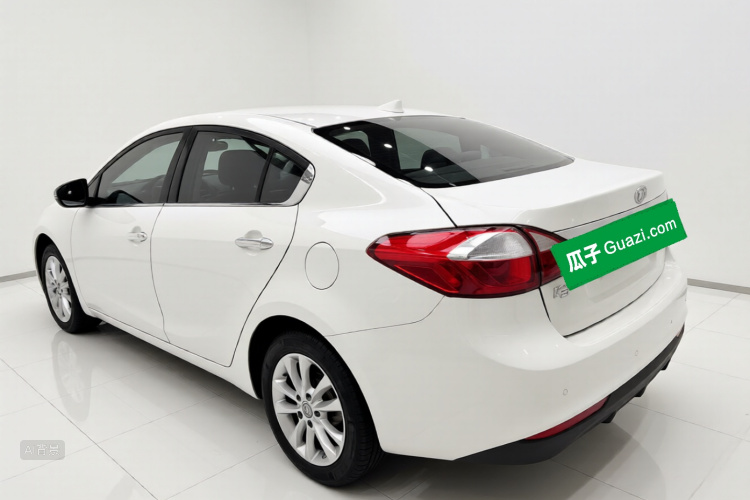
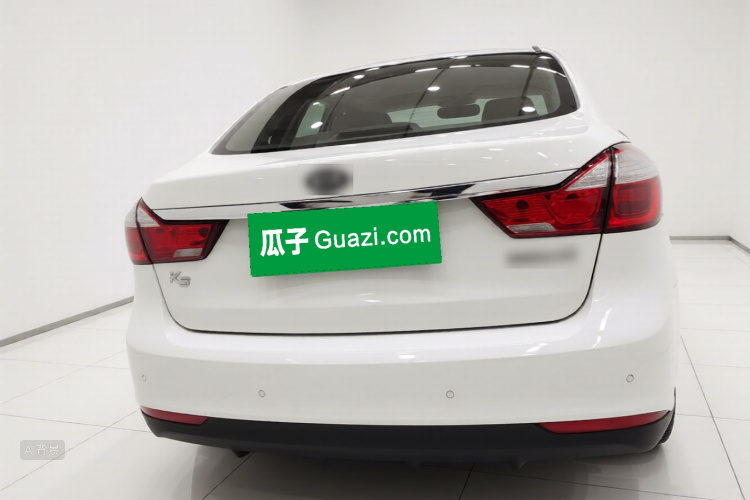
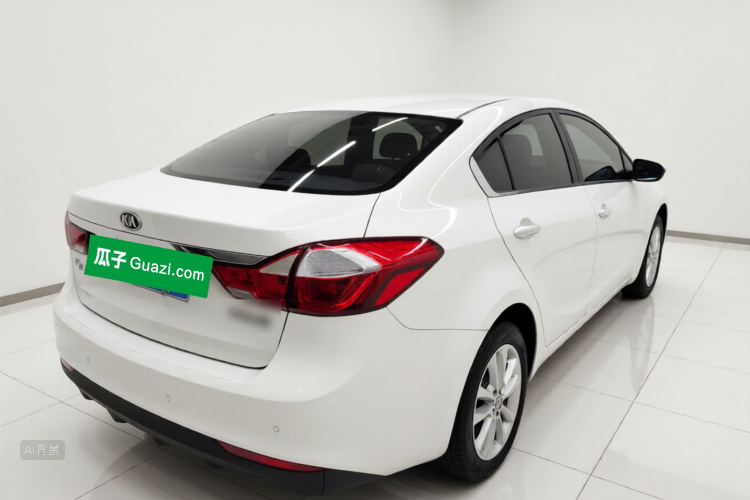
ColorWhite
Seats-

Condition Description

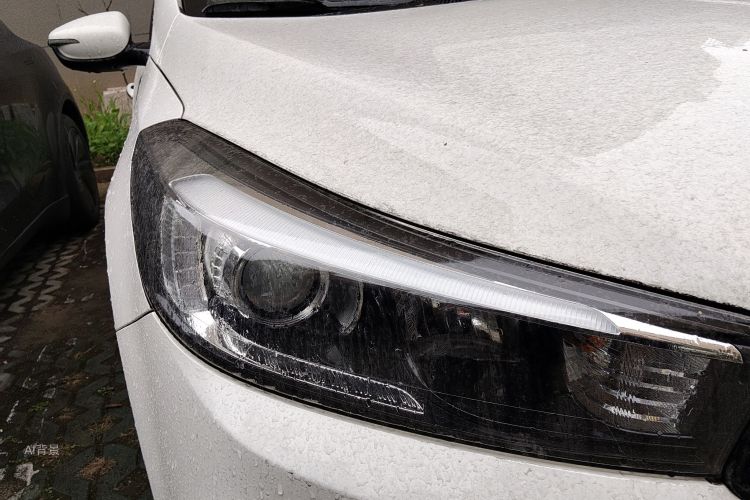
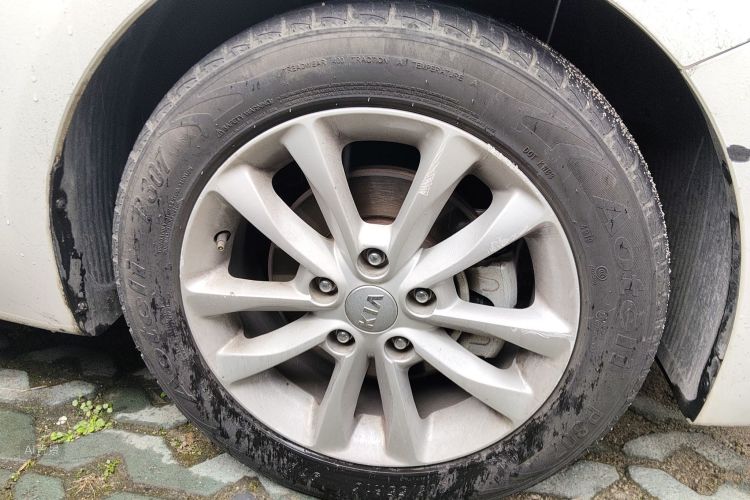
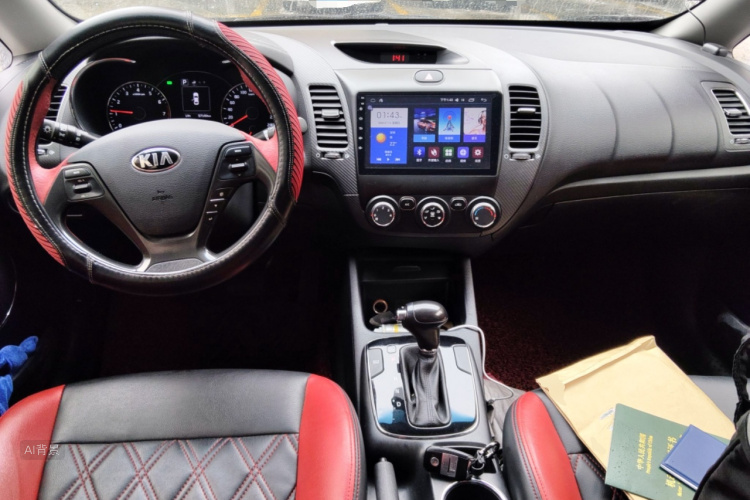
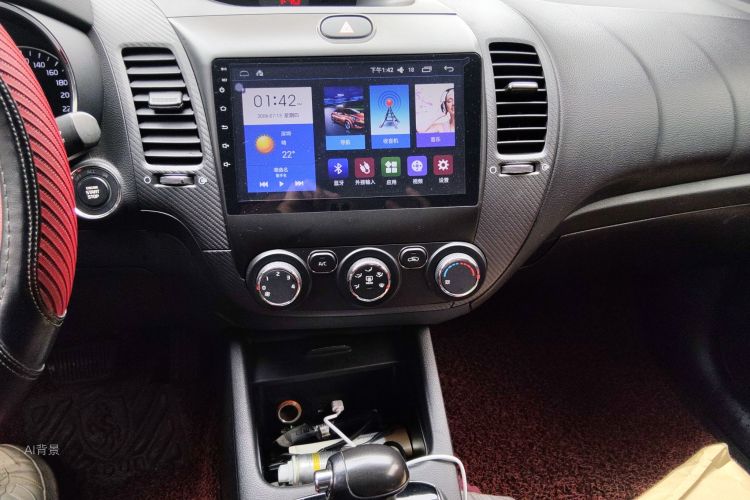
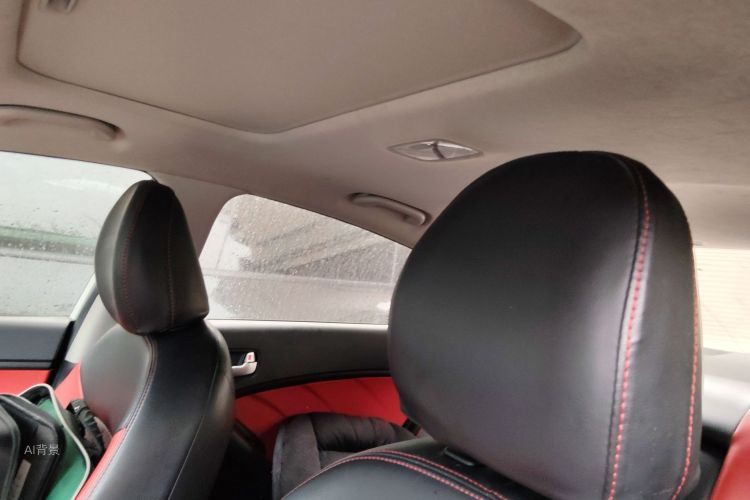
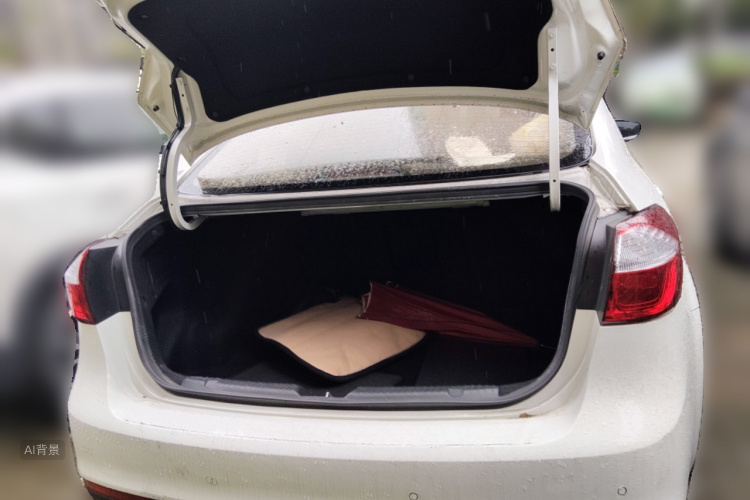
Vehicle in good condition, passed inspection, excellent condition, 2 claims filed, 0 ownership transfers.

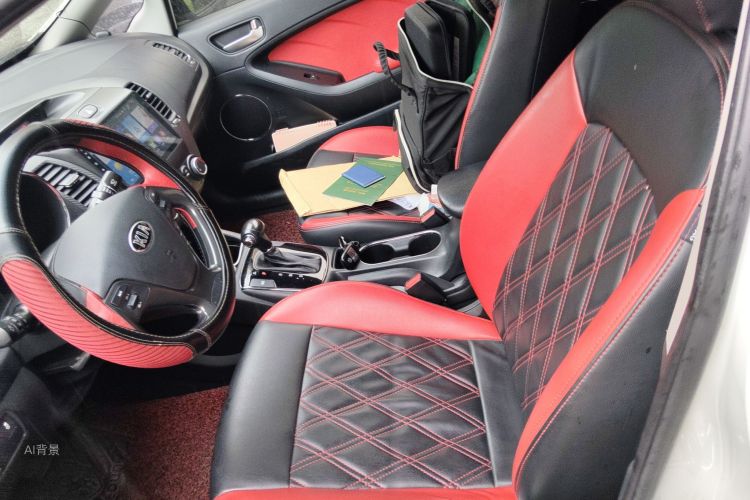
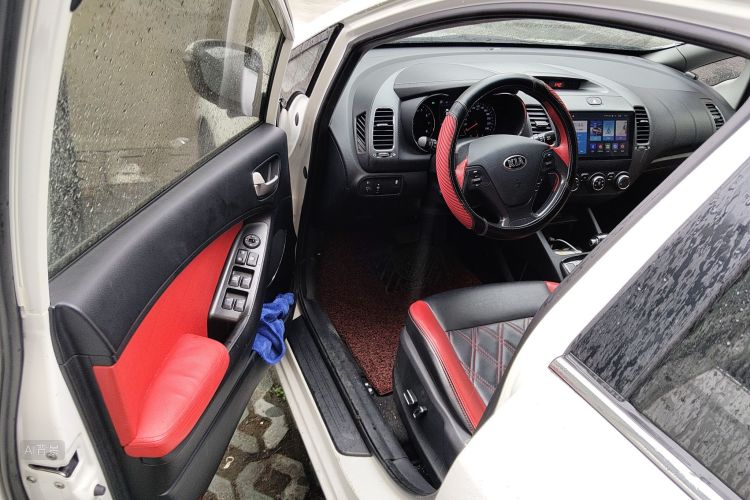
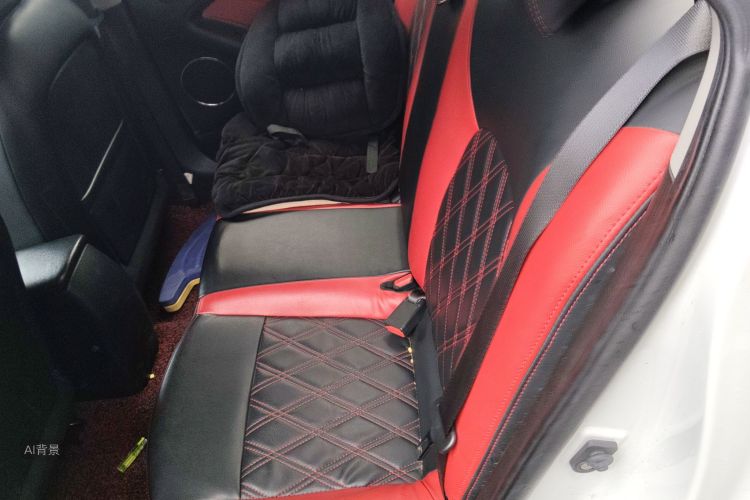
This vehicle is 9 years old, with an average annual mileage of 6,300 kilometers. It has a low frequency of daily use and has never been transferred to another owner, making it a good first-hand vehicle. The exterior paint is in good condition, although there may be a few minor marks. The interior is in good condition, with normal signs of use on the surface. The overall body frame is intact, with a few minor abnormalities. The fluids are normal, and the powertrain operates smoothly without any abnormalities.

Configuration Highlights

✓Kick-sensor Trunk
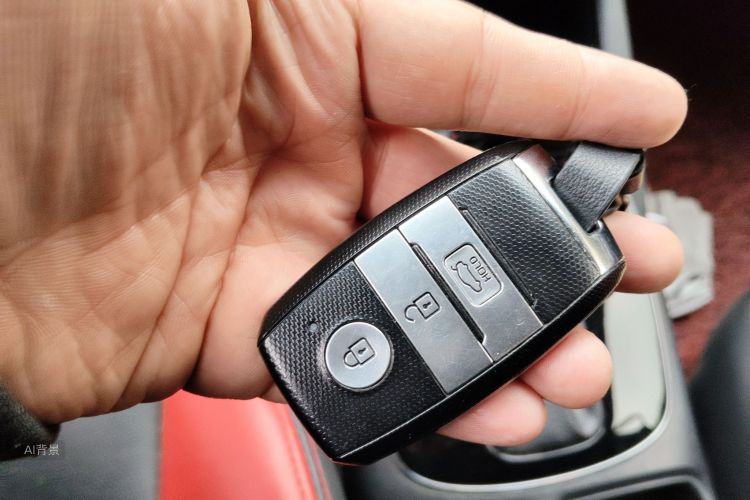
✓Keyless Entry
✓Auto Headlights
✓Keyless Start
✓Heated Mirrors
✓Hill Start Assist
✓Rear Parking Sensors

Q&A

More

How to ensure quality consistency for a batch of over ten vehicles during B2B bulk purchasing?

For B2B large customer orders, a "sampling + full inspection" dual regulation is adopted. Core parameters (no major accidents, no water damage or fire) are subject to 100% inspection per vehicle; appearance and condition are uniformly graded (e.g., uniformly purchasing Grade A), and panoramic images of all vehicles in the batch along with a core indicators comparison list are provided before shipment.

How to prove the state of health (SOH) of a second-hand electric vehicle battery? Will a testing report be provided?

We understand that the power battery is the core asset of an EV. Before export, our technical team will use professional OBD diagnostic equipment to read the underlying data from the Battery Management System (BMS). We will provide you with a technical report that includes key indicators such as battery health percentage (SOH), cell pressure differences, and charge-discharge cycle counts. If the SOH is below our established export safety standard (usually above 80%, depending on the vehicle's age), the vehicle will be intercepted and not sent overseas.

Why is there a time difference between the production date on the vehicle nameplate and the first registration date on the registration certificate?

The nameplate date is the absolute time when the vehicle leaves the factory; the registration date is when the vehicle is registered with the traffic management department after sale. The difference represents the time the vehicle spent in the dealer's warehouse or logistics. If the time difference exceeds 6-8 months, the vehicle is considered a "stock vehicle," and we pay special attention to the natural aging of its rubber components.