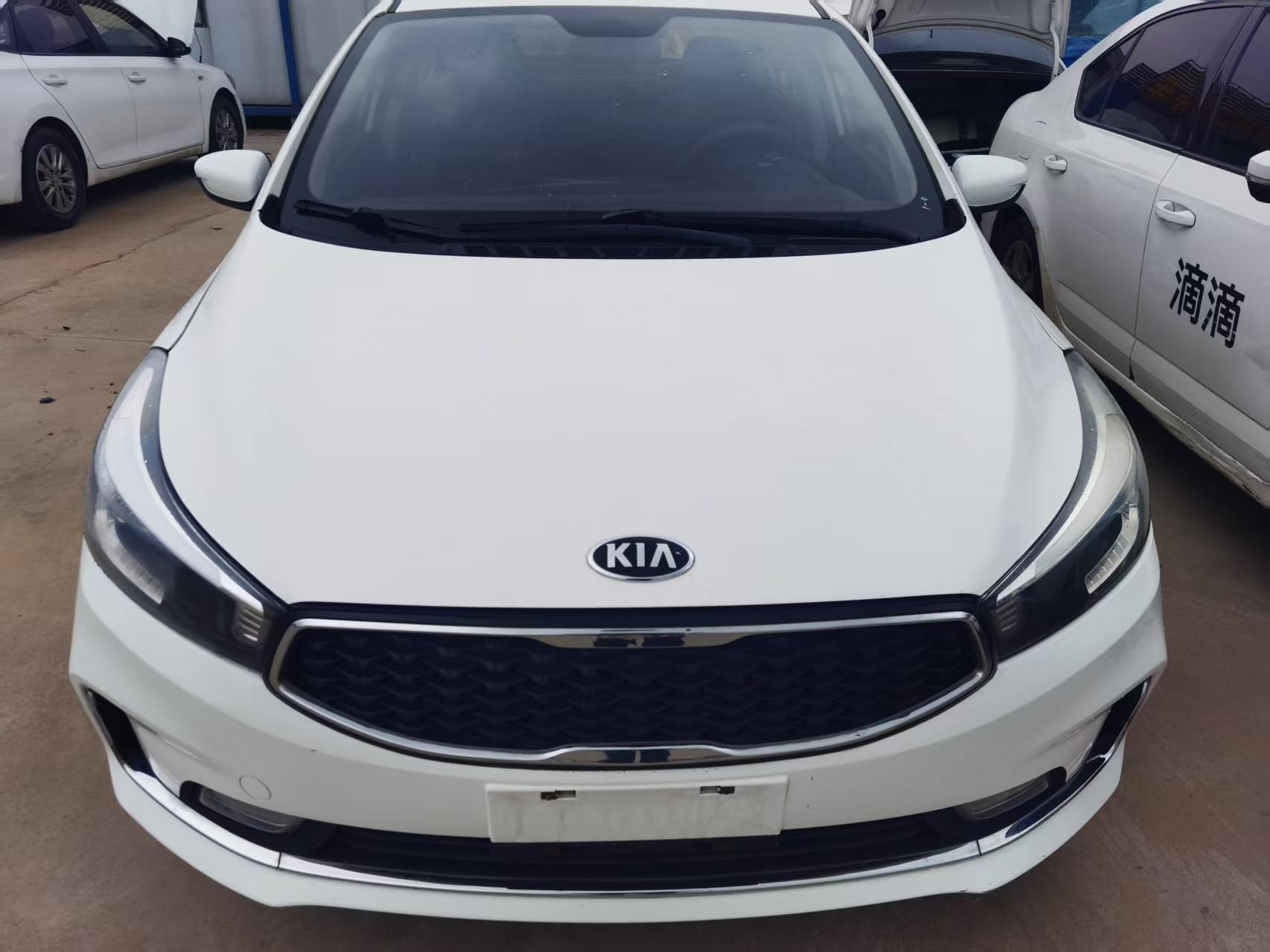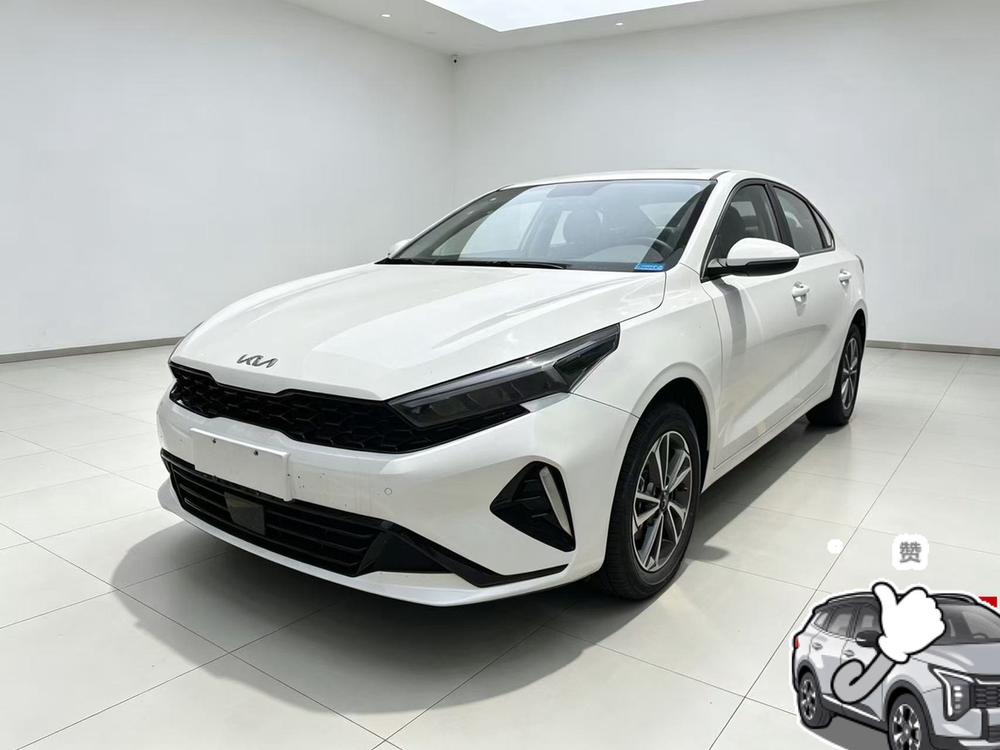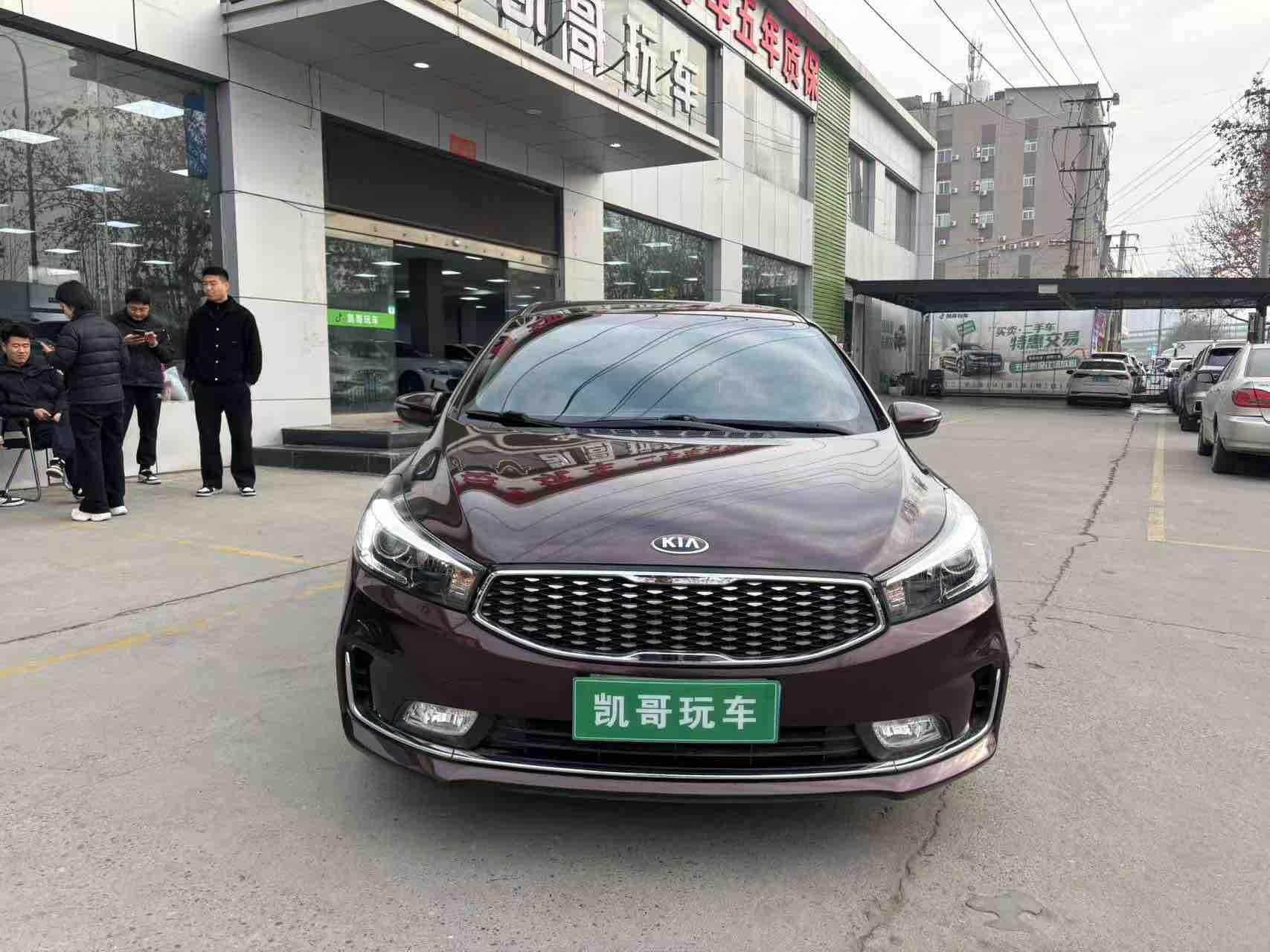
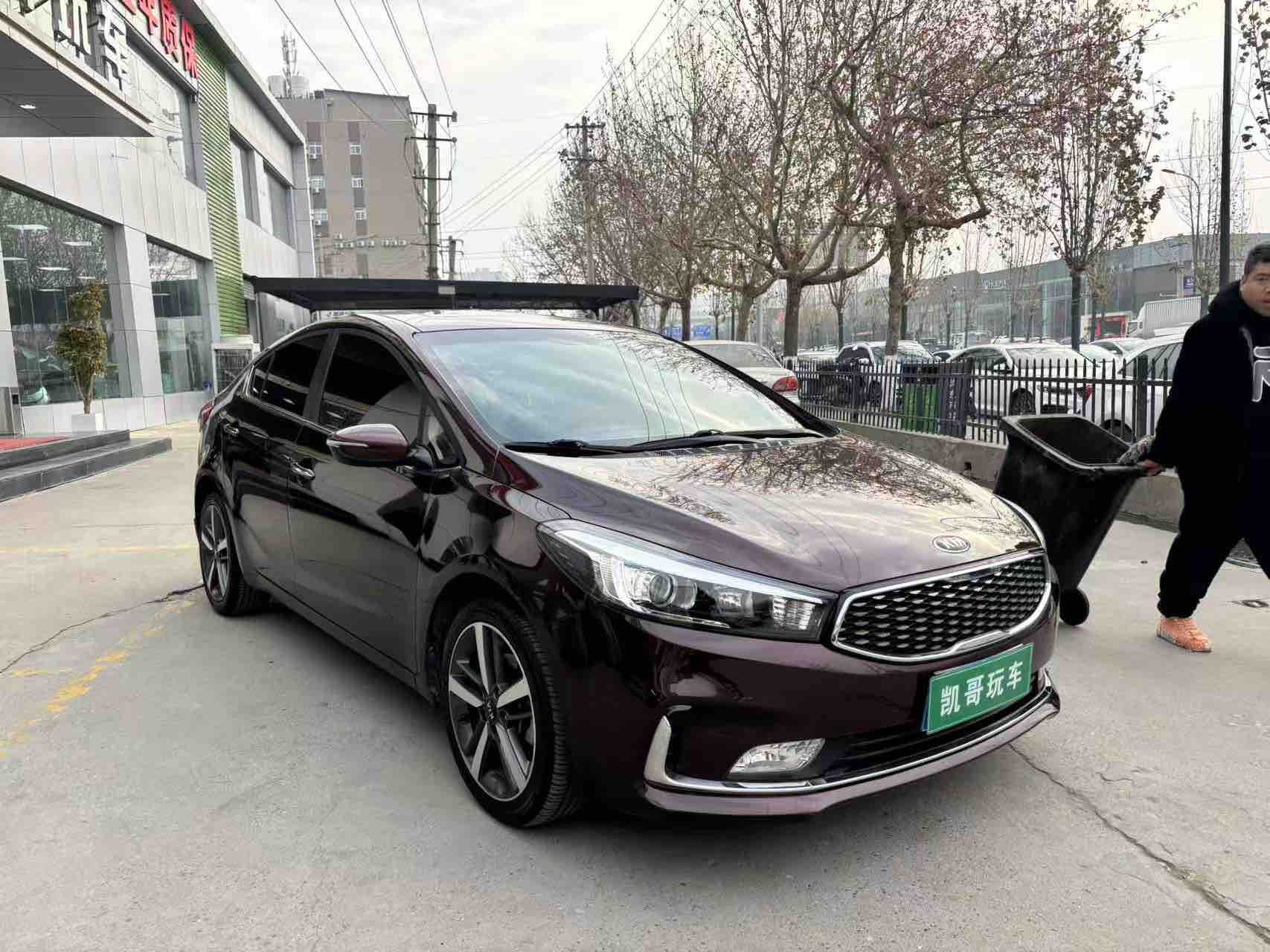
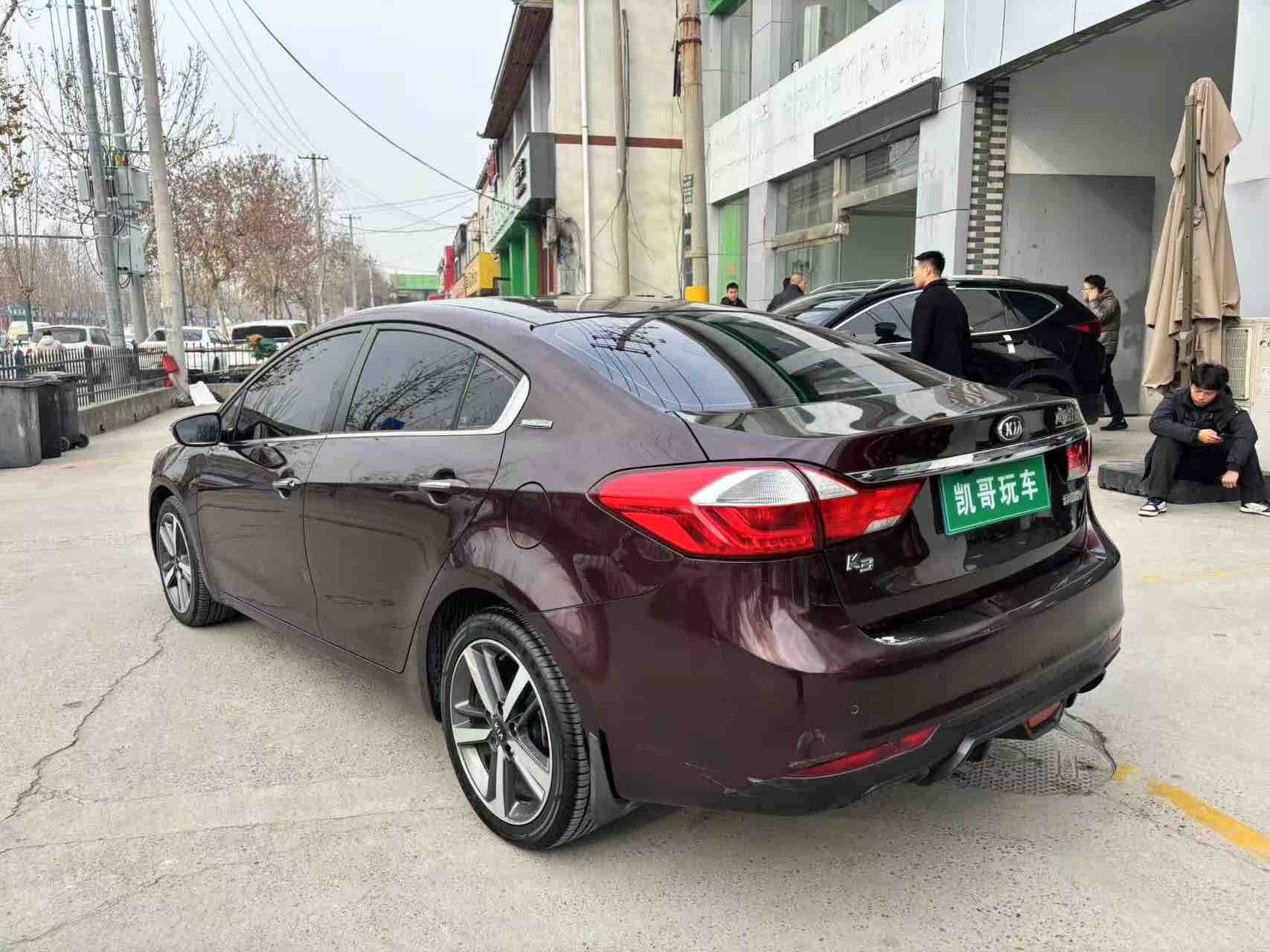
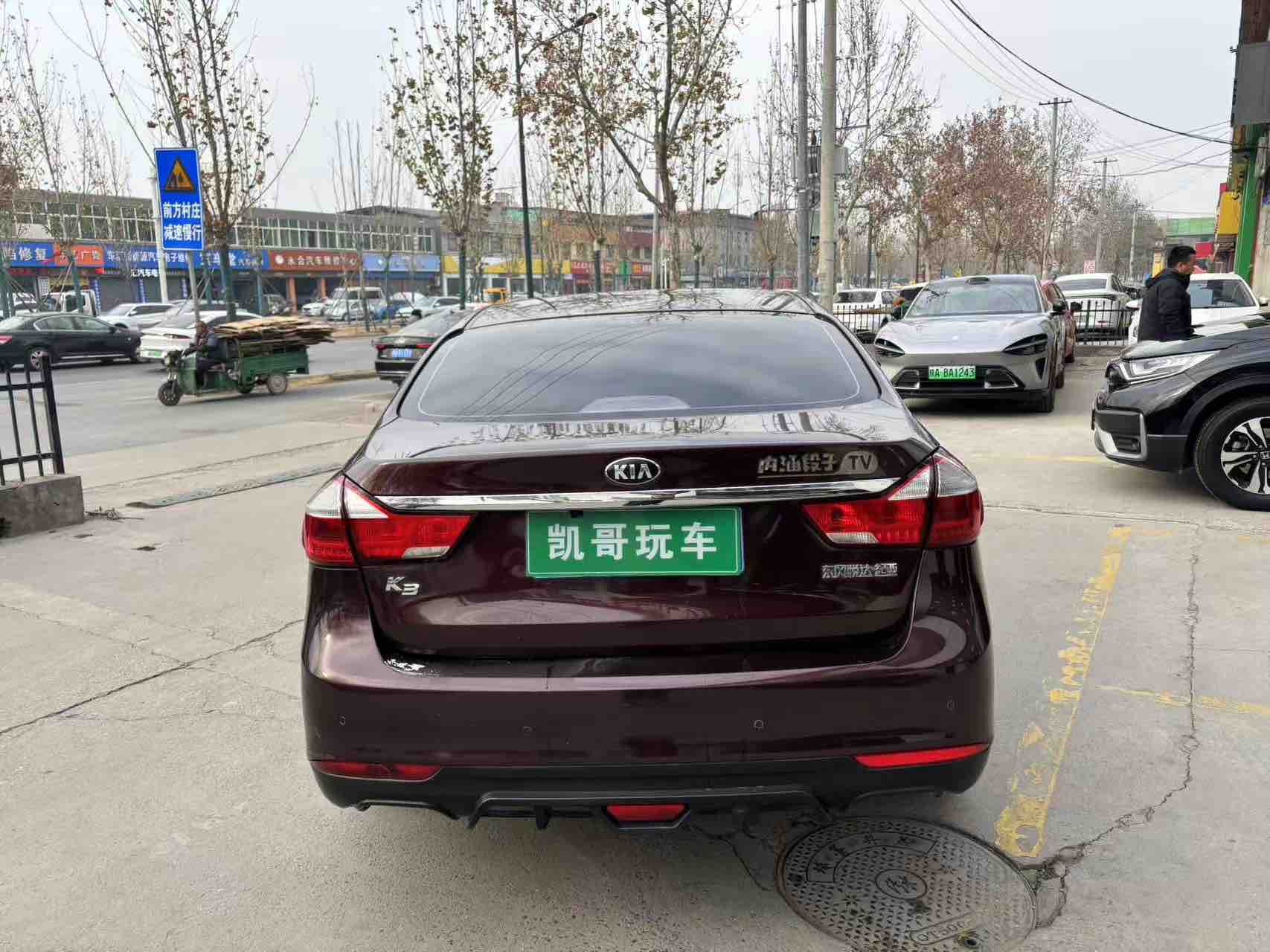
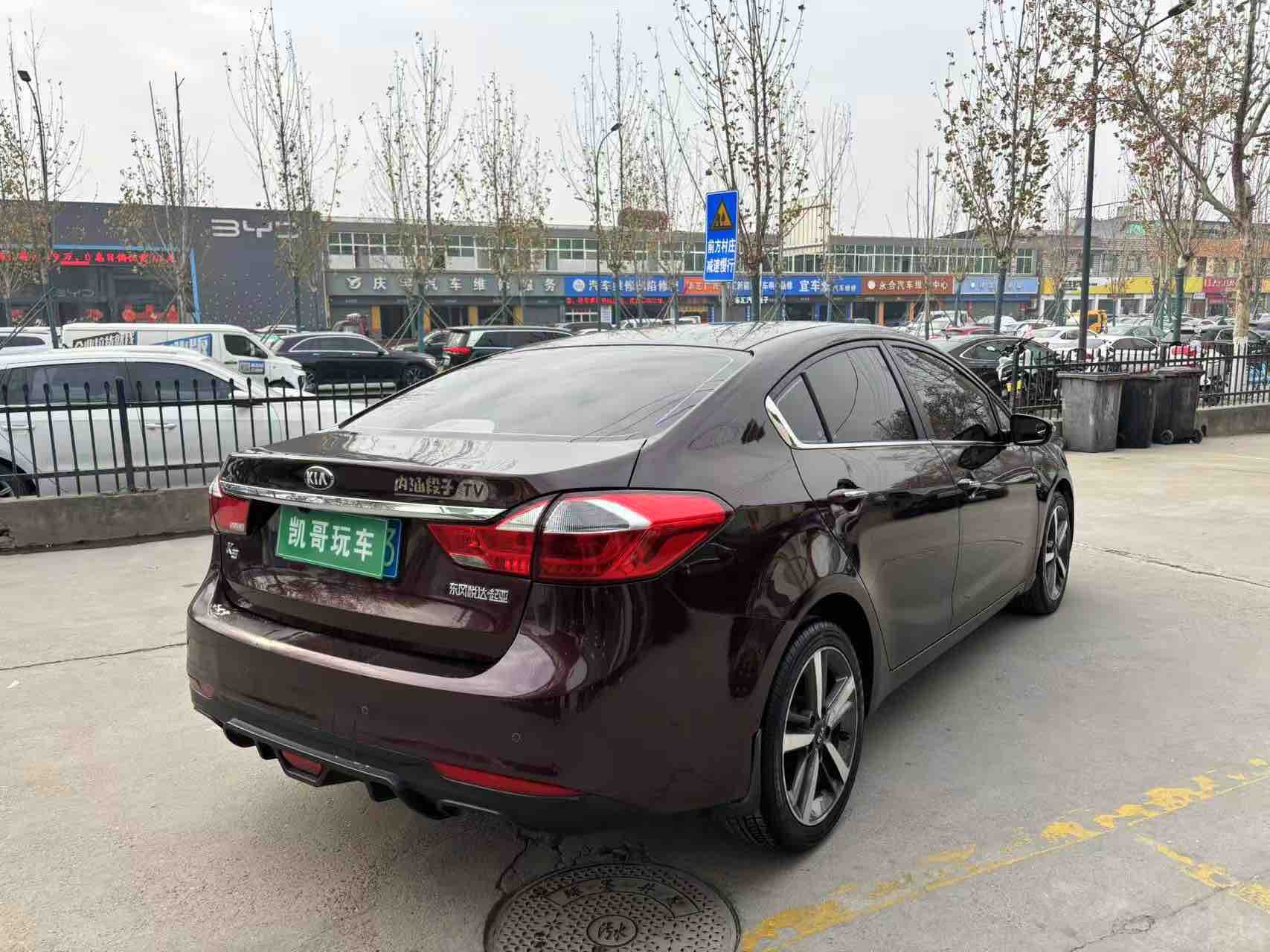



Basic Information

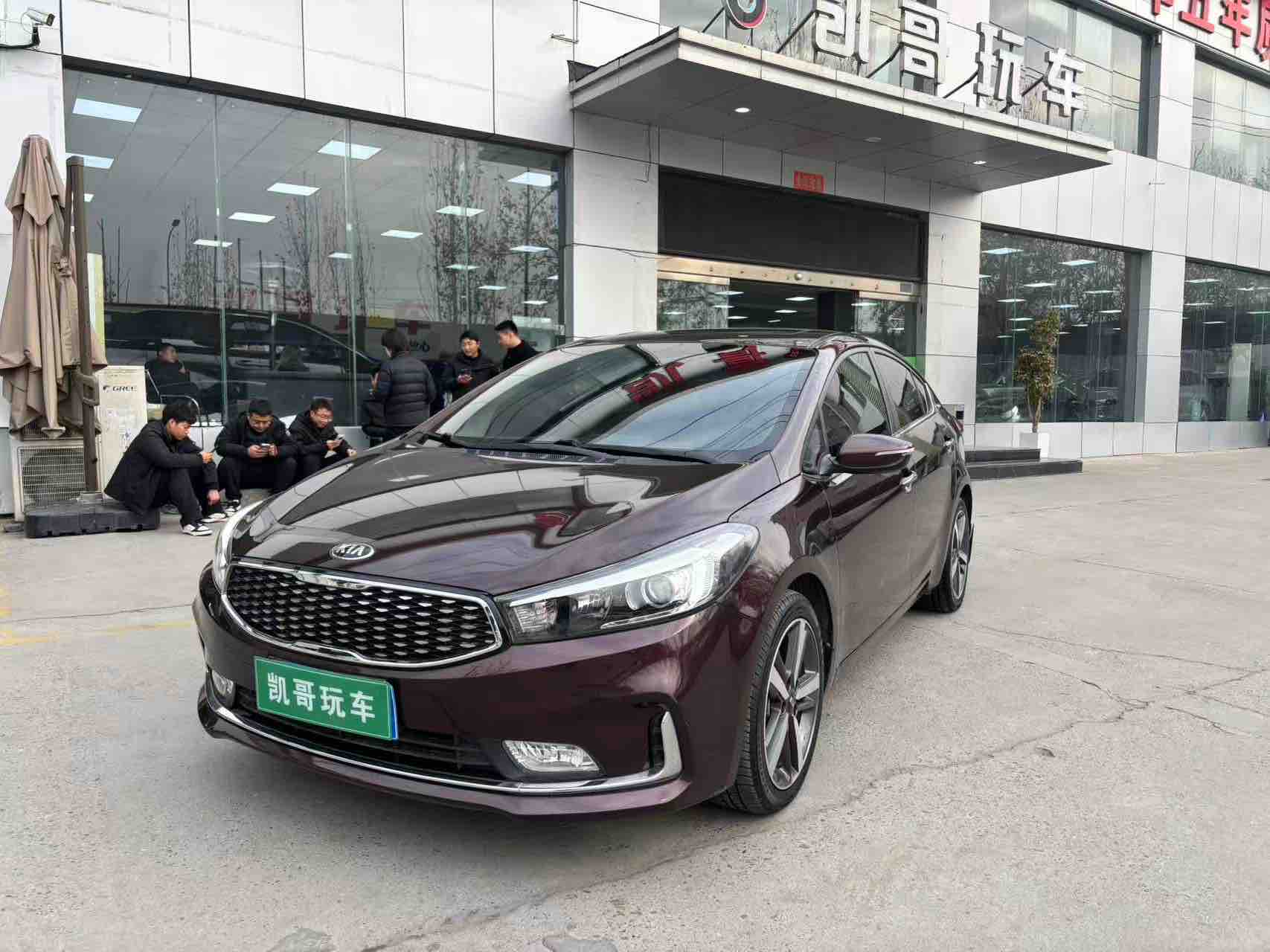
BrandKia
SeriesK3
Year2018
First Registration2018/02
Mileage6.54km
Transfer Count-
FuelGasoline
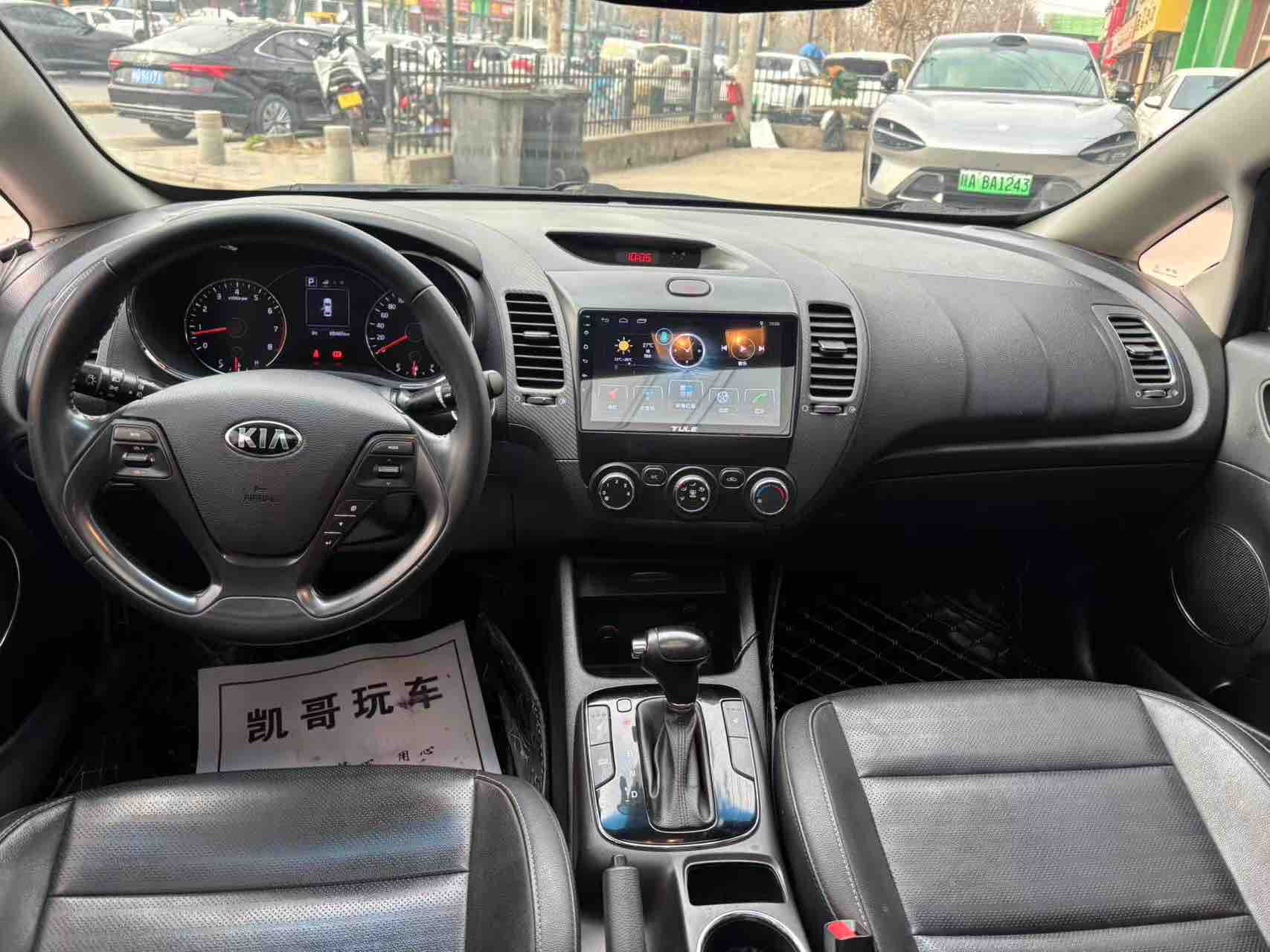
TransmissionManumatic
Engine1.6L 128 L4
ColorBrown
Seats-

Condition Description

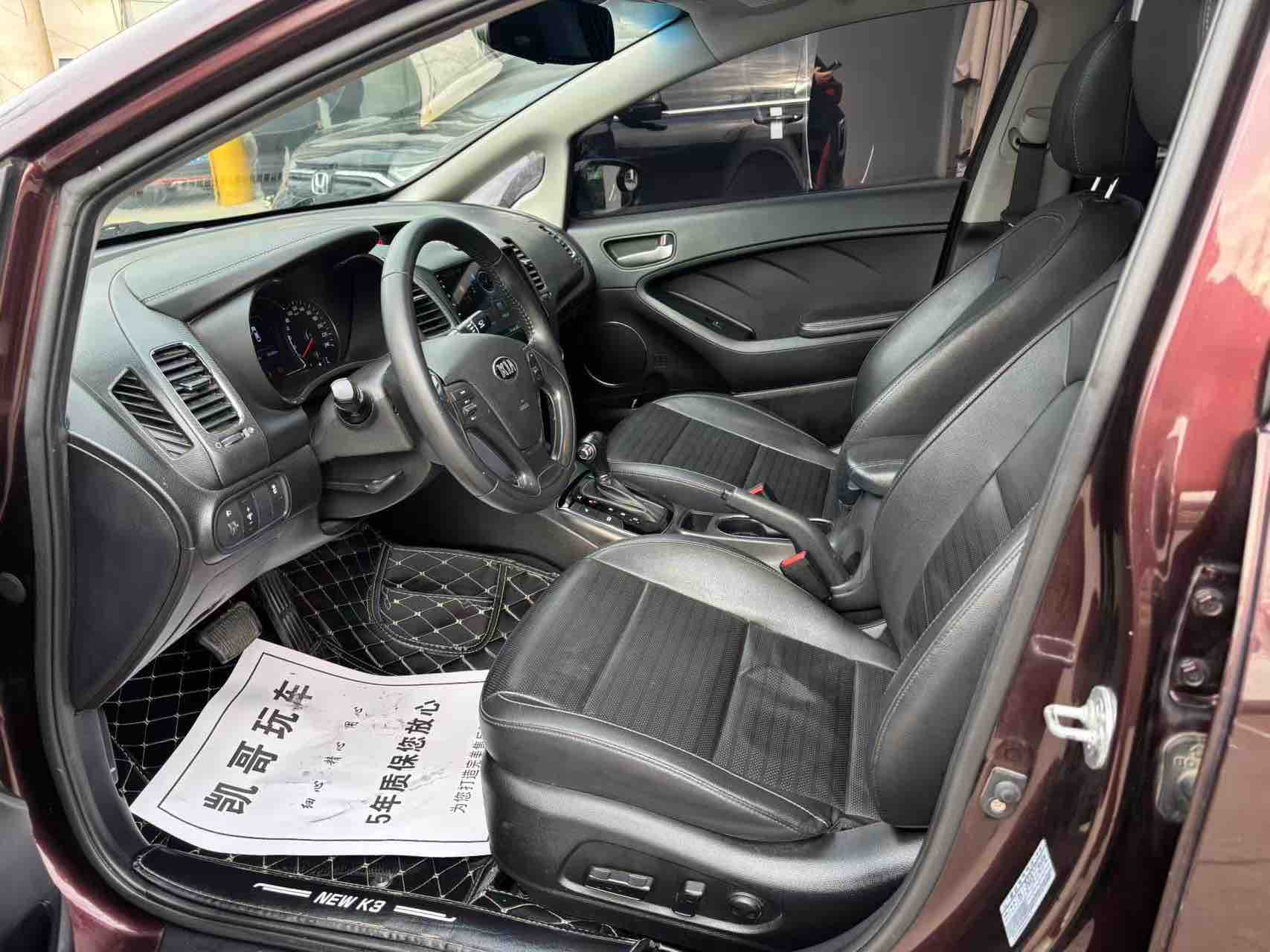
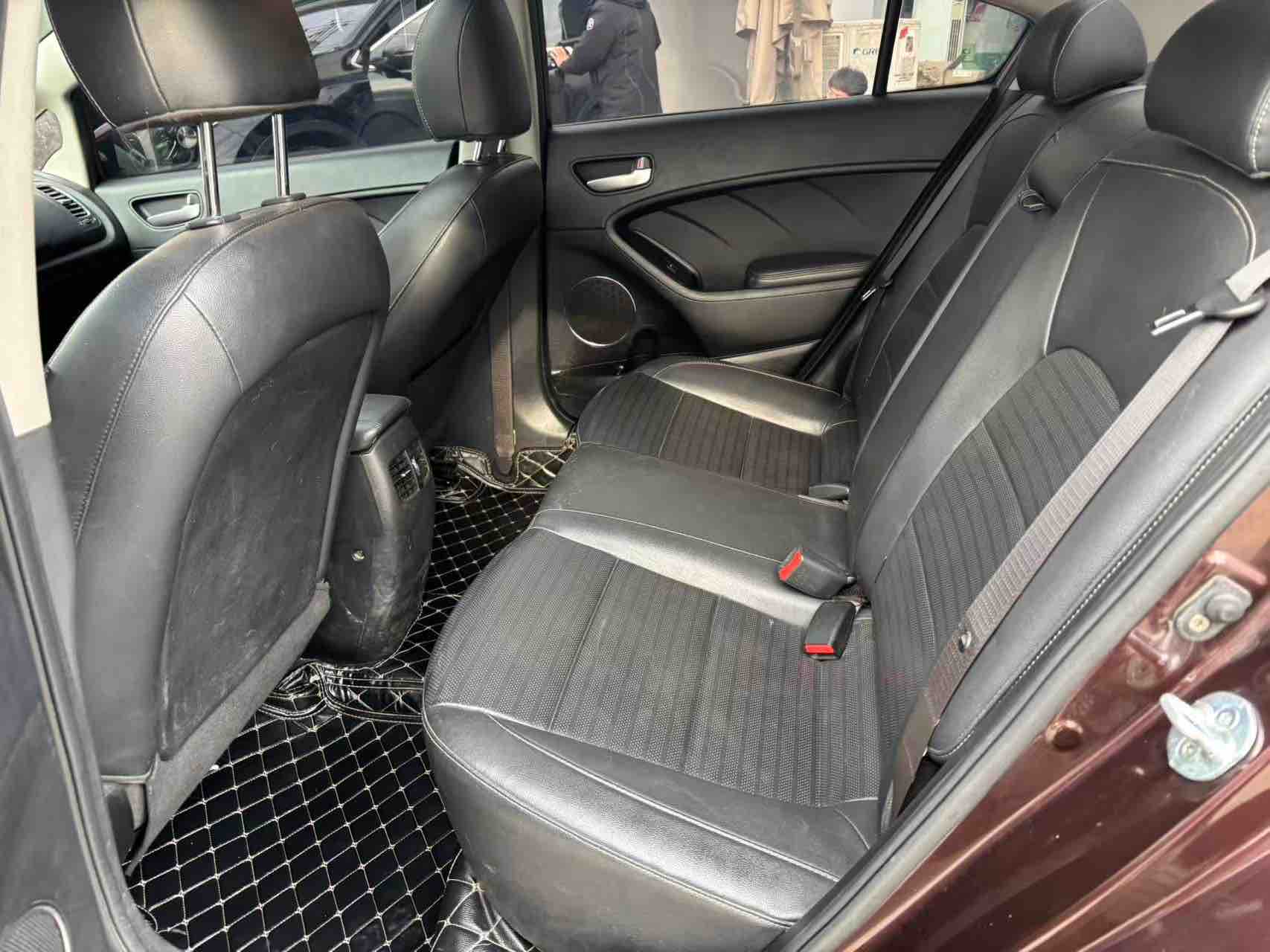
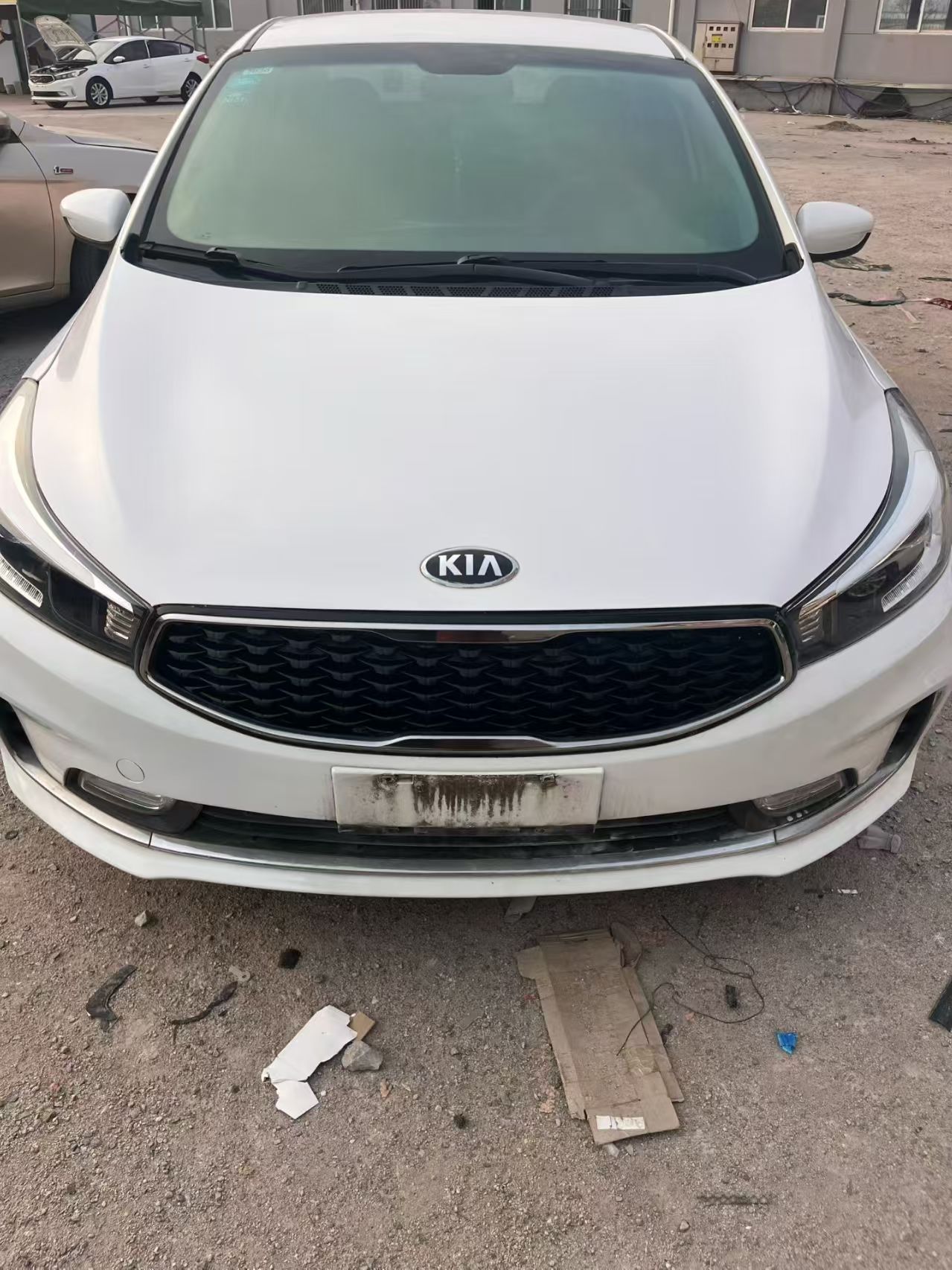
Paint: Original paint on metal parts Exterior: Scratches and dents on the left front door and right rear door; damaged left rear bumper corner light; damaged rear bumper beam; scratches on the subframe; numerous scratches on the body; other parts to be replaced after repairs. Replacement: Rear bumper. Claims: Front seat cushion assembly, tires Status: Traffic violations pending Optional Equipment: None Documents: Ownership certificate lacking, only one key available Other:

Configuration Highlights

✓Driver/Passenger Airbags
✓Front/Rear Side Airbags
✓ISOFIX Child Seat Anchors
✓Keyless Start System
✓Keyless Entry System
✓ABS Anti-lock Braking
✓Electronic Brake Distribution
✓Electronic Stability Control
✓Hill Start Assist
✓Kick-sensor Trunk
✓Multifunction Steering Wheel
✓Seat Material
✓Driver/Passenger Power Seats
✓Rear Cupholders
✓Low Beam Headlights
✓Daytime Running Lights
✓Auto Headlights
✓Adjustable Headlight Height
✓Power Windows
✓Climate Control Type
✓Rear Air Vents

Q&A

More

What is the standard for natural air loss during parking if the vehicle is equipped with air suspension?

Air suspension is very delicate. If, after the vehicle has been stationary for about 12 hours, the height on one side of the vehicle drops more than 1.5 cm when measured from the wheel arch to the tire, we will determine that there is a slight air leak in the air spring or distribution valve on that side and warn you of the high subsequent repair costs.
Can the buyer track the GPS location of the vehicle during domestic towing transport to the port?

Internal logistics scheduling uses GPS, but direct access accounts are not open to the public. We implement a "node reporting system": our customer service will proactively send you on-site photos with watermarks at three key points: when the vehicle is loaded onto the trailer, when it arrives at the port for storage, and when customs clearance is completed.

Why are the shipping costs for used electric vehicles (EVs) usually higher than for internal combustion engine vehicles (ICEs)?

Pure electric vehicles are classified as Class 9 Dangerous Goods due to their large lithium batteries, leading to strict shipping regulations. Shipping companies have high requirements for the loading position and fire isolation measures for dangerous goods, and some roll-on/roll-off ships refuse to accept used EVs. As a result, EVs often require more expensive special container shipping and incur additional handling fees for hazardous materials.