


24H

Basic Information

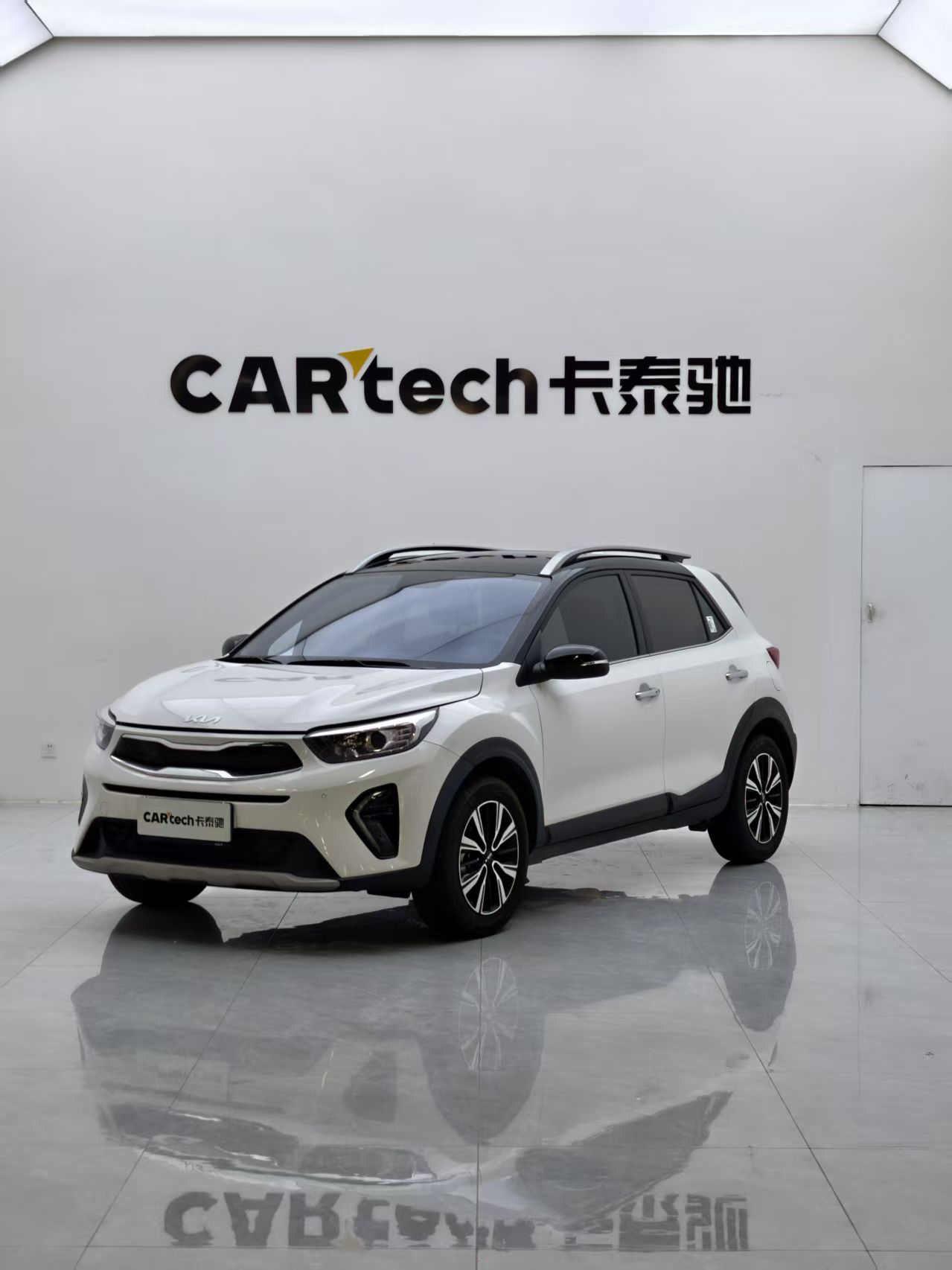
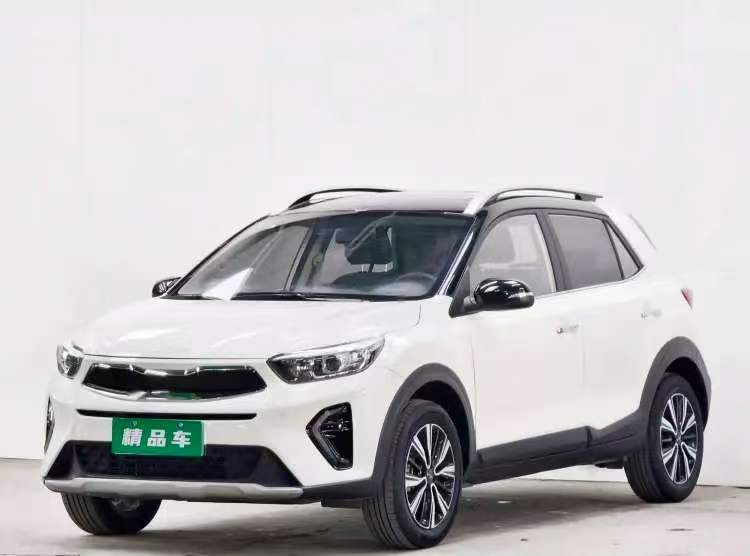
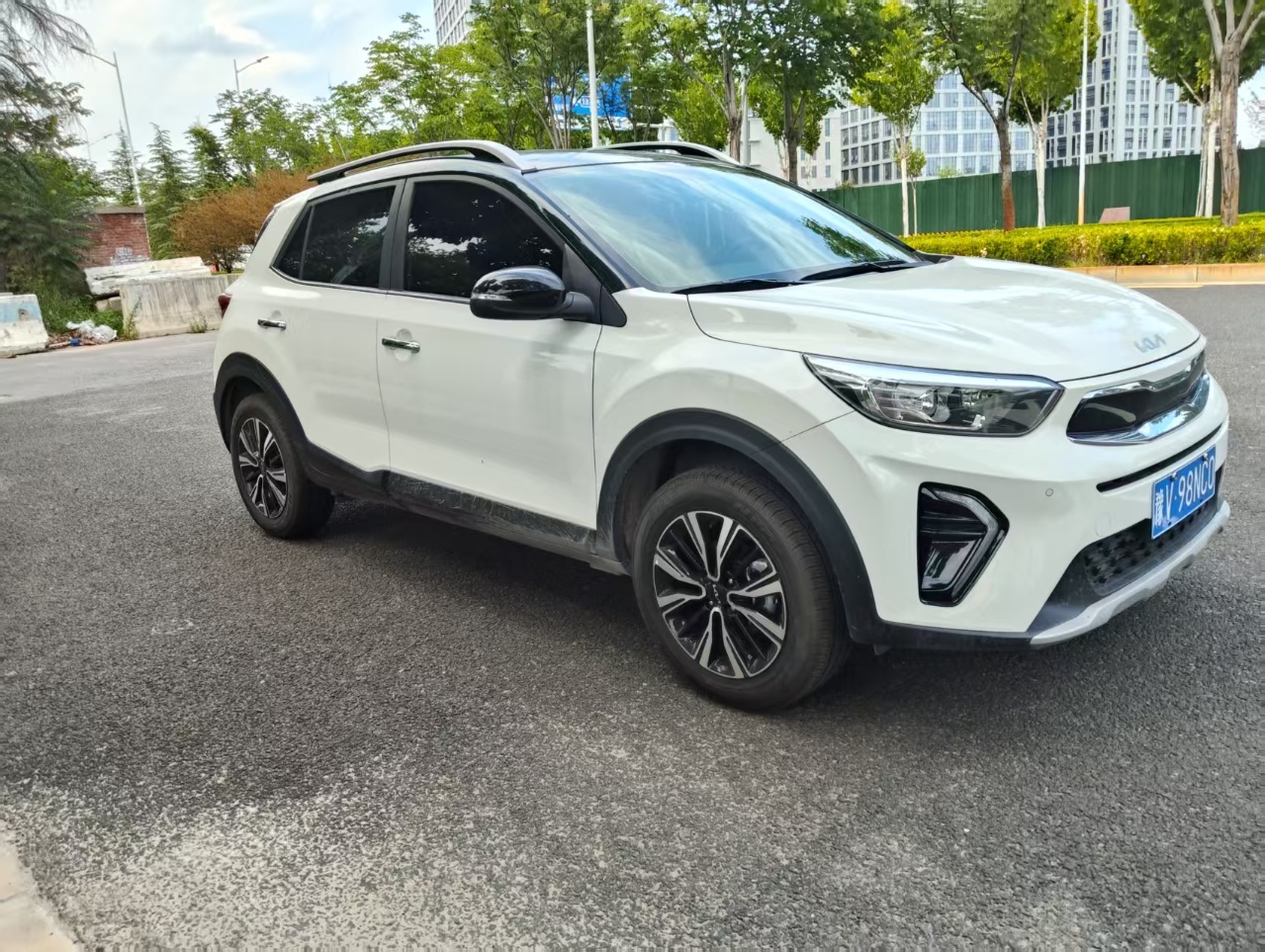
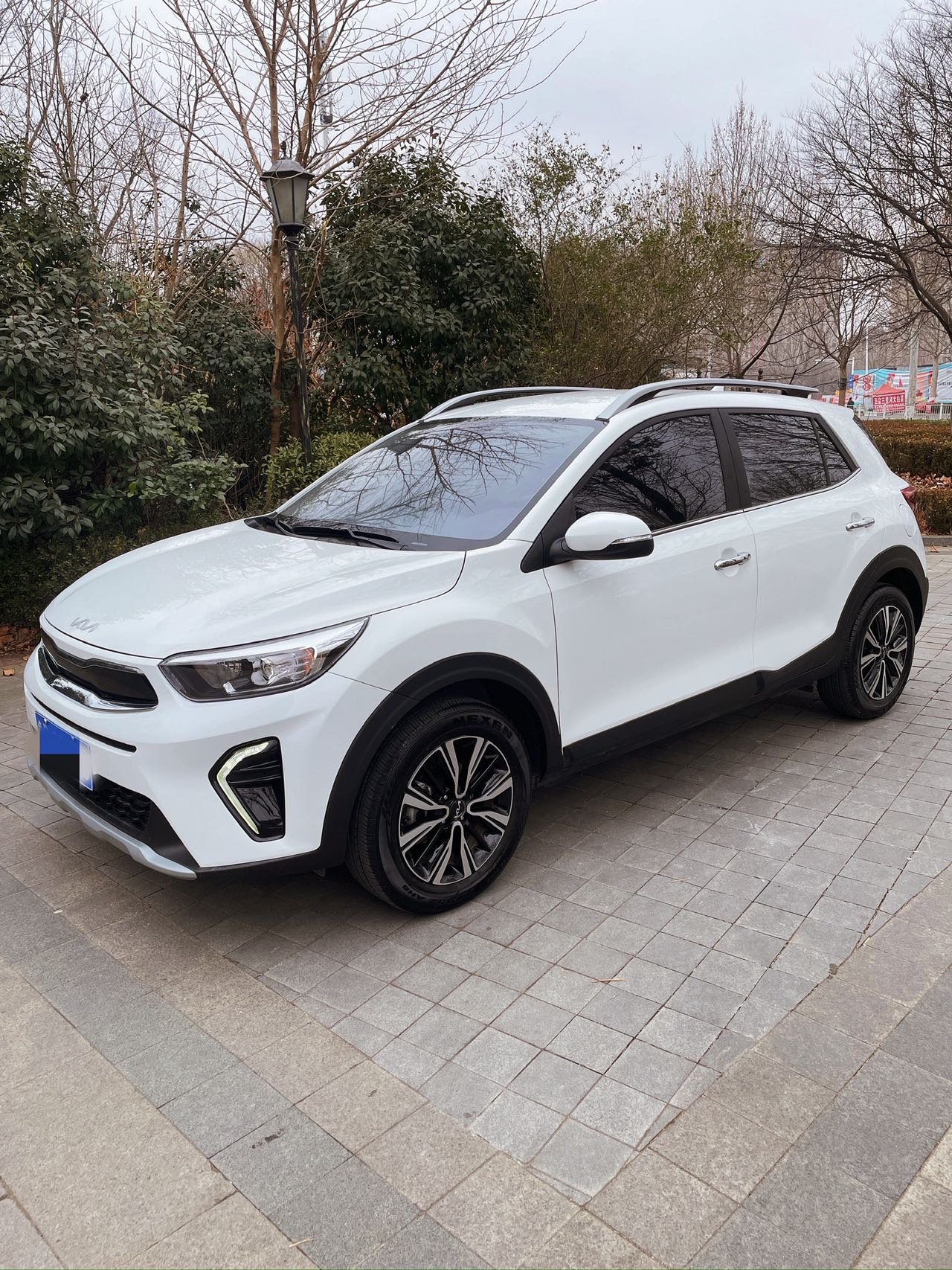
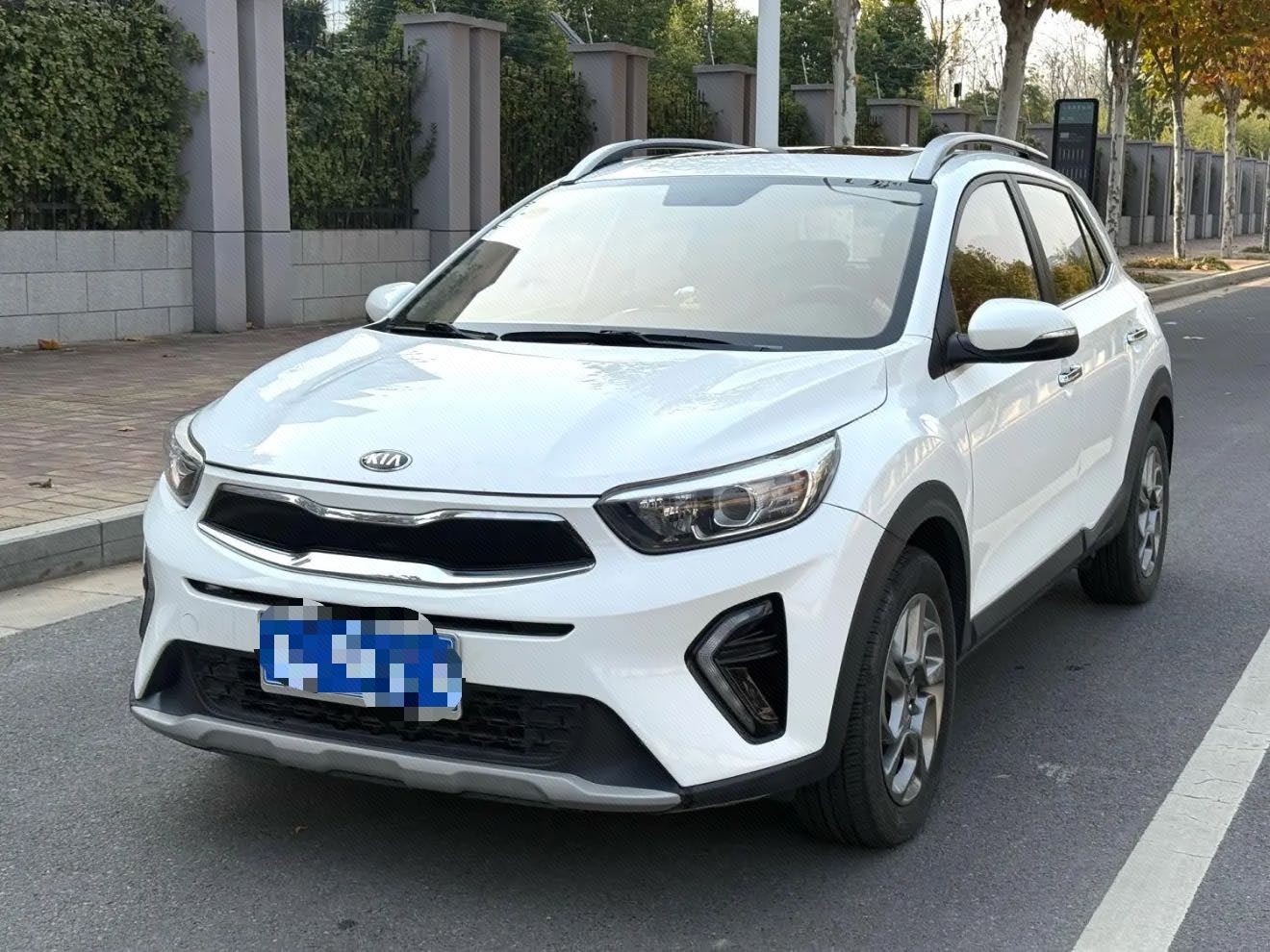
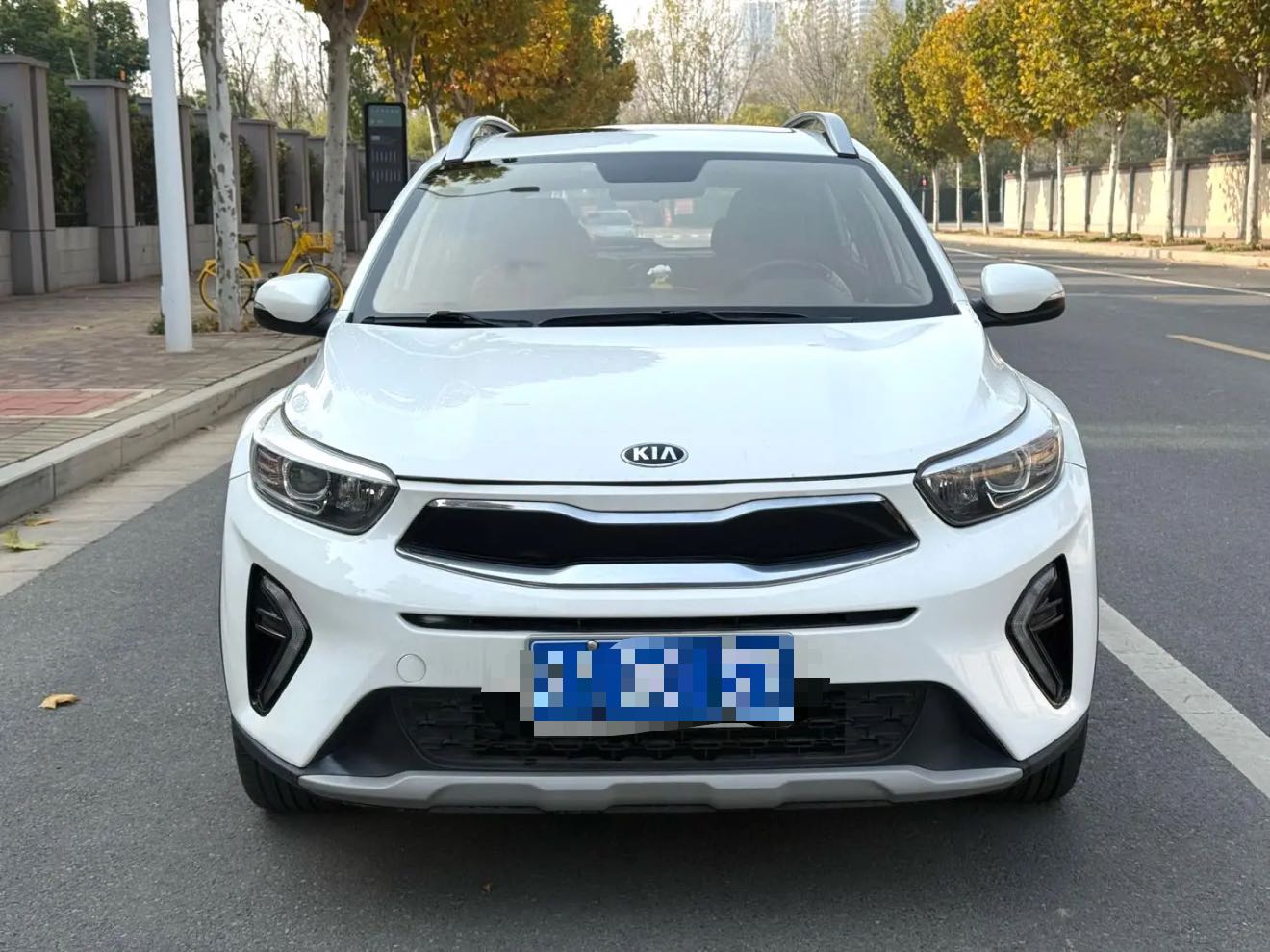
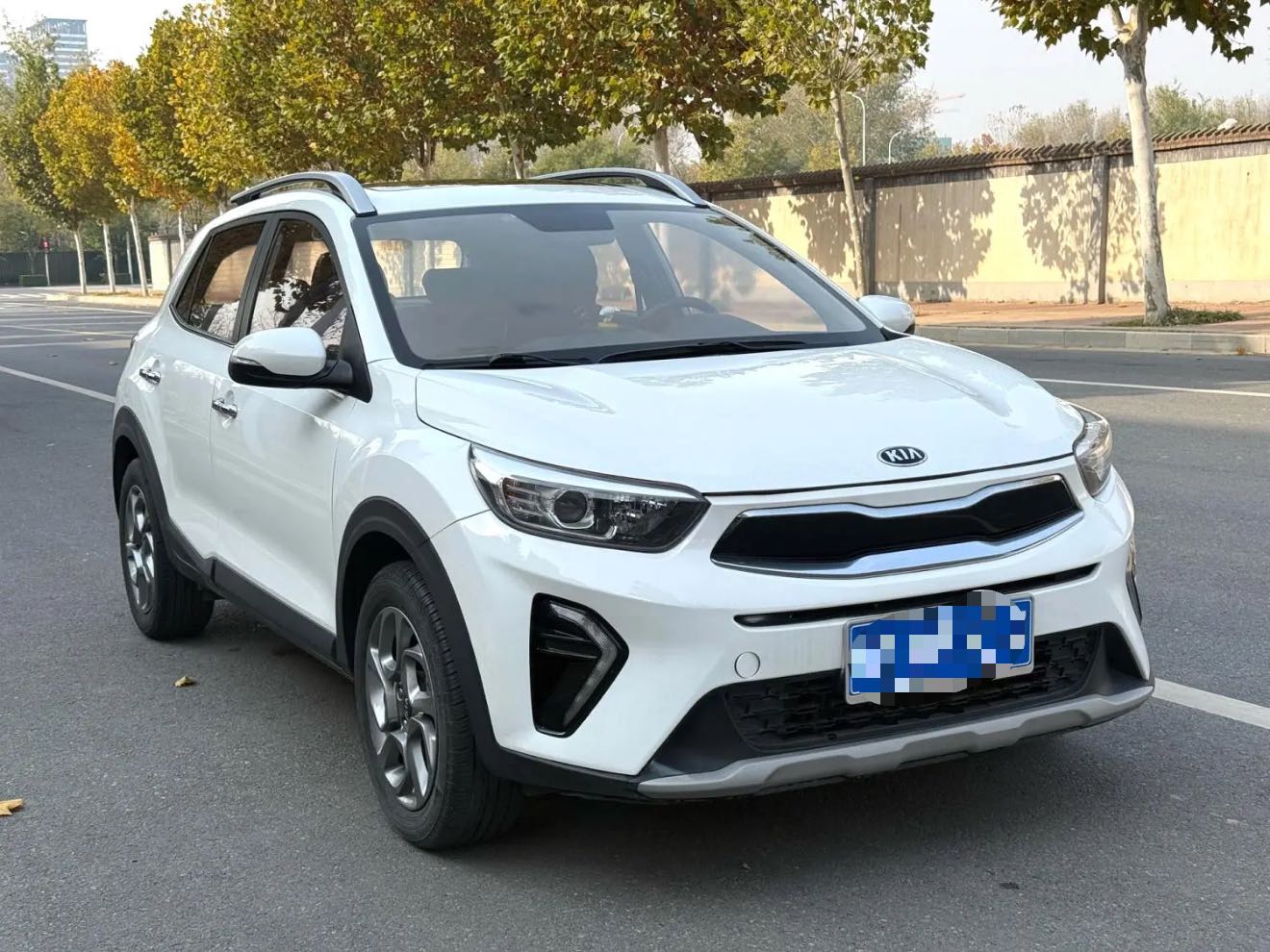
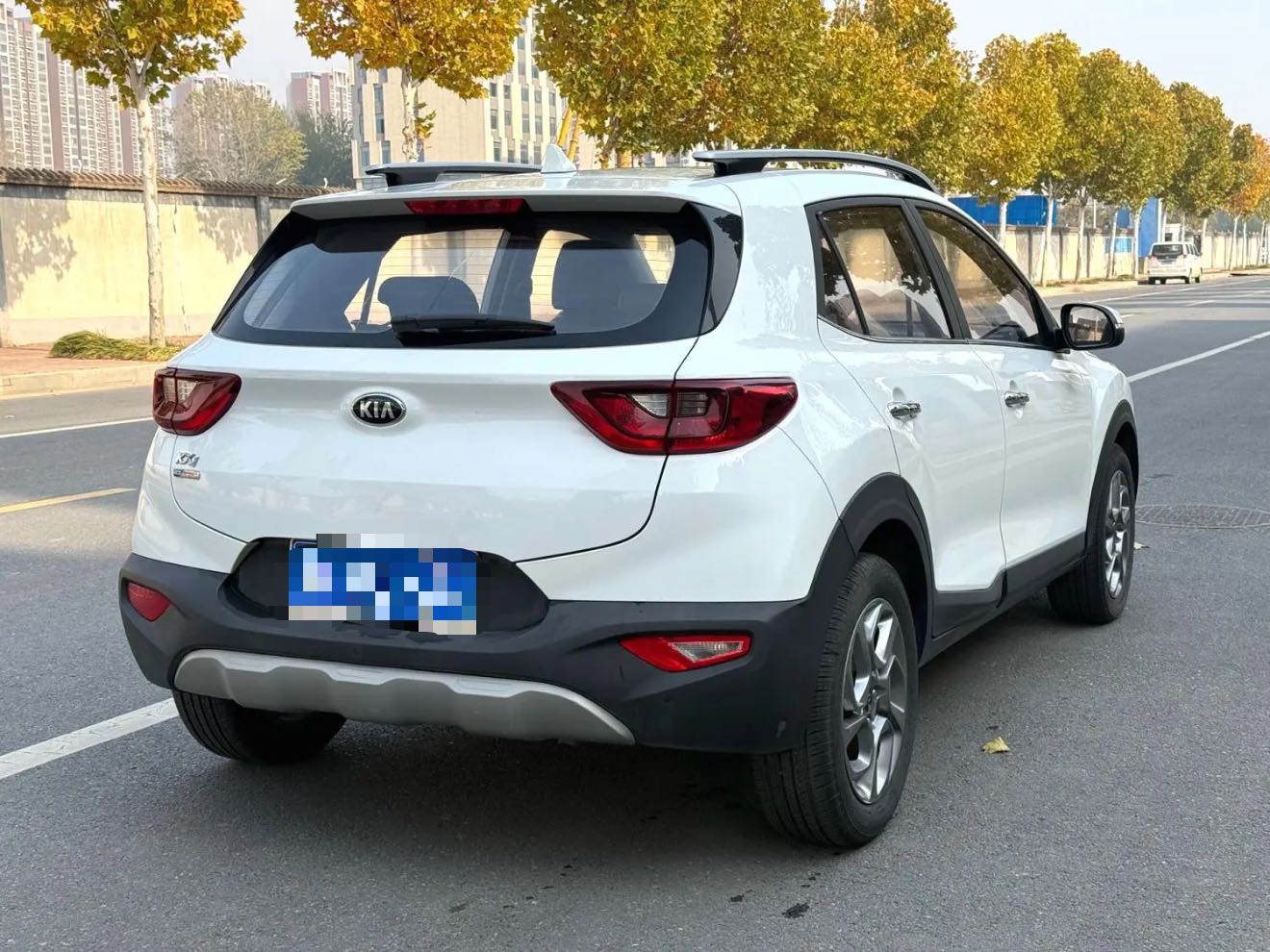
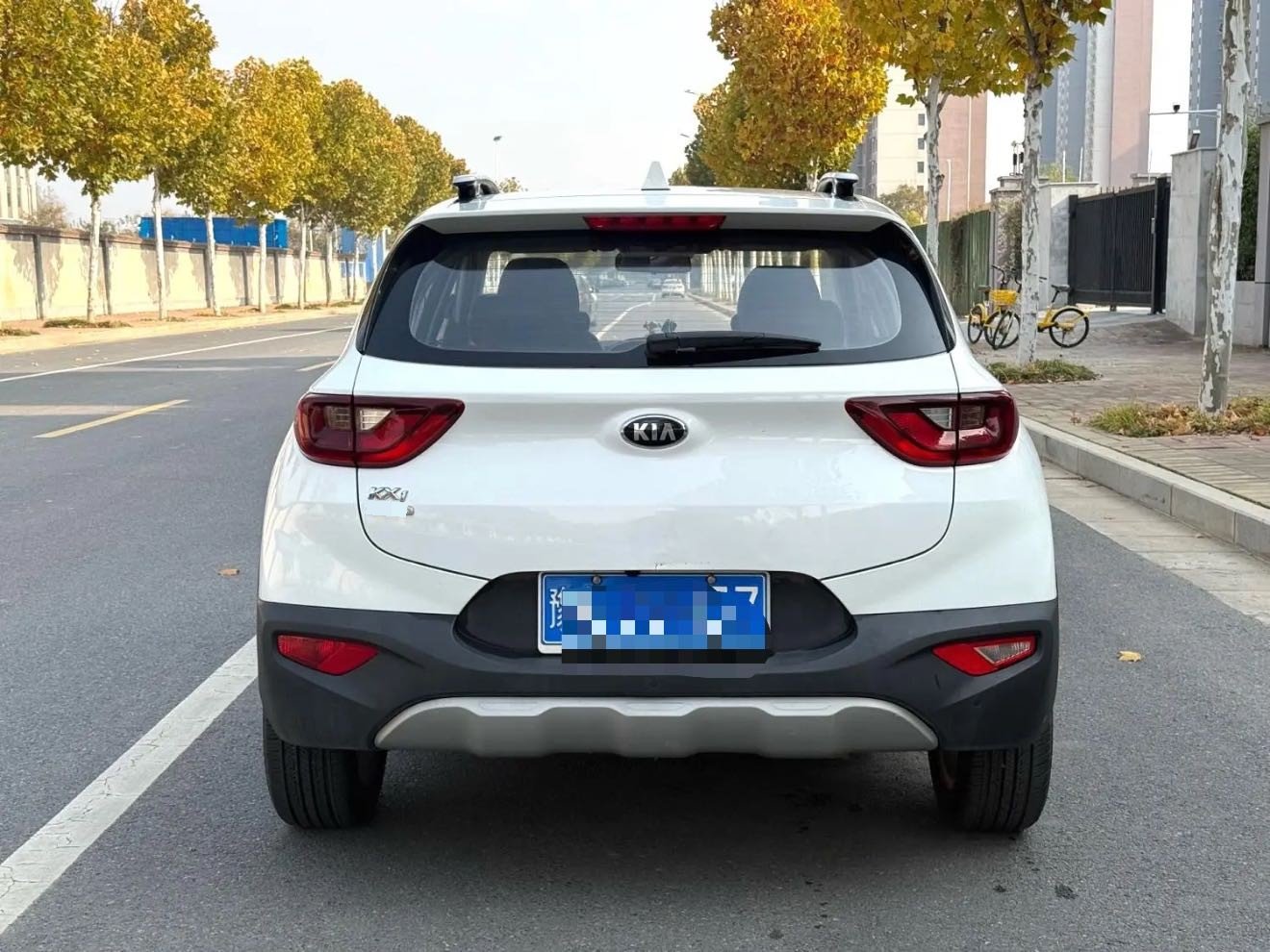
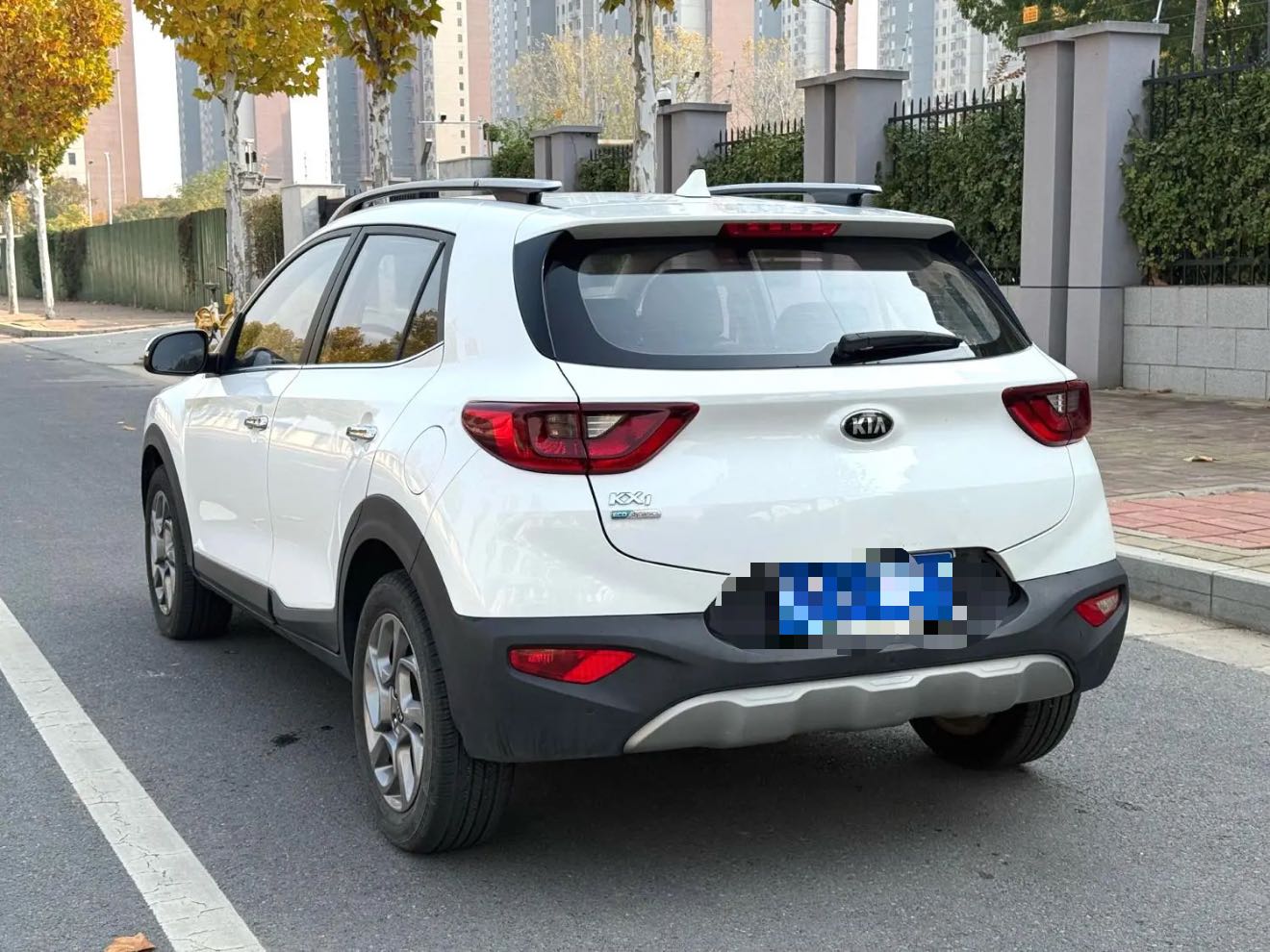
BrandKia
SeriesKX1
Year2018
First Registration2018/12
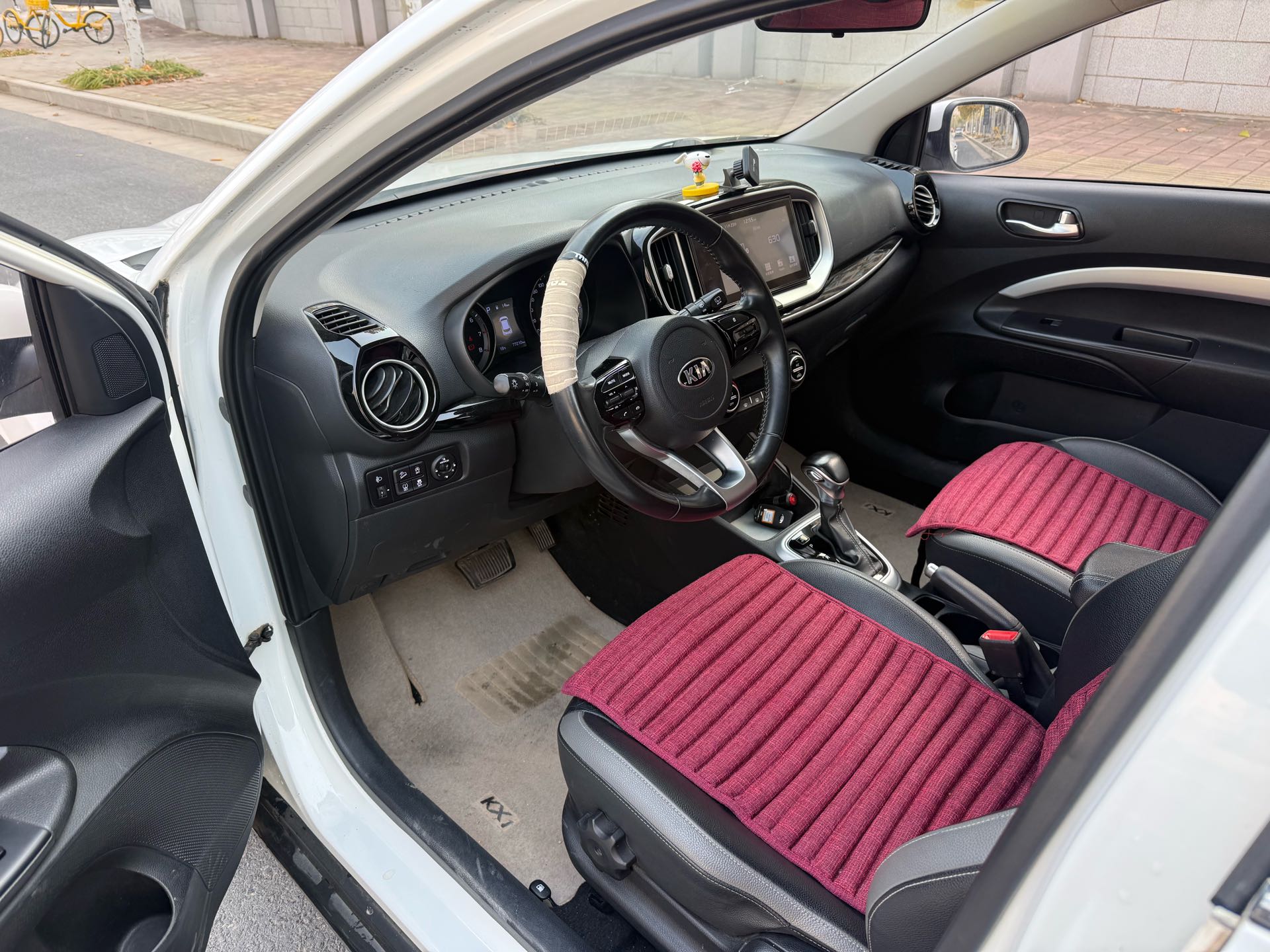
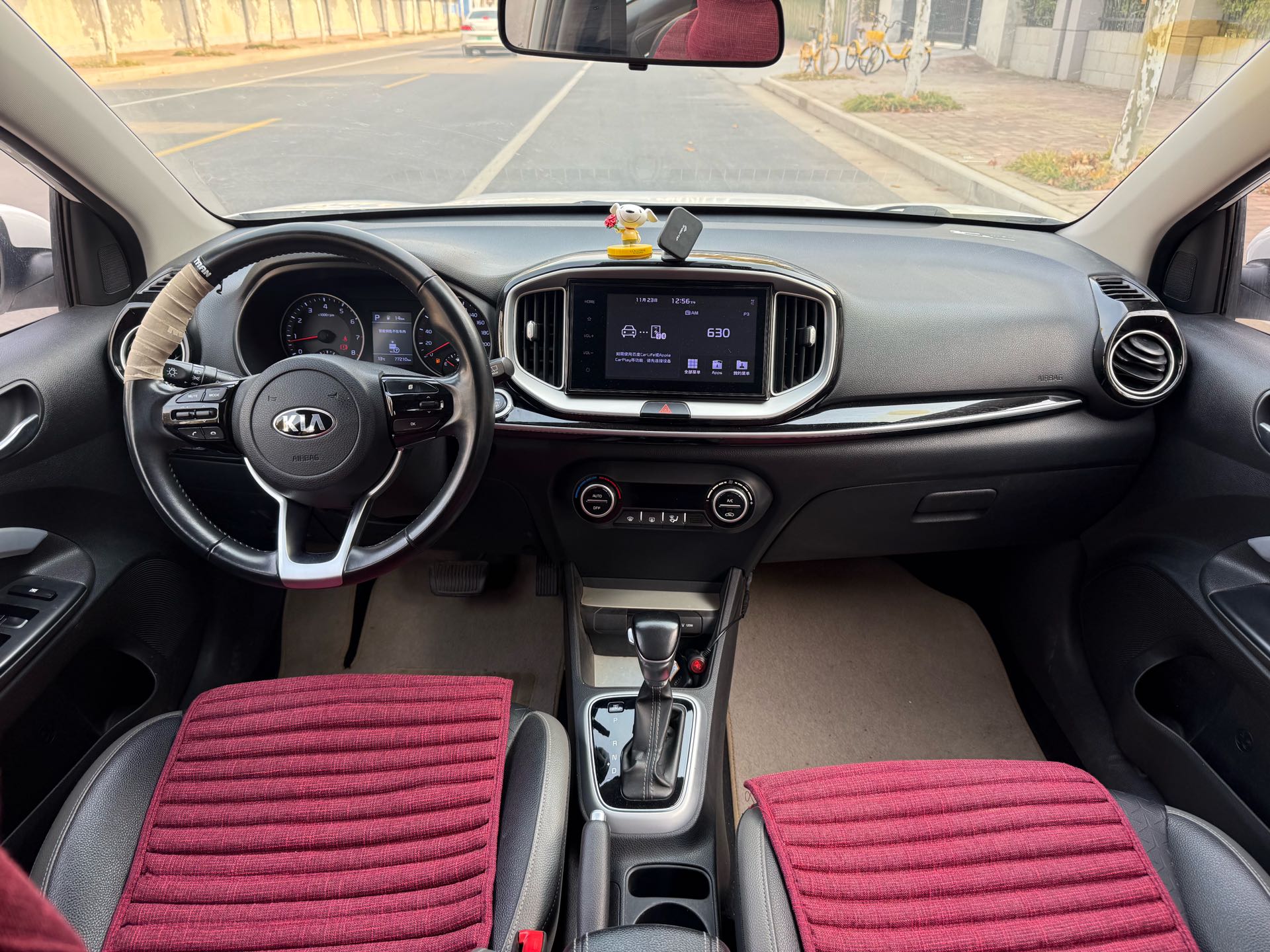
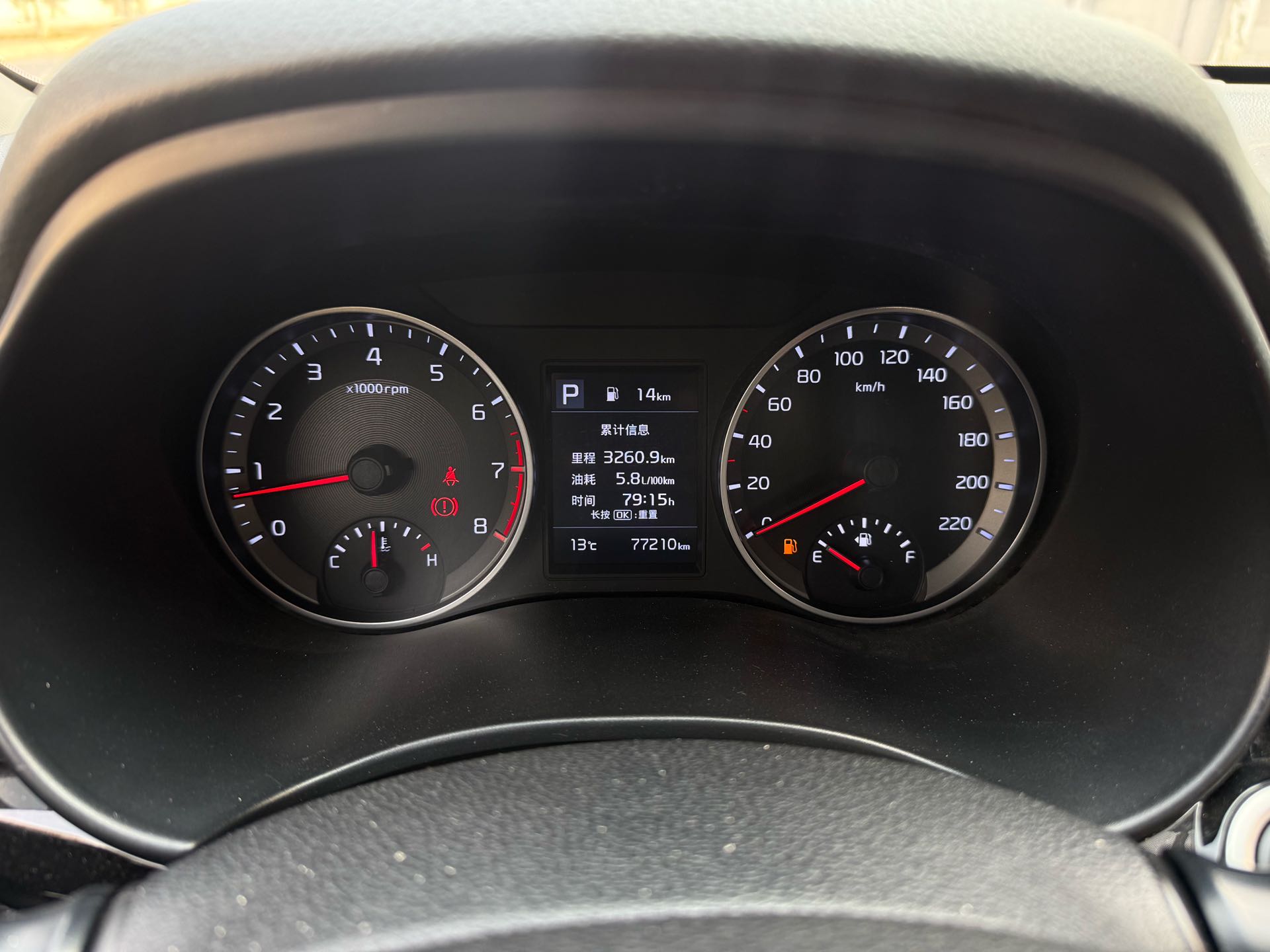
Mileage77,000km
Transfer Count0times
FuelGasoline
TransmissionManumatic
Engine1.4L 100 L4
ColorWhite
Seats-

Condition Description

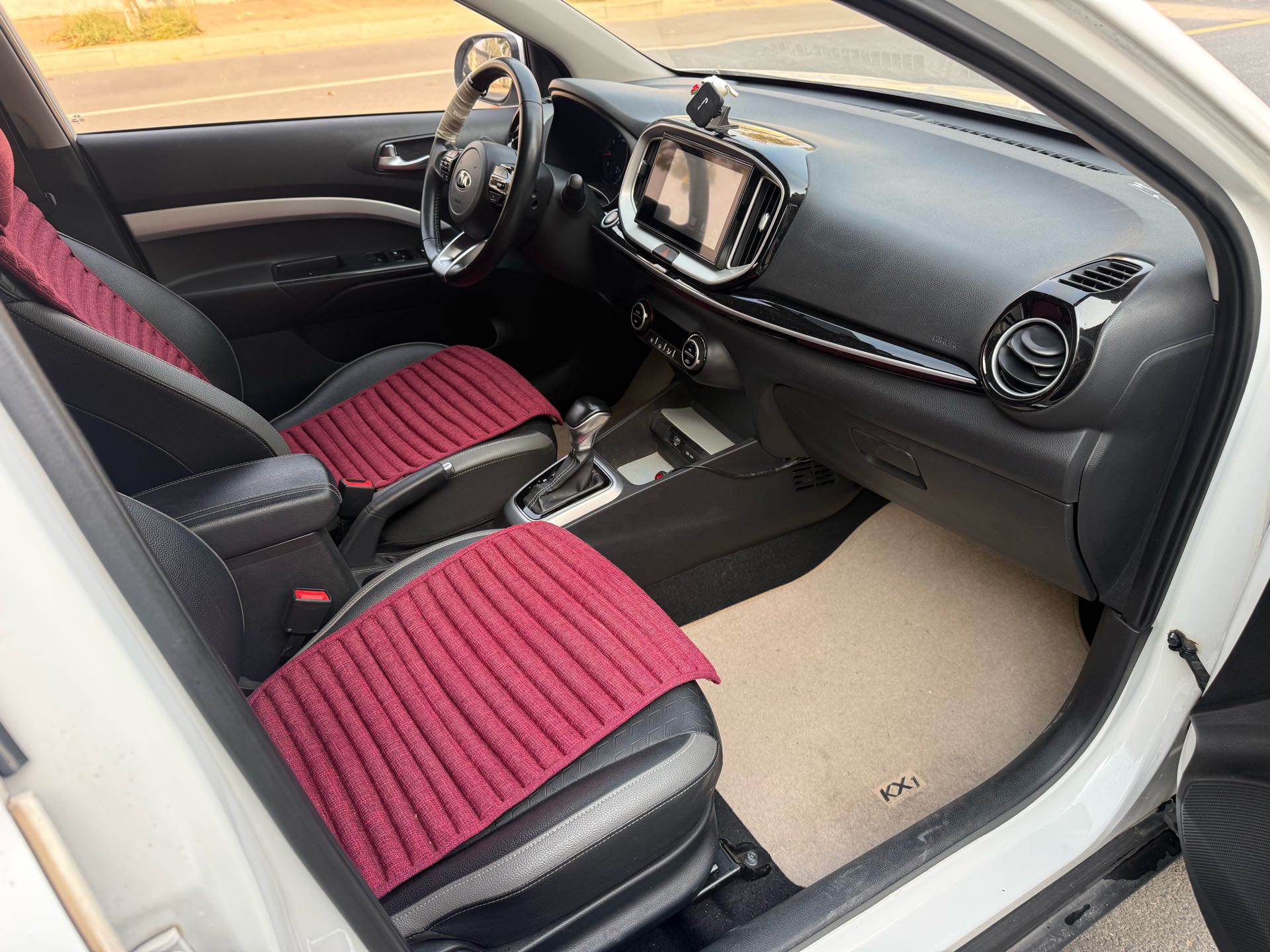
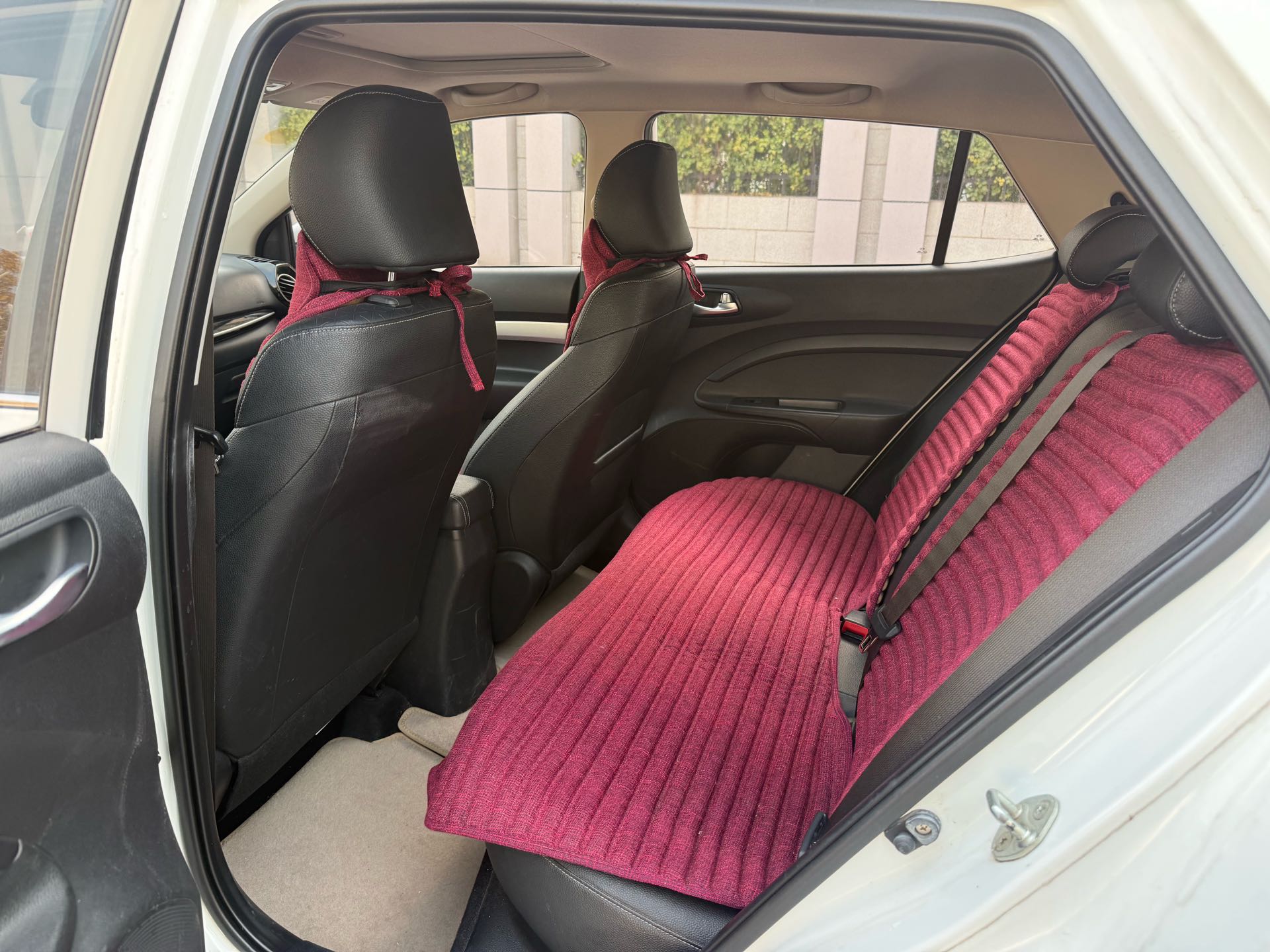
Right front fender replaced separately. One-owner vehicle with actual mileage. Good condition, passes inspection.

Document Information

Inspection Expiry Date-
Warranty Expiry Date-
Insurance Expiry Date2026/12

Q&A

More

What should I do if something breaks on my used car shortly after it arrives from China?

Act fast and follow the paper trail you built before buying. First, document everything immediately: take photos and videos of the fault, note the date of arrival and the odometer reading. Most exporters offer a commercial warranty window (typically 15-30 days after arrival) for major components like the engine, transmission and high-voltage battery. Contact the exporter in writing with the evidence, referencing your contract's warranty clause. For minor issues, a common arrangement is that they air-freight the spare part to you or reimburse a capped repair amount at a local workshop. To protect yourself before purchase: get the warranty terms written into the sales contract, including response time, what is covered, and how parts compensation is calculated. Also ask which fast-wearing parts (brake pads, filters, wipers) they recommend buying together with the car, so you are not stuck waiting for a small part from overseas.


How can I check the underbody and frame of a used Chinese car remotely before buying?

Ask for a specific set of photos and video taken with the car on a lift — generic walk-around videos will not show what matters. Request close-ups of: the sills (rocker panels) on both sides, front and rear subframes, suspension mounting points, brake lines, and the floor pan under the carpets. Surface rust on bolts is normal; bubbling paint, flaking metal or fresh undercoat sprayed over corrosion are warning signs. Also check for flood damage, a common hidden problem: look at the spare wheel well for water marks or mud, pull up the trunk carpet, and check the seat rails and seat belt buckles for rust or silt. A musty smell reported by the inspector is a red flag. A trustworthy exporter will provide a lift inspection report listing measured paint thickness on structural areas. If they refuse to put the car on a lift, treat that as an answer in itself.

How do I make sure the VIN on my used car from China matches all the export paperwork?

VIN consistency is checked at customs in both China and your country, and a mismatch can block clearance. Do the following: 1. Verify early: before payment, ask for clear photos of the VIN plate (dashboard, door frame, engine bay on some models) and compare them with the VIN on the purchase contract, inspection report and any registration documents. 2. Check the characters: VINs never contain the letters I, O or Q. If you see them, the document is either fake or mistyped. 3. Decode it: the first 3 characters are the world manufacturer code, characters 4-8 describe the model and configuration. Decode it online to confirm the documents match the actual trim level you are buying. 4. At destination: when the car arrives, re-check the VIN against the bill of lading and your import declaration before accepting delivery. Any discrepancy found before shipping can be corrected cheaply; after arrival it becomes a legal problem. Make VIN verification part of your pre-shipment inspection checklist.