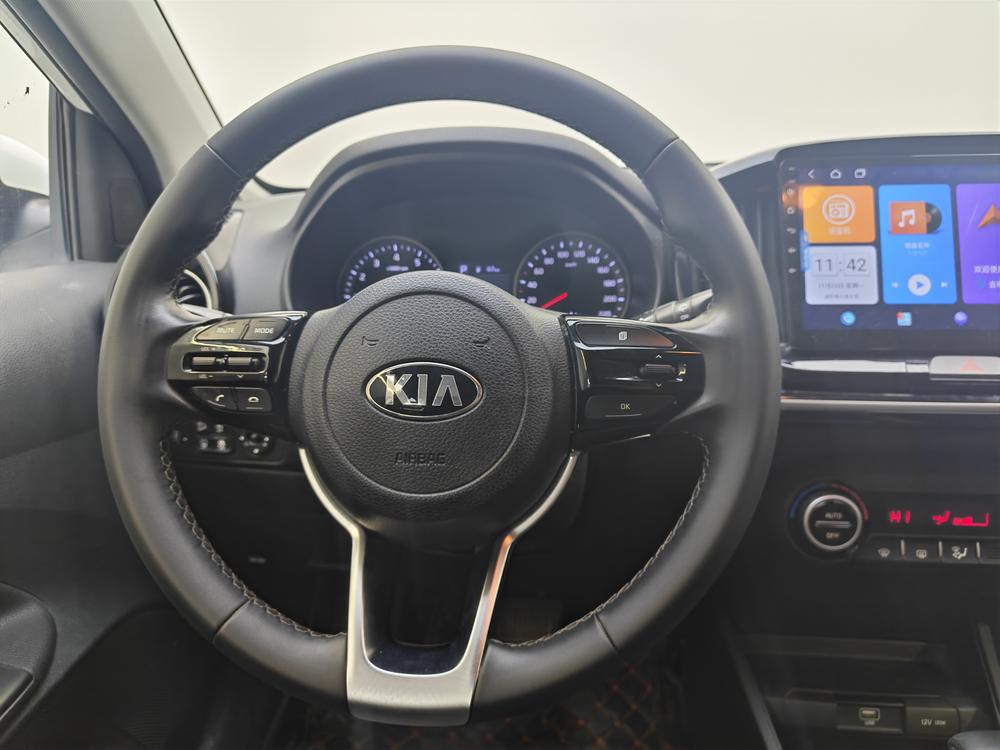
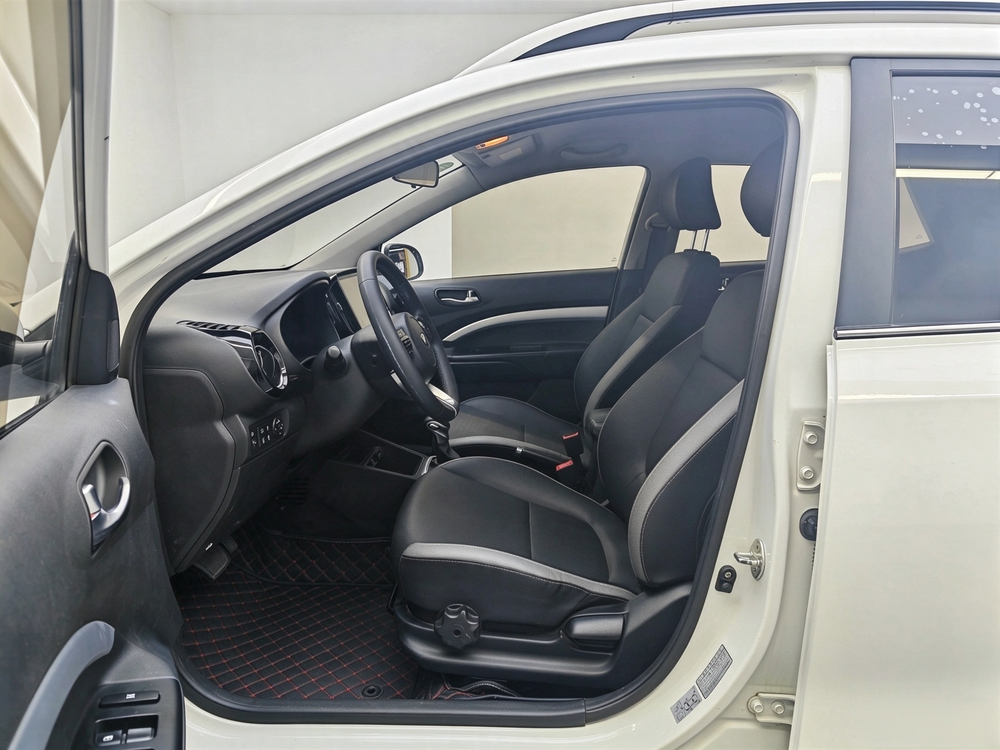
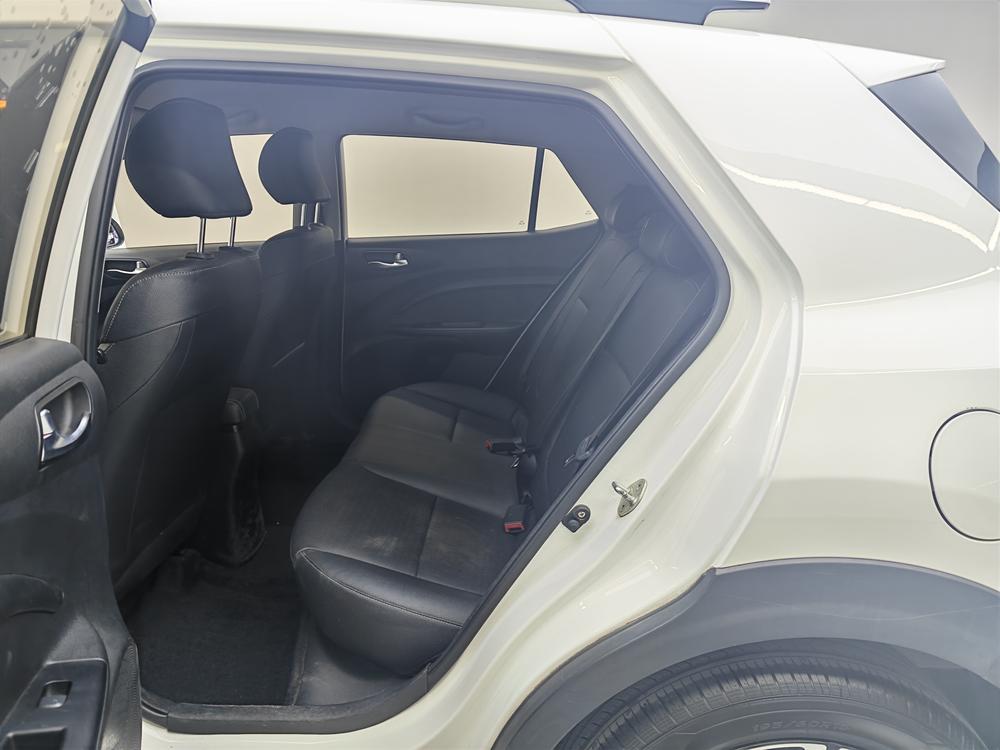

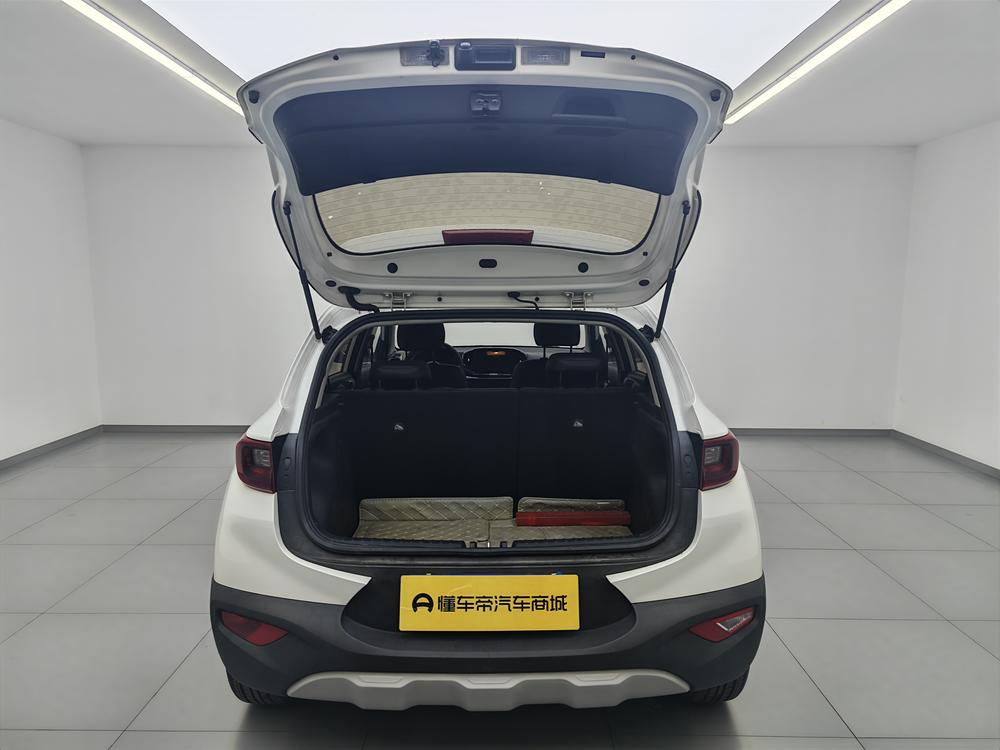



24H

Basic Information

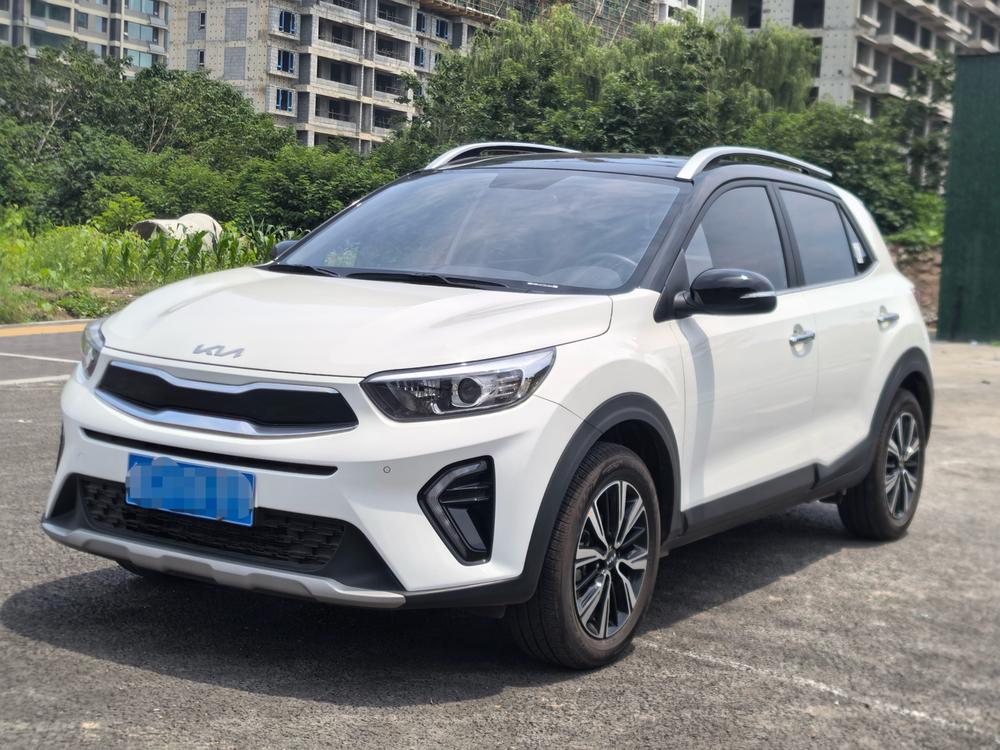
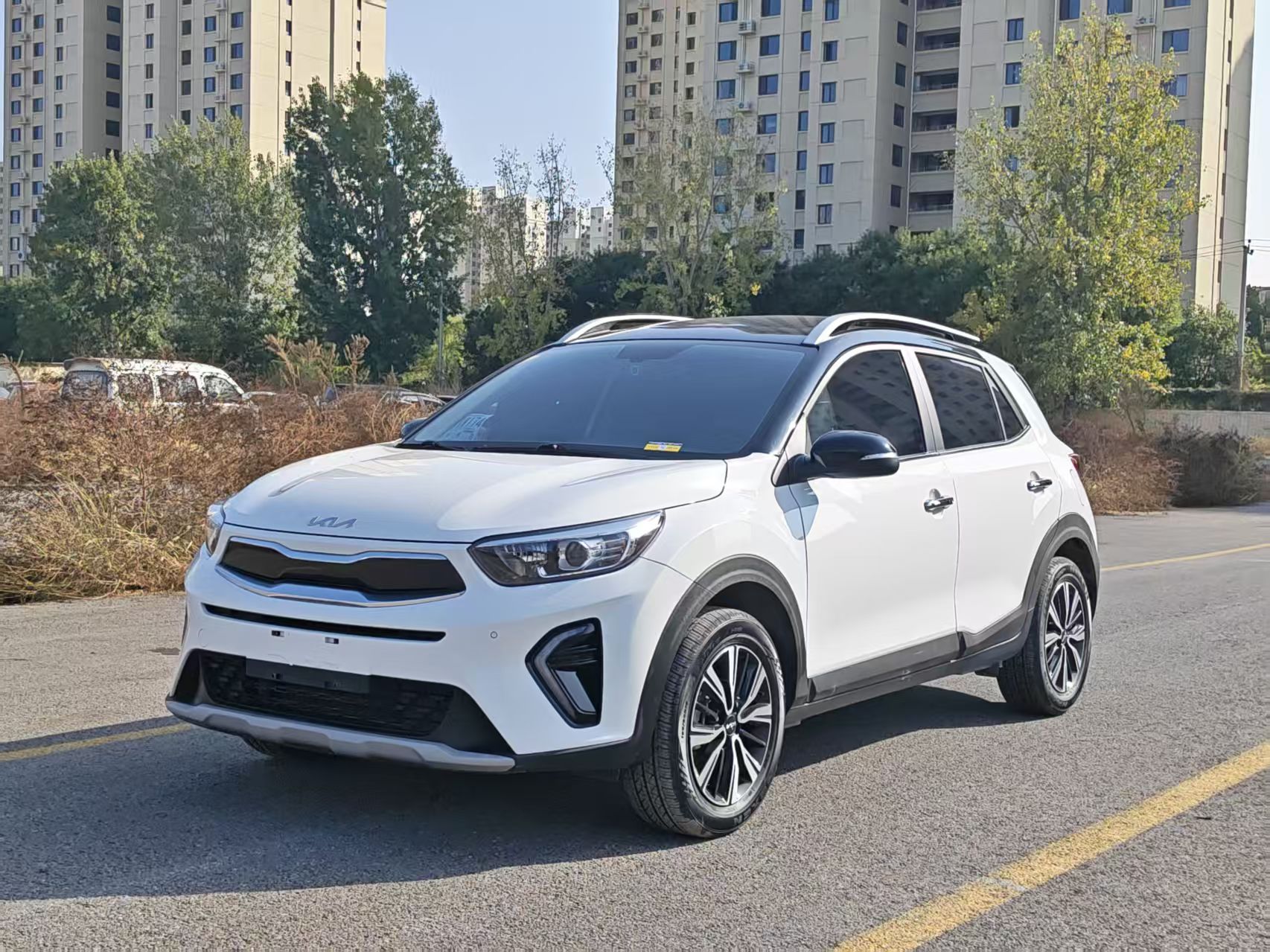
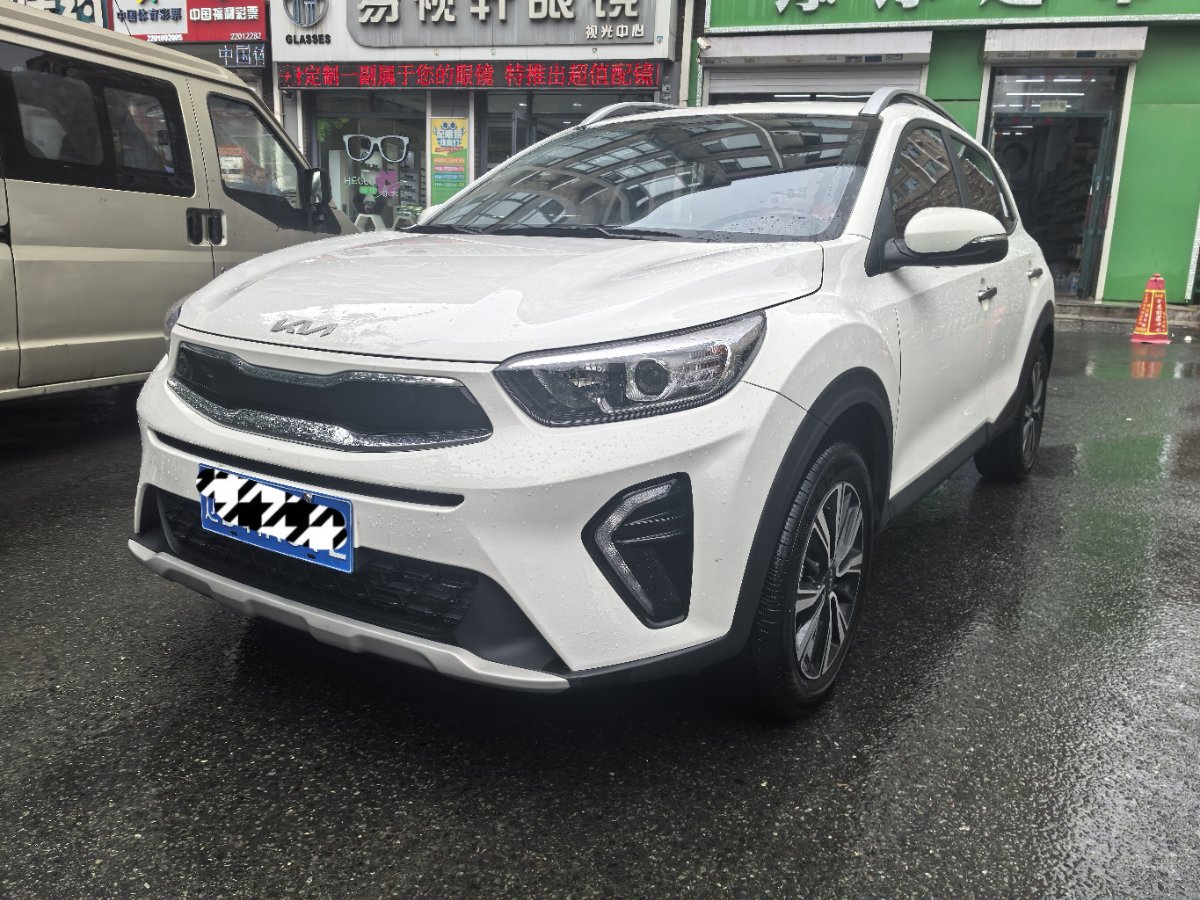
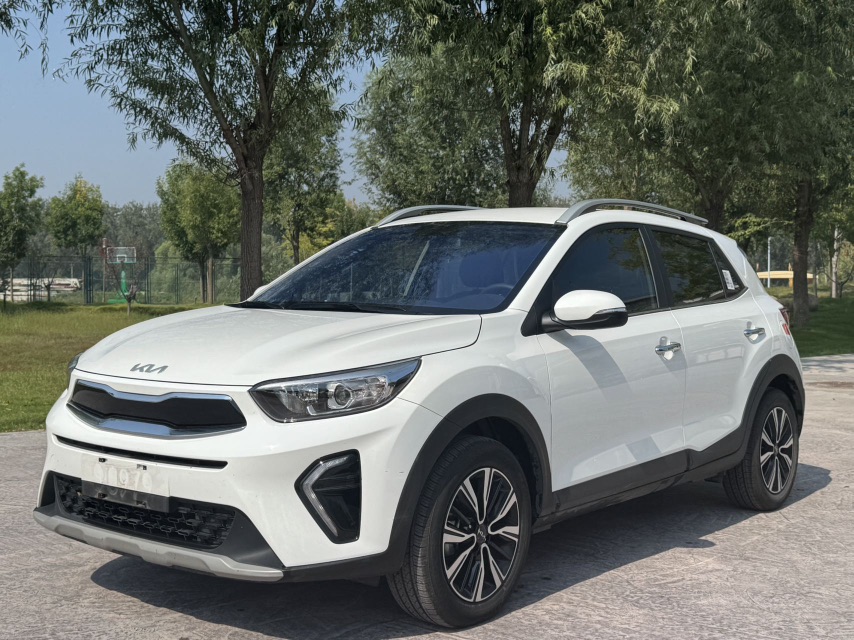
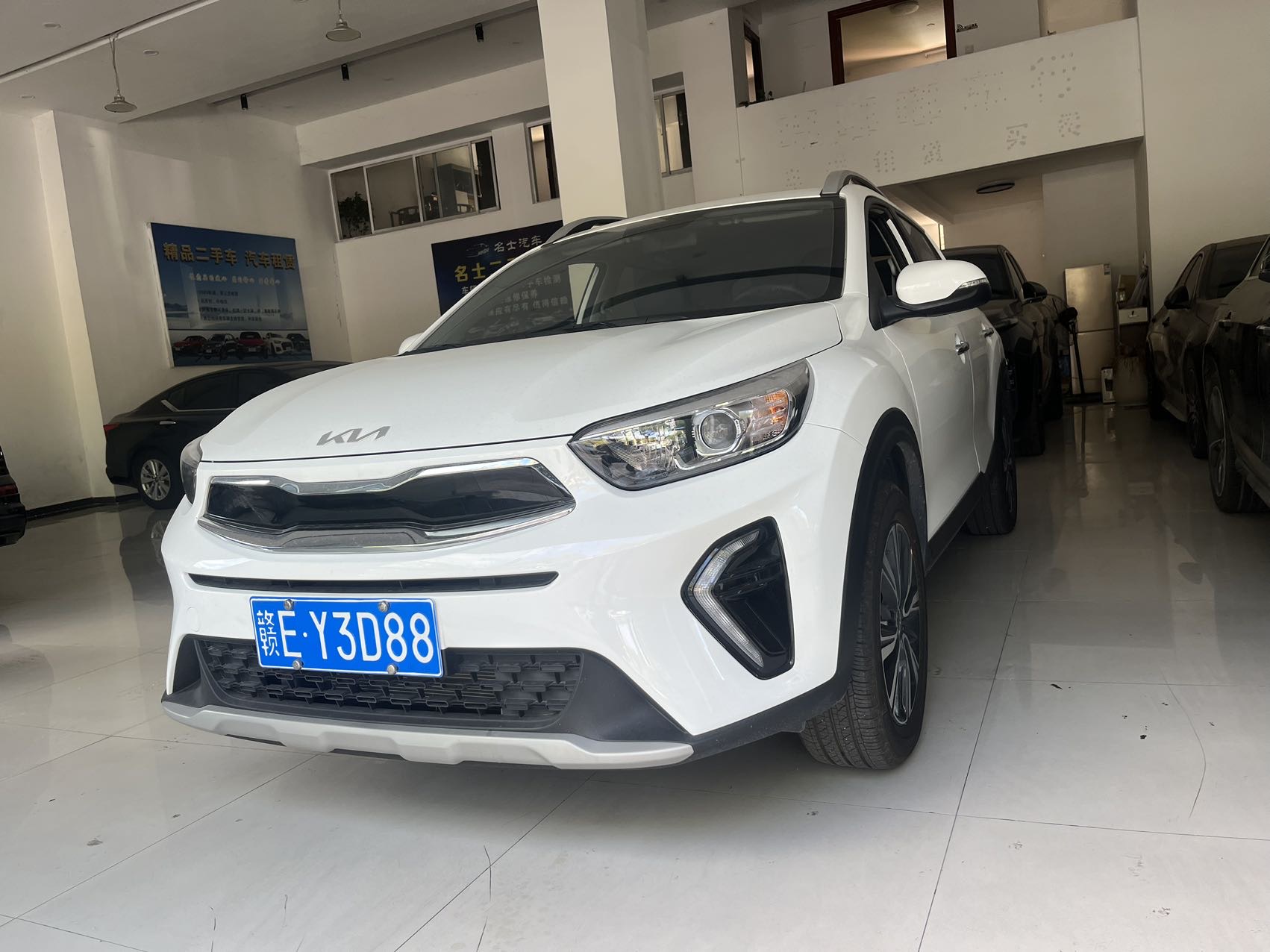
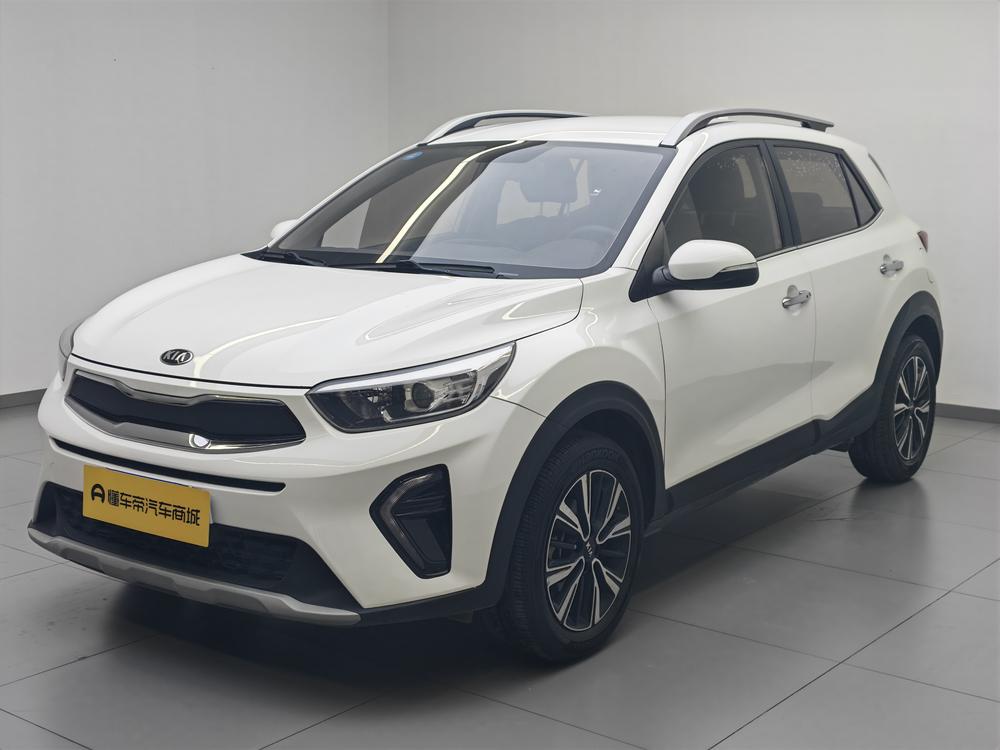
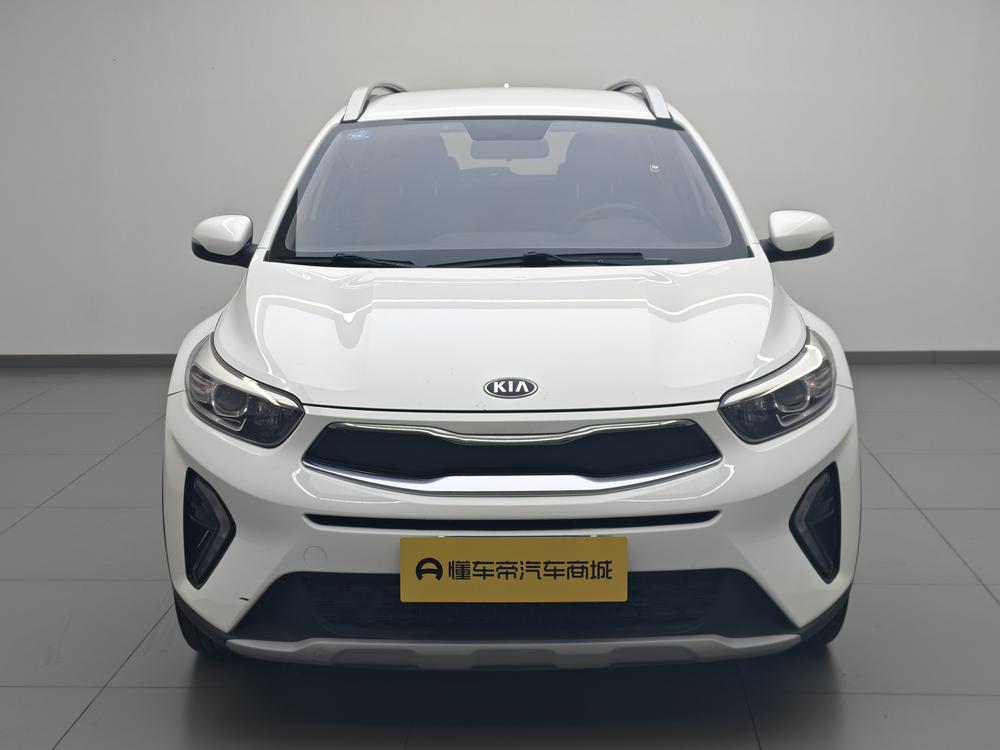
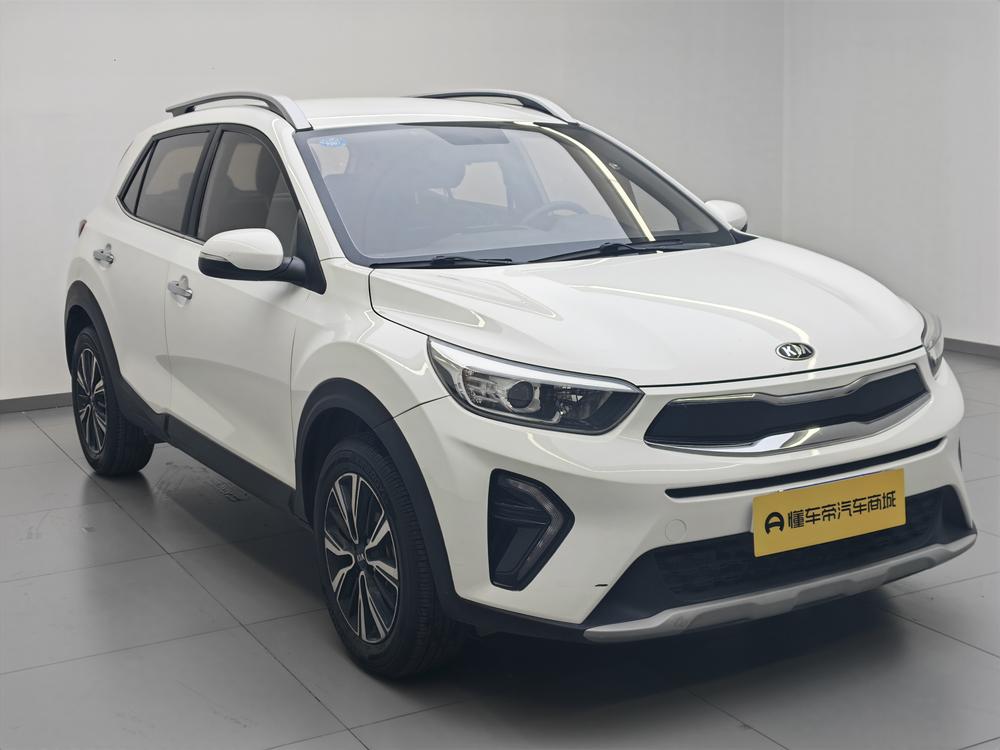
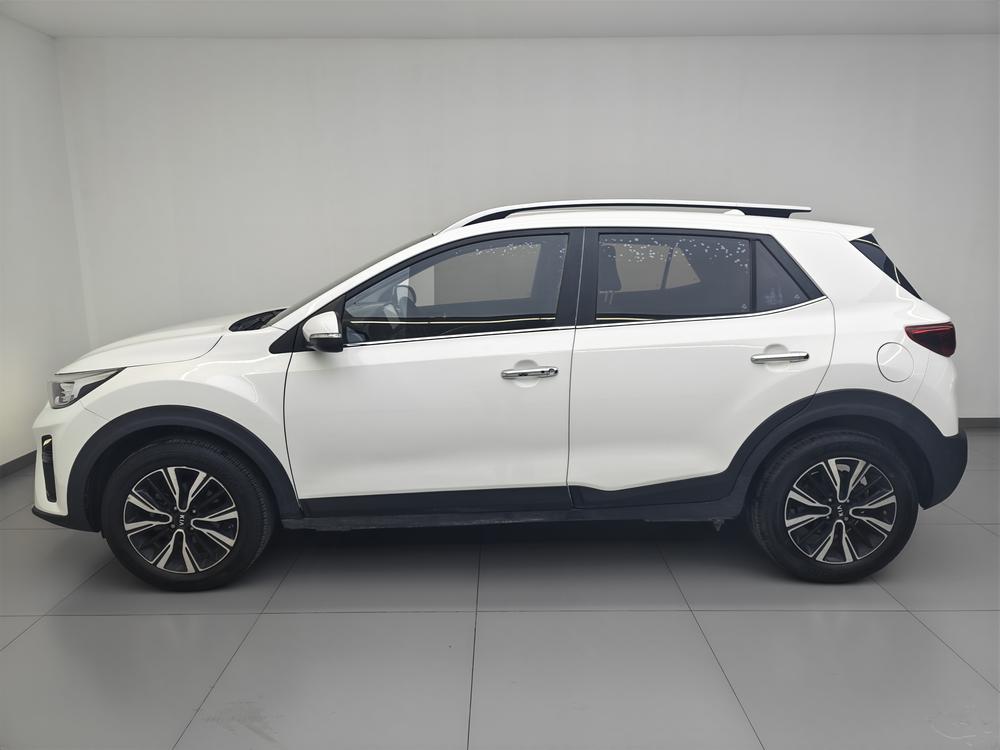
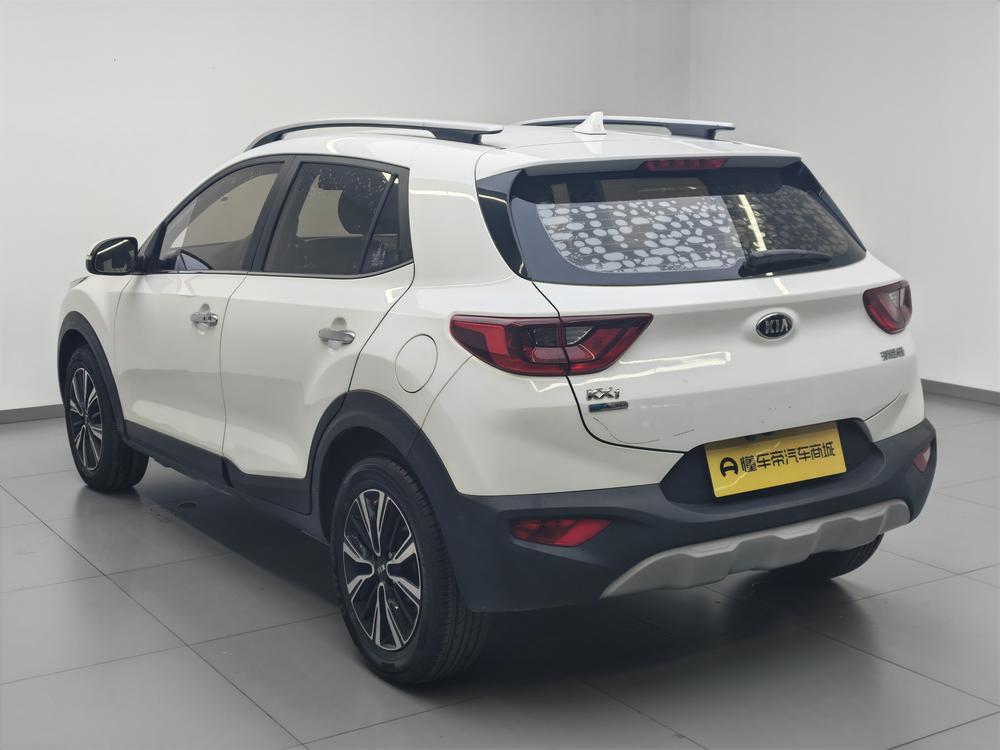
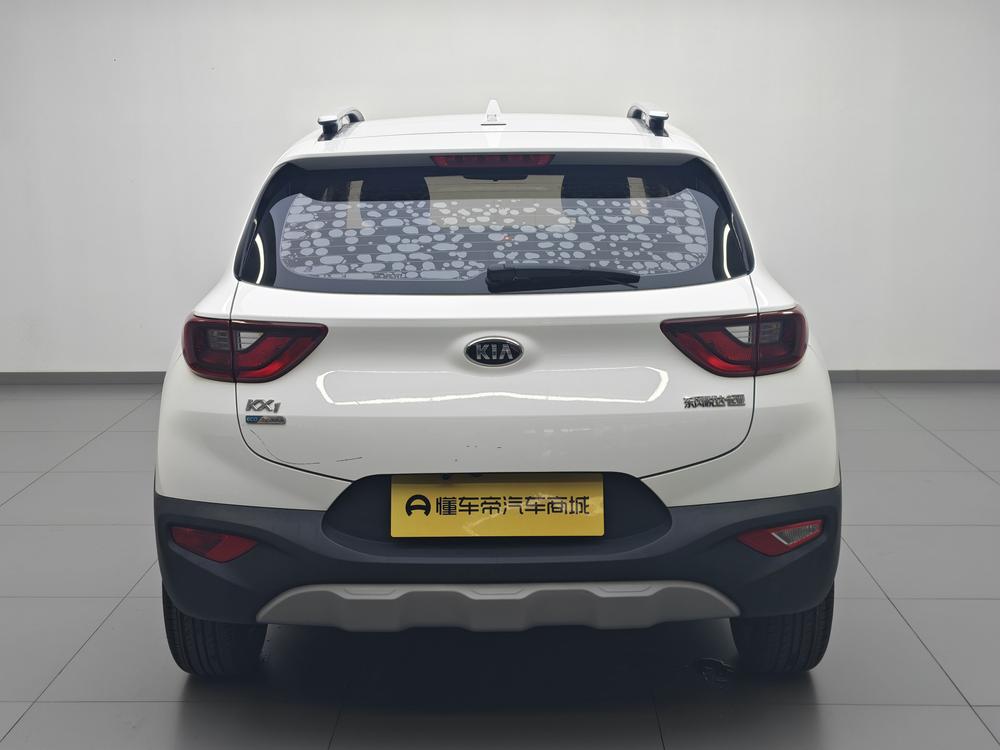
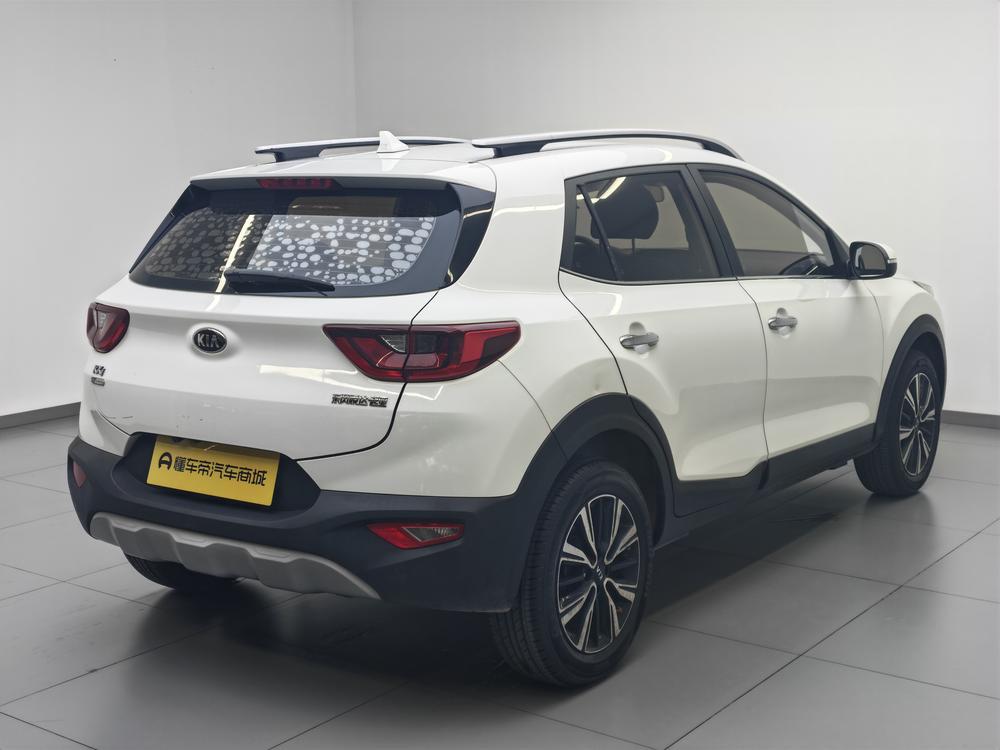
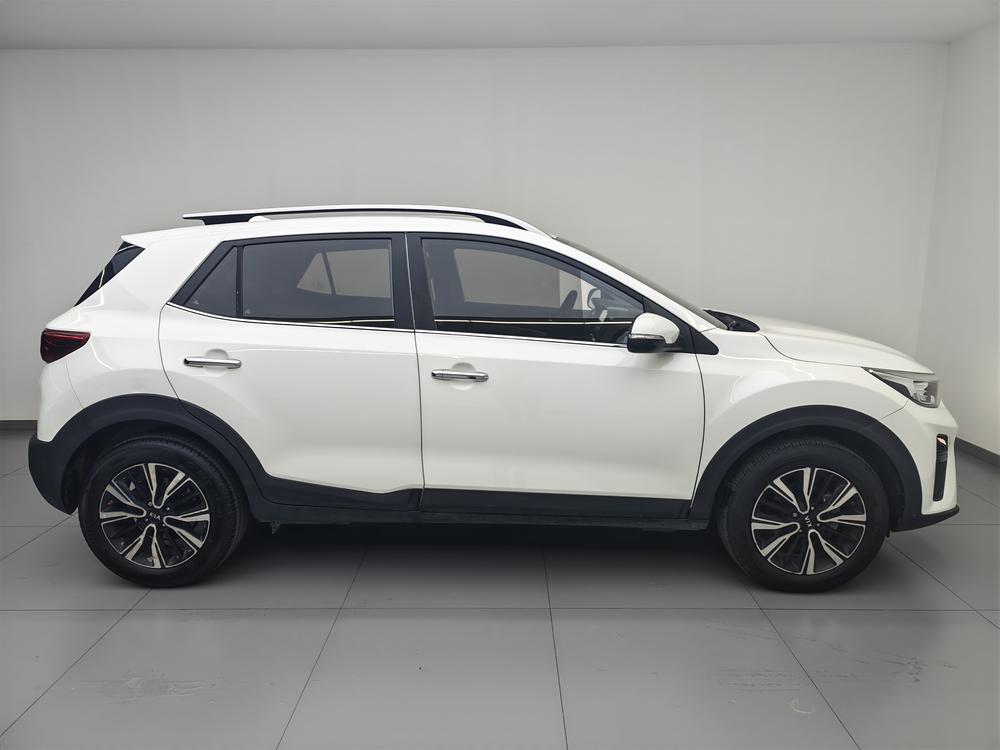
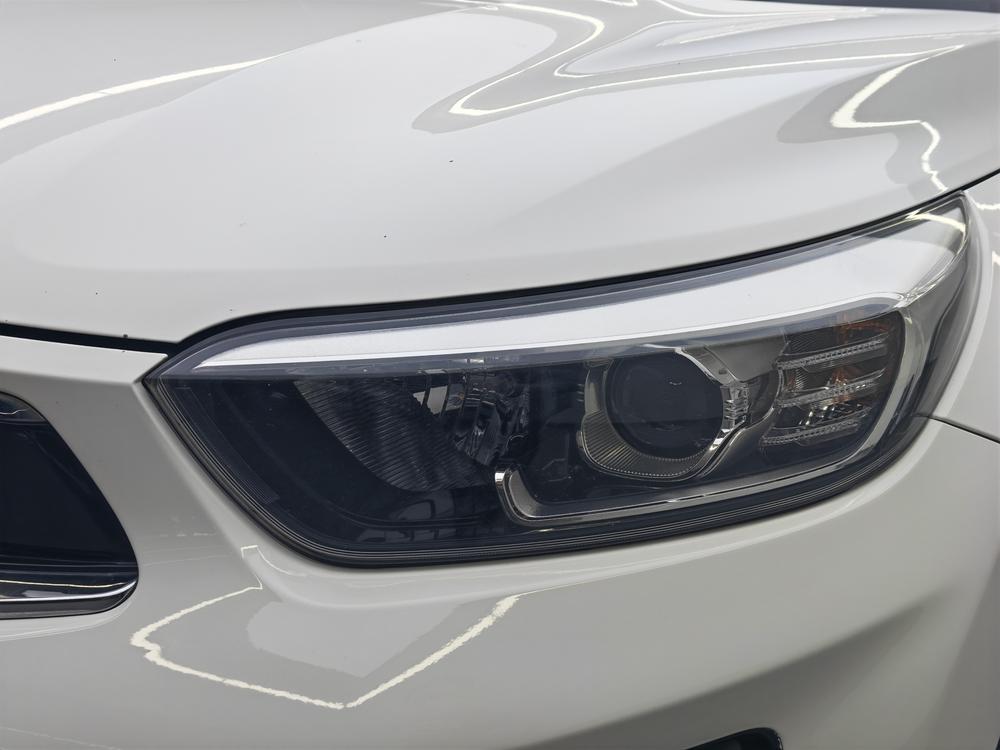
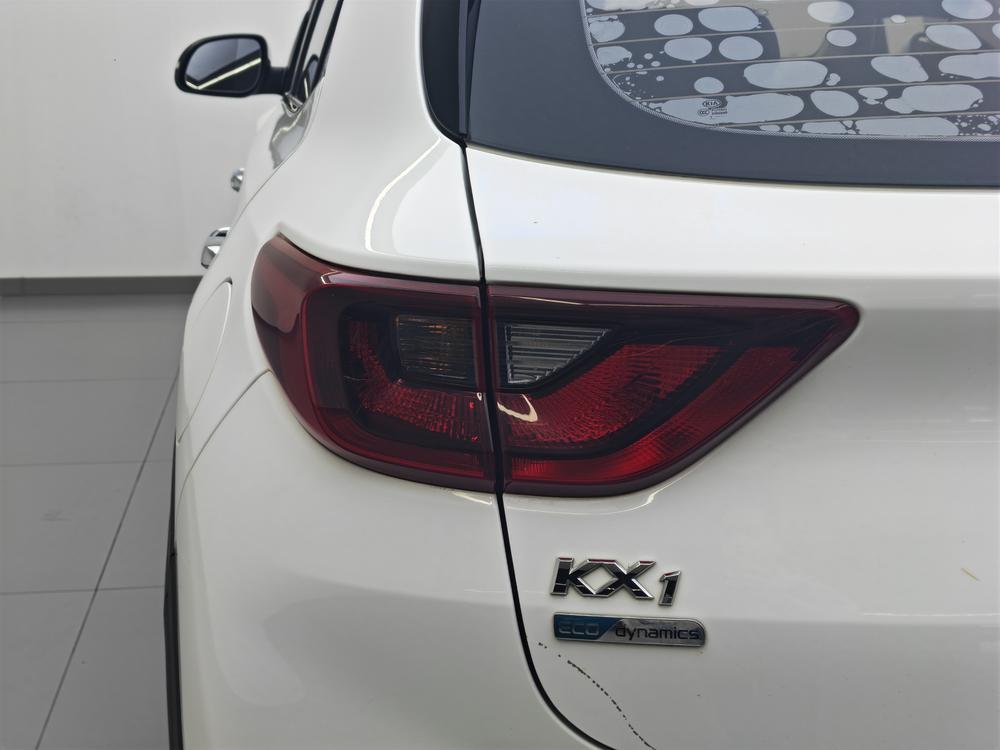
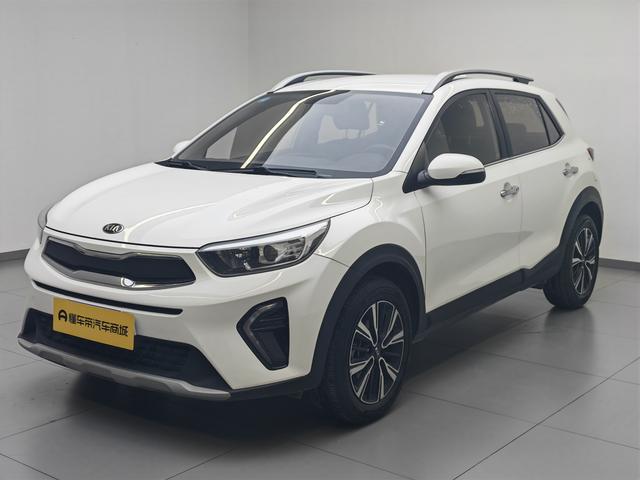
BrandKia
SeriesKX1
Year2019
First Registration2019/12
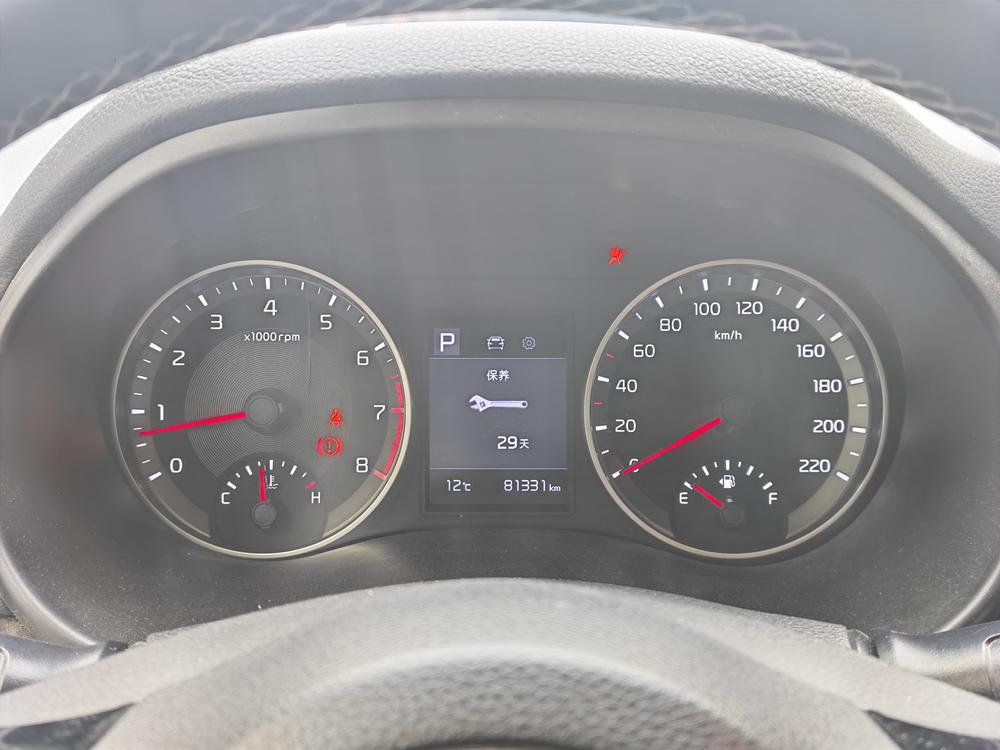
Mileage81,400km
Transfer Count0times
FuelGasoline
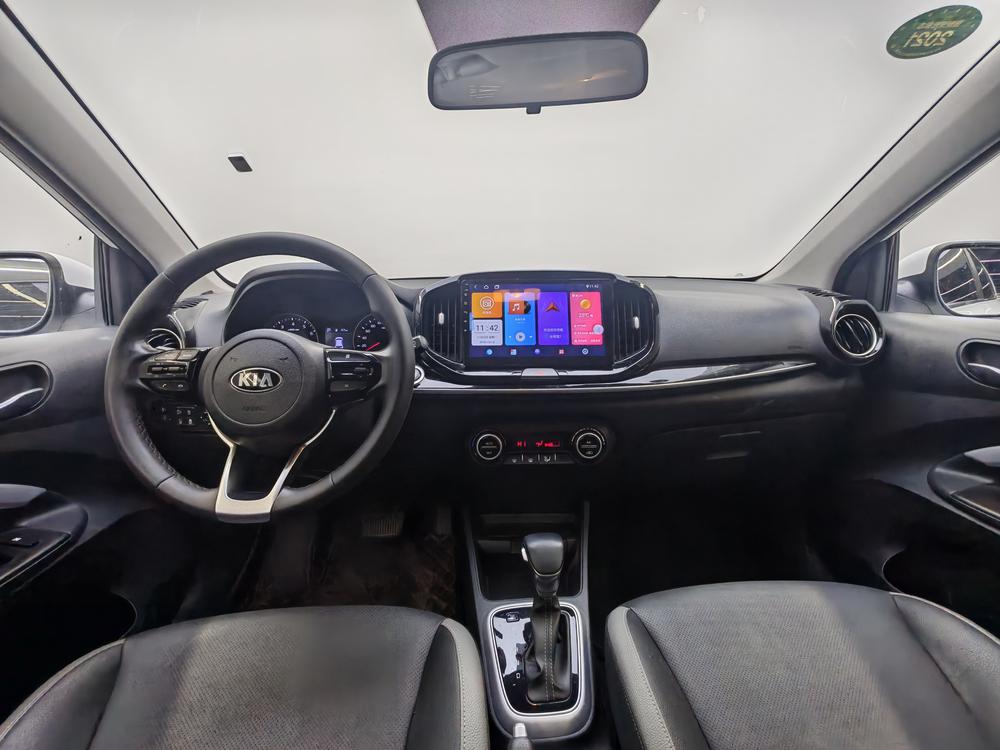
TransmissionManumatic
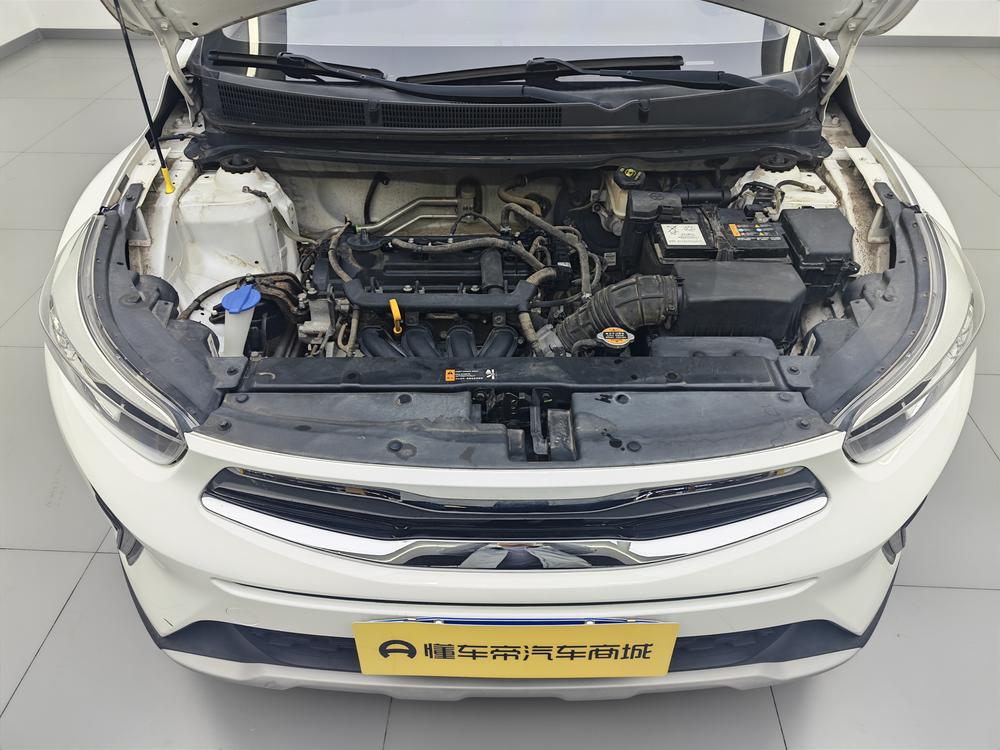
Engine1.4L 100 L4
Color
Seats-

Condition Description

官方质检 · 60天全车质保· 7天无理由有偿退车

Configuration Highlights

✓上牌时间: 2019-12
✓表显里程: 8.1万公里
✓排放标准: 国六
✓车辆状态: 太原预售
✓发动机: 1.4L
✓轴距: 2570mm
✓变速箱: 自动
✓最大功率: 73kW

Q&A

More

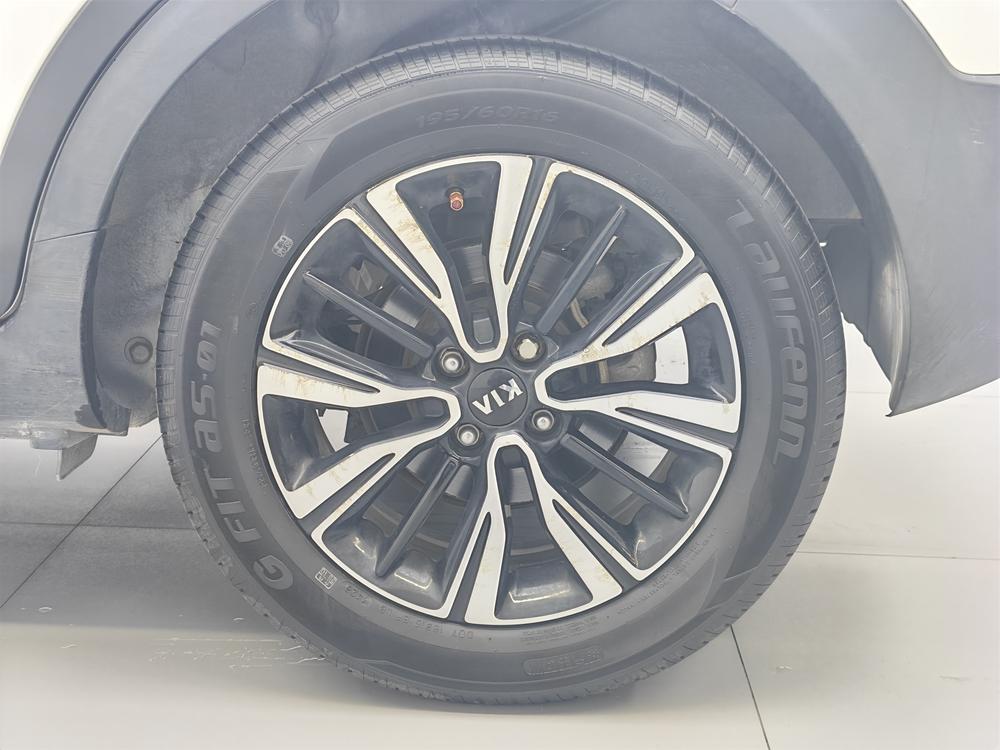
If the previous owner modified the vehicle (like wheels or exhaust), will you keep it or restore it?

Unless the previous owner retained the original parts and provided them to us, we usually keep the existing modifications and clearly state in the report "includes non-original modifications." Since the standards for illegal modifications vary by country, buyers should assess whether these modifications can legally pass inspection in their destination country.


For a used hybrid or EV, what battery health checks should I demand in a pre-purchase inspection?

The battery is the most expensive component in a used EV or hybrid, so battery health deserves its own inspection stage. Ask for a professional diagnostic scan (for example, via OBD tools reading the BMS data) that reports State of Health (SOH) in percentage. For EVs, SOH above 85% is generally good; below 75% means meaningful capacity loss and reduced driving range. Request a full charge and discharge test where possible: charge to 100%, drive or discharge to near 0%, and compare actual range against the original rated range. A battery delivering less than 70% of rated range is a concern. Check for battery cell imbalance — the diagnostic report should show voltage differences between cell groups. A spread above 0.05V indicates uneven aging. Also verify thermal management: confirm the battery cooling/heating system works, especially for cars destined for hot climates, and check whether the car has any active battery recall or warranty extension programs. Always get these results in writing or screenshots before paying the balance.

What brake system checks should a pre-shipment inspection of a used car from China include?

Brakes are safety-critical, yet many basic inspections only glance at pad thickness. A proper inspection should cover: 1. Pad and disc measurement: front pads below 3 mm or discs below the minimum thickness stamped on the disc hat mean replacement before shipping. 2. Brake fluid: test moisture content with a strip or meter. Over 3 percent water content means a full fluid flush, especially important for sea freight in humid containers. 3. Hydraulic check: the inspector presses the pedal firmly for 30 seconds; a sinking pedal indicates a master cylinder or hose leak. 4. ABS and stability systems: a diagnostic scan should show no fault codes, and on a short test drive the ABS self-test should complete normally. 5. Parking brake: hold the car on a slope in both directions, particularly important for automatics shipped on RoRo ramps. Ask for photos of each measurement with the tool visible, not just a brakes-OK summary.