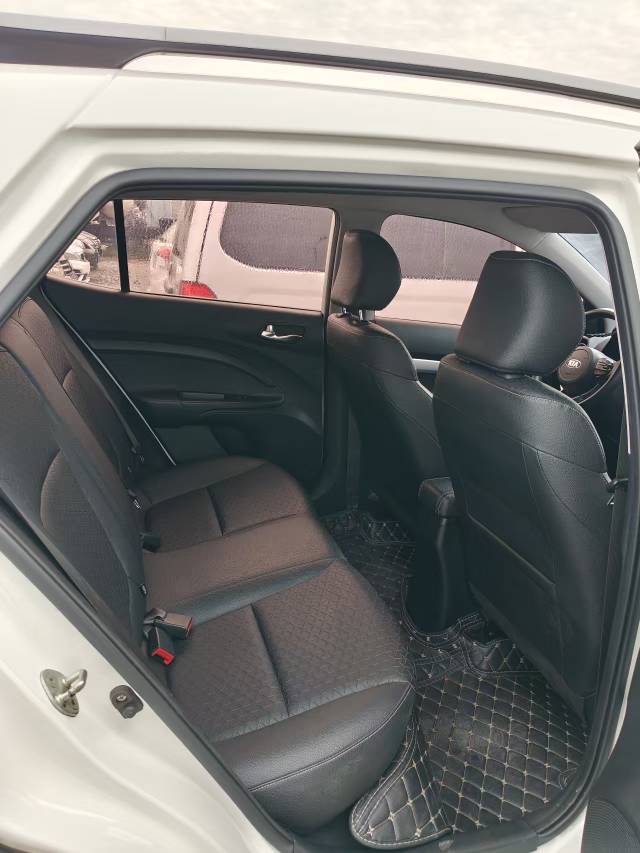
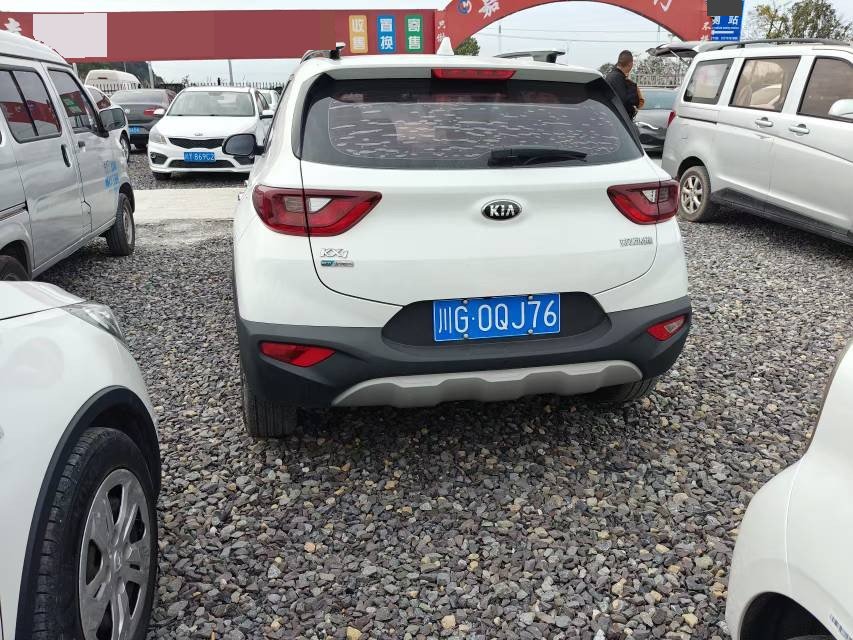
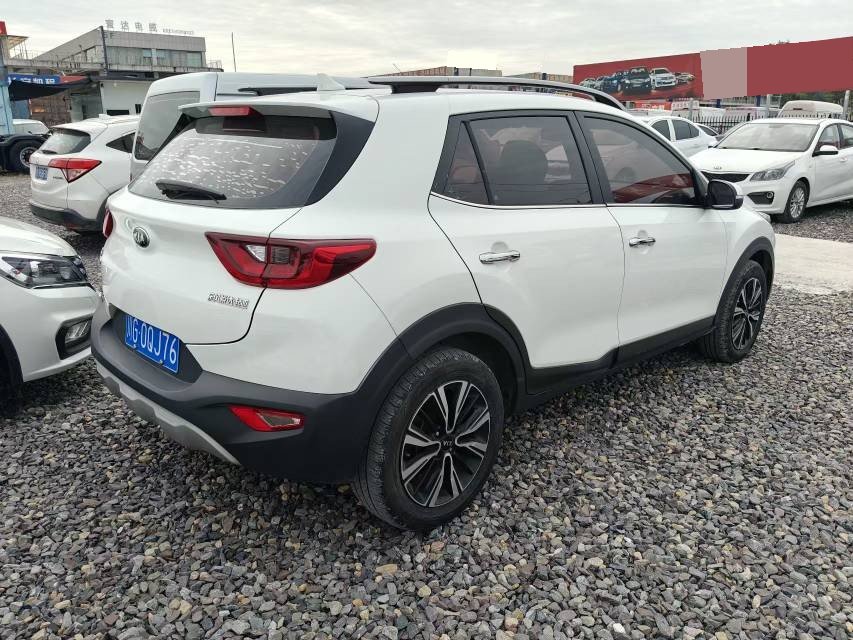



Basic Information

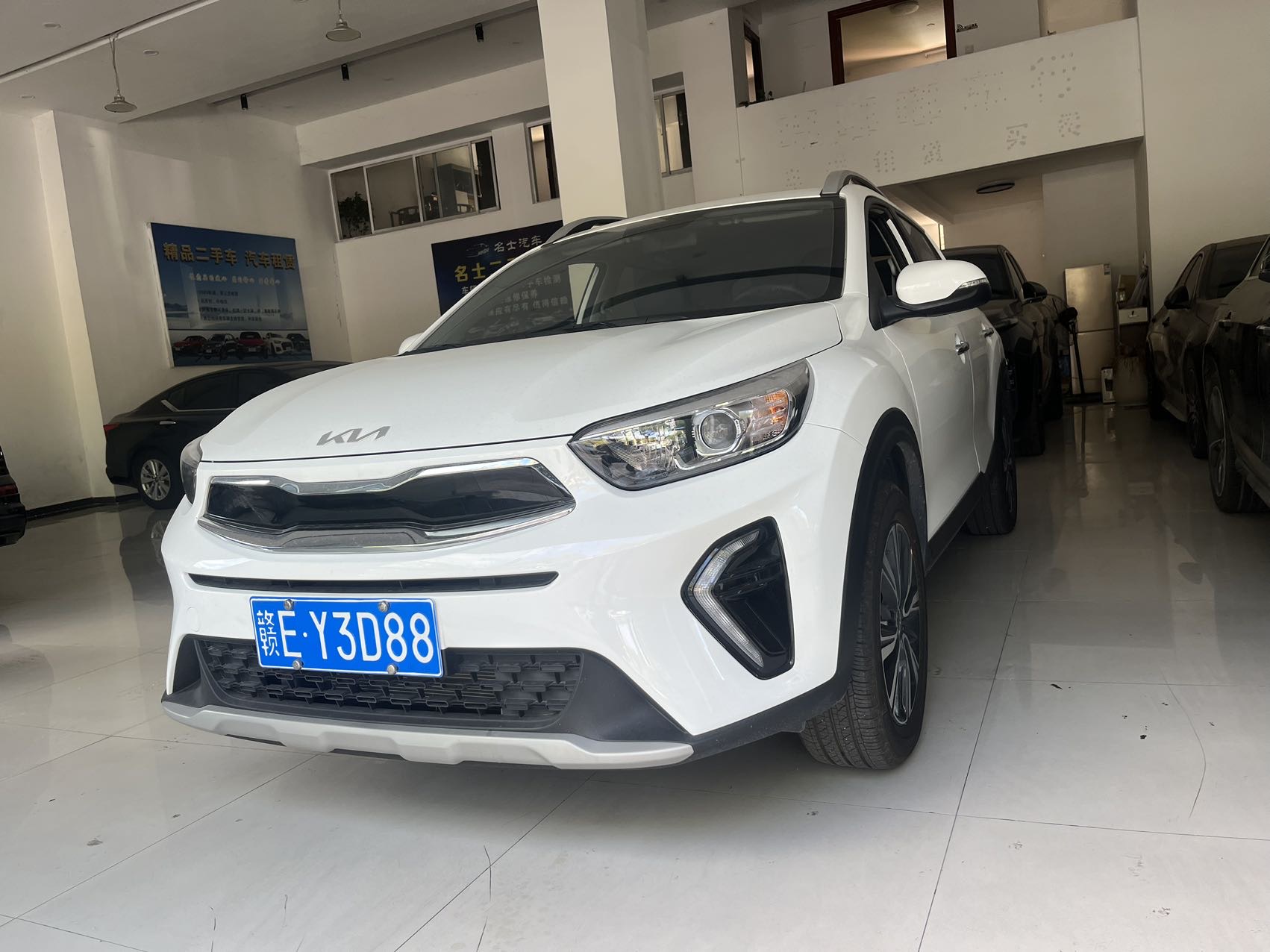
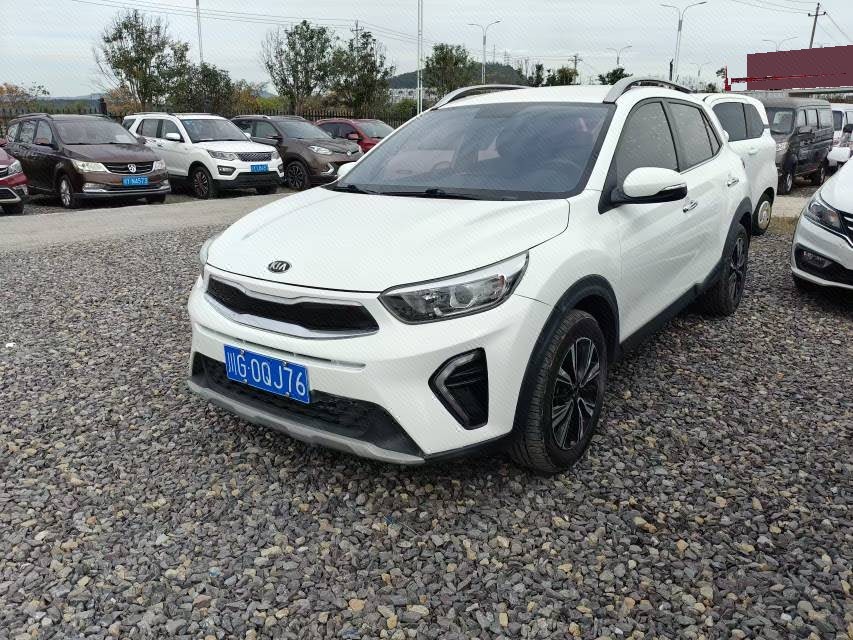
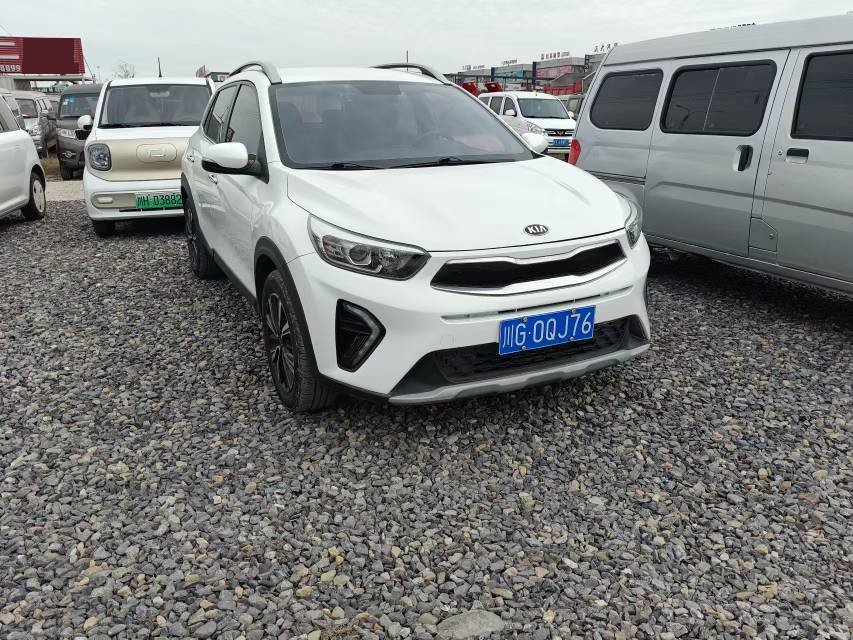
BrandKia
SeriesKX1
Year2019
First Registration2019/10
Mileage35,000km
Transfer Count0times
FuelGasoline
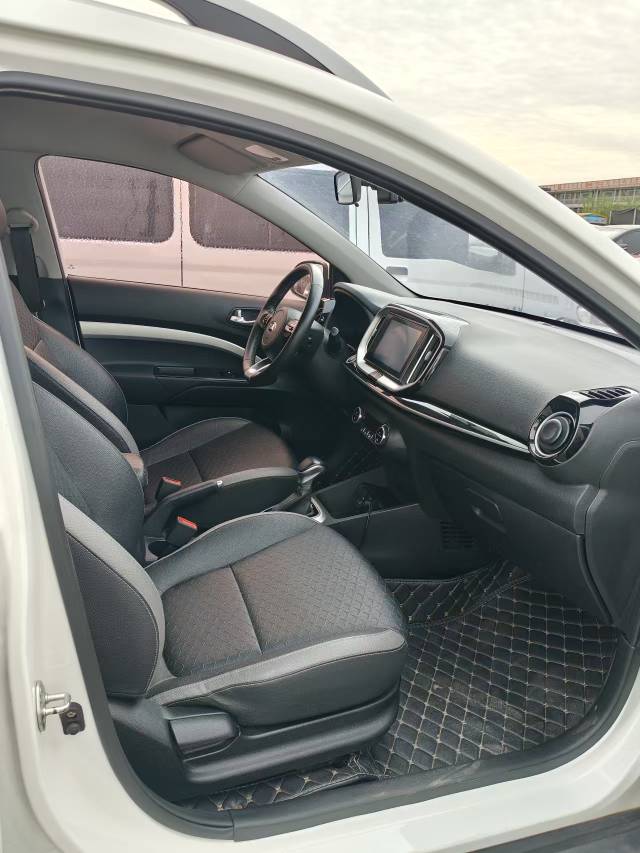
TransmissionManumatic
Engine1.4L 100 L4
ColorWhite
Seats-

Condition Description

Has been repainted.

Document Information

Inspection Expiry Date-
Warranty Expiry Date-
Insurance Expiry Date2027/10

Q&A

More

How long does importing a used car from China take from order to delivery, and what are typical lead times for each step?

A realistic timeline: sourcing and negotiation 3-7 days; deposit and booking 1-2 days; pre-shipment inspection 2-4 days; export clearance and vessel booking 7-14 days; sea freight 2-5 weeks depending on destination; import customs clearance and port release 5-10 days. Overall, plan for roughly 5-8 weeks from order to port of destination by sea. For Central Asia and Russia by rail, 2-3 weeks total is common. Tips: ask the exporter for a written schedule with milestones (inspection done, customs cleared, vessel loaded, ETA); track the vessel yourself once you have the container or booking number; and remember Chinese holidays — Chinese New Year and Golden Week can add 1-2 weeks of delay.


Beyond the car price, what costs should I budget for when importing a used car from China?

Plan for roughly 25-40% on top of the vehicle price. The main items are: 1. Pre-purchase: deposit (10-30%), third-party inspection fee (100-300 USD). 2. In China: inland trucking to the port, export declaration fees. 3. Shipping: ocean freight (container 20ft usually 1,500-4,000 USD depending on destination), marine insurance (about 0.3-0.5% of car value). 4. In your country: customs duty, VAT/GST, port handling and storage, customs broker, quarantine or pre-shipment inspection if required, registration and plates. Always ask the exporter for an itemized landed-cost estimate for your specific port before paying the deposit, and confirm which Incoterm the quote is based on (FOB, CIF or DDP makes a big difference).

Will the manufacturer's smartphone app and connected services work in my country after I import a used Chinese EV?

This is one of the most common disappointments after importing a Chinese EV, so check before you buy. Many Chinese EVs rely on an embedded SIM that only works on Chinese carrier networks. Once the car leaves China, remote functions — battery status, pre-conditioning, charging control, and locating the car — may stop working entirely. Some brands let you transfer the account to a foreign phone number, but many require a Chinese ID or Chinese phone number for registration, which you cannot provide. What to do before purchase: ask the exporter to test the app functions live on video while the car is still in China, including remote air-conditioning and battery percentage reading. Ask the brand's official customer service (in writing) whether overseas account activation is supported for your specific model and year. Workarounds if the official app does not work: some functions may still operate locally through the car's own settings, such as scheduled charging from the dashboard. Third-party OBD dongles with companion apps can sometimes restore battery monitoring and pre-conditioning. The car itself drives fine without connected services, but if app functionality matters to you, treat it as a purchase criterion, not an afterthought.