


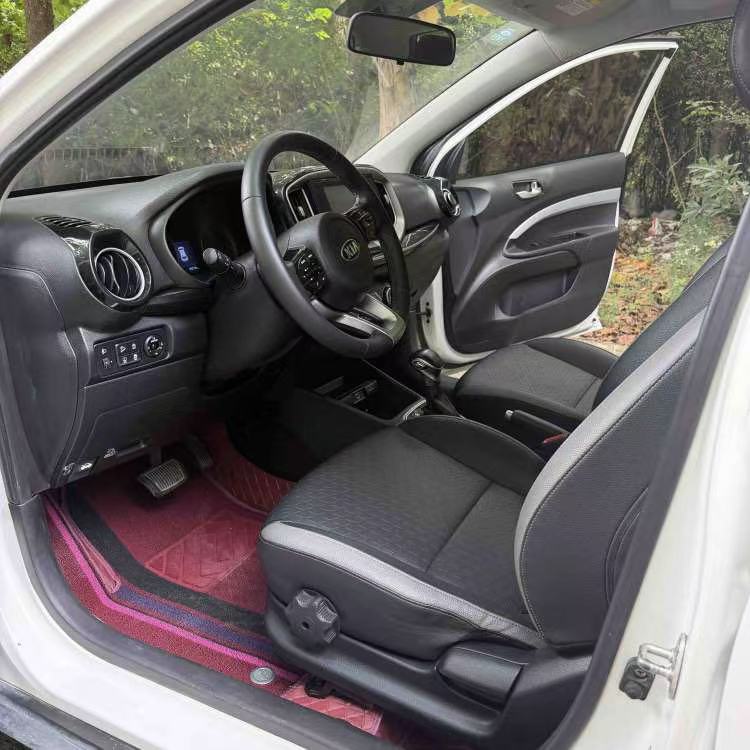
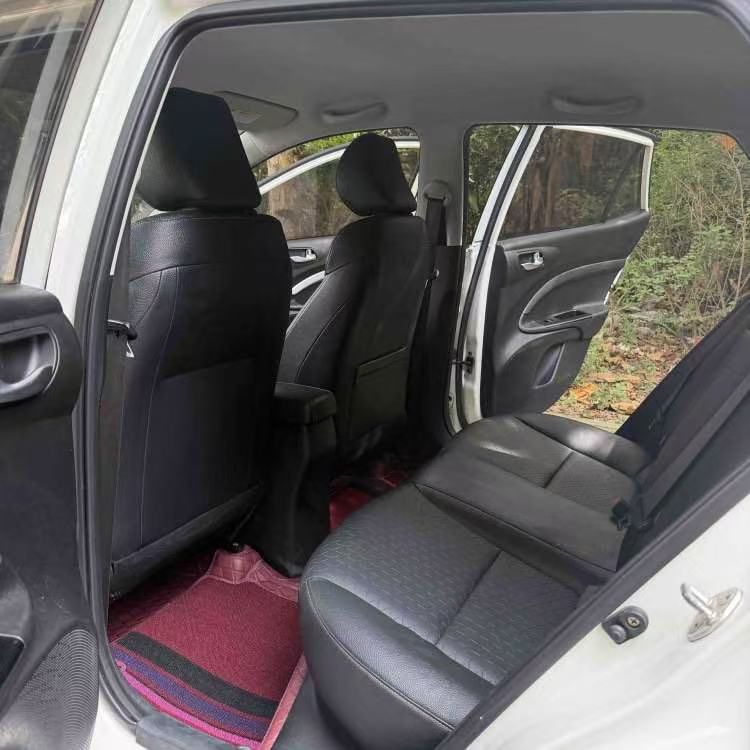
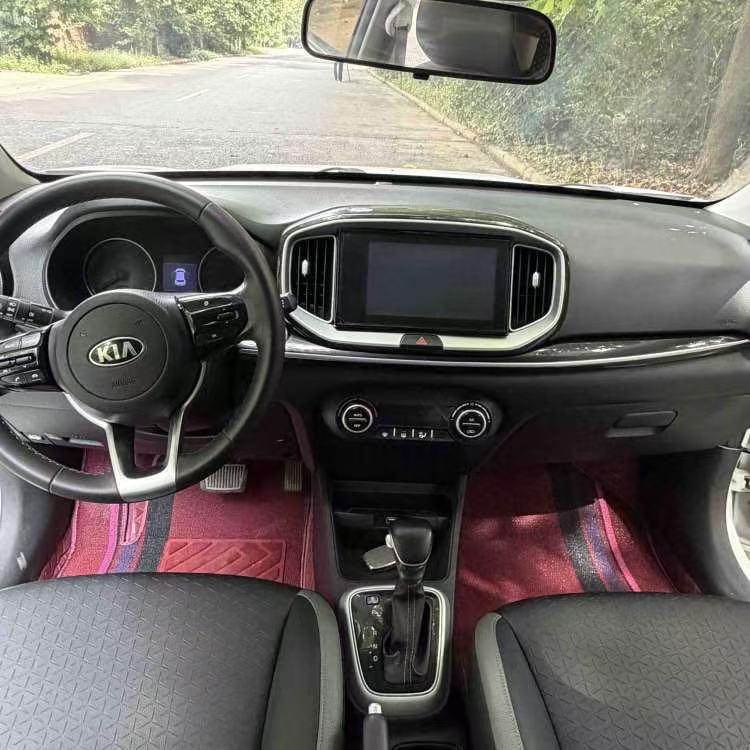






Basic Information

BrandKia
SeriesKX1
Year2019
First Registration2019/11
Mileage80,000km
Transfer Count0times
FuelGasoline
TransmissionManumatic
Engine1.4L 100 L4
ColorWhite
Seats-

Condition Description

First-hand car, original condition, 2 panels repainted.

Document Information

Inspection Expiry Date-
Warranty Expiry Date-
Insurance Expiry Date2027/11

Q&A

More

How does customs clearance work at destination when importing a used car from China, and who handles it?

Customs clearance at destination is usually handled by a licensed customs broker, not the exporter. You can hire one yourself or use a broker recommended by your shipping agent. The typical flow: your broker files the import declaration using the documents the exporter must provide — the commercial invoice, packing list, bill of lading, and the certificate of origin. Depending on your country's rules, you will also need to pay import duty, VAT or sales tax, and any excise or environmental levies before the car is released. Things that commonly delay clearance: mismatched VIN numbers between documents, missing pre-shipment inspection certificates (required in some African and Middle Eastern countries), or non-compliance with your country's used-car import age limits. Budget 3–10 working days for clearance after the vessel arrives, plus storage fees if documents are incomplete. Tip: send all documents to your broker for review before the ship departs China — fixing errors at origin is much cheaper than demurrage at destination.


How can I verify a used car's accident and repair history in China from overseas?

China has centralized vehicle records you can check remotely before paying anything. Ask the exporter for the 17-digit VIN, then request two reports. First, the maintenance history: third-party platforms pull 4S dealership records showing service dates, mileage and repair items. A mileage line that goes down over time is a red flag for odometer tampering. Second, the insurance claim history: it lists accident dates, claim amounts and repaired parts. Heavy claims involving frame rails or airbags should end the deal. Practical tips: run the reports yourself instead of accepting screenshots from the seller, make sure the report date is close to the delivery date, and cross-check with physical wear such as the steering wheel, pedals and seat bolsters, which cannot lie about high mileage. Keep in mind that small private repairs never enter these databases, so combine history checks with a physical inspection before shipping.

What should I do if the consignee information on the Bill of Lading is incorrect?

Be sure to verify the draft Bill of Lading as soon as possible after the ship departs. Once the original is issued, changes will incur high amendment fees and may prevent the customer from picking up the goods.