


48H

Basic Information

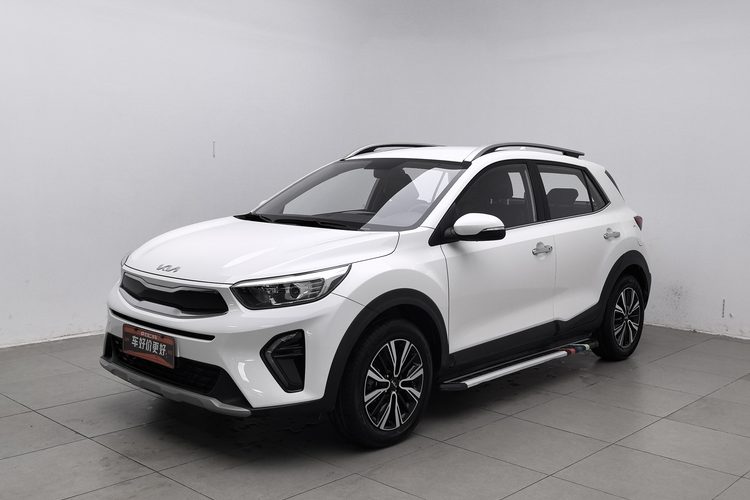
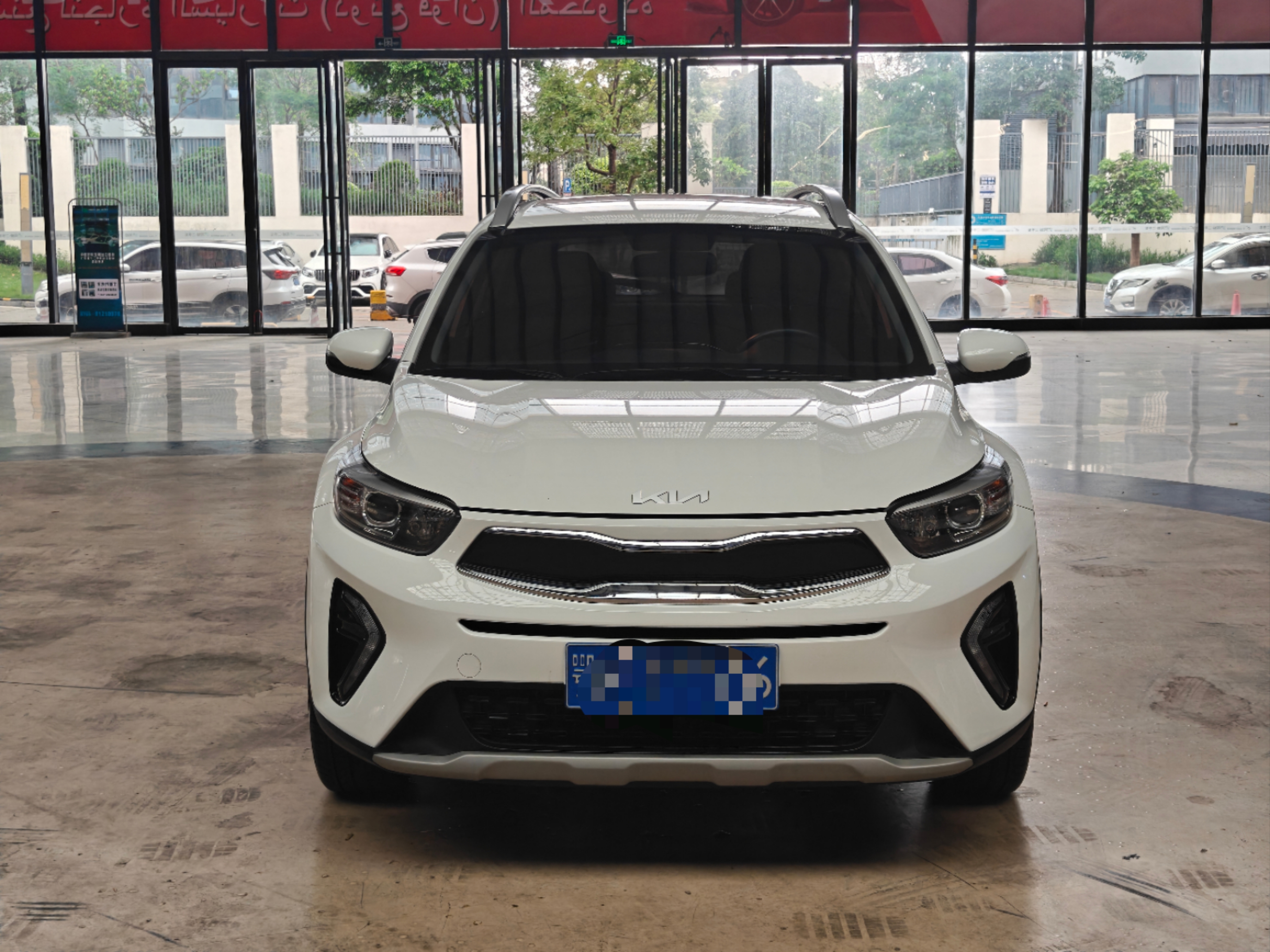
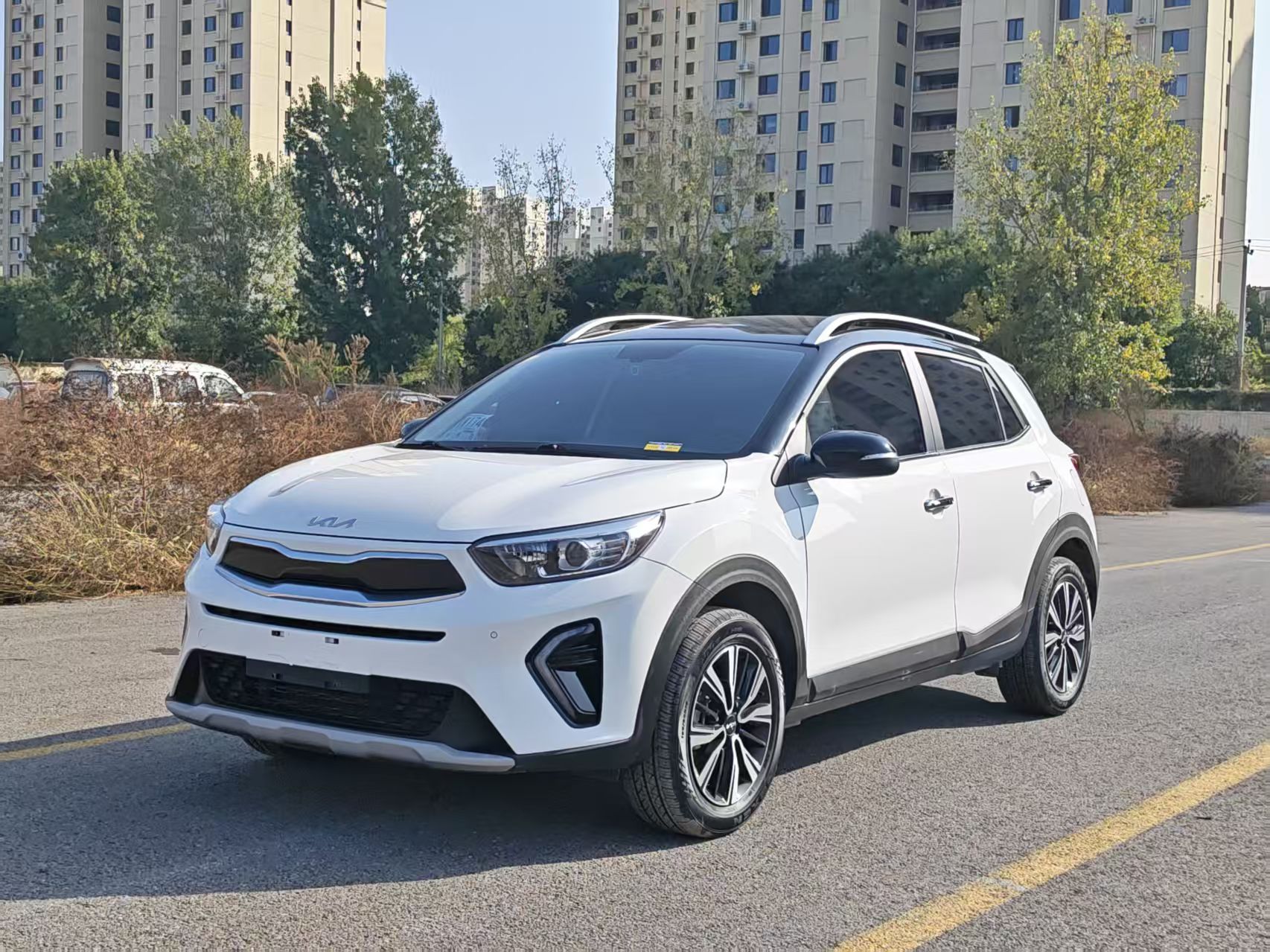
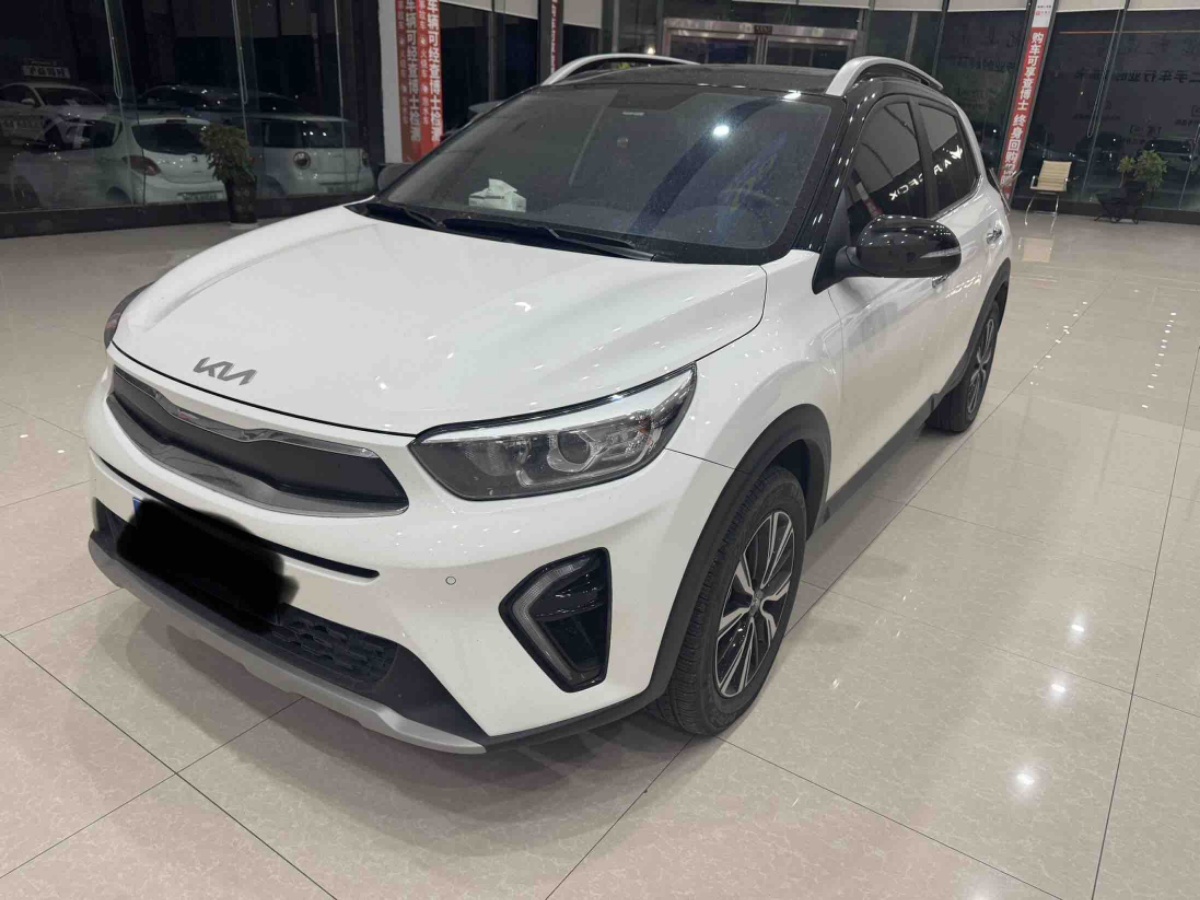
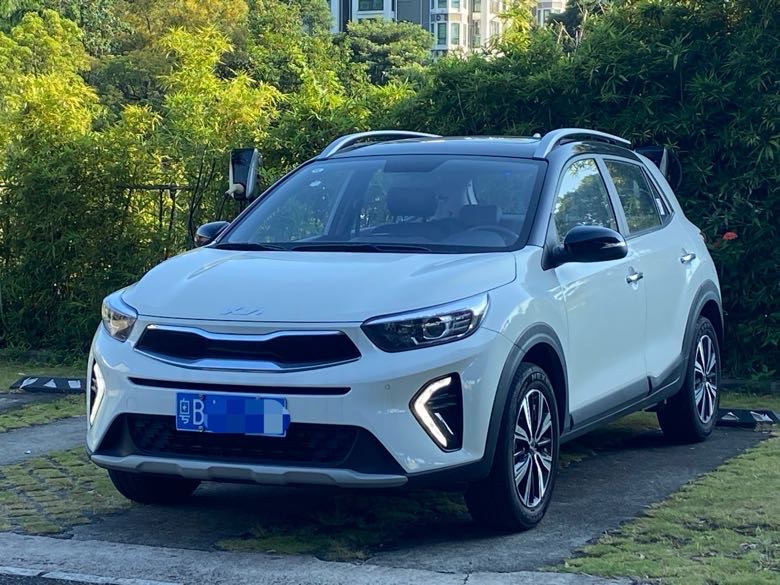
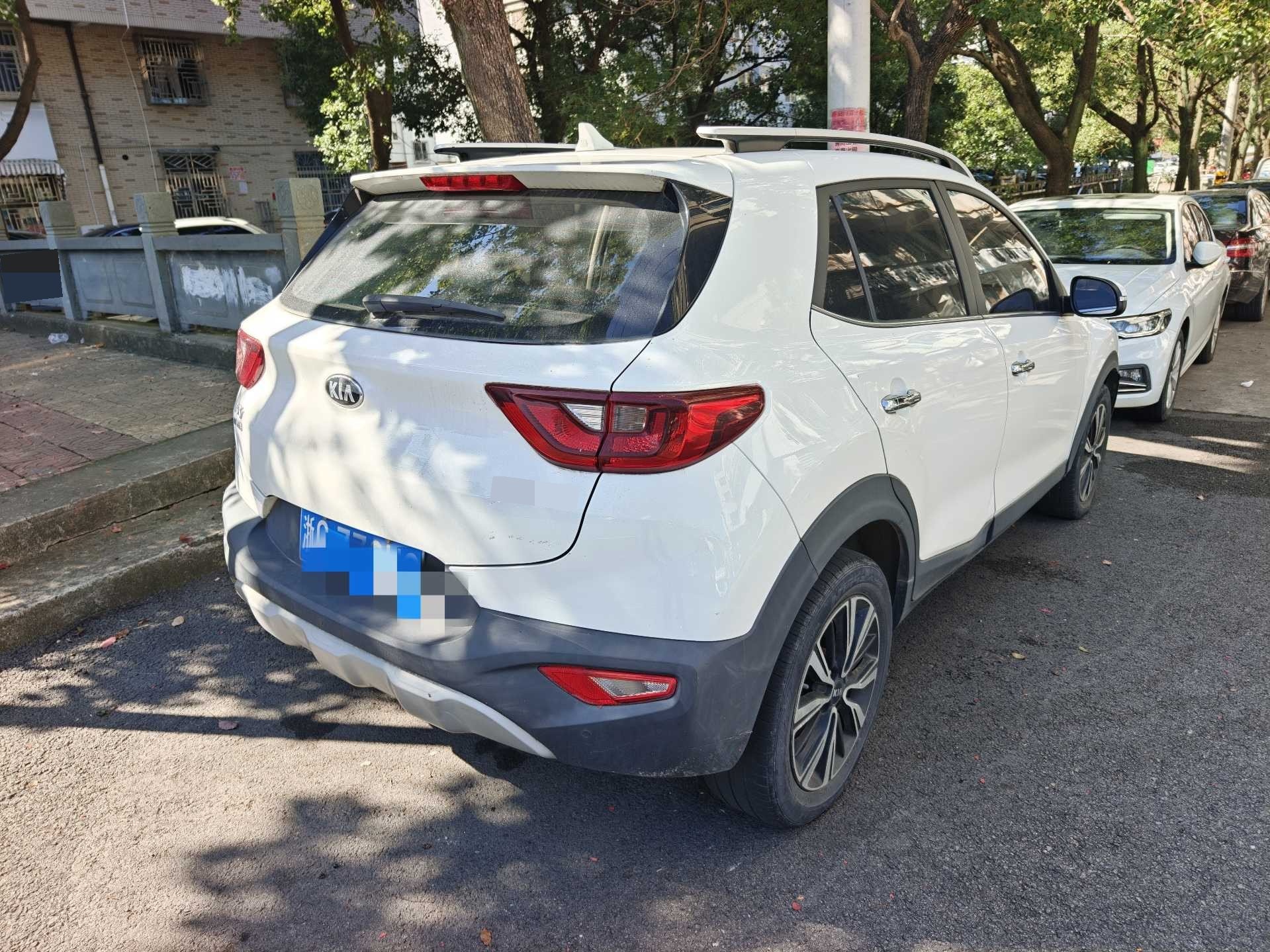
BrandKia
SeriesKX1
Year2019
First Registration2019/06
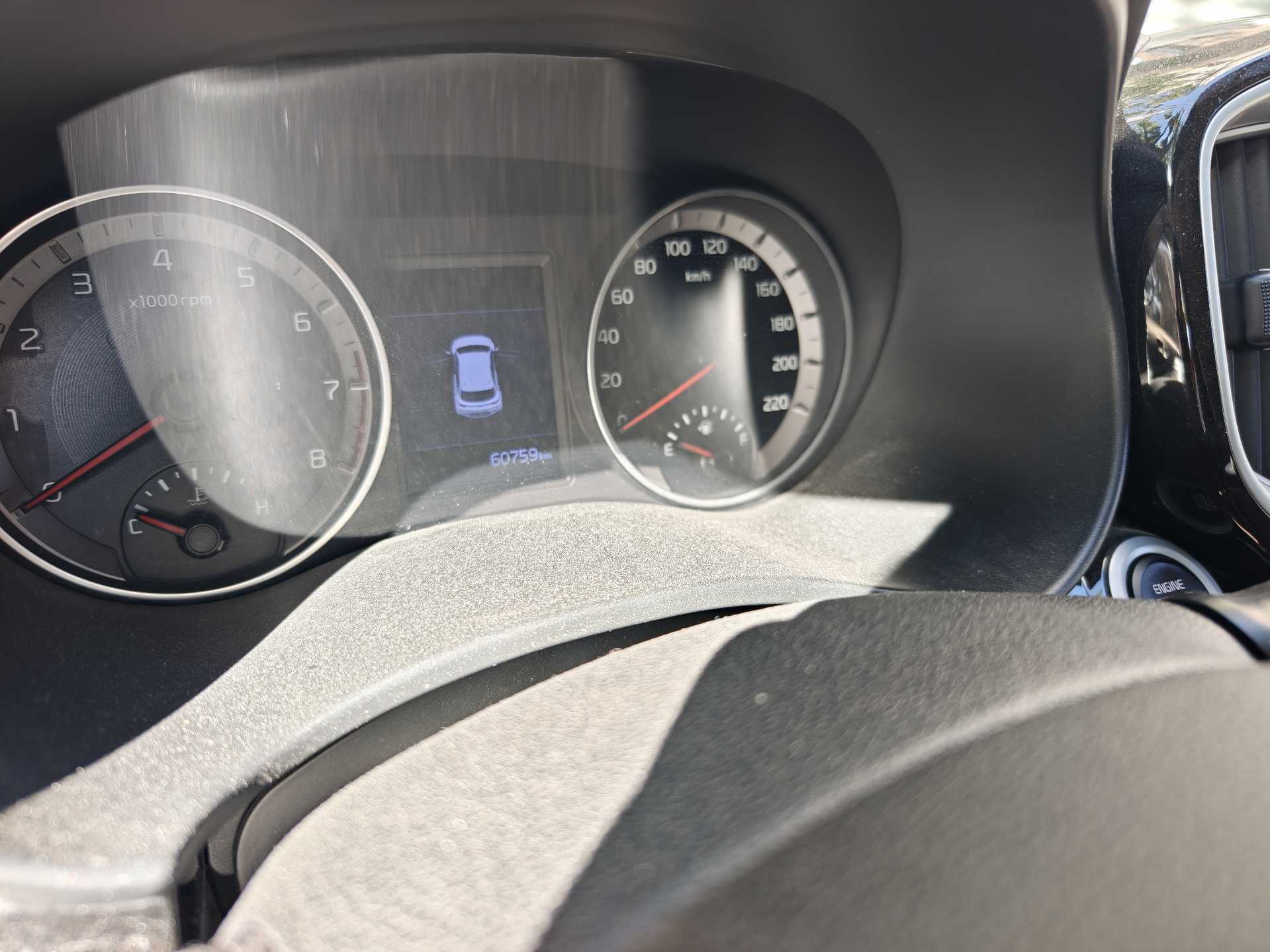
Mileage60,000km
Transfer Count0times
FuelGasoline
TransmissionManumatic
Engine1.4L 100 L4
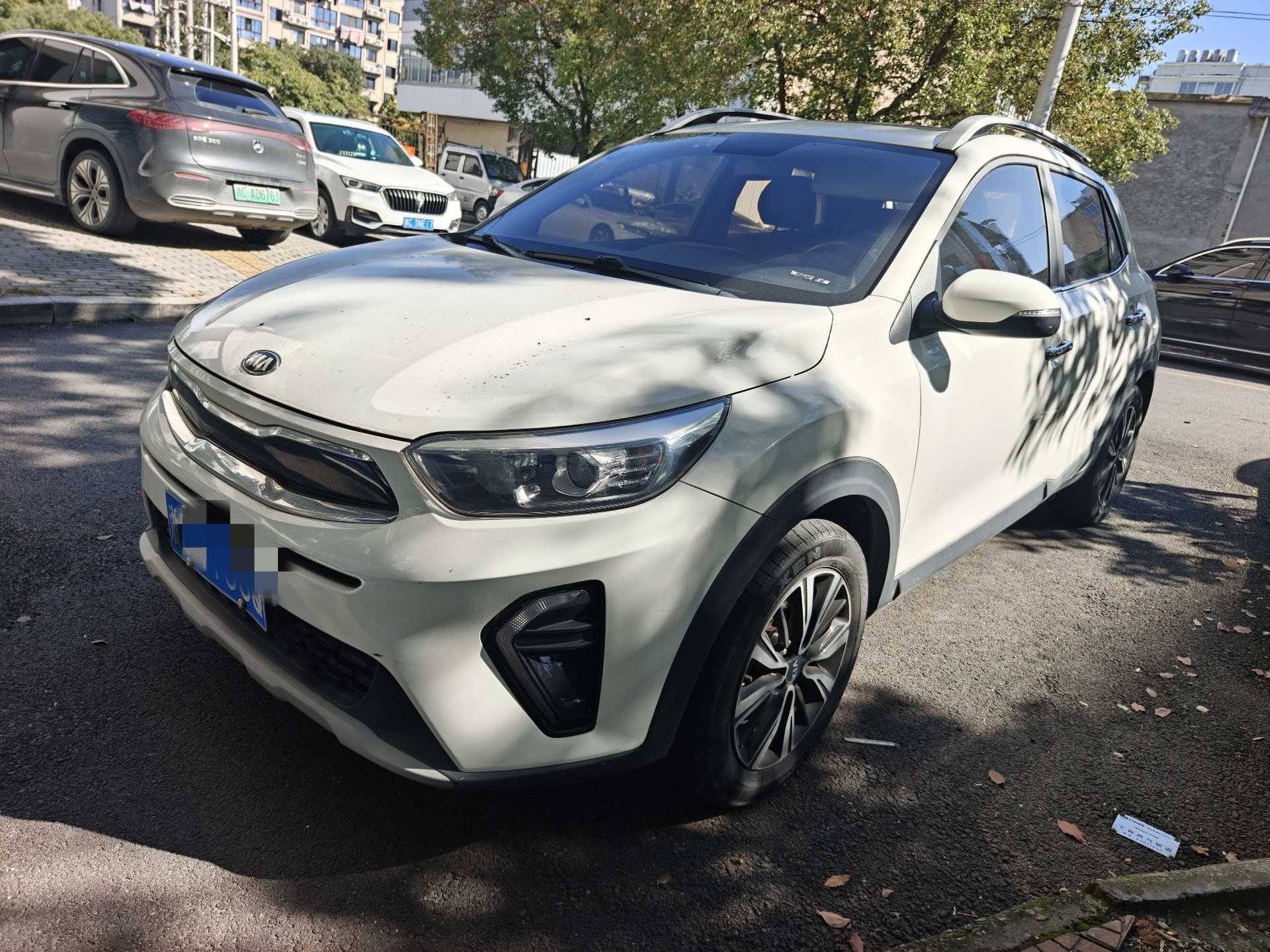
ColorWhite
Seats-

Condition Description

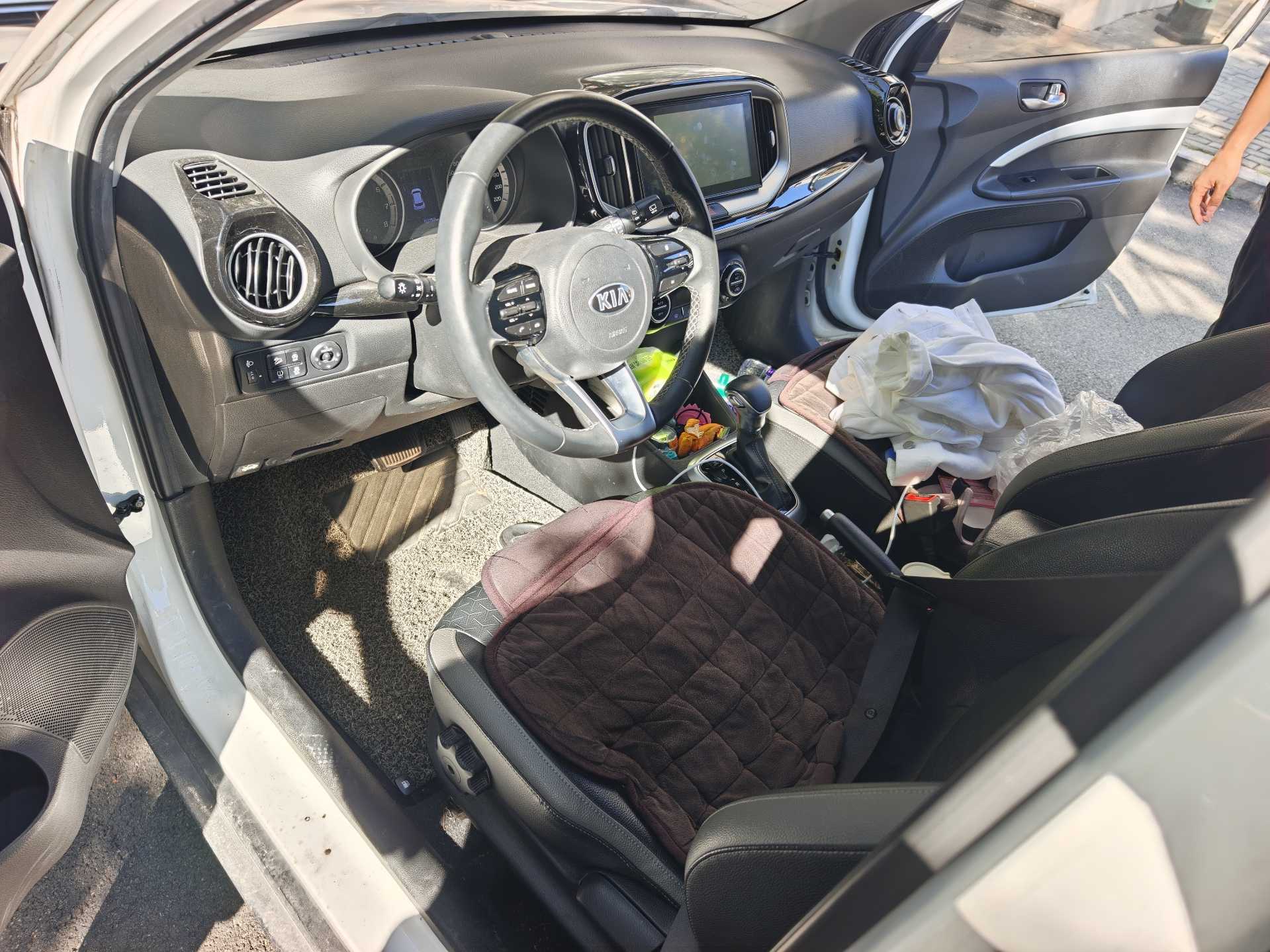
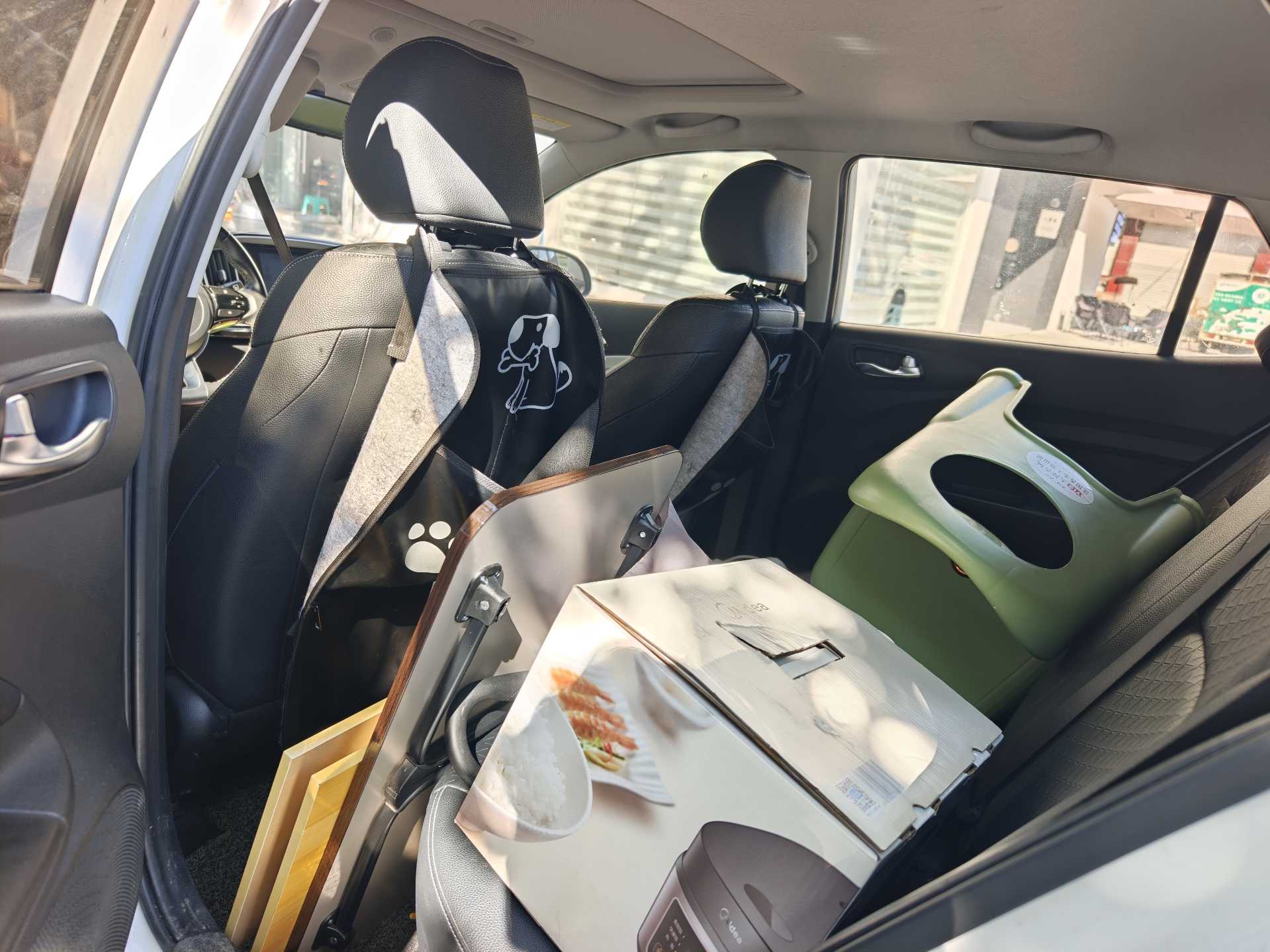
First owner, original paint, no accidents or repairs.

Document Information

Inspection Expiry Date-
Warranty Expiry Date-
Insurance Expiry Date2027/06

Q&A

More

How can I check if a used car in China was previously used as a taxi, rental car, or government fleet vehicle?

Fleet usage dramatically shortens a car's real life, so it is worth checking before you pay. Start with the registration certificate: the nature-of-use field shows whether the car was registered as non-commercial or commercial. Commercial registration is a red flag for taxis and rental cars. Next, review the maintenance records: fleet vehicles show unusually uniform service intervals, high-volume tire replacements, and repairs done at the same shop repeatedly. A car with 60,000 km on the clock but three sets of brake pads is a fleet vehicle, not a private one. For government or corporate fleet cars, ask the seller for the complete ownership chain; several short-term owners from leasing companies or government auction platforms are a strong signal. Finally, check the interior remotely: rear seat wear, trunk scratches, and multiple ignition keys all suggest shared use. Add a contractual warranty that the vehicle was never commercially operated — if the seller refuses, walk away.


How does customs clearance work at destination when importing a used car from China, and who handles it?

Customs clearance at destination is usually handled by a licensed customs broker, not the exporter. You can hire one yourself or use a broker recommended by your shipping agent. The typical flow: your broker files the import declaration using the documents the exporter must provide — the commercial invoice, packing list, bill of lading, and the certificate of origin. Depending on your country's rules, you will also need to pay import duty, VAT or sales tax, and any excise or environmental levies before the car is released. Things that commonly delay clearance: mismatched VIN numbers between documents, missing pre-shipment inspection certificates (required in some African and Middle Eastern countries), or non-compliance with your country's used-car import age limits. Budget 3–10 working days for clearance after the vessel arrives, plus storage fees if documents are incomplete. Tip: send all documents to your broker for review before the ship departs China — fixing errors at origin is much cheaper than demurrage at destination.

Is there specific data on paint thickness? How can we determine if it's the original factory paint?

We use a calibrated high-precision paint thickness gauge to take multiple measurements on at least 13 metal surfaces of the entire vehicle. The original paint thickness of mainstream Chinese models typically ranges from 90μm to 150μm. If any area exceeds 200μm or even reaches over 500μm, we will directly conclude that the area has undergone bodywork and filler repair.