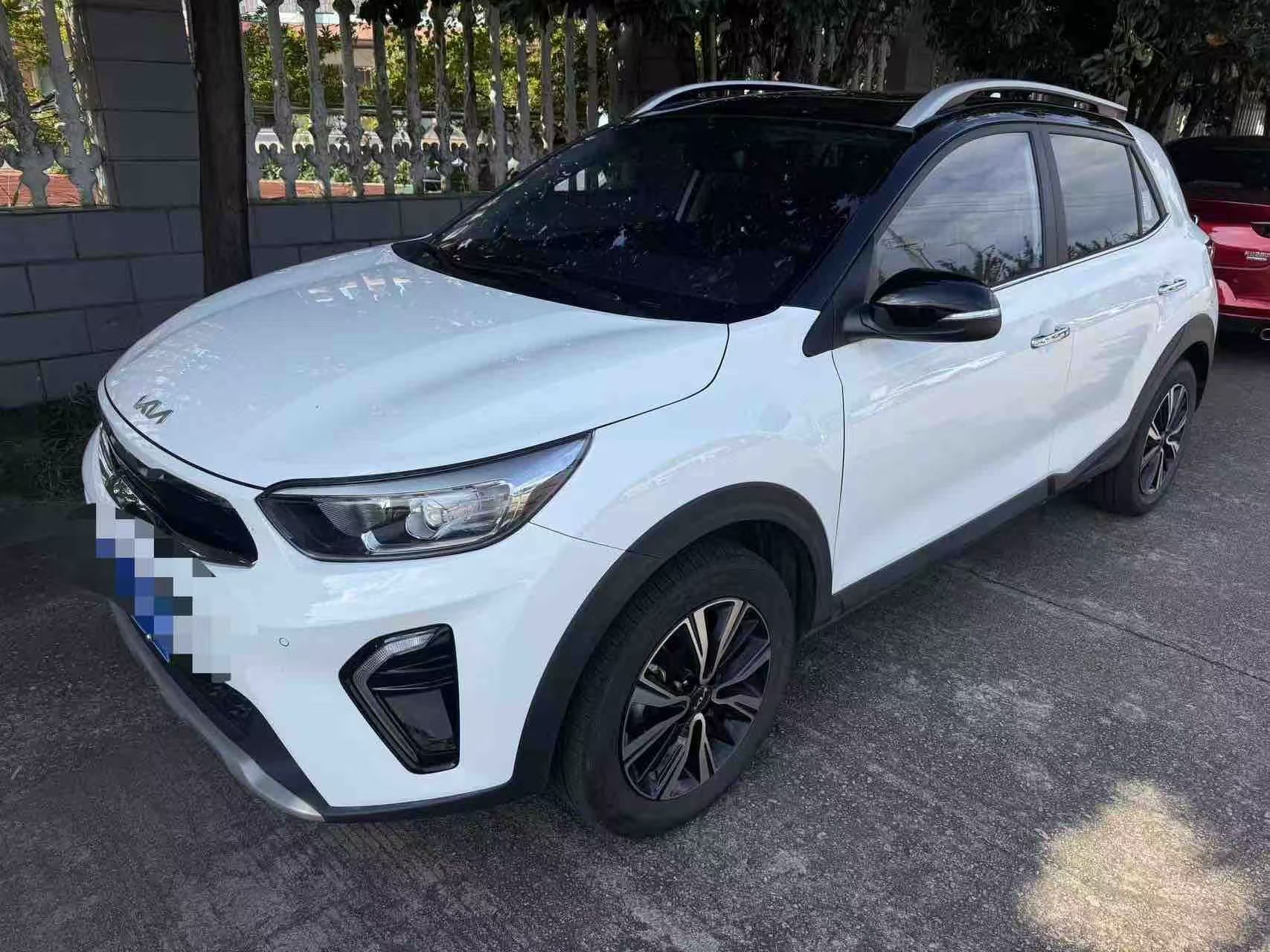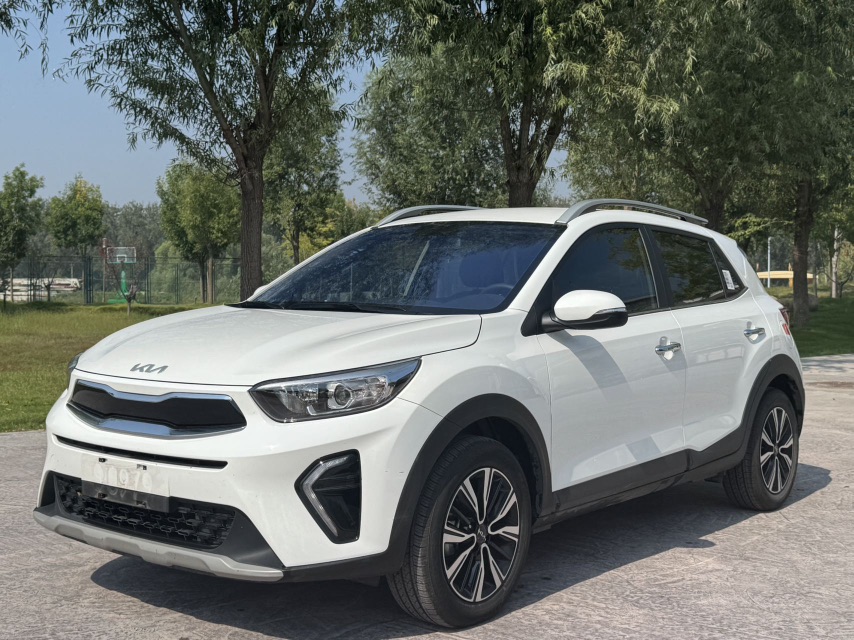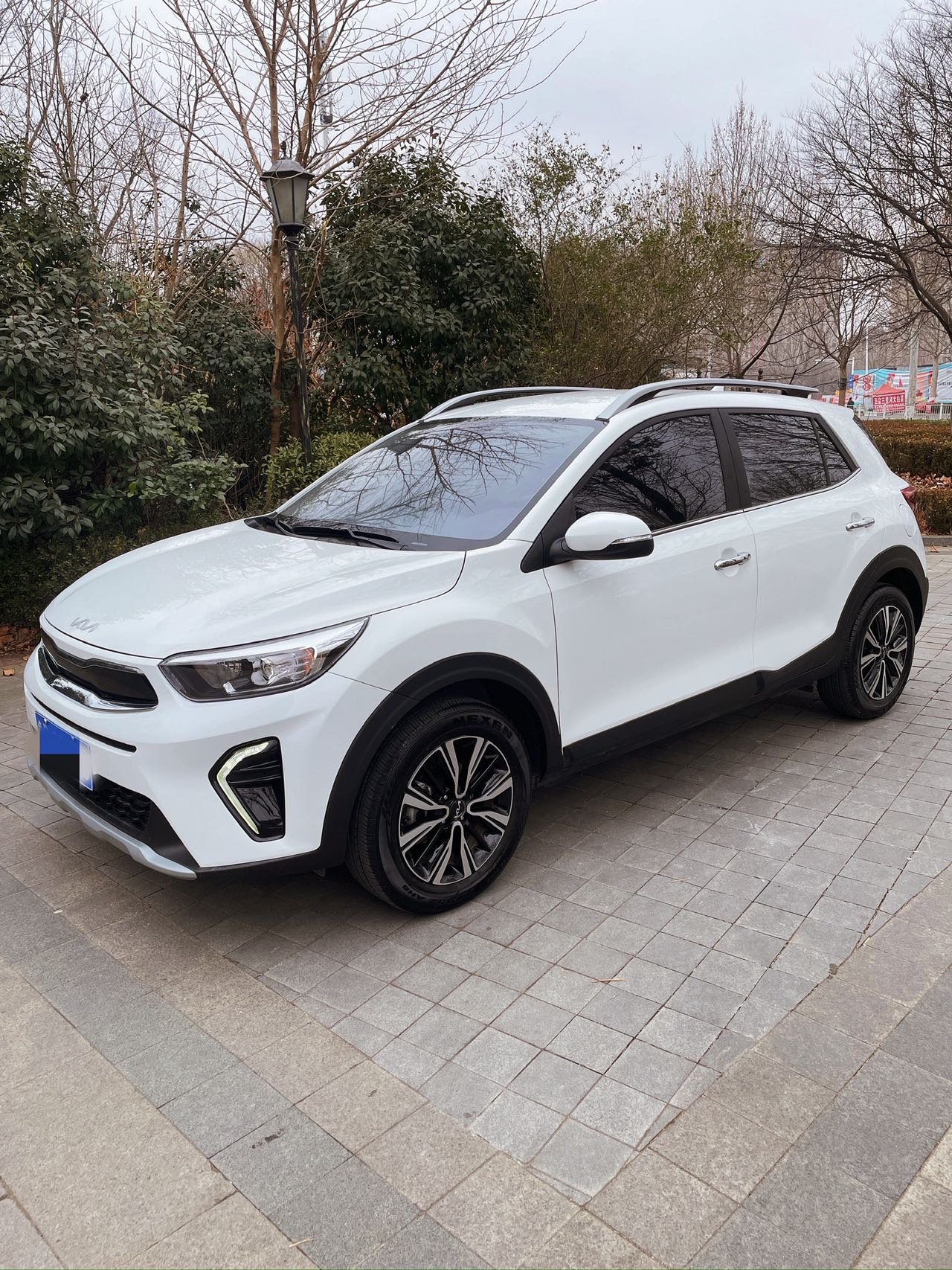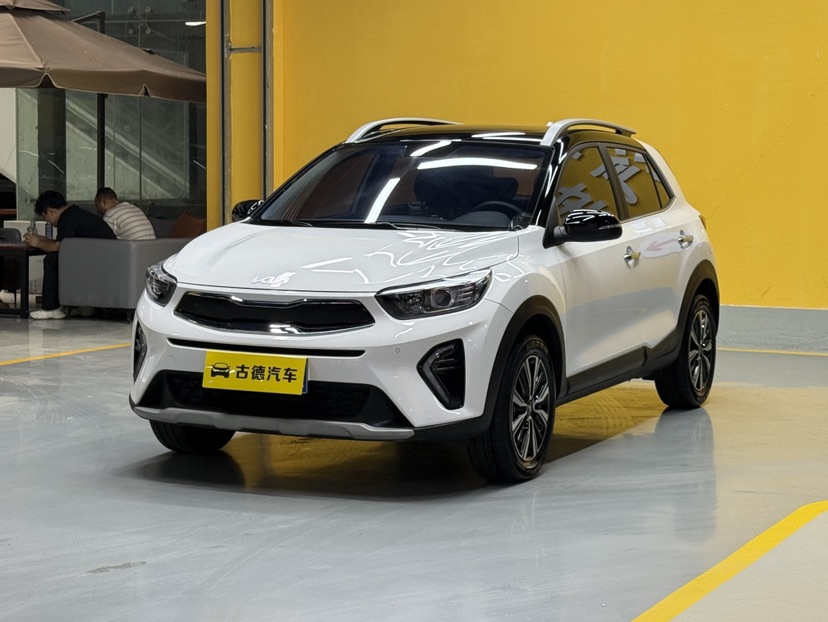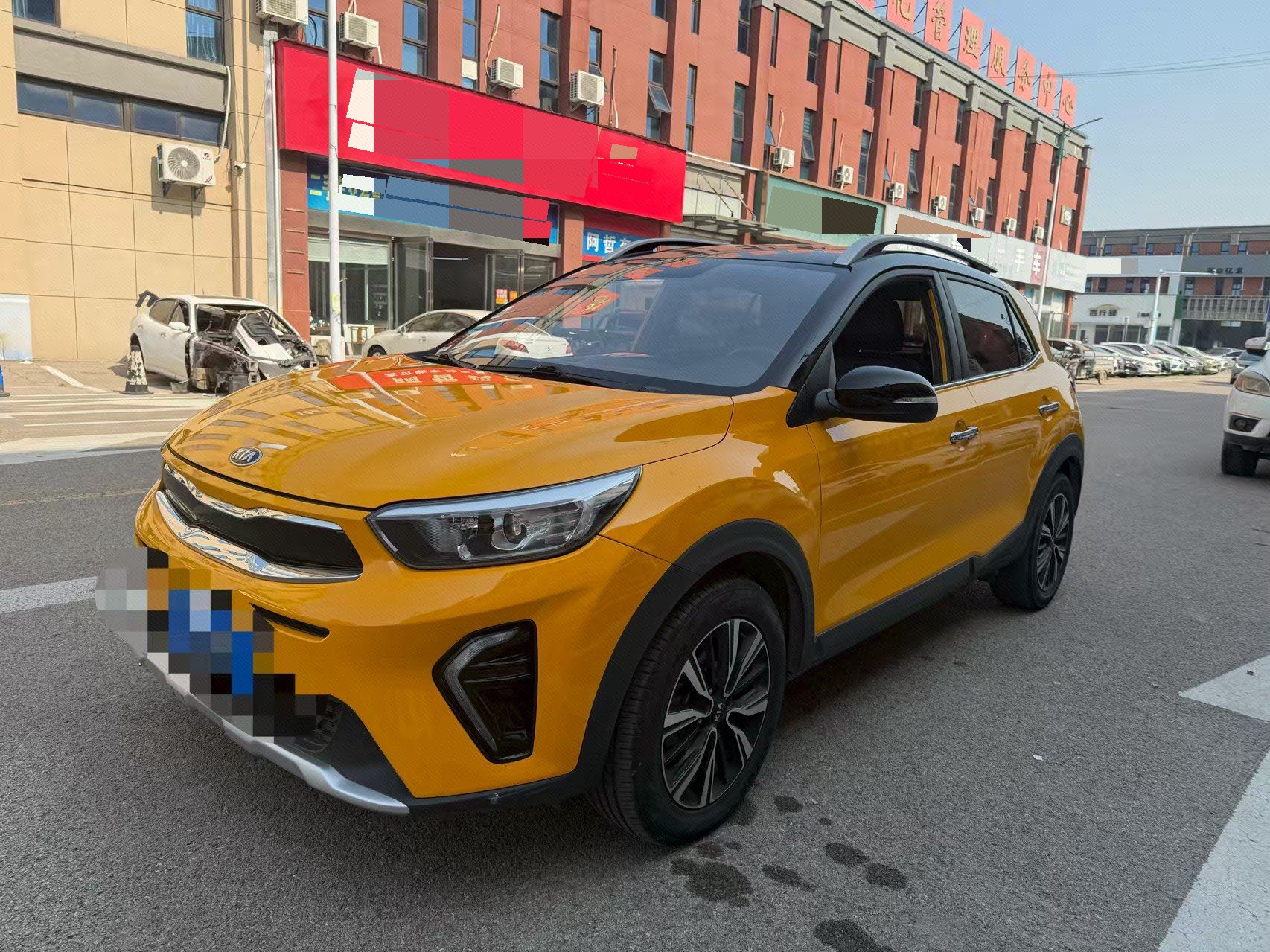
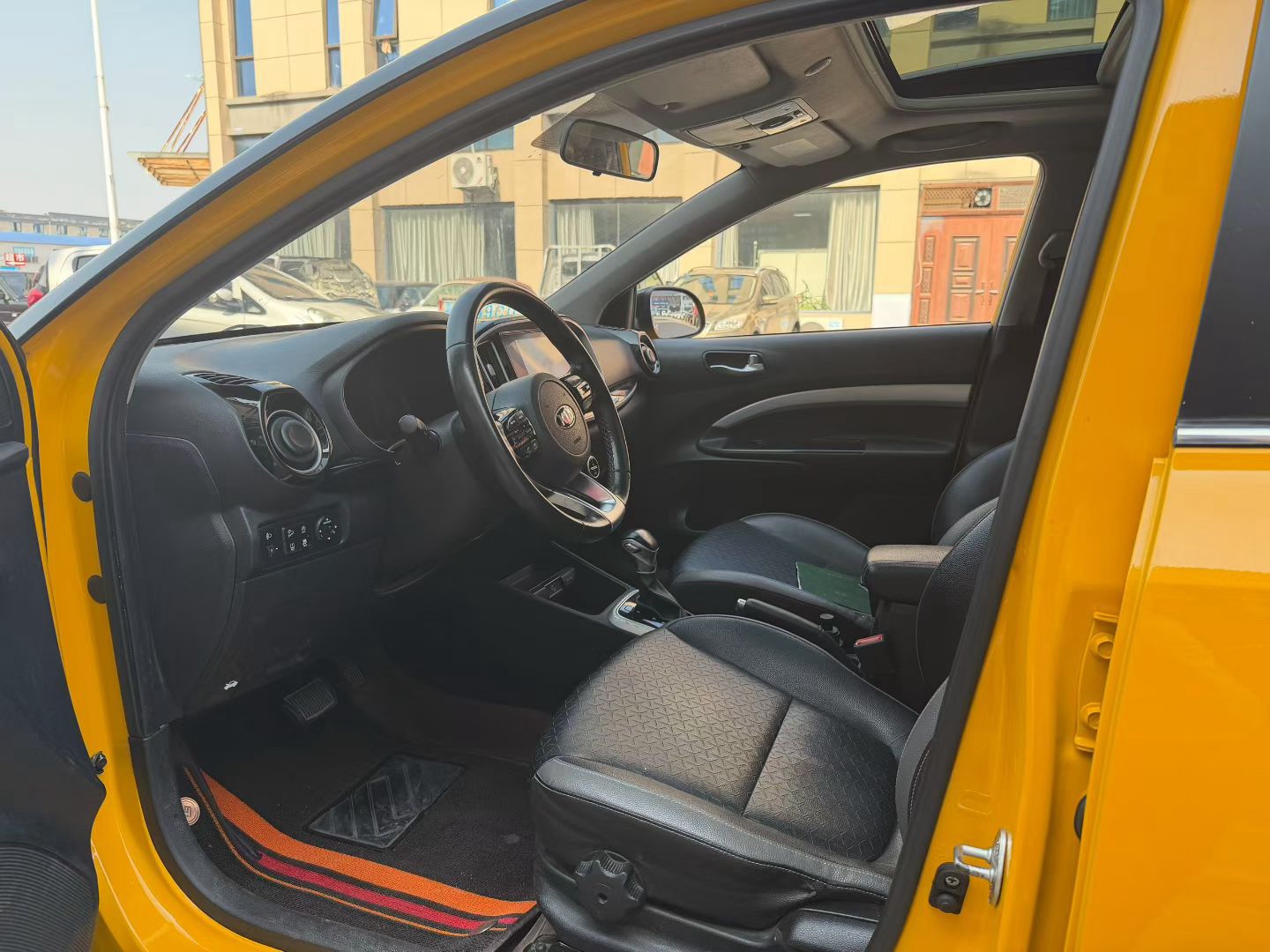
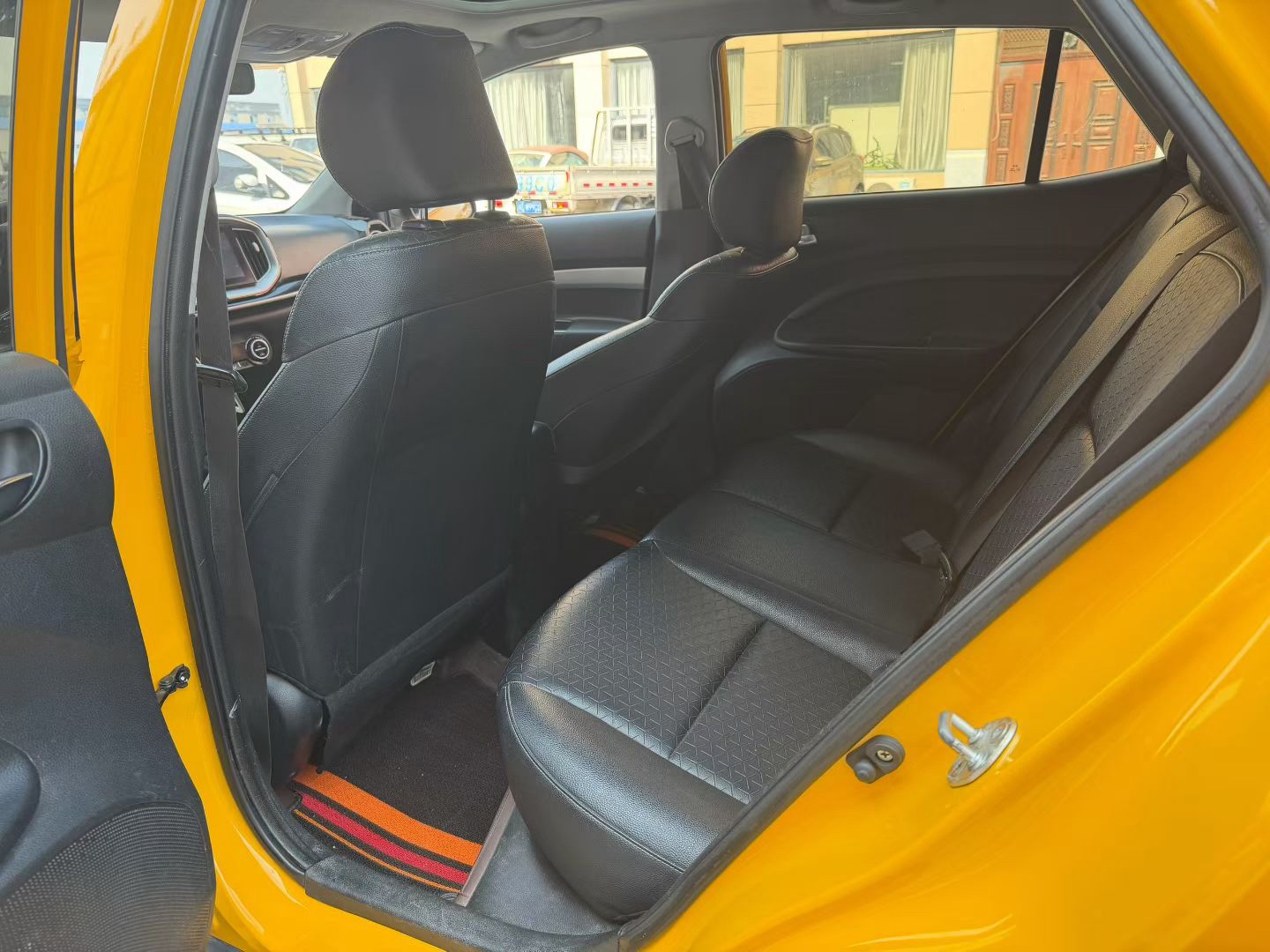
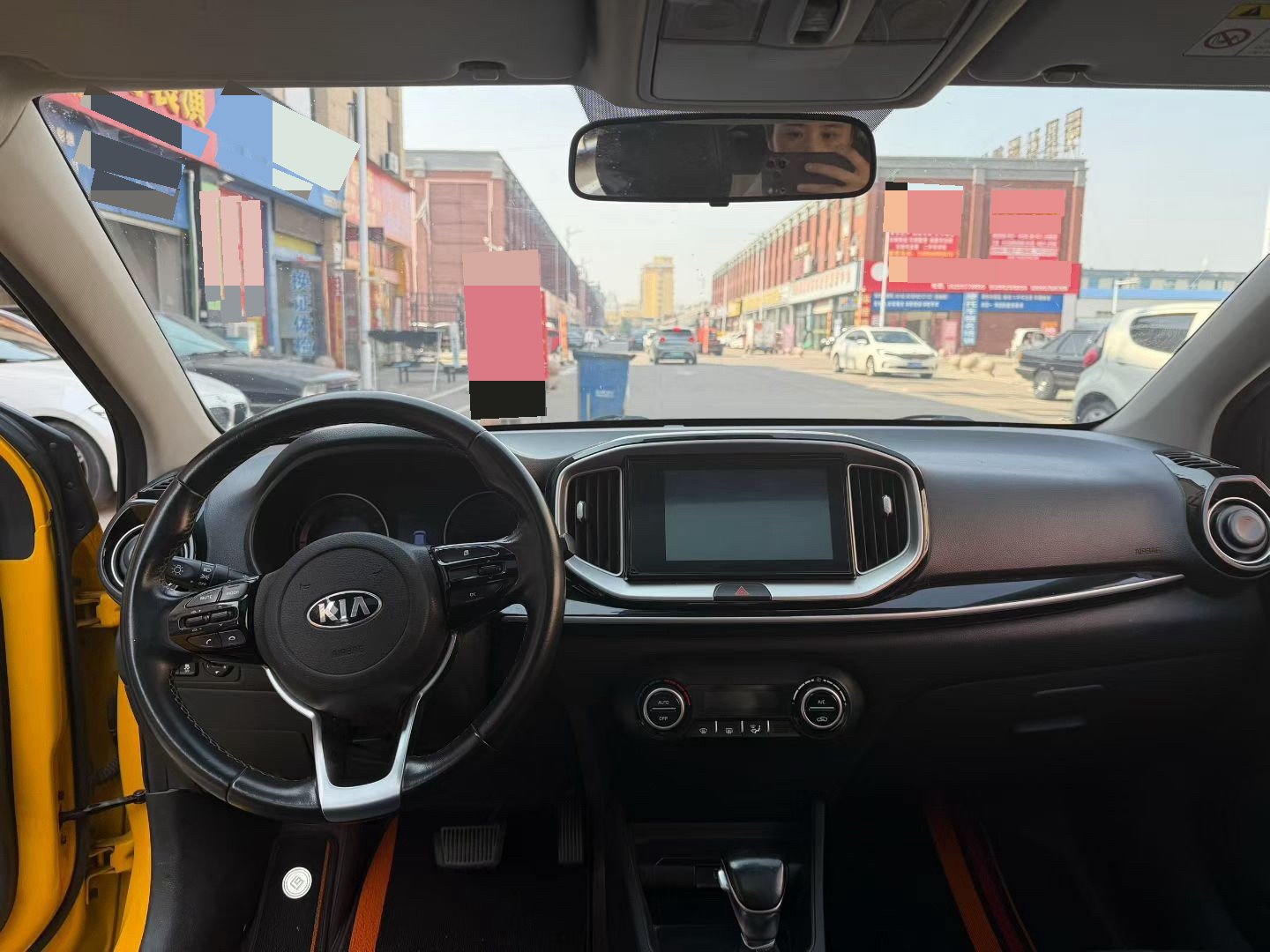
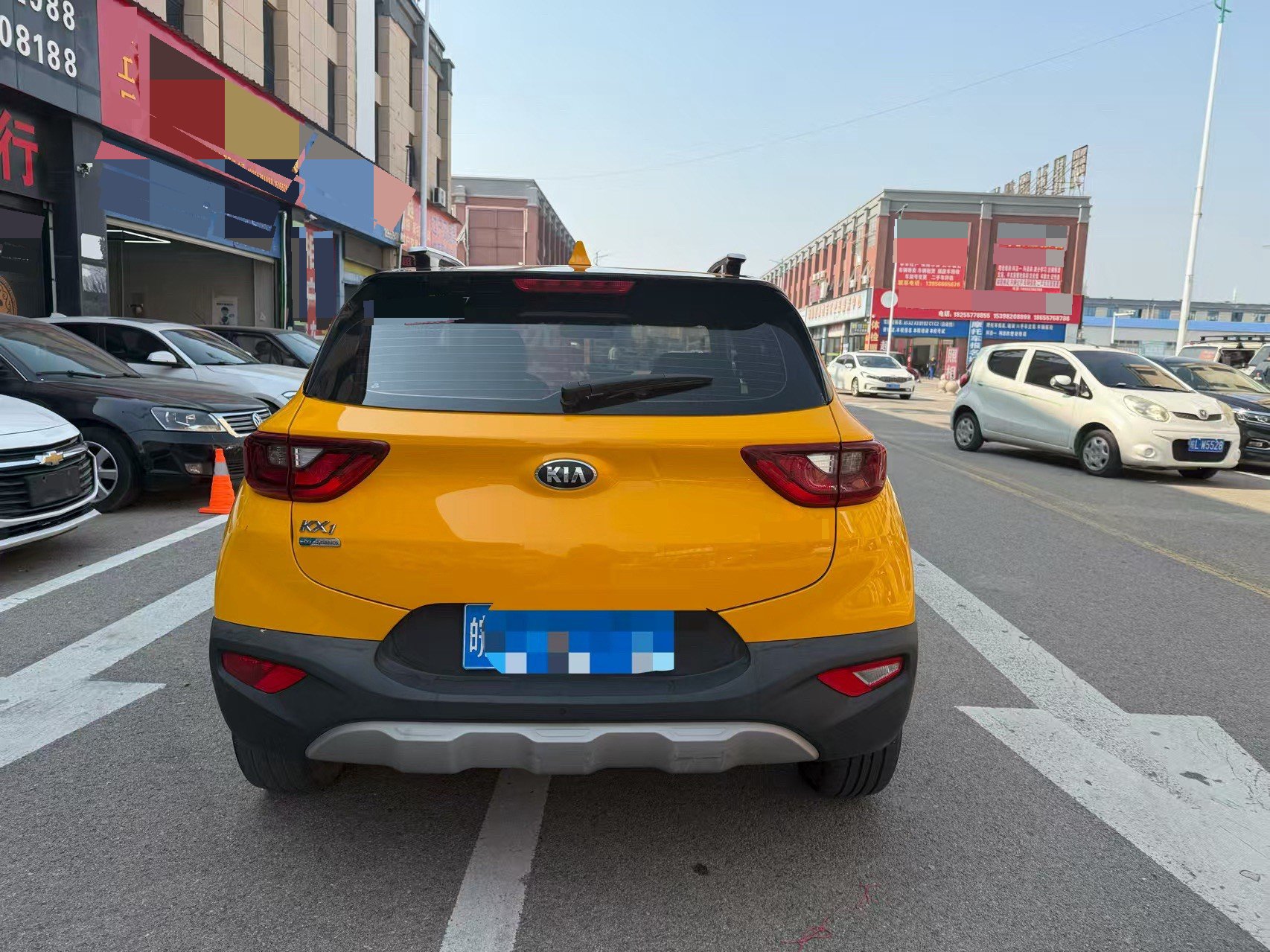
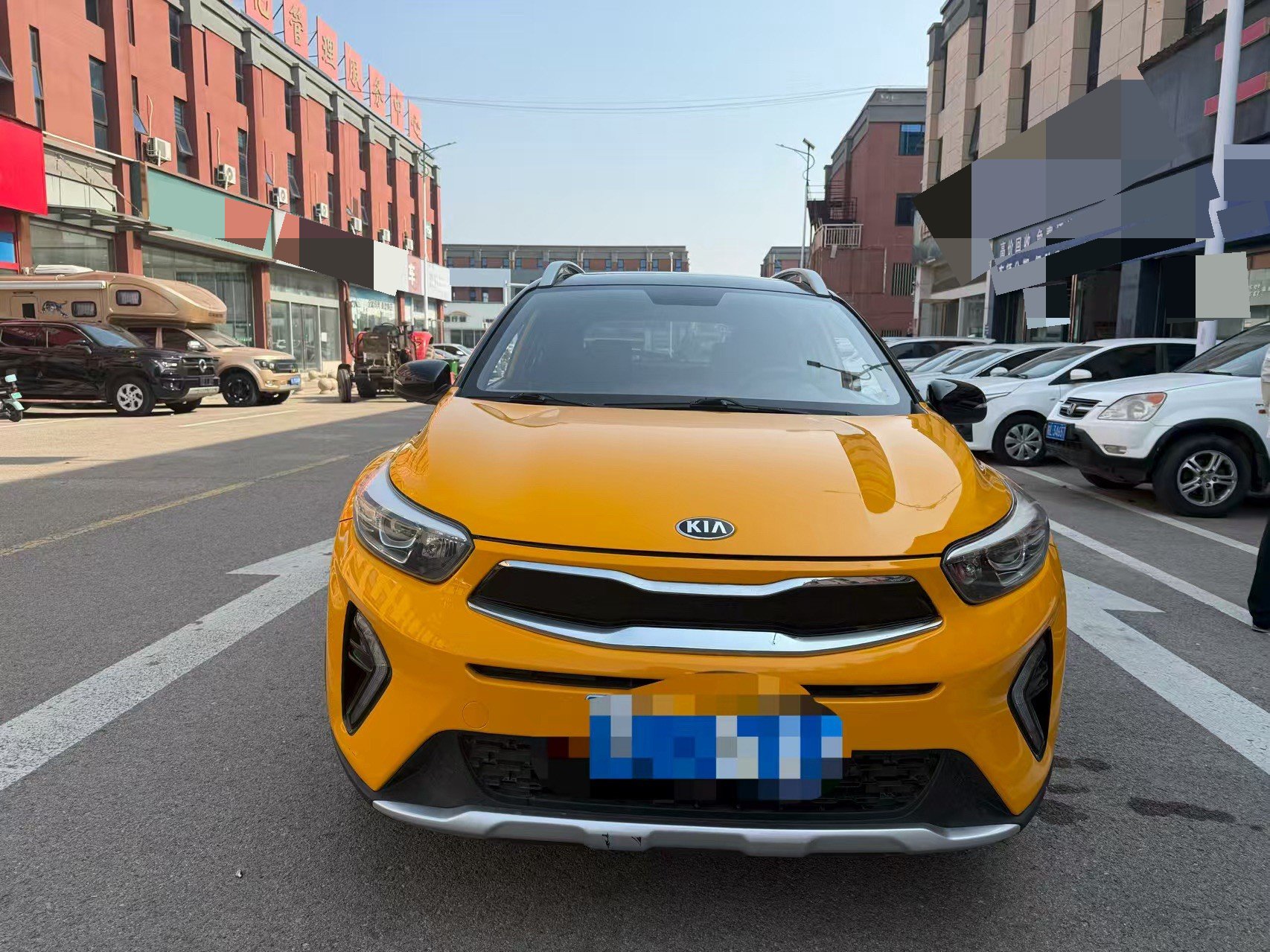
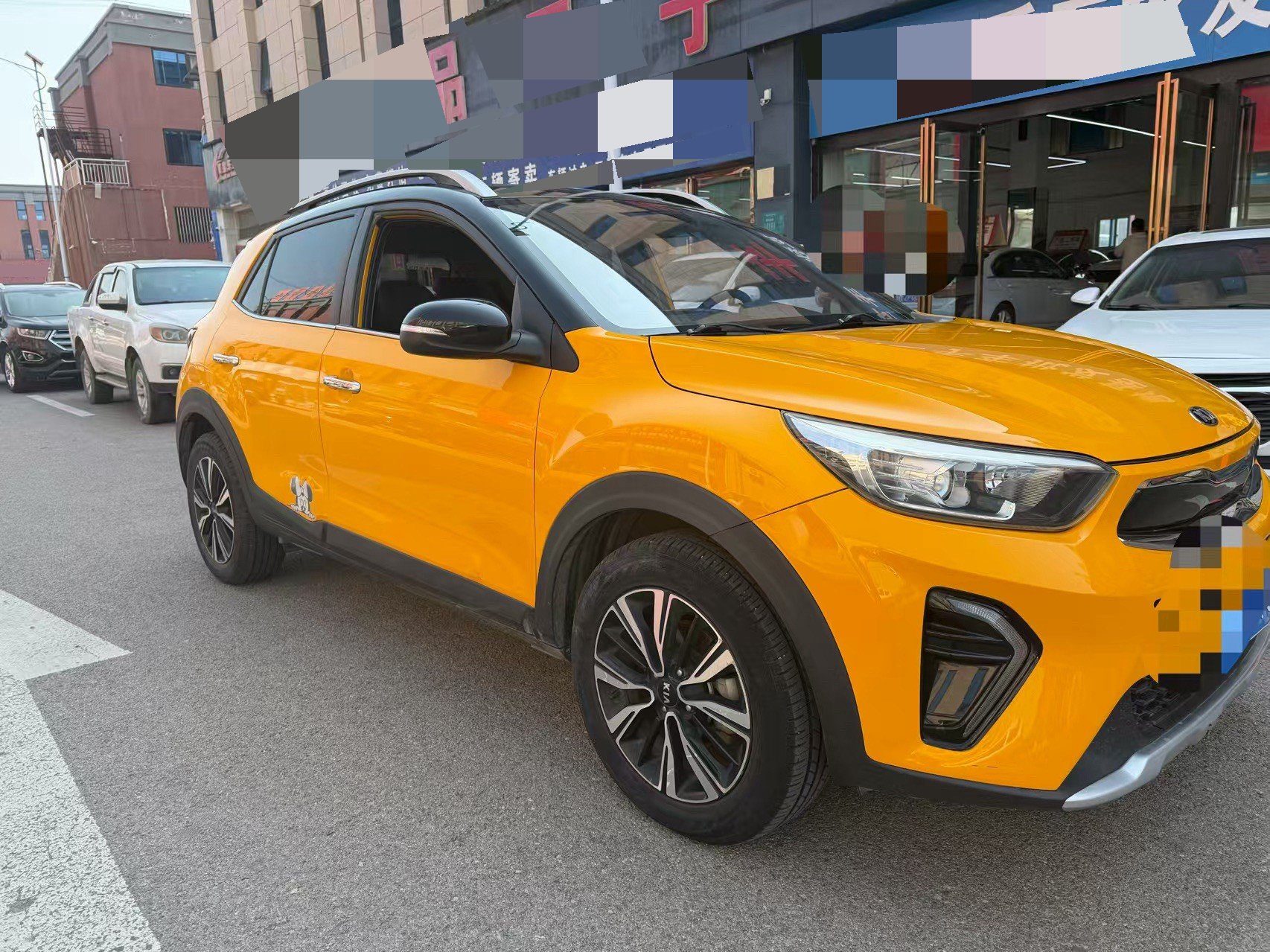
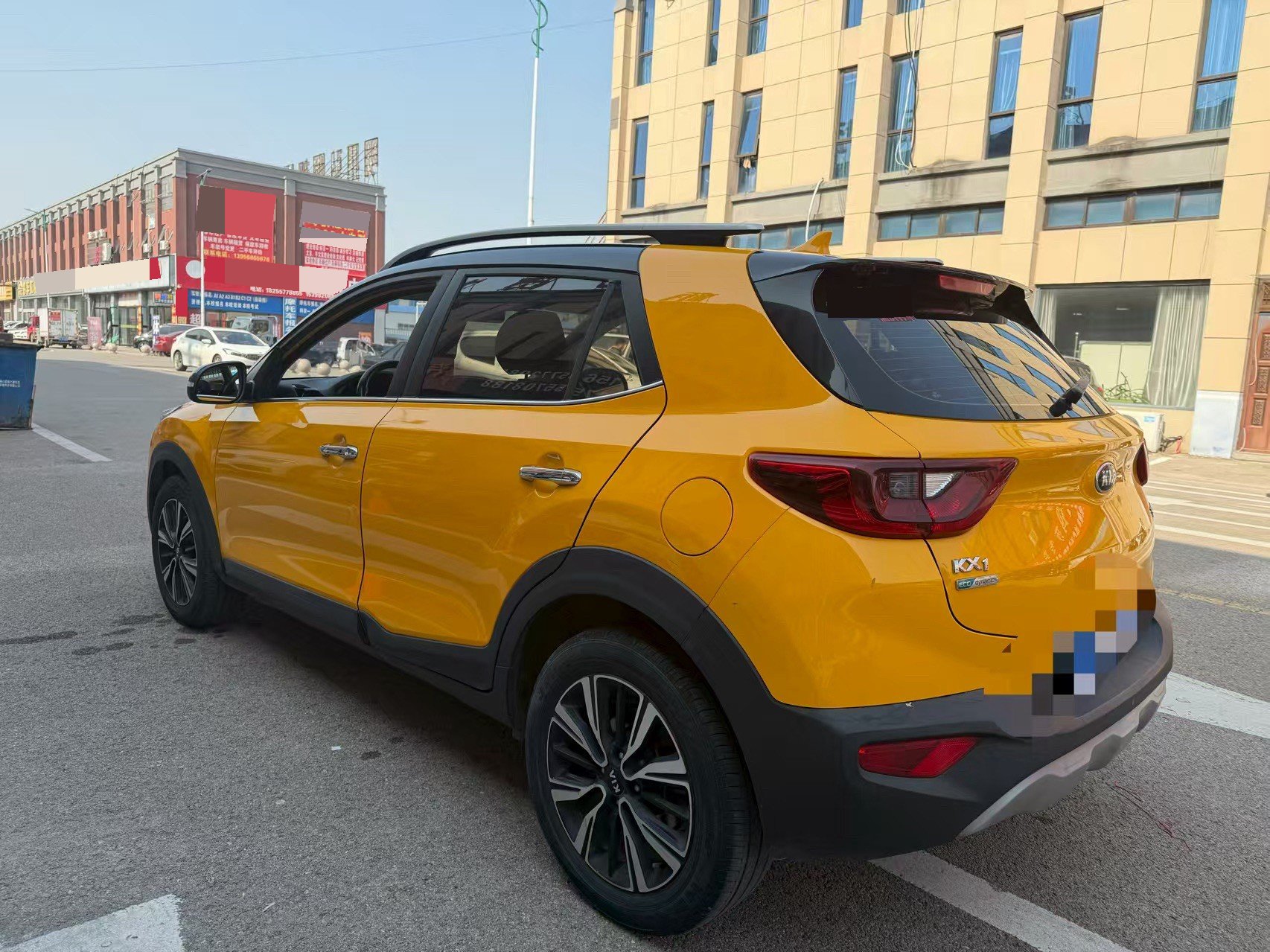
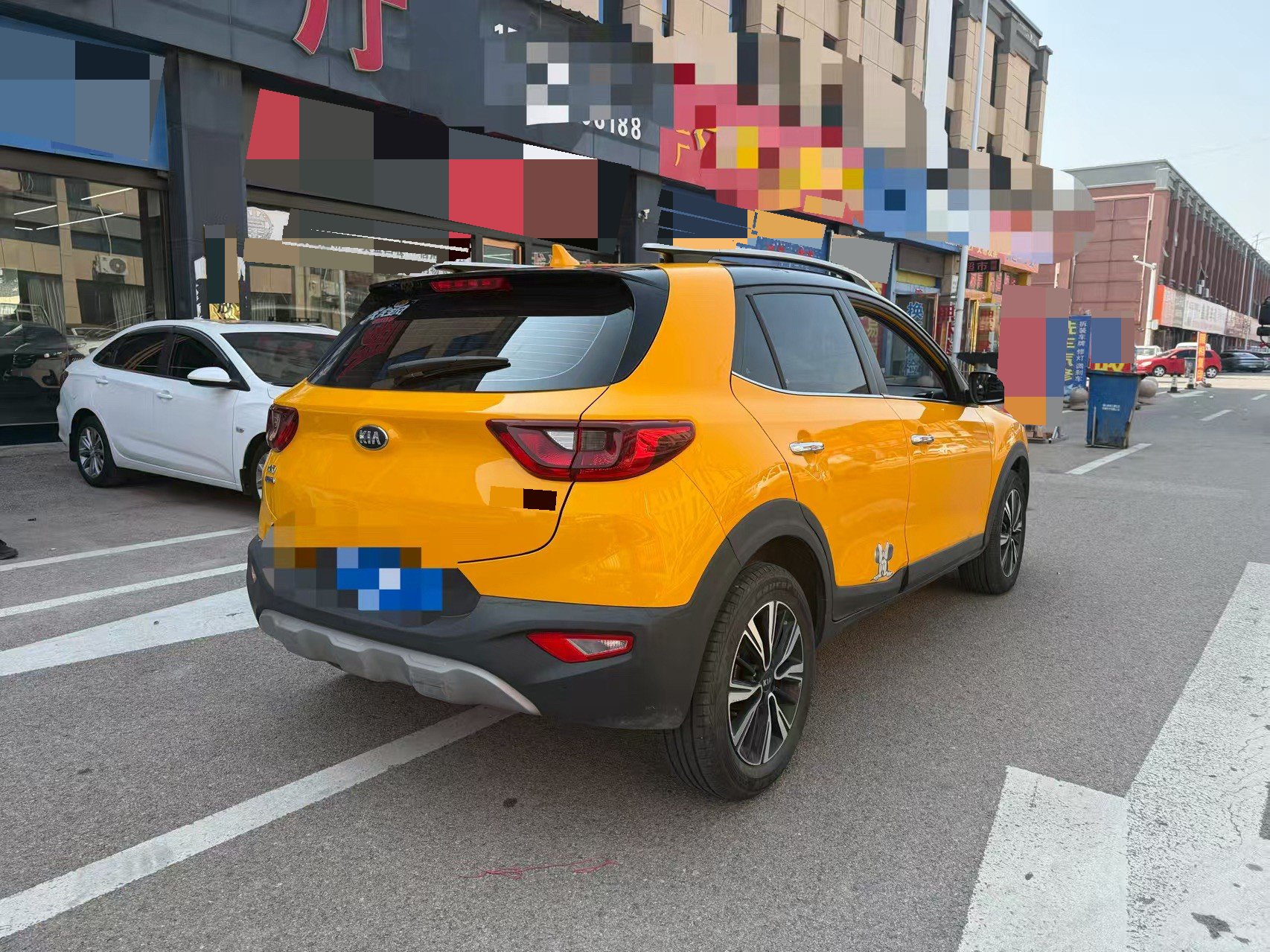



What generation is this car?
We will directly check the registration certificate (the big green book) and count the number of changes.
Left front headlight replaced separately. One owner. Actual mileage. Mostly original paint.
We will directly check the registration certificate (the big green book) and count the number of changes.
A professional pre-purchase inspection in China normally covers five parts: exterior and interior condition, a lift inspection of the chassis and frame, engine bay checks, a road test, and OBD diagnostics. Prioritize the chassis rails and A/B/C pillars for cut-and-weld repairs, engine oil leaks and timing noises, transmission shift quality, and OBD fault codes — cleared codes leave telltale history data. For EVs, add battery pack casing, insulation values, and battery state of health (SOH). Insist on original timestamped photos with the VIN visible and a written conclusion such as 'fit for export' or 'major defects found.' A report that only says 'good condition' is not worth paying for.
A realistic budget has several layers beyond the vehicle price. First, inland logistics in China: moving the car to the export port typically costs $300-$800. Second, export handling: inspection, customs declaration and paperwork usually add $500-$1,000. Third, ocean freight. A 20ft container to most destinations runs $1,200-$3,000 depending on route; RoRo shipping can be cheaper for driveable cars. Add marine insurance, usually 0.3%-0.5% of the car value. Fourth, destination charges: port handling, customs duties, VAT/GST and local registration fees. These vary widely; some countries charge duties of 20%-80% of the vehicle value plus an excise based on engine capacity. Finally, any compliance work: inspection certificates, modifications to meet local standards, or homologation. Ask your exporter for a full CIF quote and have a local customs broker confirm destination taxes before you commit.