





24H

Basic Information

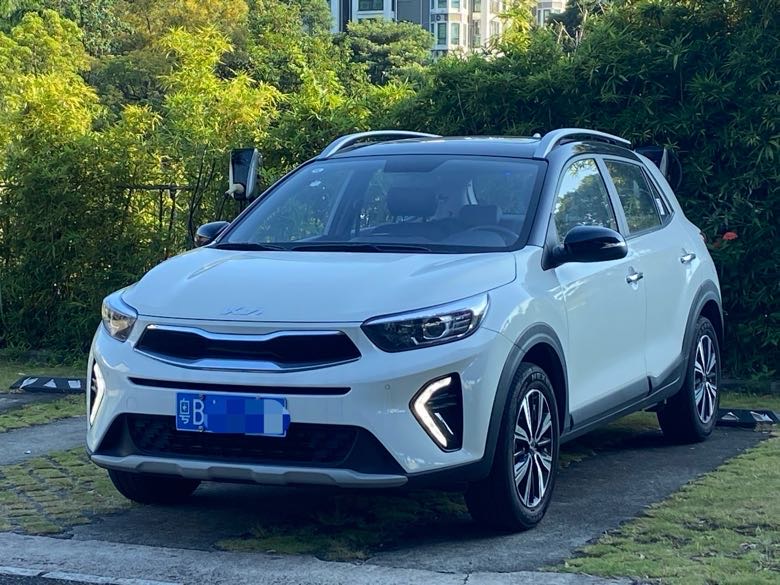
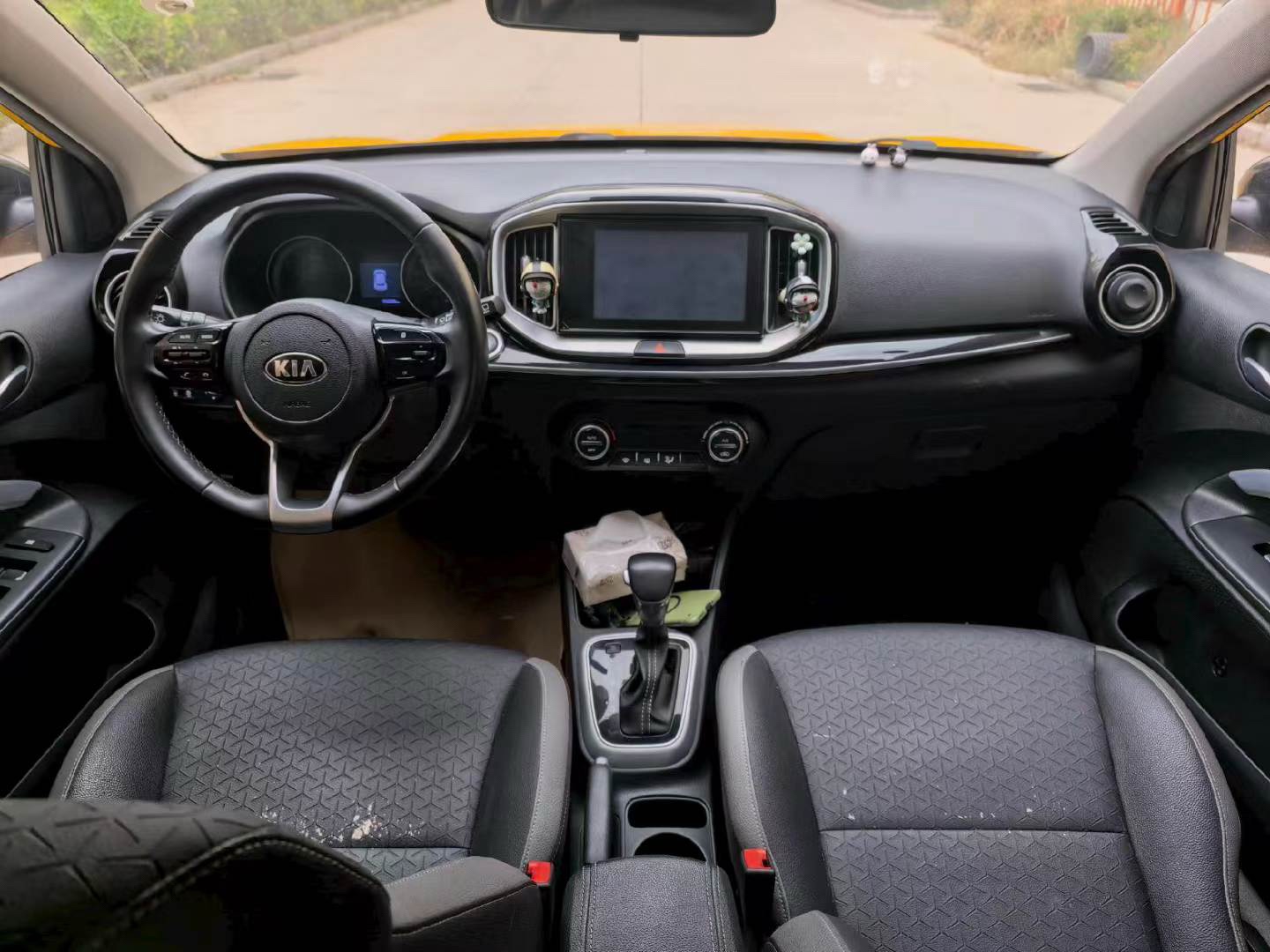
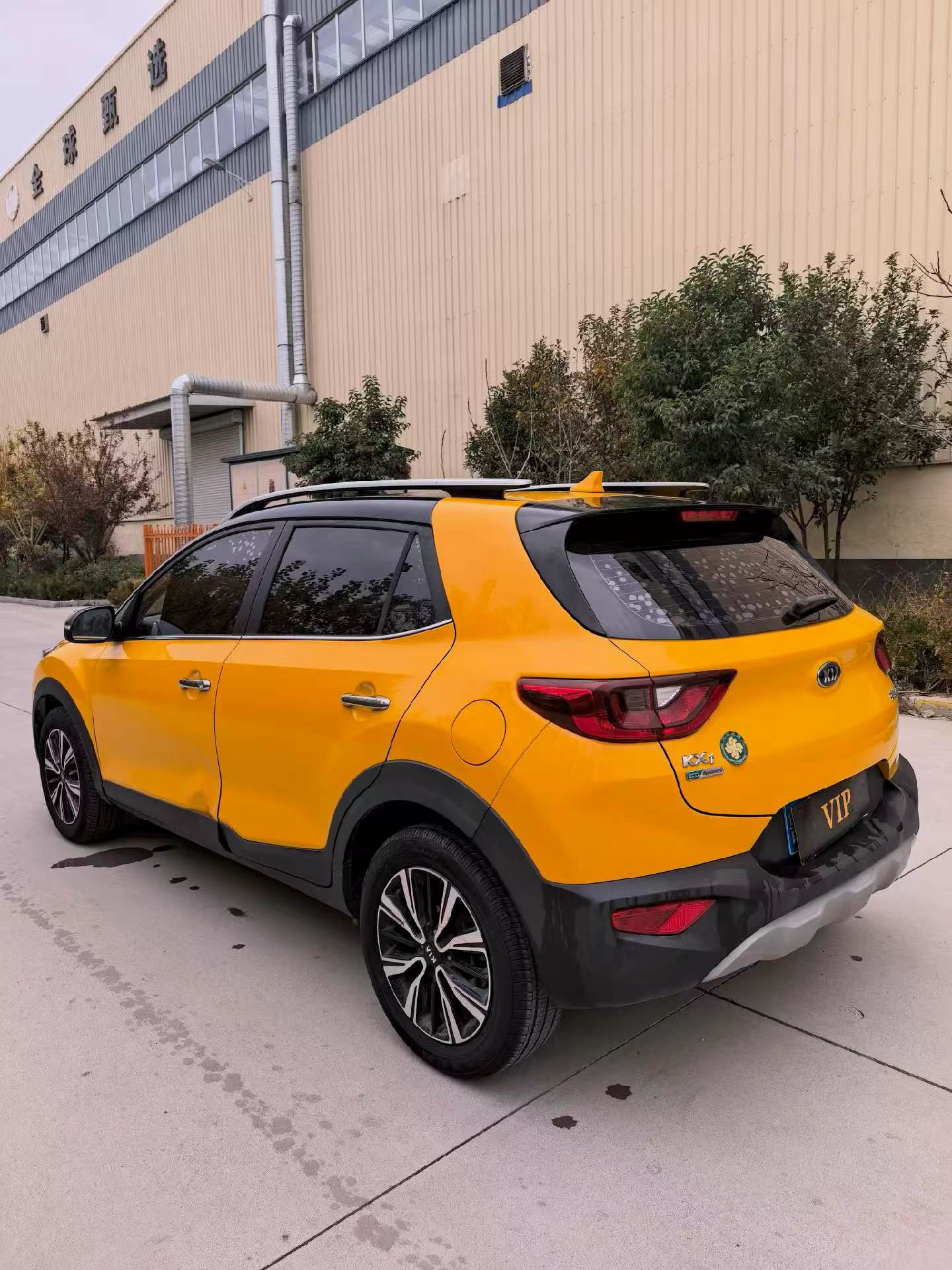
BrandKia
SeriesKX1
Year2019
First Registration2019/05
Mileage60,000km
Transfer Count0times
FuelGasoline
TransmissionManumatic
Engine1.4L 100 L4
ColorYellow
Seats-

Condition Description

Original paint throughout, single owner, original condition.

Document Information

Inspection Expiry Date-
Warranty Expiry Date-
Insurance Expiry Date2027/05

Q&A

More

Which export documents should the Chinese seller provide, and how do I verify they are authentic?

The standard set: commercial invoice, packing list, bill of lading, export customs declaration, certificate of origin, and a copy of the vehicle title/registration. How to verify: the bill of lading number should be trackable on the shipping line's website; the certificate of origin is verifiable through CCPIT's online system; and the VIN must match across all documents, the inspection report, and the car itself. Ask for scans of everything before paying the balance, and have a freight forwarder review the set. Mismatched VINs, missing title copies, or vague promises that "documents will follow" are red flags worth pausing the deal over.


How do I check whether a used car from China has a clean title — no theft, flood, fire, or major accident record?

A clean title check has three layers. First, run the VIN through maintenance records: dealers in China log service visits with mileage, and gaps or mileage rollbacks are red flags. Second, pull insurance claim history — major accidents, fire and flood damage usually leave claim records even if the car was repaired well. Third, verify registration status: confirm the car is not under finance, court seizure, or theft report. From overseas, you can engage a local inspection agency or law firm to retrieve these records and issue a written report. Cross-check the VIN and engine number on the report against the registration certificate; any mismatch means walk away.

After picking up the car, I found the tire pressure warning (TPMS). How can I reset the tire pressure sensor myself?

Temperature differences during sea transport can easily trigger the tire pressure warning. After inflating the tires to the standard pressure (usually 2.5 Bar), most vehicles will automatically clear the warning after driving a few kilometers; some models require manually clicking "Tire Pressure Reset" in the "Vehicle Settings" on the central screen.