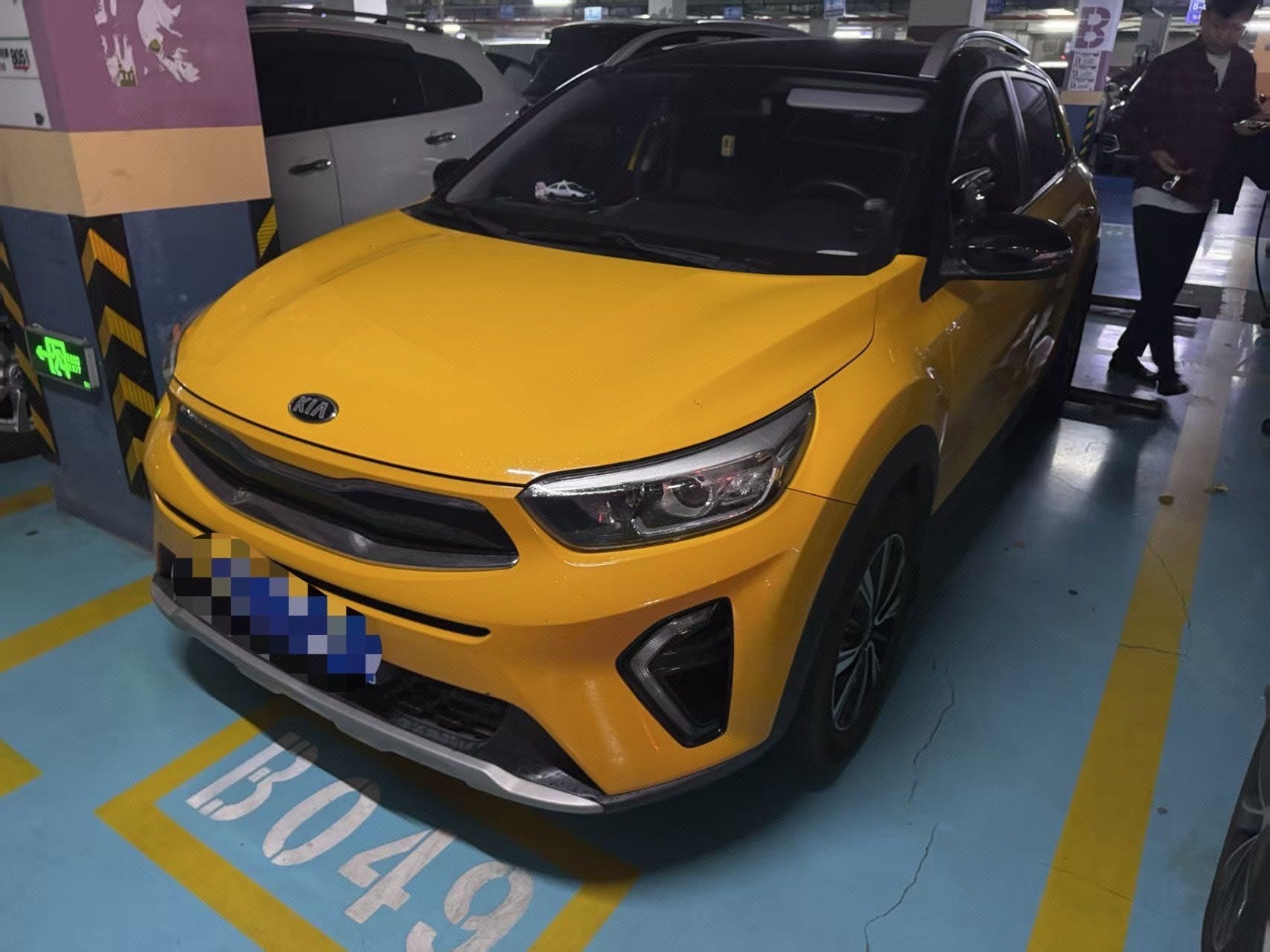
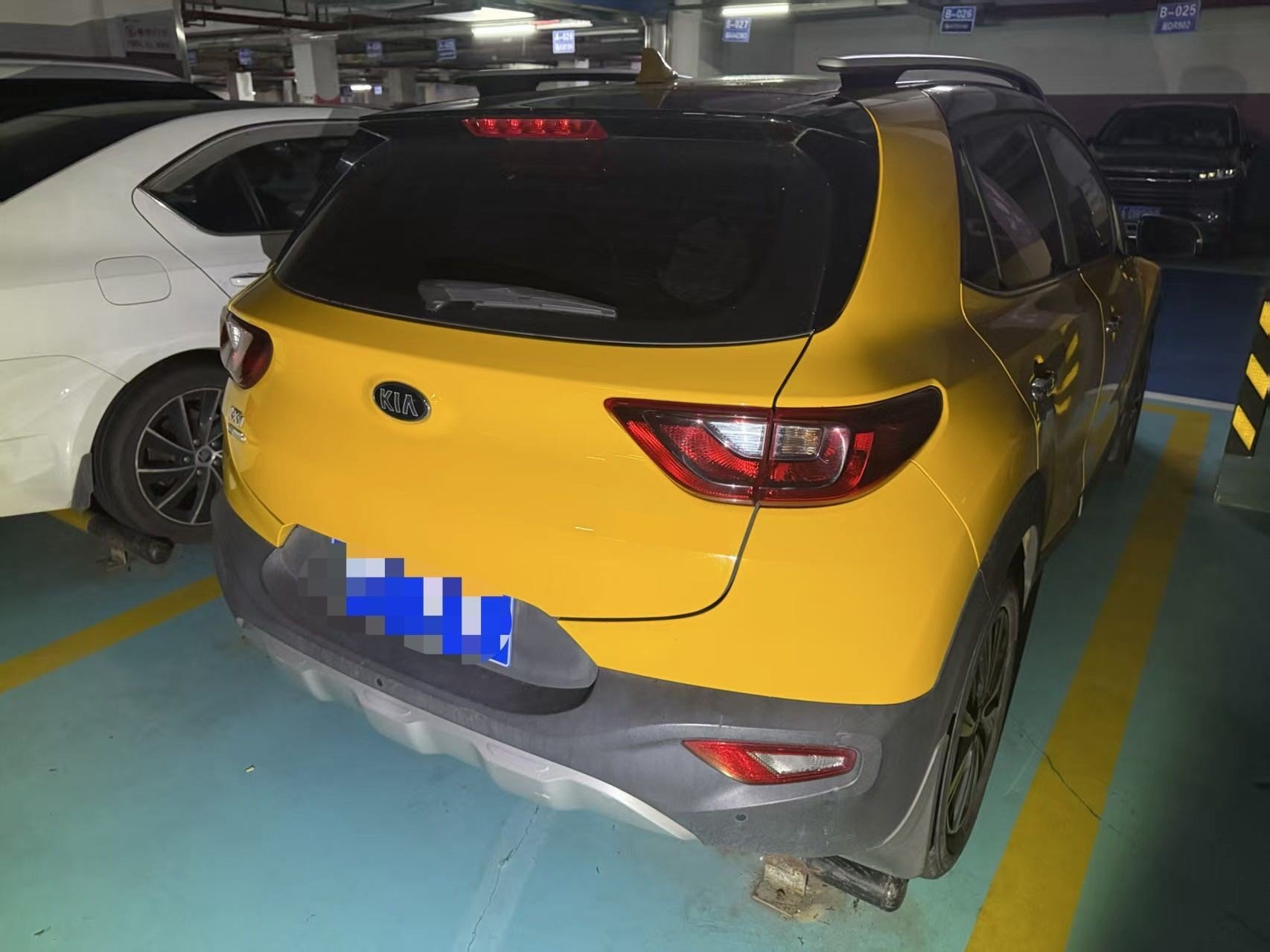
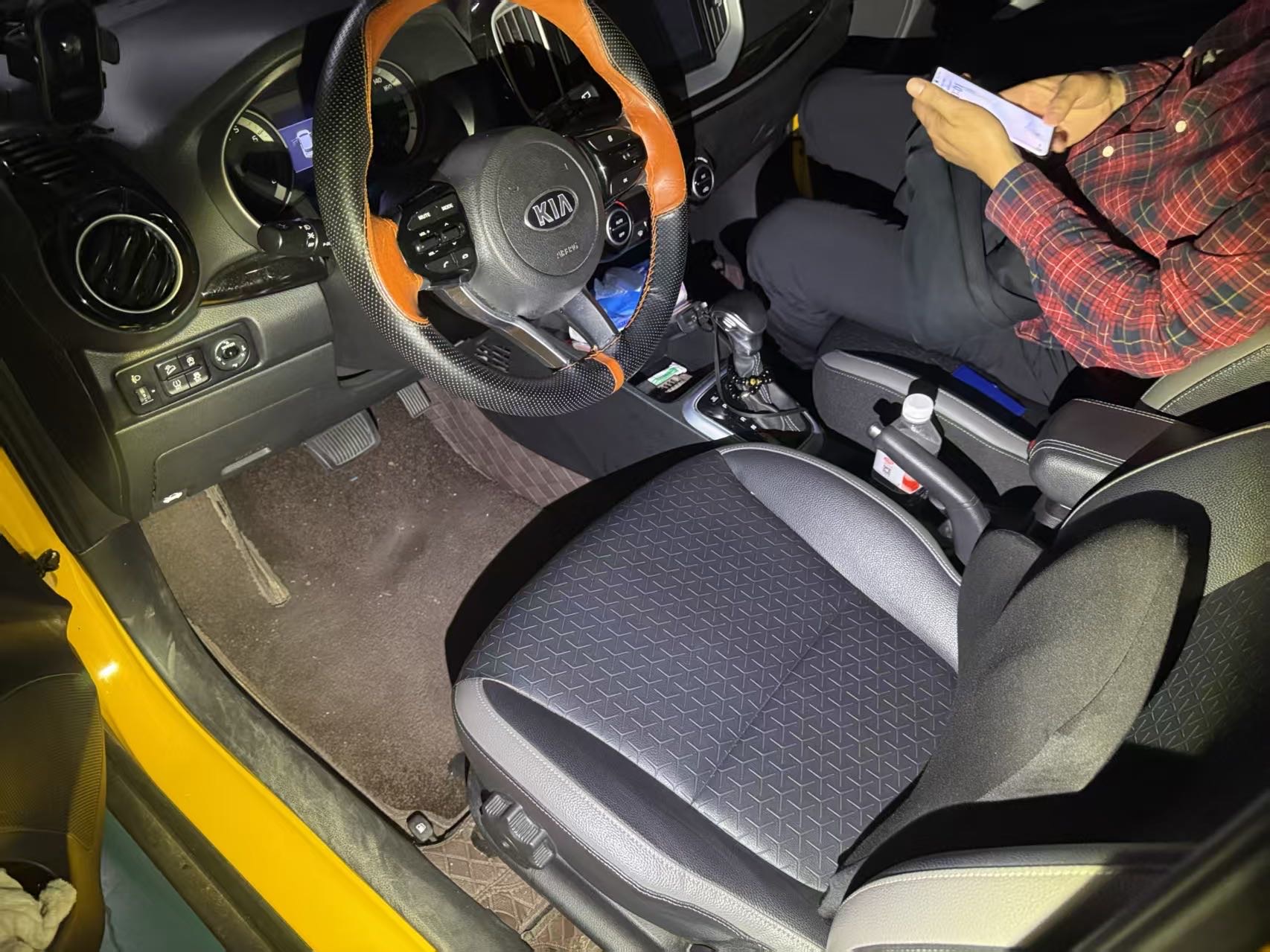
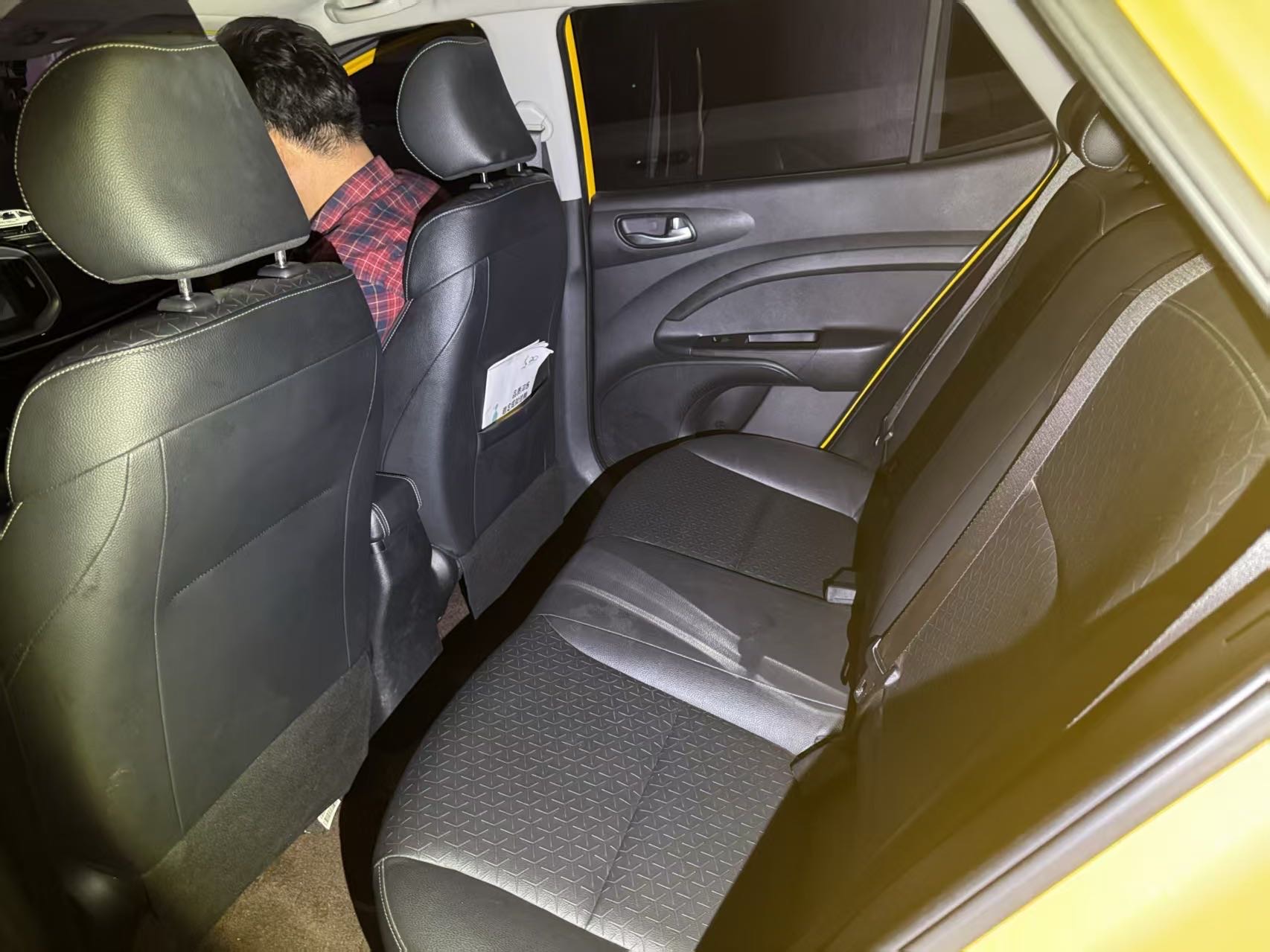



Basic Information

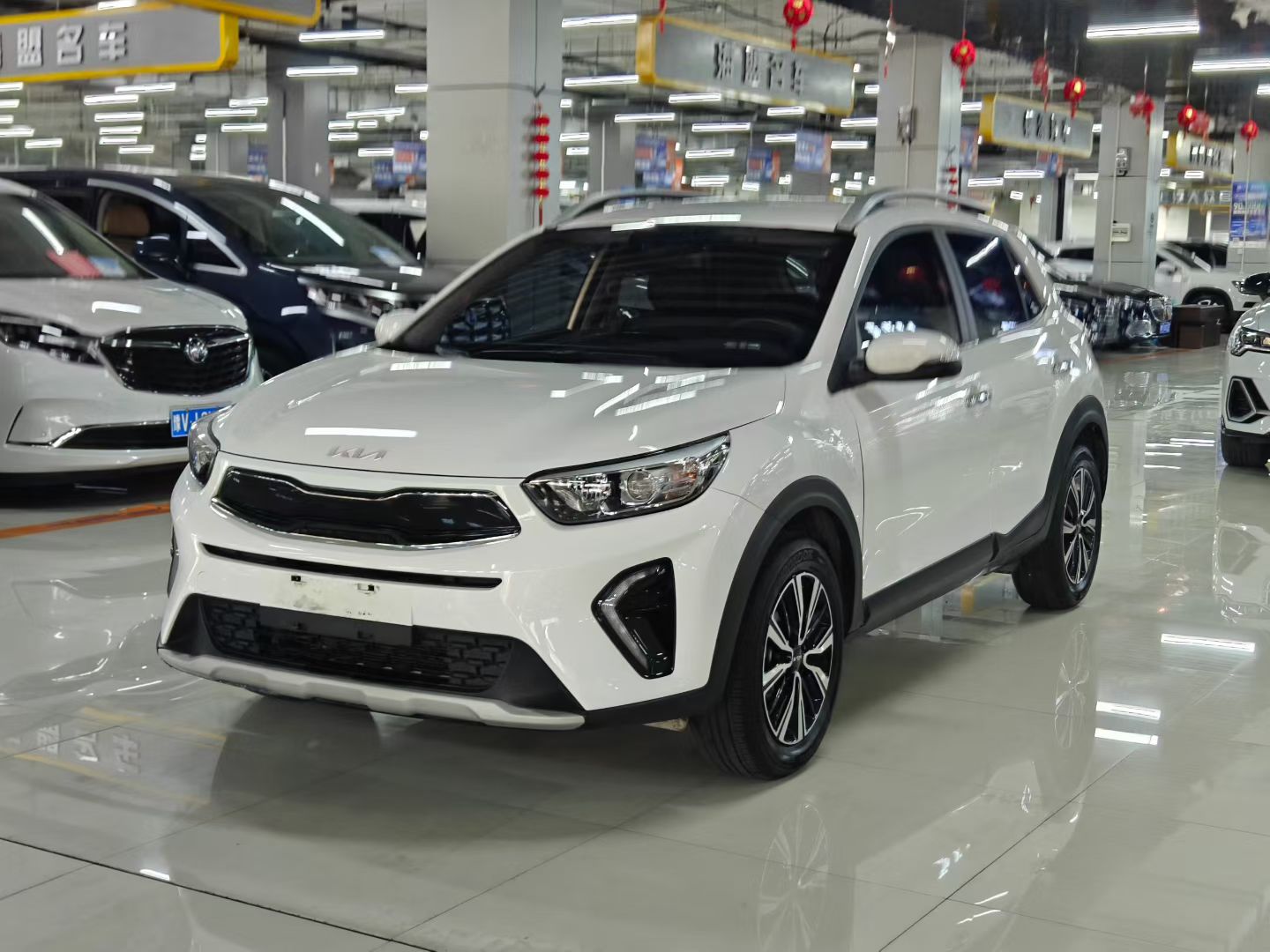
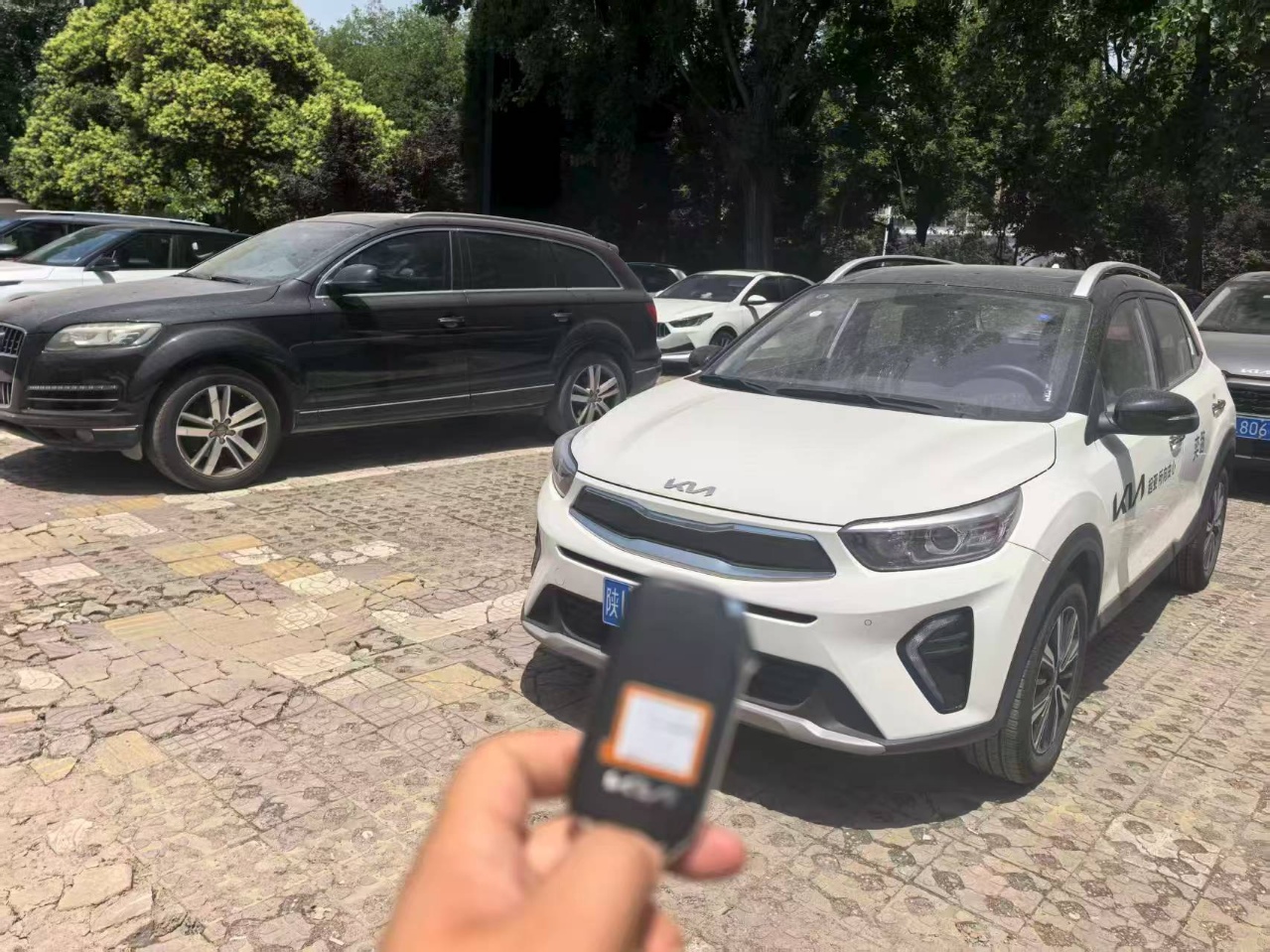
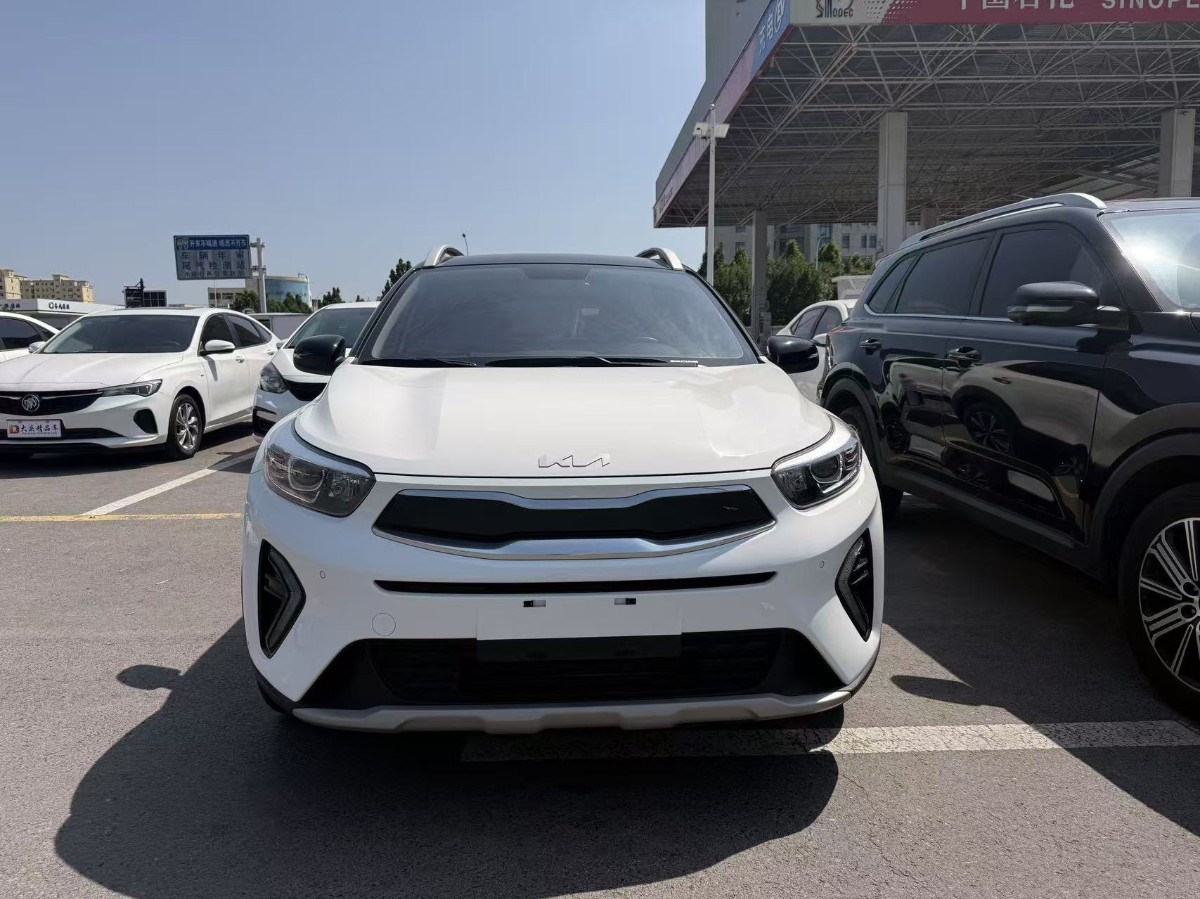
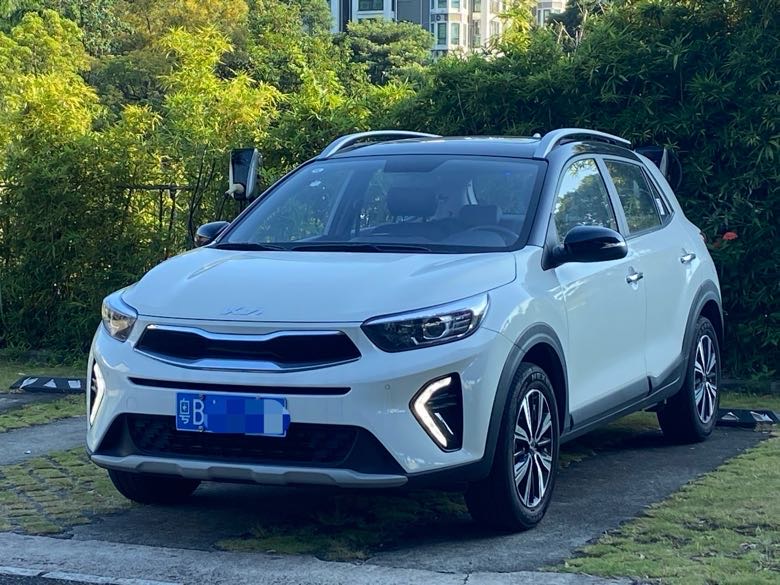
BrandKia
SeriesKX1
Year2019
First Registration2019/03
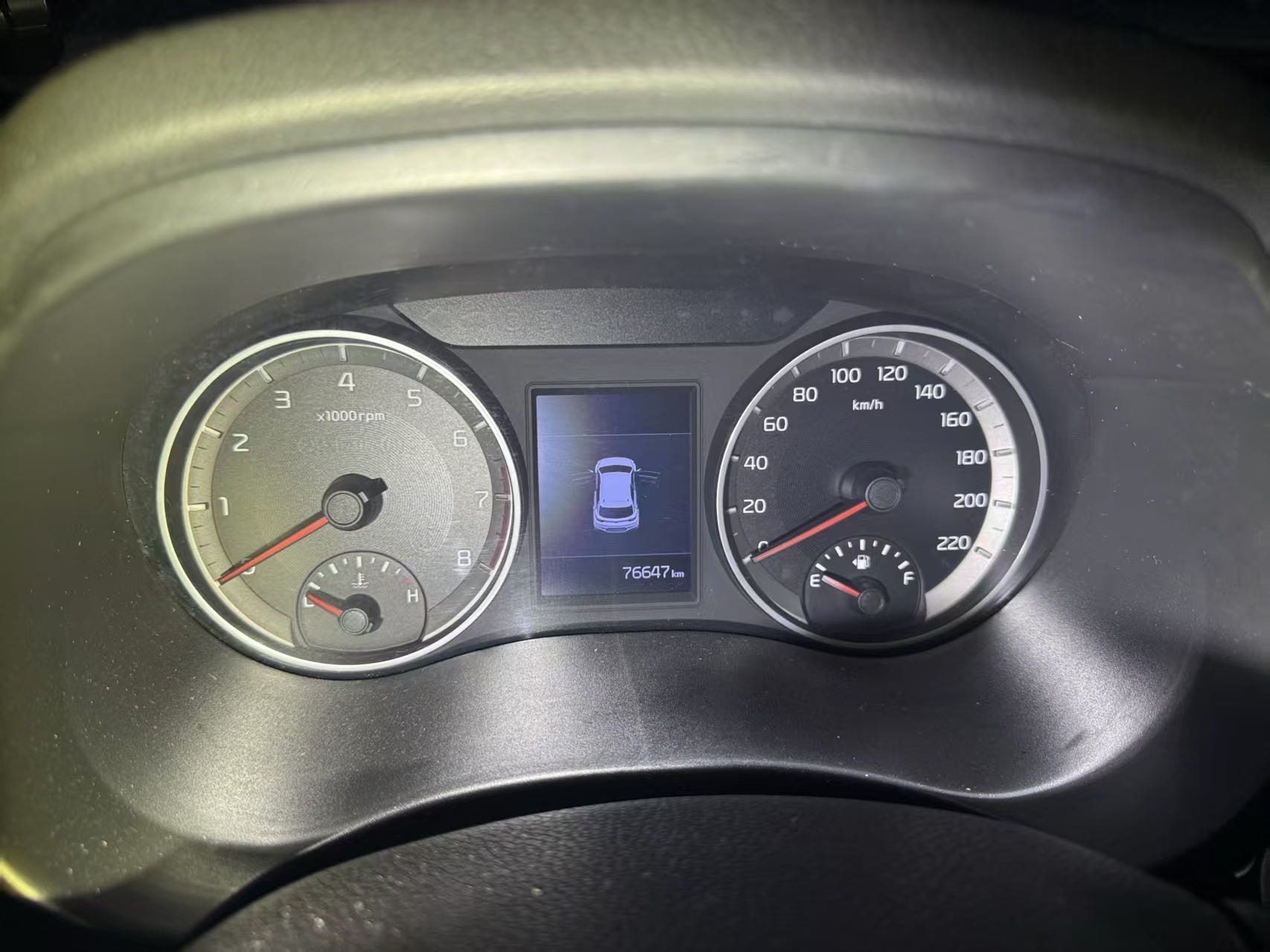
Mileage70,000km
Transfer Count0times
FuelGasoline
TransmissionManumatic
Engine1.4L 100 L4
ColorYellow
Seats-

Condition Description

Original condition, all original paint, single owner, can pass third-party inspection.

Document Information

Inspection Expiry Date-
Warranty Expiry Date-
Insurance Expiry Date2027/03

Q&A

More

When shipping by RoRo vessel, is the "Terminal Handling Charge (THC)" at the destination port prepaid by your freight forwarder or paid by the buyer upon arrival?

Under international practices and our standard CIF/FOB terms, the THC at the port of origin (China) is borne by the seller; all THC and port miscellaneous charges incurred at the destination port during unloading are to be paid by the buyer (consignee) upon local customs clearance and pickup.


Can the buyer track the GPS location of the vehicle during domestic towing transport to the port?

Internal logistics scheduling uses GPS, but direct access accounts are not open to the public. We implement a "node reporting system": our customer service will proactively send you on-site photos with watermarks at three key points: when the vehicle is loaded onto the trailer, when it arrives at the port for storage, and when customs clearance is completed.

What brake system checks should a pre-shipment inspection of a used car from China include?

Brakes are safety-critical, yet many basic inspections only glance at pad thickness. A proper inspection should cover: 1. Pad and disc measurement: front pads below 3 mm or discs below the minimum thickness stamped on the disc hat mean replacement before shipping. 2. Brake fluid: test moisture content with a strip or meter. Over 3 percent water content means a full fluid flush, especially important for sea freight in humid containers. 3. Hydraulic check: the inspector presses the pedal firmly for 30 seconds; a sinking pedal indicates a master cylinder or hose leak. 4. ABS and stability systems: a diagnostic scan should show no fault codes, and on a short test drive the ABS self-test should complete normally. 5. Parking brake: hold the car on a slope in both directions, particularly important for automatics shipped on RoRo ramps. Ask for photos of each measurement with the tool visible, not just a brakes-OK summary.