












Basic Information

BrandKia
SeriesKX1
Year2019
First Registration2019/04
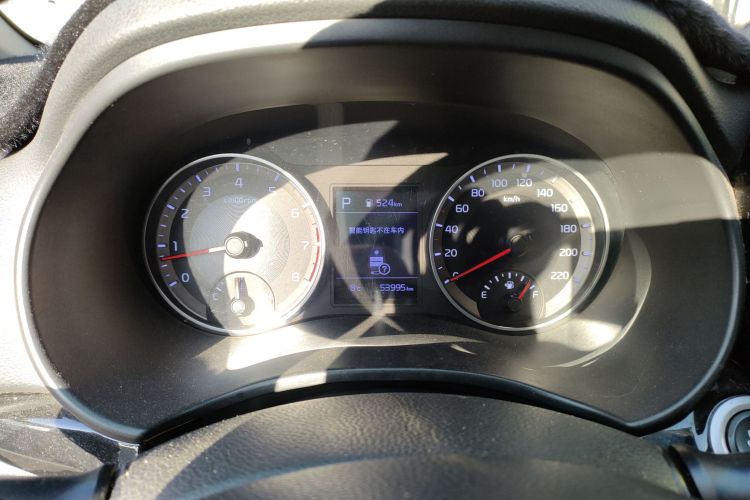
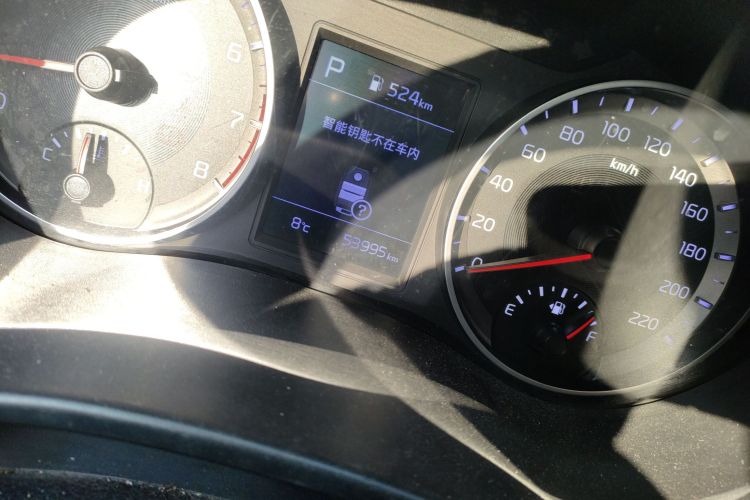
Mileage53,900km
Transfer Count-
FuelGasoline
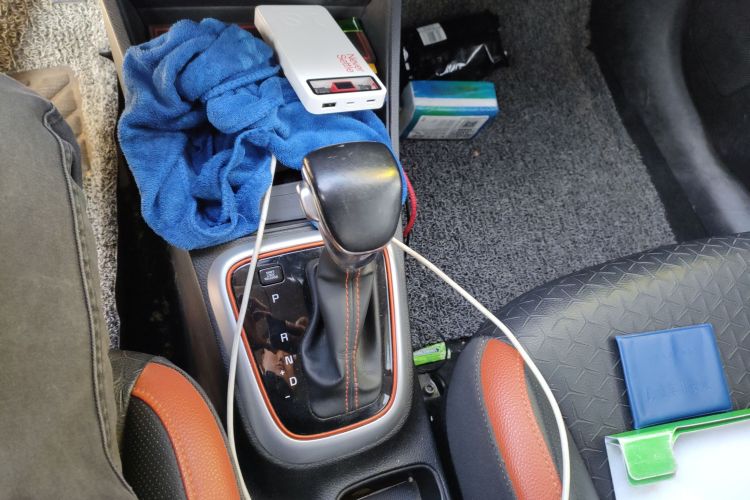
TransmissionManumatic
Engine1.4L 100 L4
ColorYellow
Seats-

Condition Description

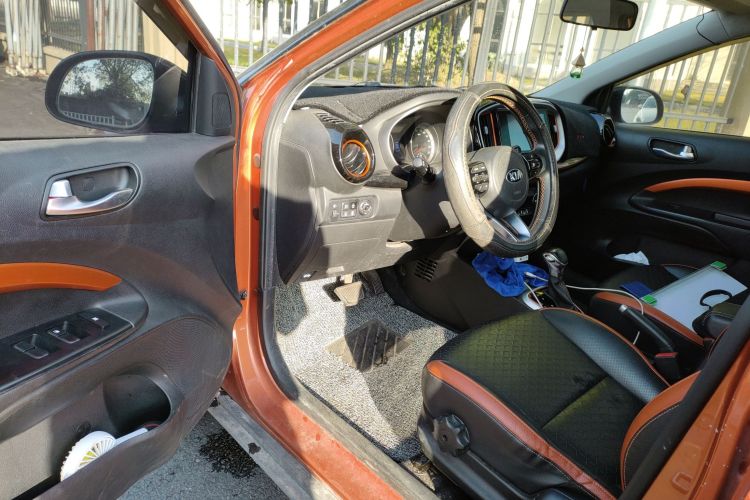
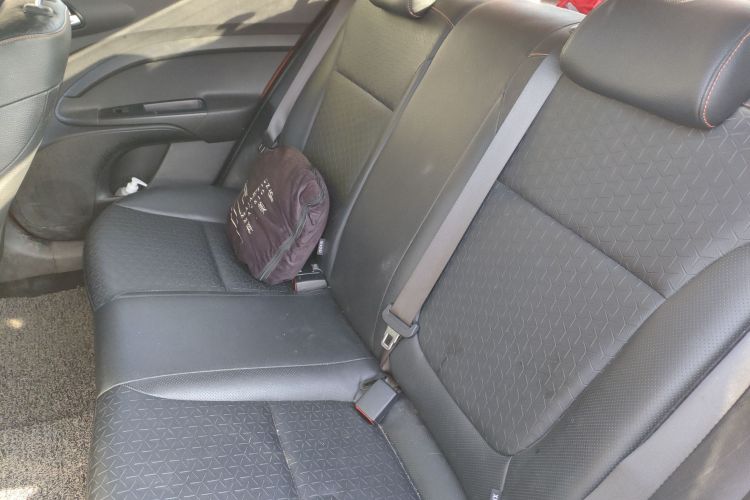
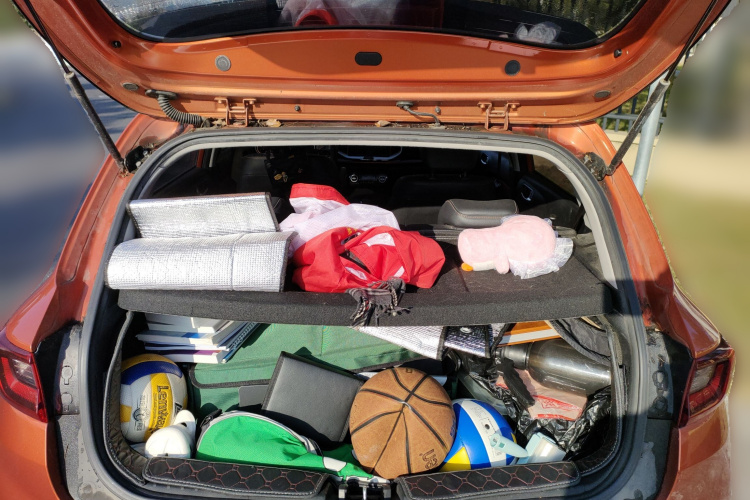
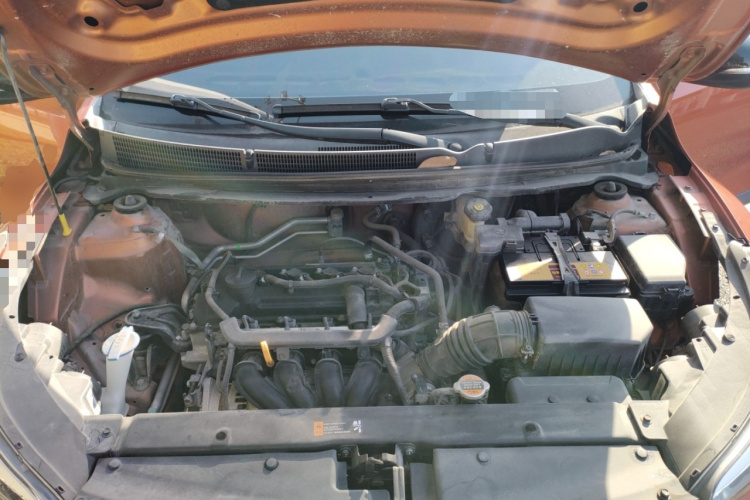
Vehicle in good condition, passed inspection, 1 claim filed, 0 ownership transfers.

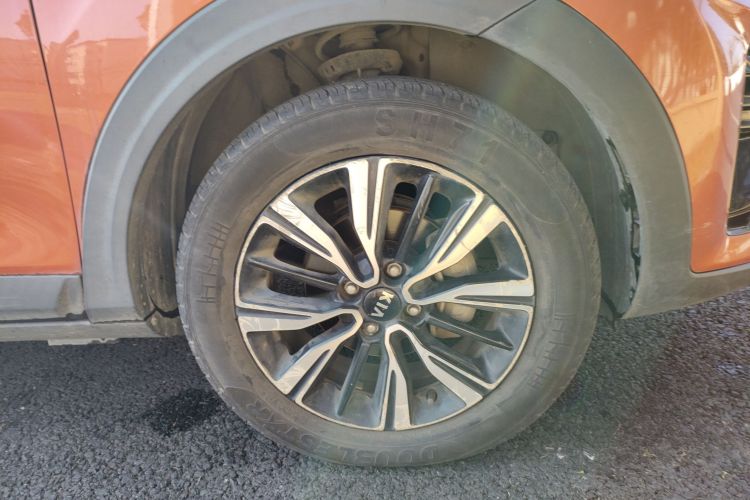
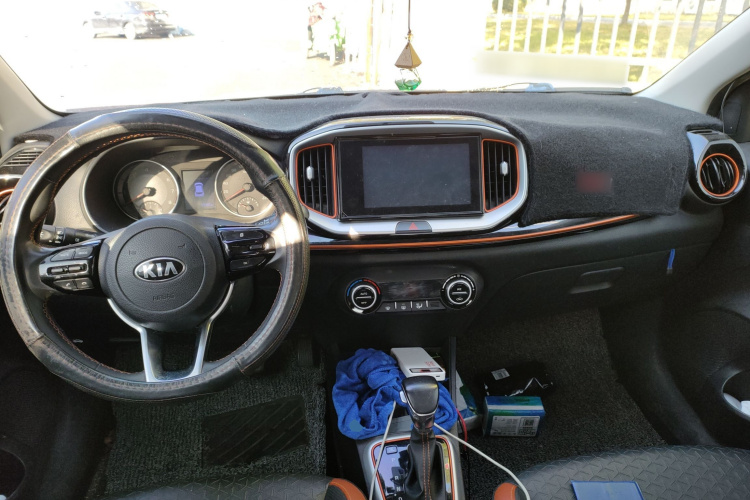
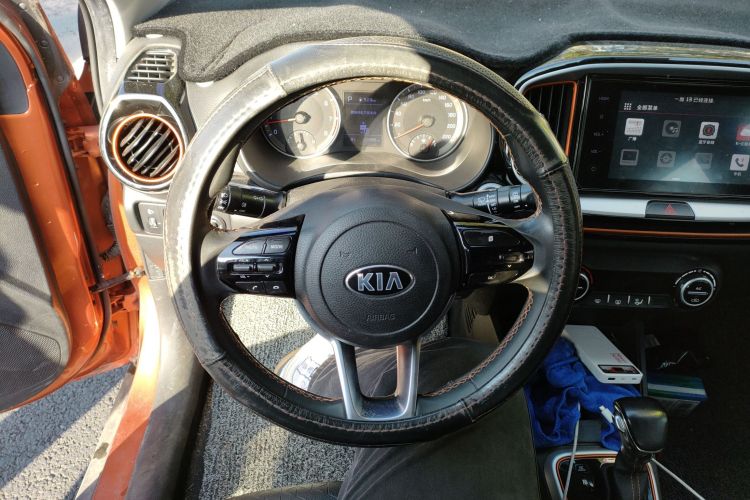
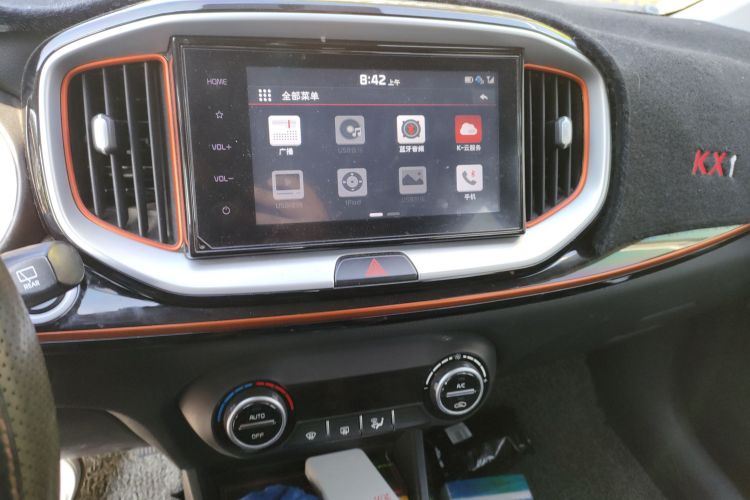
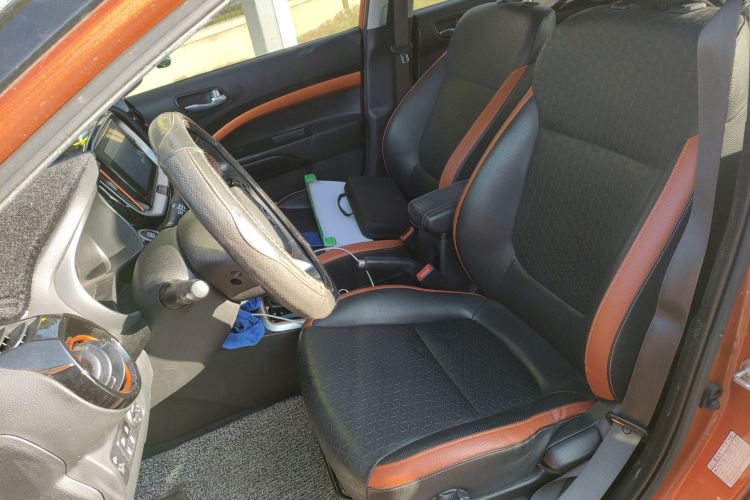
This vehicle is 6 years old, with an average annual mileage of 9,000 kilometers. It has a low frequency of daily use and has never been transferred to another owner, making it a good first-hand vehicle. The exterior paint is in good condition, although there may be a few minor marks. The interior is in good condition, with normal signs of use on the surface. The overall body frame is intact, but there are a few abnormal issues. The fluids are normal, and the power system is functioning well.

Configuration Highlights

✓Smartphone Connectivity
✓Keyless Entry
✓Backup Camera
✓Engine Start-Stop
✓Keyless Start
✓Tire Pressure Monitoring
✓Heated Mirrors
✓Hill Start Assist
✓Rear Parking Sensors

Q&A

More

Why is there a time difference between the production date on the vehicle nameplate and the first registration date on the registration certificate?

The nameplate date is the absolute time when the vehicle leaves the factory; the registration date is when the vehicle is registered with the traffic management department after sale. The difference represents the time the vehicle spent in the dealer's warehouse or logistics. If the time difference exceeds 6-8 months, the vehicle is considered a "stock vehicle," and we pay special attention to the natural aging of its rubber components.


Will you clearly inform if the vehicle was previously a commercial vehicle (ride-hailing, taxi, rental)?

The "usage type" section on the vehicle registration certificate has legal validity. Any vehicle that changes from "commercial" to "non-commercial" has a usage intensity far exceeding that of personal vehicles, and we will label these prominently. Such vehicles are usually cheaper but have more severe mechanical wear.

Are there specific photos or reports from the lift perspective regarding the concealed parts of the chassis (such as the suspension system and shock absorber leaks)?

Definitely. Lifting the chassis is a mandatory part of our standards. The report will specifically show whether there are oil stains on the front and rear shock absorber cylinders, if the rubber boots of the lower control arm ball joints are torn, and if the steering tie rods are loose or deformed.