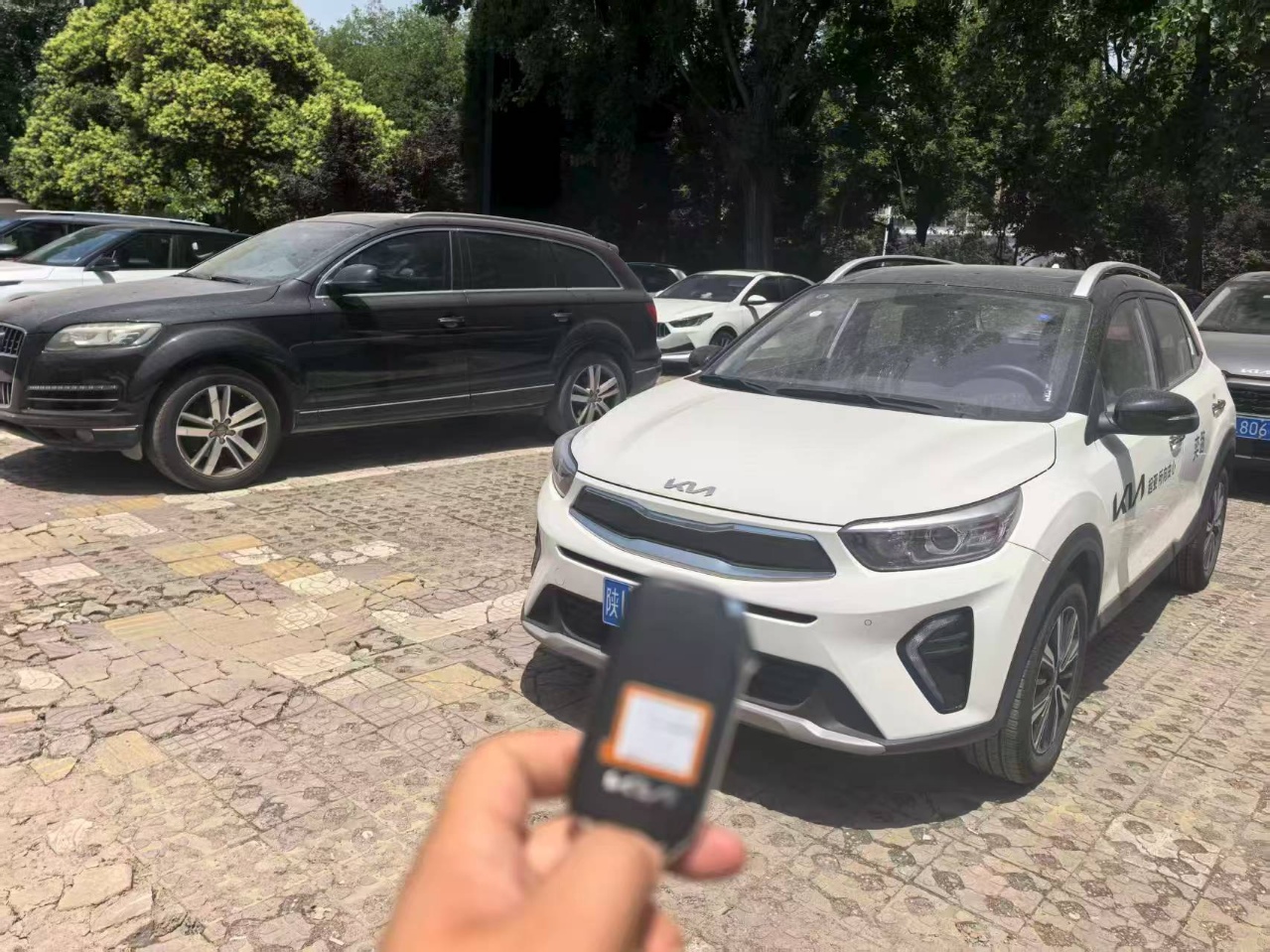
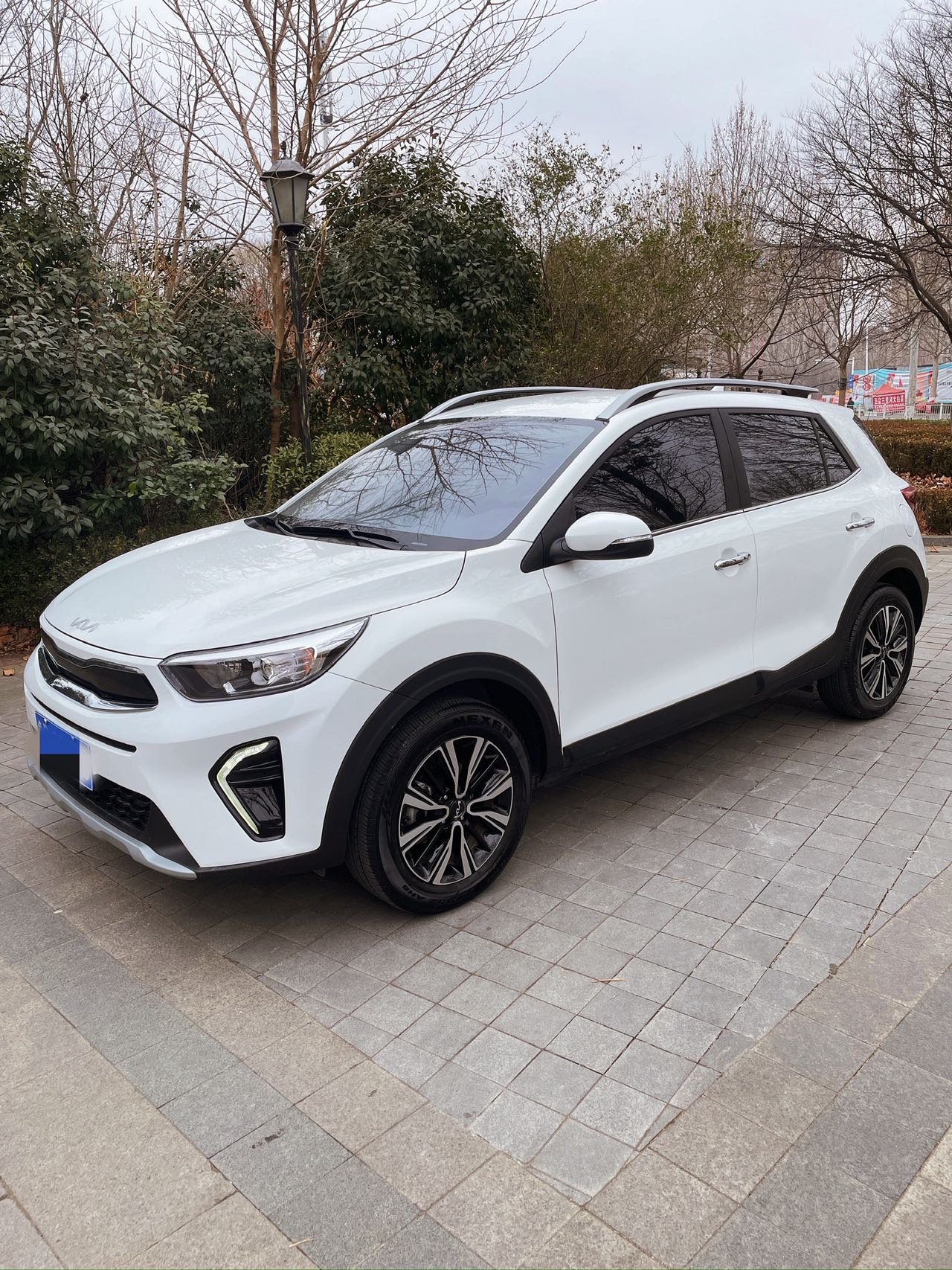
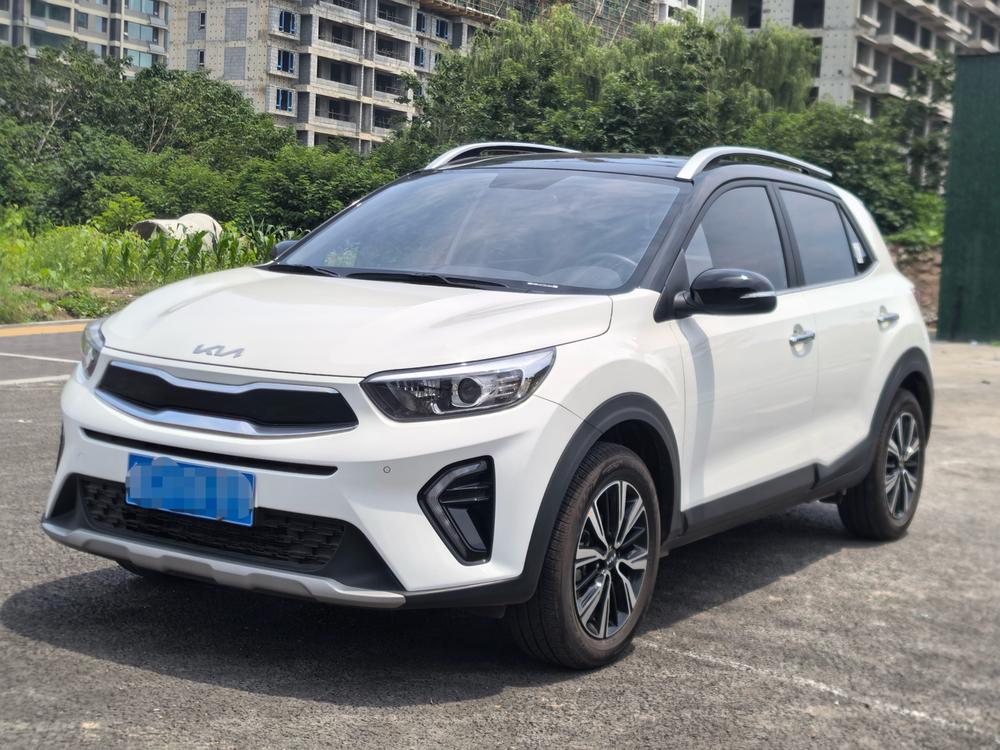
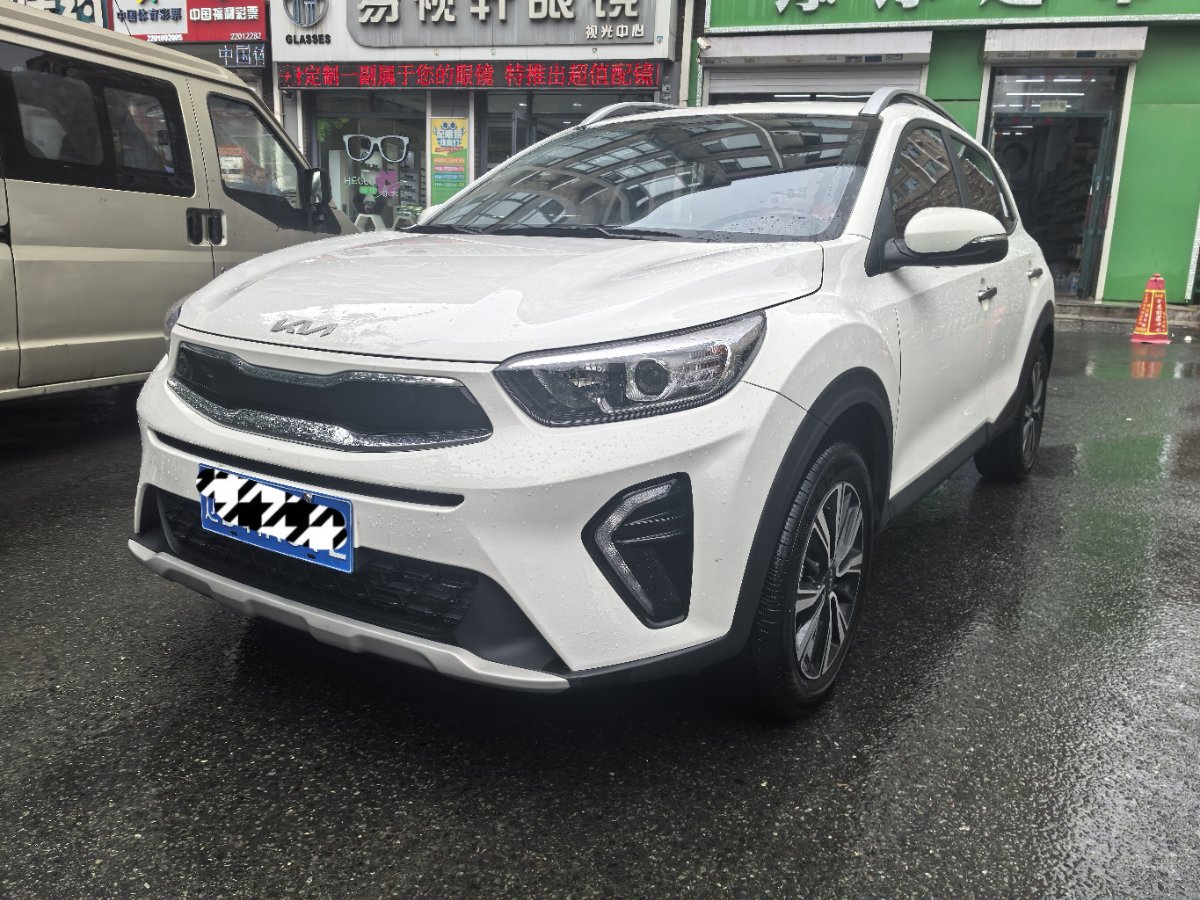
Basic Information

BrandKia
SeriesKX1
Year2020
First Registration2020/04
Mileage27,000km
Transfer Count0times
FuelGasoline
TransmissionManumatic
Engine1.4L 100 L4
Color
Seats-

Condition Description

官方质检 · 60天全车质保· 7天无理由有偿退车

Configuration Highlights

✓上牌时间: 2020-04
✓表显里程: 2.7万公里
✓车源地: 济南
✓排放标准: 国六
✓发动机: 1.4L
✓轴距: 2570mm
✓变速箱: 自动
✓最大功率: 73kW
✓功能配置: 8项
✓安全配置: 2项
✓动力类型: 前驱
✓空间舒适性: 一般

Q&A

More

Why are the shipping costs for used electric vehicles (EVs) usually higher than for internal combustion engine vehicles (ICEs)?

Pure electric vehicles are classified as Class 9 Dangerous Goods due to their large lithium batteries, leading to strict shipping regulations. Shipping companies have high requirements for the loading position and fire isolation measures for dangerous goods, and some roll-on/roll-off ships refuse to accept used EVs. As a result, EVs often require more expensive special container shipping and incur additional handling fees for hazardous materials.

If I am not satisfied with the exclusive video inspection, can the deposit be fully refunded?

It depends on the situation. If the video inspection reveals significant mechanical faults or structural damage not disclosed in the inspection report, the deposit will be refunded 100% unconditionally; however, if the buyer defaults for subjective reasons (such as suddenly not liking the color or financial issues), the deposit will be retained as compensation for taking the vehicle off the market.

How can I find out if a used Chinese car has flood or water damage history?

Flood cars are common after heavy rain seasons, and the damage often shows up months later in the wiring and electronics. Here is how to check before you buy. First, ask for the insurance claim history using the VIN. Flood claims are usually recorded, and any mention of water damage, interior drying, or electrical repair should stop the deal. Second, inspect the interior yourself or via video call. Pull up the carpet edges and look for mud residue, water marks, or rust on seat rails and seatbelt buckles. Seatbelts that retract slowly or have a musty smell were often submerged. Third, check hidden cavities: the spare tire well, glove box, and under the trunk lining. Silt or a tide line there is a strong flood indicator. Fourth, look for condensation behind the instrument cluster and inside the headlights. Persistent fog in the lamps is a classic sign of water immersion. Finally, an OBD scan can help: flood cars often store scattered error codes across unrelated modules (airbag, ABS, body control) because corroded connectors corrupt the network. If several of these signs appear together, walk away. Flood damage is almost never worth repairing, and it will haunt the car's electronics for its whole life.