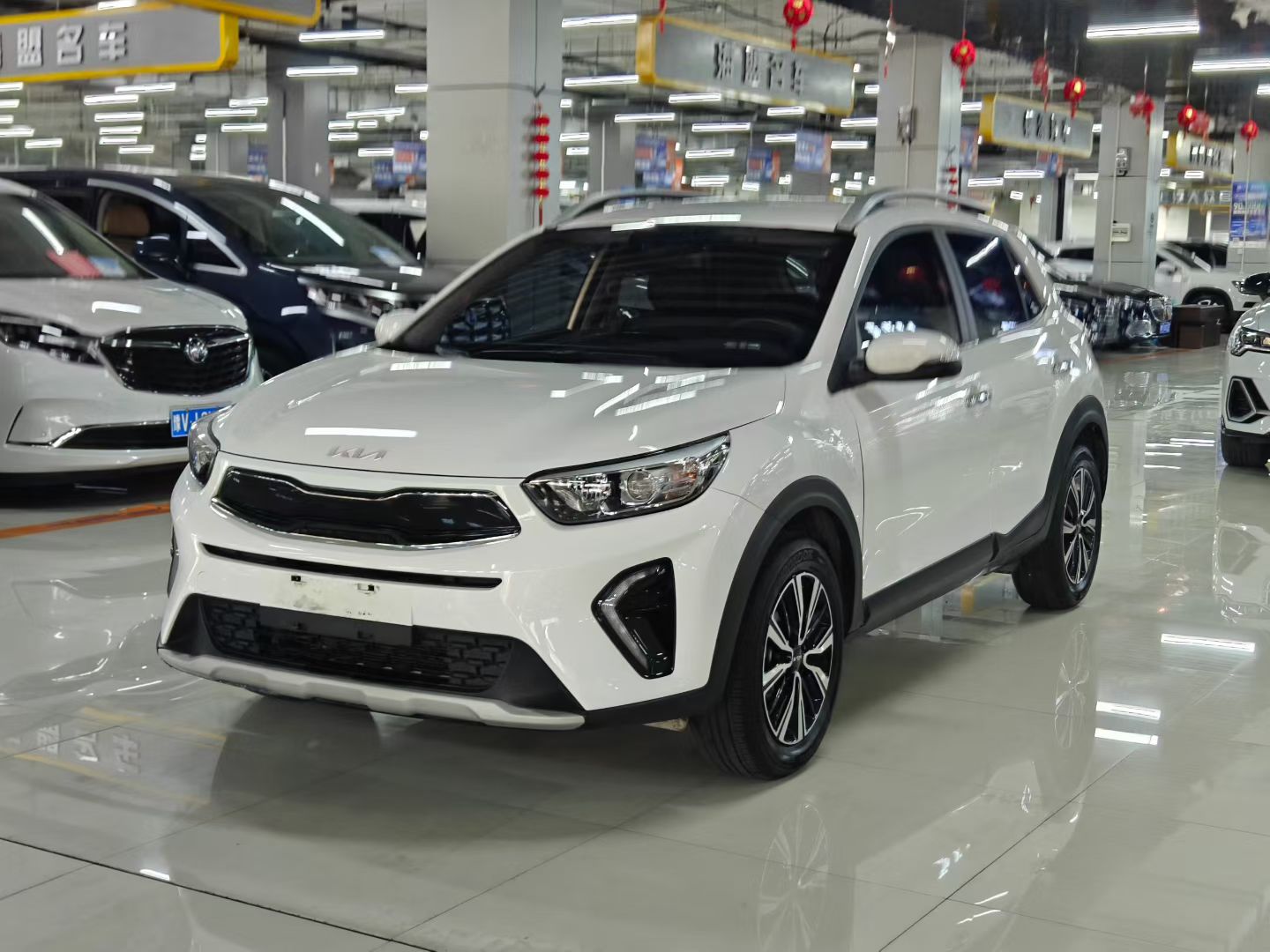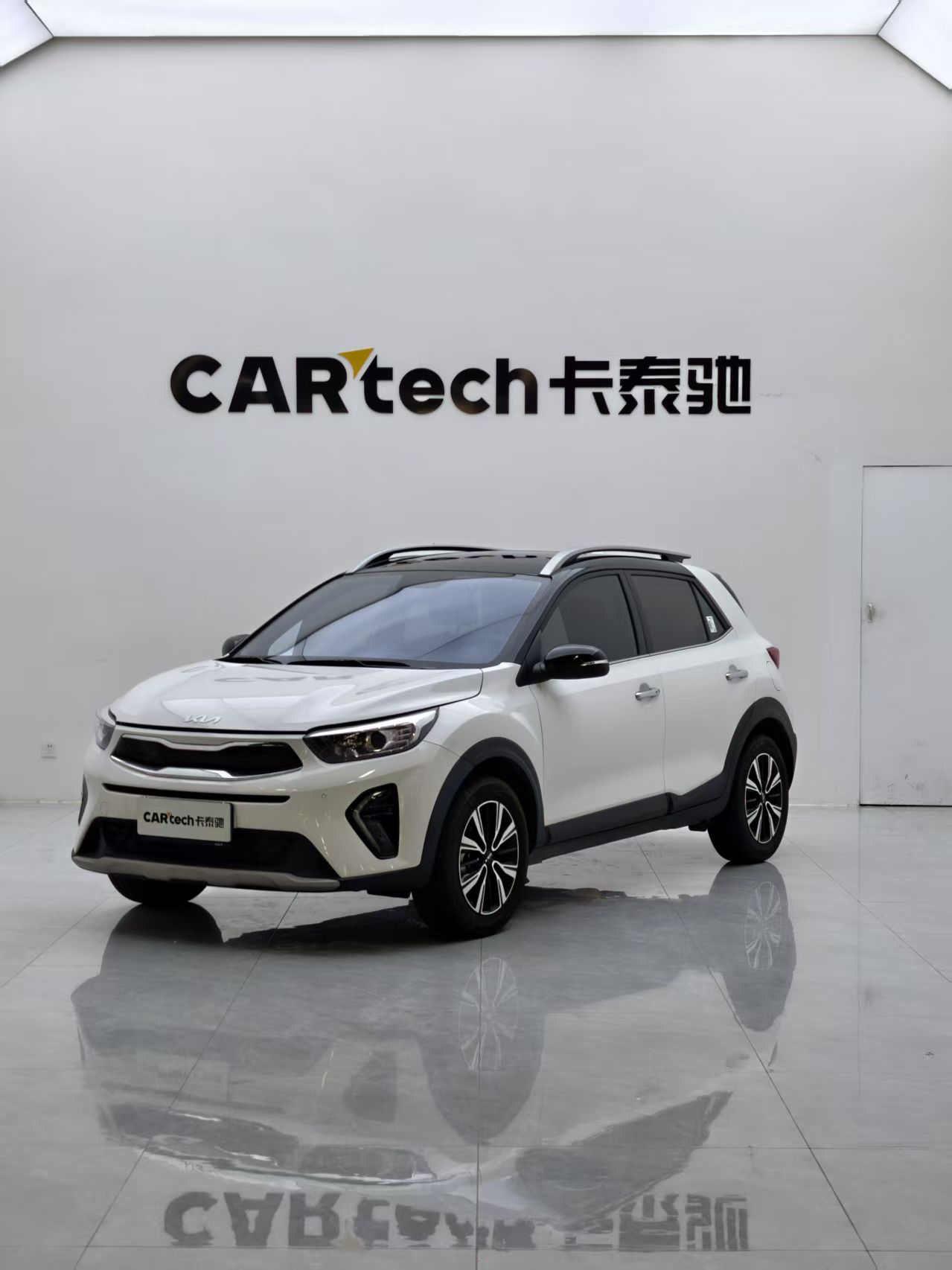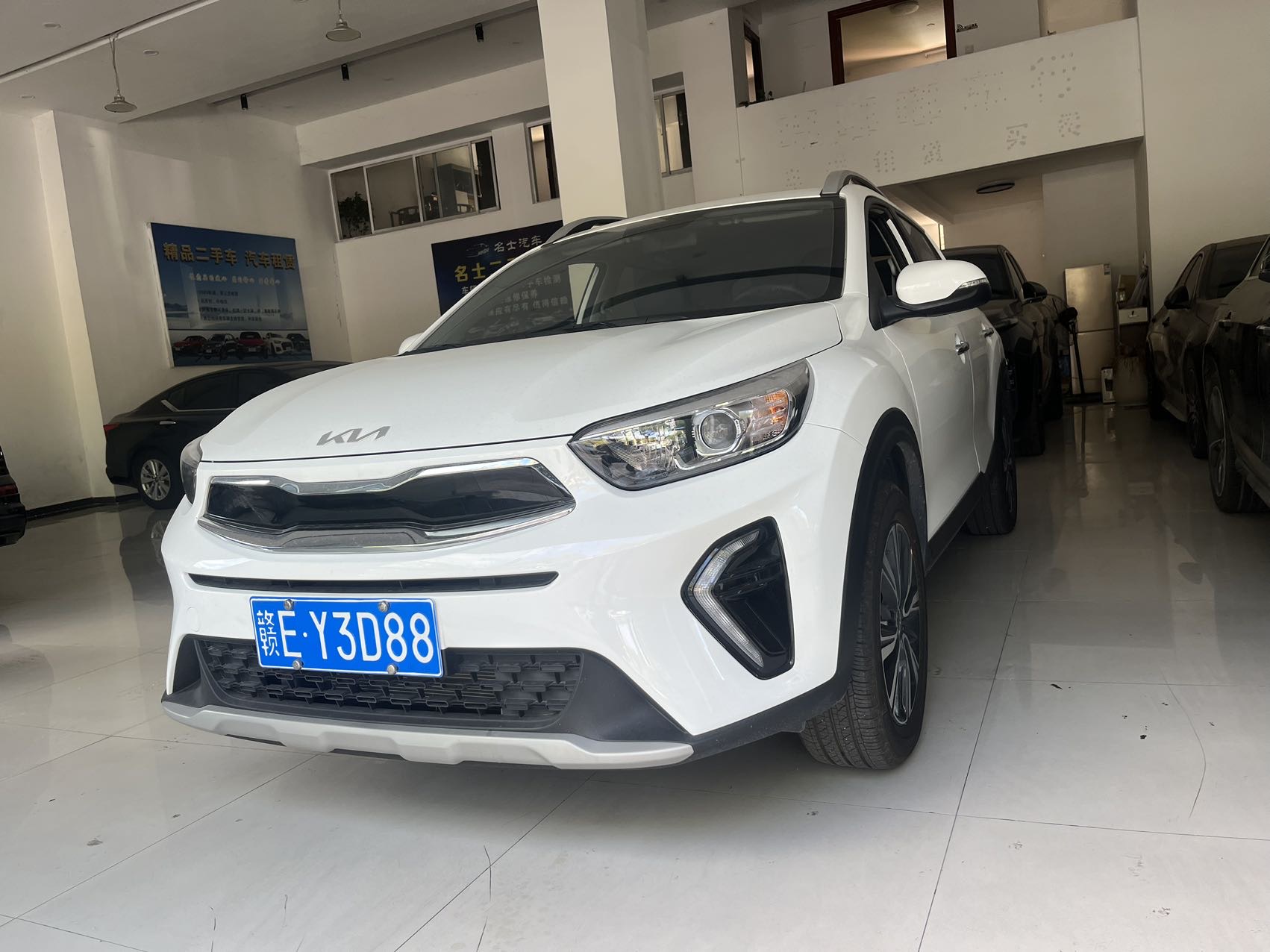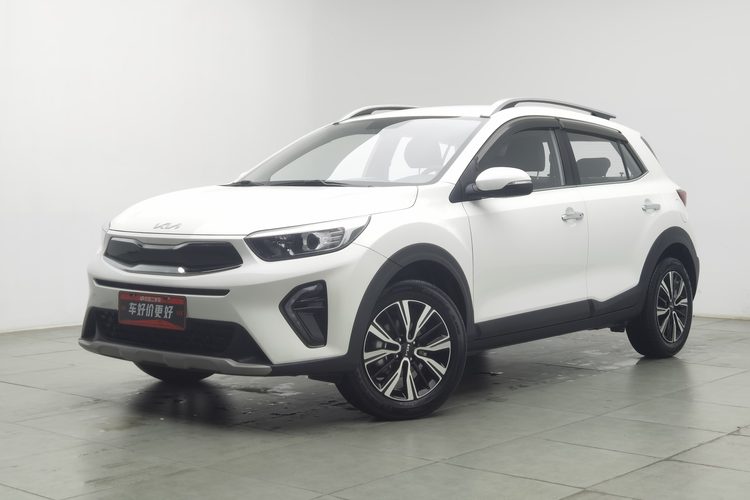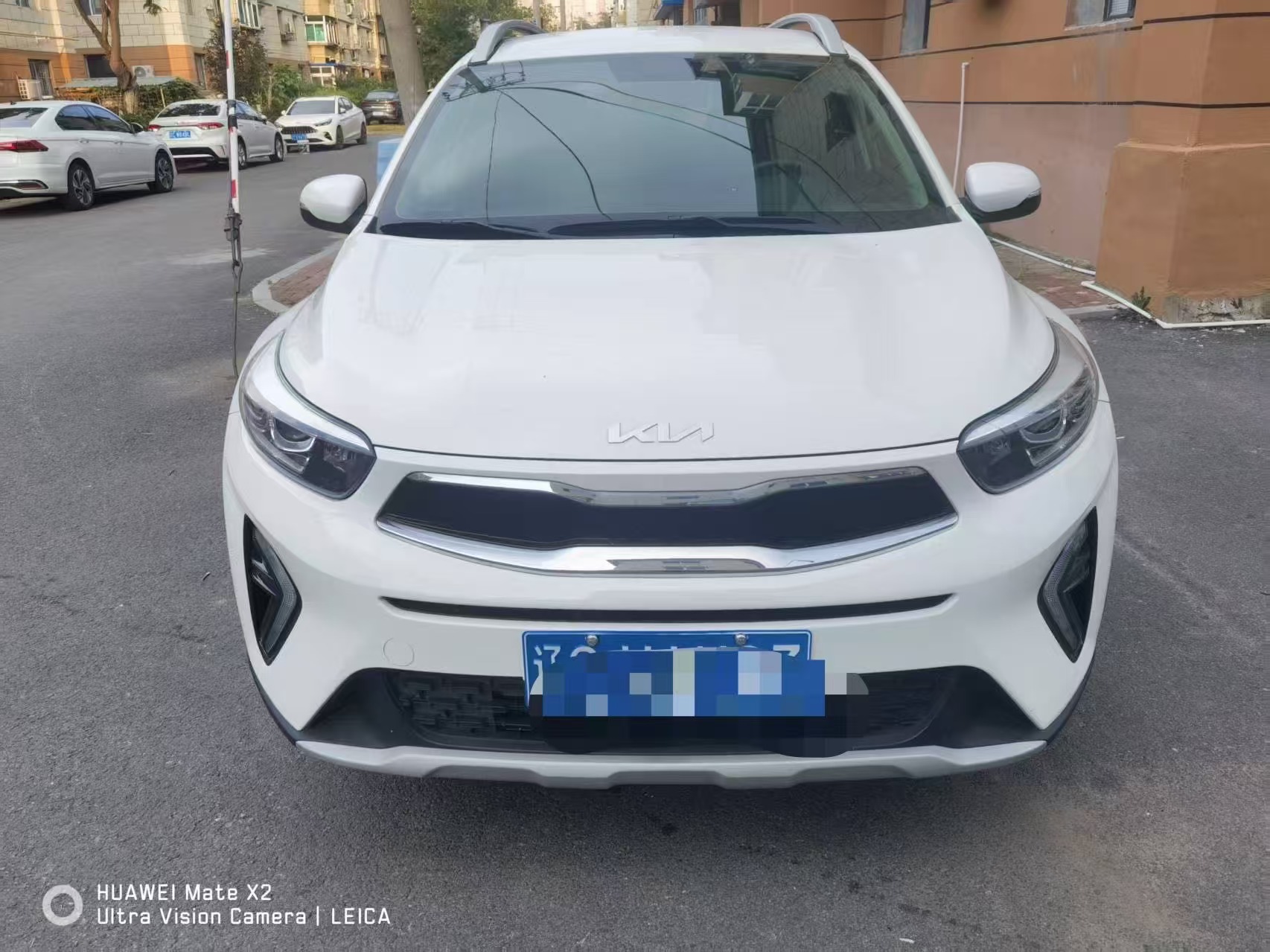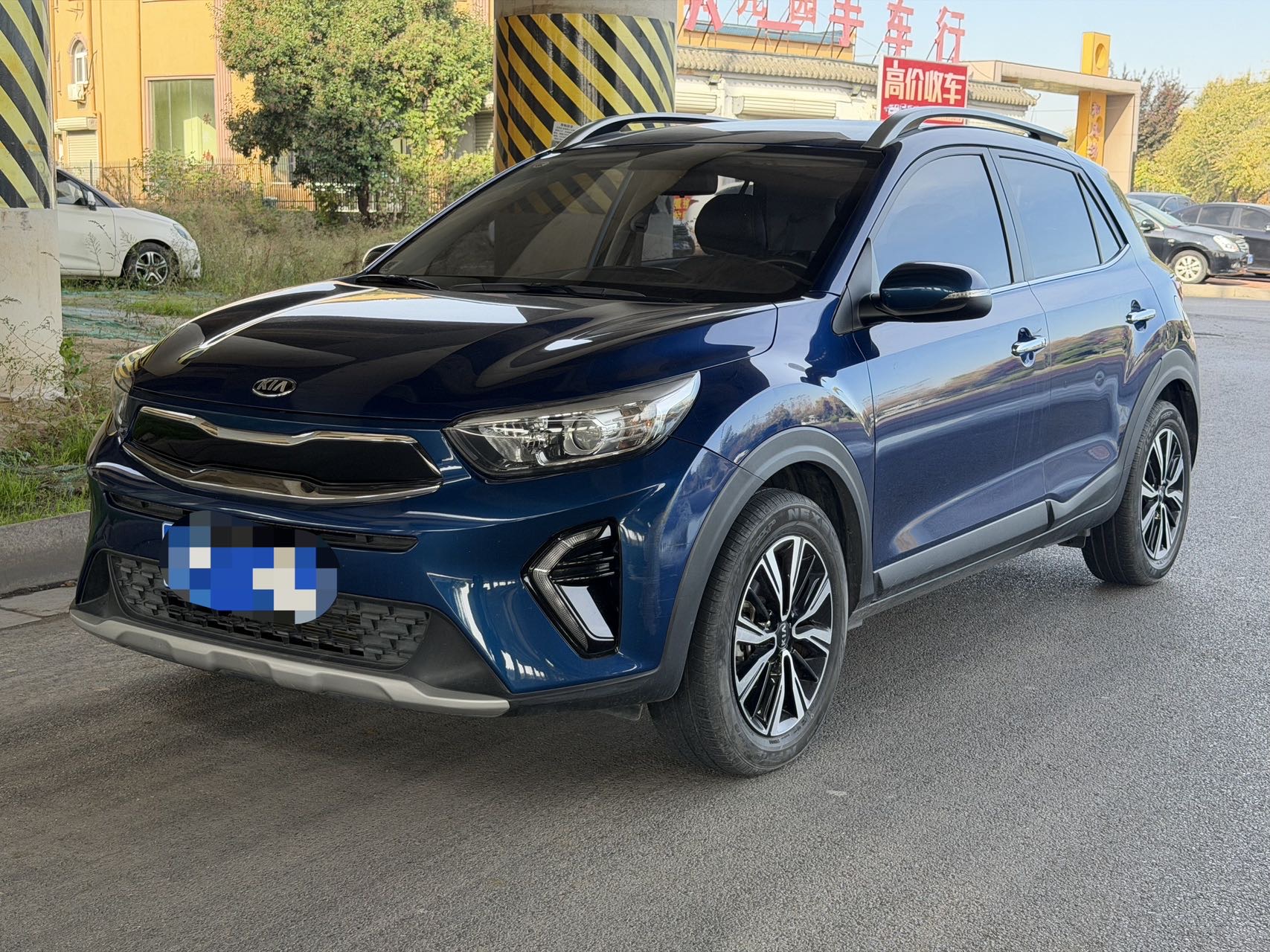
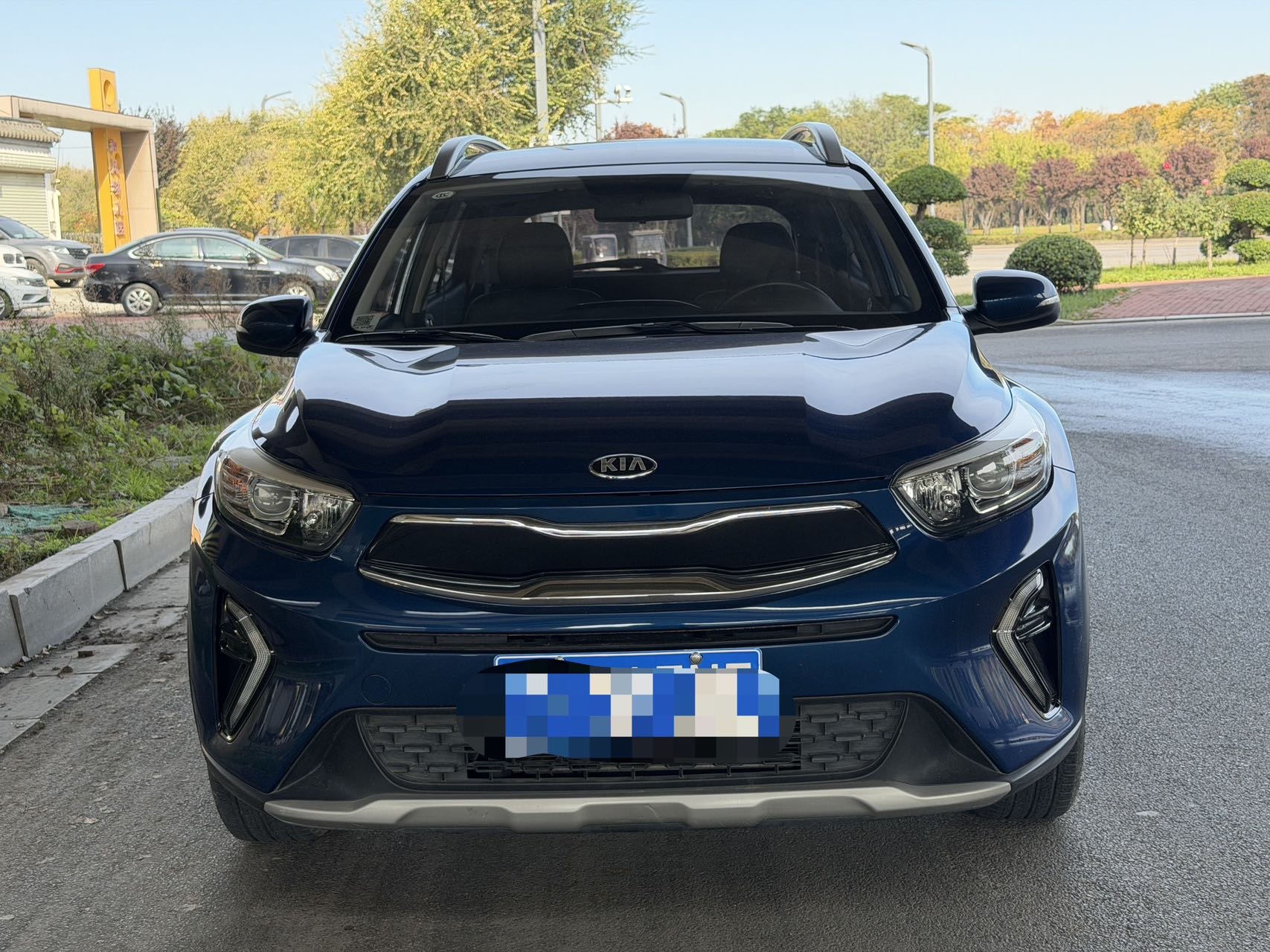
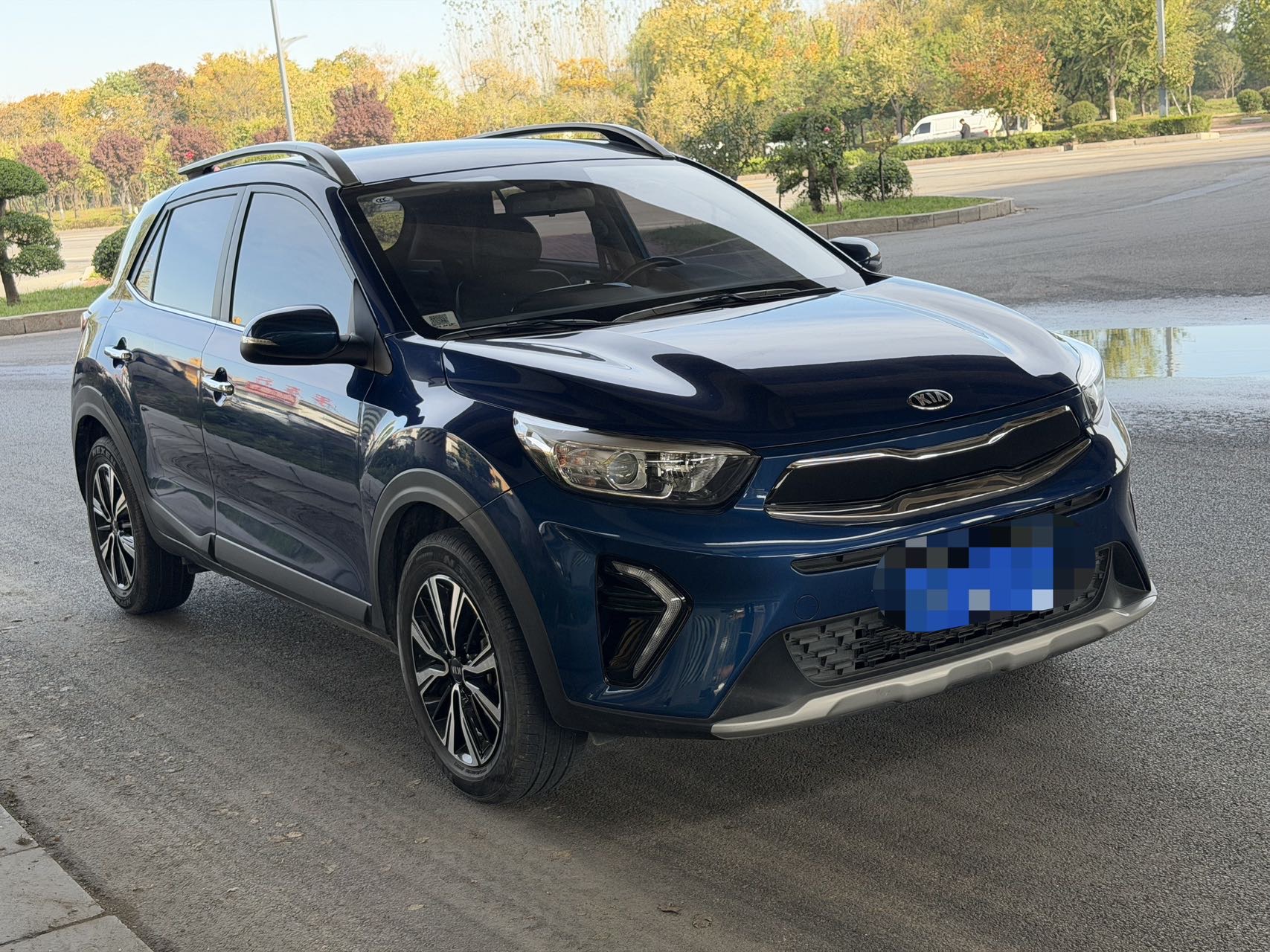
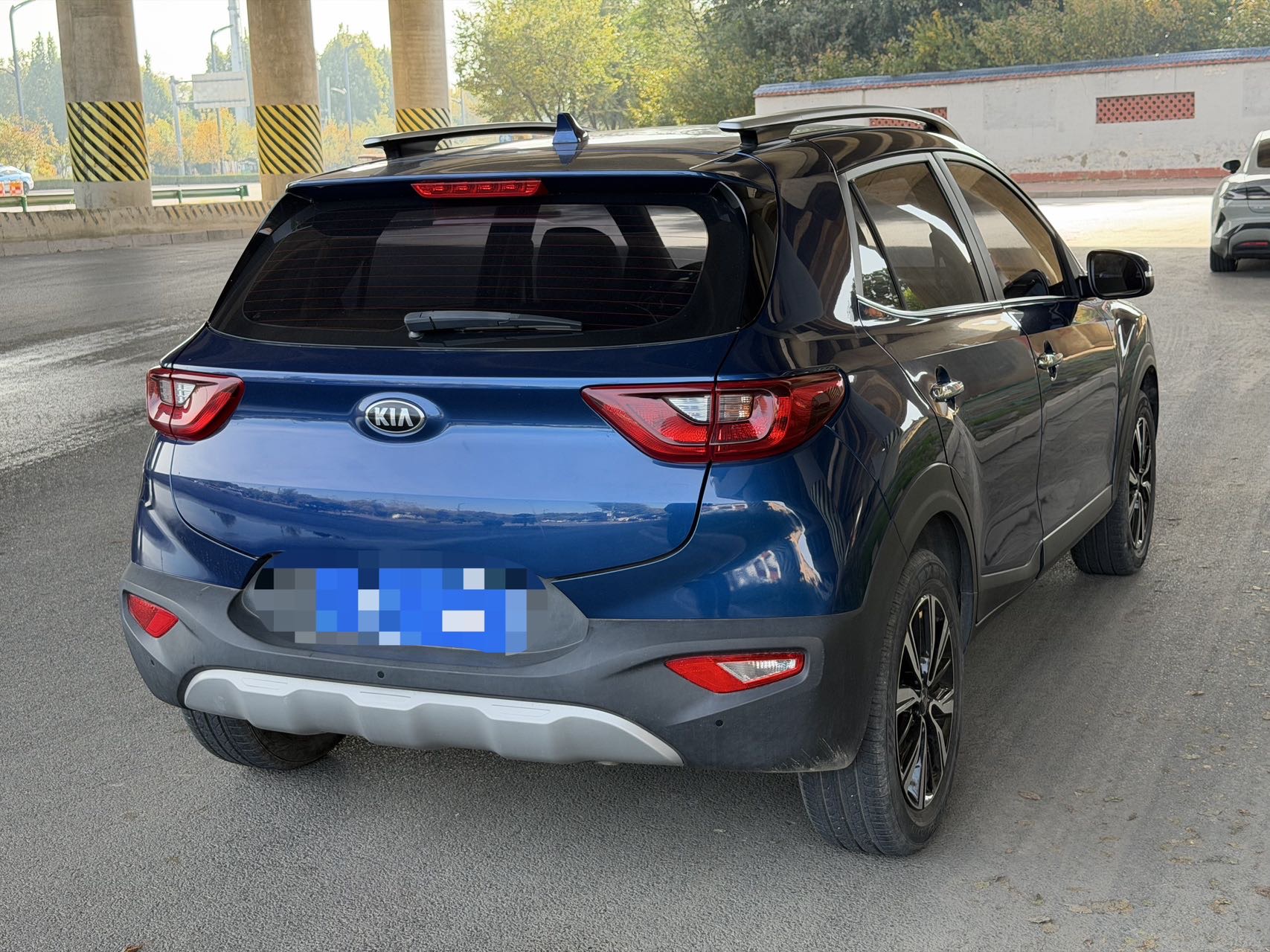
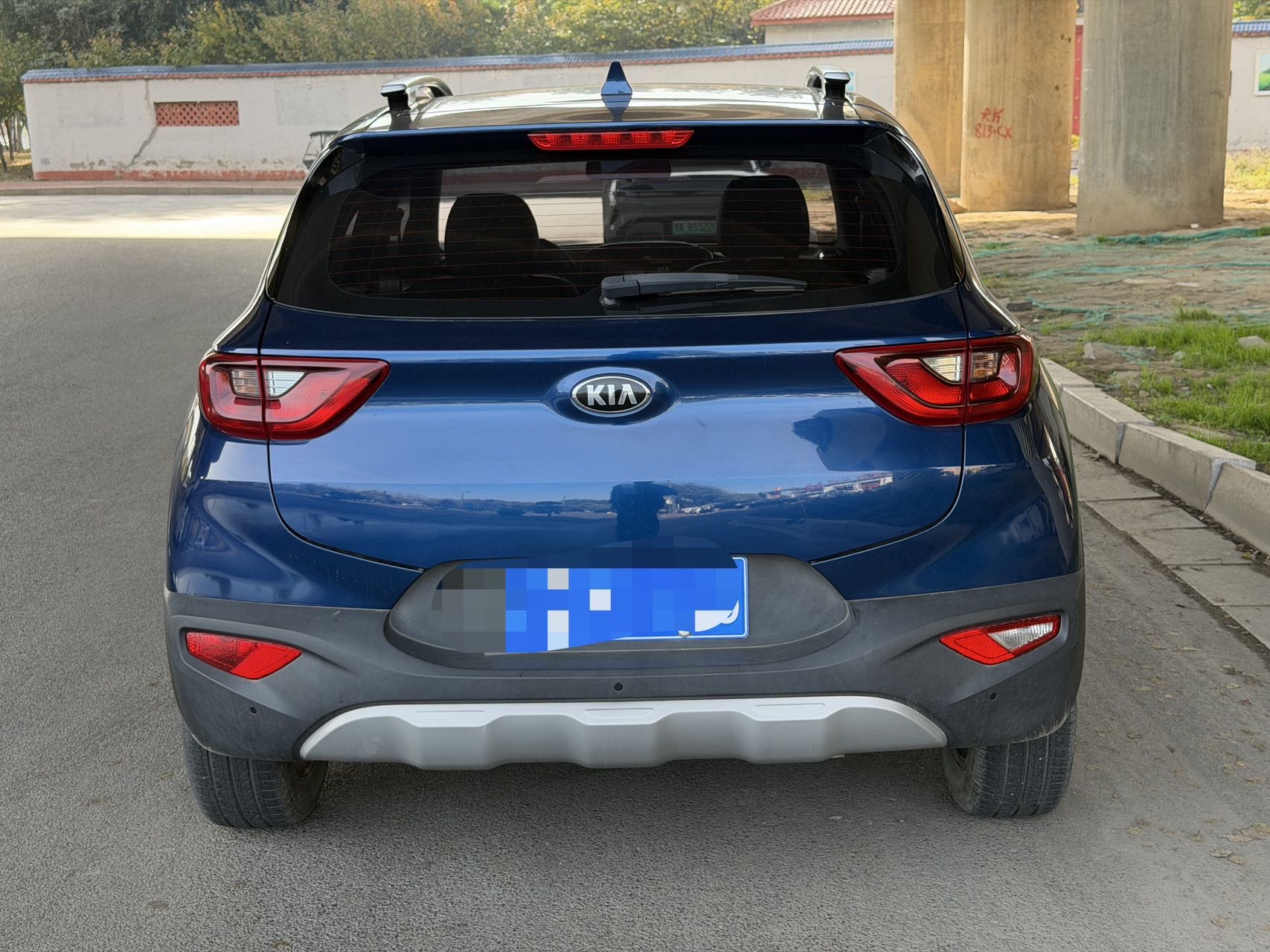
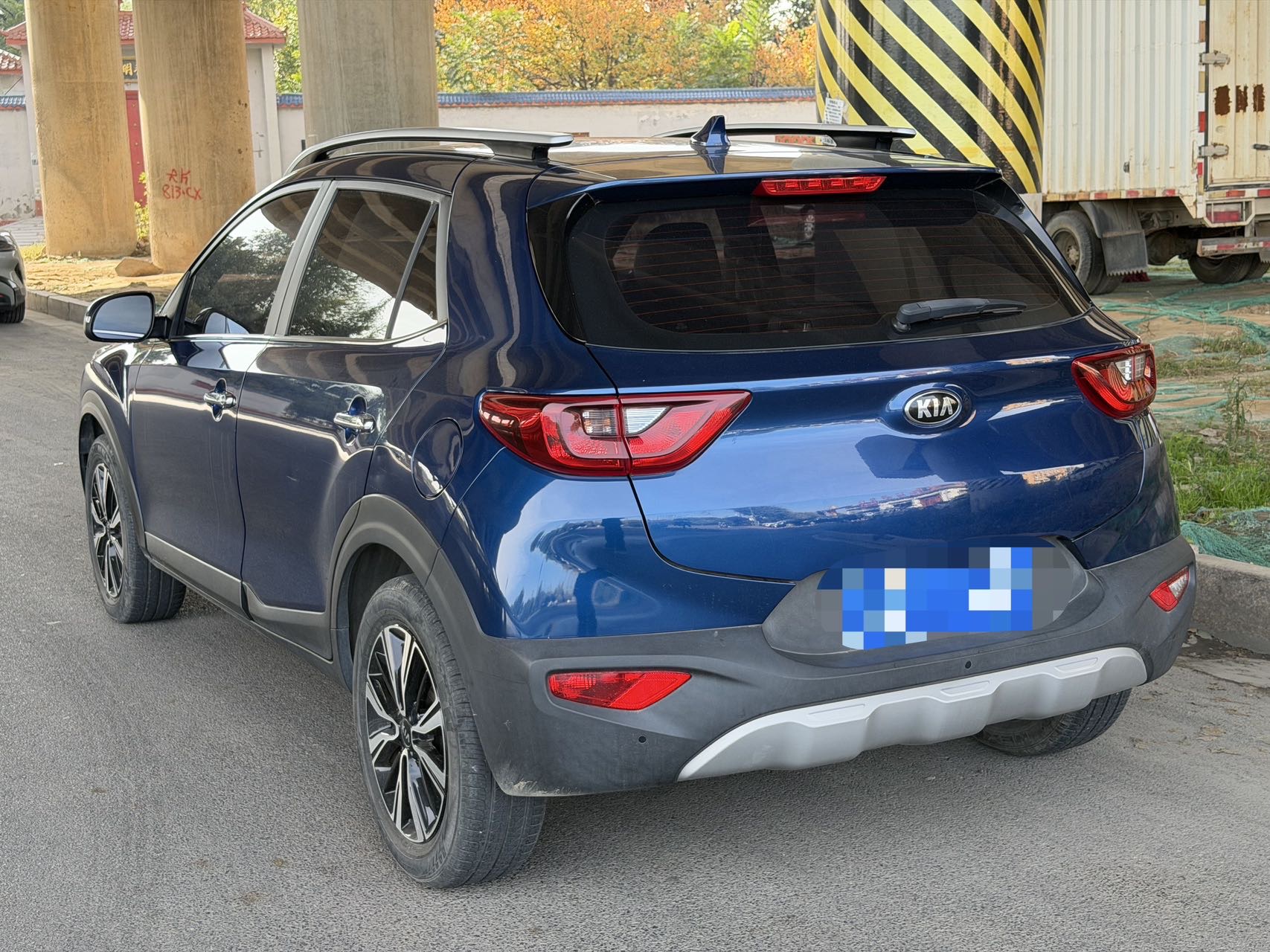
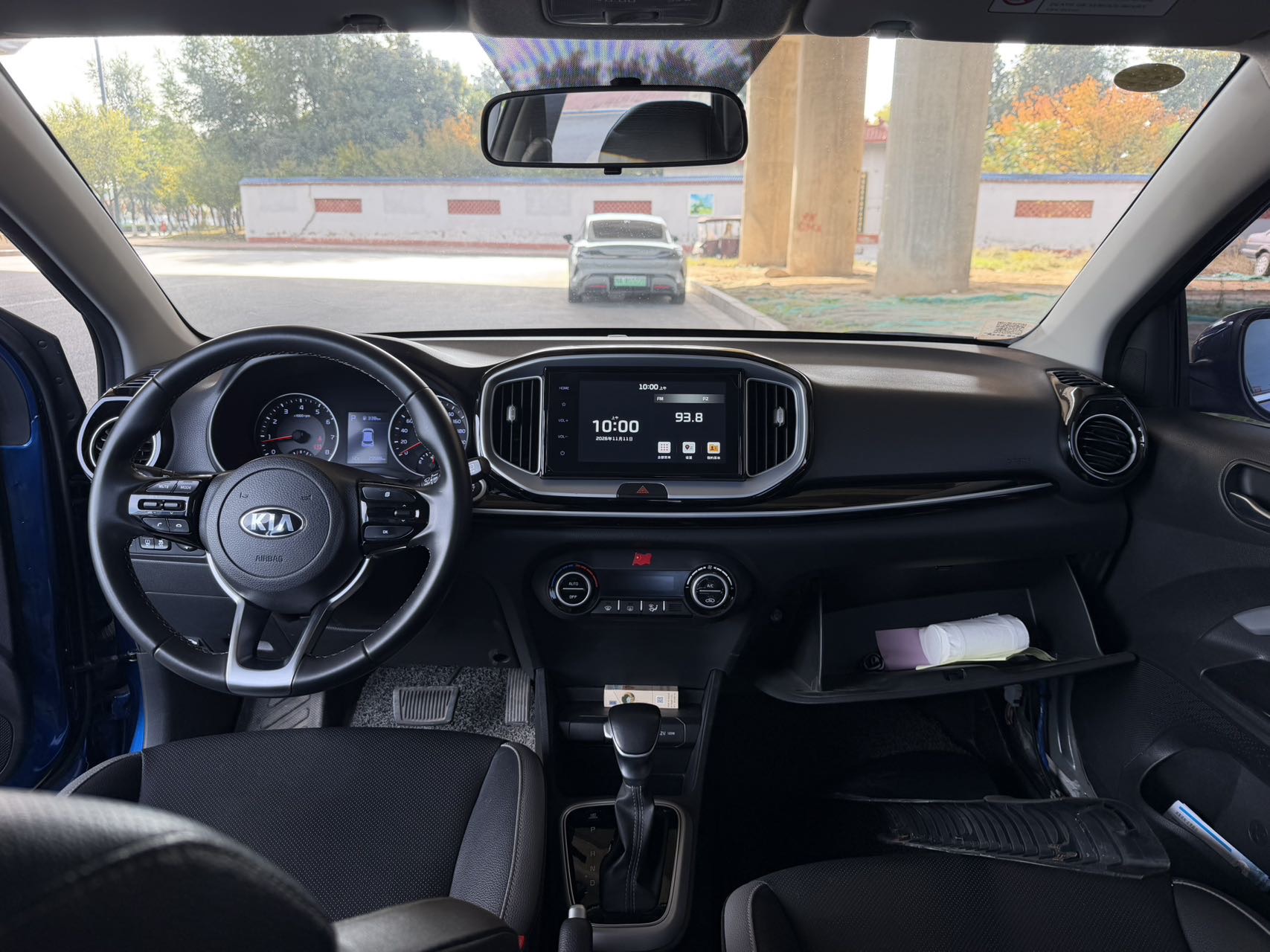
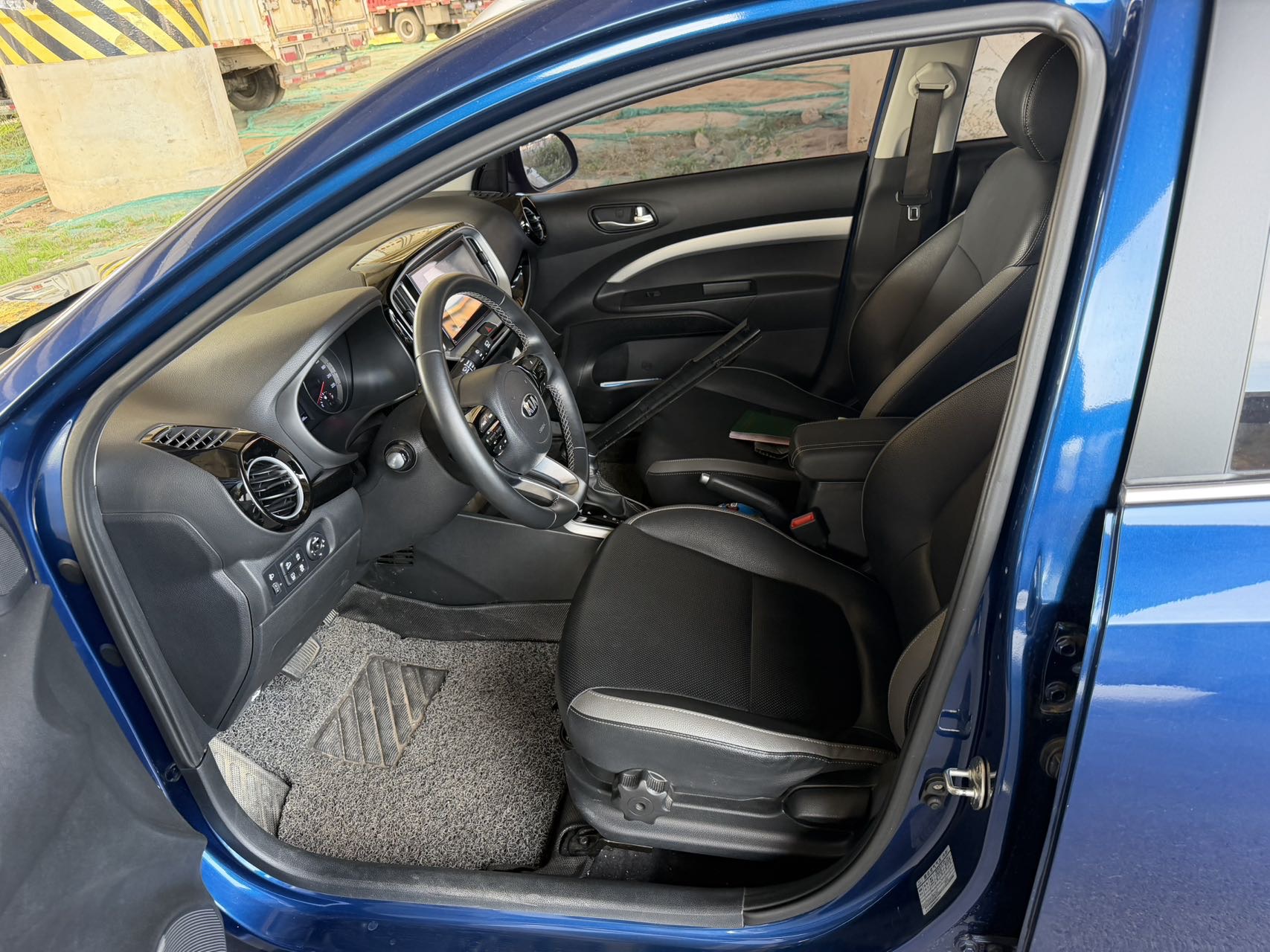
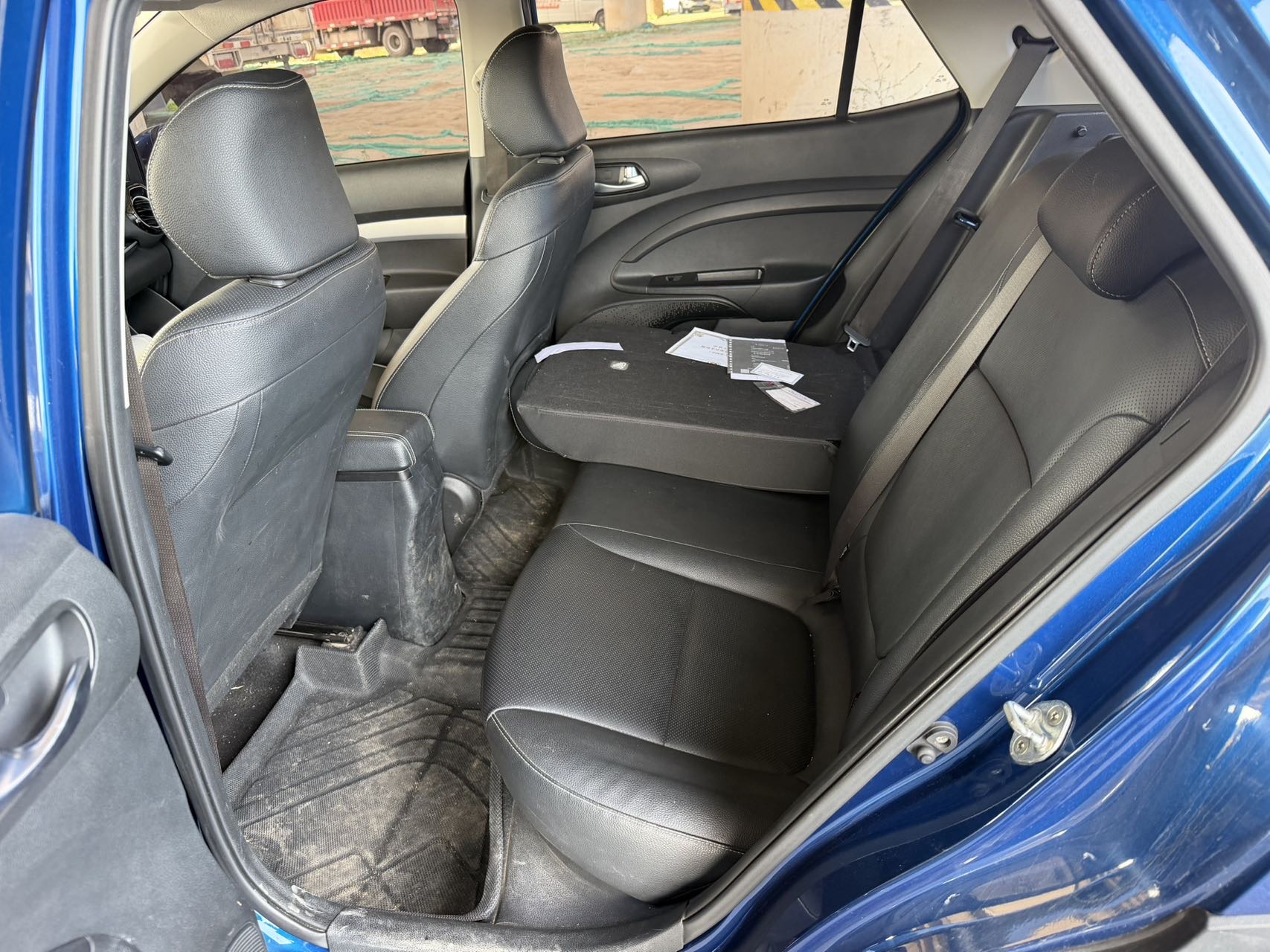
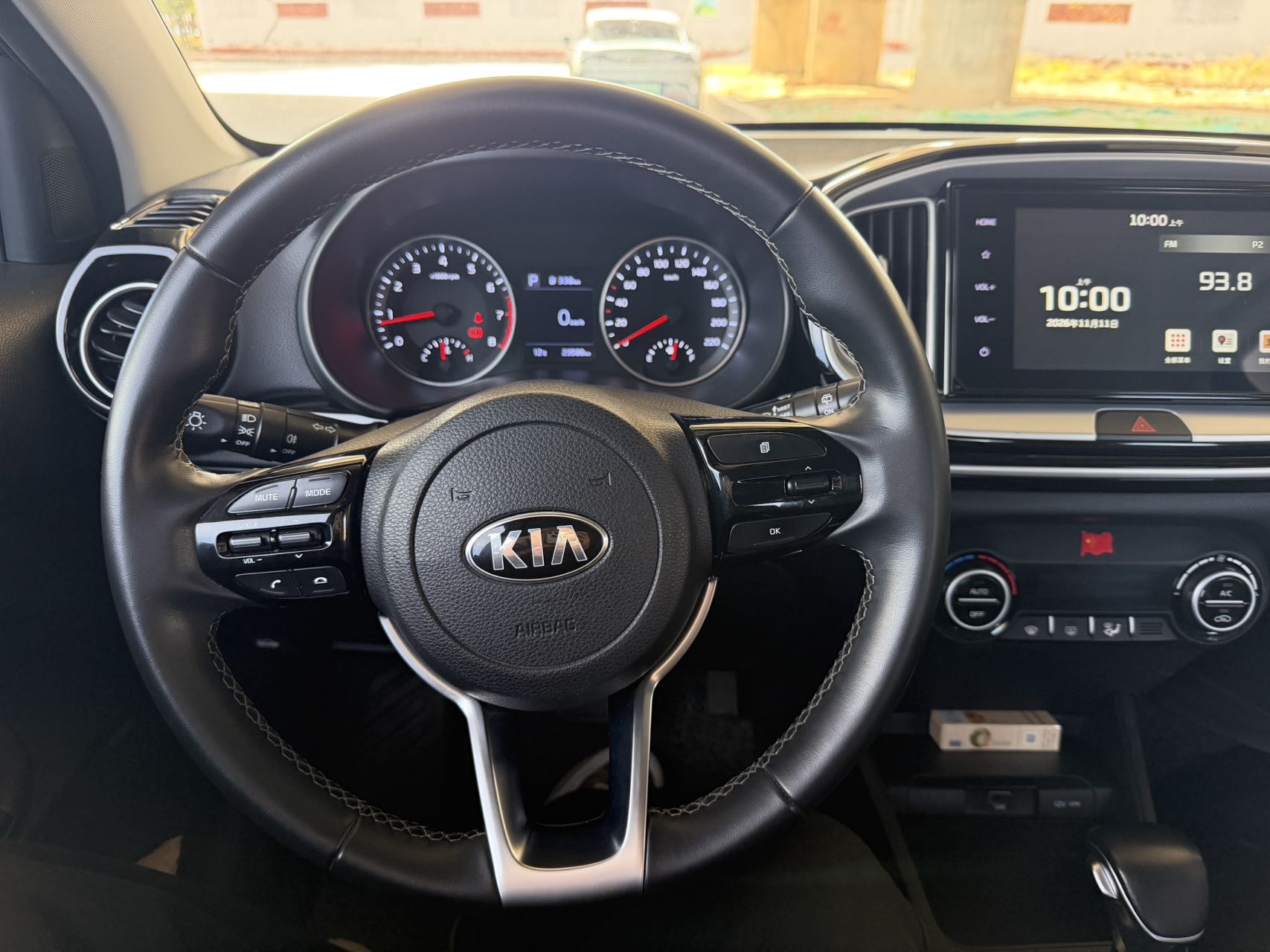
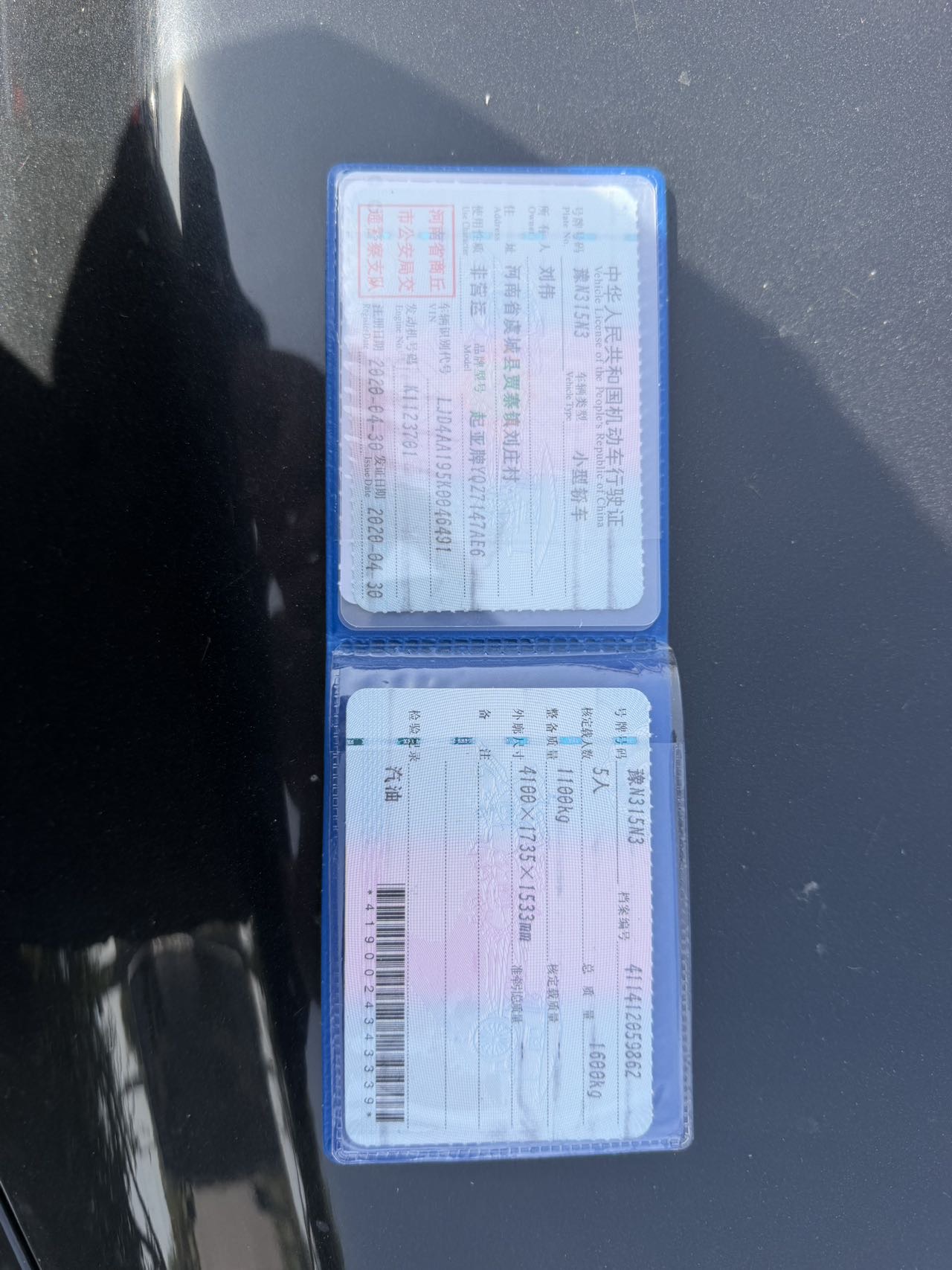



Basic Information

BrandKia
SeriesKX1
Year2020
First Registration2020/04
Mileage29,000km
Transfer Count1times
FuelGasoline
TransmissionManumatic
Engine1.4L 100 L4
ColorBlue
Seats-

Condition Description

Original paint, one-owner car, actual mileage, long insurance coverage

燃油车
SUV
自动
维保开放
事故开放
查验开放

Configuration Highlights

✓品牌: 起亚
✓车系: 奕跑
✓车型: 2019款 1.4L 自动趣享版 国VI
✓车身类型: SUV
✓座位数: 5
✓排量: 1.4L
✓变速箱: 自动
✓能源类型: 燃油车
✓VIN: LJD4AA195K0046491
✓搜索关键词: 起亚奕跑 2019款奕跑1.4L自动趣享版国VI

Document Information

Inspection Expiry Date2027/04
Warranty Expiry Date-
Insurance Expiry Date2027/04

Q&A

More

What are "fire-damaged" or "flood-damaged" cars? How do you completely rule them out?

We thoroughly rule them out by checking if the cabin wiring harness is melted, if the seat belts have water stains or mold, if there is unusual rust or debris in the seat tracks and cigarette lighter, and by verifying with the insurance company for any "total loss claims." These two types of cars are an absolute sales ban for us.


What does the buying process look like when importing a used car from China?

A typical transaction has six steps. 1. Selection: you confirm the vehicle through photos, a video walkaround, an inspection report and the VIN. 2. Deposit: most exporters ask 20%-30% to reserve the car. Pay by bank transfer to the company's corporate account, never a personal one. 3. Inspection: an independent pre-shipment inspection verifies the condition; you receive the report before paying the balance. 4. Balance payment: usually due before loading. Request the booking confirmation and container number. 5. Shipping: the exporter sends you the draft bill of lading for checking, then the original documents by courier. 6. Arrival: you clear customs with the invoice, C/O, B/L and inspection certificate, then register the vehicle. Total timeline is usually 2-6 weeks. Use payment methods with recourse (T/T or escrow) and keep every contract and receipt.

Why are the shipping costs for used electric vehicles (EVs) usually higher than for internal combustion engine vehicles (ICEs)?

Pure electric vehicles are classified as Class 9 Dangerous Goods due to their large lithium batteries, leading to strict shipping regulations. Shipping companies have high requirements for the loading position and fire isolation measures for dangerous goods, and some roll-on/roll-off ships refuse to accept used EVs. As a result, EVs often require more expensive special container shipping and incur additional handling fees for hazardous materials.