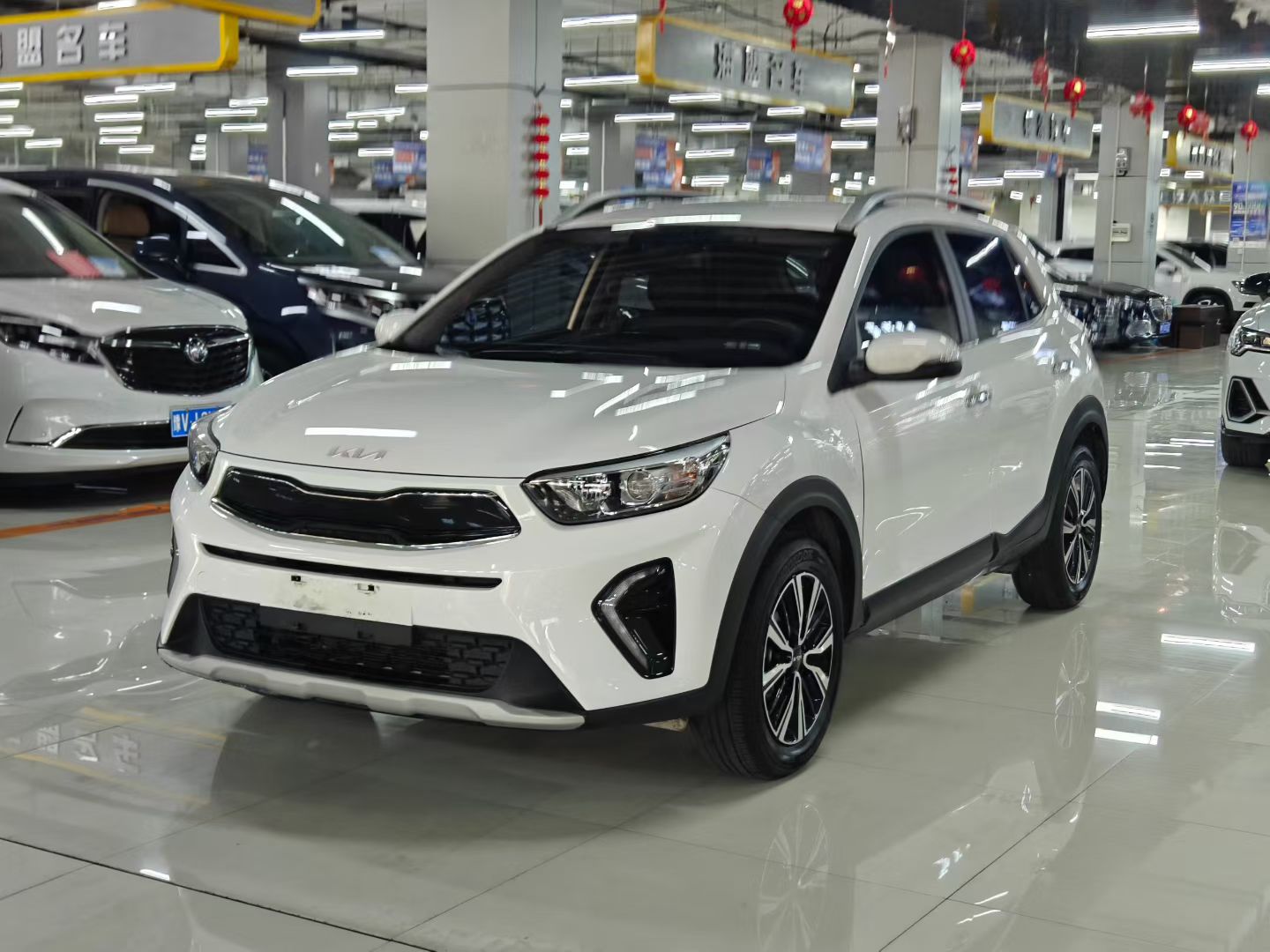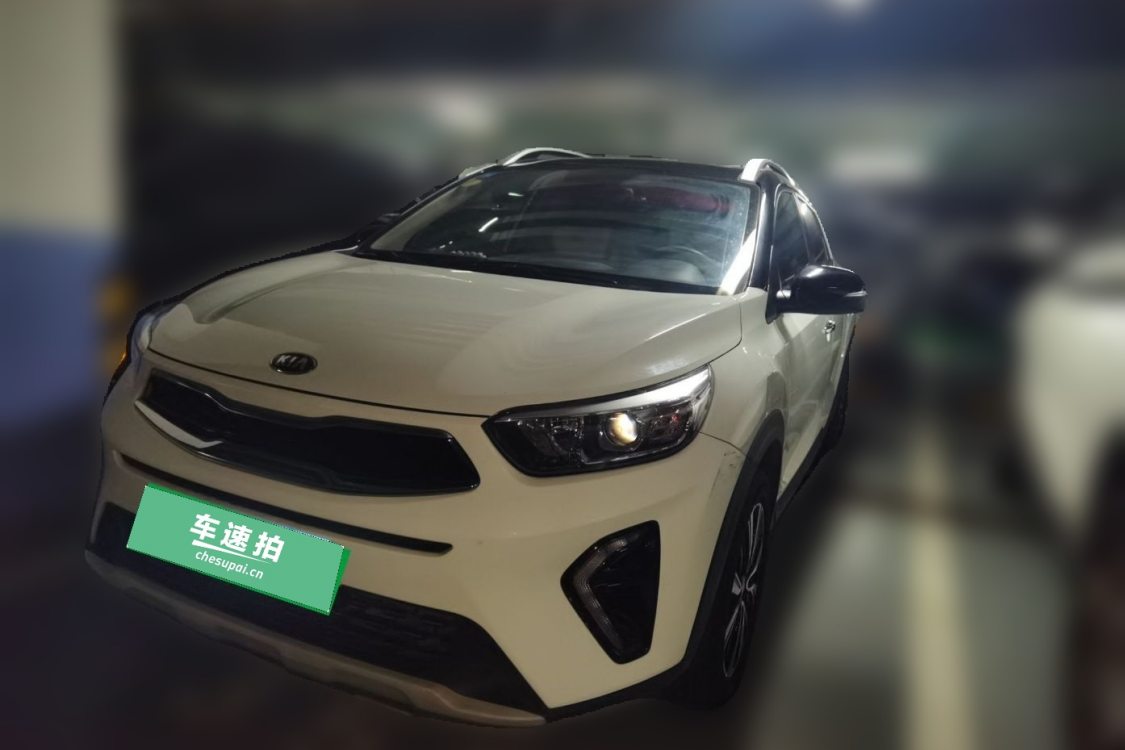
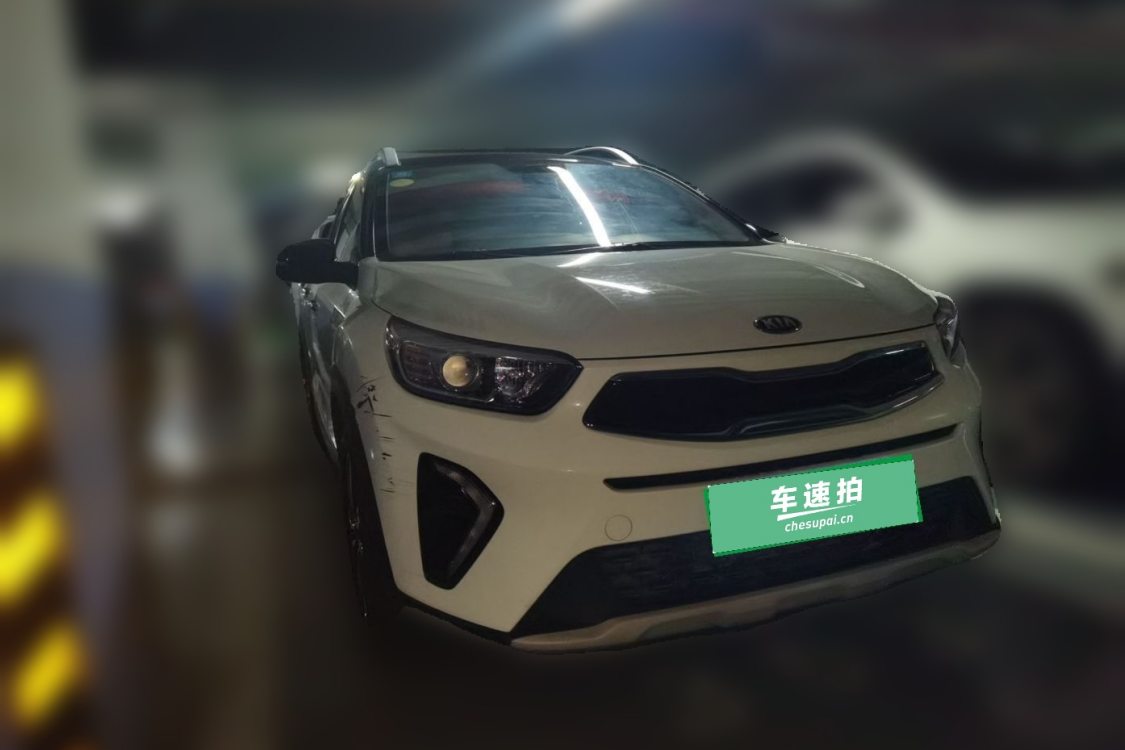
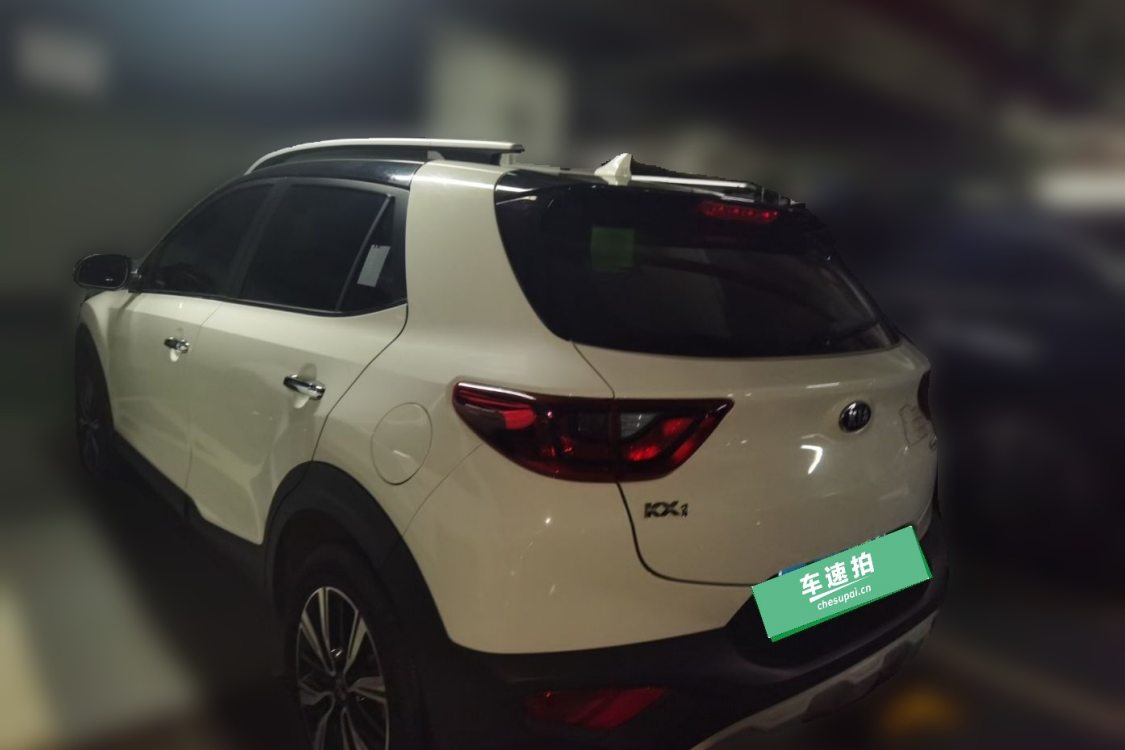

Basic Information

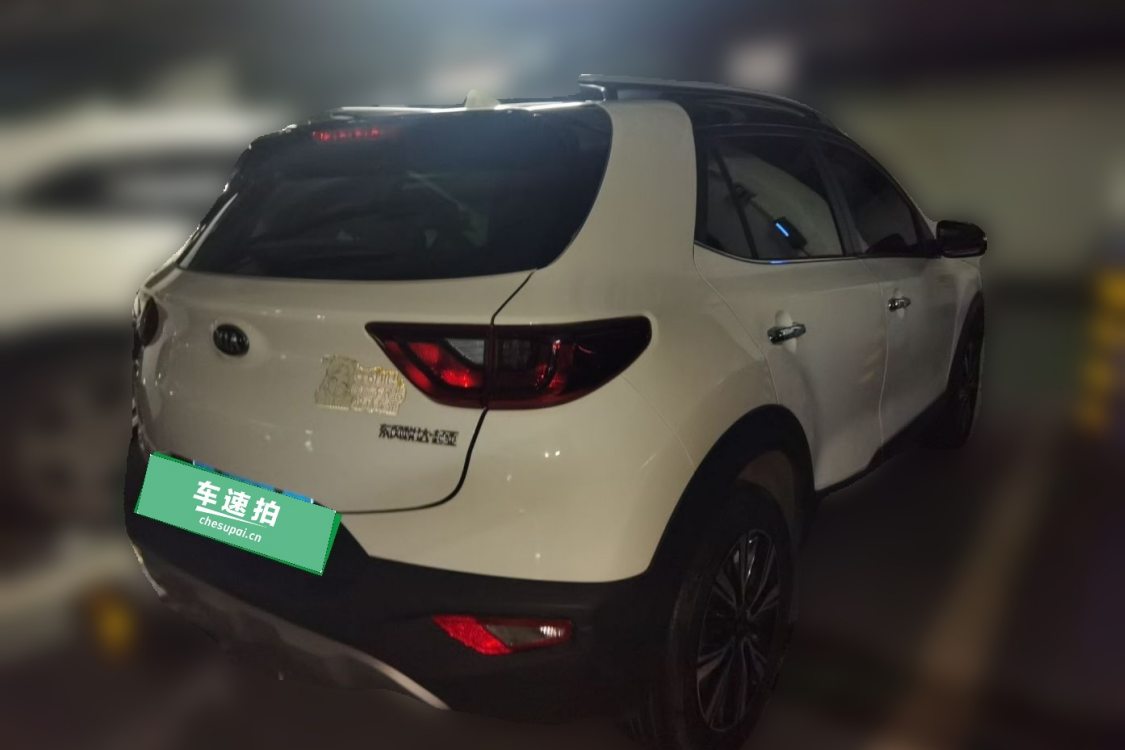
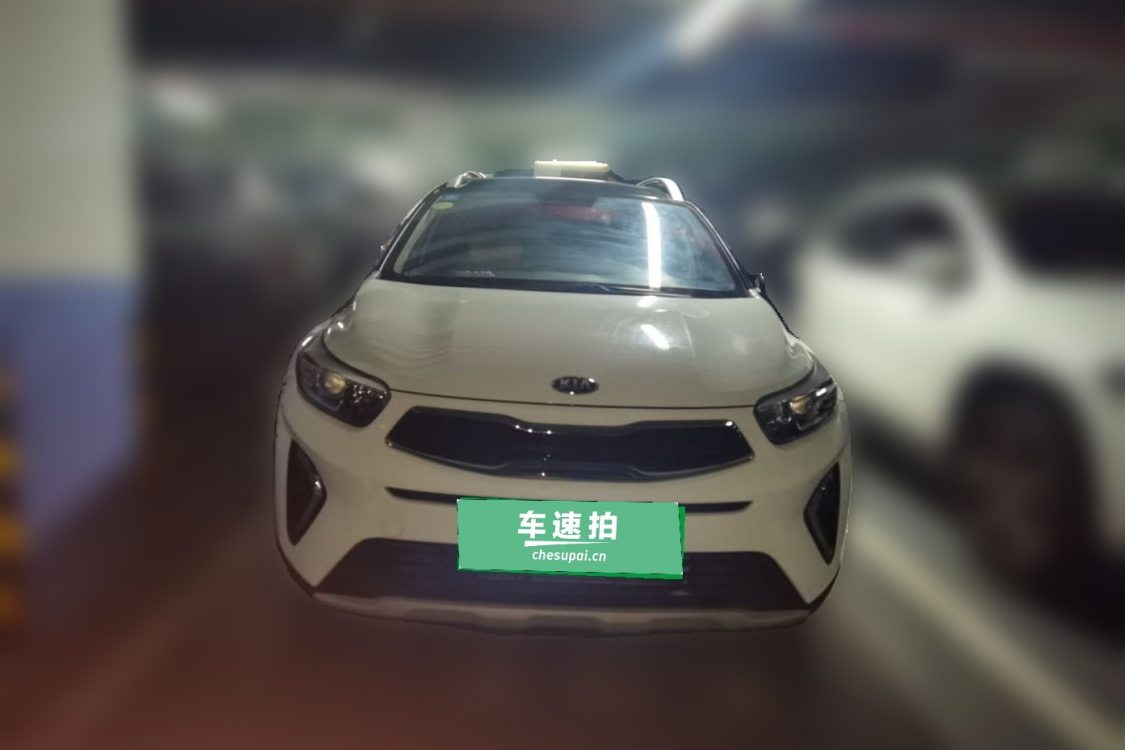
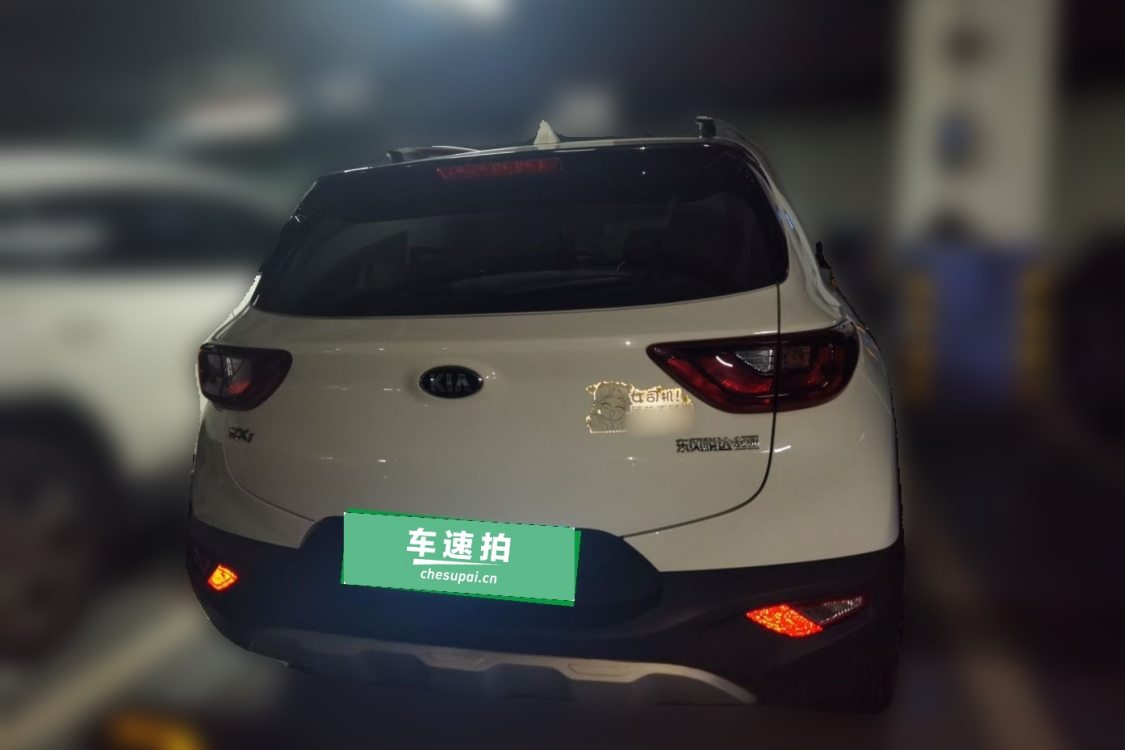
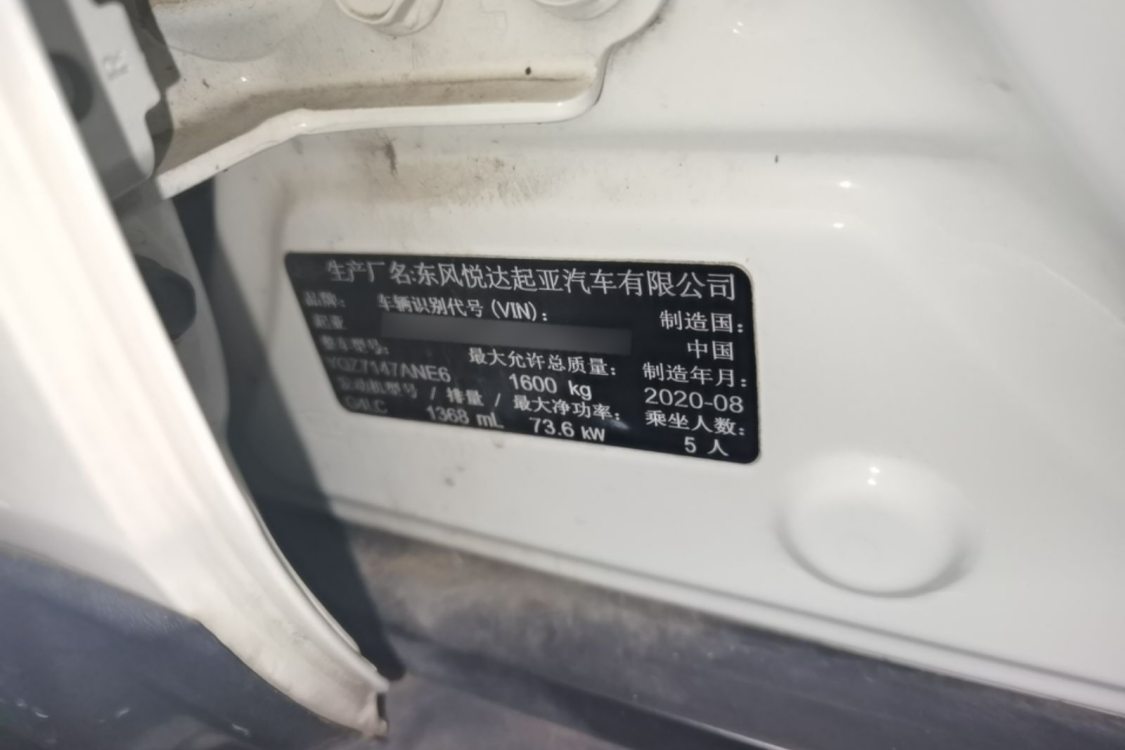
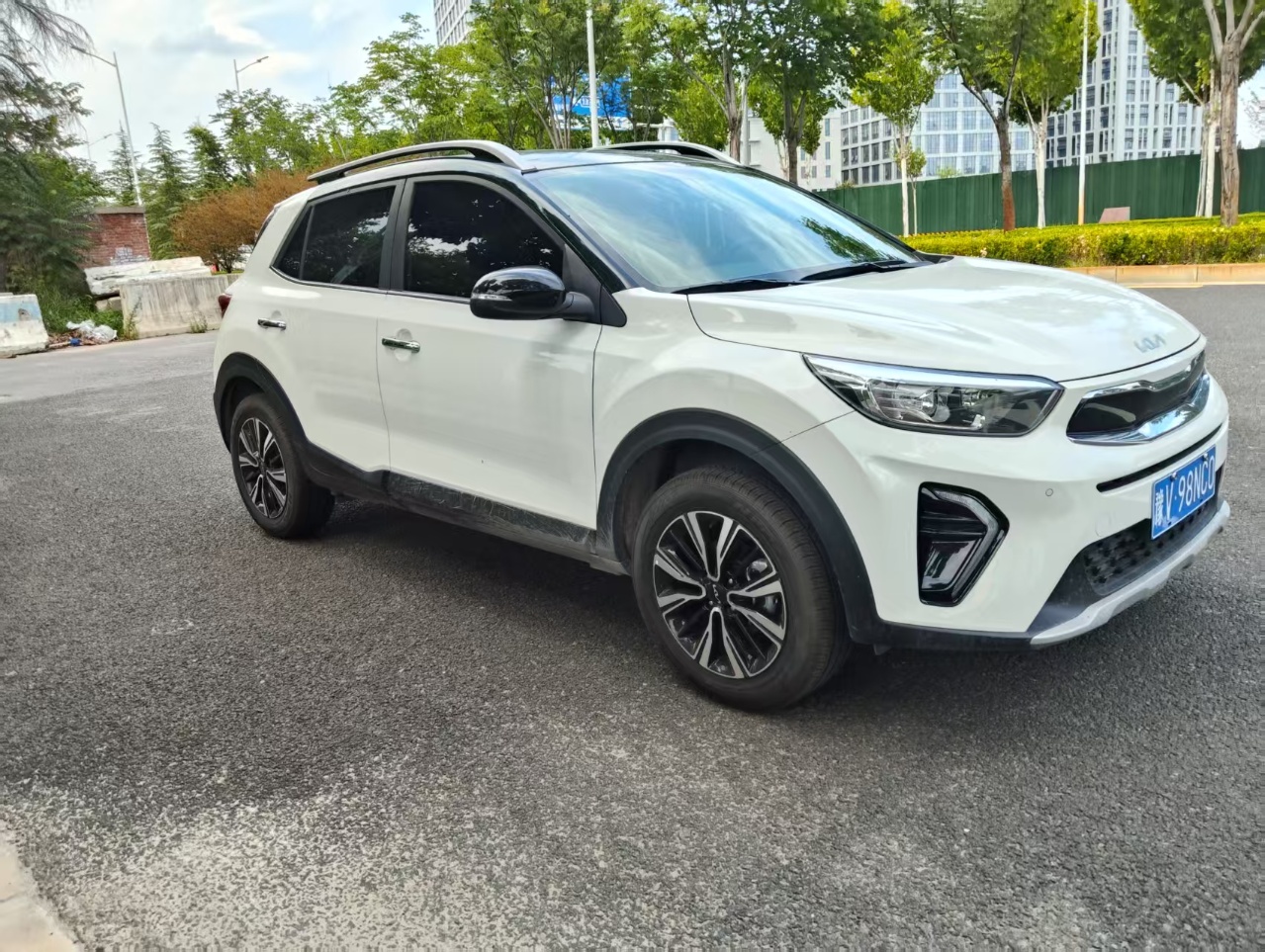
BrandKia
SeriesKX1
Year2020
First Registration2020/08
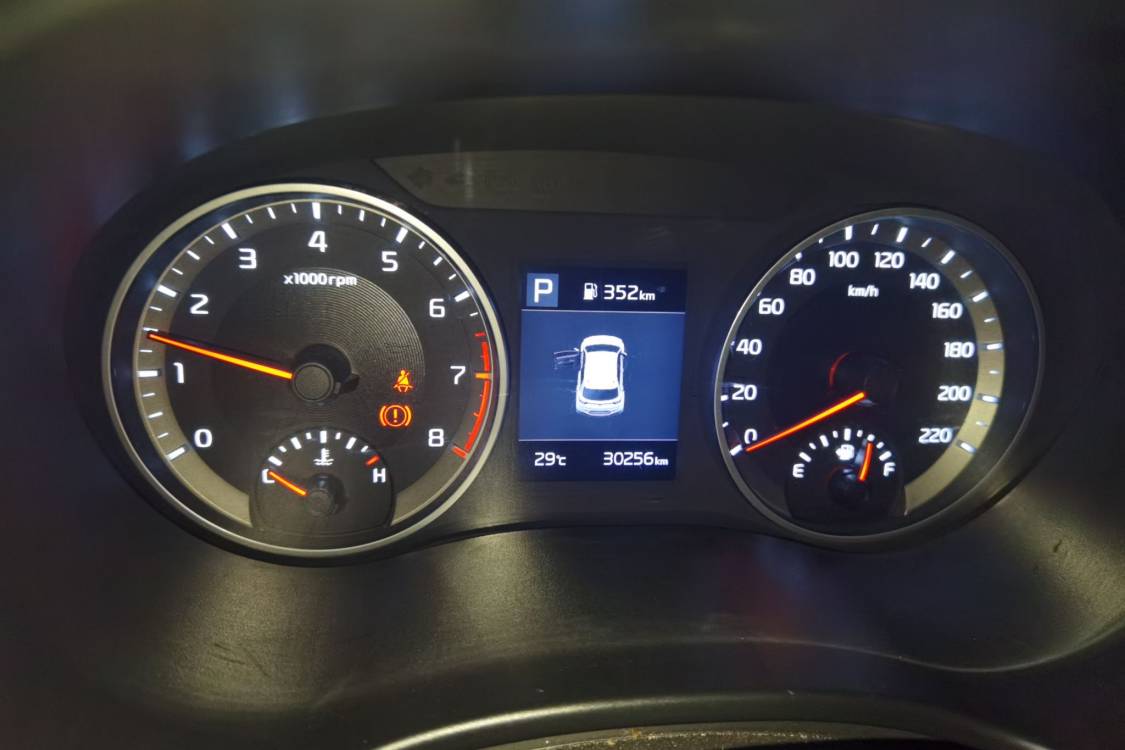
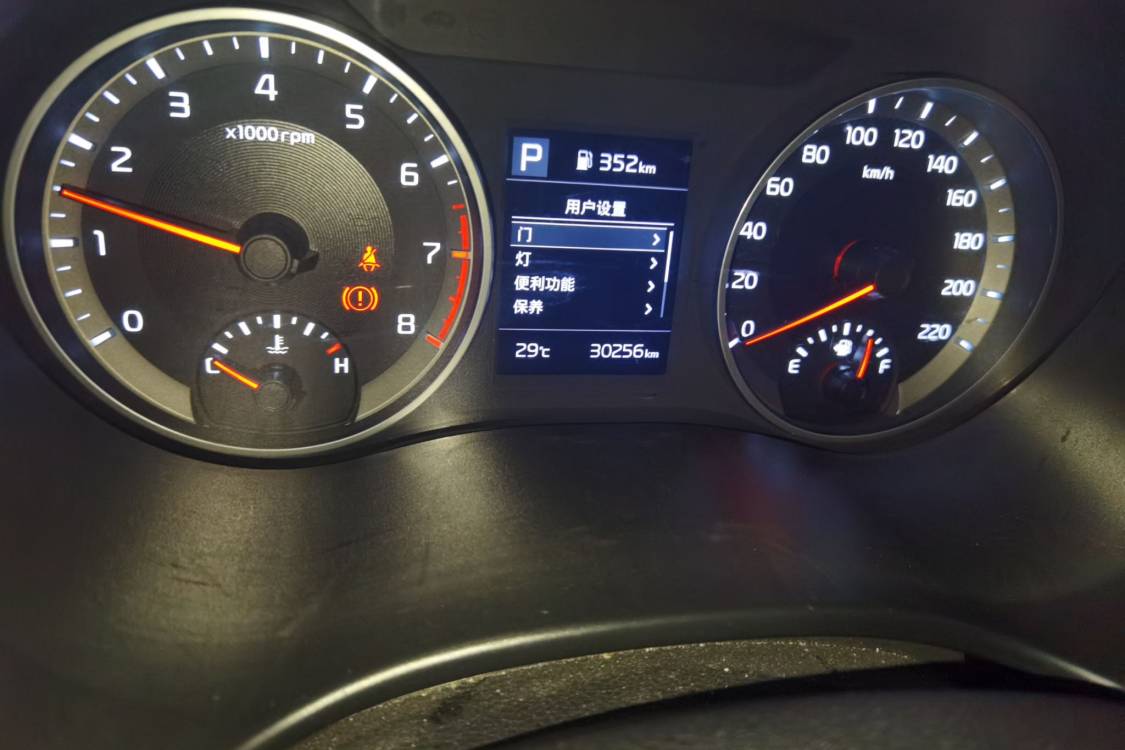
Mileage30,300km
Transfer Count1times
FuelGasoline
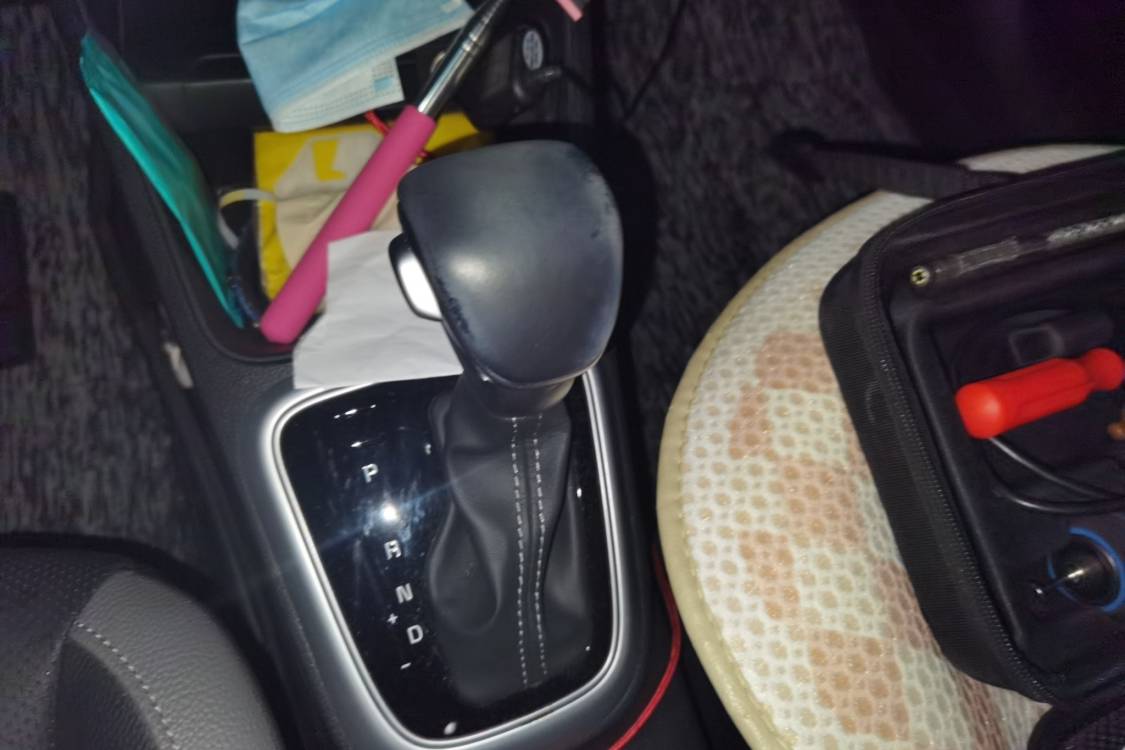
TransmissionManumatic
Engine1.4L 100 L4
ColorWhite
Seats-

Condition Description

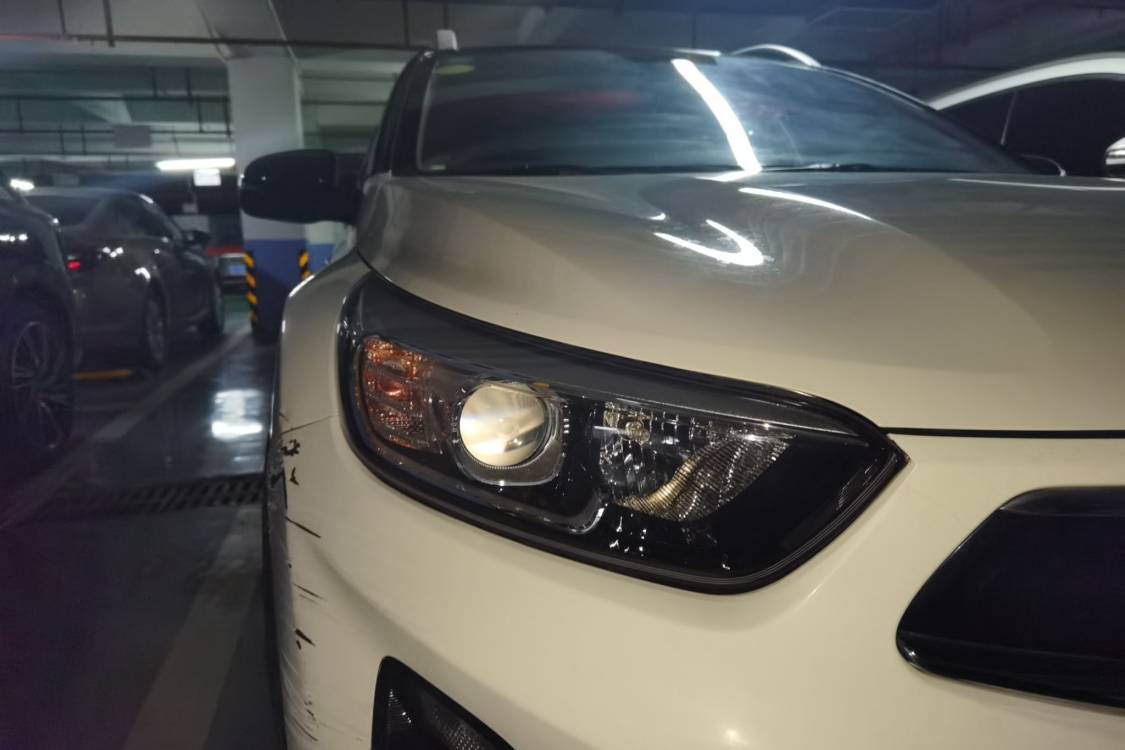
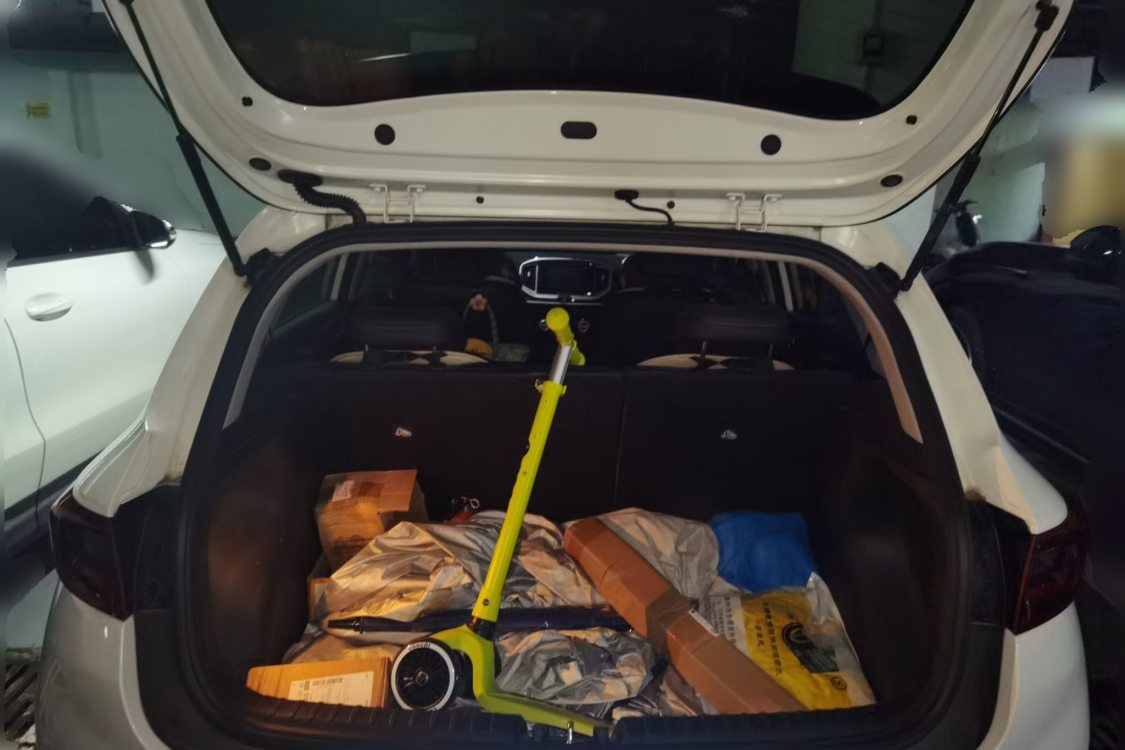
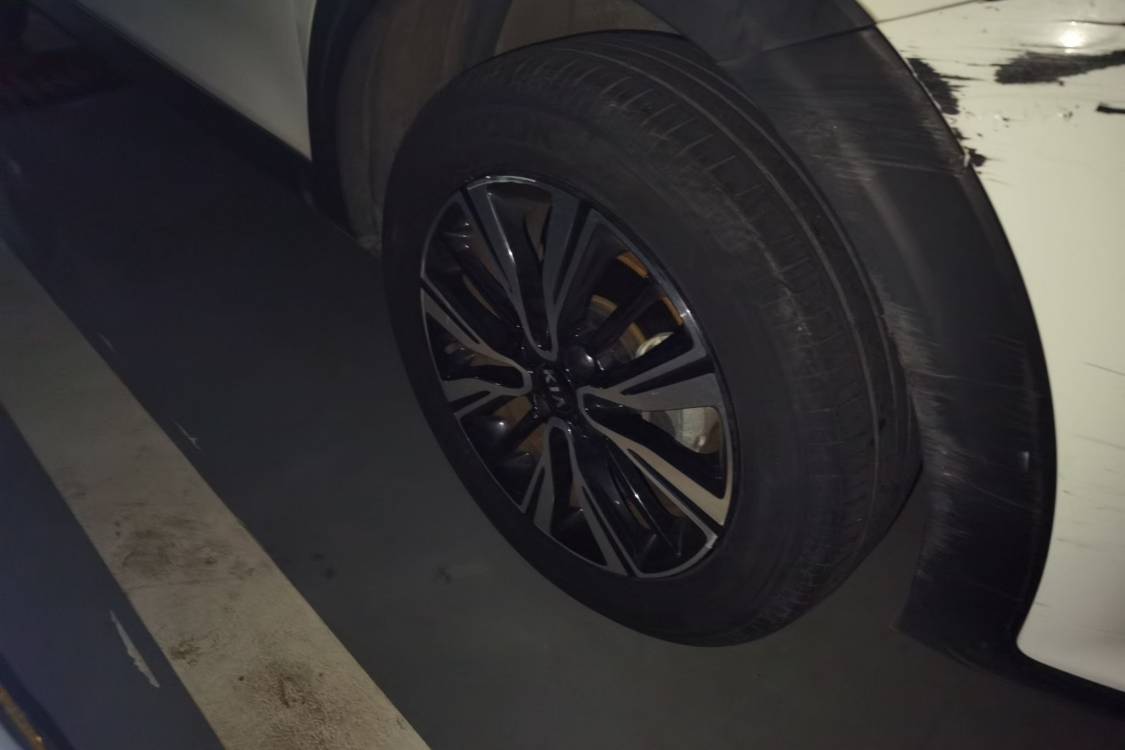
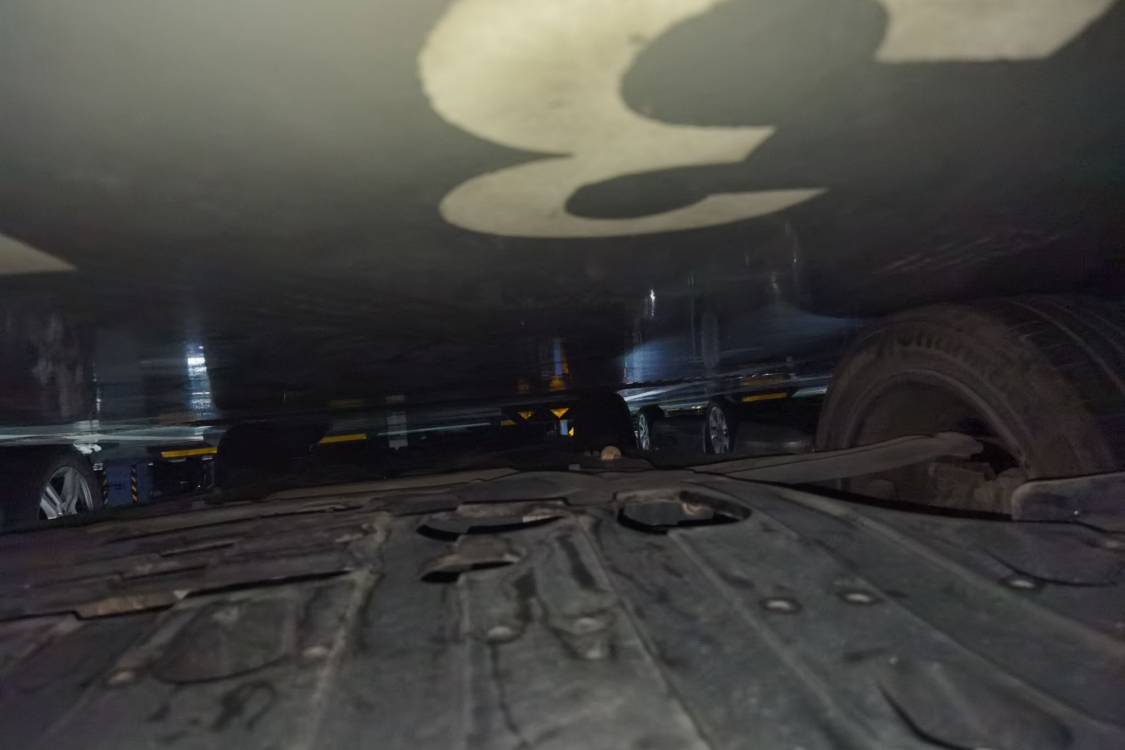
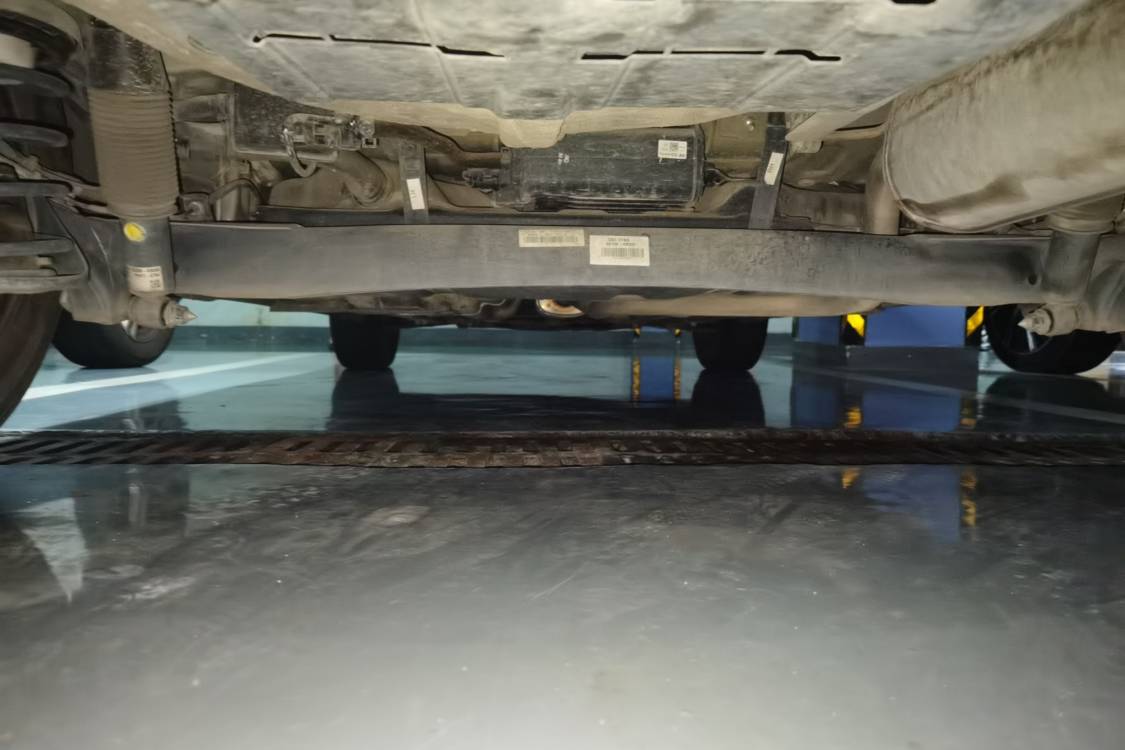
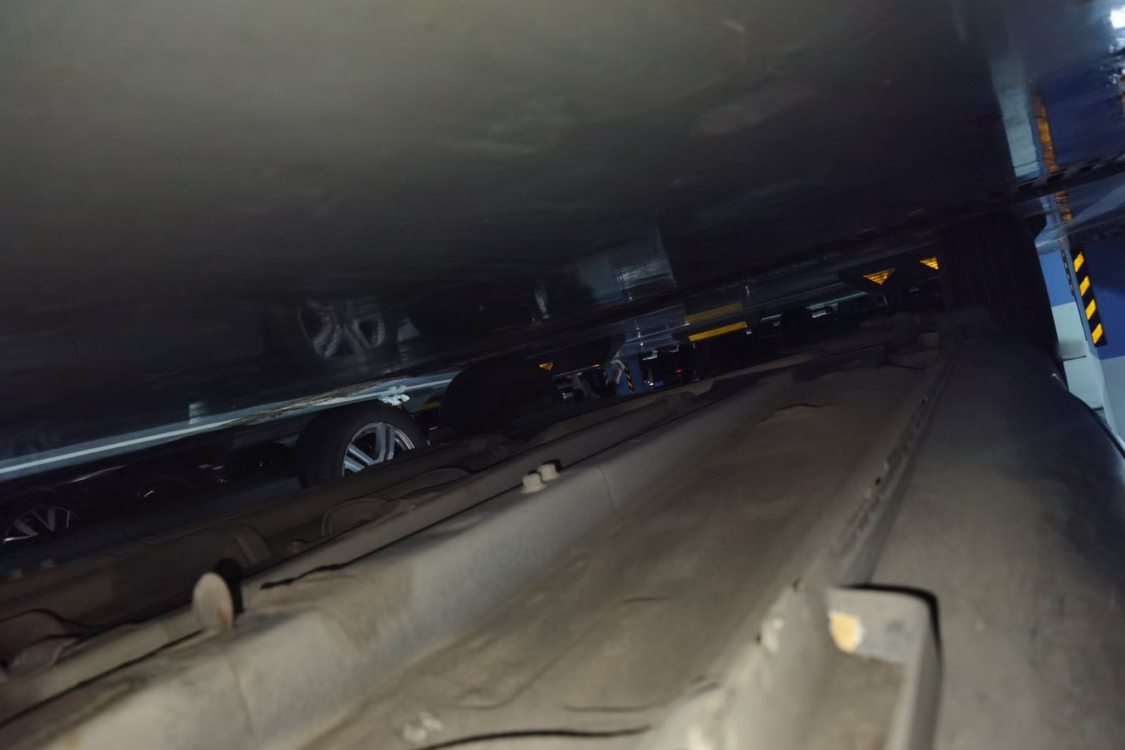
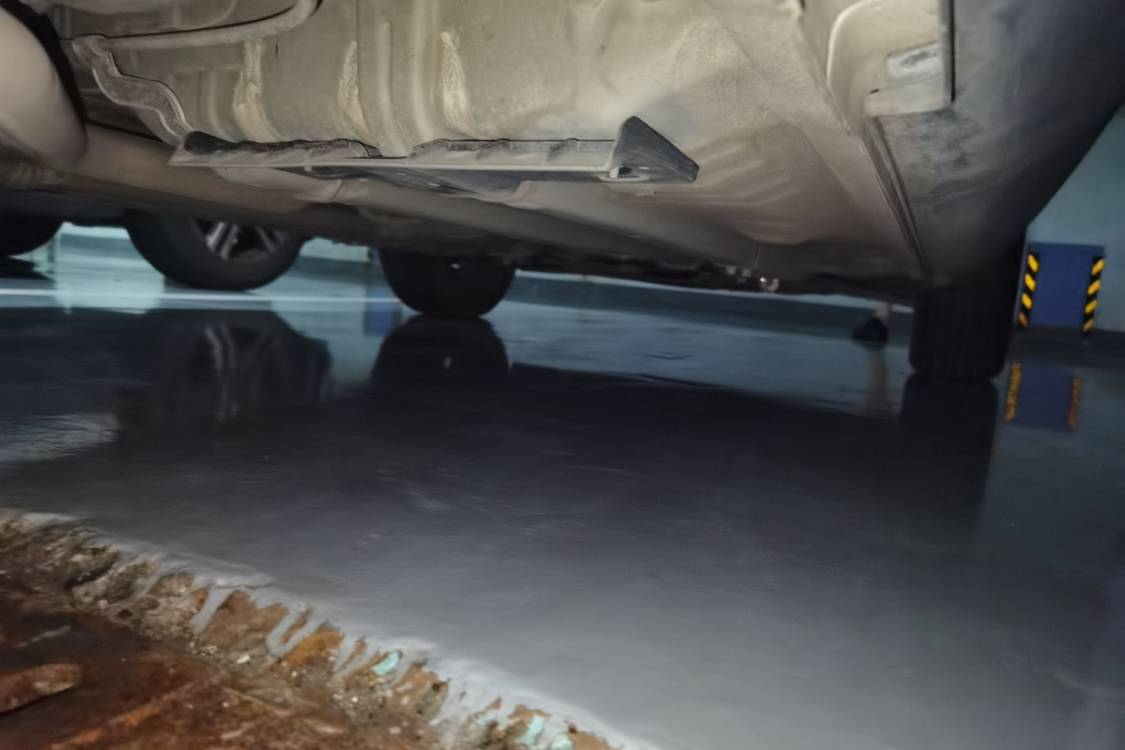
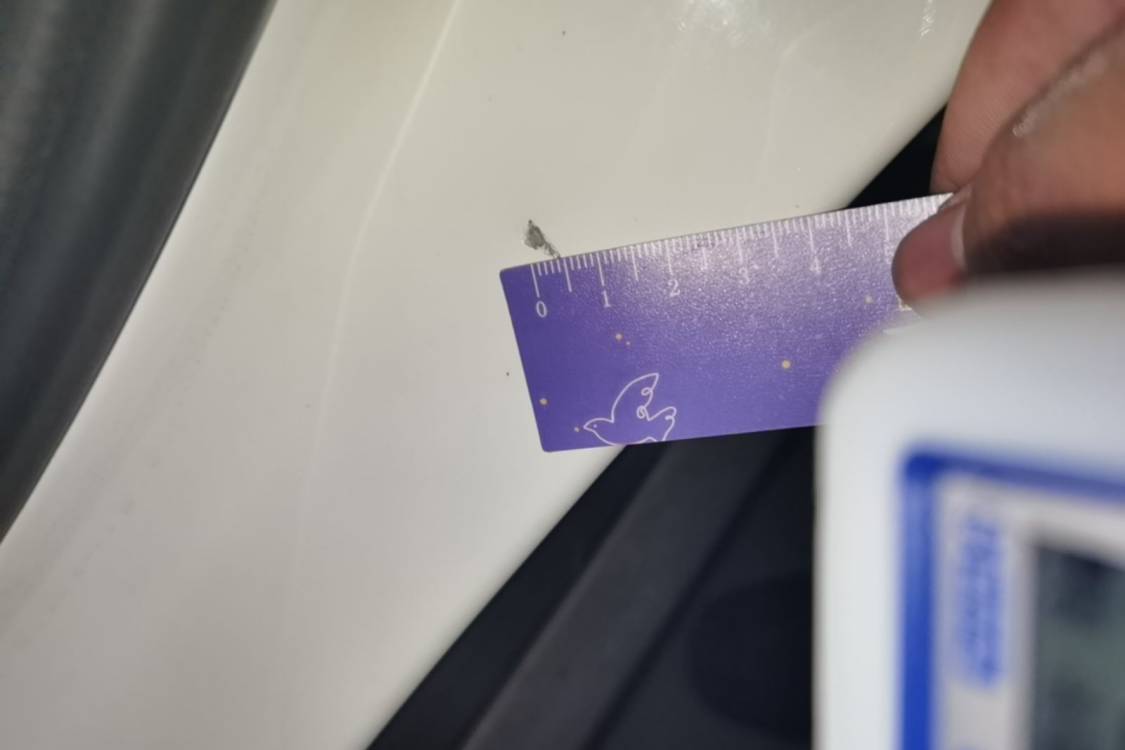
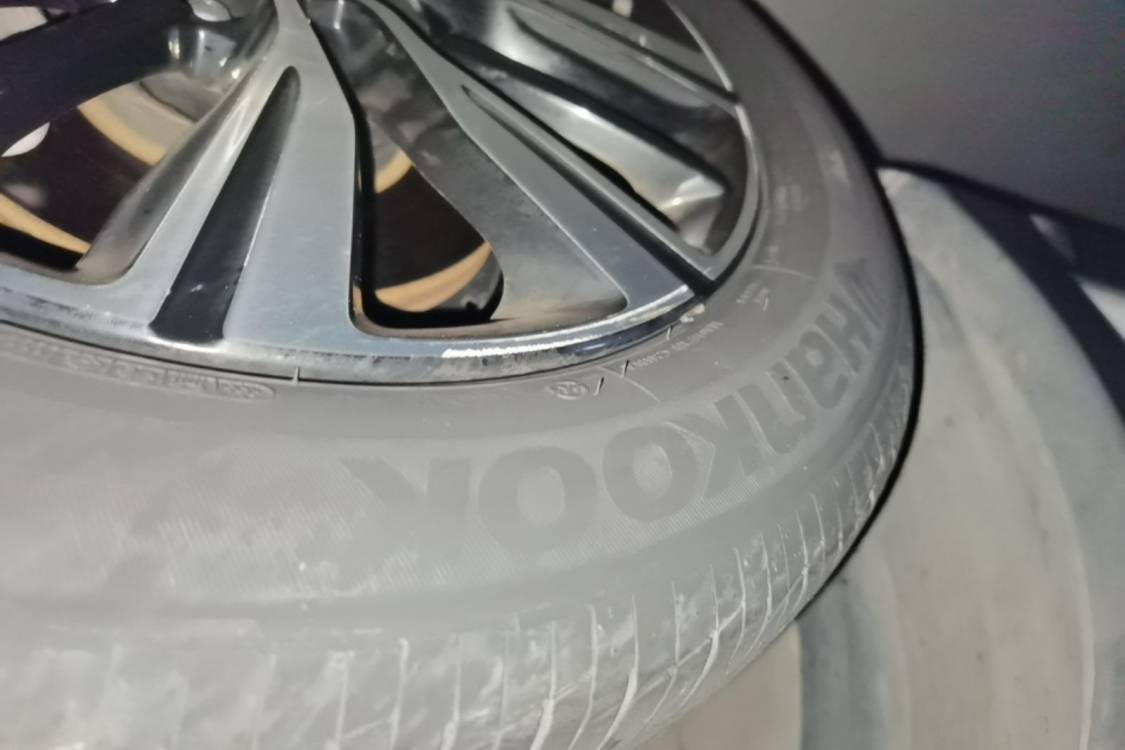
Localized body damage or repair marks present. No accident-related damage or repairs to structural or reinforcement components. Vehicle performance (including three-electric system) has degraded or is limited.

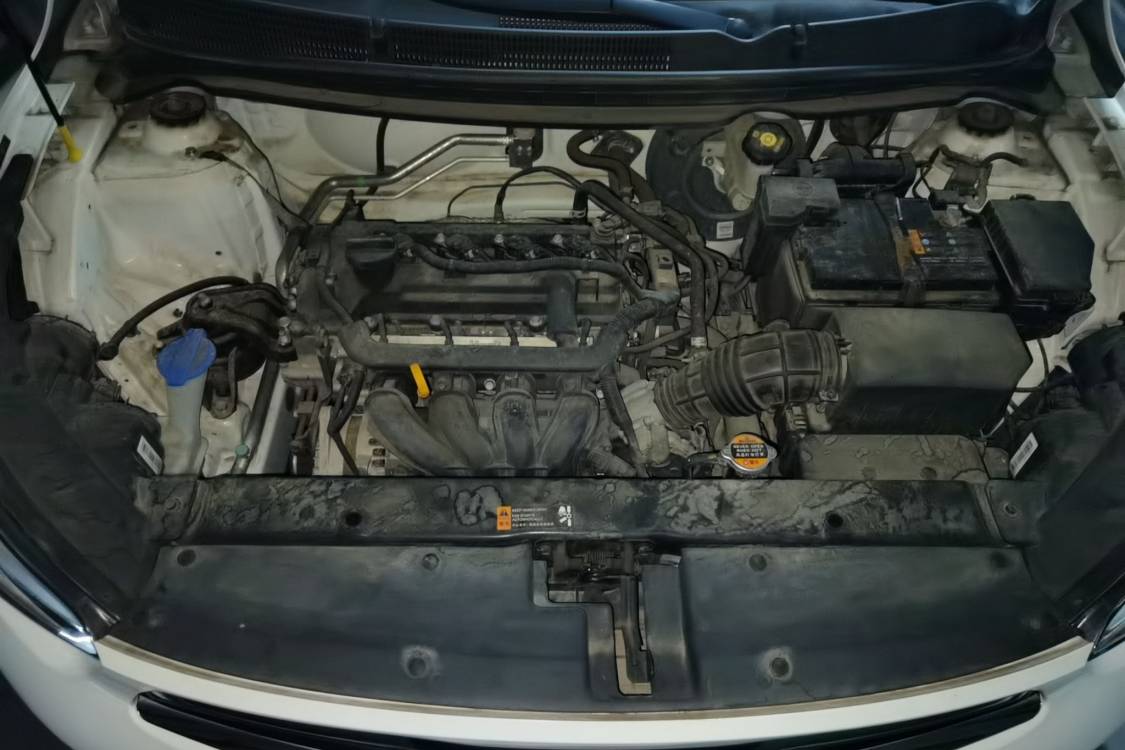
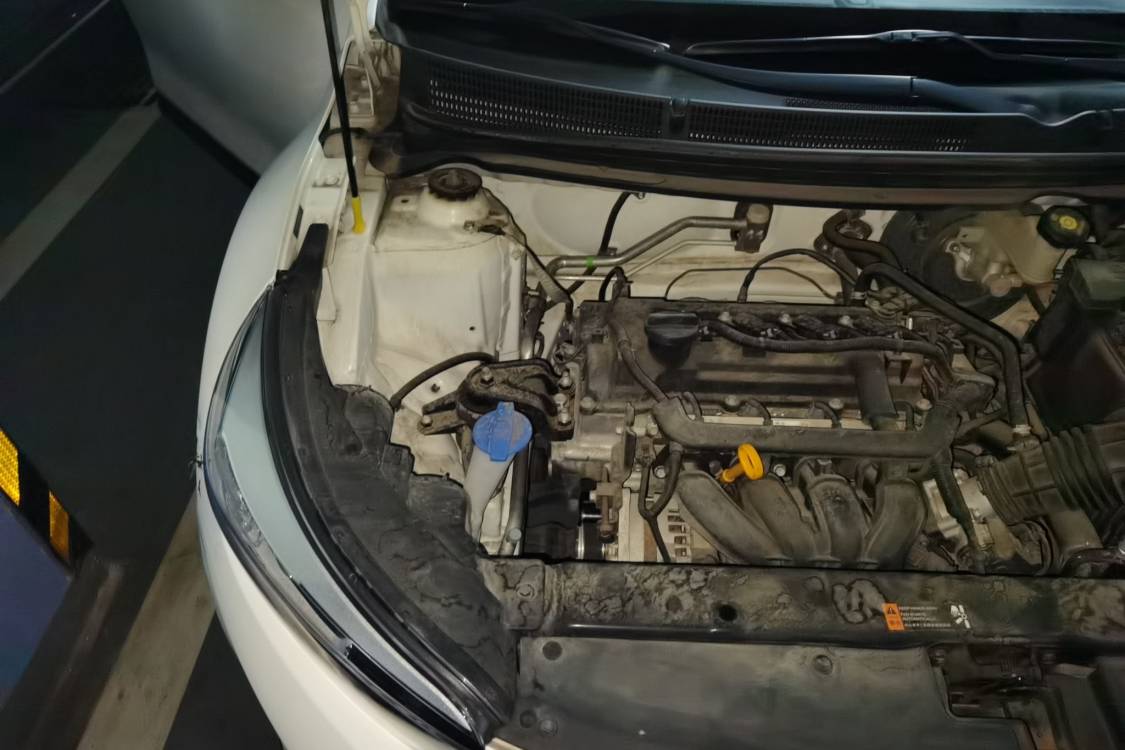
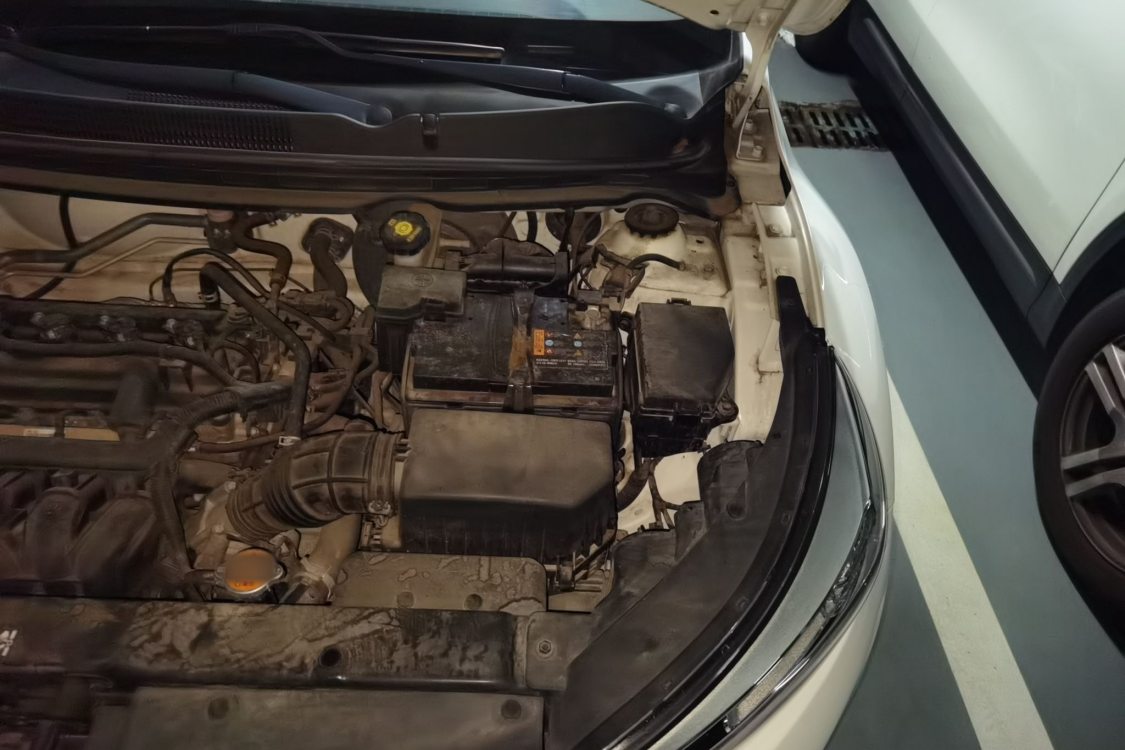
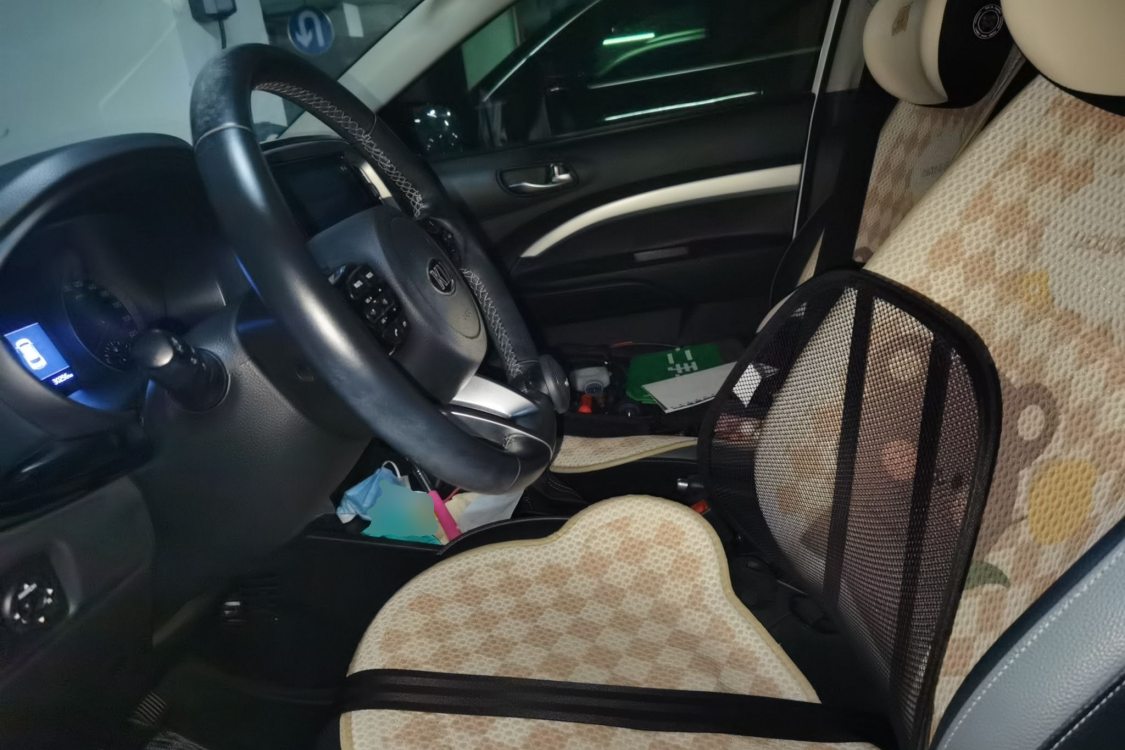
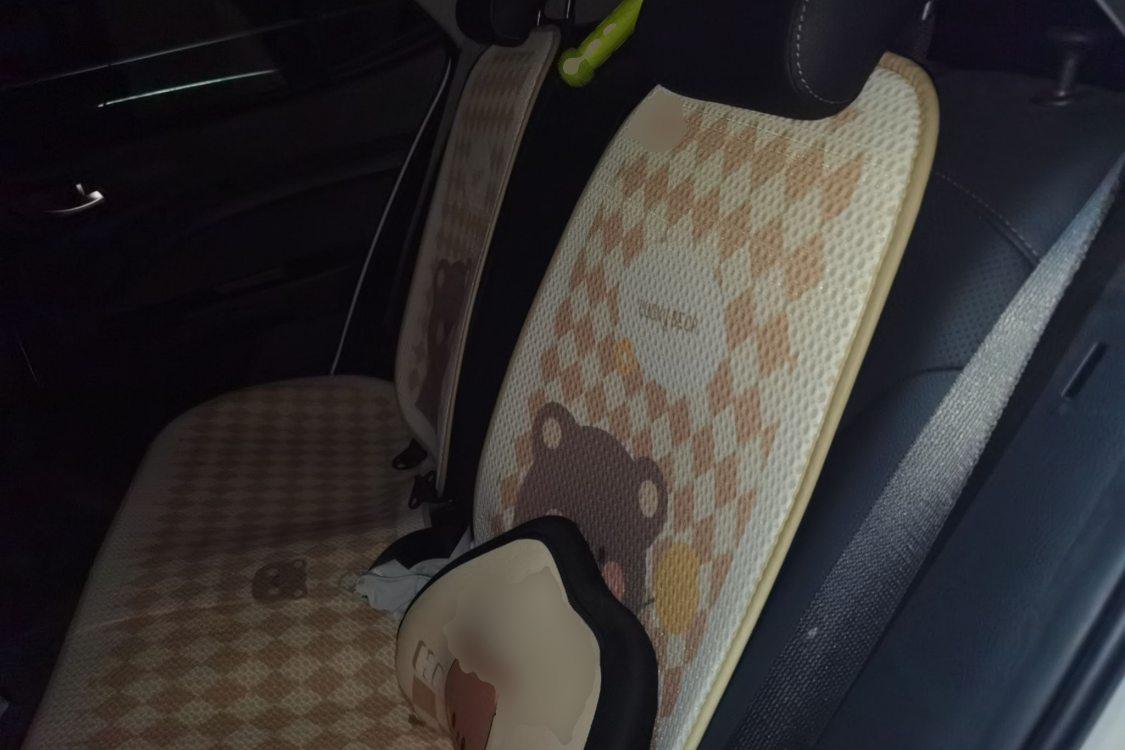
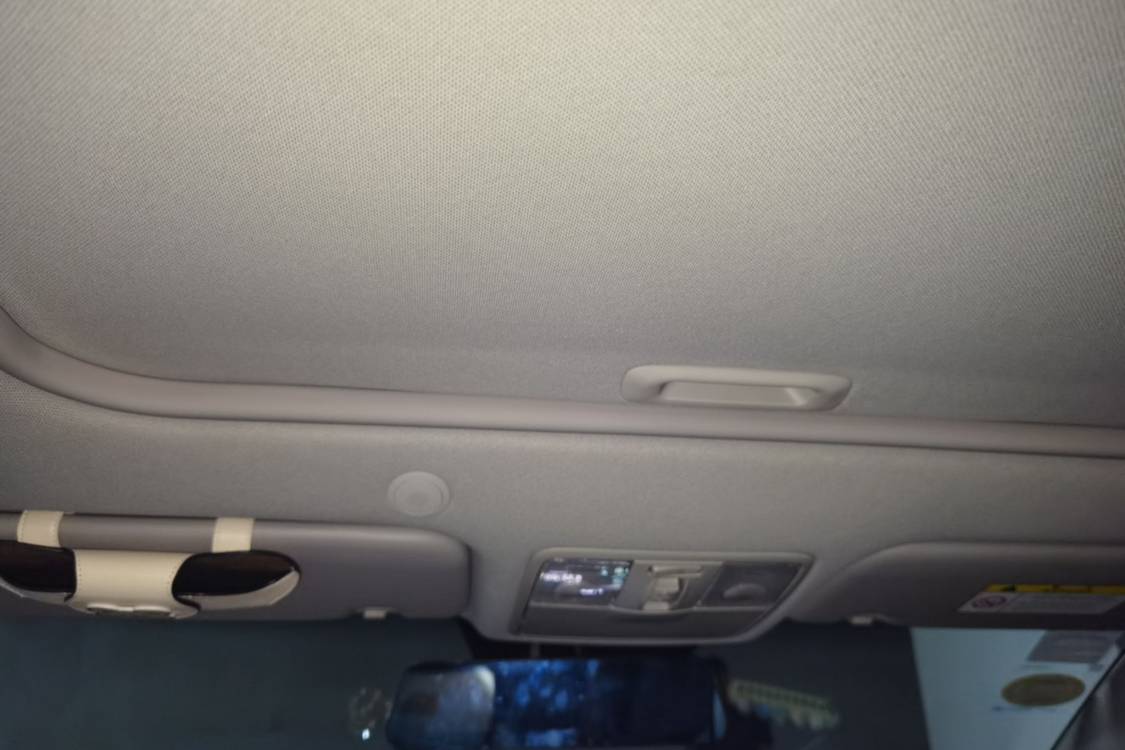
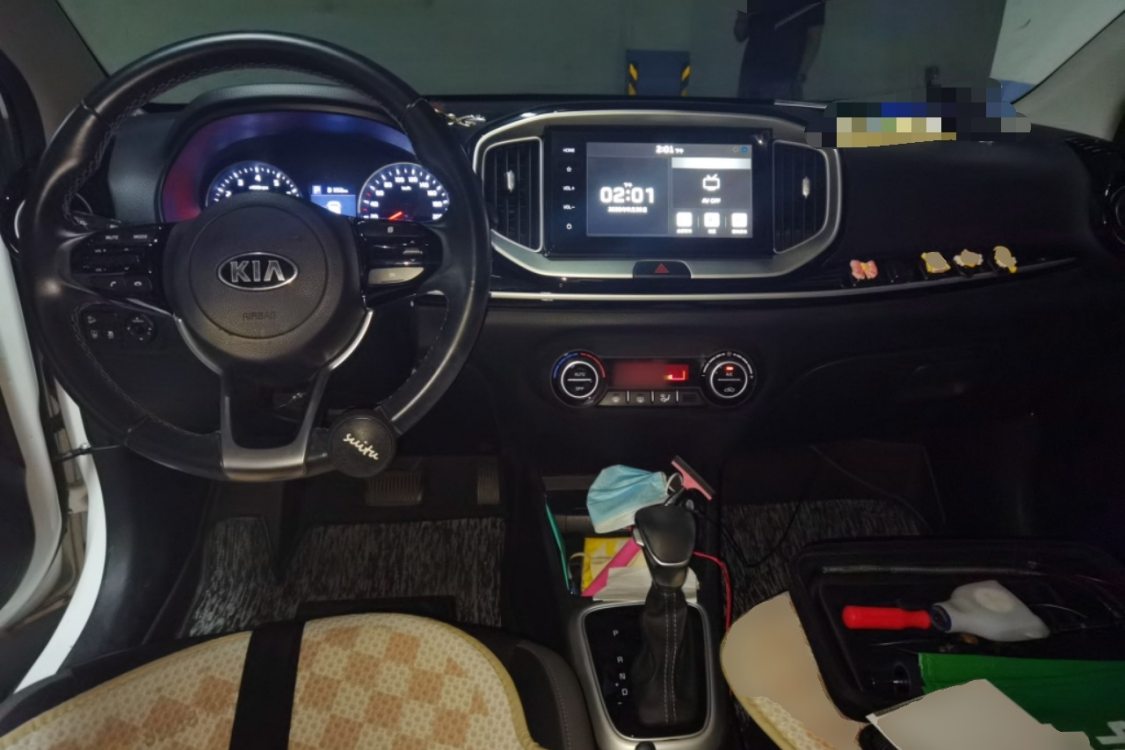
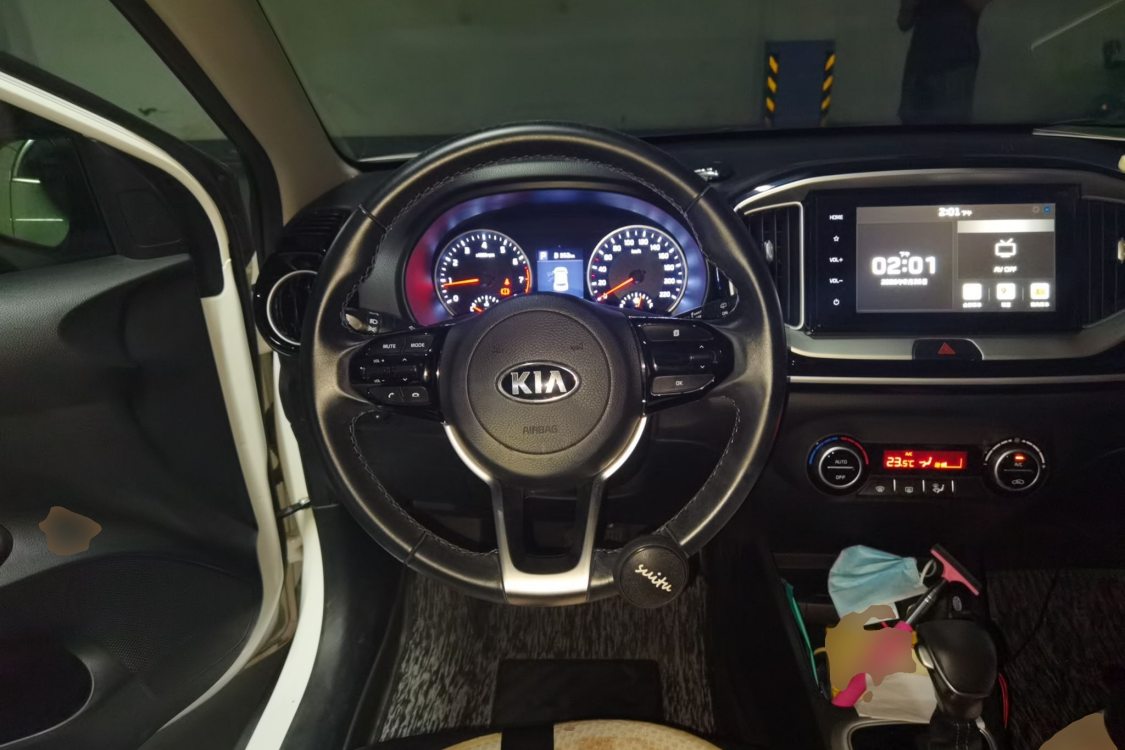
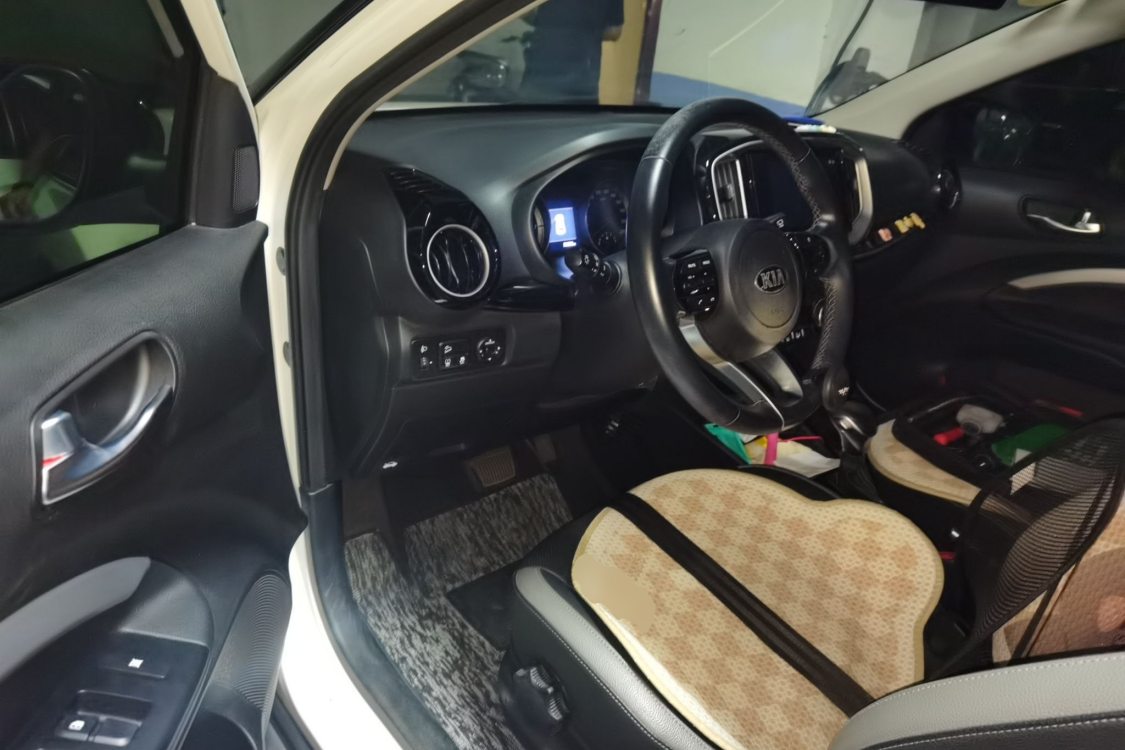
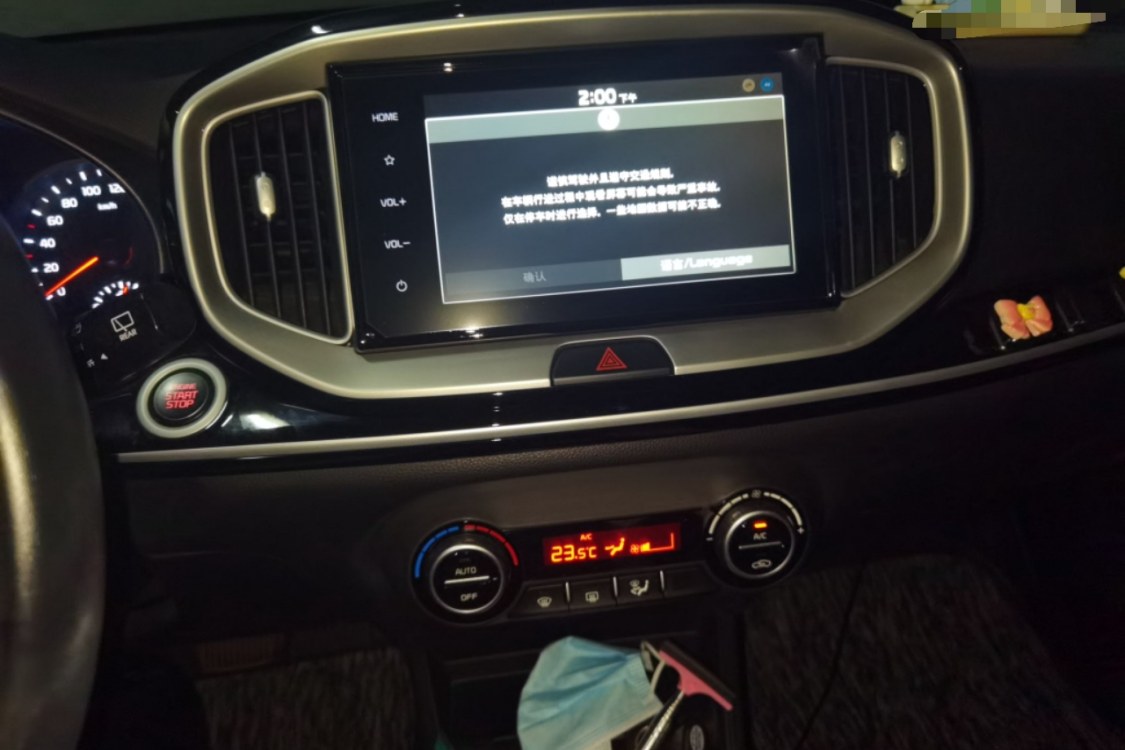
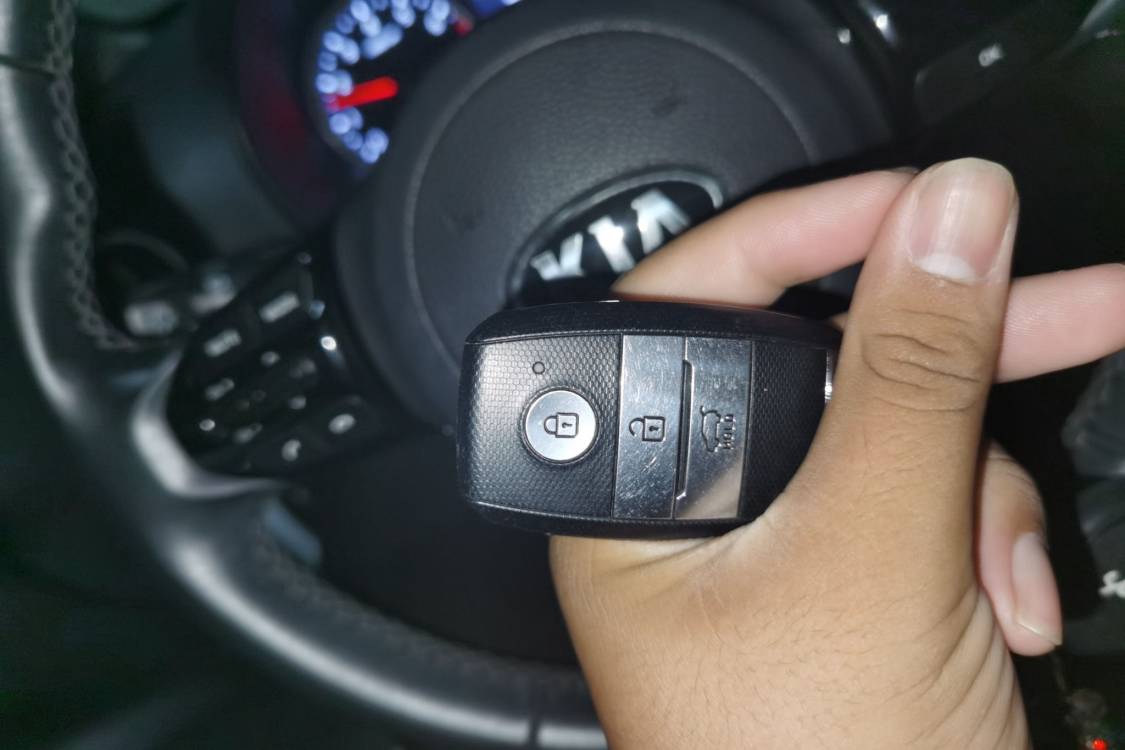
Accident inspection: main structure damaged, reinforcement parts undamaged, cover panels undamaged, hinges normal. Engine bay inspection: key mechanical components normal. Exterior: 1 area of sheet metal repair, 2 areas of repaint. Interior: most features normal, airbag inspection normal, seatbelts normal, dashboard normal, instrument cluster normal, lighting system normal. Startup inspection: main components normal. Tool kit: absent.

独家上新
电话直连
可讲价

Document Information

Inspection Expiry Date2027/08
Warranty Expiry Date-
Insurance Expiry Date2027/08

Q&A

More

If the record of a vehicle's first maintenance is missing from the system, how do you determine its early wear condition?

Many car owners do not have their first maintenance done at authorized dealerships, leading to gaps in early data. In such cases, we do not blindly trust the odometer; instead, we analyze the tire production dates and wear levels, as well as the depth of grooves on the brake disc edges, using the "gold standard" of physical wear to infer the intensity of early use.

Before shipping, have all traffic violation records for the vehicle in China been cleared?

100% guaranteed. This is the legal prerequisite for the export of used cars allowed by Chinese customs and the Ministry of Commerce. Any vehicle with unresolved traffic violations (fines/demerits) cannot complete the deregistration process at the traffic management bureau, and therefore cannot obtain a legal export license.

Is China's "National VI B" emission standard equivalent to Europe's Euro VI standard?

From a technical perspective, China's "National VI B (China VI-b)" is one of the strictest emission standards globally, with limits on carbon monoxide, nitrogen oxides, and particulate matter that are even stricter than some of Europe's Euro VI standards. However, the two are not legally recognized by each other, depending on your country's import regulations.