


24H

Basic Information

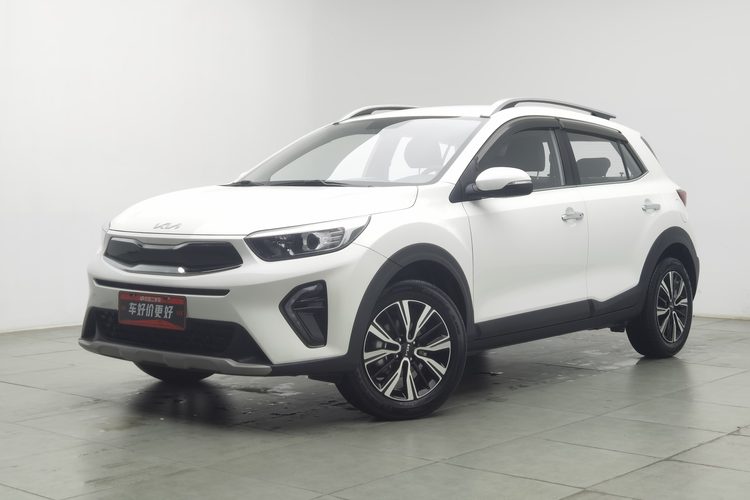
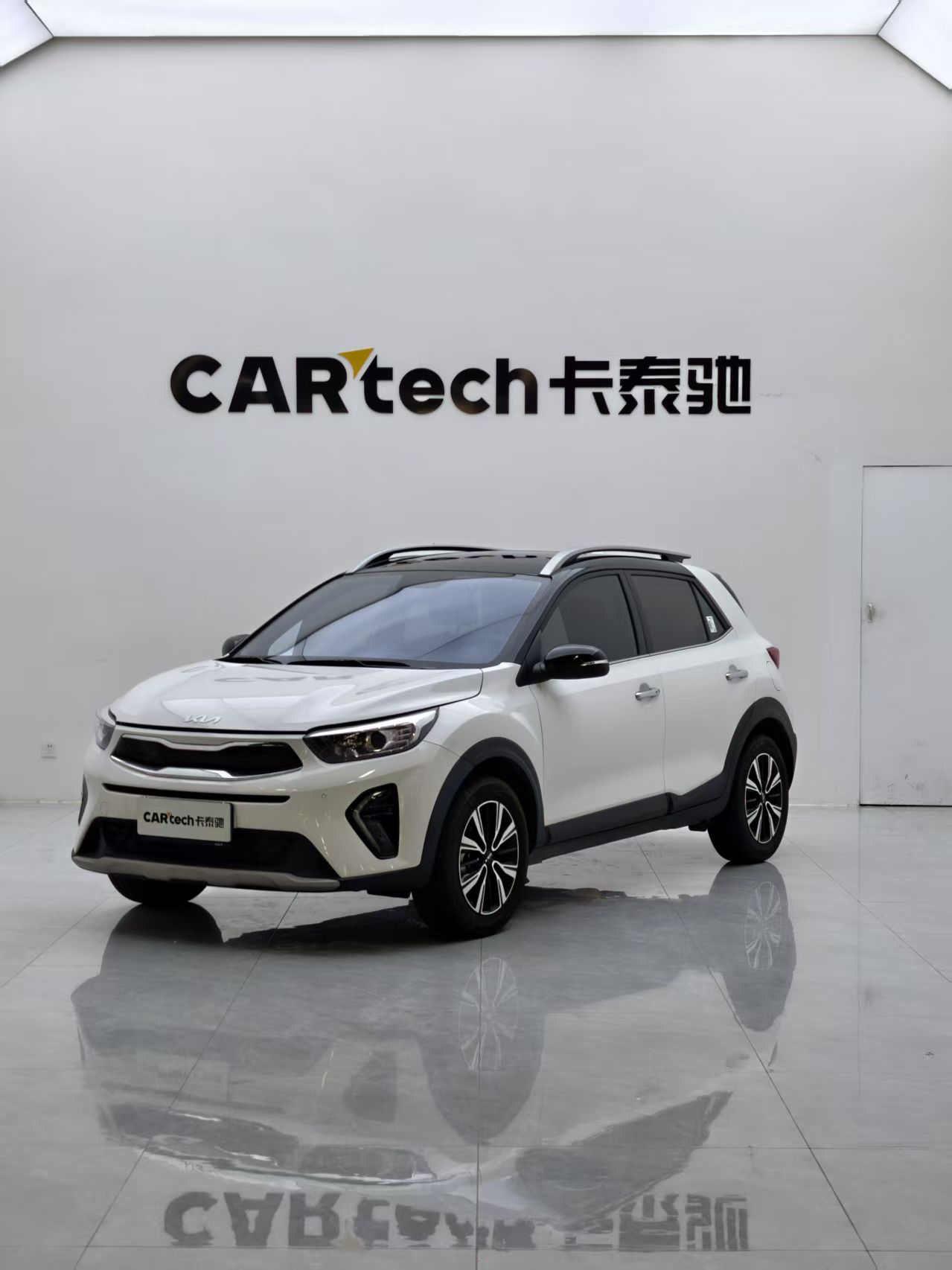
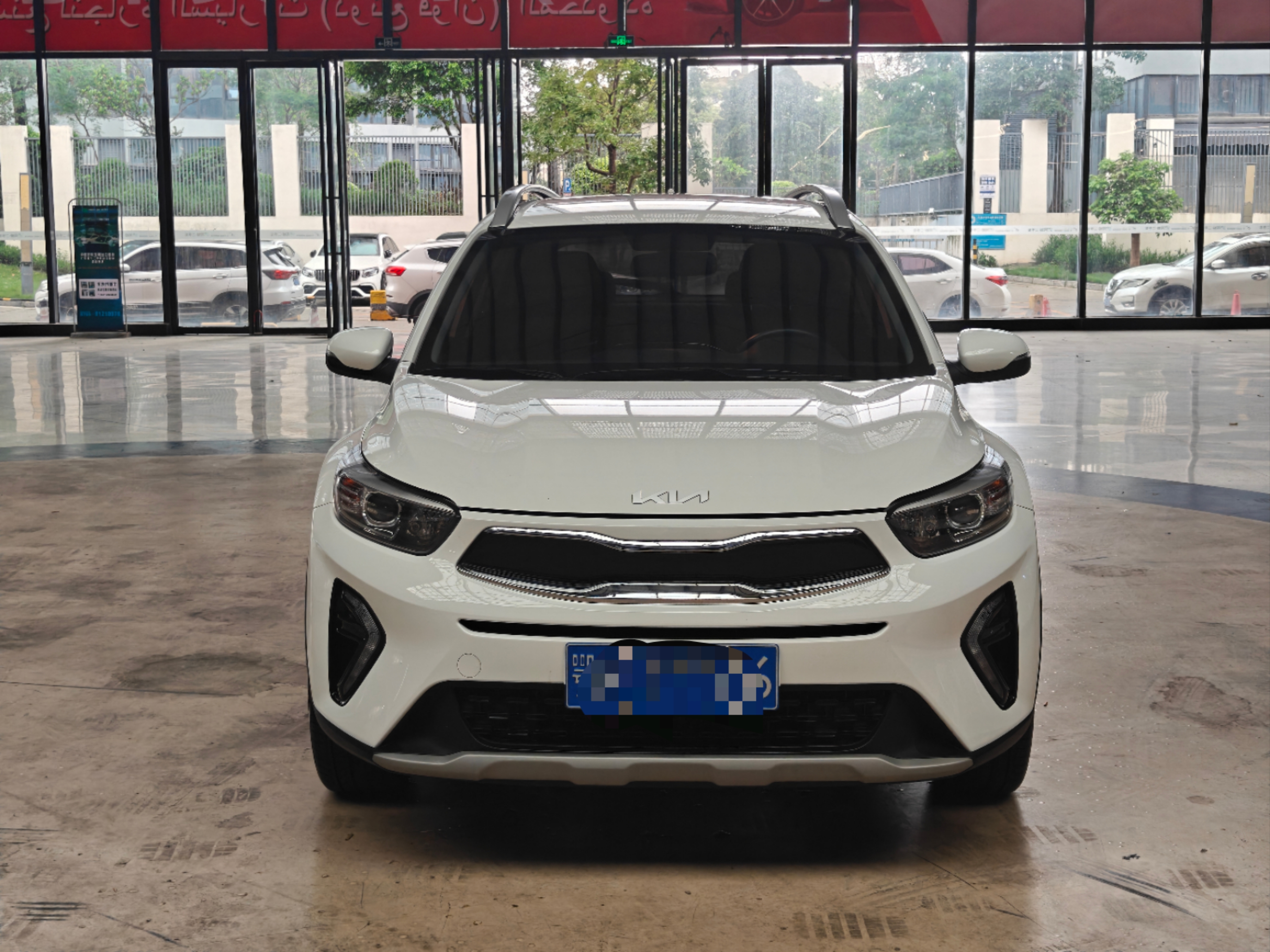
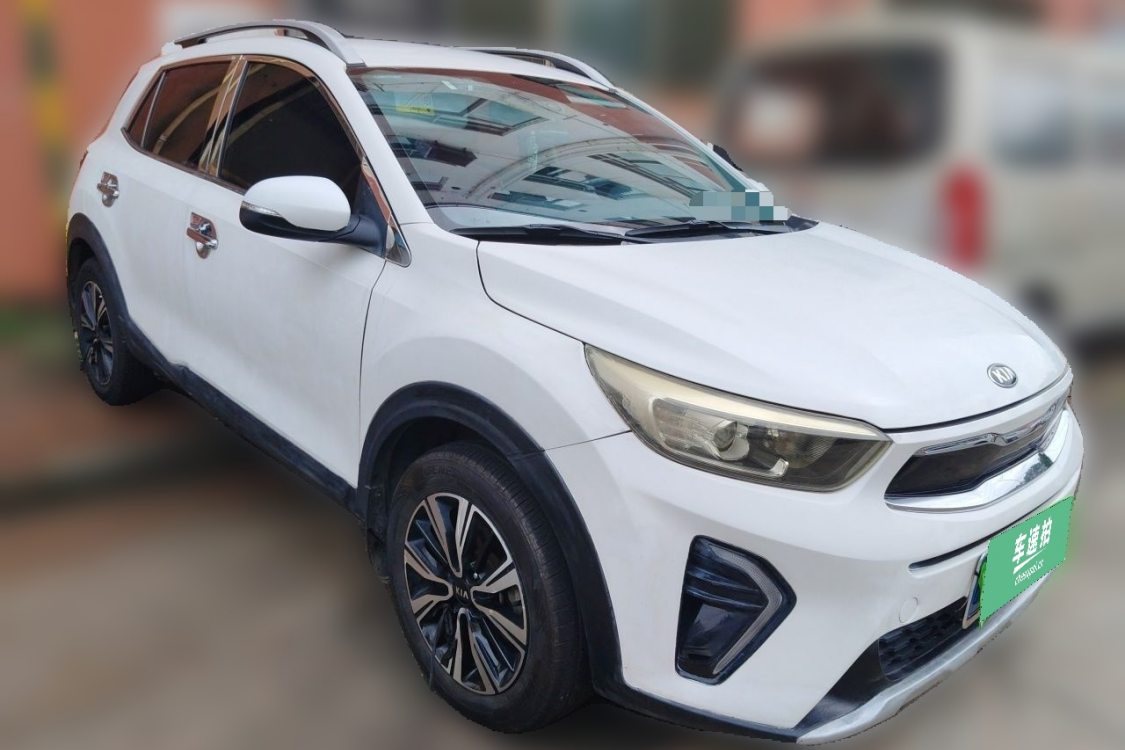
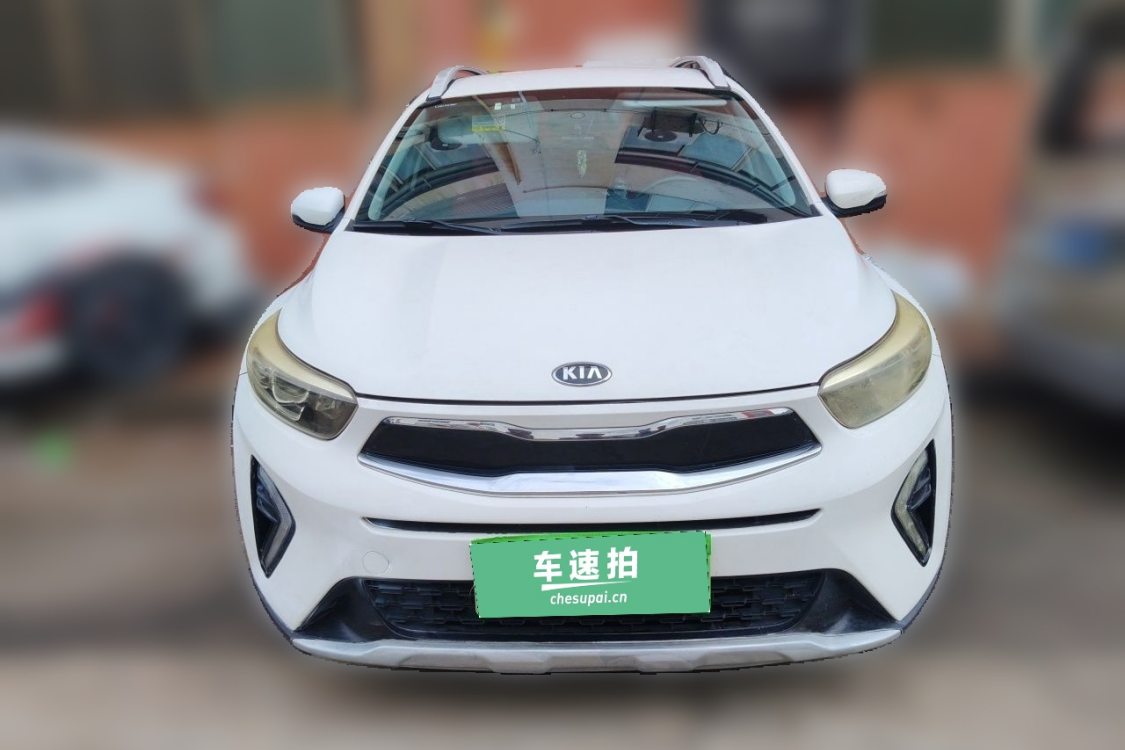
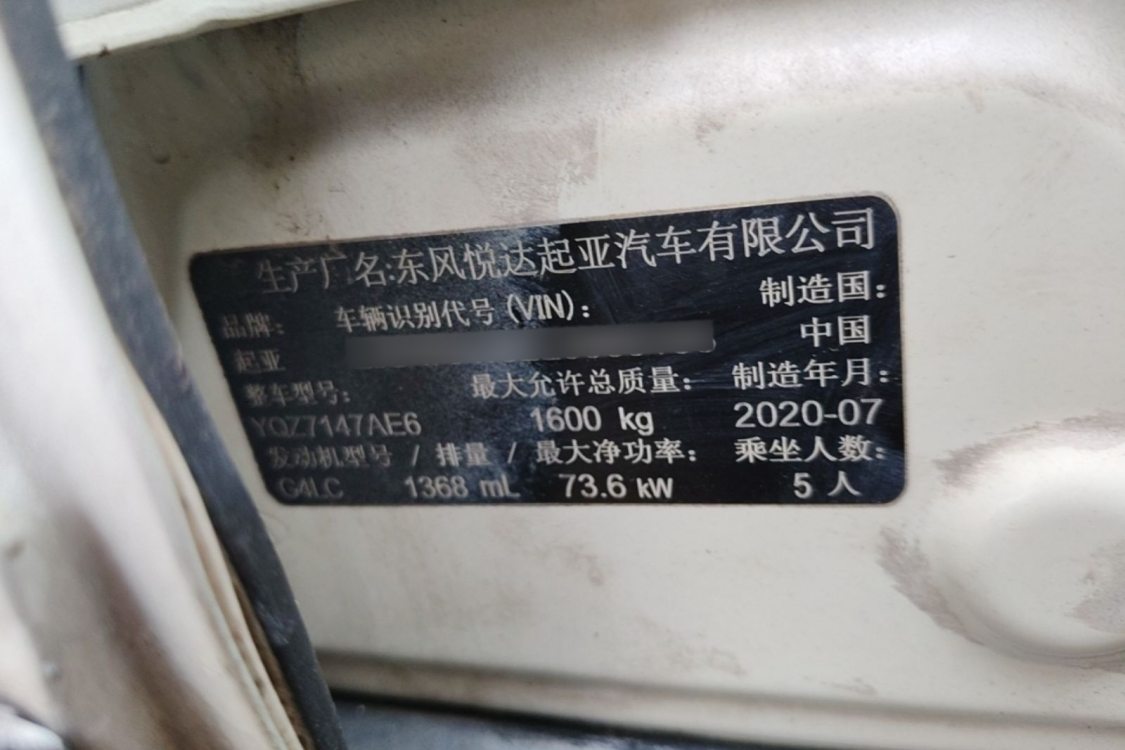
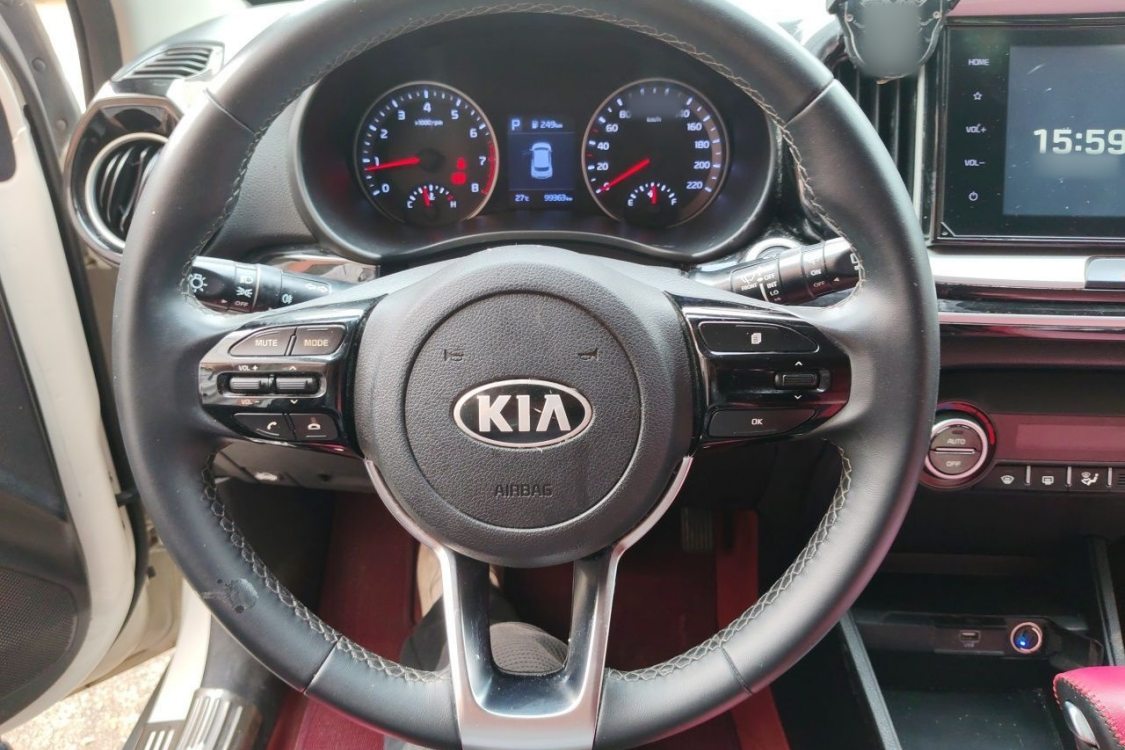
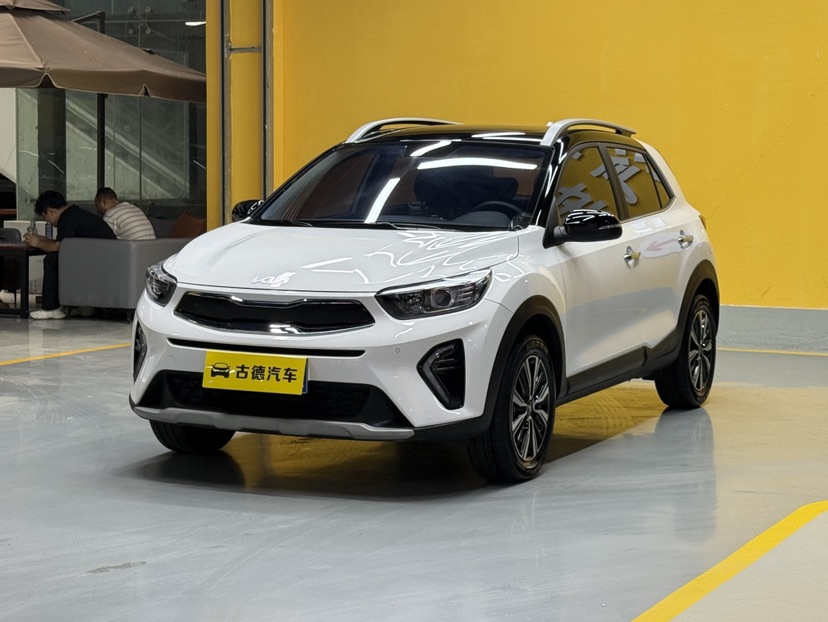
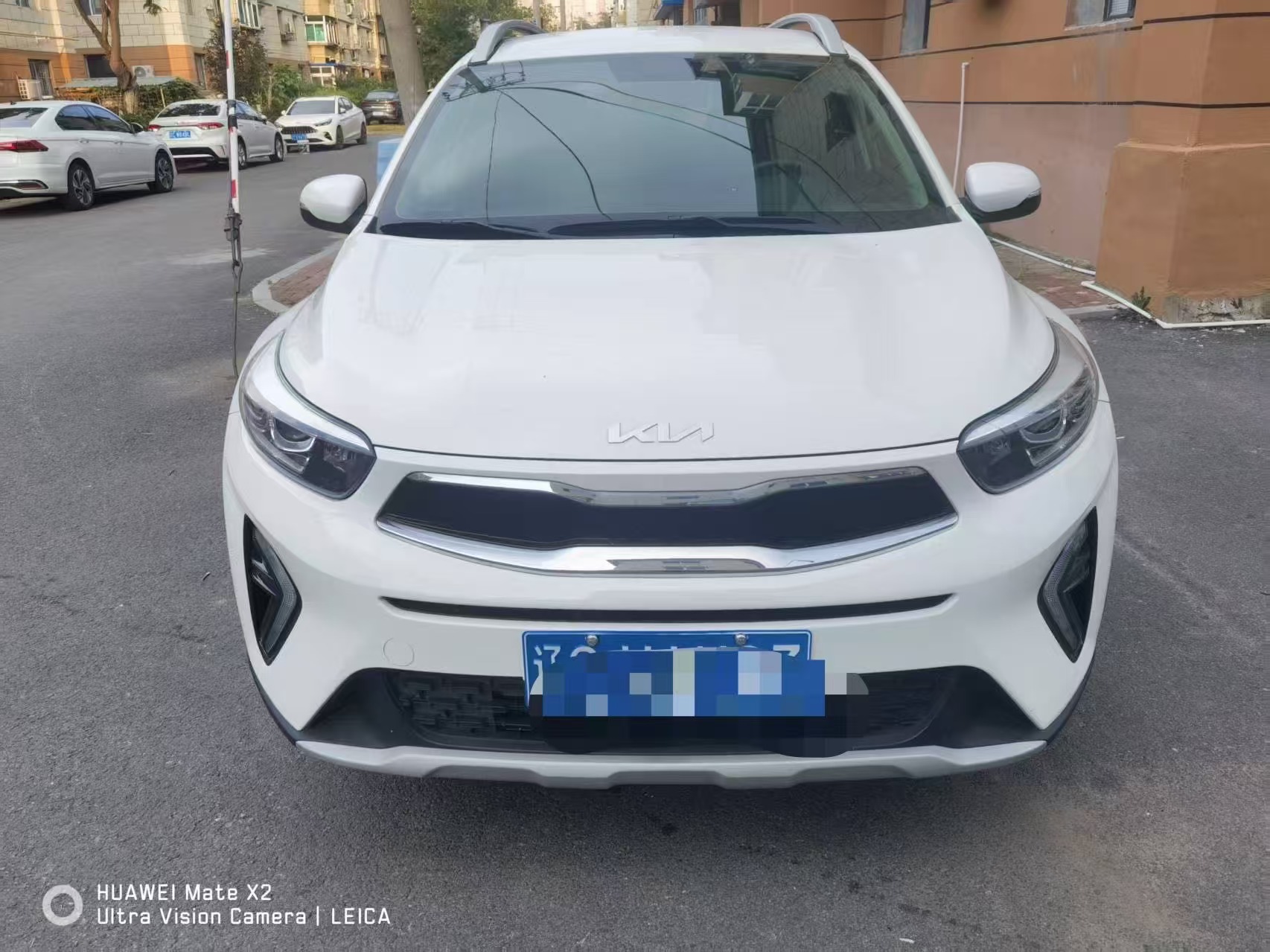
BrandKia
SeriesKX1
Year2020
First Registration2020/08
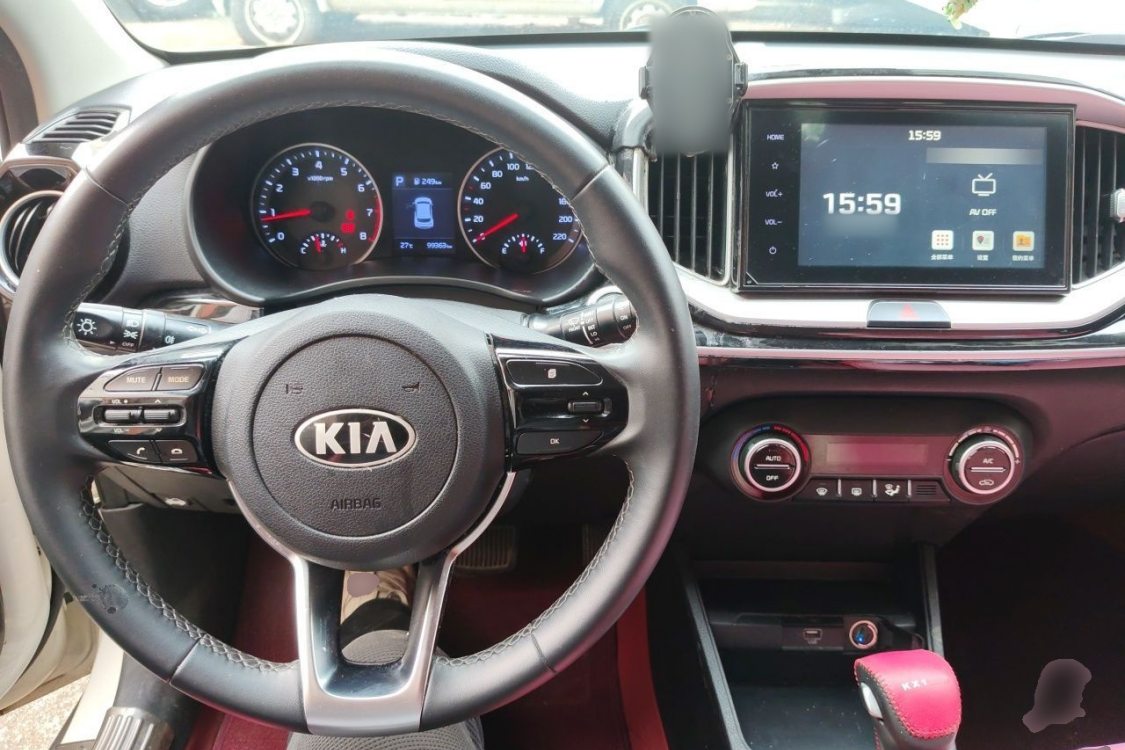
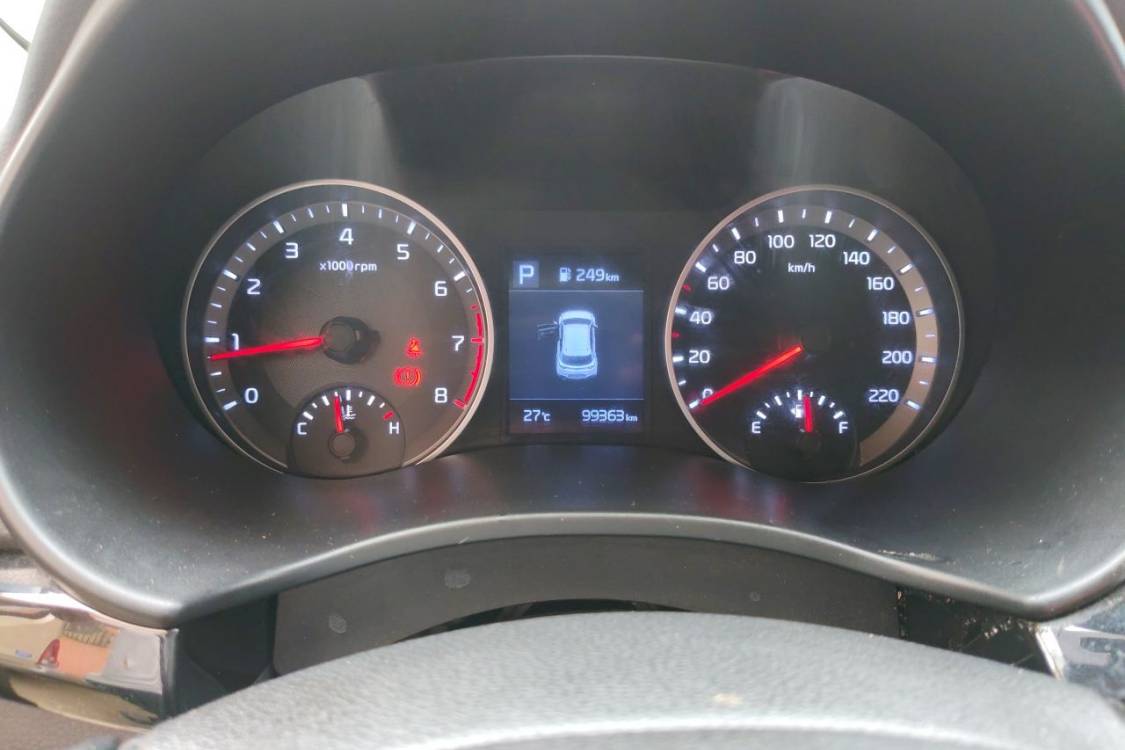
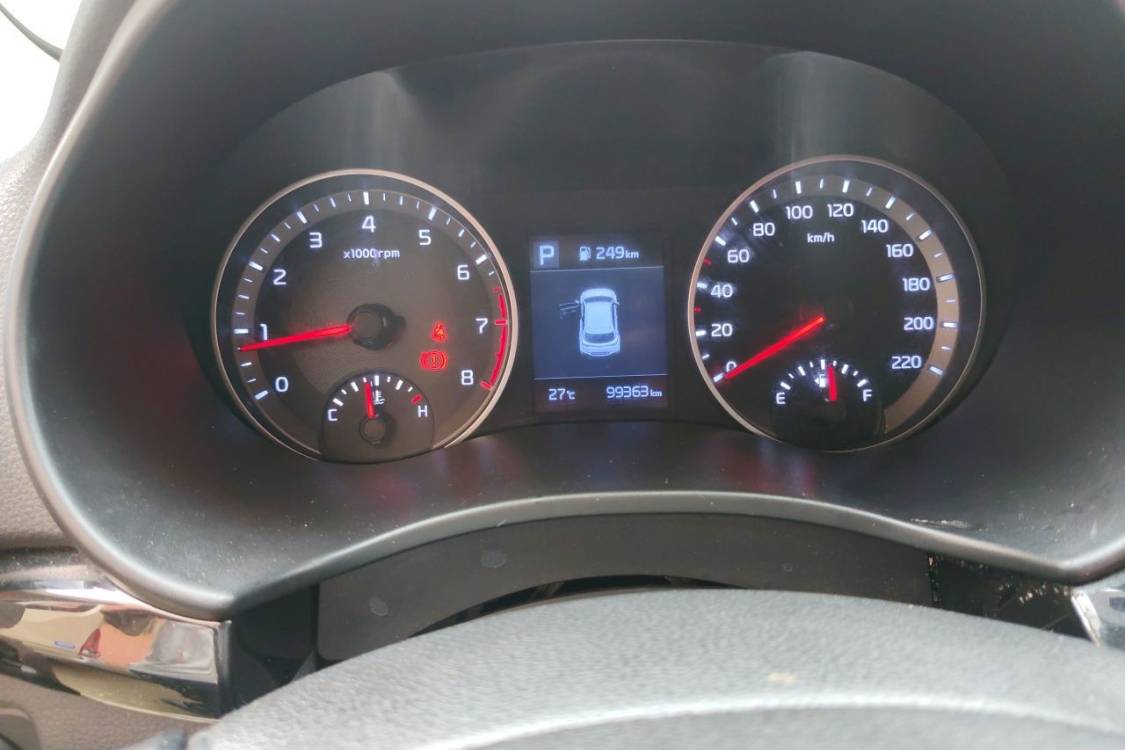
Mileage99,300km
Transfer Count-
FuelGasoline
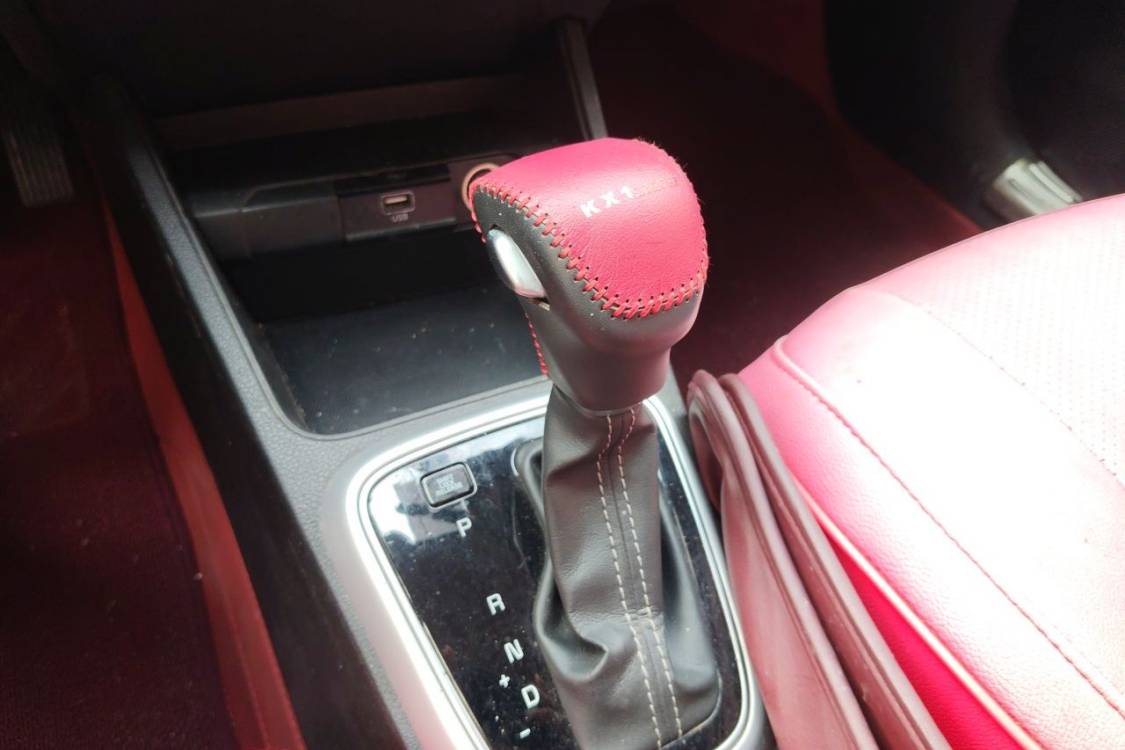
TransmissionManumatic
Engine1.4L 100 L4
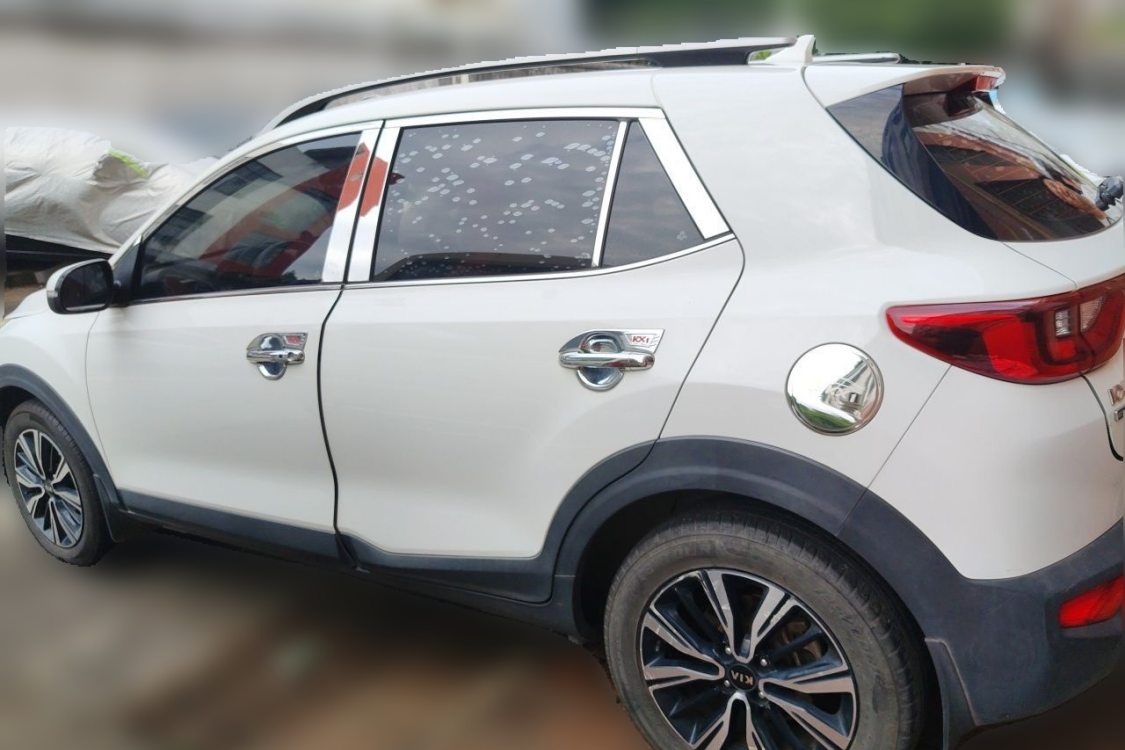
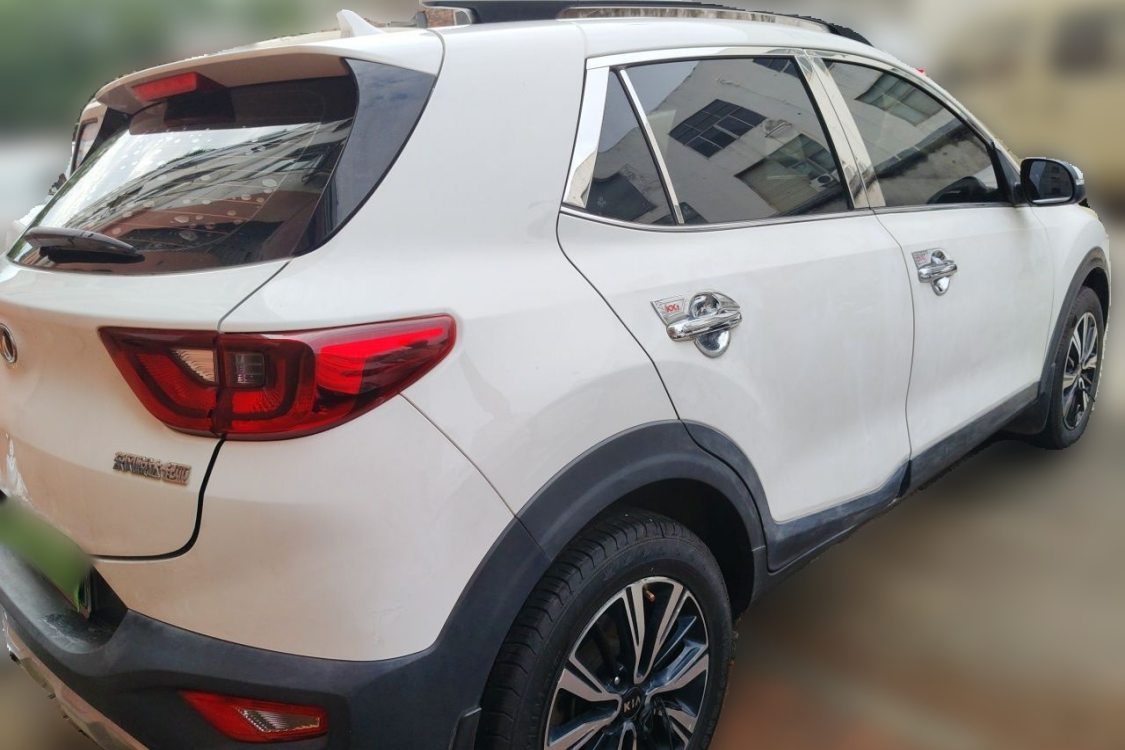
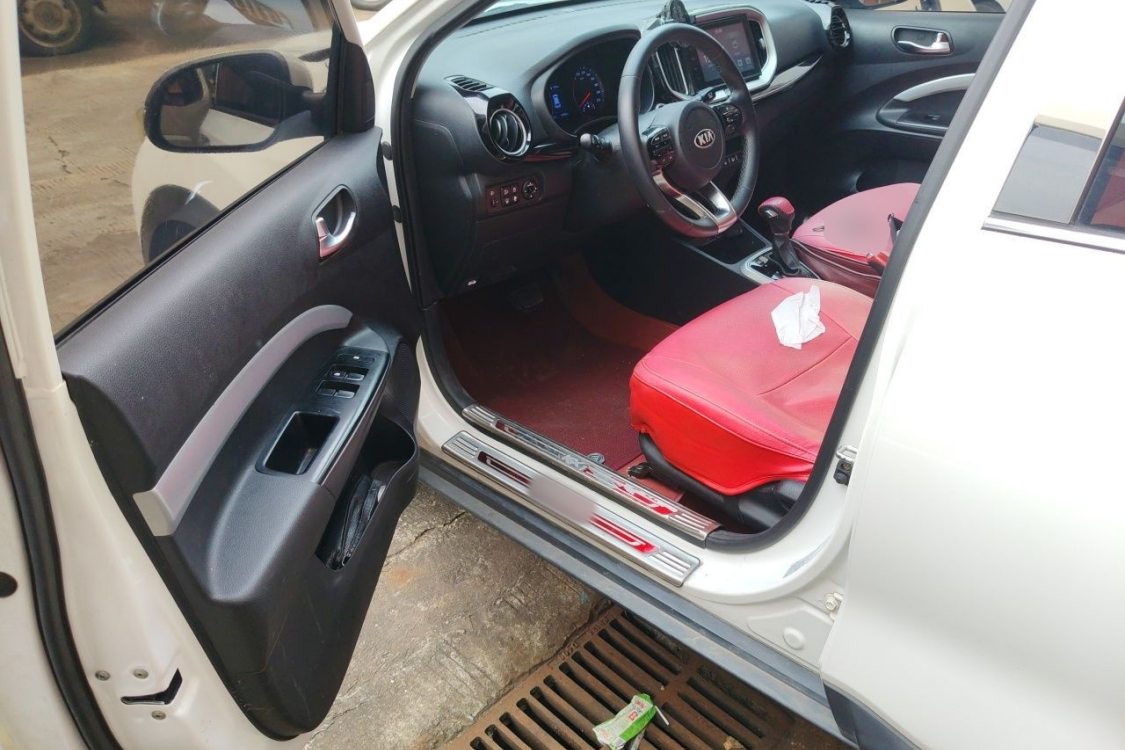
ColorWhite
Seats-

Condition Description

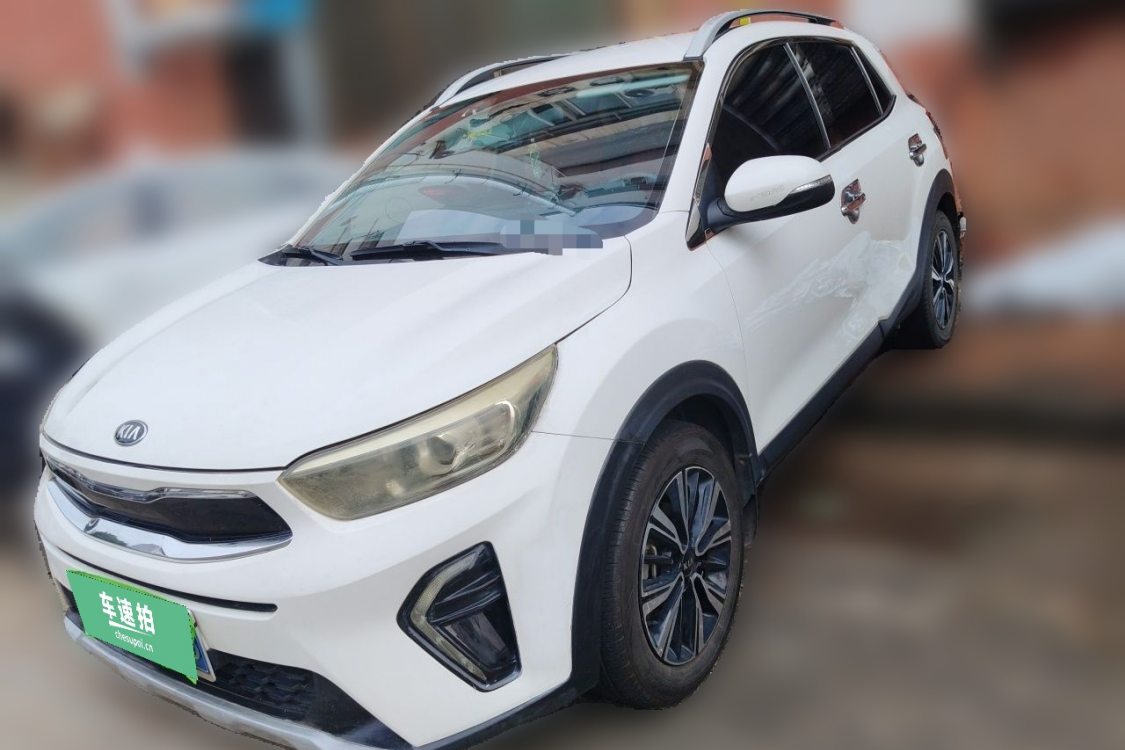
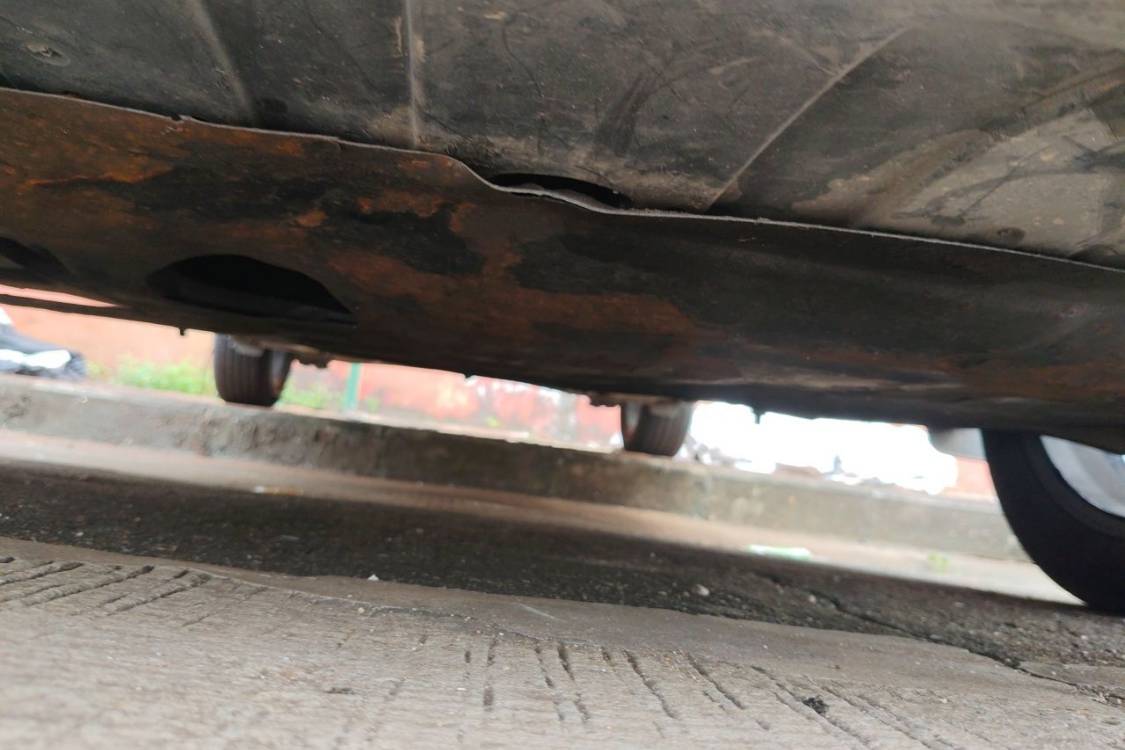
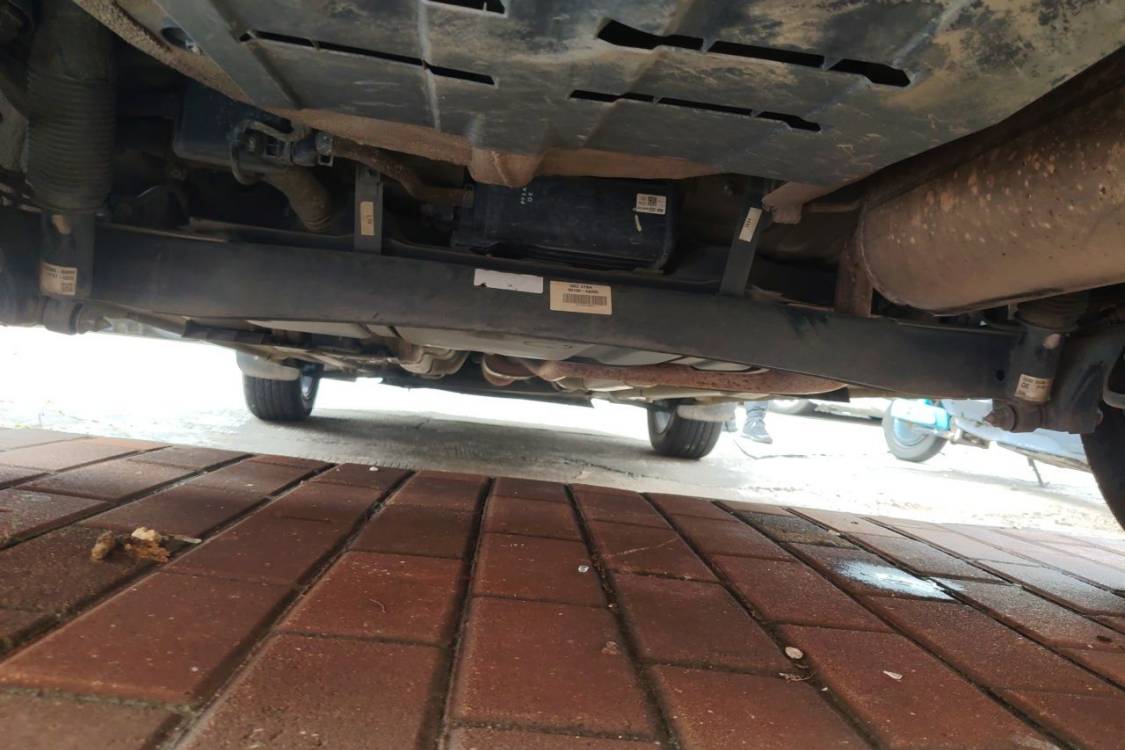
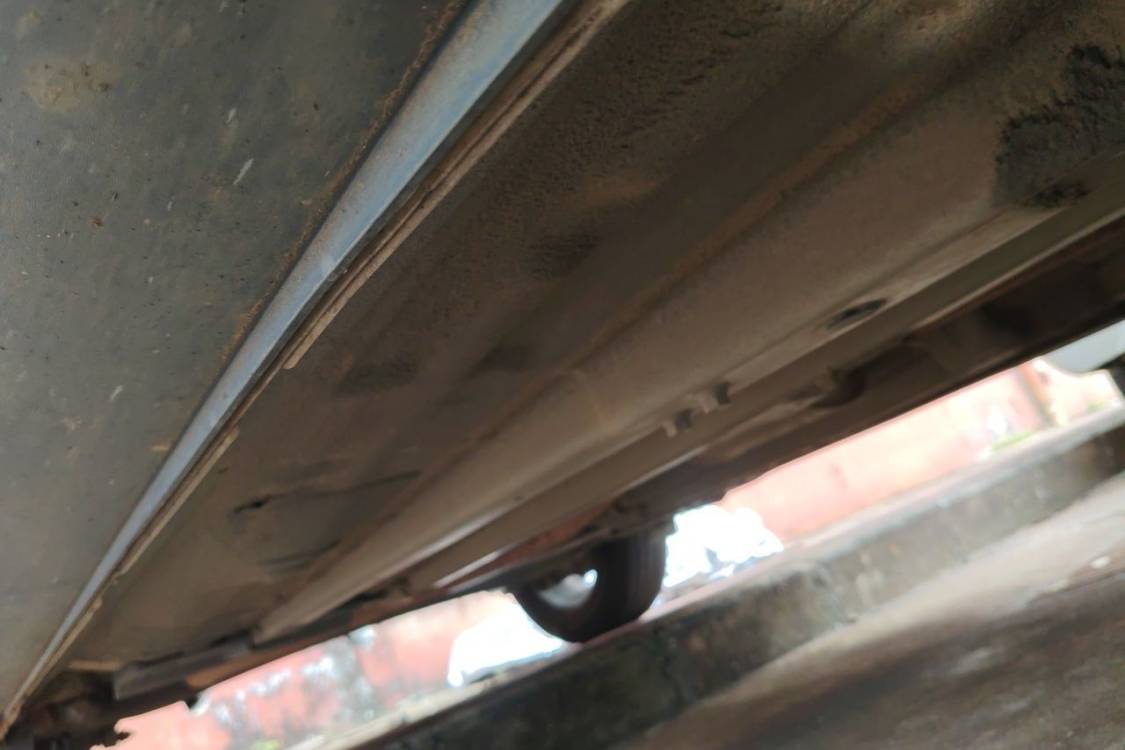
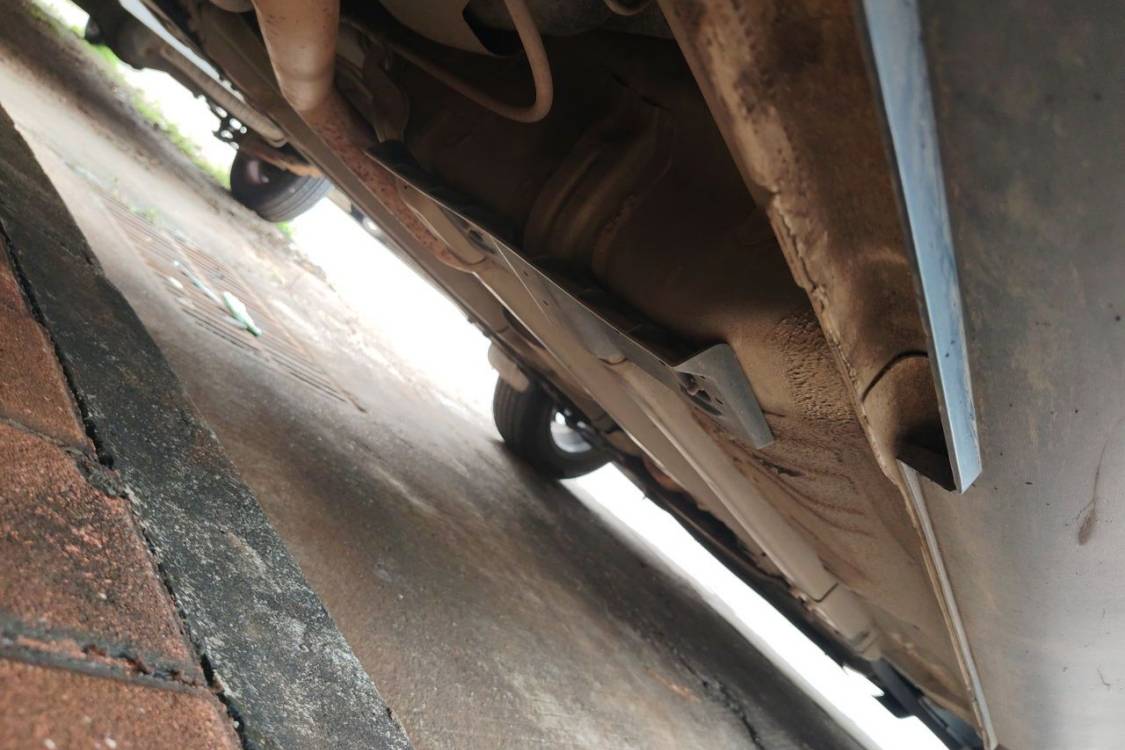
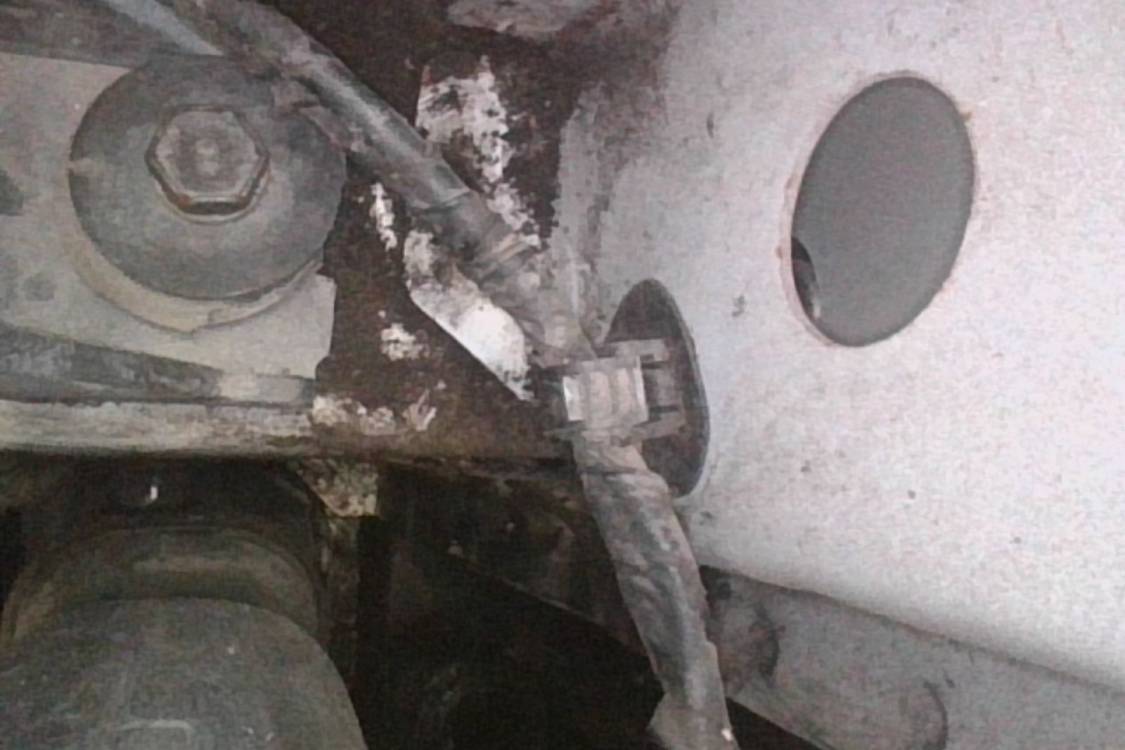
Vehicle has major defects in structural/reinforced/cover parts due to major accident, fire, flood, or power battery-related components; repaired or unrepaired, still affecting body structural strength or safe use, with potential failure risks.

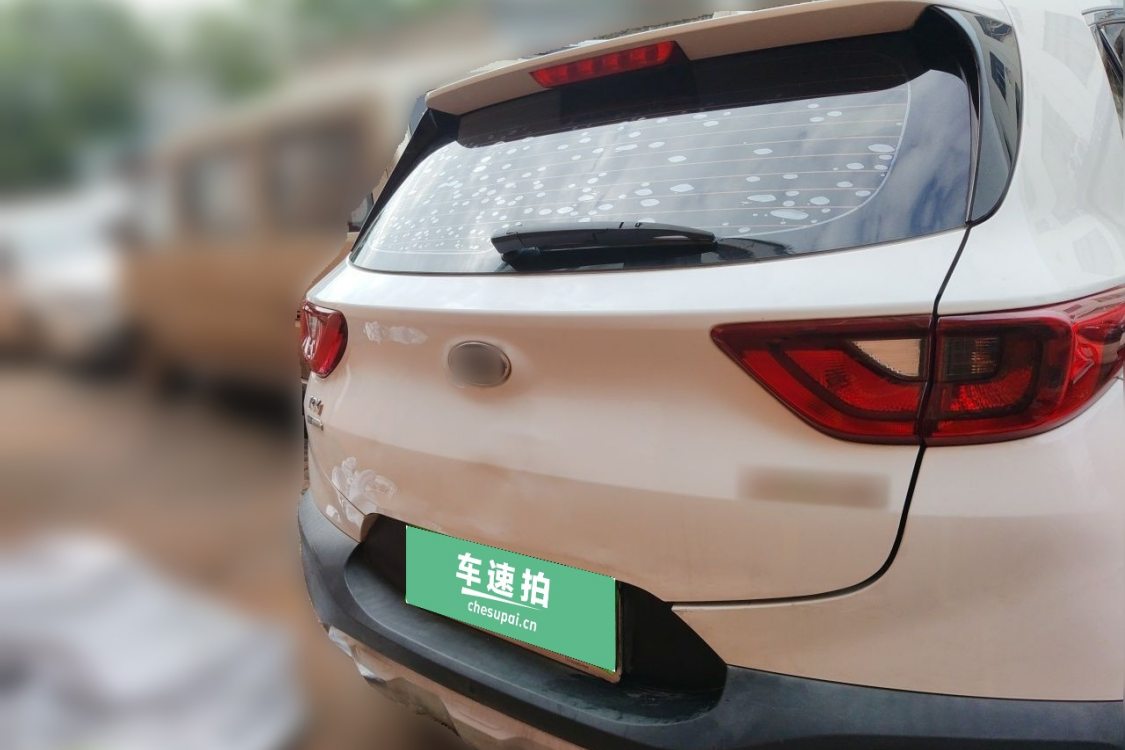
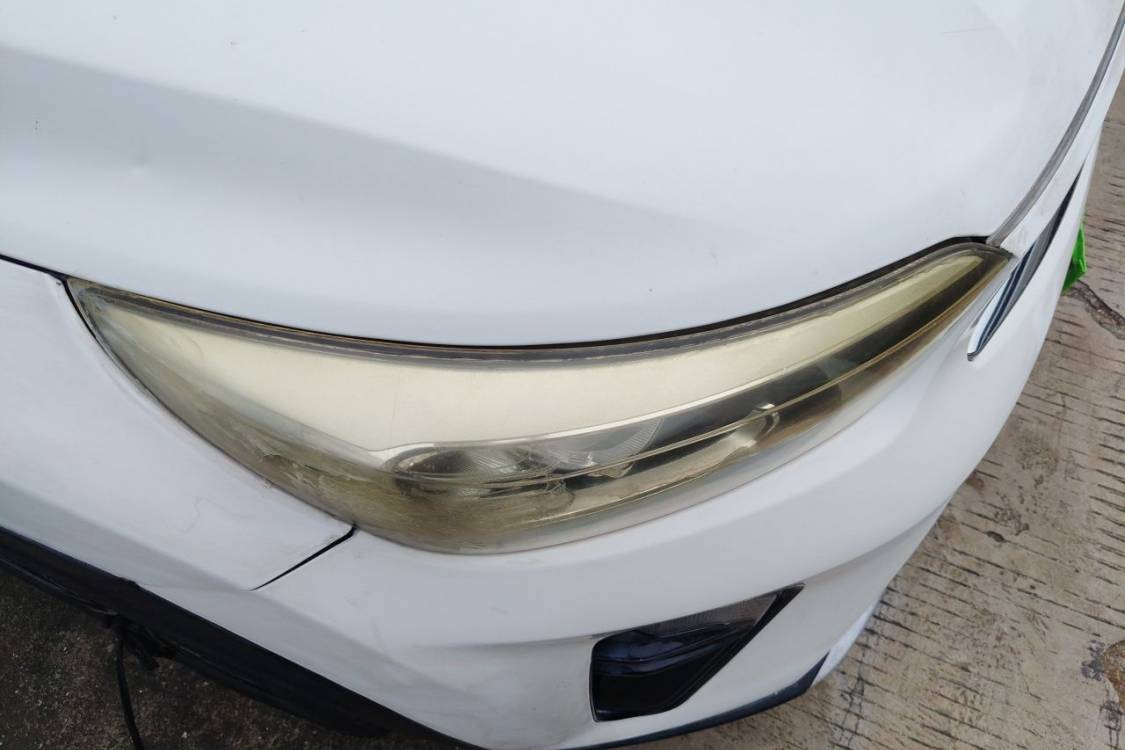
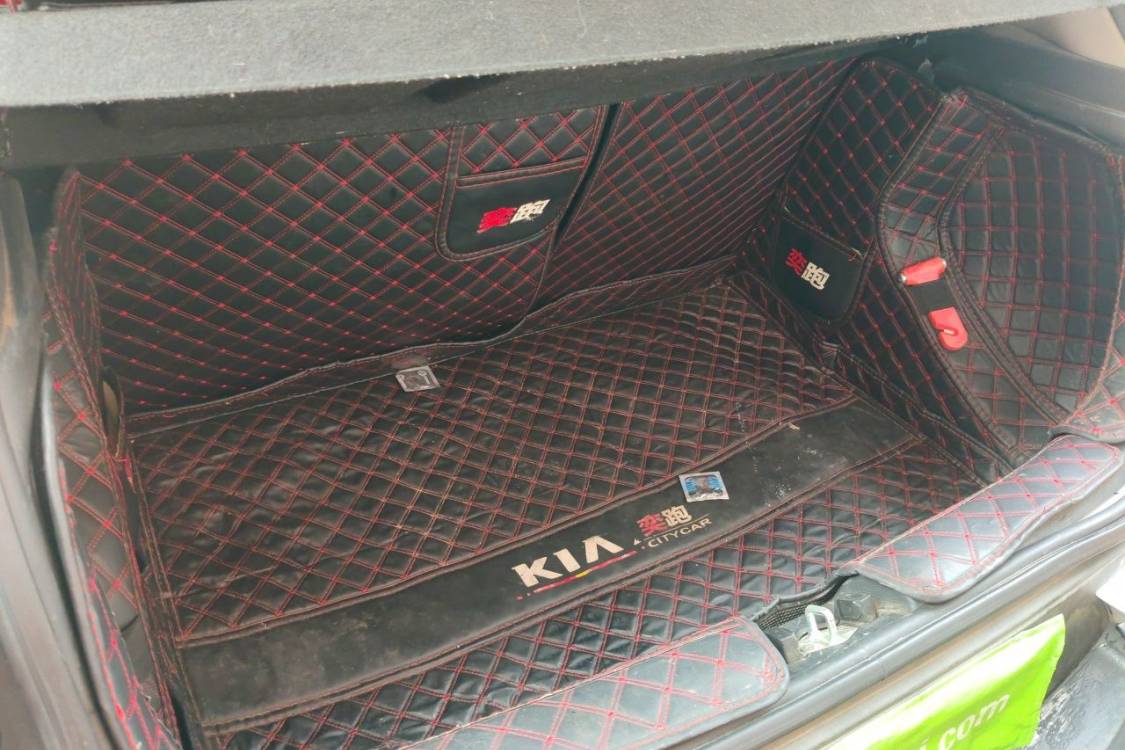
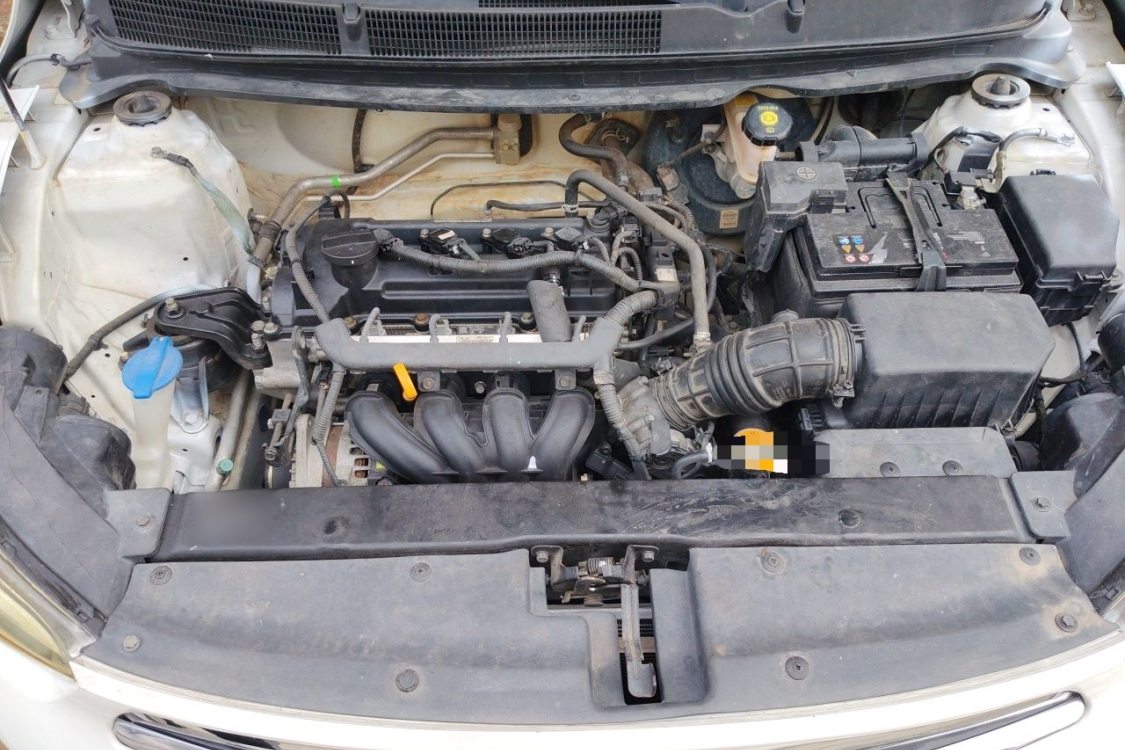
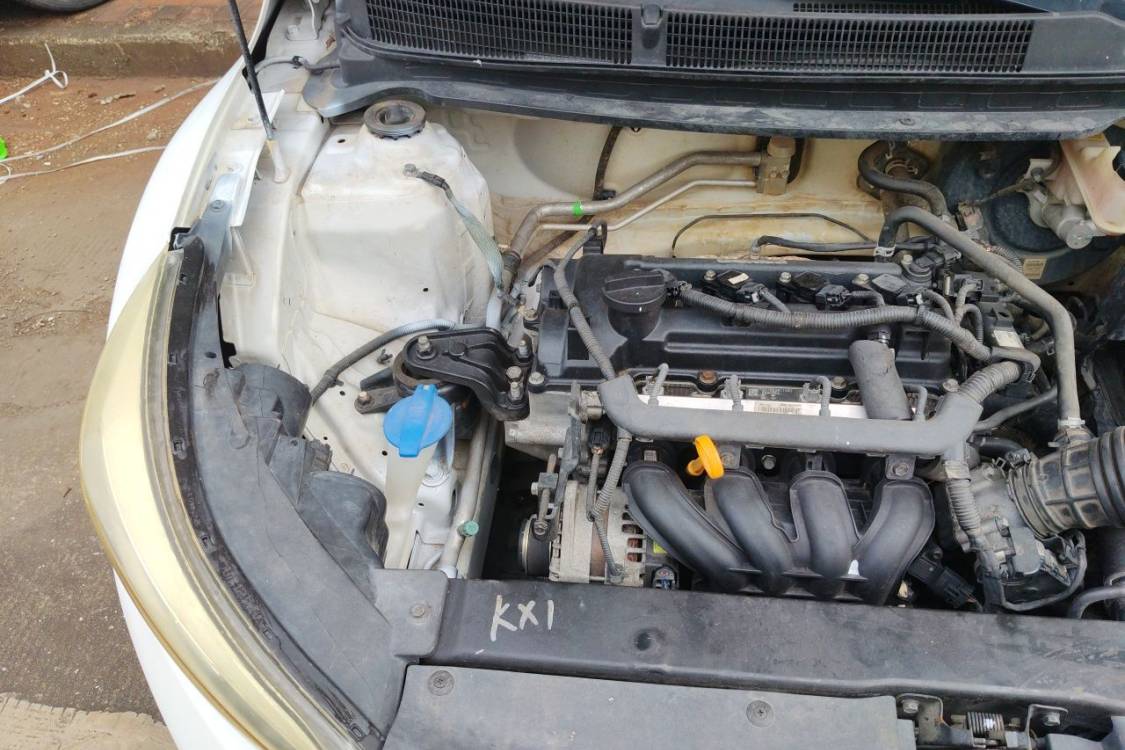
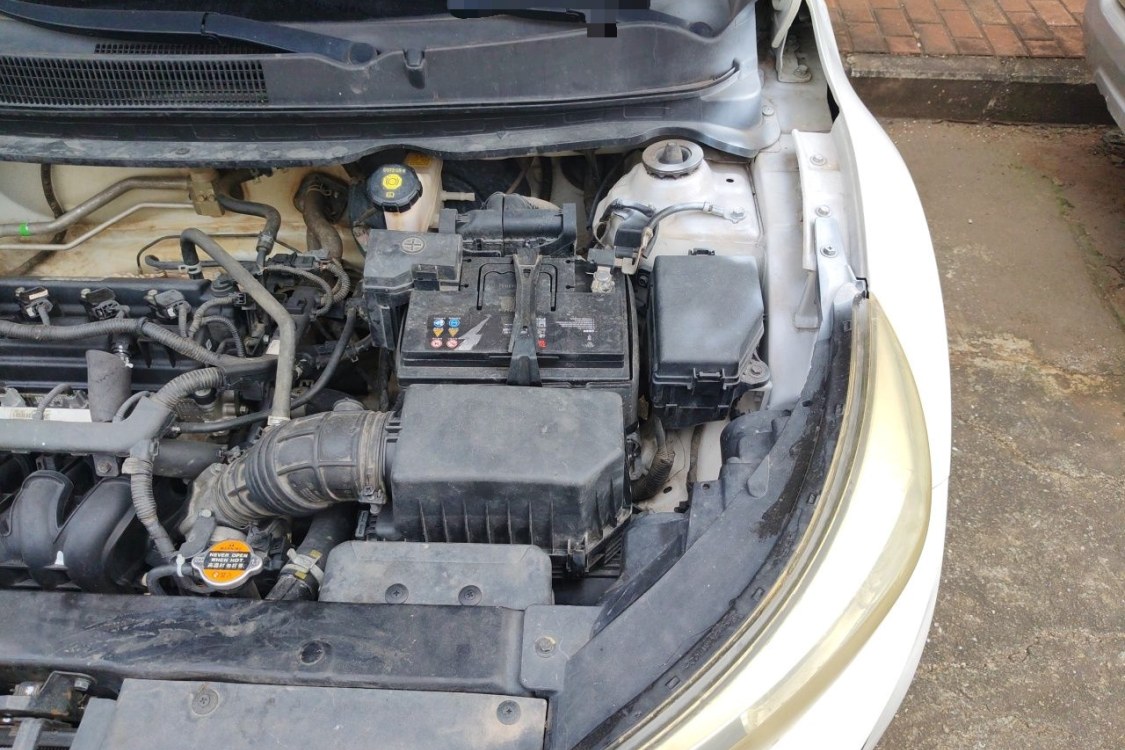
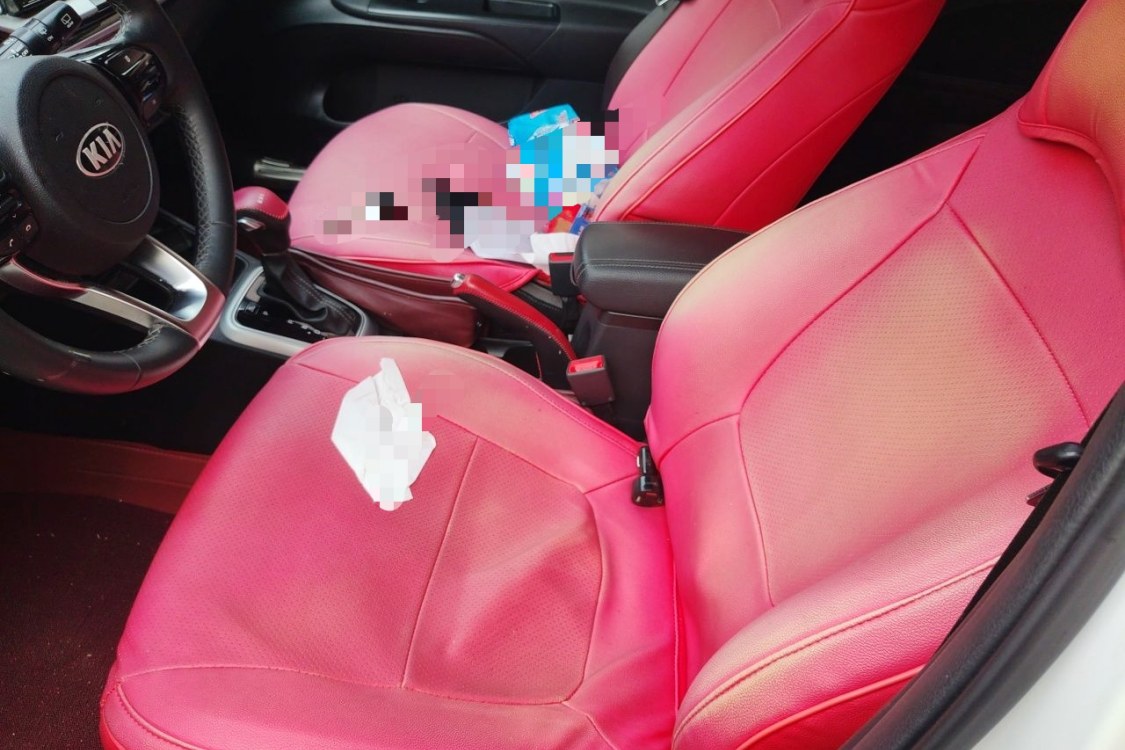
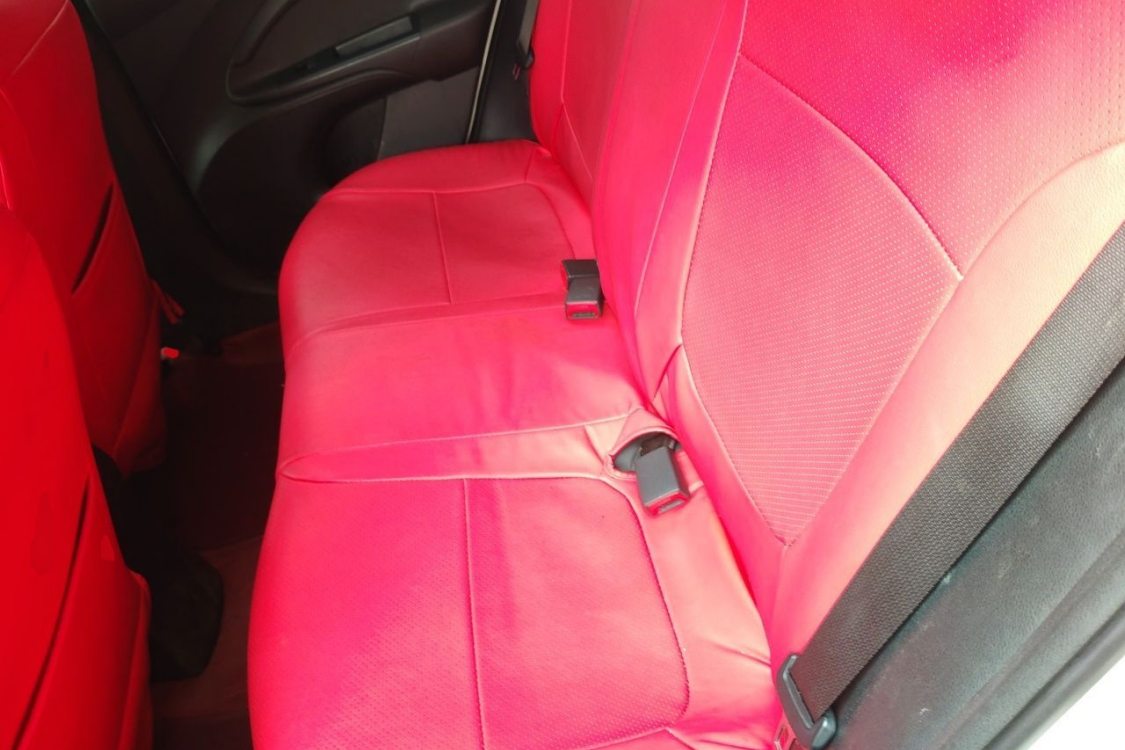
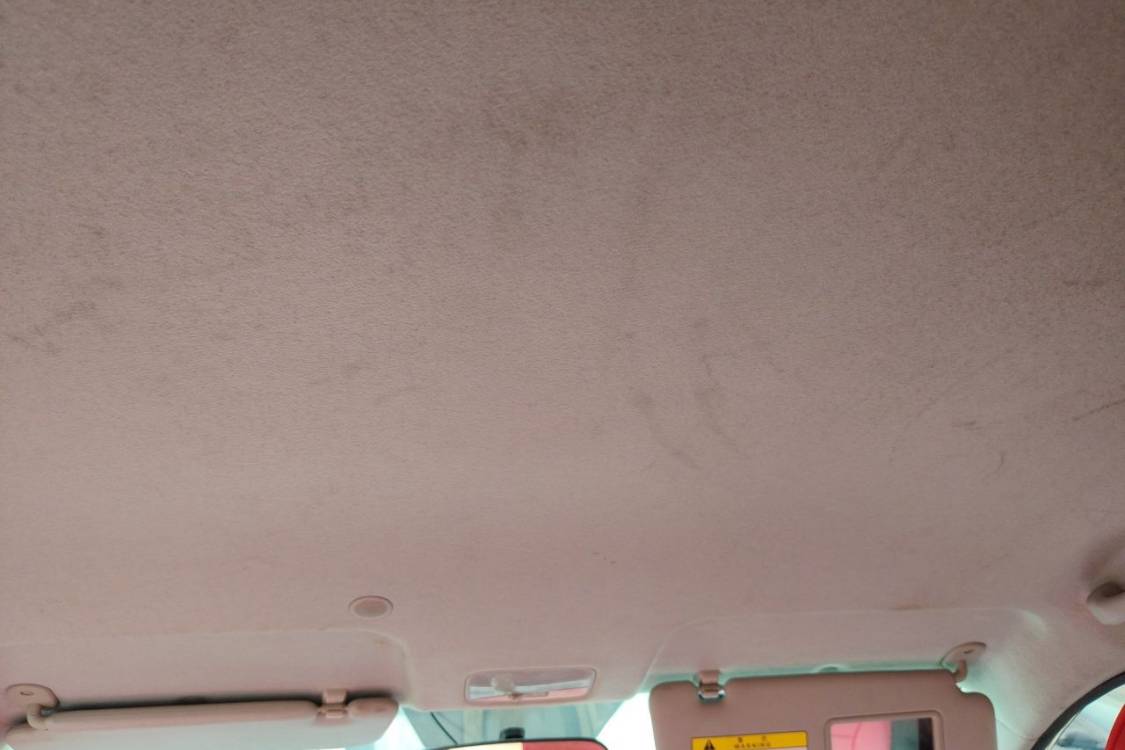
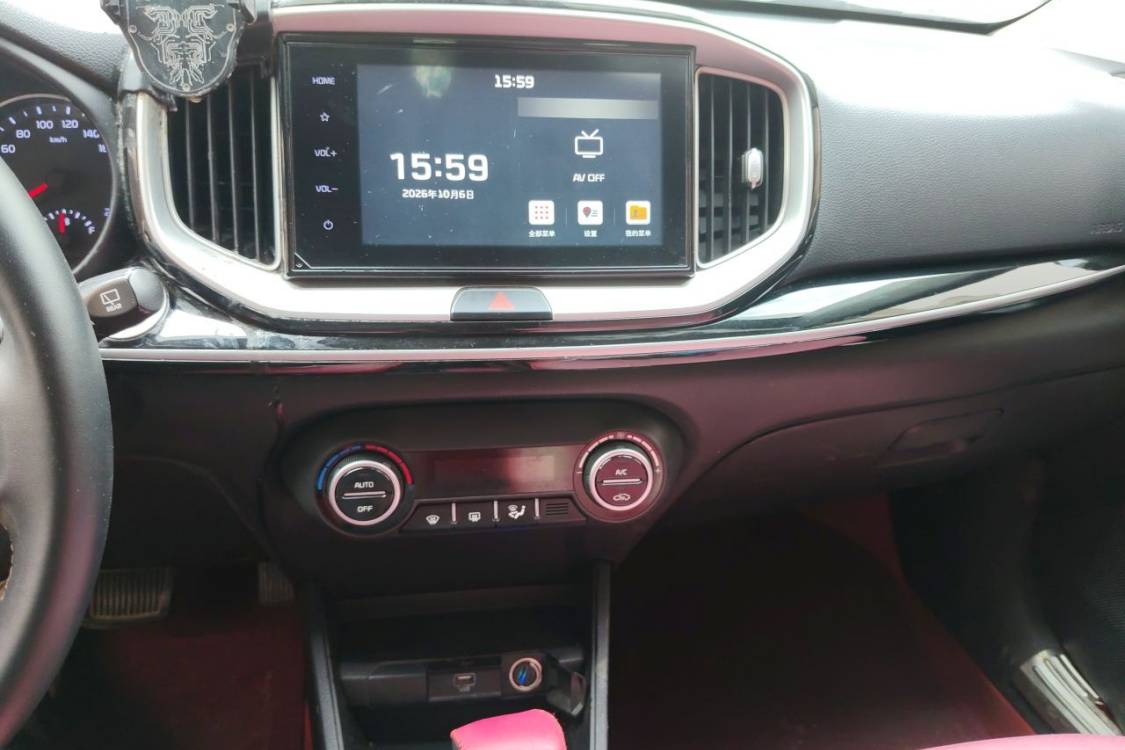
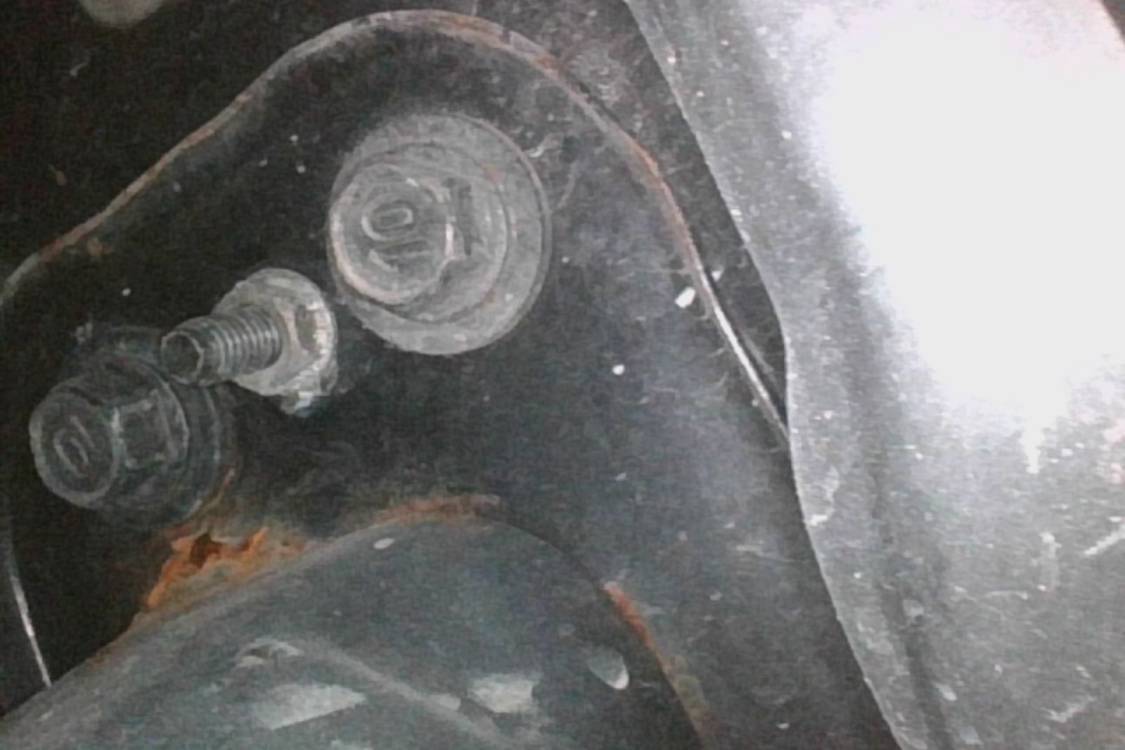
Accident inspection: main structure damaged, reinforced parts damaged, cover parts undamaged, hinges abnormal. Engine bay: engine assembly repaired/disassembled, gearbox disassembly no record, valve cover gasket oil leak, engine cylinder head gasket oil leak. Exterior: 5 replaced parts, 3 sheet metal repairs, 2 paint jobs. Interior: airbag inspection abnormal, roof lining dirty, center console disassembly marks, most features normal, lighting system normal. Startup inspection: main components normal. Onboard tools: missing.

电话直连
可讲价
可转售
零过户
新检测标准升级>
泡水-中度

Document Information

Inspection Expiry Date2028/08
Warranty Expiry Date-
Insurance Expiry Date2027/09

Q&A

More

What should be done if the parameters on the vehicle's Chinese registration certificate do not match those in the destination country's customs database?

The commercial invoice and export license we provide are based on the vehicle's underlying VIN and official Chinese nameplate data. If there are minor discrepancies with the destination country's customs system parameters (such as curb weight), we will issue a "Parameter Explanation Letter" stamped by our company to assist you in explaining, but we cannot change the official document data.
Are there specific photos or reports from the lift perspective regarding the concealed parts of the chassis (such as the suspension system and shock absorber leaks)?

Definitely. Lifting the chassis is a mandatory part of our standards. The report will specifically show whether there are oil stains on the front and rear shock absorber cylinders, if the rubber boots of the lower control arm ball joints are torn, and if the steering tie rods are loose or deformed.

Why are the shipping costs for used electric vehicles (EVs) usually higher than for internal combustion engine vehicles (ICEs)?

Pure electric vehicles are classified as Class 9 Dangerous Goods due to their large lithium batteries, leading to strict shipping regulations. Shipping companies have high requirements for the loading position and fire isolation measures for dangerous goods, and some roll-on/roll-off ships refuse to accept used EVs. As a result, EVs often require more expensive special container shipping and incur additional handling fees for hazardous materials.