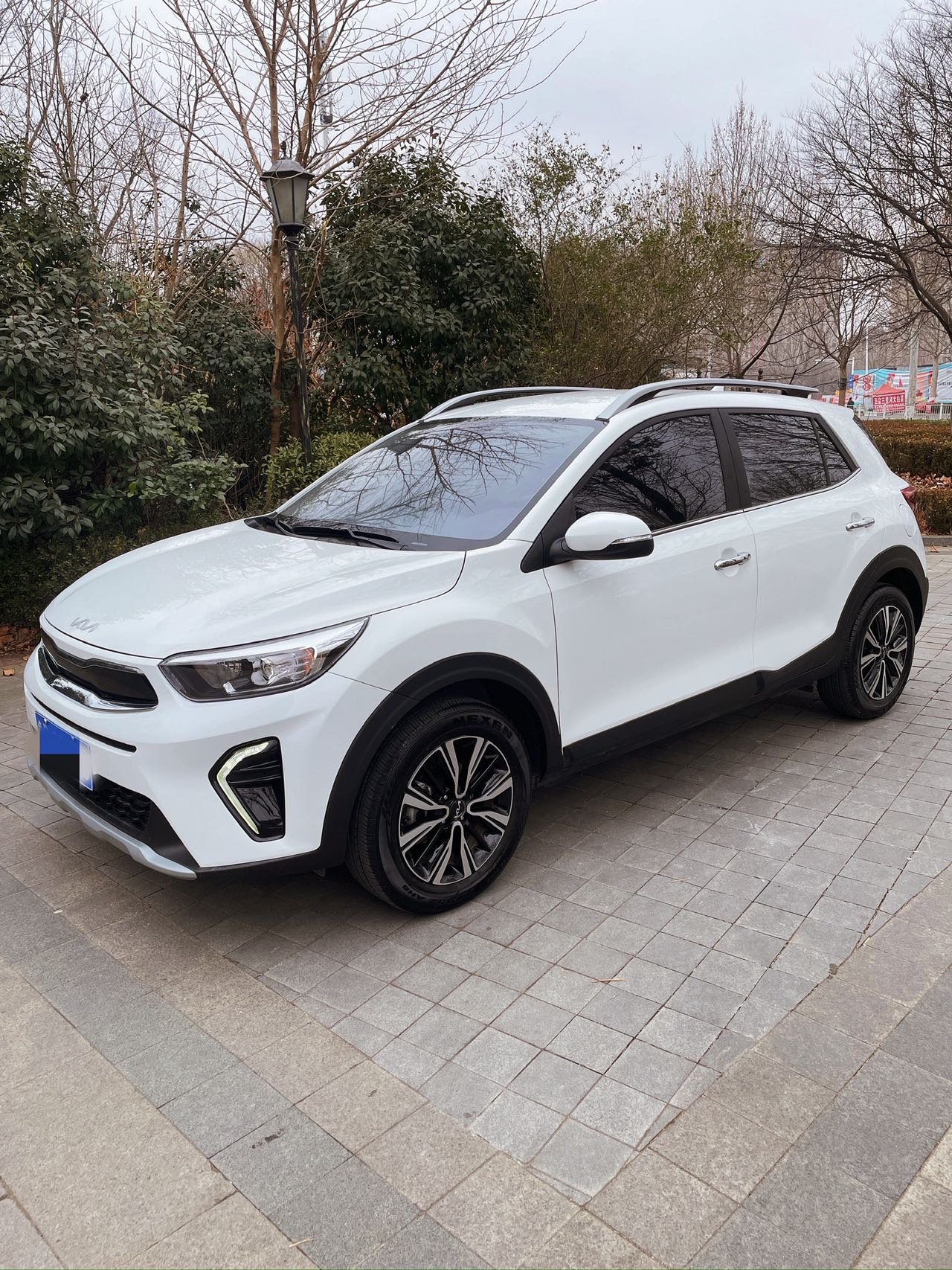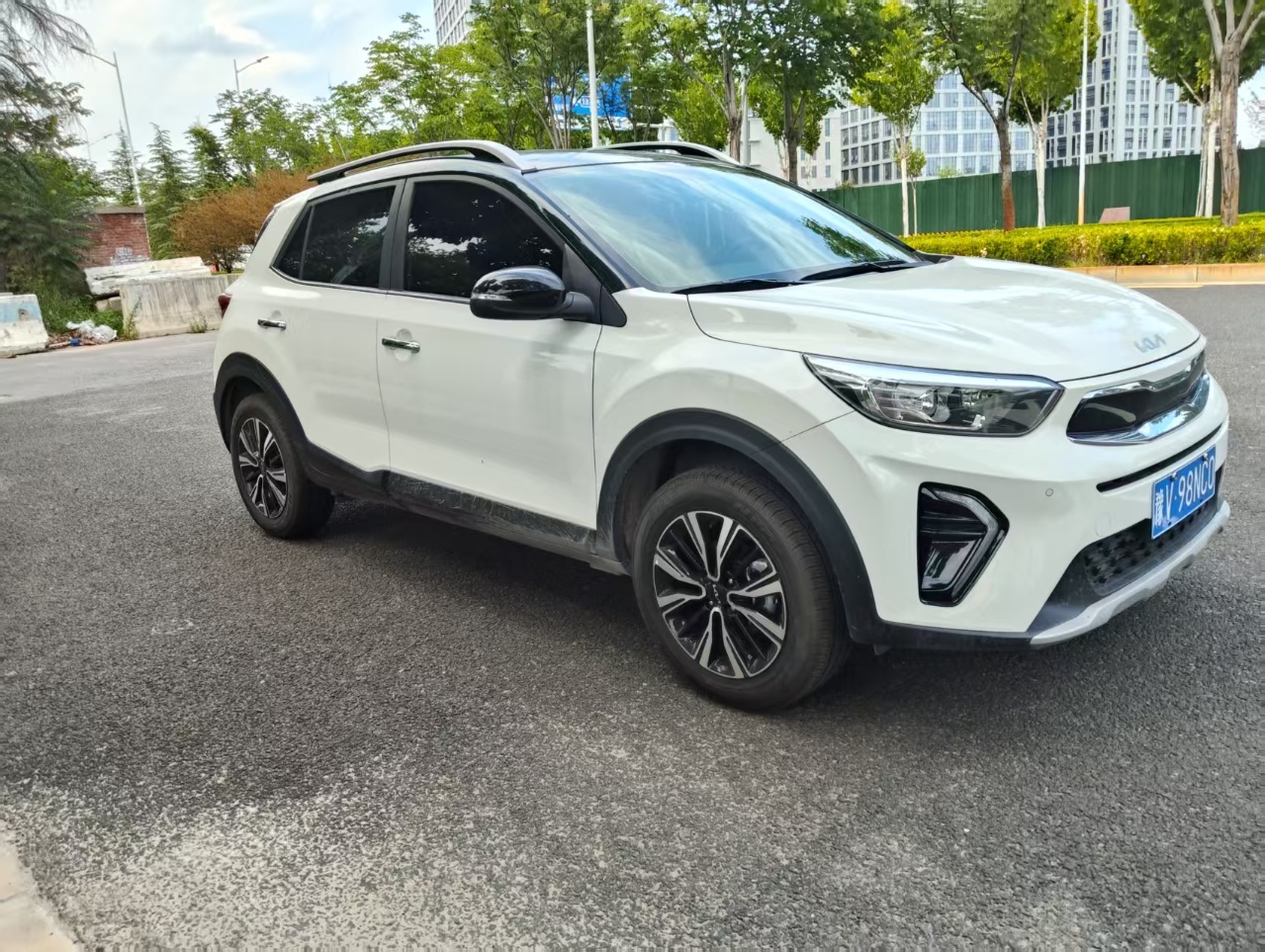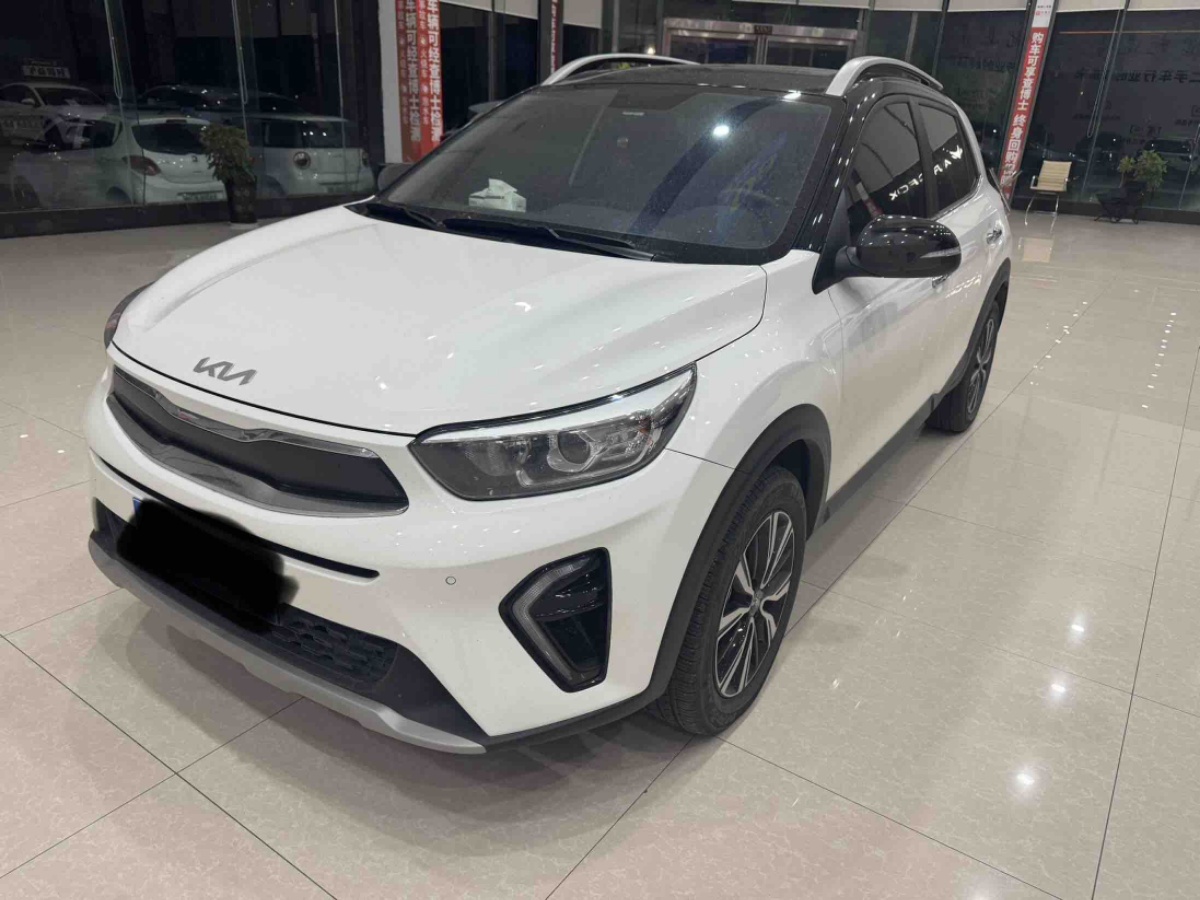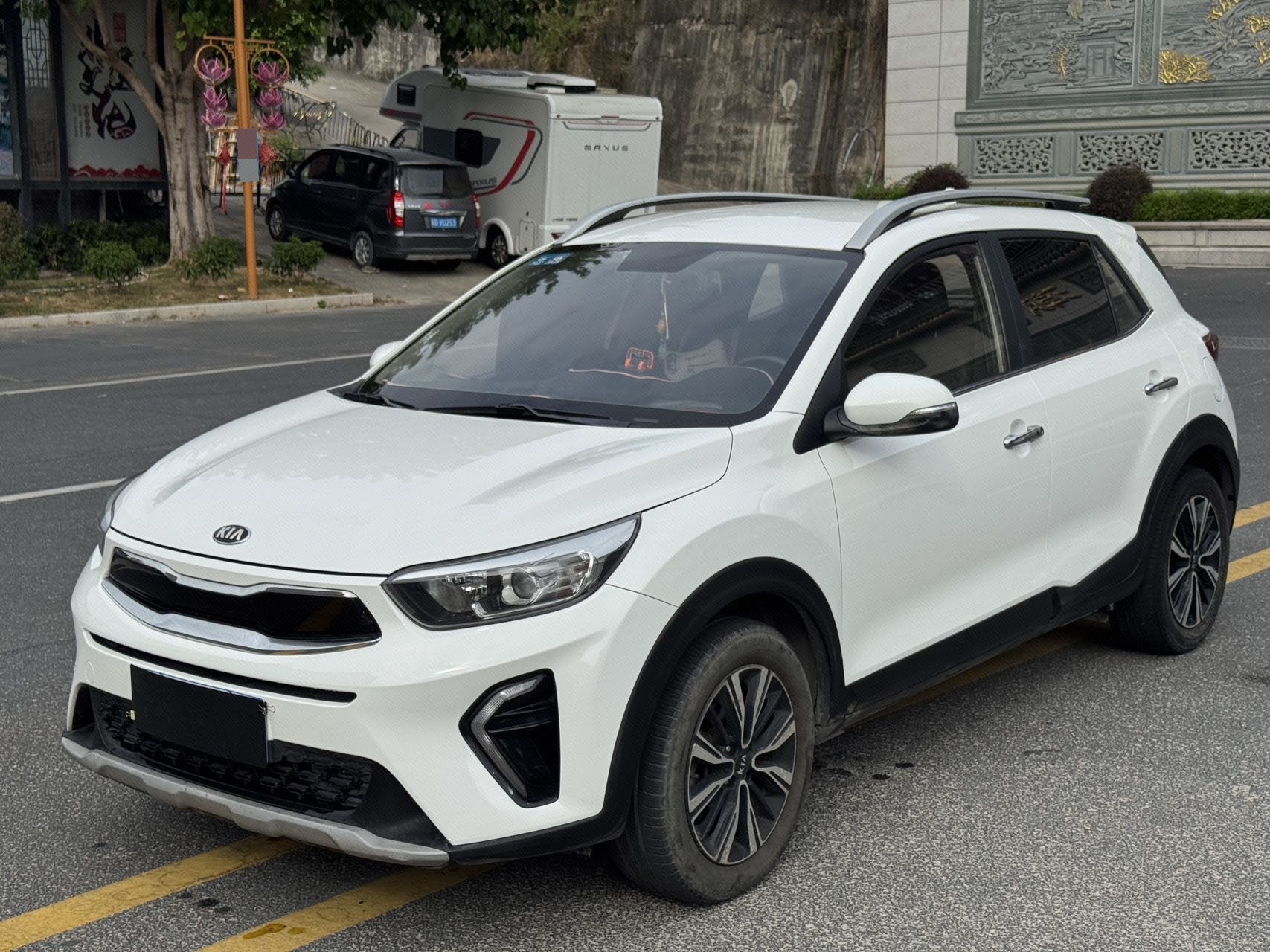
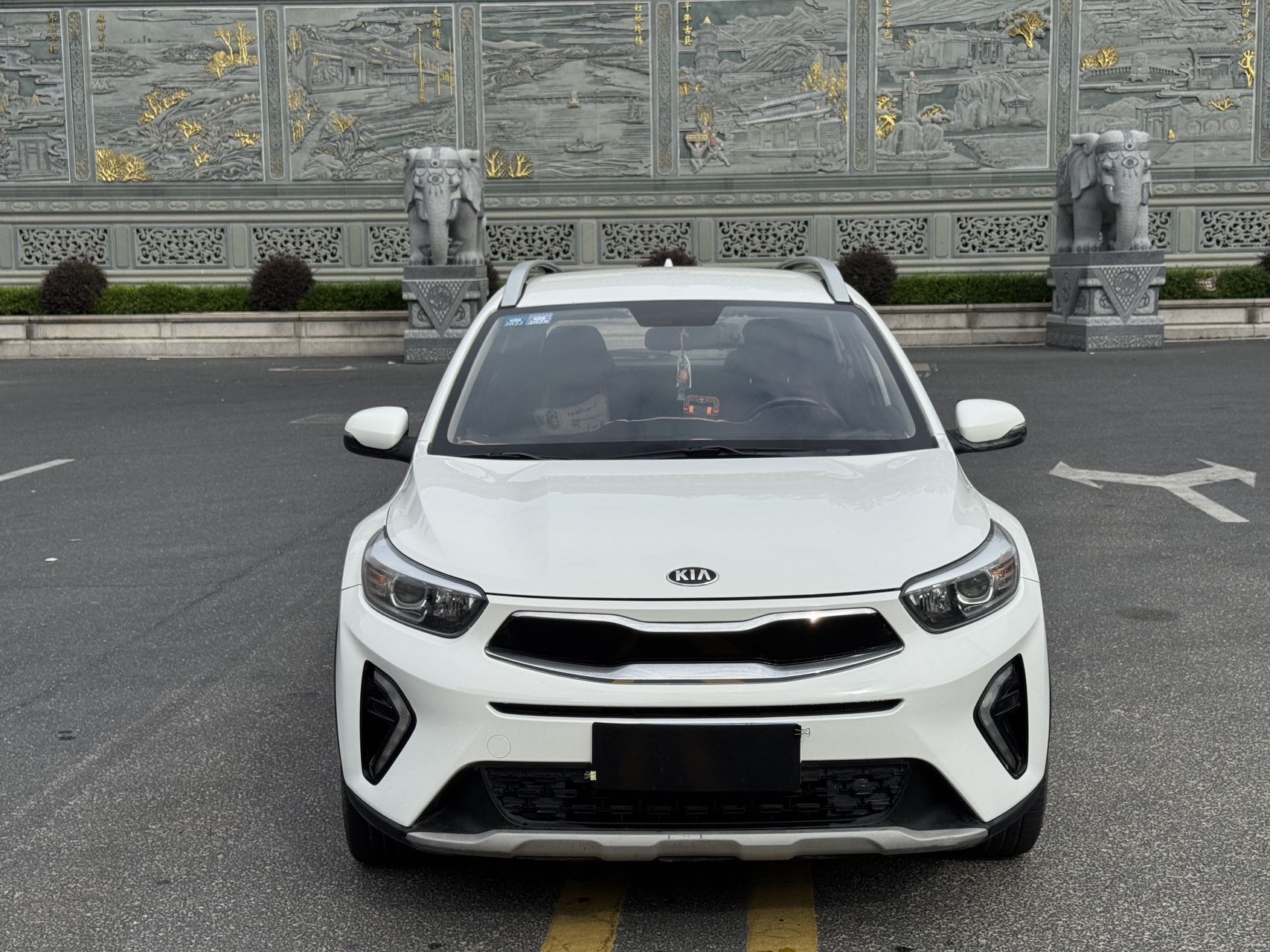
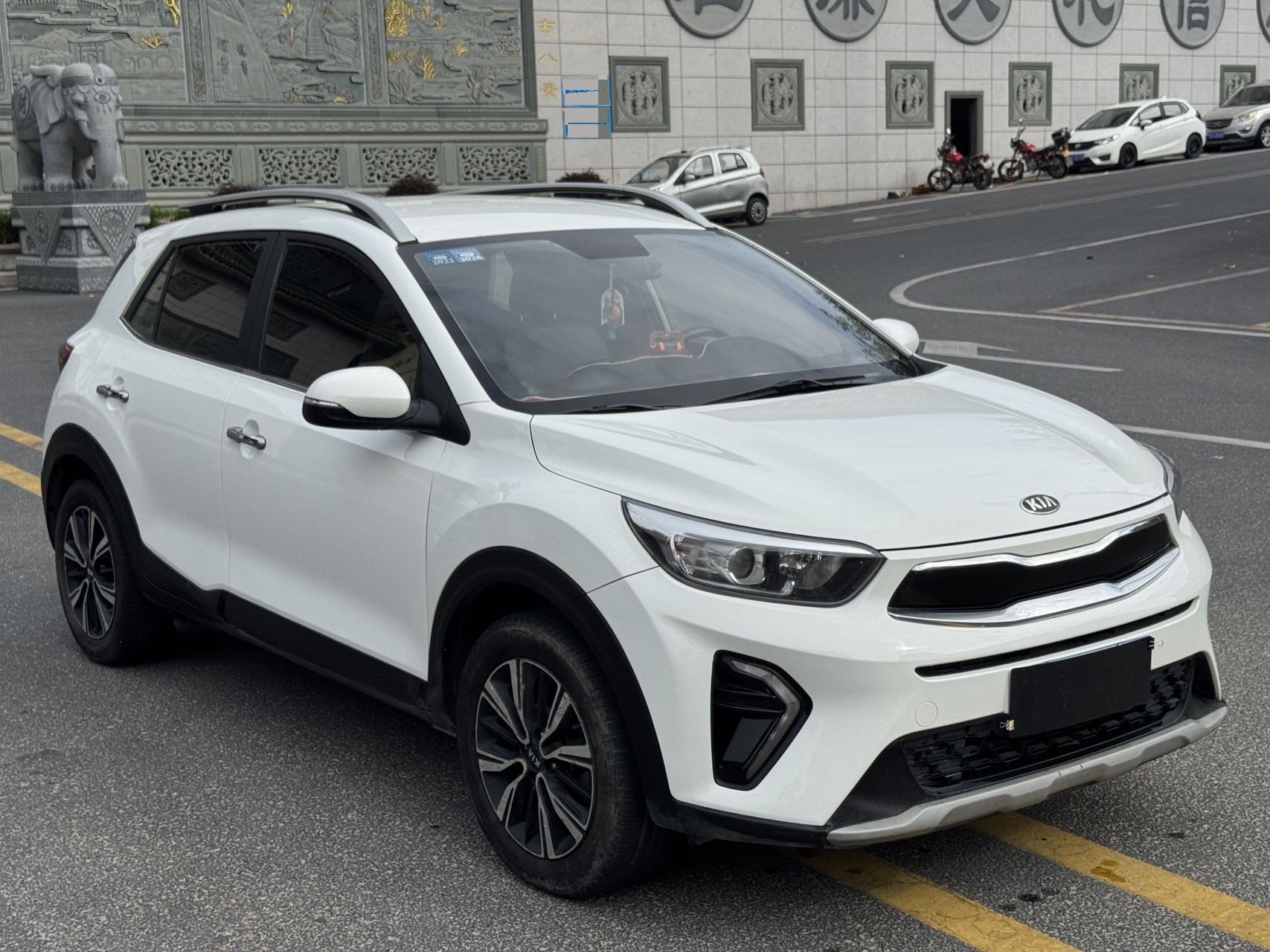
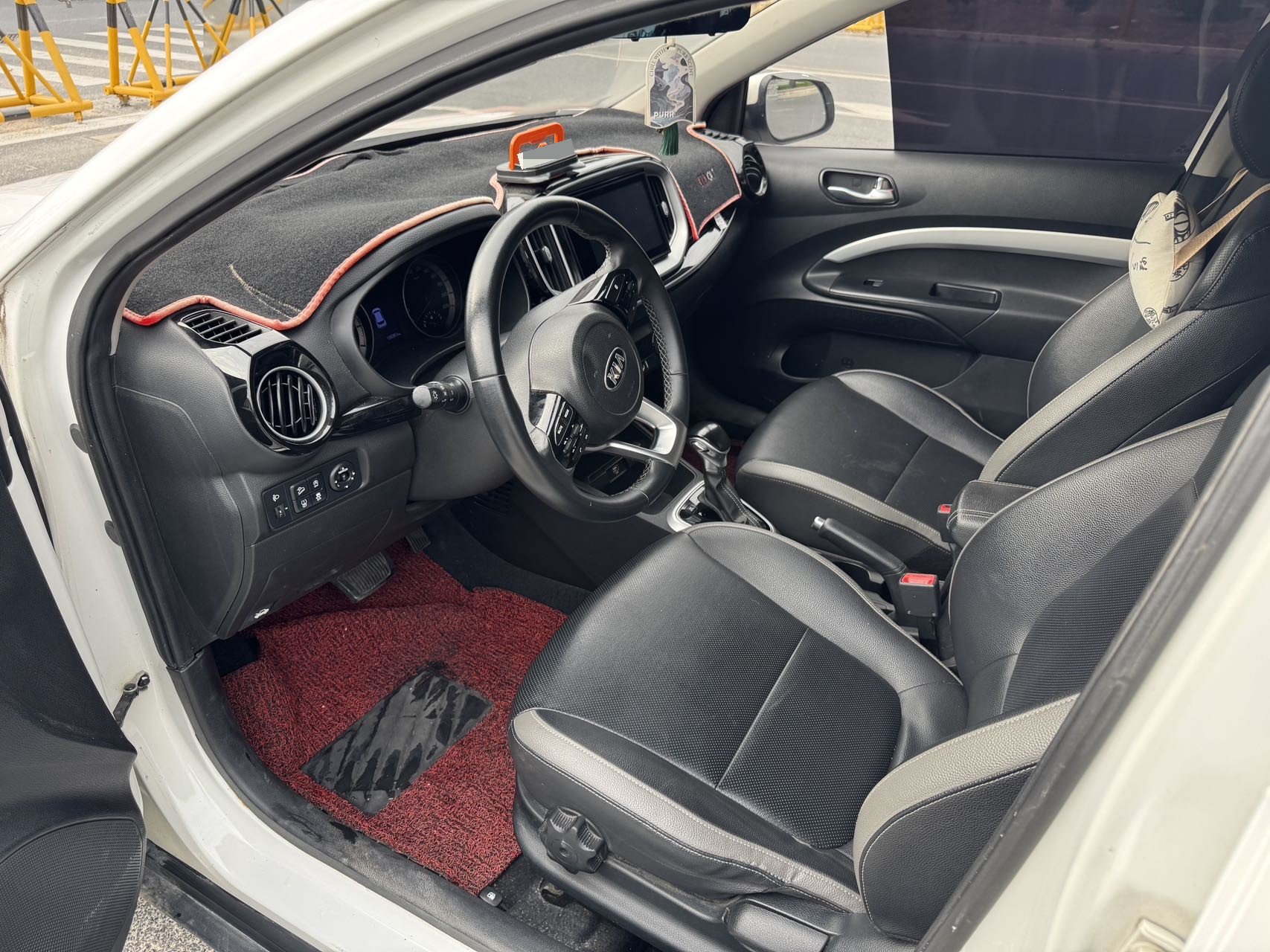
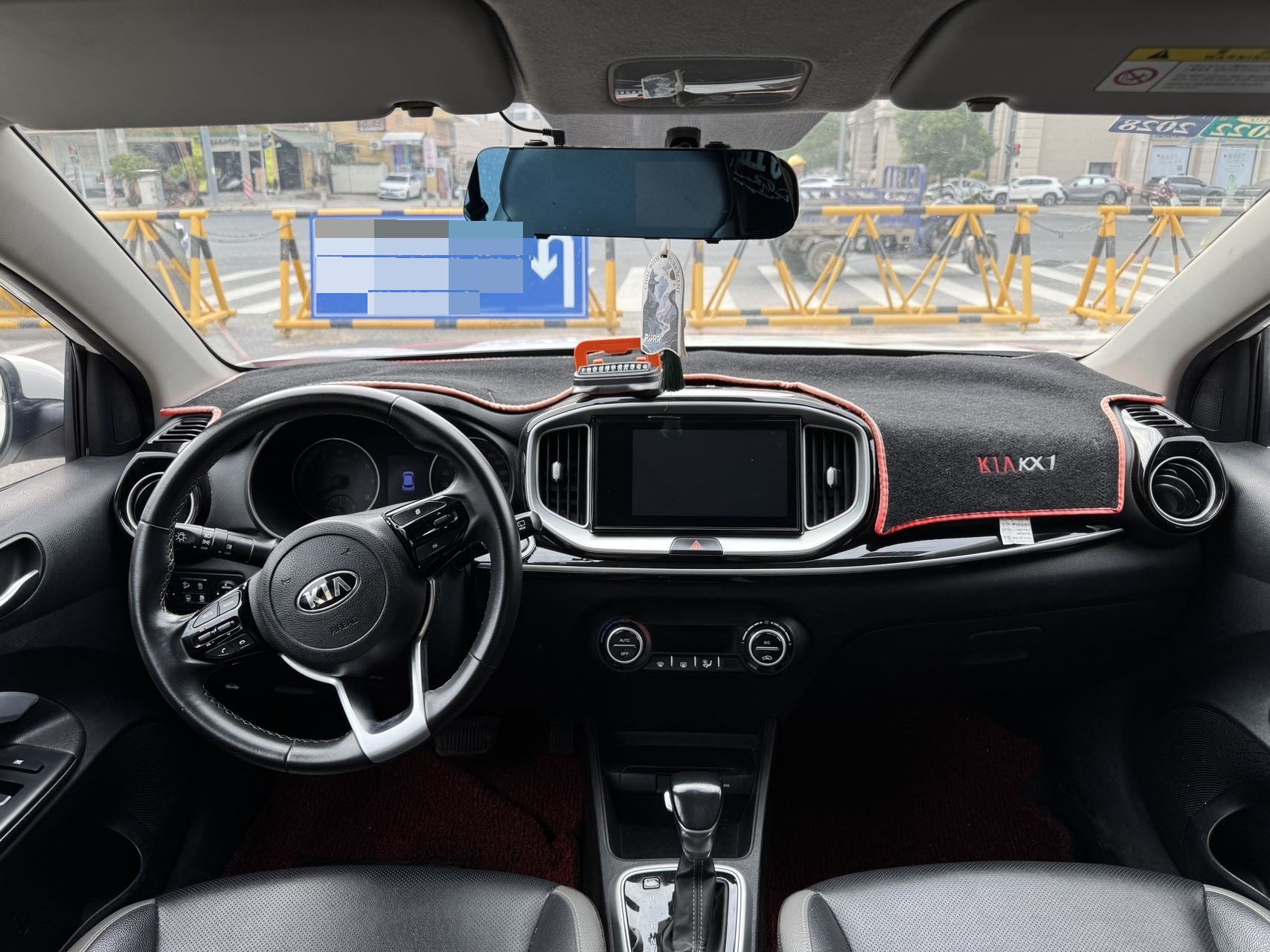
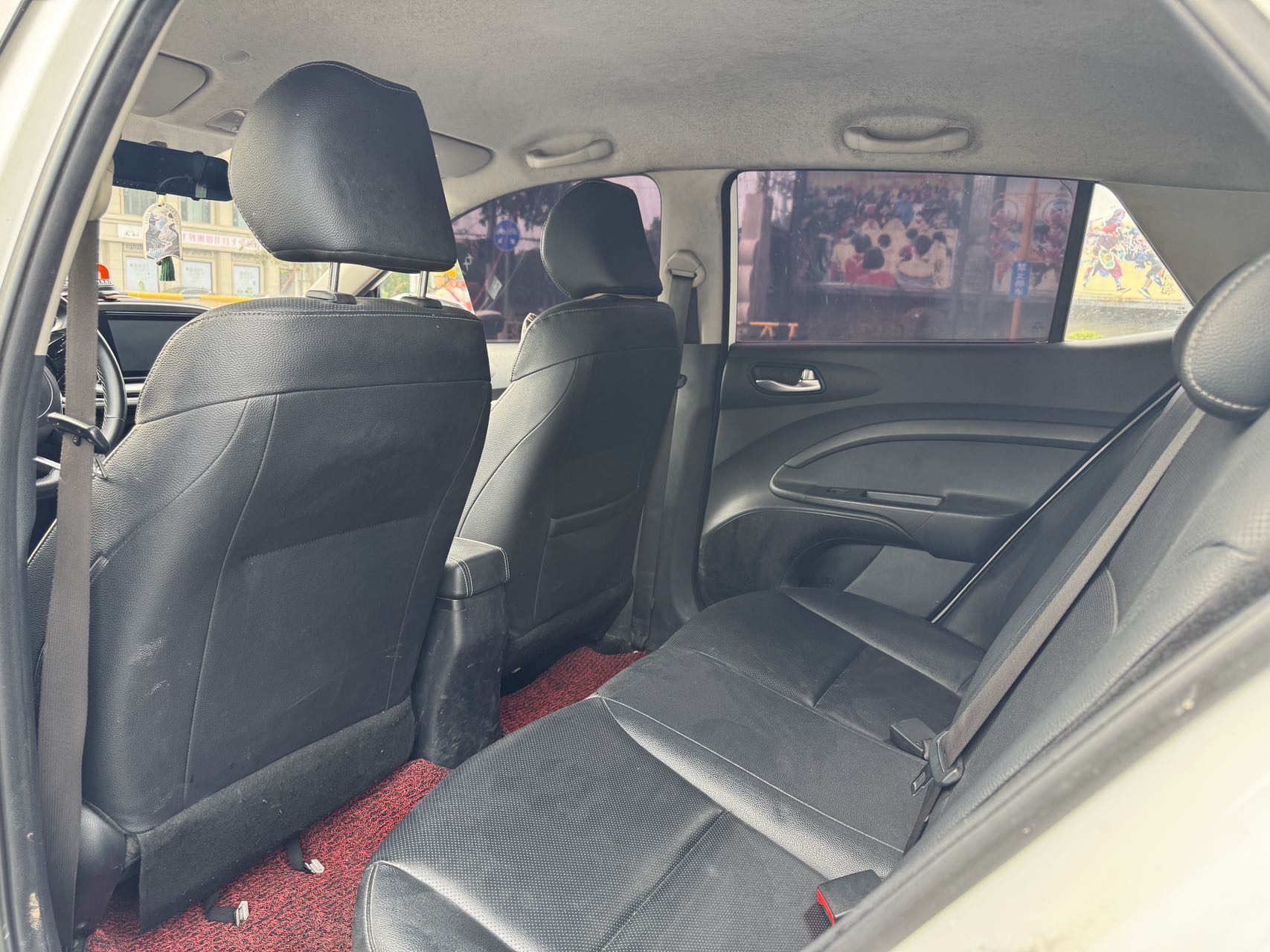
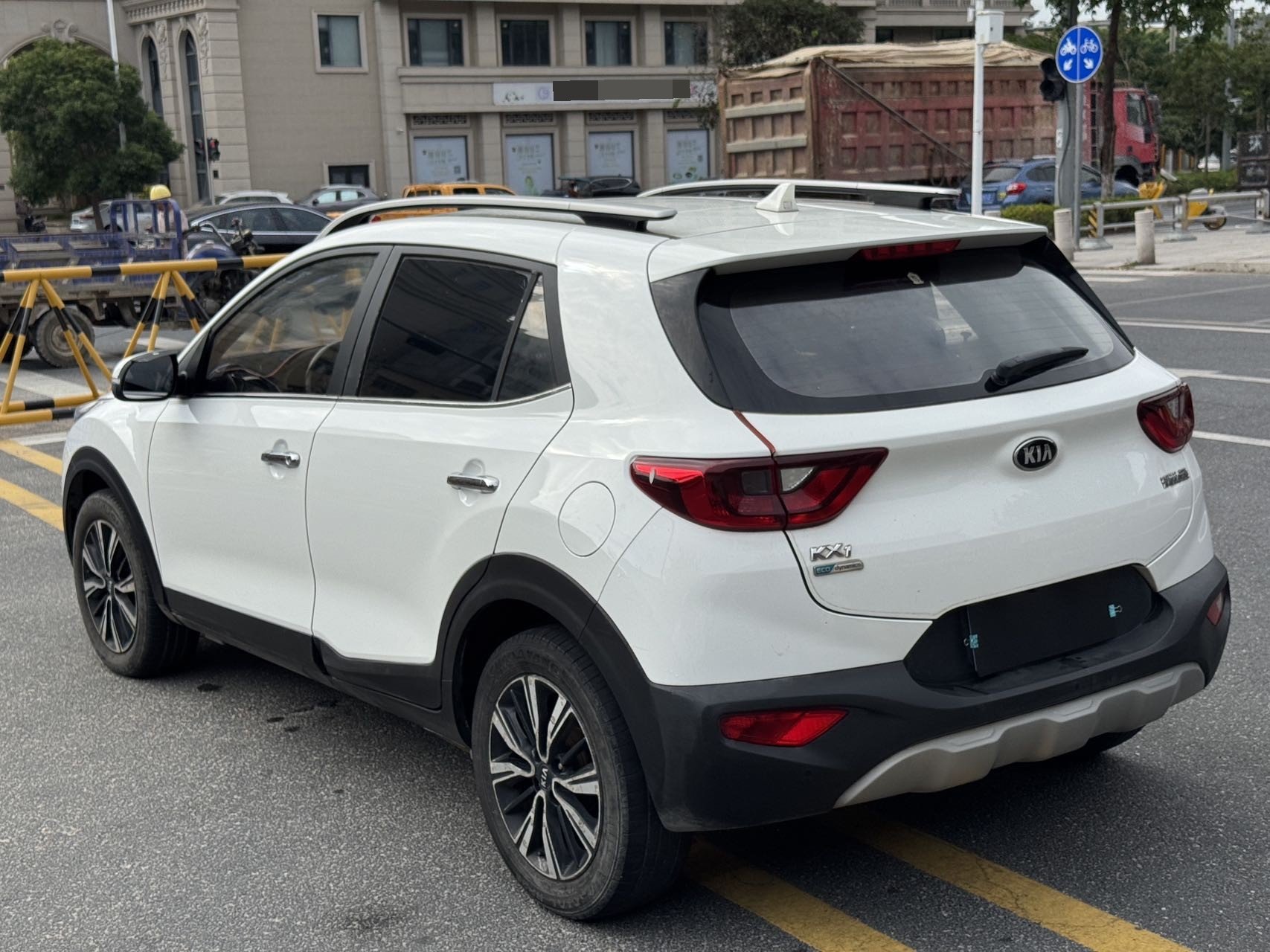
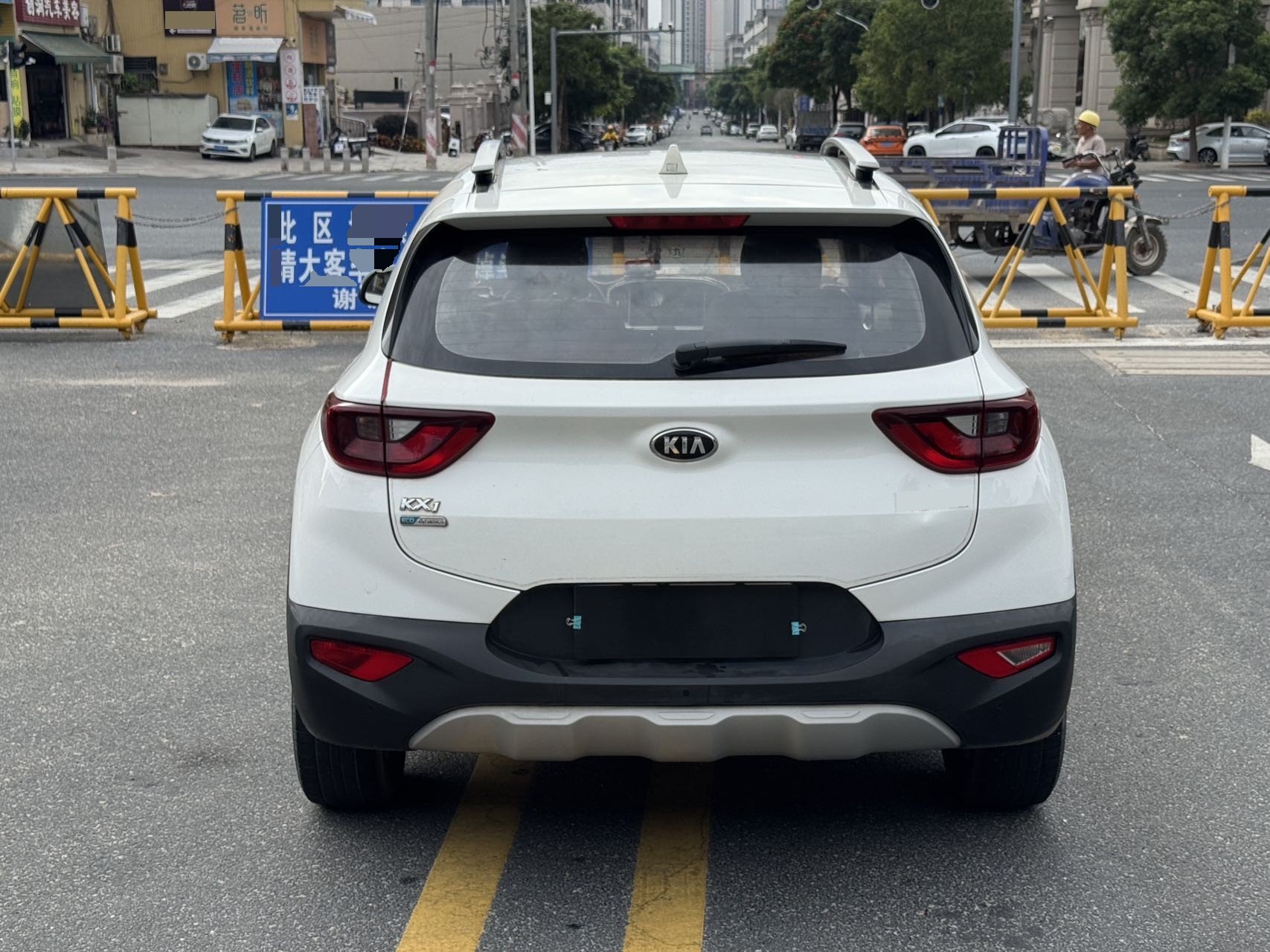
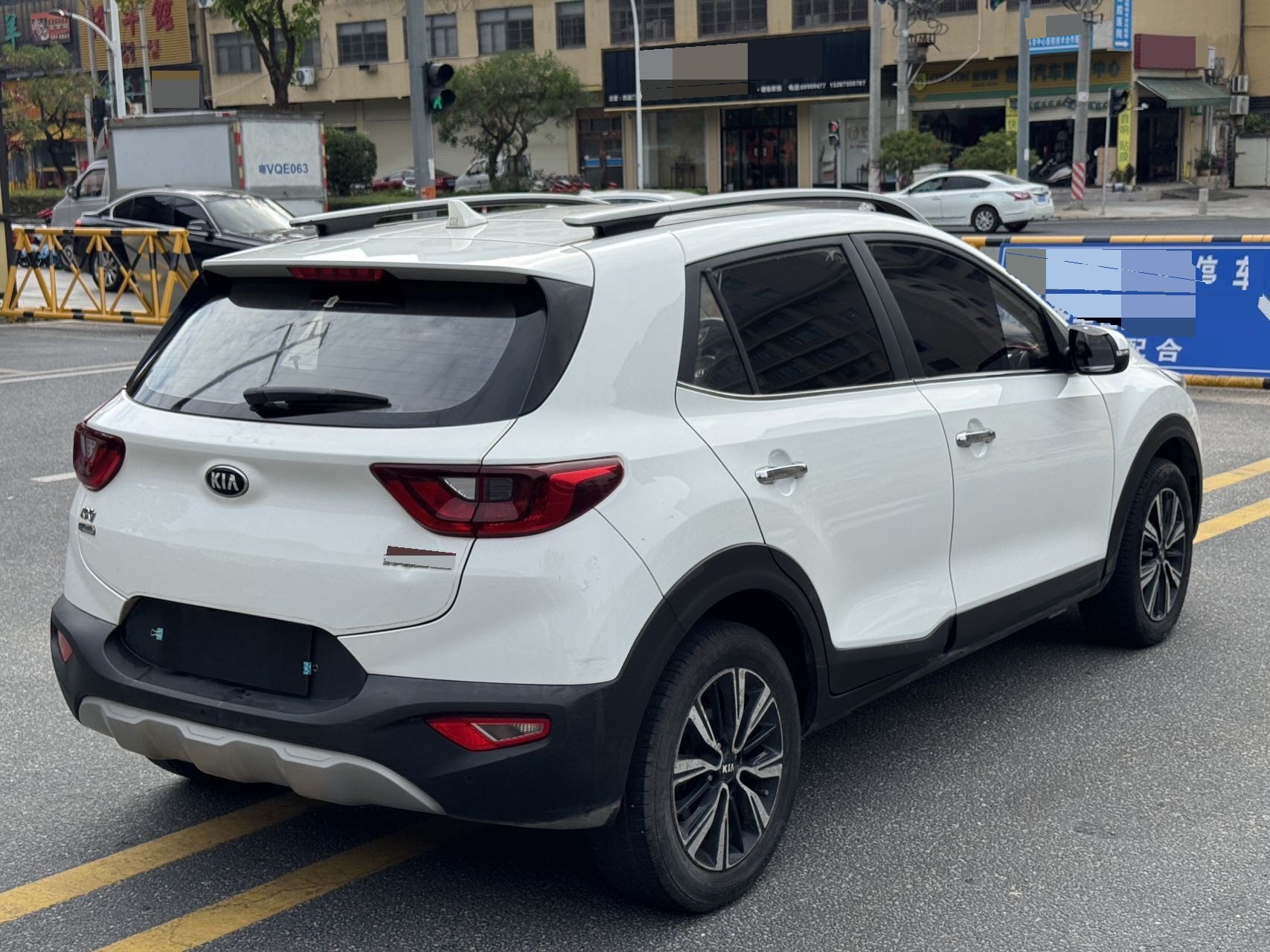



Basic Information

BrandKia
SeriesKX1
Year2020
First Registration2020/08
Mileage70,000km
Transfer Count0times
FuelGasoline
TransmissionManumatic
Engine1.4L 100 L4
ColorWhite
Seats-

Condition Description

Local first-hand owner, original condition, fully insured until June next year, 0 insurance claims.

Document Information

Inspection Expiry Date-
Warranty Expiry Date-
Insurance Expiry Date2027/08

Q&A

More

What are your assessment criteria and repair recommendations for vehicles with "slight oil seepage (non-dripping)" in the engine or transmission?

As rubber seals age, "slight oil seepage (oil stains but no dripping)" is very common in used cars and is not considered a major fault. Our recommendation is: as long as the oil level does not drop abnormally, just clean and monitor it regularly after arrival, without the need to immediately incur high costs to disassemble and replace the seals.


Which electrical features should I test remotely before buying a used Chinese car—windows, sunroof, infotainment, sensors?

Electrical faults are among the most annoying problems to discover after import, because they rarely stop the car from running. Ask the seller for a live video walkthrough testing each item: all four windows up and down, sunroof open/close, central locking (including with the key and remote), infotainment touchscreen, Bluetooth pairing, all cameras (reversing and 360-degree if fitted), parking sensors, interior and exterior lights, and the horn. Also watch the dashboard during startup: every warning light should illuminate briefly and then go out. A light that never appears, or stays on, tells you something needs attention. Pair this with an OBD scan to catch stored fault codes the seller might not mention. If a feature "only works sometimes," assume it is broken and price the repair into your offer.

When calculating the total cost of a used car, what percentage of the car price do you recommend setting aside for "unforeseen local preparation costs"?

Based on practical risk assessment, we strongly recommend setting aside 3% to 5% of the car price as a buffer fund for even the highest-rated used cars, to cover oil changes, new tires, minor shipping scratches, and local inspection labor costs.