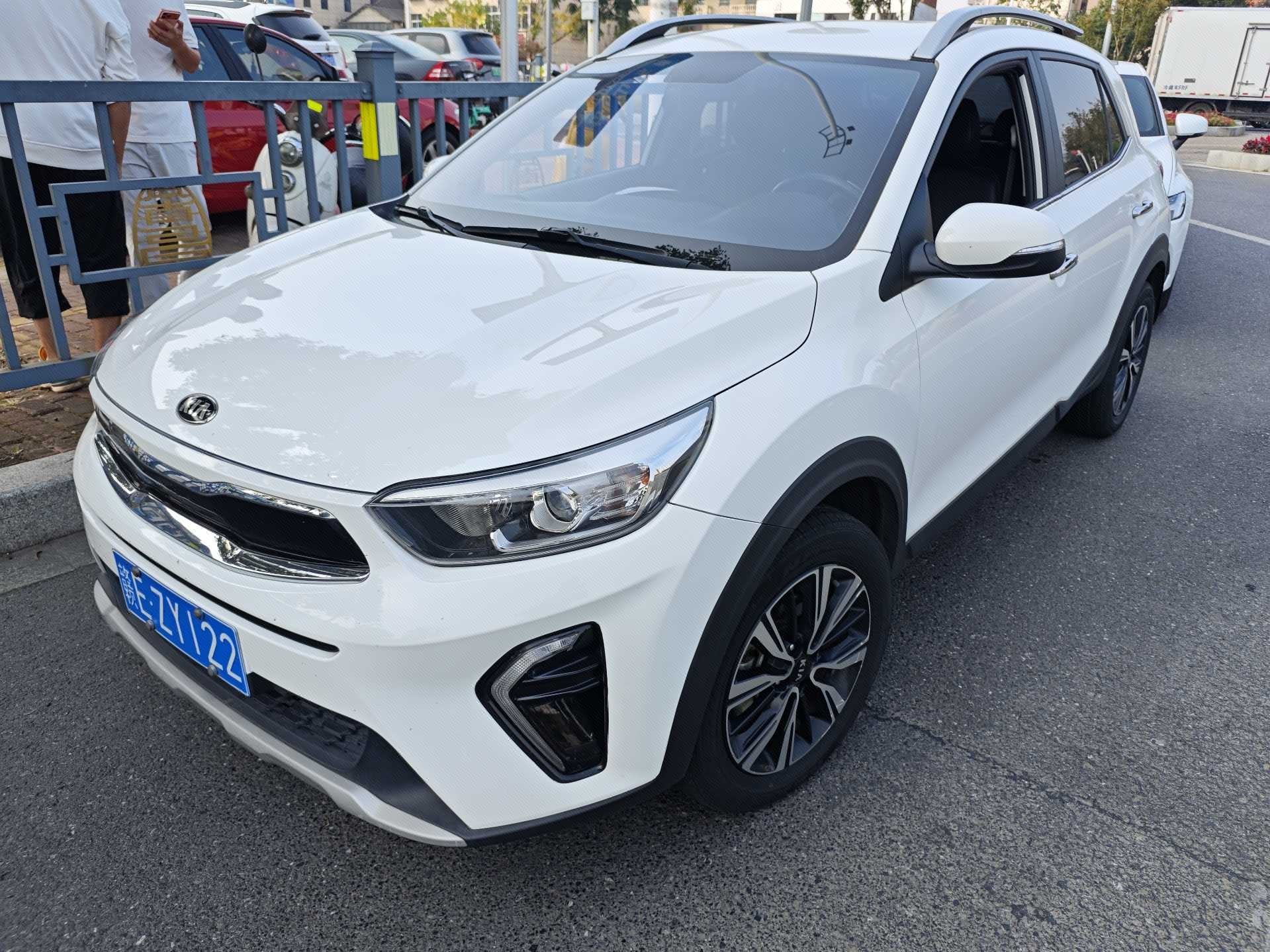





How can I check the body and paint quality of a used car from China to spot hidden accident repairs?
Ask the exporter for a paint thickness gauge report, or request a live video where they measure the car in front of you. What to look for: · Factory paint on most Chinese cars measures 80–120 microns. Readings above 150–200 microns on a panel usually mean repainting; above 300 microns often means body filler (putty) underneath. · Inconsistent readings between panels (e.g., left door 95µm, right door 180µm) suggest the right side was repaired. · Check gaps between panels (doors, hood, trunk). Uneven gaps or misaligned headlights/bumper clips point to past collision repairs. · Look for overspray on rubber seals, plastic trim, or inside door jambs — a clear sign of repainting. · Check bolt heads on fenders, doors, and hood. Wrench marks or fresh paint over bolts mean the panel was removed. Combine these checks with an OBD scan for airbag or crash-related fault codes. Any repainting should be declared by the seller; if discovered undeclared, you have grounds to renegotiate or reject the car.