





24H

Basic Information

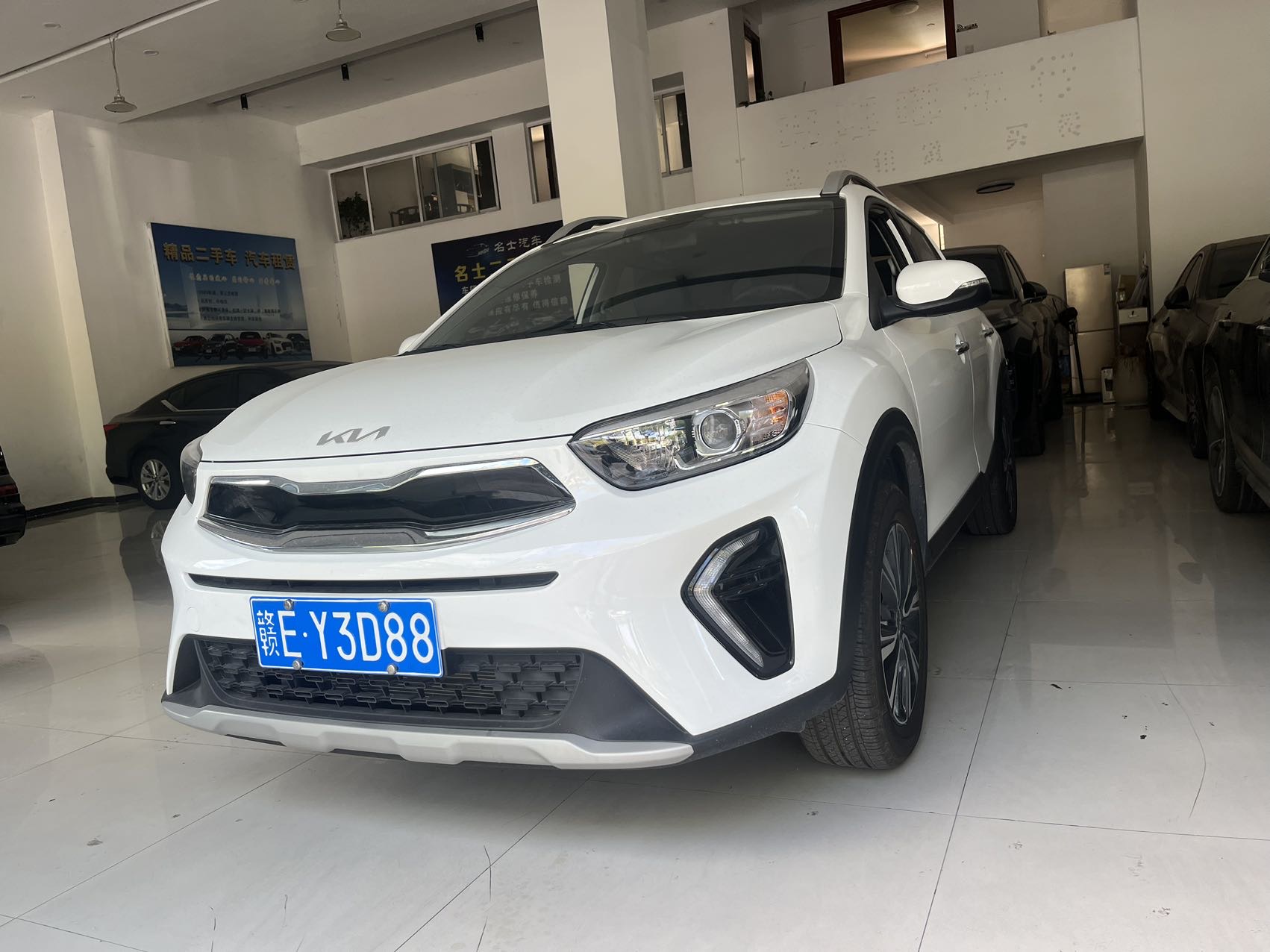
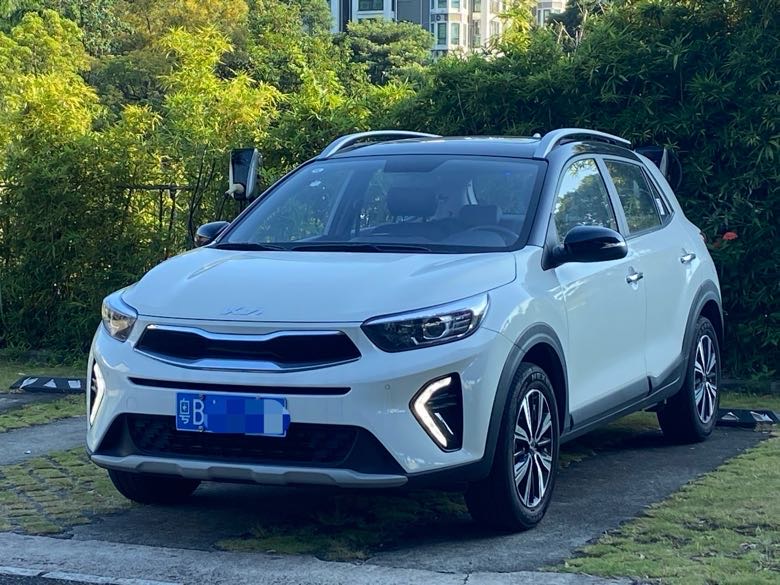
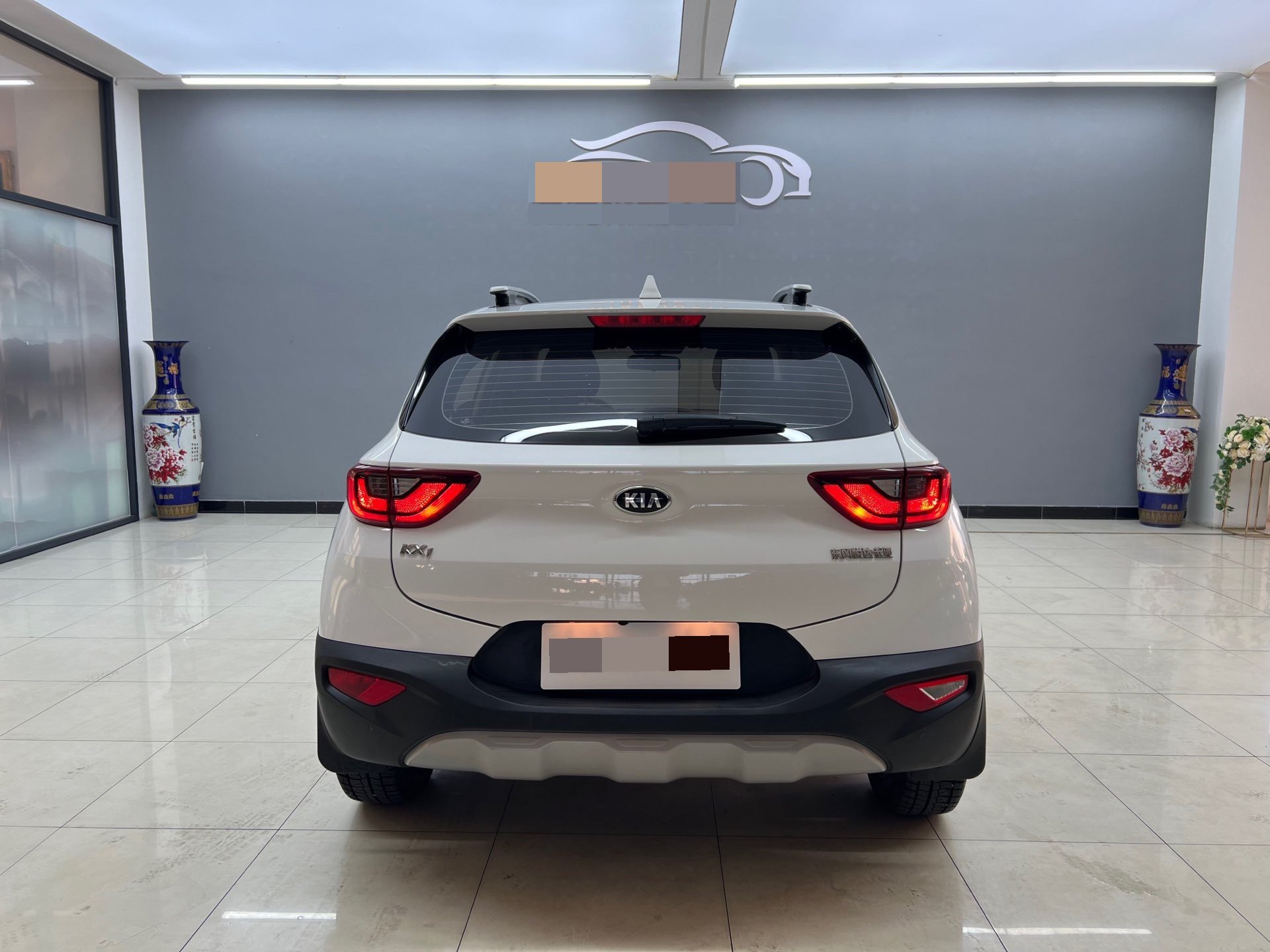
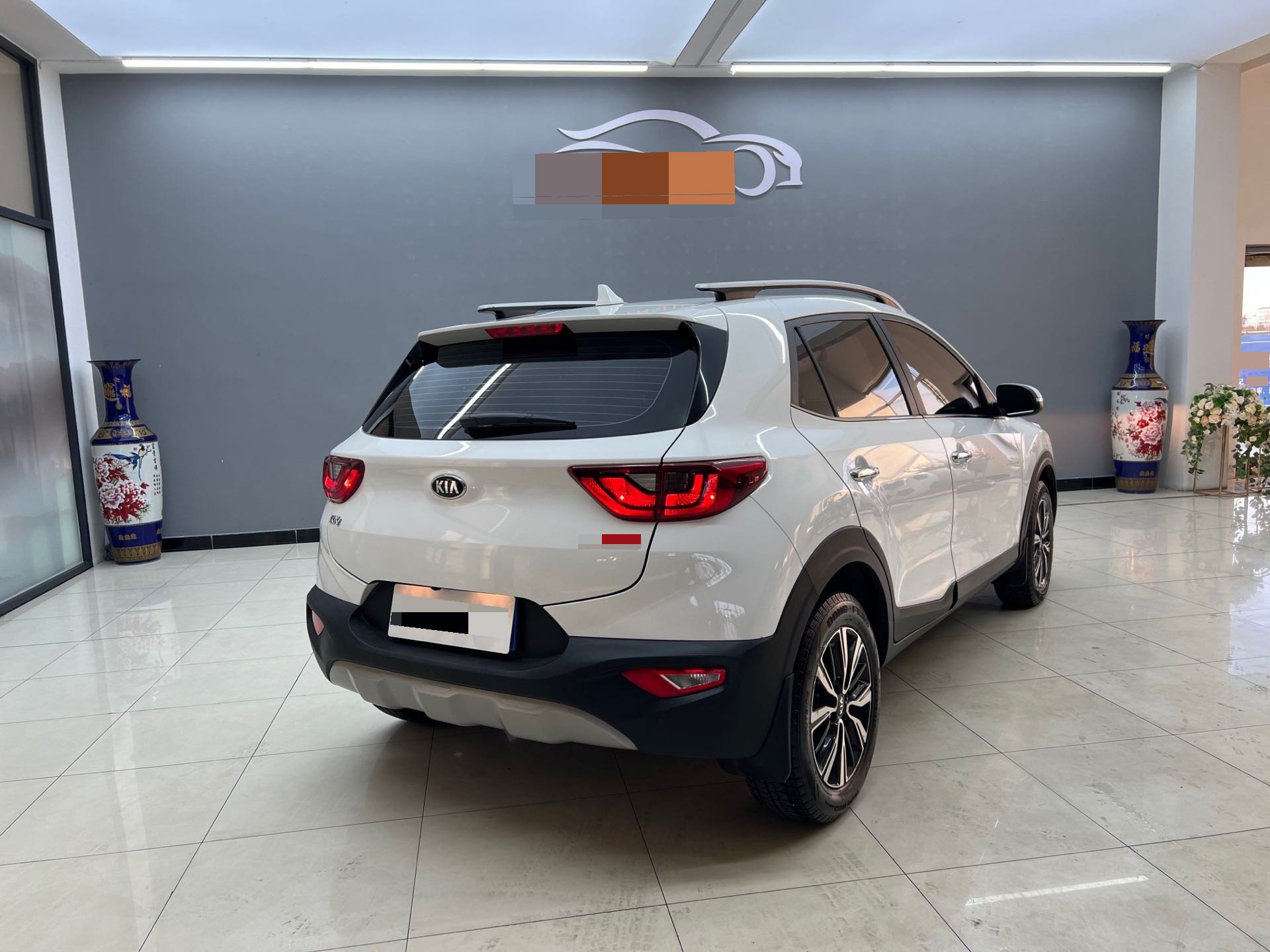
BrandKia
SeriesKX1
Year2021
First Registration2021/03
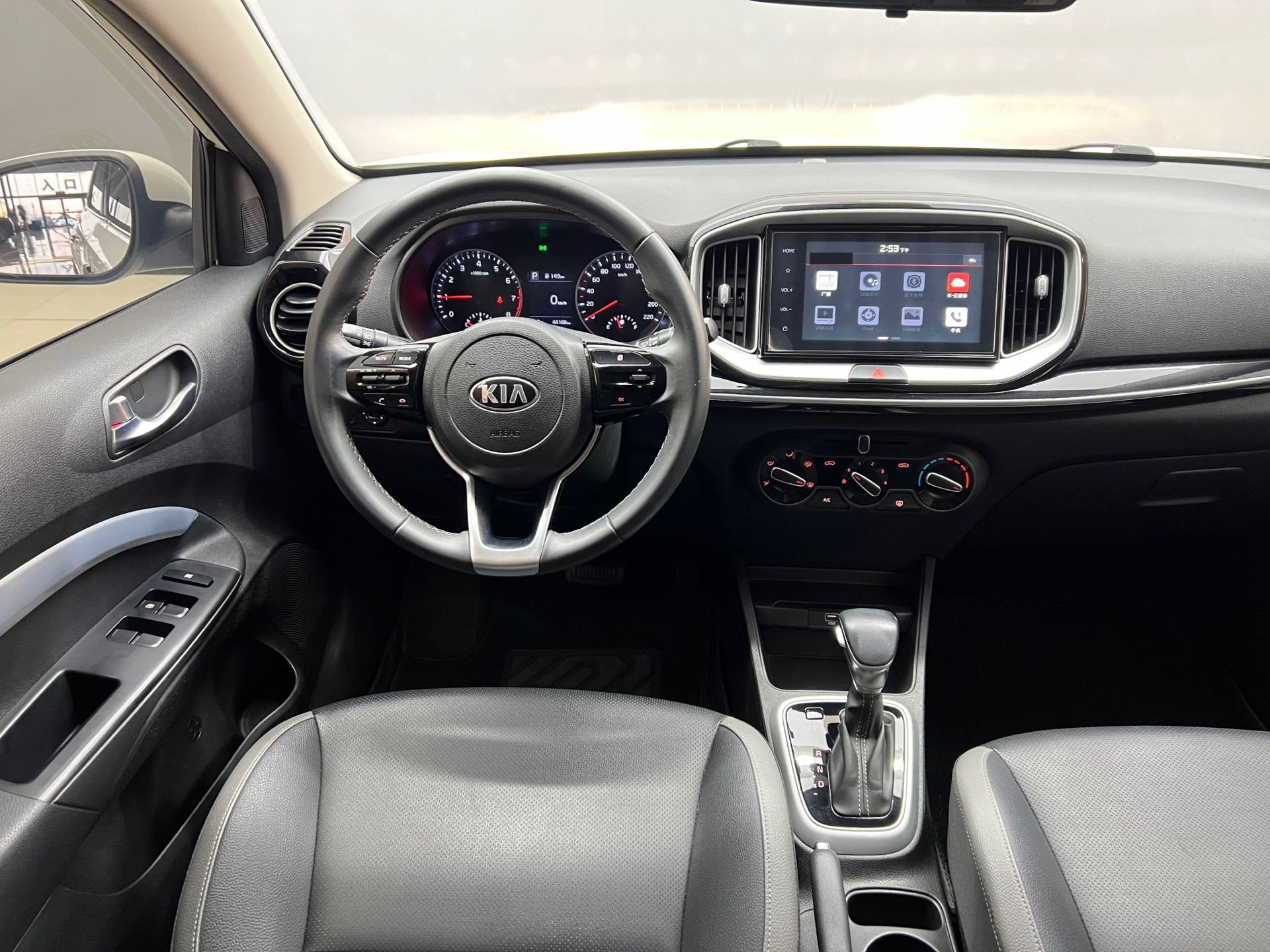
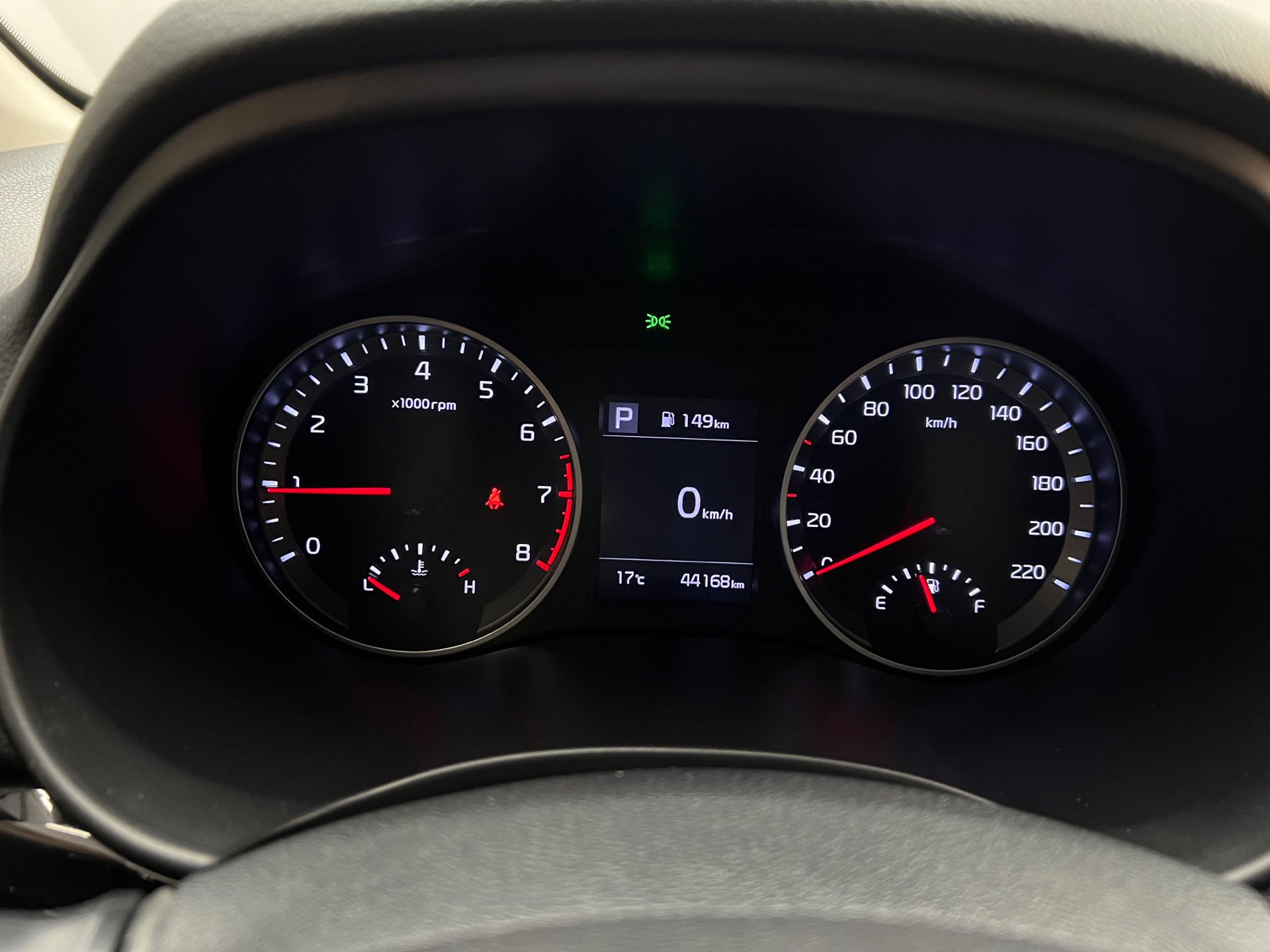
Mileage44,000km
Transfer Count0times
FuelGasoline
TransmissionManumatic
Engine1.4L 100 L4
ColorWhite
Seats-

Condition Description

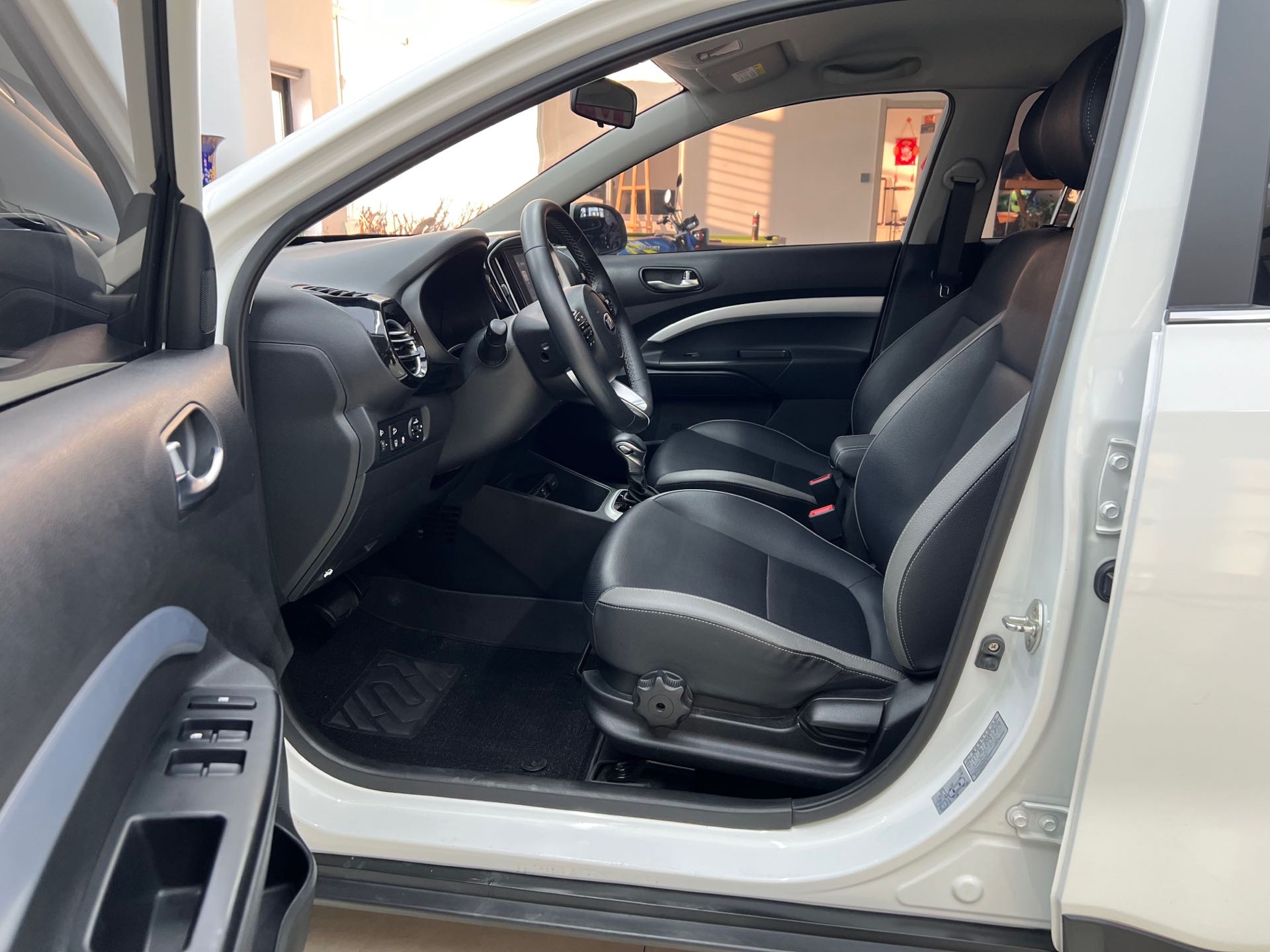
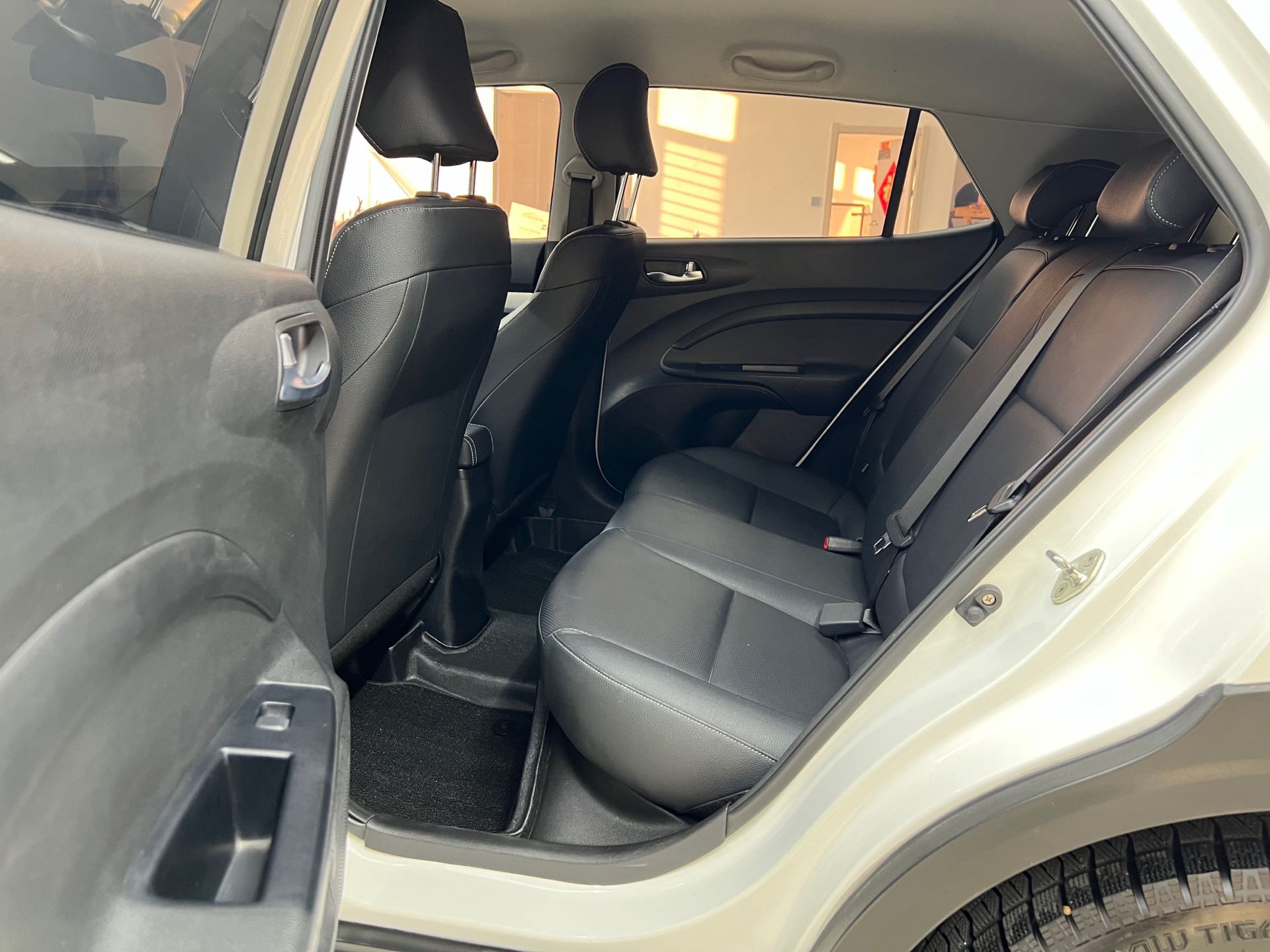
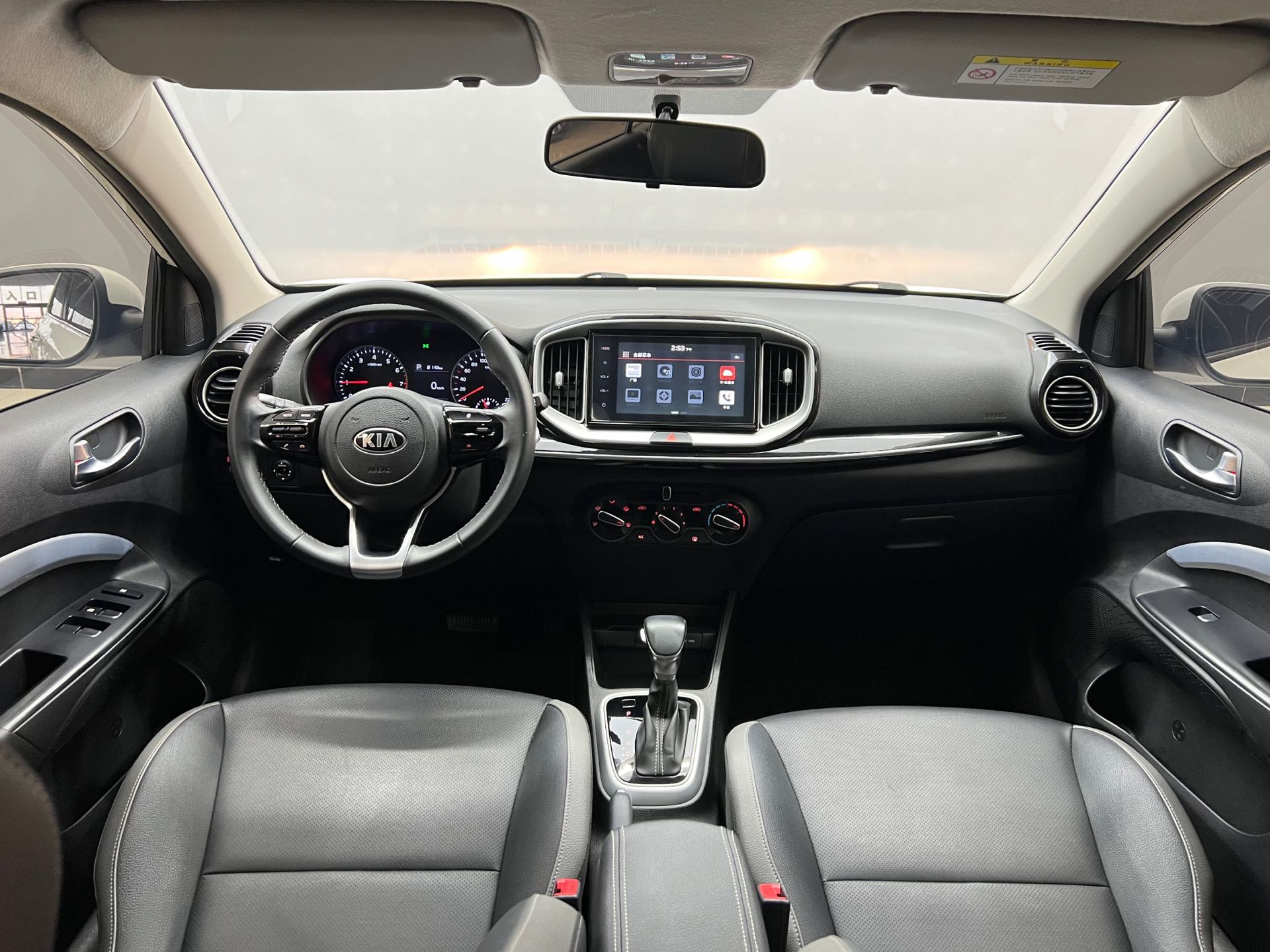
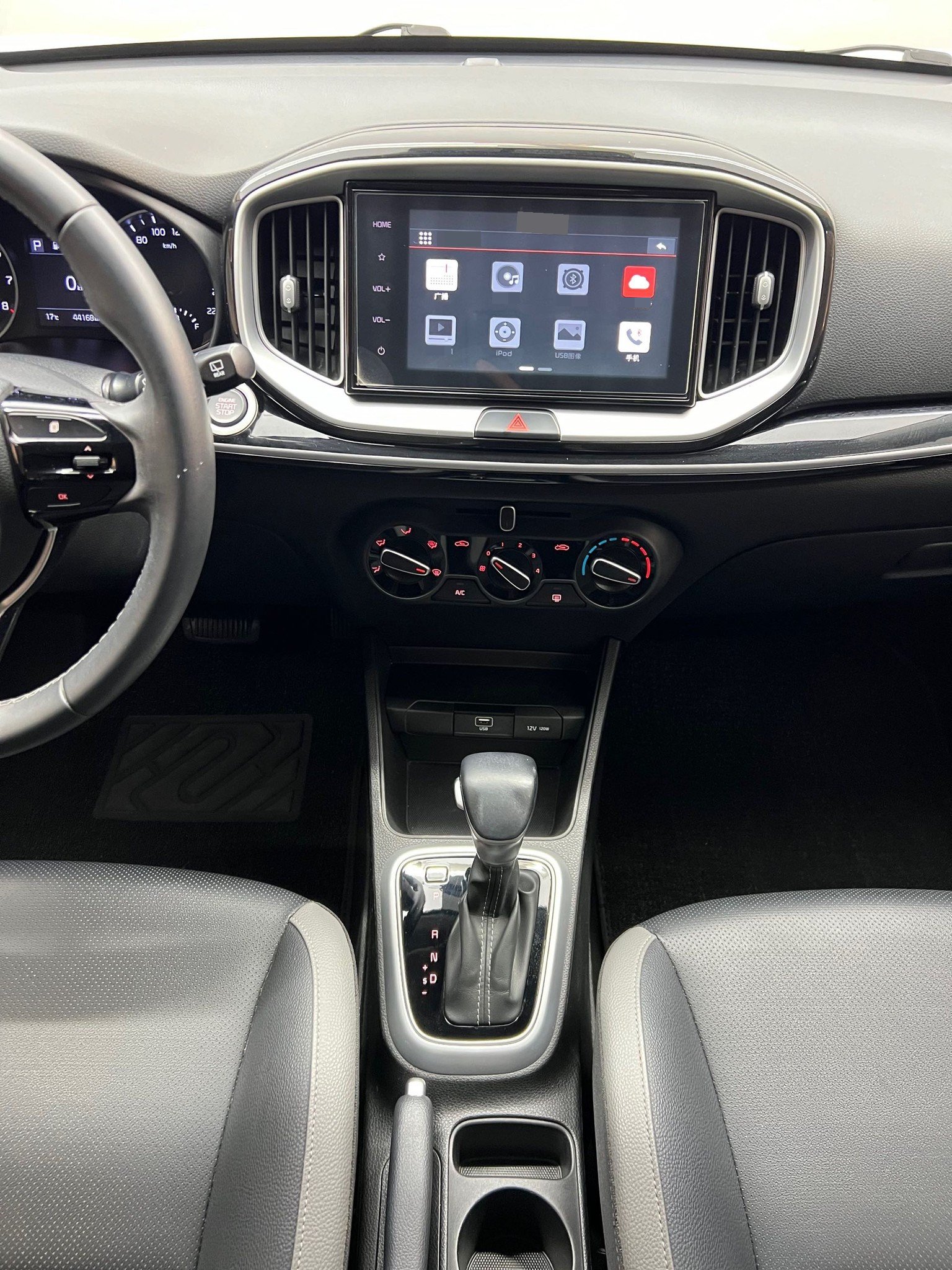
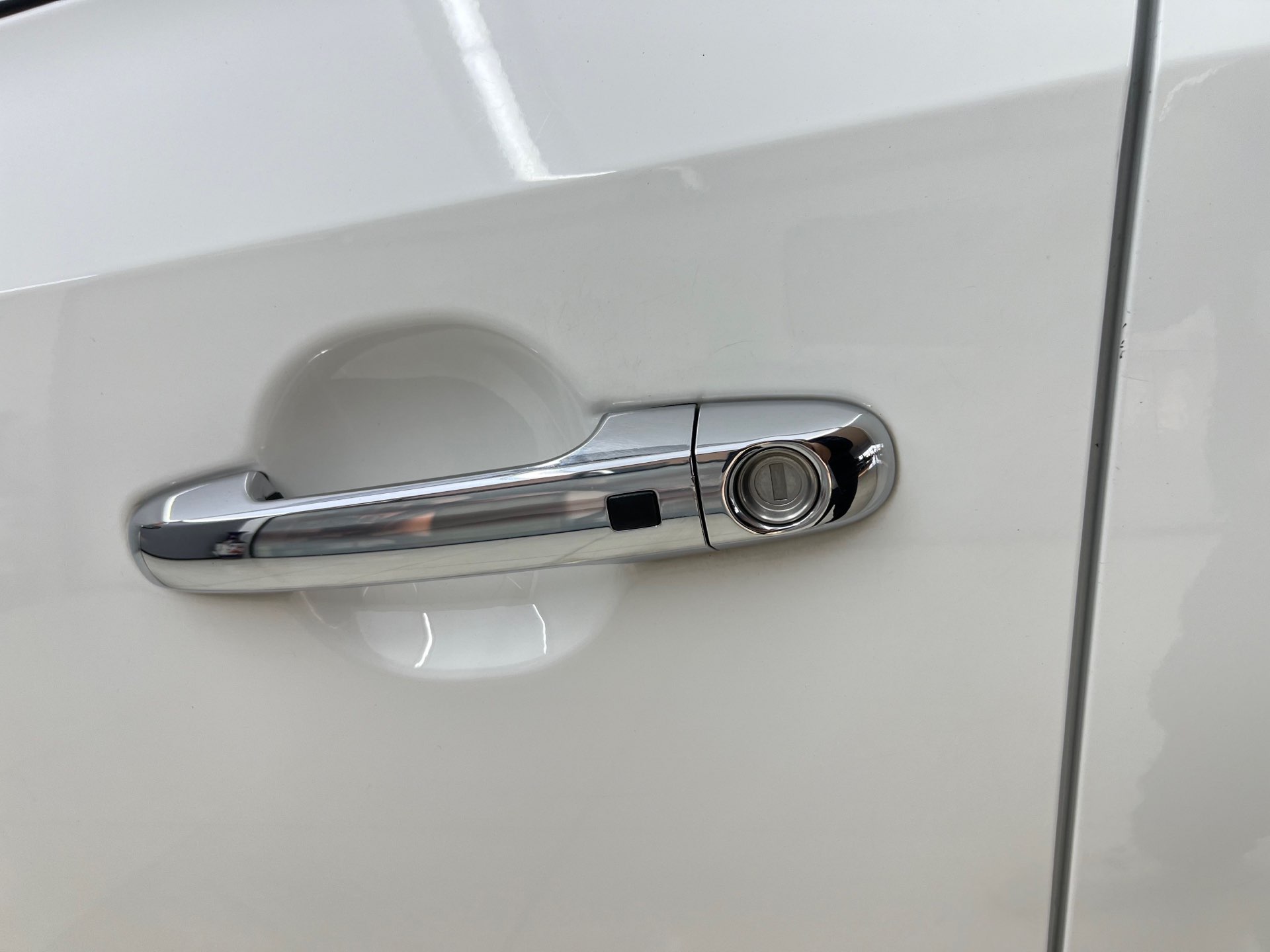
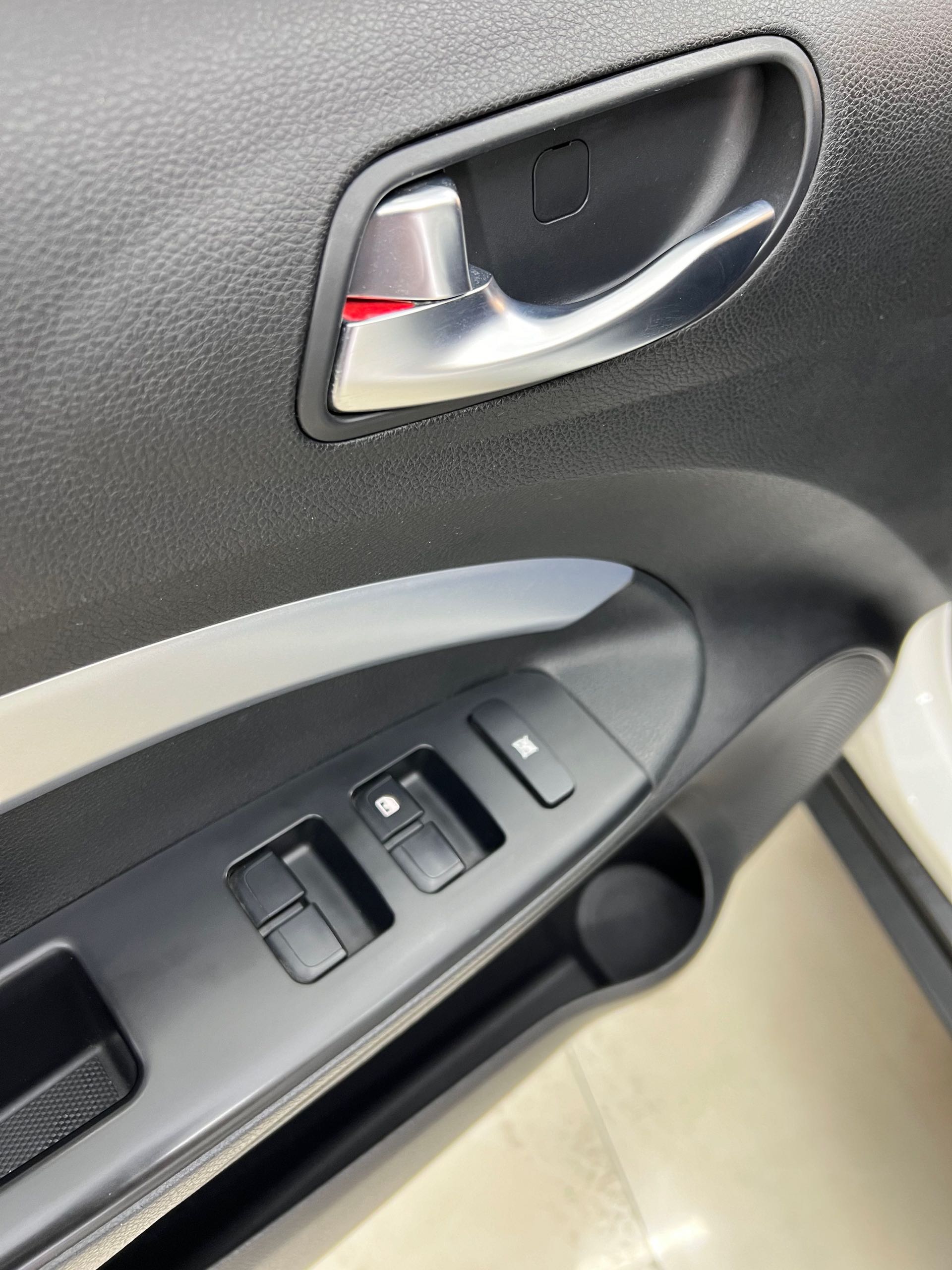
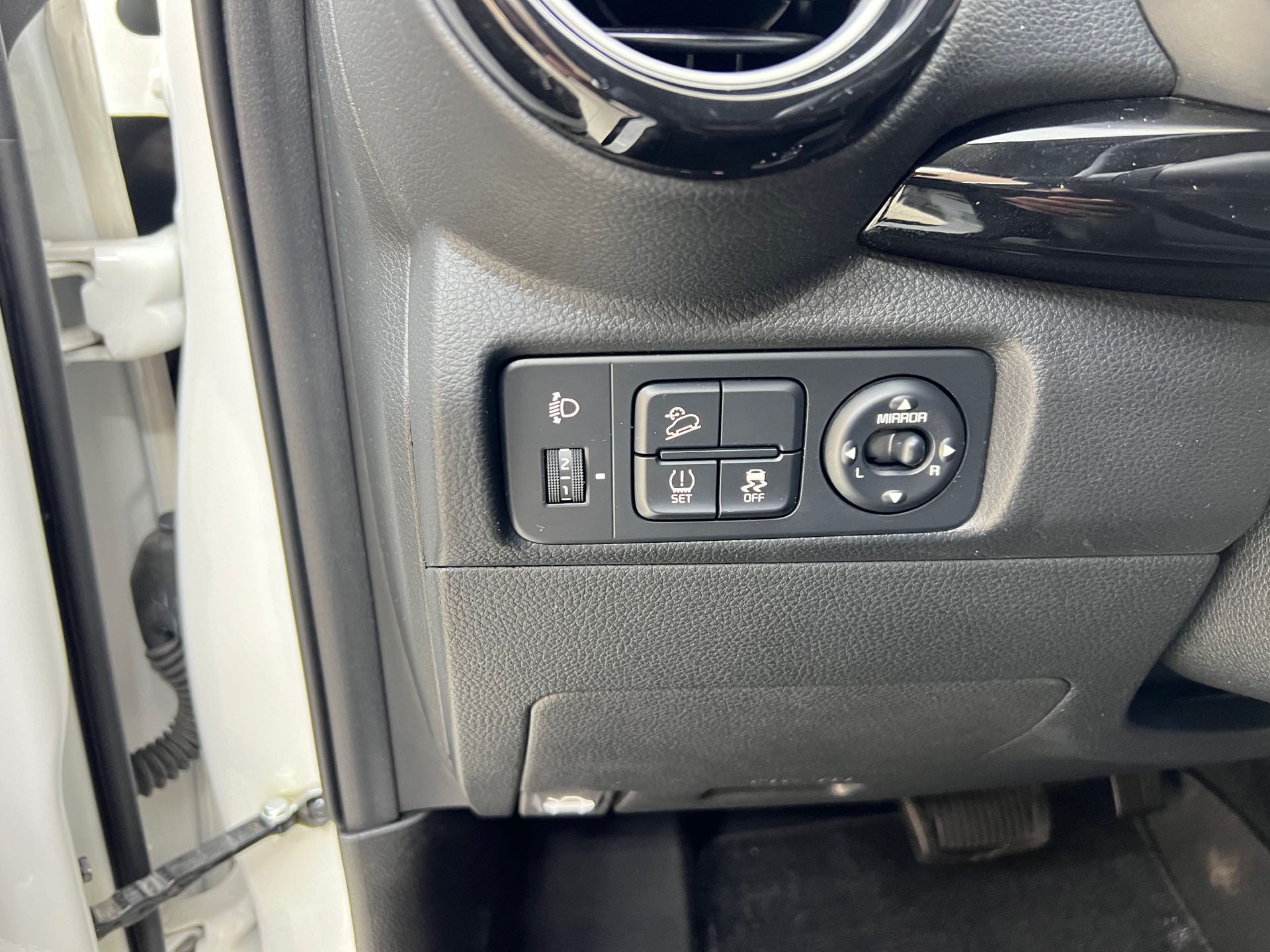
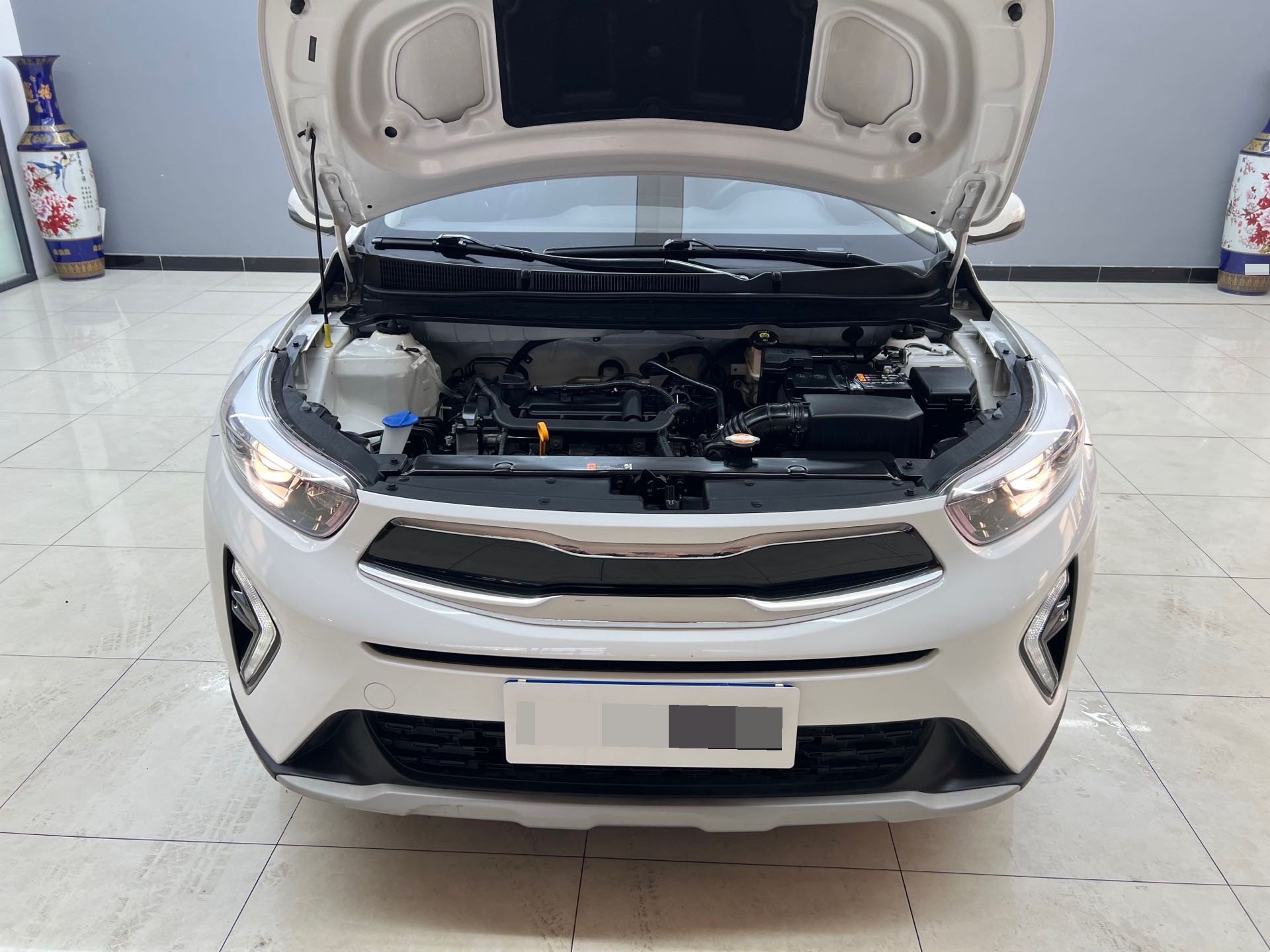
Original paint throughout, single owner, can pass third-party inspection.

Document Information

Inspection Expiry Date-
Warranty Expiry Date-
Insurance Expiry Date2027/03

Q&A

More

Can I get spare parts for a Chinese-brand car in my country, and how do I order them from China?

Parts availability depends on the brand's official presence in your market, but even unsupported brands can be maintained through direct ordering. Check three channels first: the brand's official dealer network (if any), third-party importers who specialize in Chinese auto parts, and generic equivalents. For wear items like brake pads, filters, and wipers, aftermarket suppliers usually stock cross-references by VIN. For model-specific parts — headlights, sensors, control modules — order directly from China. Ask your exporter for the parts catalog by VIN, confirm OEM part numbers, and compare prices. A turbocharger that costs $900 from a local dealer often ships from China for $350 plus $80 freight. Practical tips: bundle multiple parts into one shipment to amortize freight; ask for DDP (delivered duty paid) pricing so customs clearance is handled; and always verify part numbers against your VIN before paying, as Chinese models have running changes mid-year. Keep a small stock of common wear parts — oil filters, air filters, spark plugs — to avoid a 4-6 week wait for routine maintenance.


How can I verify a used car's mileage is genuine and hasn't been rolled back before export?

Odometer rollback is a common risk, so verify mileage through multiple channels rather than trusting the dashboard alone. First, ask the seller for maintenance records from the brand's official service network. Each service entry records the odometer reading with a date, so a consistent upward trend confirms the mileage is genuine. Second, run a VIN-based history report through Chinese platforms (such as CarVertical-style reports covering Chinese records) and check auction records if the car came from a used-car auction — auction sheets always log the mileage. Third, inspect physical wear during your video inspection: pedal rubber, steering wheel shine, seat bolsters, and gear knob wear should match the claimed mileage. A car showing 40,000 km with heavily worn pedals is a red flag. Finally, check the odometer reading in the export documents — Chinese customs and inspection records also capture mileage, giving you an official data point. If the seller refuses to share service records, treat the mileage as unverified and price your offer accordingly.

What tools and equipment does a professional pre-shipment inspection of a used car use?

A proper inspection relies on equipment, not just eyes. The inspector should use a paint thickness gauge to measure 50-60 points across body panels; original paint is typically 80-150 microns. An OBD diagnostic scanner reads stored and pending fault codes across all control units, and for EVs it also reads battery state of health and charge cycle counts. The car must go on a lift for the underbody check: frame rails, suspension components, oil leaks and accident repair marks are only visible from below. A battery tester checks starting voltage and charging system health, and a tread depth gauge documents tire condition. Ask for the report to include raw readings and dated photos rather than a simple pass/fail summary - that is what makes it verifiable.