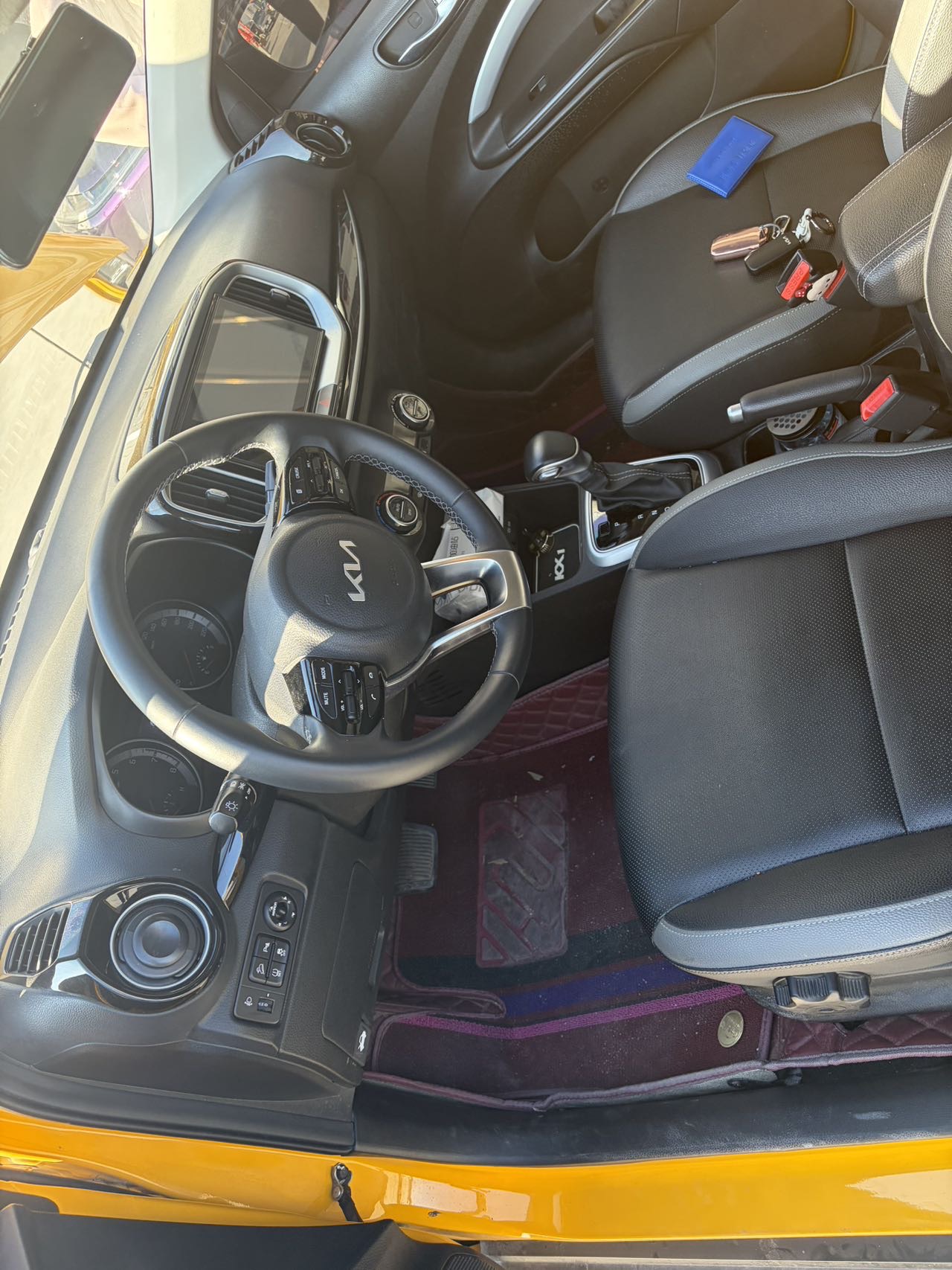
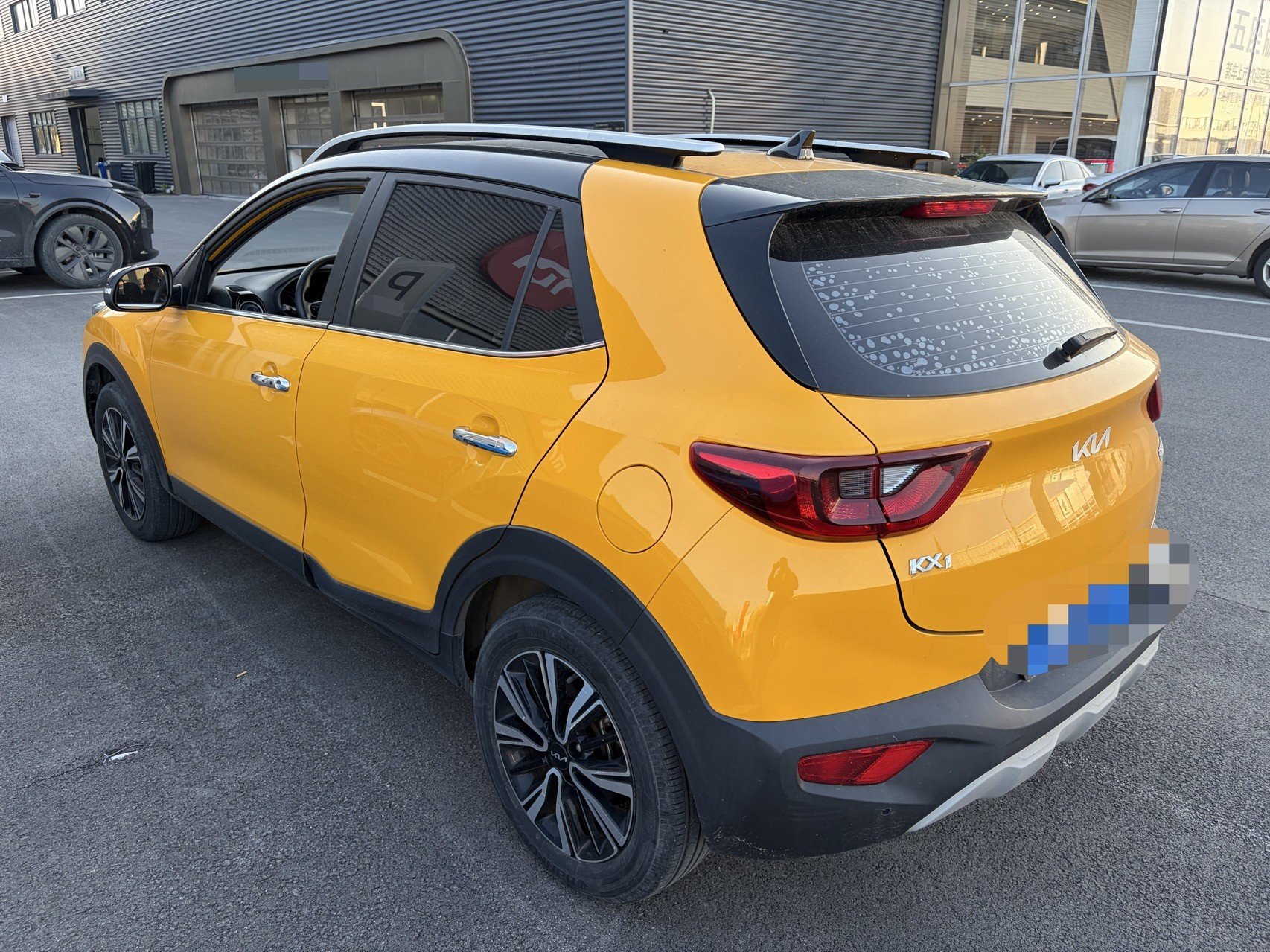
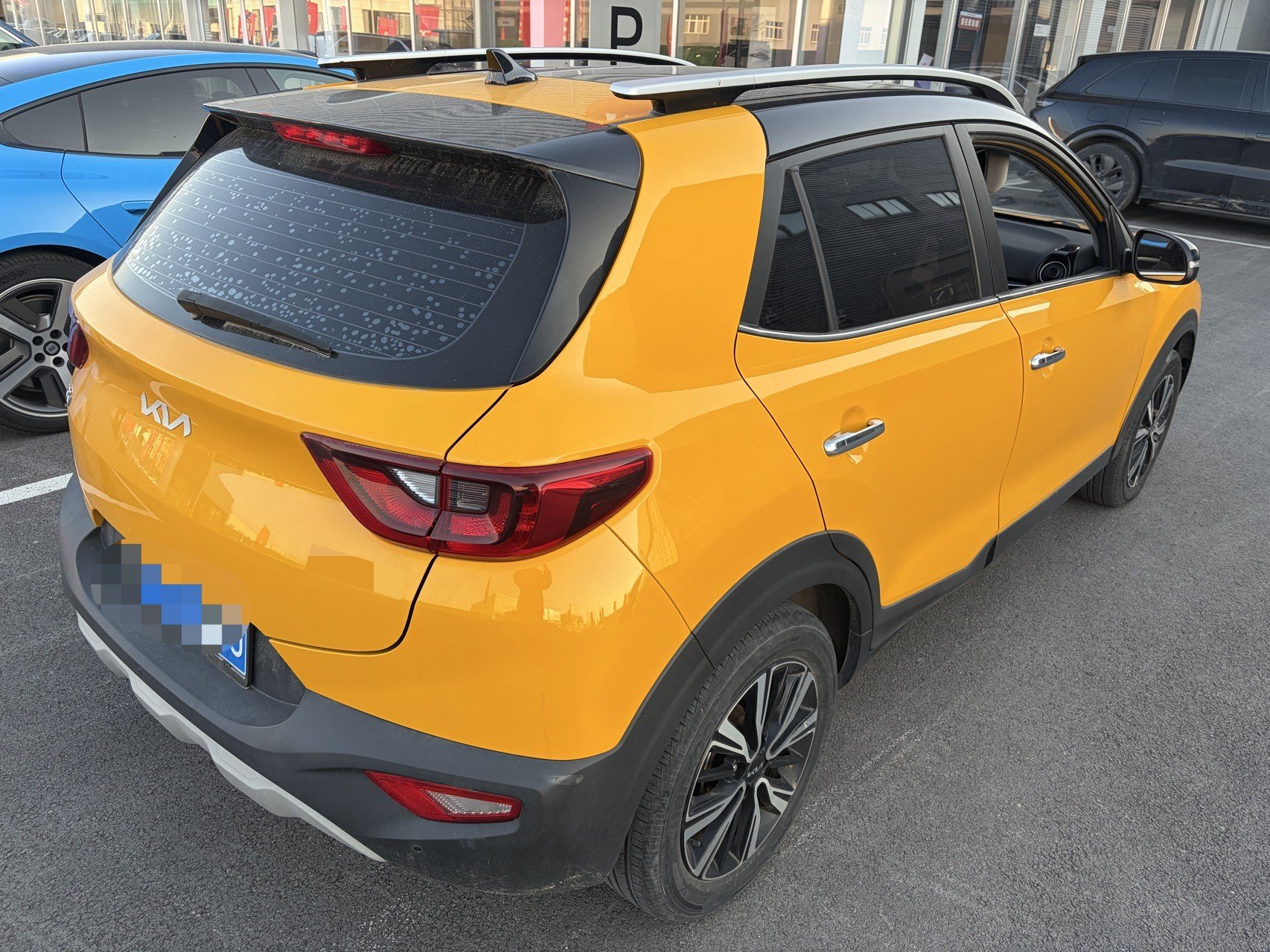
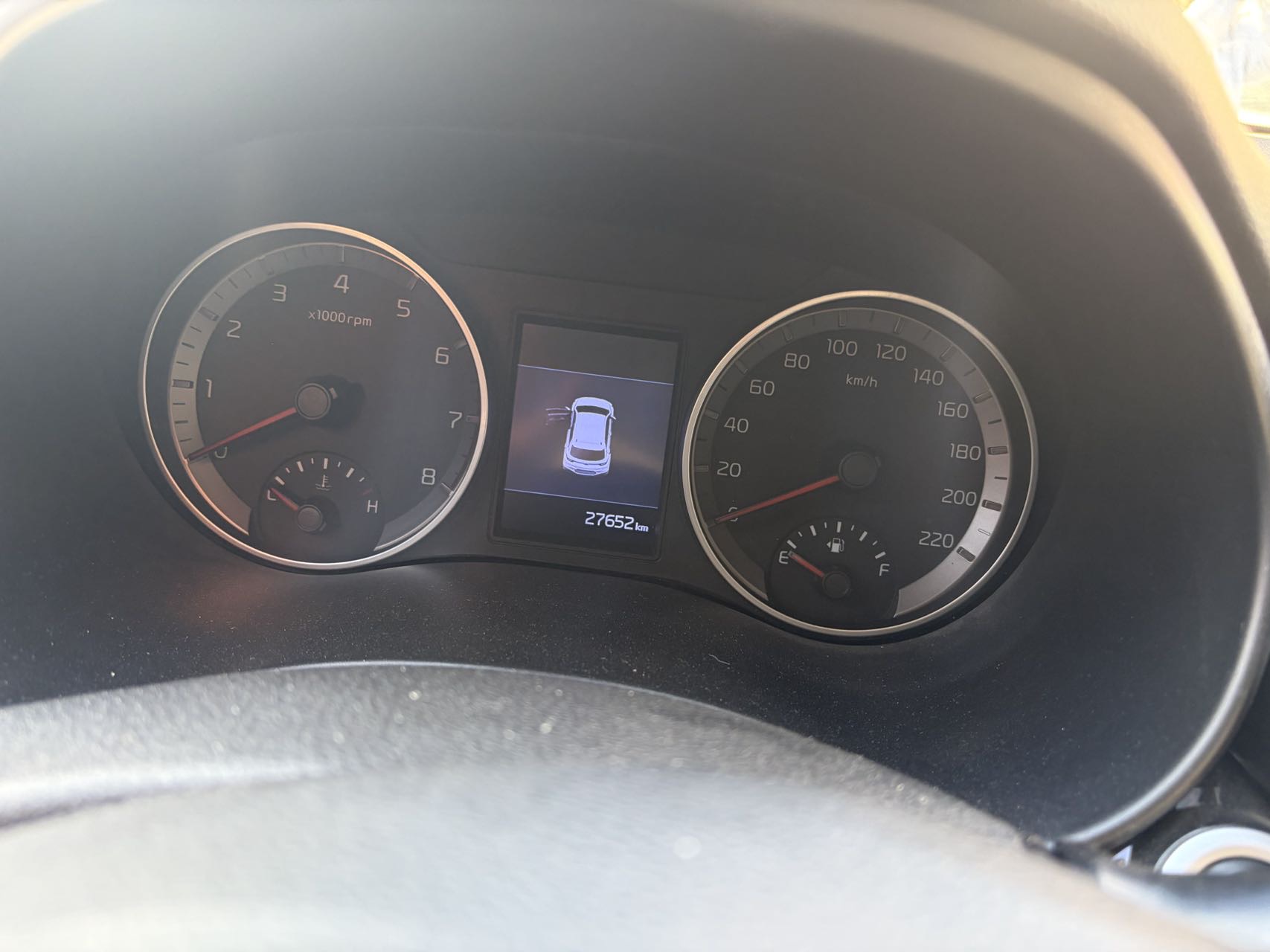



Basic Information

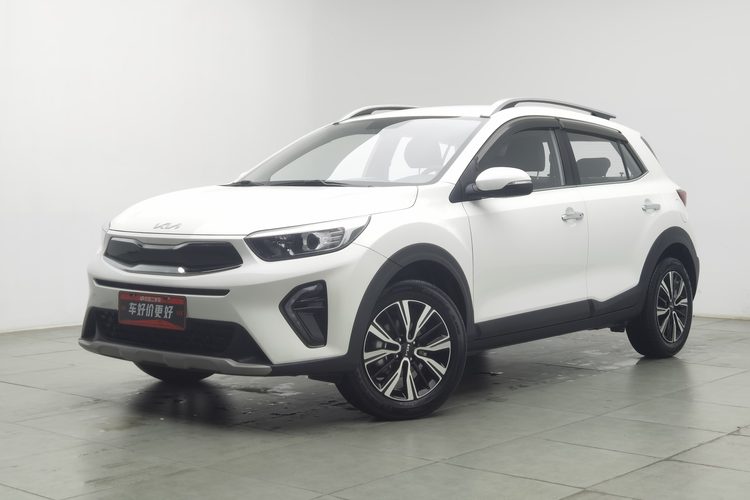
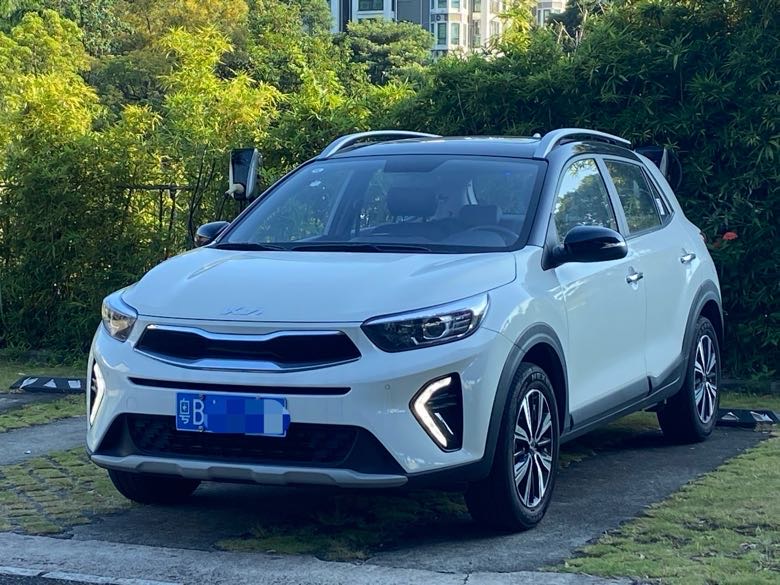
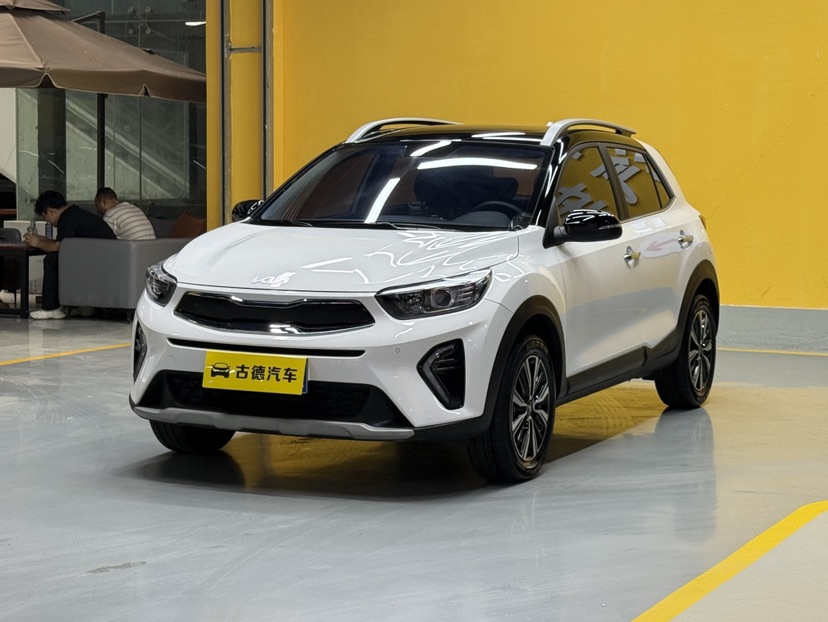
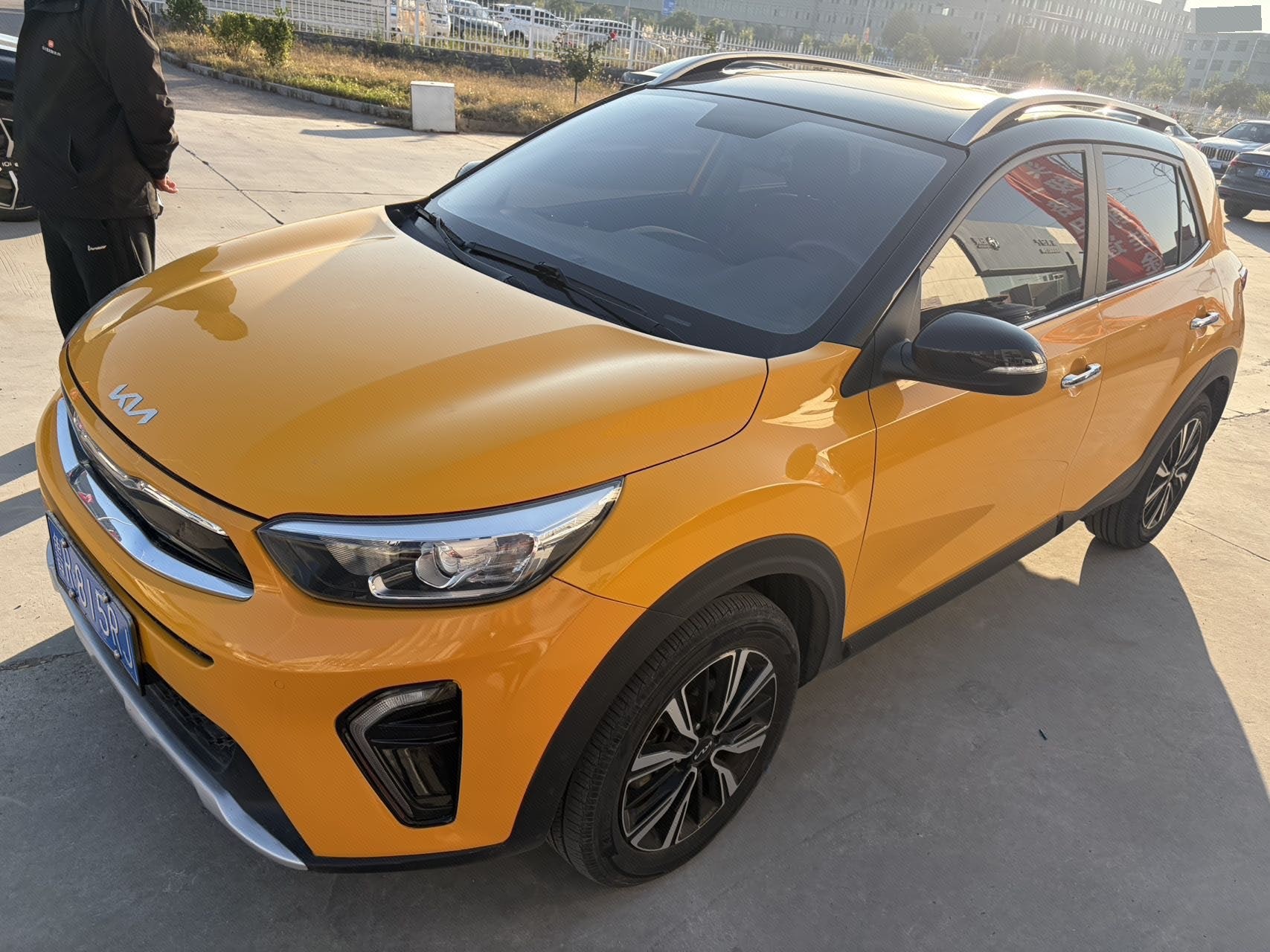
BrandKia
SeriesKX1
Year2021
First Registration2021/08
Mileage27,000km
Transfer Count0times
FuelGasoline
TransmissionCVT
Engine1.4L 100 L4
ColorYellow
Seats-

Condition Description

Original paint, personal first-hand car, actual mileage.

Document Information

Inspection Expiry Date-
Warranty Expiry Date-
Insurance Expiry Date2027/08

Q&A

More

Which electrical features should I test remotely before buying a used Chinese car—windows, sunroof, infotainment, sensors?

Electrical faults are among the most annoying problems to discover after import, because they rarely stop the car from running. Ask the seller for a live video walkthrough testing each item: all four windows up and down, sunroof open/close, central locking (including with the key and remote), infotainment touchscreen, Bluetooth pairing, all cameras (reversing and 360-degree if fitted), parking sensors, interior and exterior lights, and the horn. Also watch the dashboard during startup: every warning light should illuminate briefly and then go out. A light that never appears, or stays on, tells you something needs attention. Pair this with an OBD scan to catch stored fault codes the seller might not mention. If a feature "only works sometimes," assume it is broken and price the repair into your offer.


How long is your quotation valid? What is the basis for re-quoting after it expires?

Our FOB vehicle quotes are typically valid for 72 hours (as domestic retail vehicle sources can be sold at any time); sea freight quotes are valid for 7 to 14 days (depending on shipping line changes). After expiration, prices need to be recalculated based on real-time exchange rates and domestic procurement conditions.

How can I verify that a pre-shipment inspection report and photos really match the car I'm buying—timestamps, VIN, and live video?

Fake or recycled inspection reports are a real risk. Verify authenticity before wiring the balance payment. First, match the VIN: the report must show the full VIN, and the photos must include close-ups of the VIN plate on the chassis and the windshield tag. Ask for a live video call where the inspector walks to the car, shows the VIN tag, and then pans across the dashboard, odometer, and any defects noted in the report—on the same call. Check metadata: ask for original photos rather than screenshots. Files sent via WeChat often strip EXIF, so request the inspector to email originals or use a cloud link where timestamps and GPS data are visible. Cross-verify details: the odometer reading in the video should match the report exactly, and paint-thickness readings should be reproducible—ask the inspector to re-measure 2-3 spots live. Use a known inspection company rather than one recommended solely by the seller, and pay the inspector directly. An independent inspector has no incentive to hide defects.