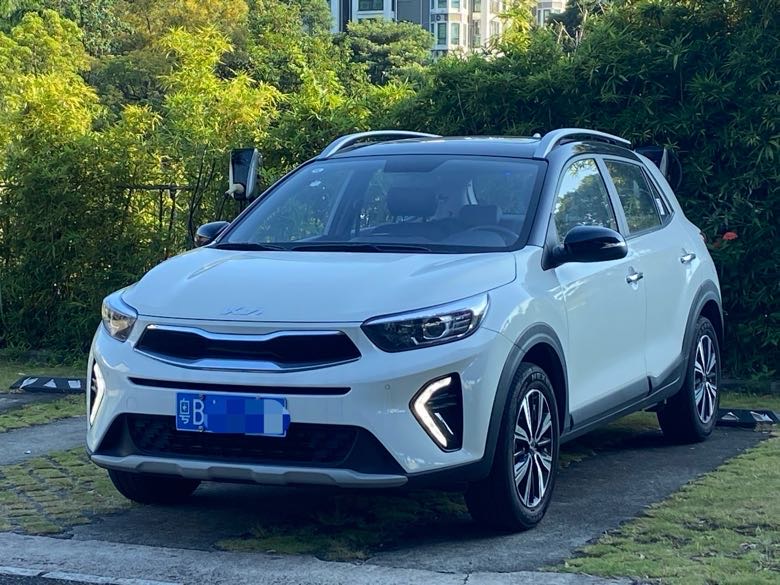
Sold

Basic Information

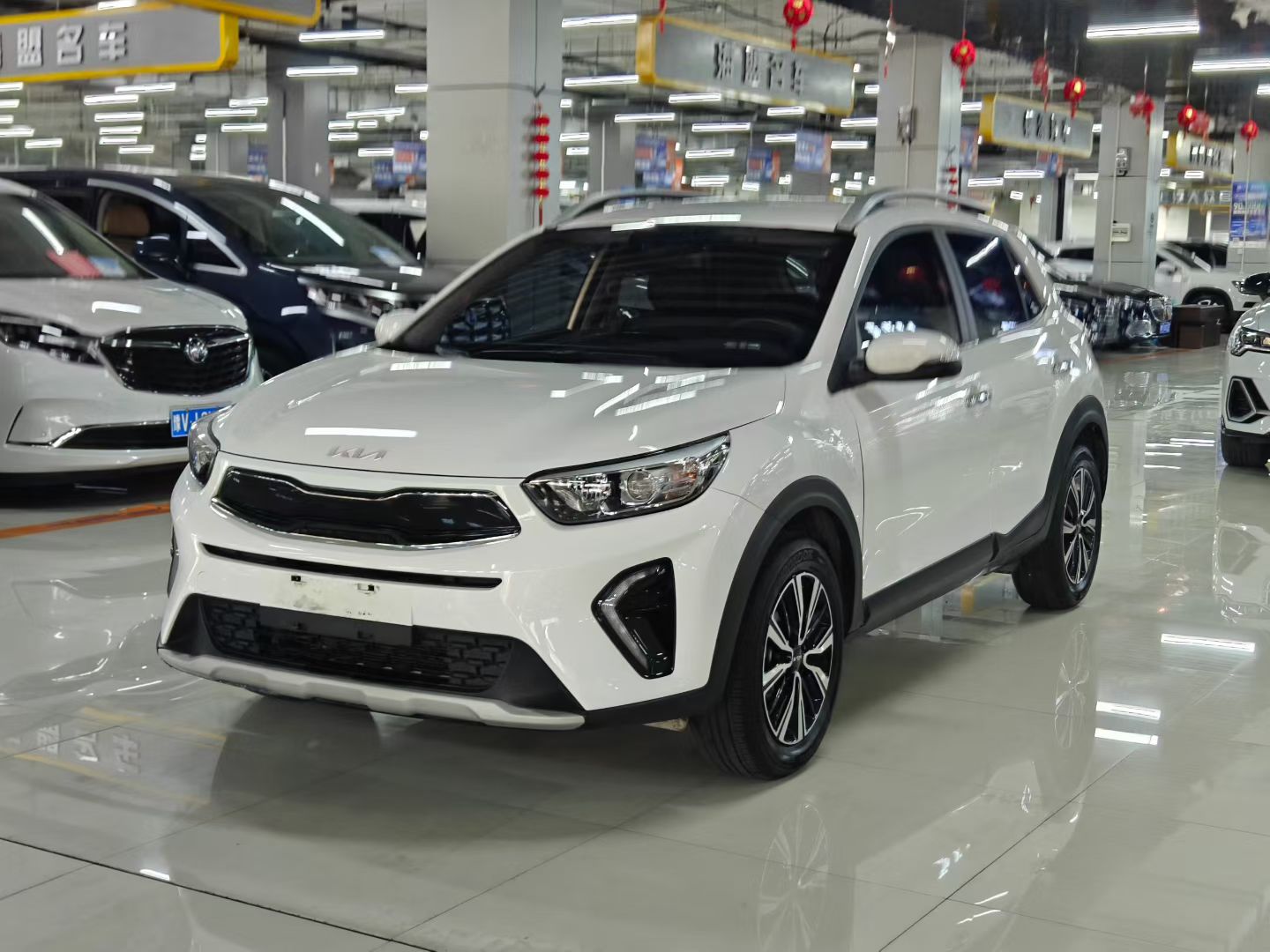
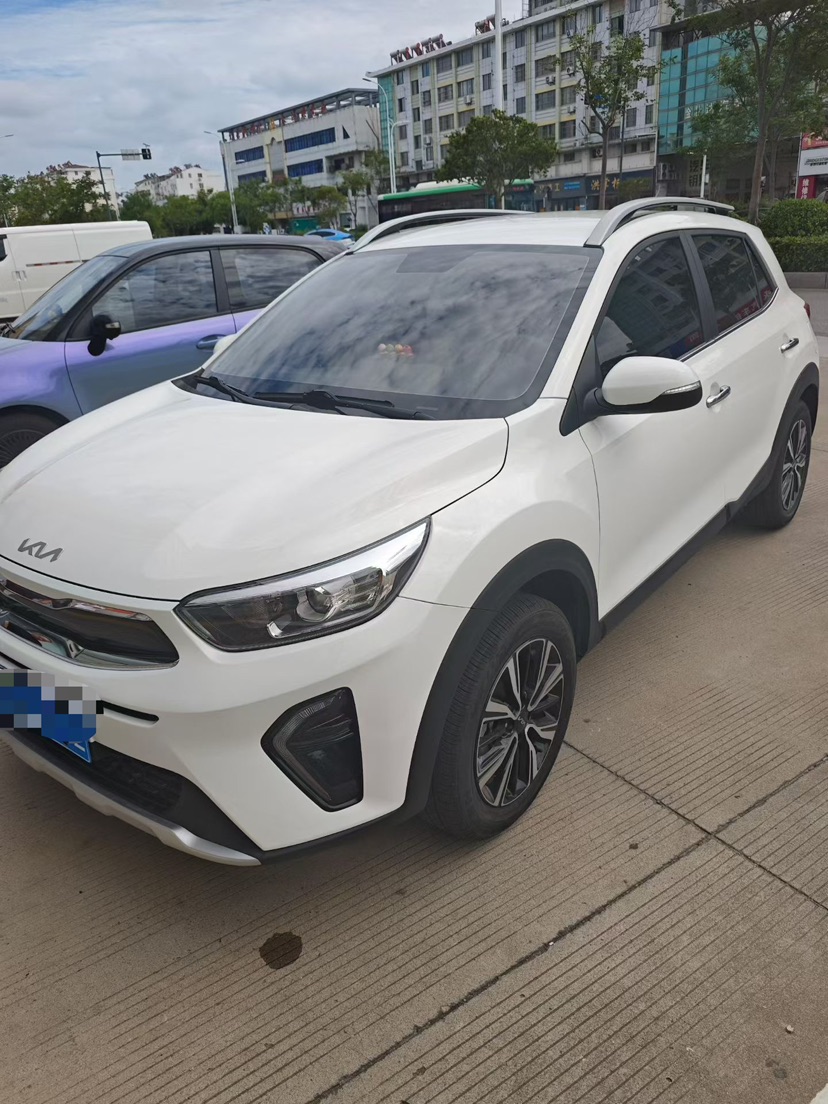
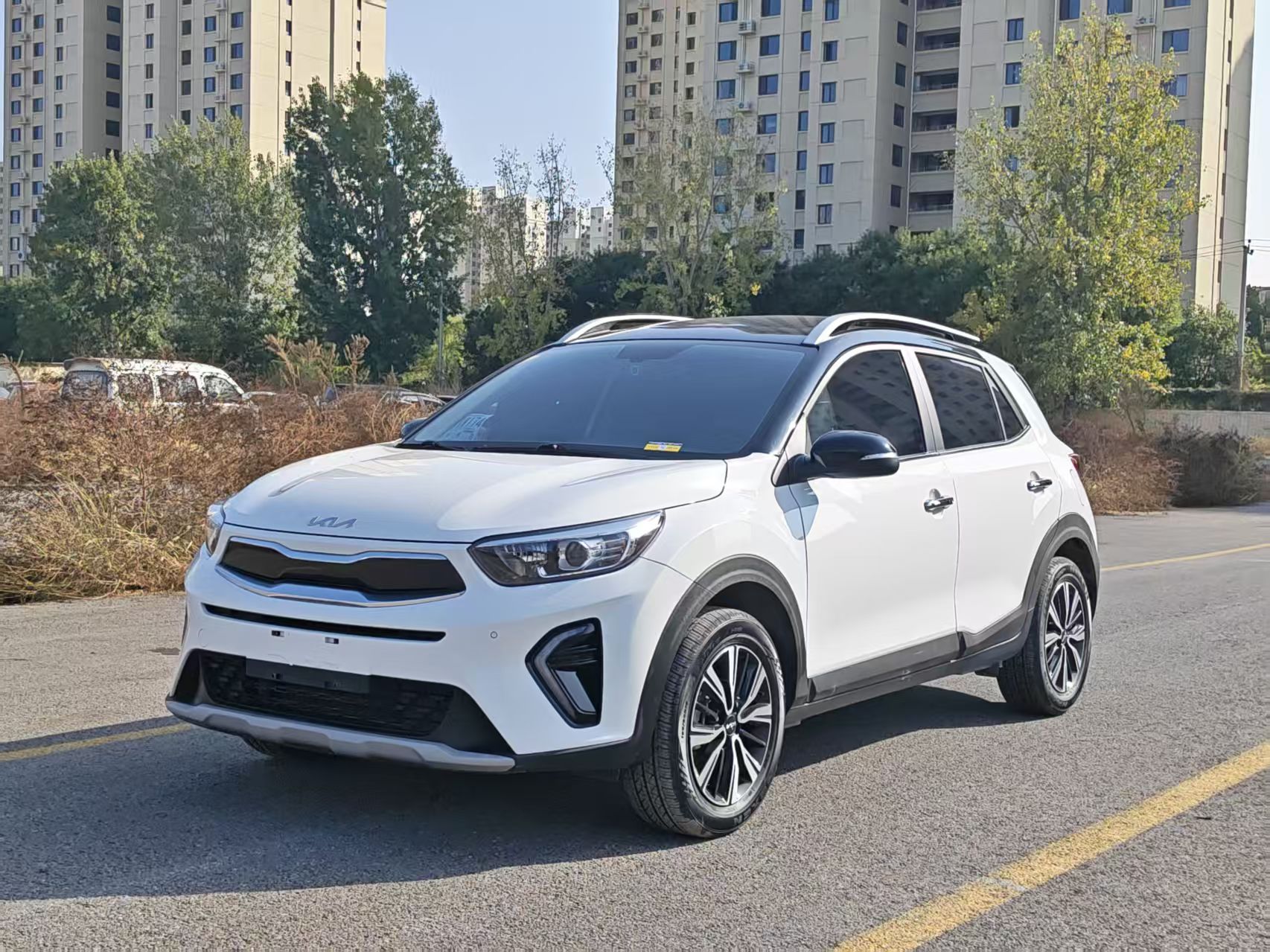
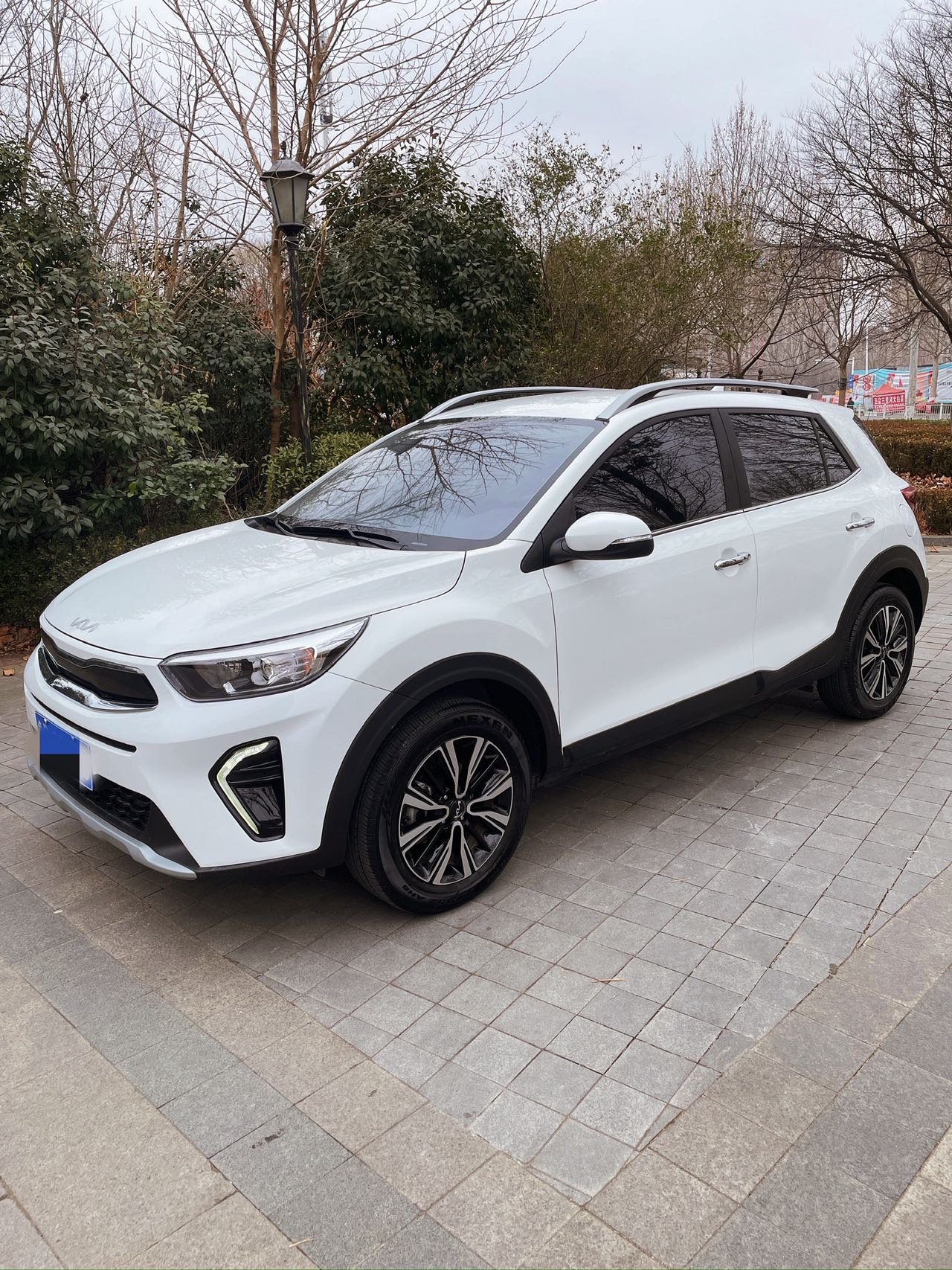
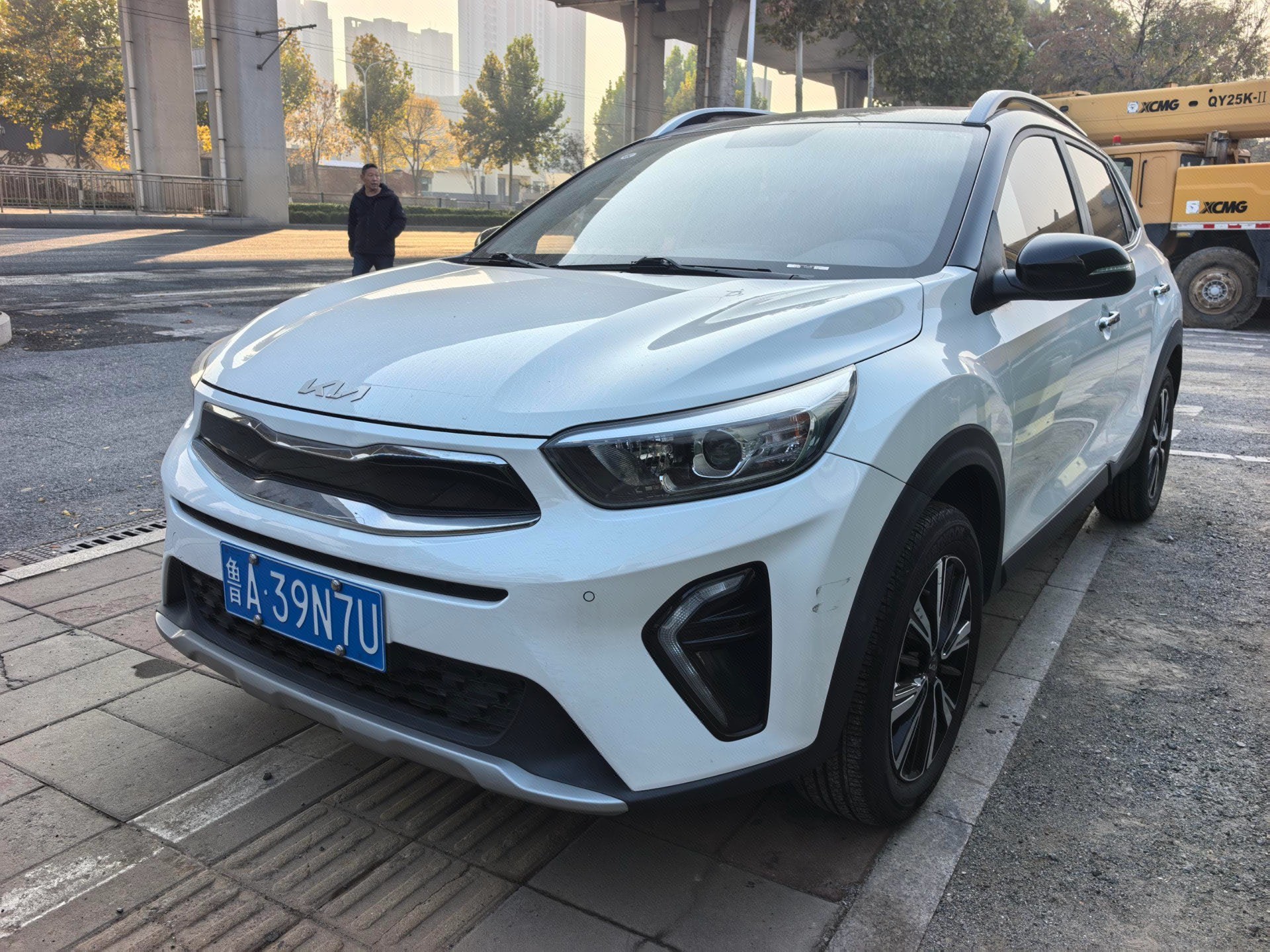
BrandKia
SeriesKX1
Year2022
First Registration2022/09
Mileage25,000km
Transfer Count0times
FuelGasoline
TransmissionCVT
Engine1.4L 100 L4
ColorWhite
Seats5seats

Condition Description

Full original paint, can pass third-party inspection, actual odometer over 20,000 km, manufactured in July 2022.

Document Information

Inspection Expiry Date-
Warranty Expiry Date-
Insurance Expiry Date2027/09

Q&A

More

What is the latest time to request changes to the consignee and notify party on the bill of lading?

Changes must be requested before the shipping cut-off date (SI Cut-off Date) prior to the vessel's departure. Once the vessel has sailed, the shipping company will charge a high amendment fee, which may also cause delays in customs clearance at the destination port, with costs borne by the buyer.

How do I check the battery health (SOH) of a used Chinese EV before buying?

Battery condition is the single biggest value factor in a used EV, and it can be measured — do not accept a verbal "battery is fine" without data. First, ask for a battery health certificate: brands like BYD, NIO, XPeng and Li Auto can generate an official state-of-health report from the VIN, usually within minutes at a dealer or via the brand's app. Look for SOH above 85% for a car under five years old. Second, request a charge-and-discharge test during inspection: the displayed range at 100% charge compared with the original rated range gives a practical health estimate. Third, check battery warranty status. Most Chinese brands offer 8 years or 150,000–200,000 km on the battery pack, and the remaining warranty usually transfers with the car — get this in writing. Fourth, for cars heading to hot climates, confirm the battery cooling system works; overheating is a common killer of battery life. Add a minimum SOH guarantee to your purchase contract so you have recourse if the battery underperforms.

What does the buying process look like when importing a used car from China?

A typical transaction has six steps. 1. Selection: you confirm the vehicle through photos, a video walkaround, an inspection report and the VIN. 2. Deposit: most exporters ask 20%-30% to reserve the car. Pay by bank transfer to the company's corporate account, never a personal one. 3. Inspection: an independent pre-shipment inspection verifies the condition; you receive the report before paying the balance. 4. Balance payment: usually due before loading. Request the booking confirmation and container number. 5. Shipping: the exporter sends you the draft bill of lading for checking, then the original documents by courier. 6. Arrival: you clear customs with the invoice, C/O, B/L and inspection certificate, then register the vehicle. Total timeline is usually 2-6 weeks. Use payment methods with recourse (T/T or escrow) and keep every contract and receipt.