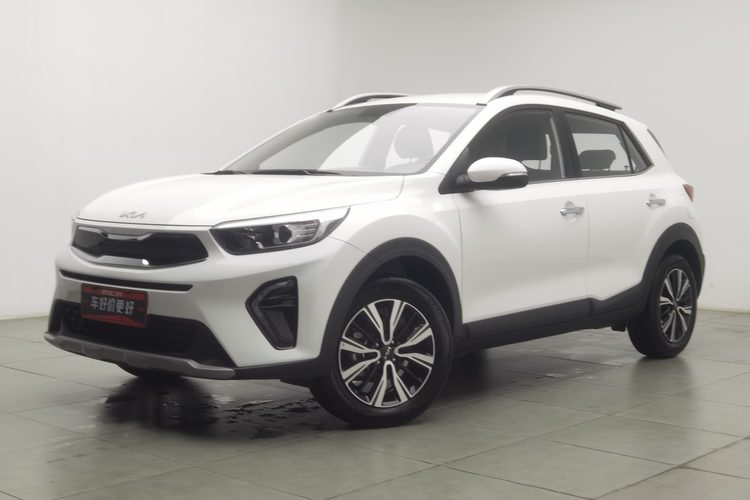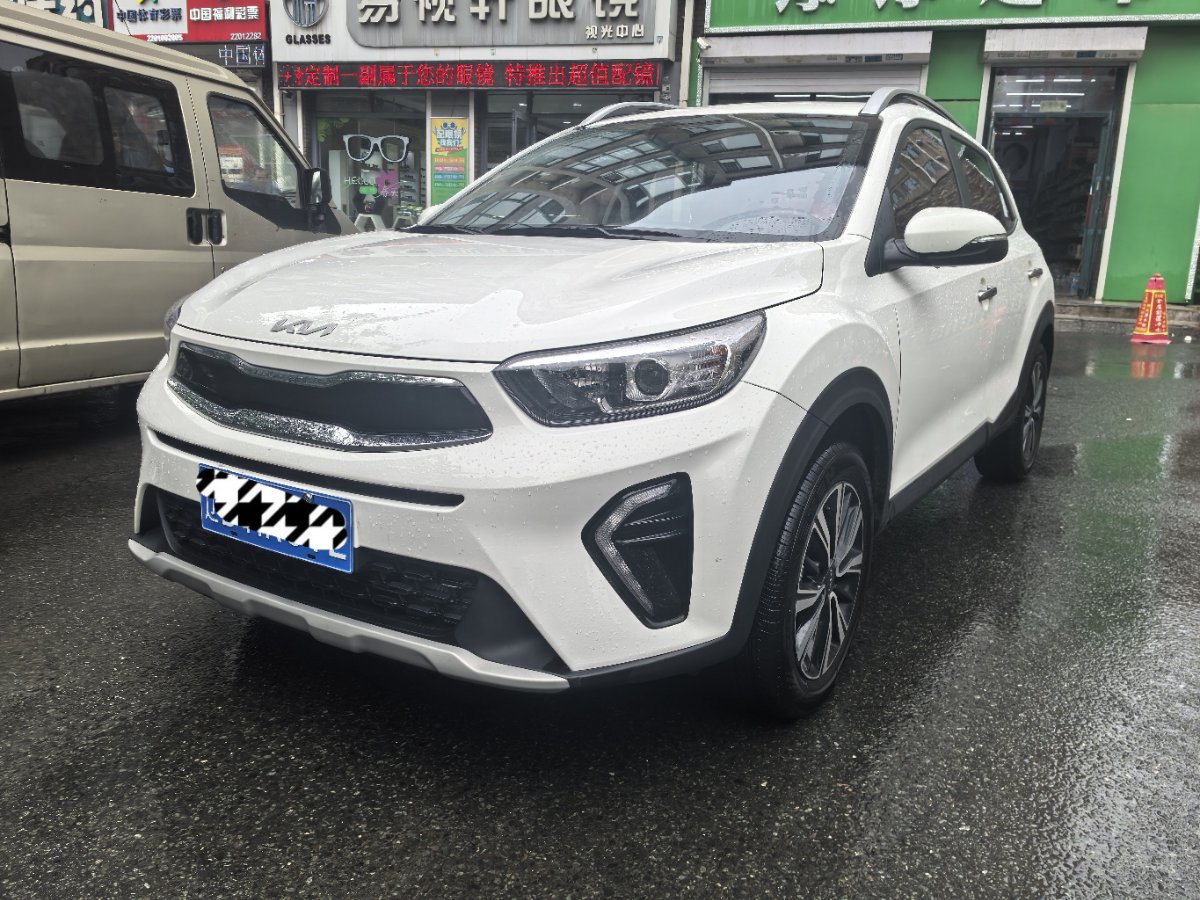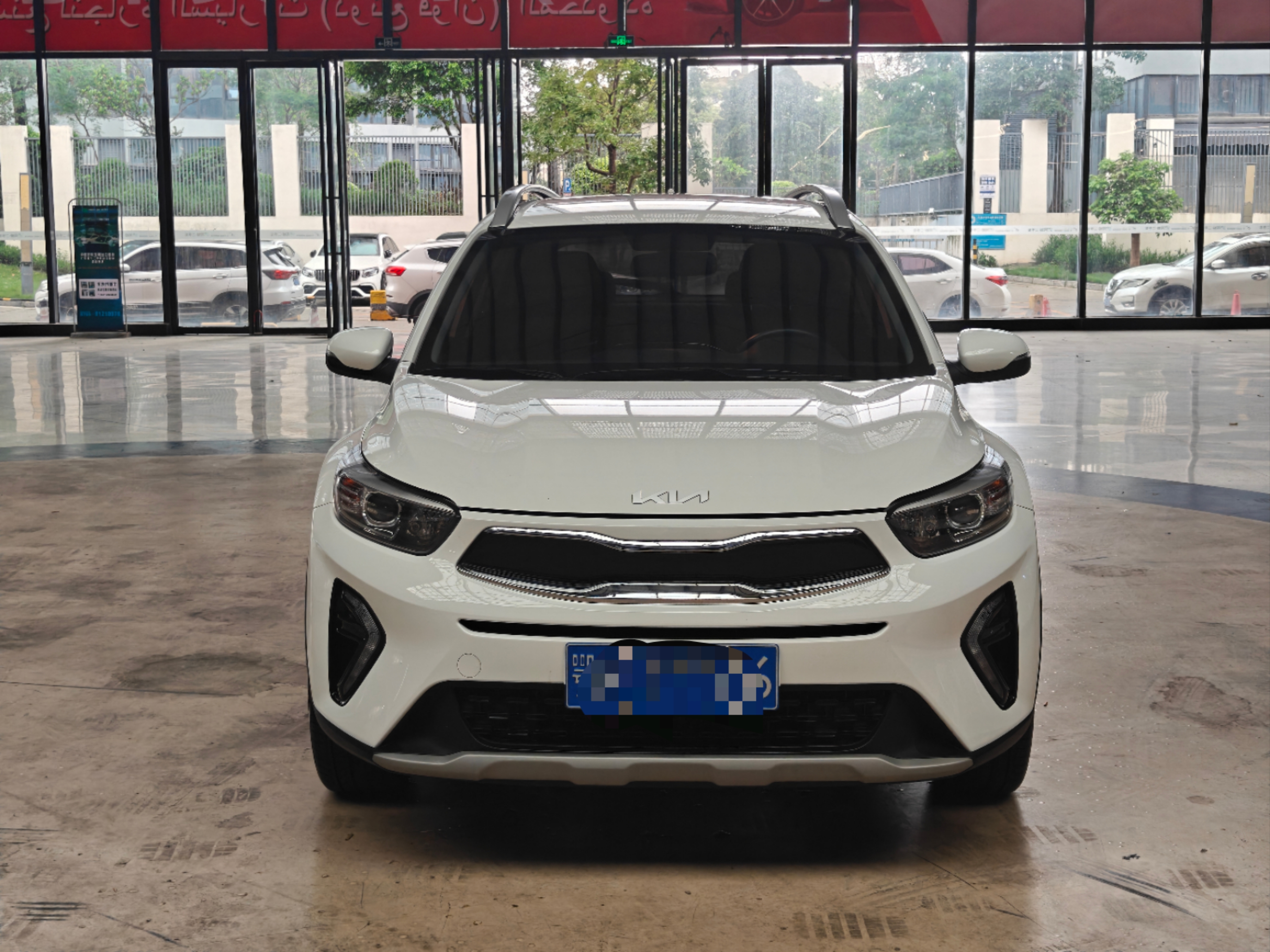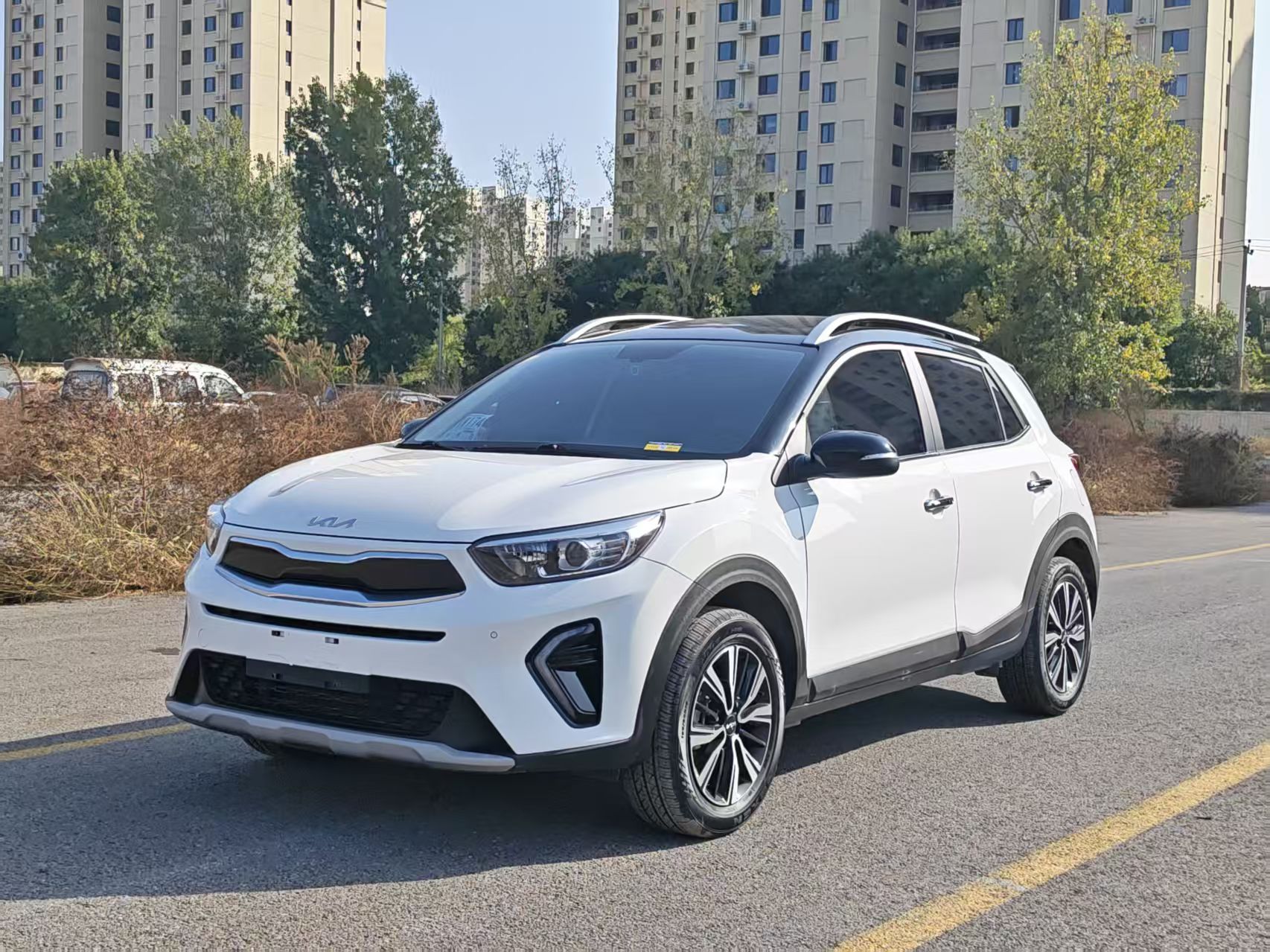
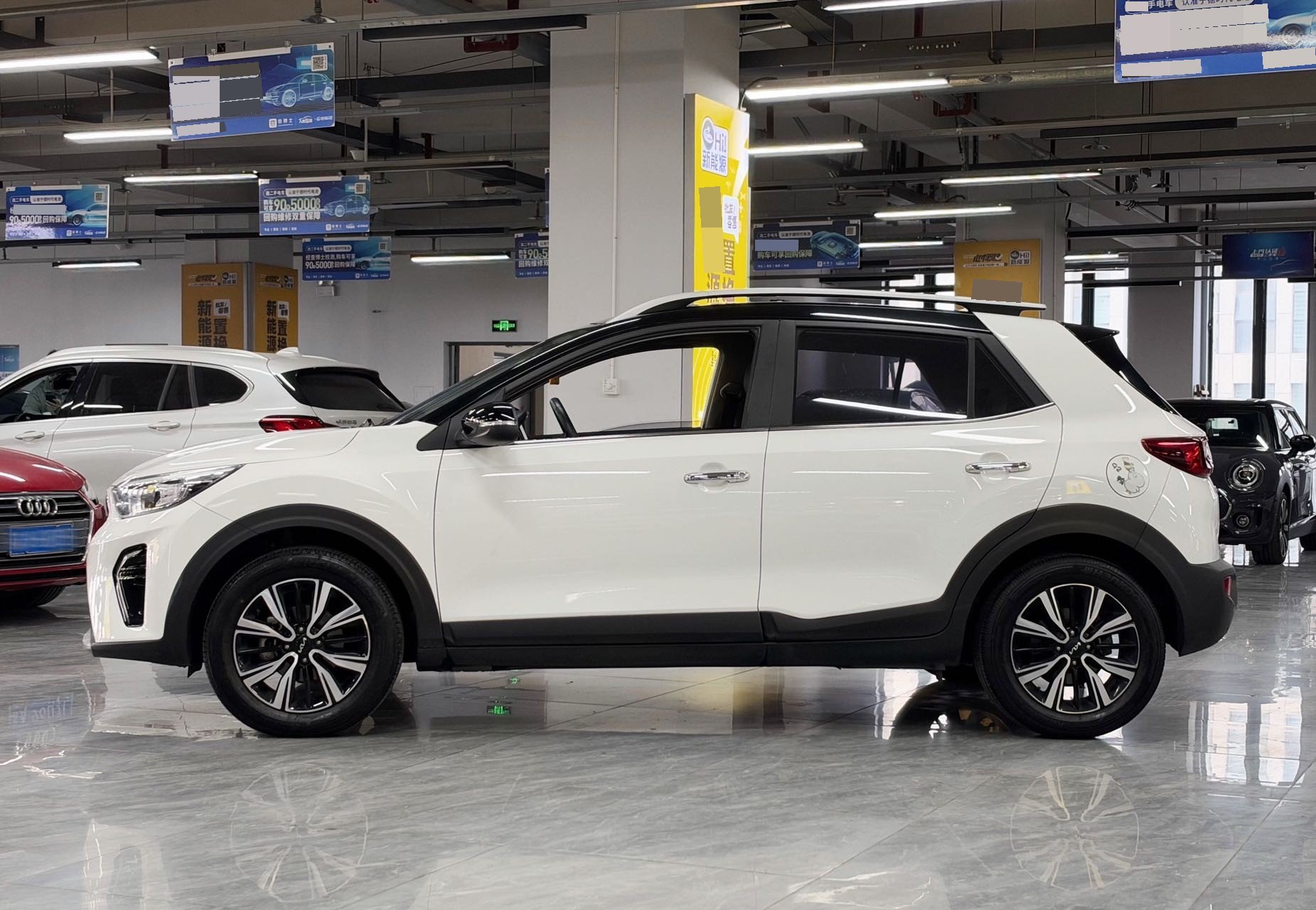
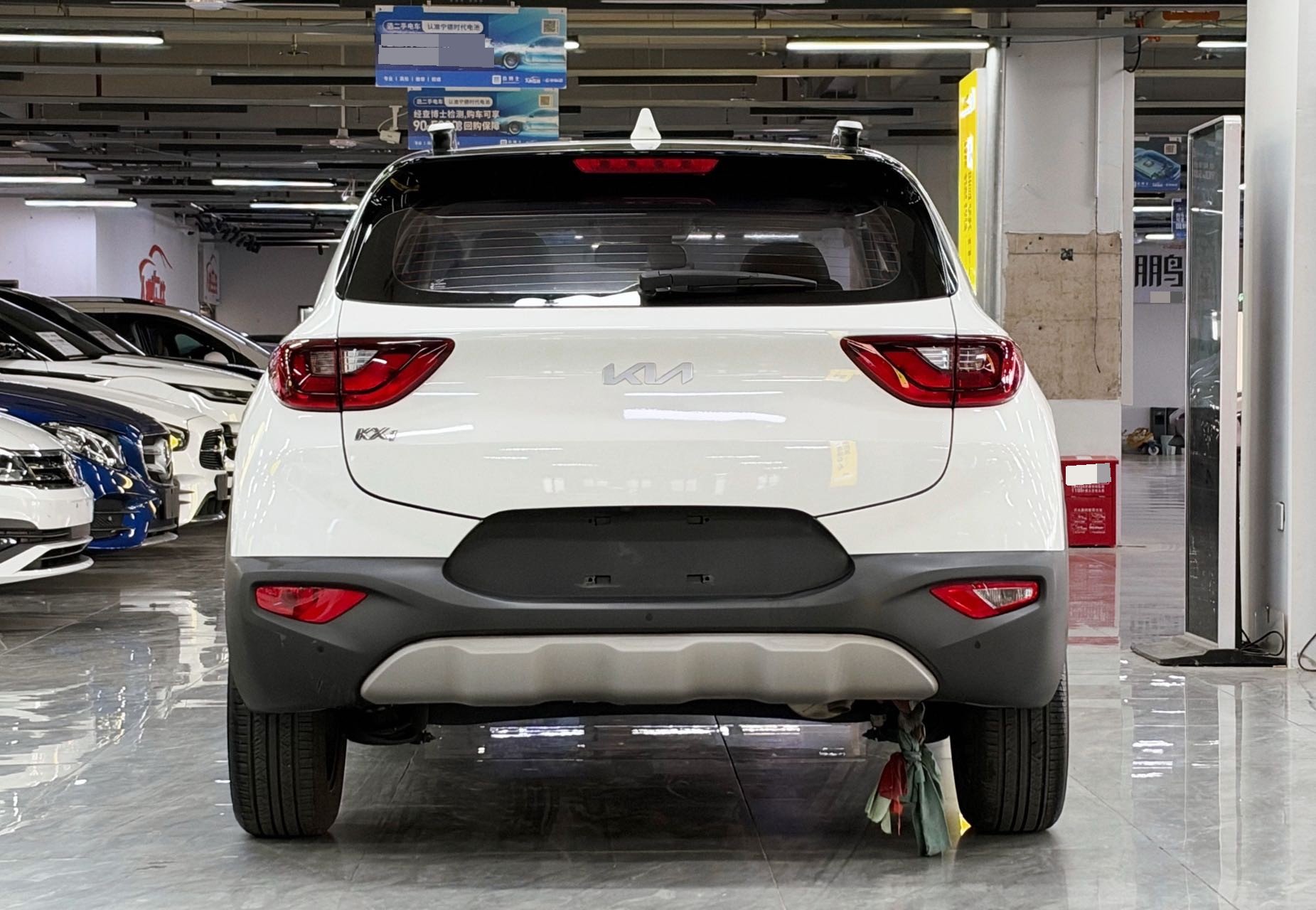
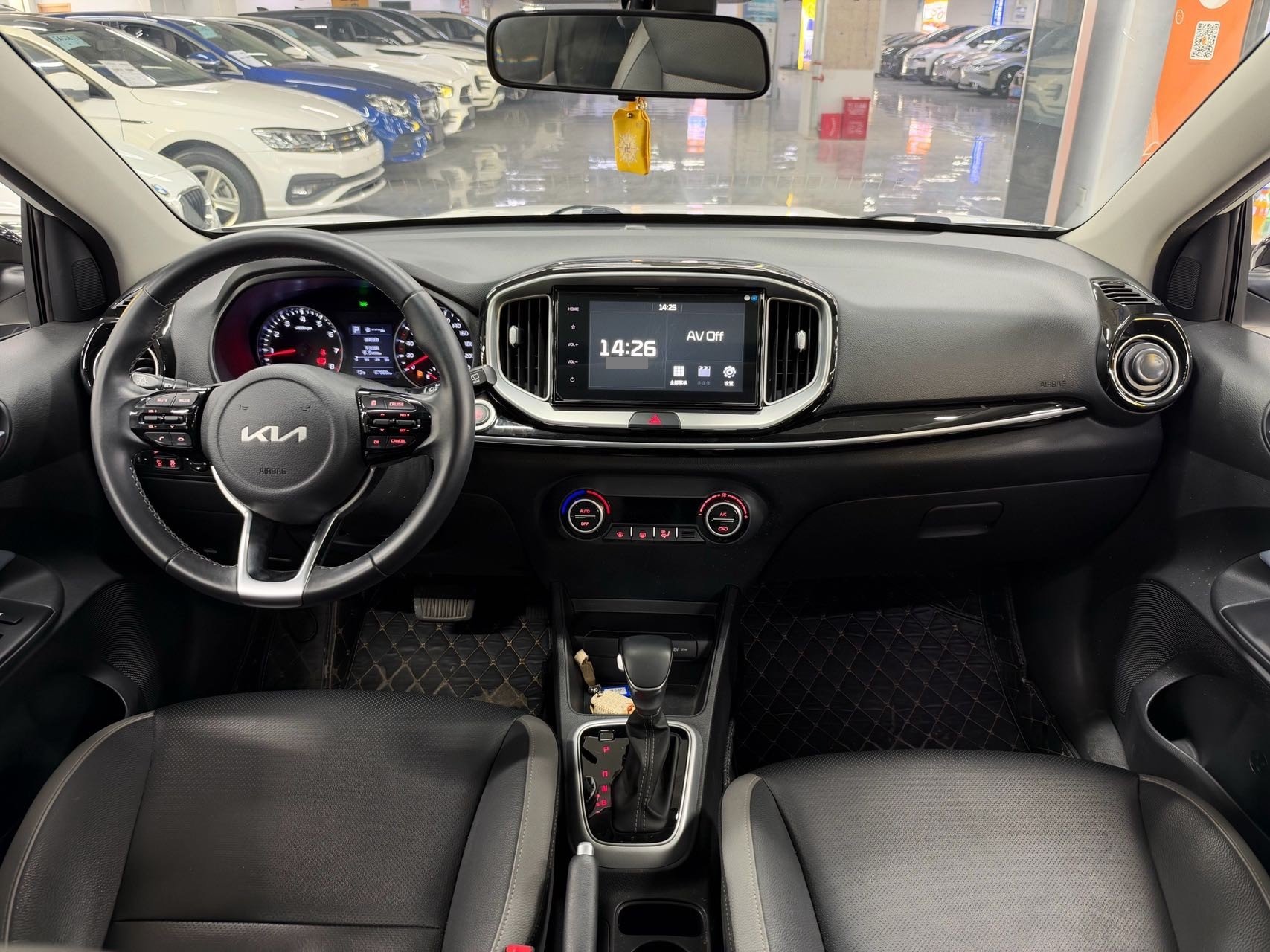
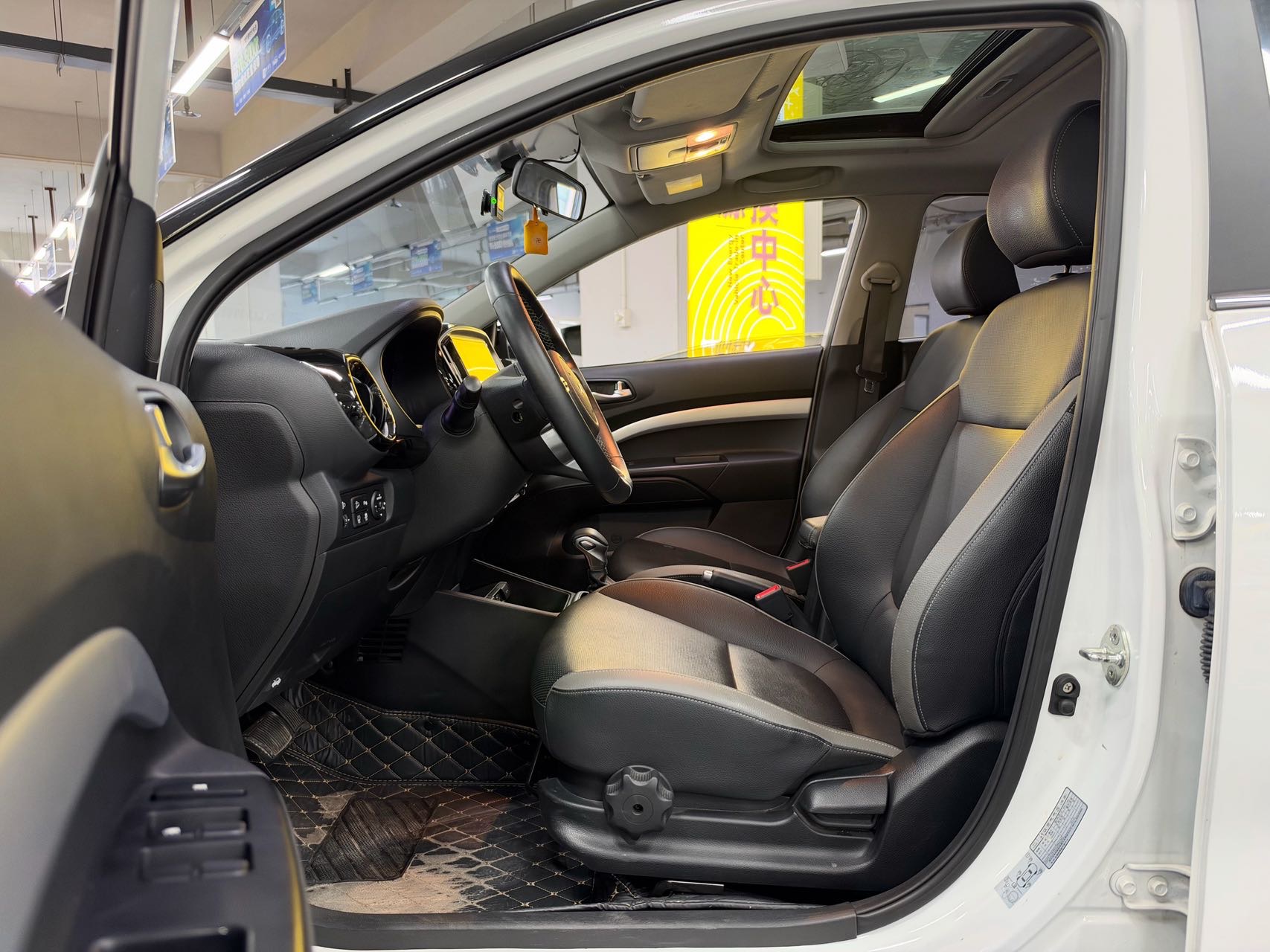



Basic Information

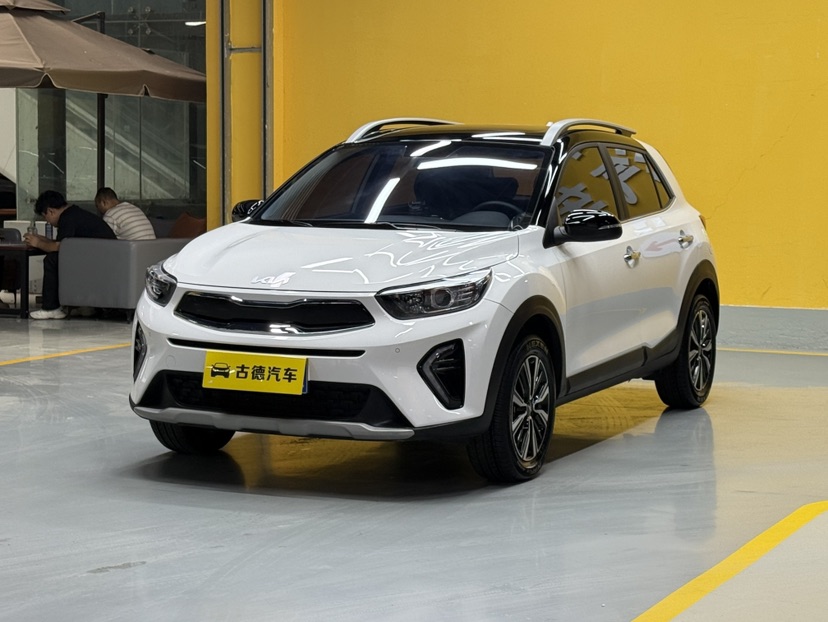
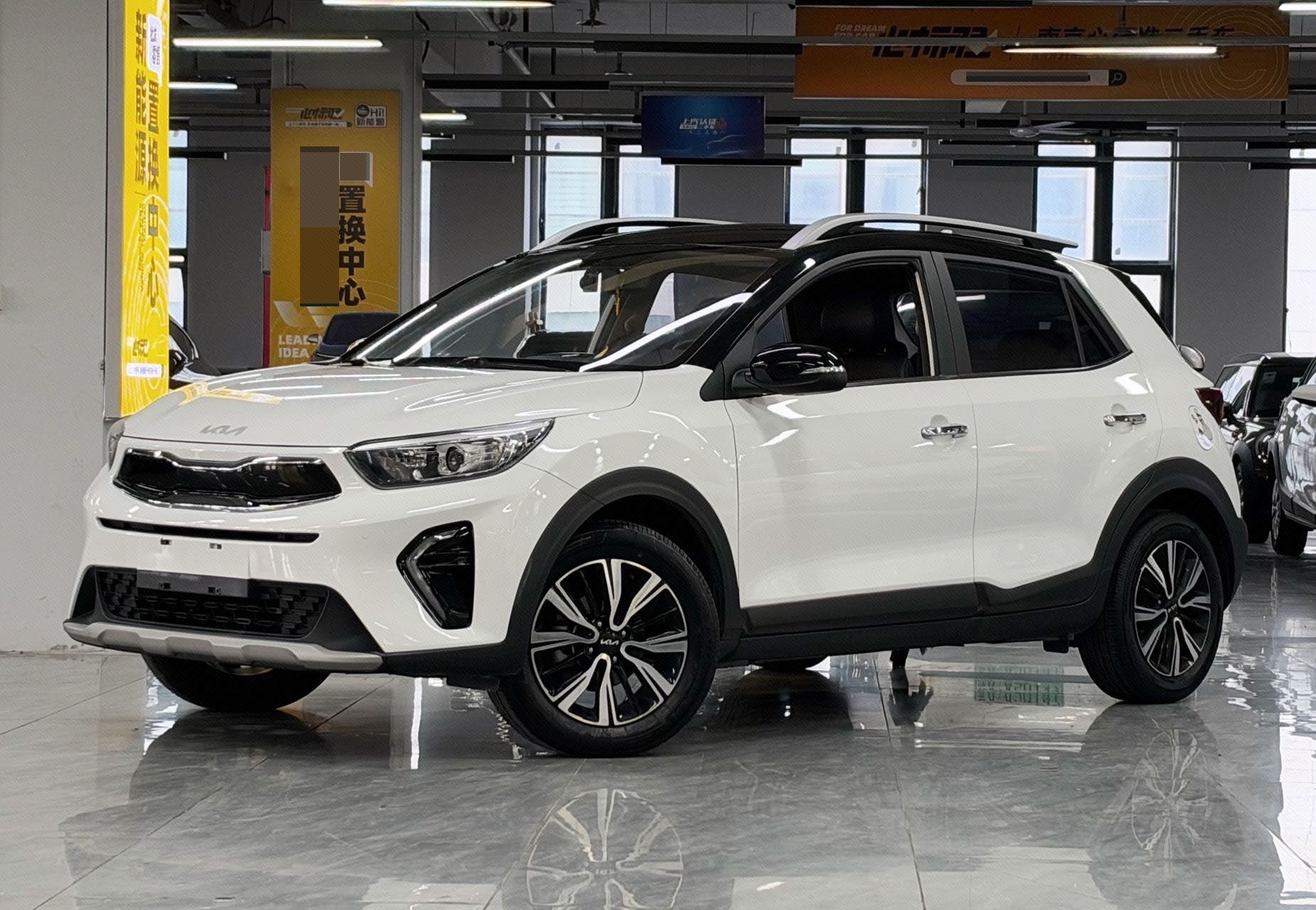
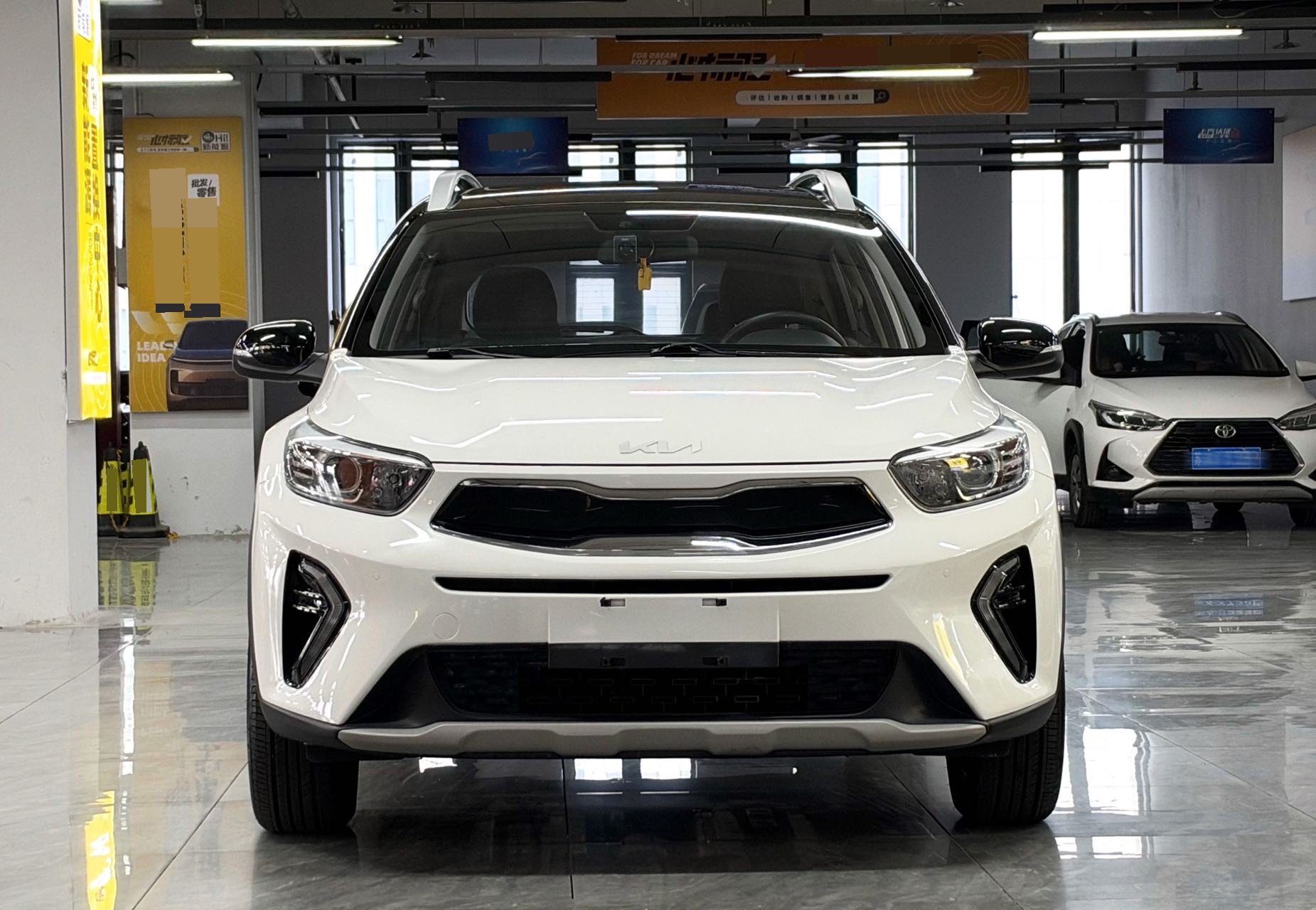
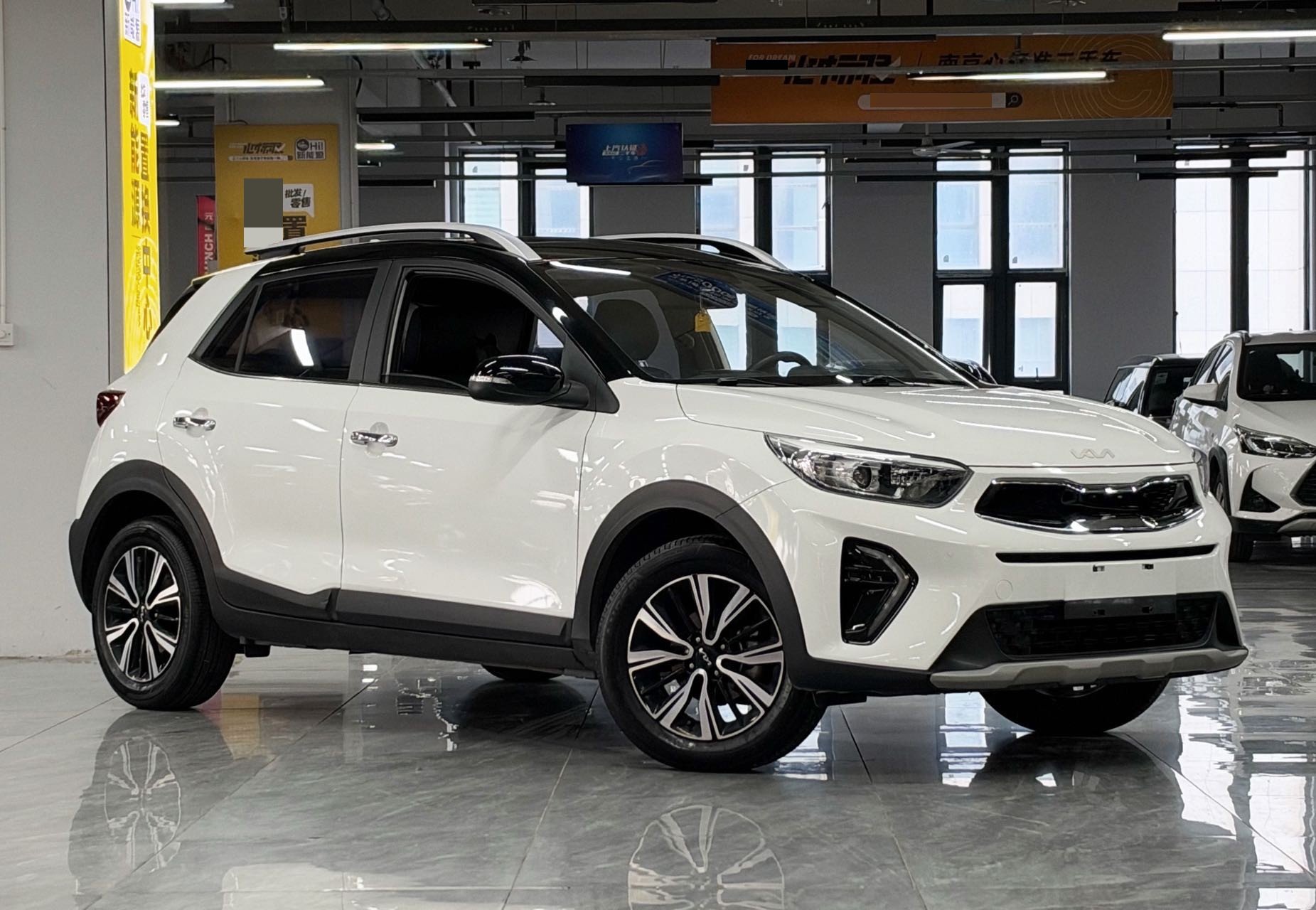
BrandKia
SeriesKX1
Year2022
First Registration2022/01
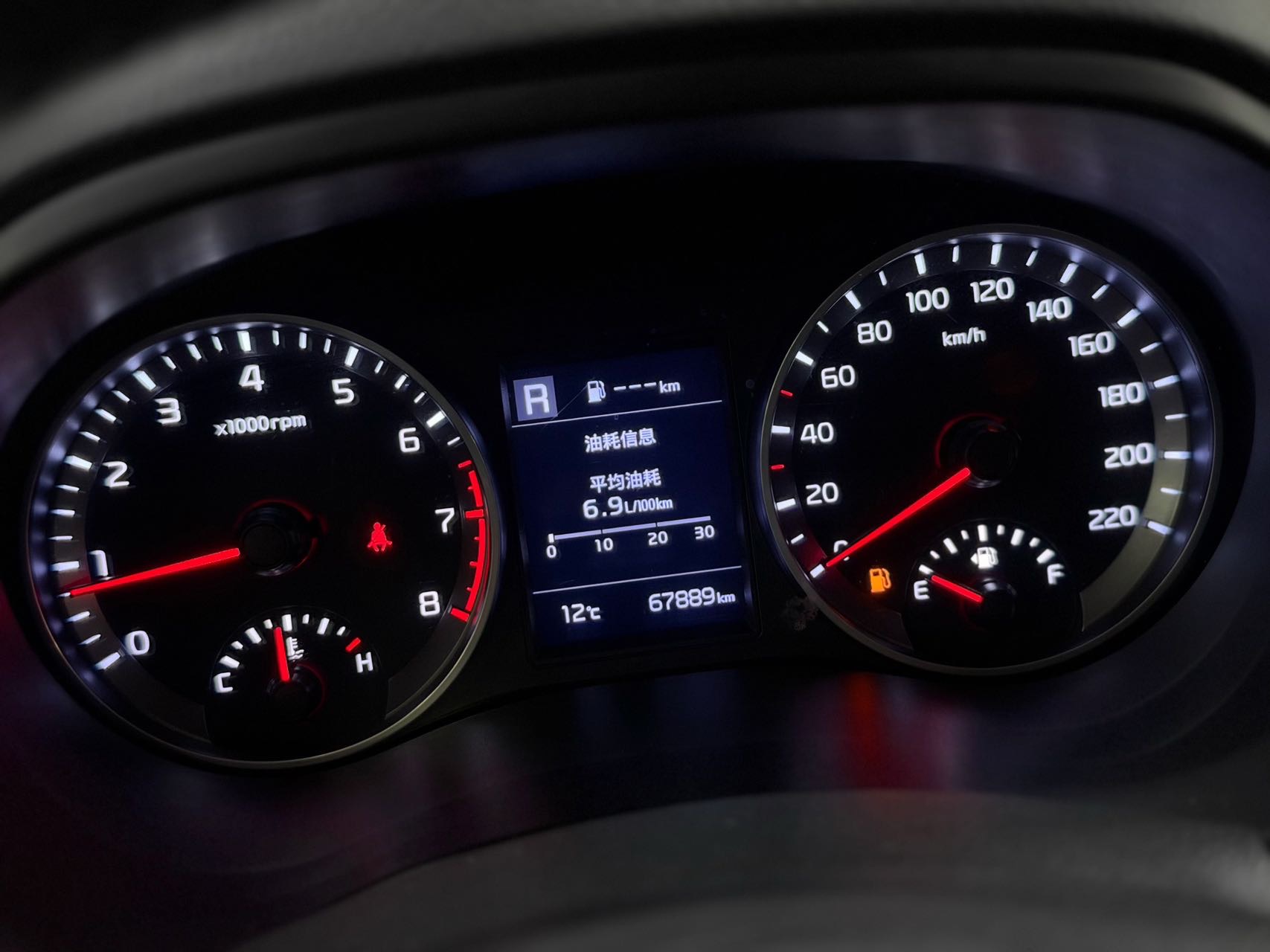
Mileage67,000km
Transfer Count0times
FuelGasoline
TransmissionCVT
Engine1.4L 100 L4
ColorWhite
Seats5seats

Condition Description

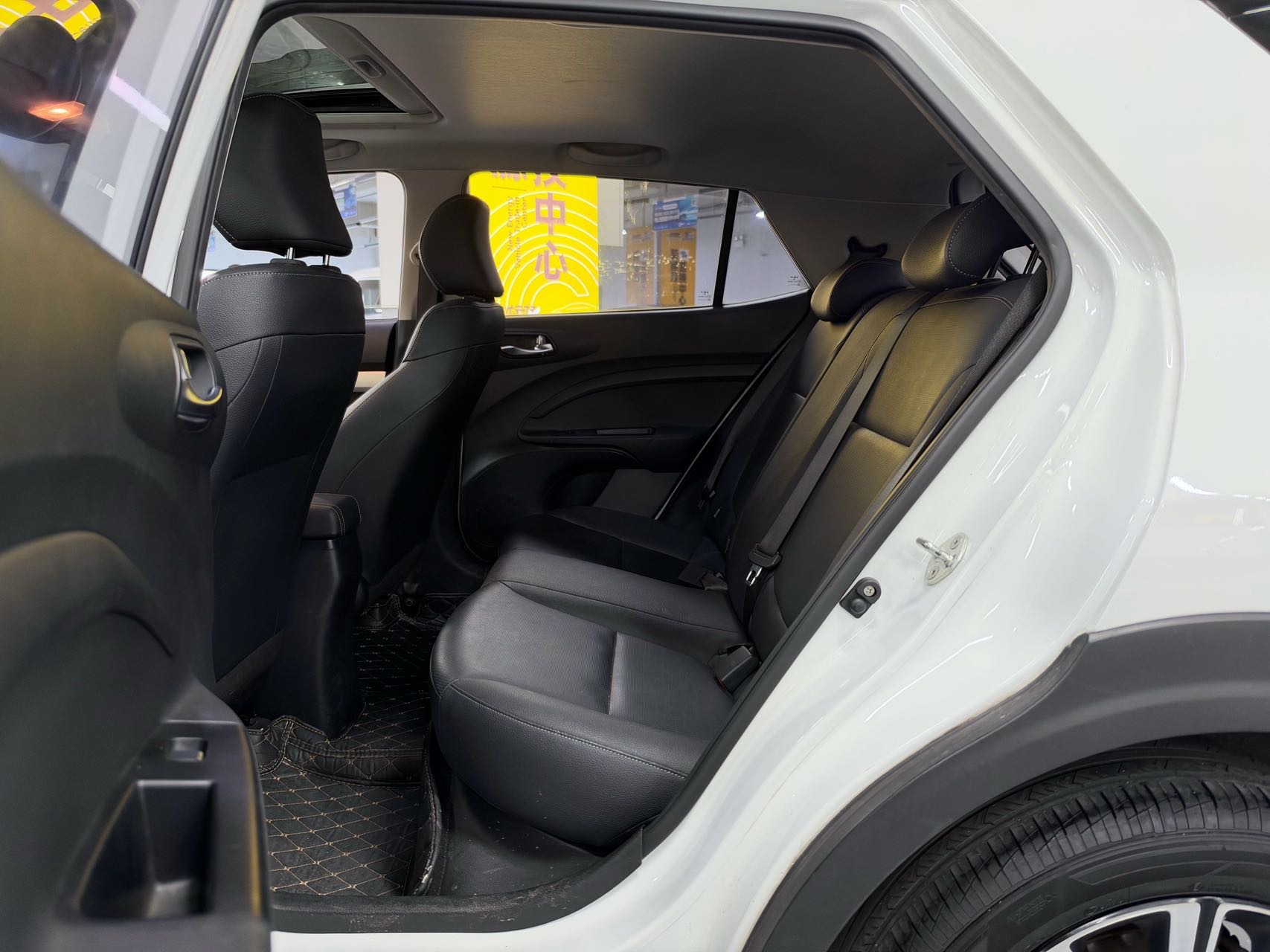
Original condition, has been repainted, single owner, can pass third-party inspection.

Document Information

Inspection Expiry Date-
Warranty Expiry Date-
Insurance Expiry Date2027/01

Q&A

More

How do I check the underbody and frame of a used Chinese car for rust and prior repairs from inspection photos?

Ask your inspector for specific underbody shots rather than general views: the subframe mounting points, rocker panels, floor pan near the seat rails, and the spare tire well. Fresh underbody coating or thick black spray wax often hides repairs - it should look uniform, not patchy. Red flags: welded seams with grind marks or discolored paint around them (sign of structural repair); rust bubbling at panel edges or bolt heads; mismatched bolts on suspension arms (sign of disassembly after an impact); bent or freshly painted crossmembers. Surface rust on exhaust and bolts is normal in humid regions and not a dealbreaker - structural rust on load-bearing members is. Compare the underbody photos with the history report: if the report shows a rear-end accident, scrutinize the rear floor and spare tire area closely. Also check that jack points aren't crushed, which suggests improper lifting - a sign of repeated workshop visits. A 15-minute video of the car on a lift, slowly panned front to back, is worth more than 50 static photos.


How do I check whether a used car from China has a clean title — no theft, flood, fire, or major accident record?

A clean title check has three layers. First, run the VIN through maintenance records: dealers in China log service visits with mileage, and gaps or mileage rollbacks are red flags. Second, pull insurance claim history — major accidents, fire and flood damage usually leave claim records even if the car was repaired well. Third, verify registration status: confirm the car is not under finance, court seizure, or theft report. From overseas, you can engage a local inspection agency or law firm to retrieve these records and issue a written report. Cross-check the VIN and engine number on the report against the registration certificate; any mismatch means walk away.

Can I get spare parts for a Chinese-brand car in my country, and how do I order them from China?

Parts availability depends on the brand's official presence in your market, but even unsupported brands can be maintained through direct ordering. Check three channels first: the brand's official dealer network (if any), third-party importers who specialize in Chinese auto parts, and generic equivalents. For wear items like brake pads, filters, and wipers, aftermarket suppliers usually stock cross-references by VIN. For model-specific parts — headlights, sensors, control modules — order directly from China. Ask your exporter for the parts catalog by VIN, confirm OEM part numbers, and compare prices. A turbocharger that costs $900 from a local dealer often ships from China for $350 plus $80 freight. Practical tips: bundle multiple parts into one shipment to amortize freight; ask for DDP (delivered duty paid) pricing so customs clearance is handled; and always verify part numbers against your VIN before paying, as Chinese models have running changes mid-year. Keep a small stock of common wear parts — oil filters, air filters, spark plugs — to avoid a 4-6 week wait for routine maintenance.