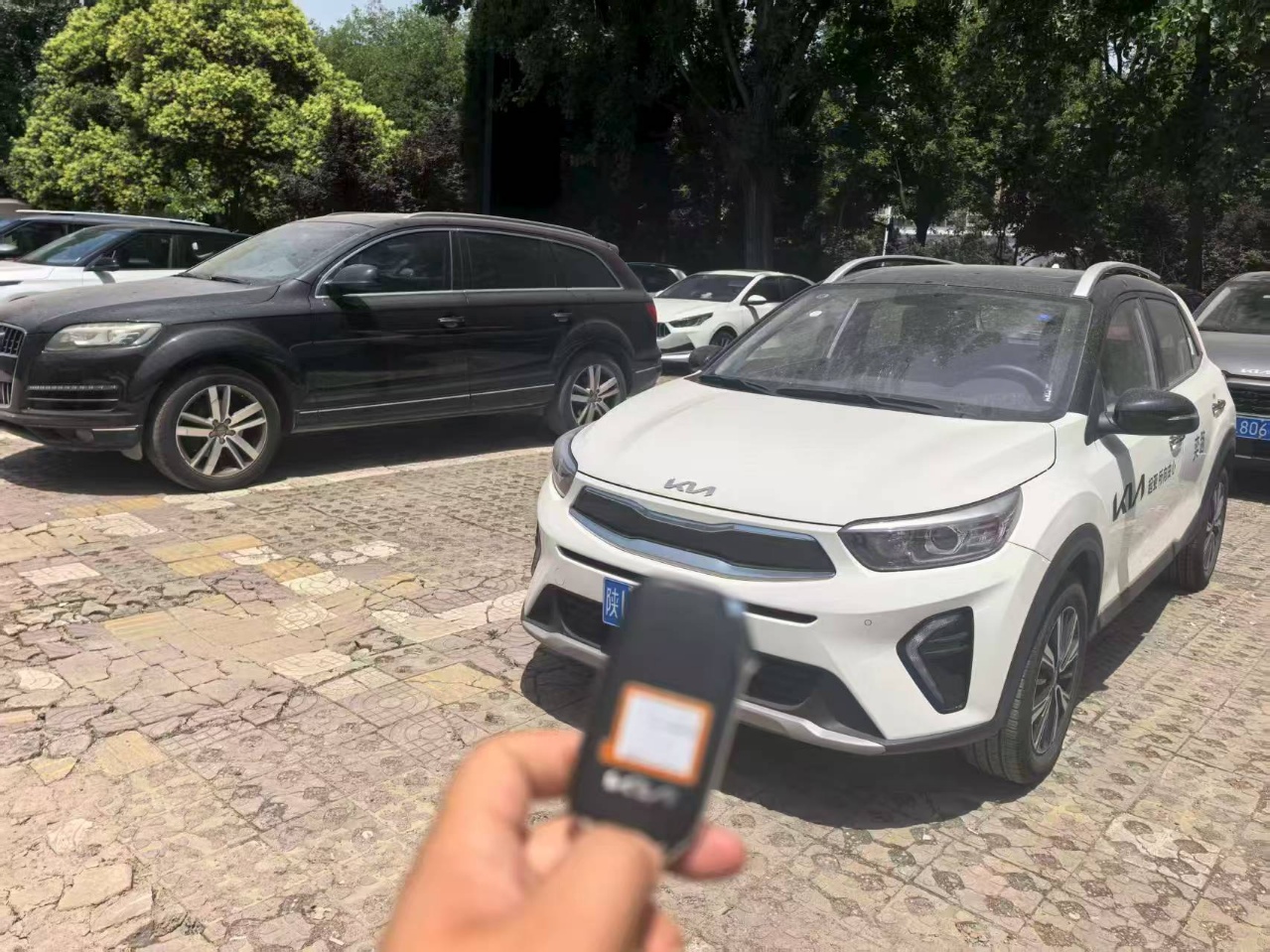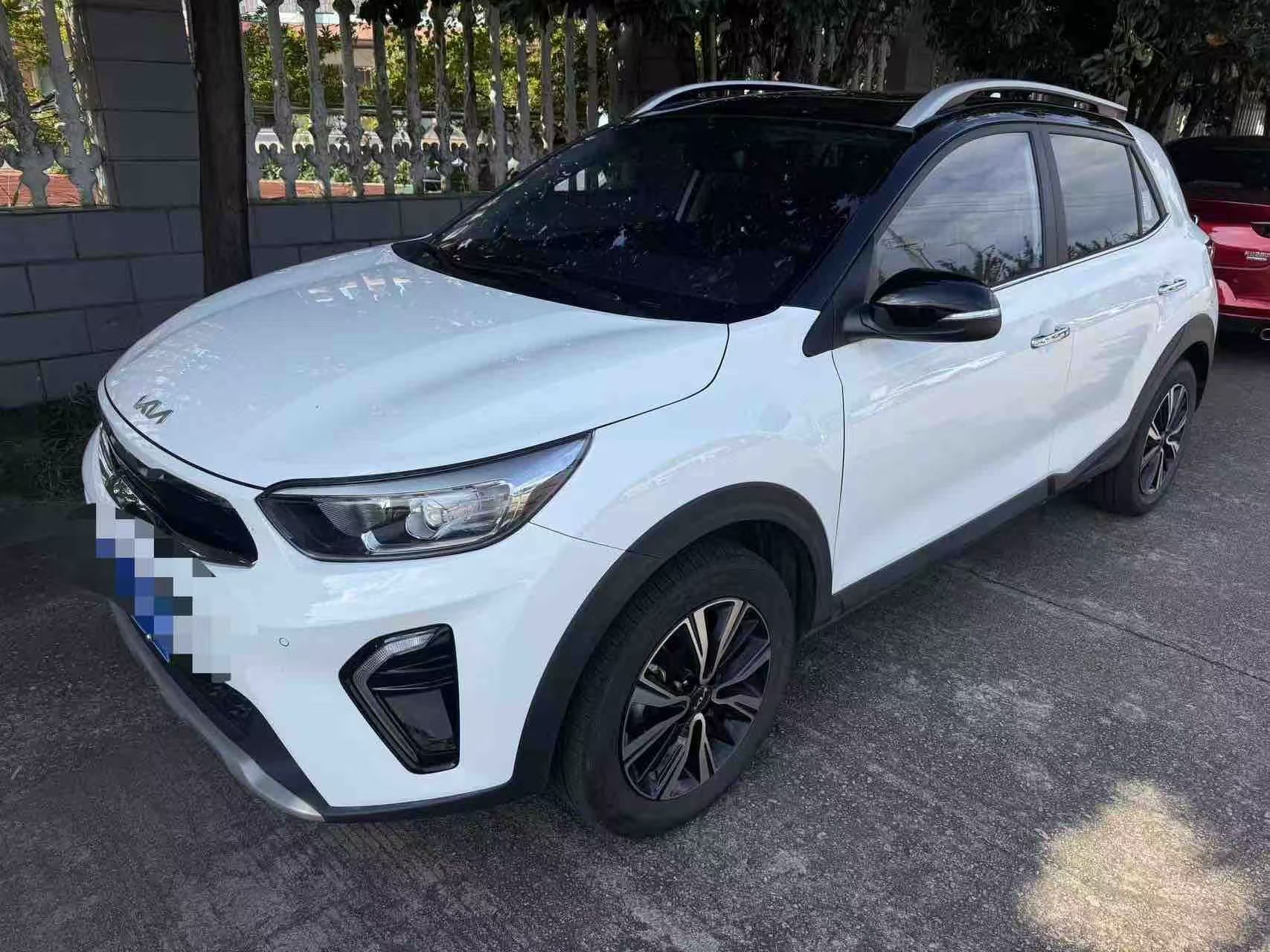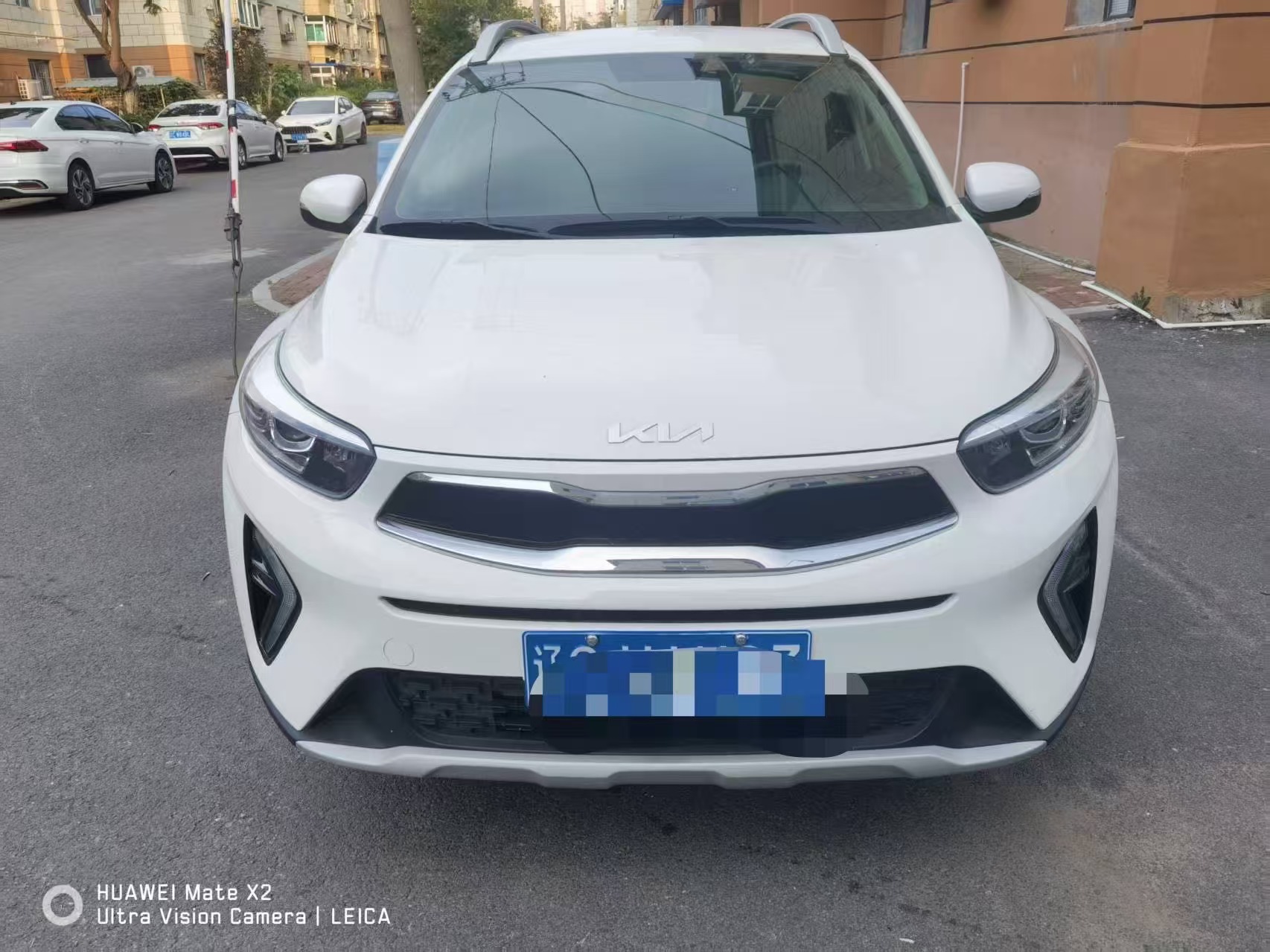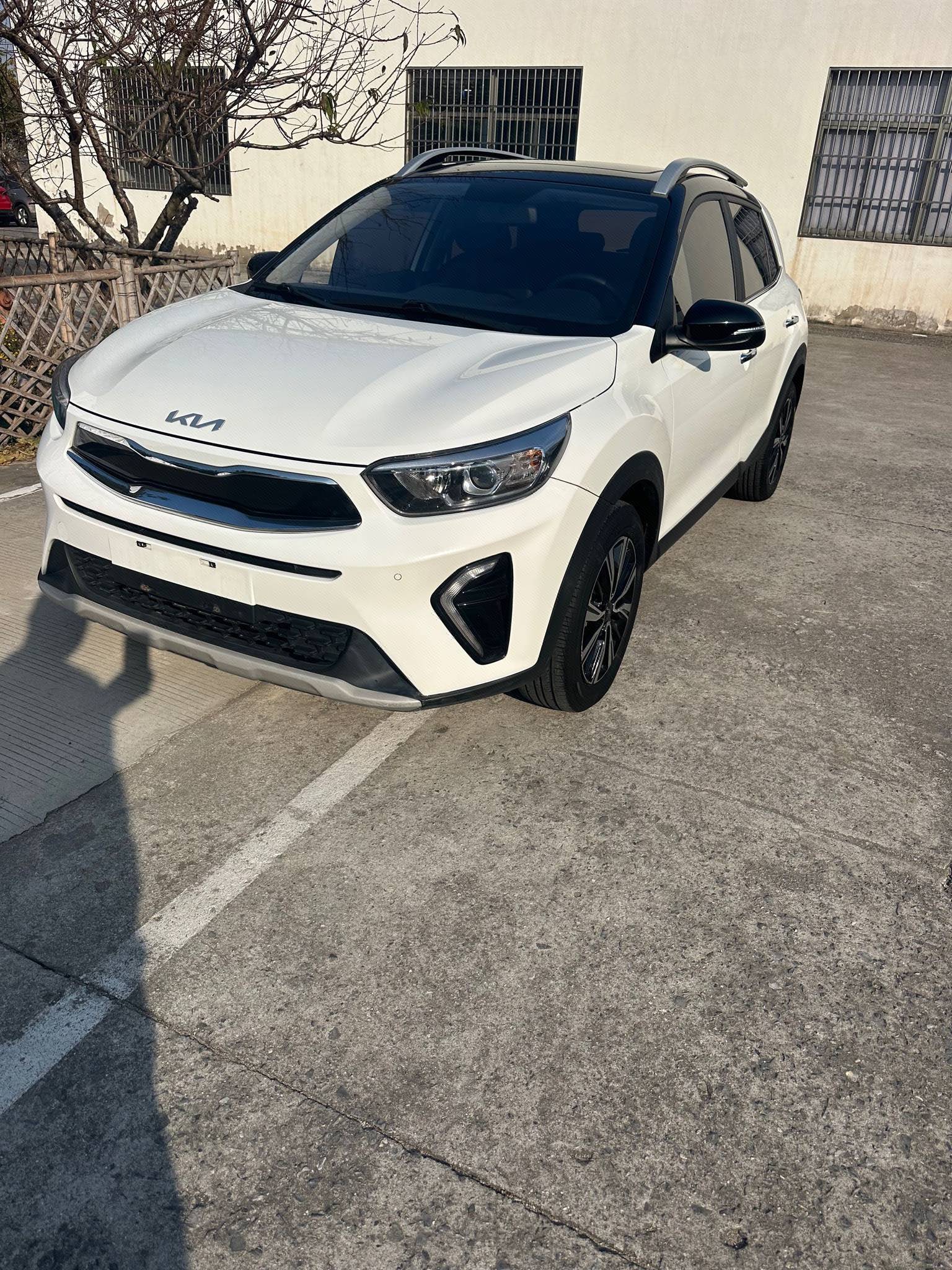
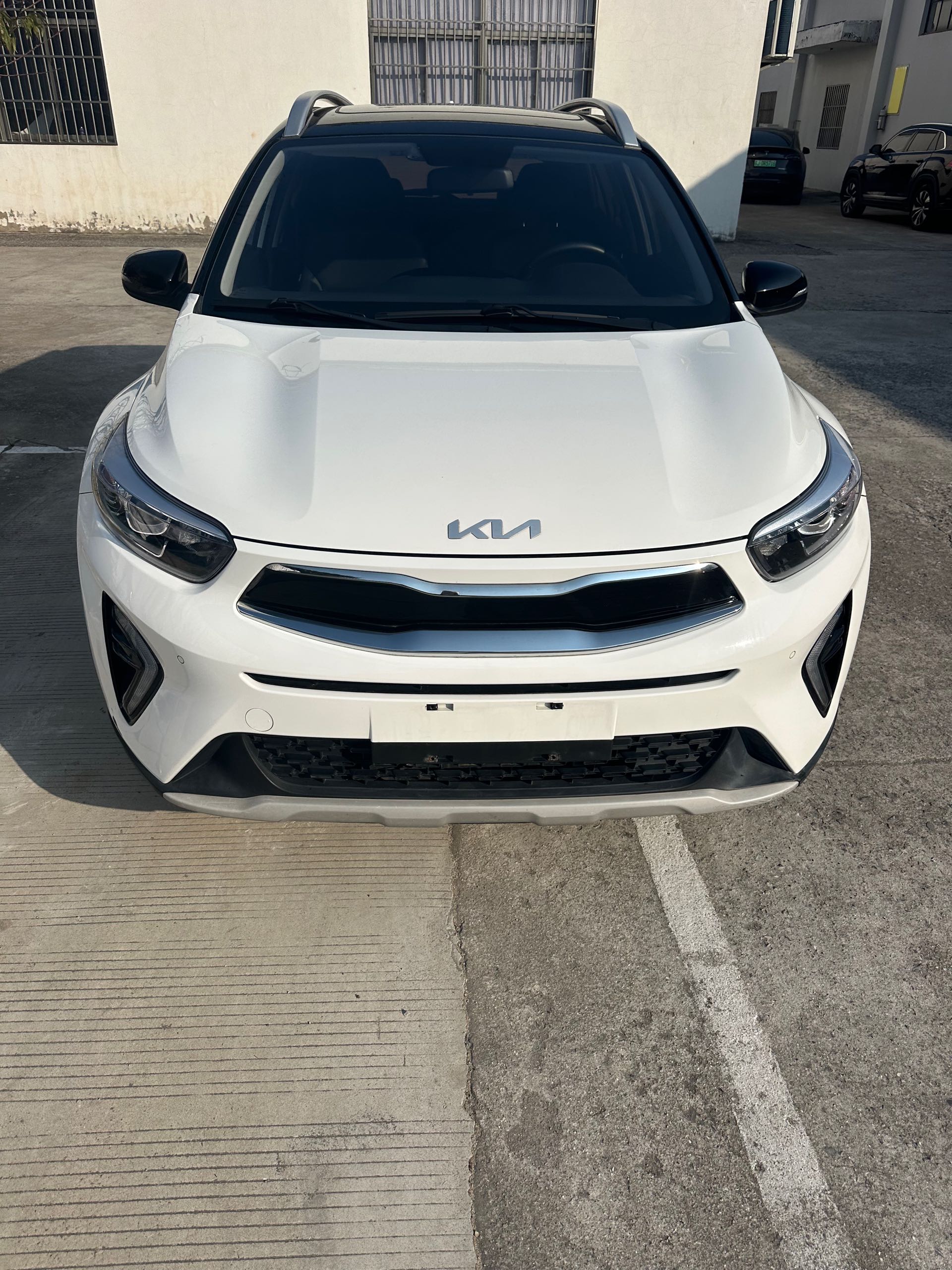
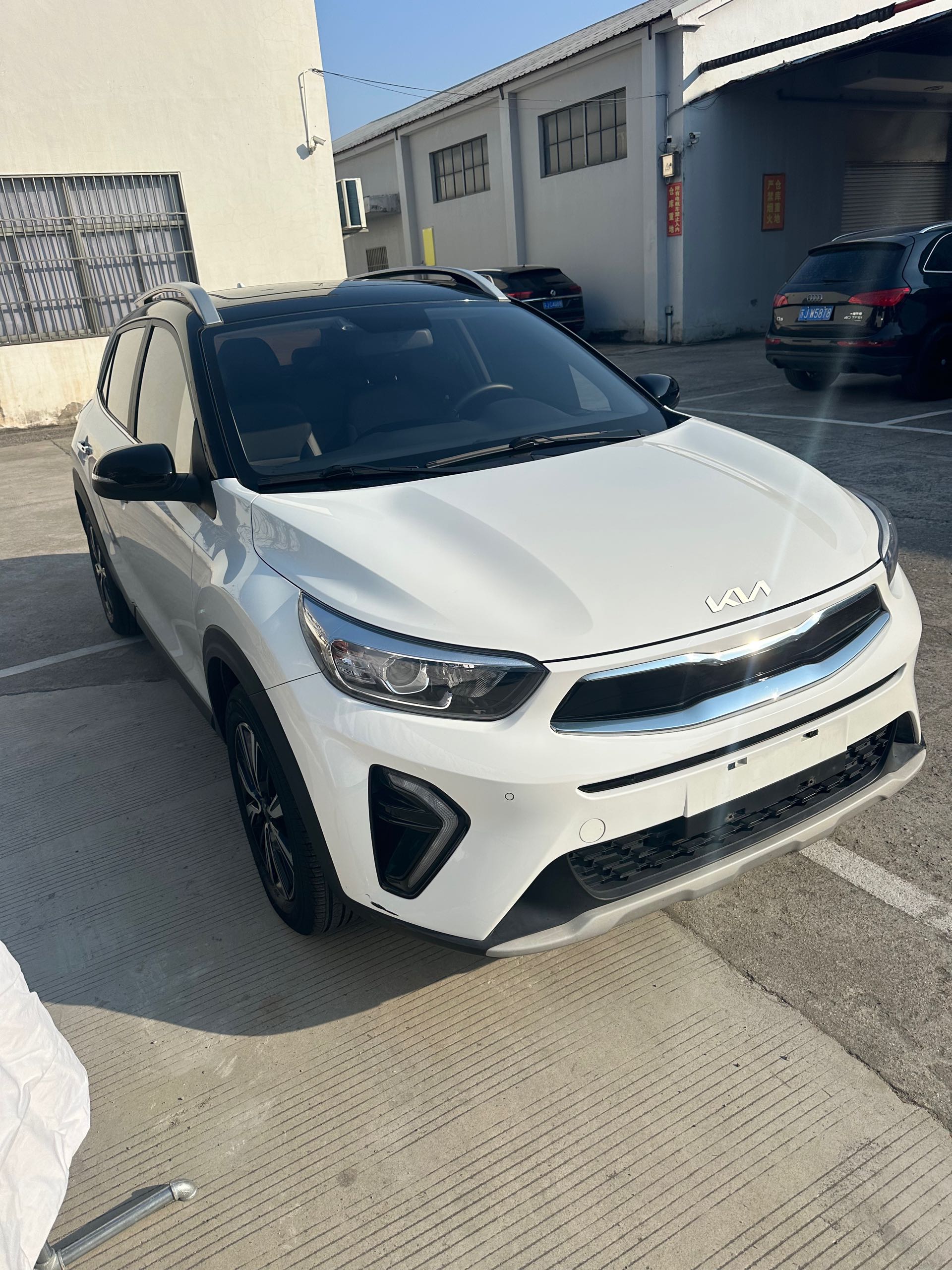
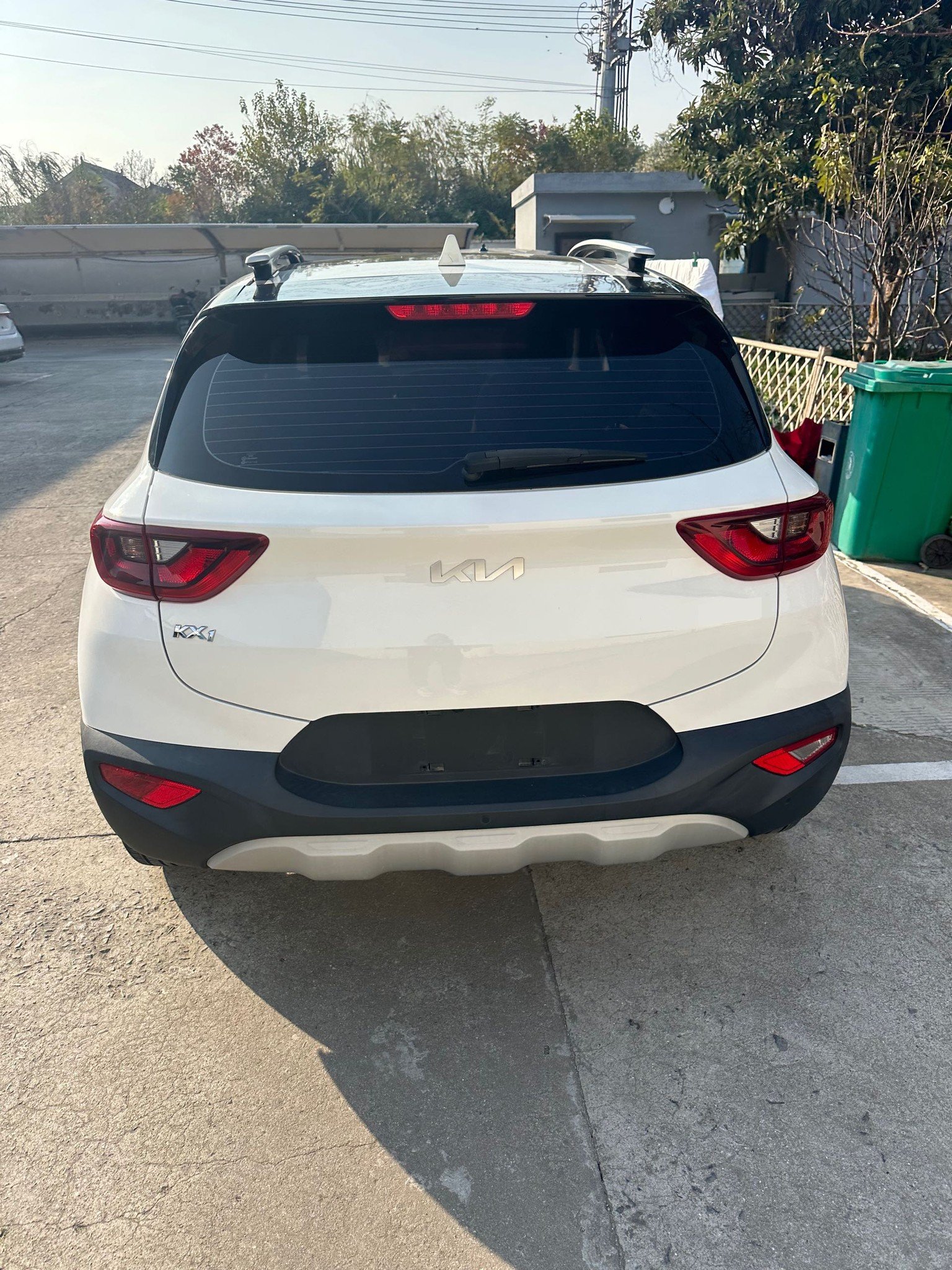
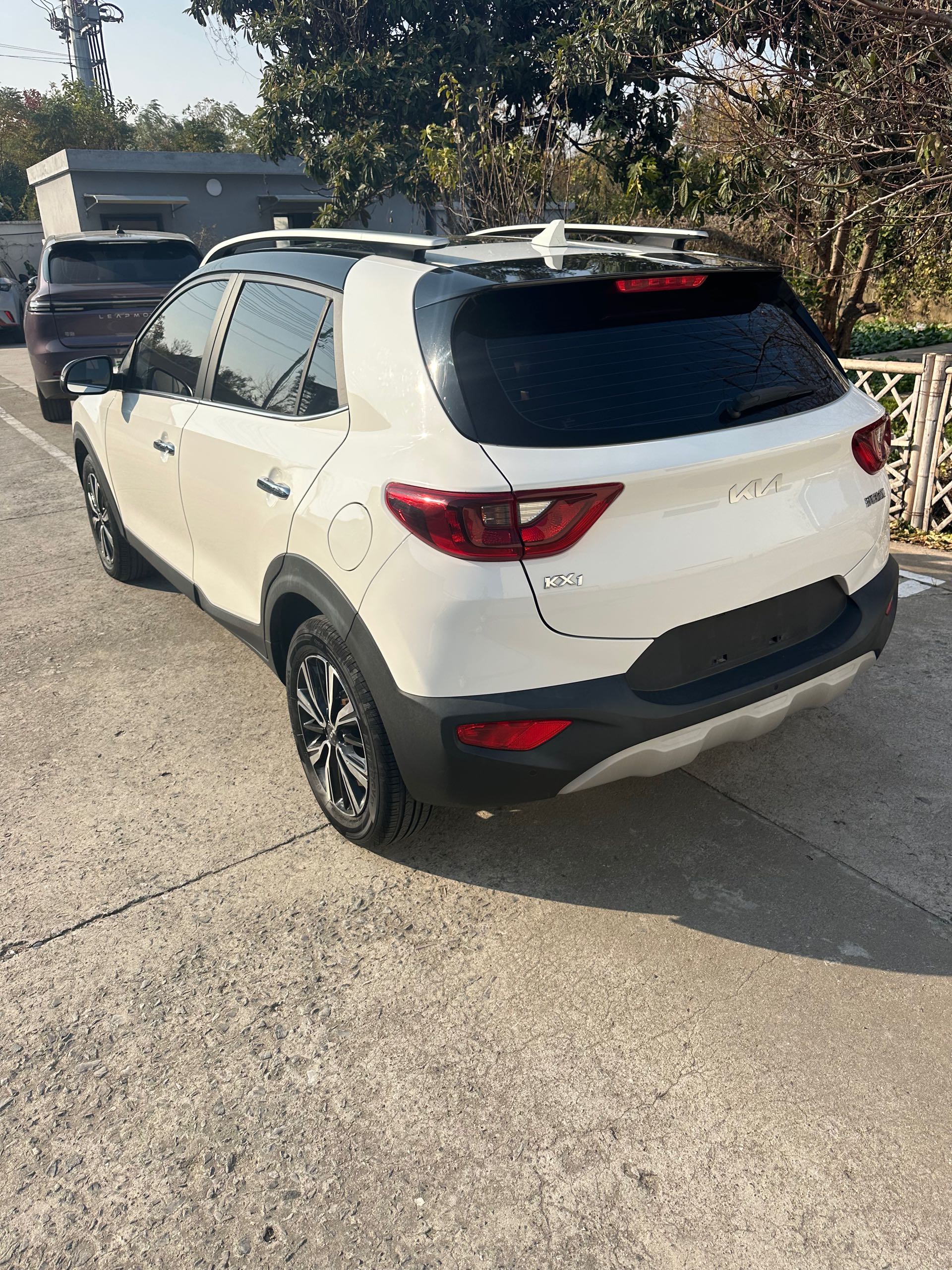
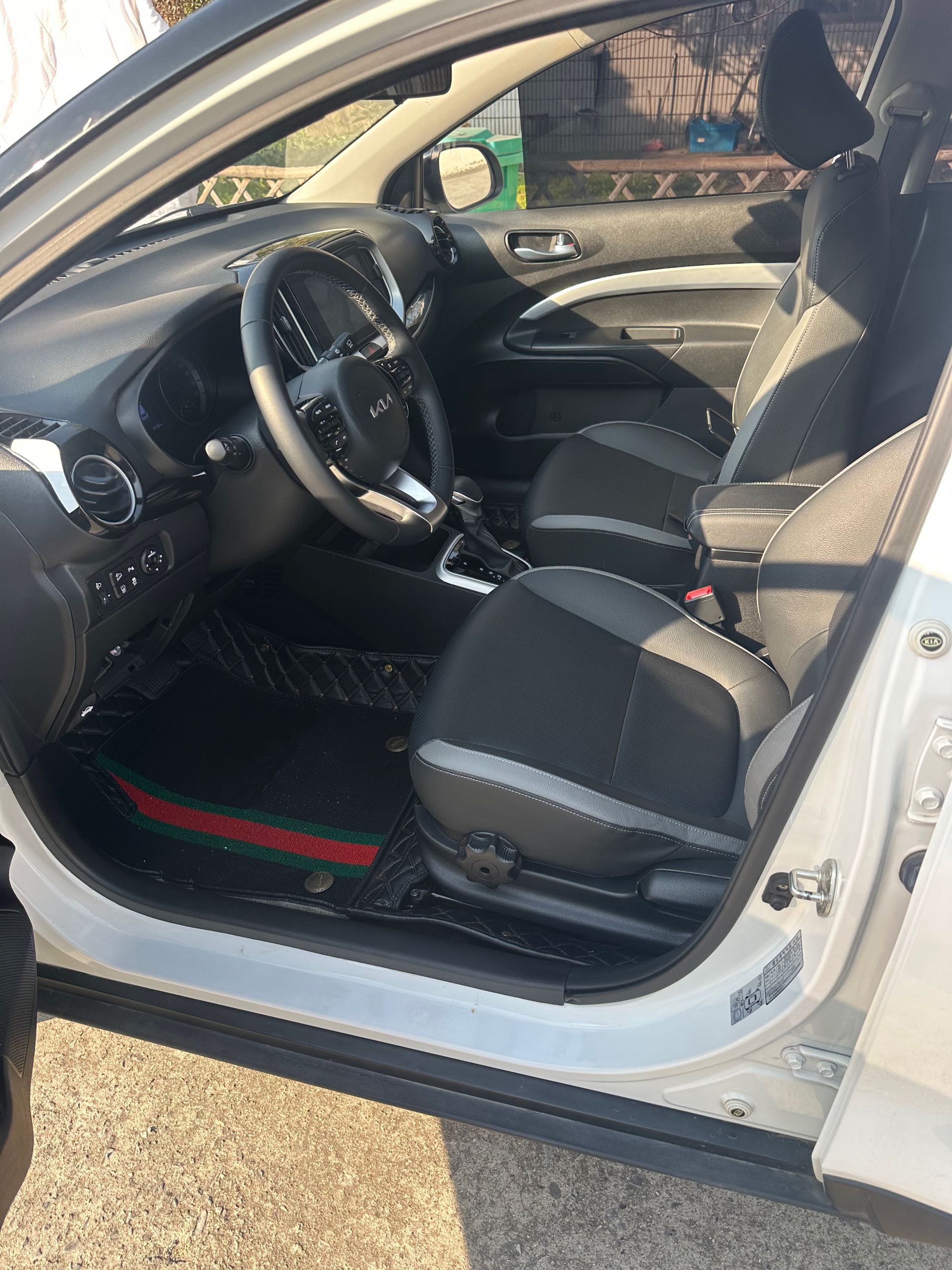
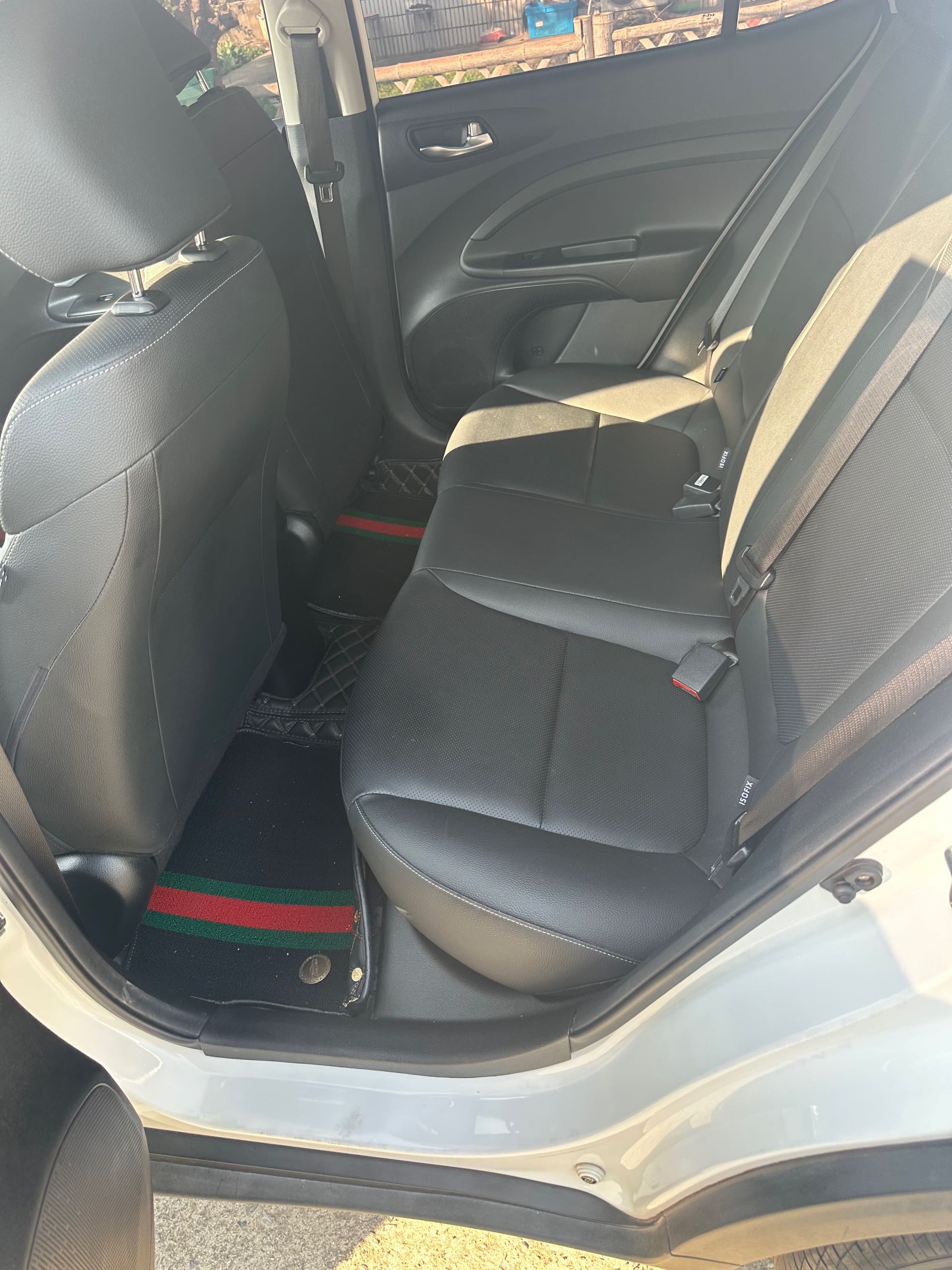
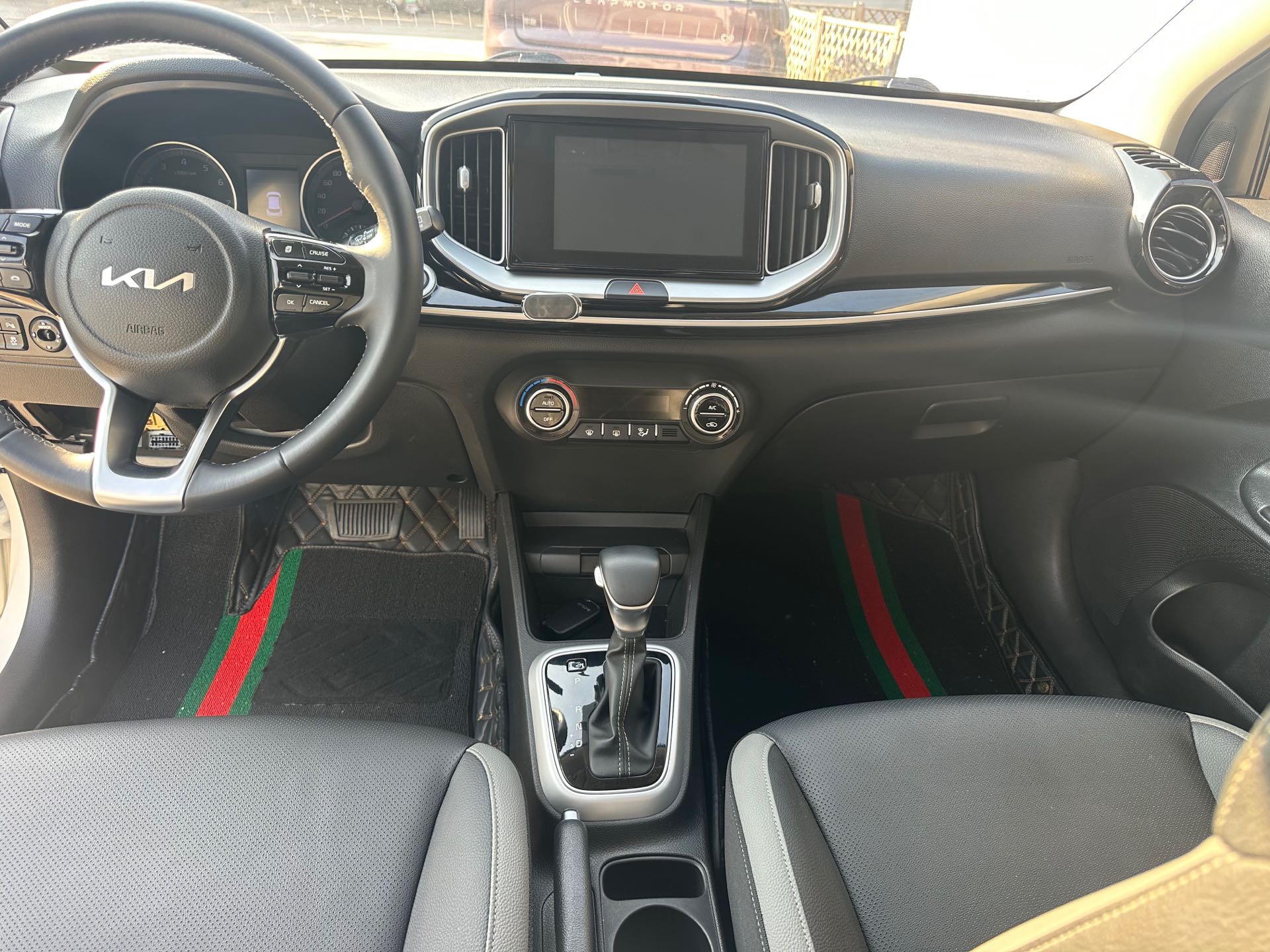
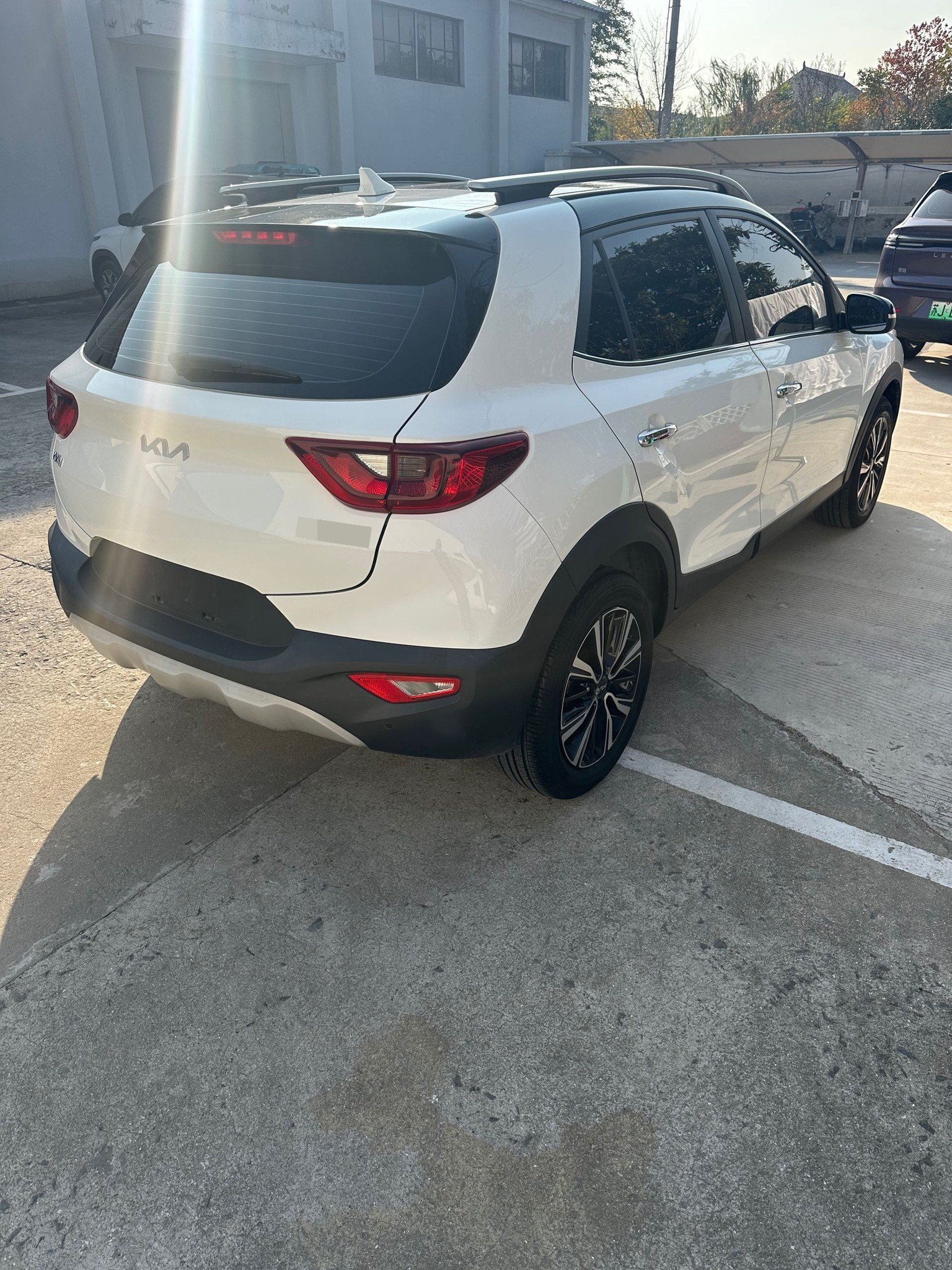



Basic Information

BrandKia
SeriesKX1
Year2022
First Registration2022/11
Mileage20,000km
Transfer Count0times
FuelGasoline
TransmissionCVT
Engine1.4L 100 L4
ColorWhite
Seats-

Condition Description

Original condition, full original paint, original paint on metal parts.

Document Information

Inspection Expiry Date-
Warranty Expiry Date-
Insurance Expiry Date2027/11

Q&A

More

What maintenance schedule should I follow for a used Chinese car during its first year after import?

Treat the first year as a baseline period. Do a full fluid service immediately after registration: engine oil and filter, coolant, brake fluid, and transmission fluid, since you don't know when they were last changed in China. First 1,000 km: check for loose trim, retorque wheel nuts, and listen for new noises as the car adapts to local fuel and roads. At 5,000-10,000 km: inspect brake pads and rotors, rotate tires, and scan the ECU for stored fault codes even if no warning light shows. Annually or every 15,000 km: replace the cabin and engine air filters, check the battery health (especially for hybrids and EVs), and verify that software updates from the Chinese brand's international channel apply to your car. Keep a simple log with dates and receipts. It protects any warranty claim and makes the car far easier to sell later.


How can I judge the interior condition of a used Chinese car remotely to estimate real usage?

Ask the seller for detailed close-up video, not photos — video is harder to edit. Check: 1) Driver's seat bolster and steering wheel leather for wear matching the claimed mileage — a shiny, polished wheel at 30,000 km is a red flag; 2) Pedal rubbers — worn-through pedals contradict low mileage; 3) Buttons and knobs — faded or shiny climate and window controls suggest heavy use; 4) Seat rails and tracks — rust or heavy dirt means possible water exposure; 5) Headliner and seat backs — stains or sagging. Compare logically: wear should be consistent across the cabin. A car showing 50,000 km should have light wear everywhere, not a destroyed driver's seat with a pristine passenger side. Also ask for the odometer photo with the ignition on, plus the car's system info screen, which often logs total mileage independently.

What does the real landed cost of importing a used car from China look like, and which line items do buyers most often underestimate?

A realistic landed cost has five layers: the car price, export-side fees (deregistration, export license, inland trucking to the port), international freight and insurance, destination duties and taxes, and local charges (port handling, inspection, registration). Buyers most often underestimate three items. First, destination duties are calculated on the customs value, which may include freight, so a cheap car can still attract significant tax. Second, port and terminal charges at both ends add up; demurrage fees apply quickly if documents are late. Third, compliance costs such as homologation, emissions testing, or translation of documents can run into hundreds of dollars depending on the country. Ask every exporter for a written, itemized quote to your port, not just an FOB price, and keep a 5% contingency. Quotes that look unusually cheap usually hide costs in the freight or handling lines.