48H

Basic Information

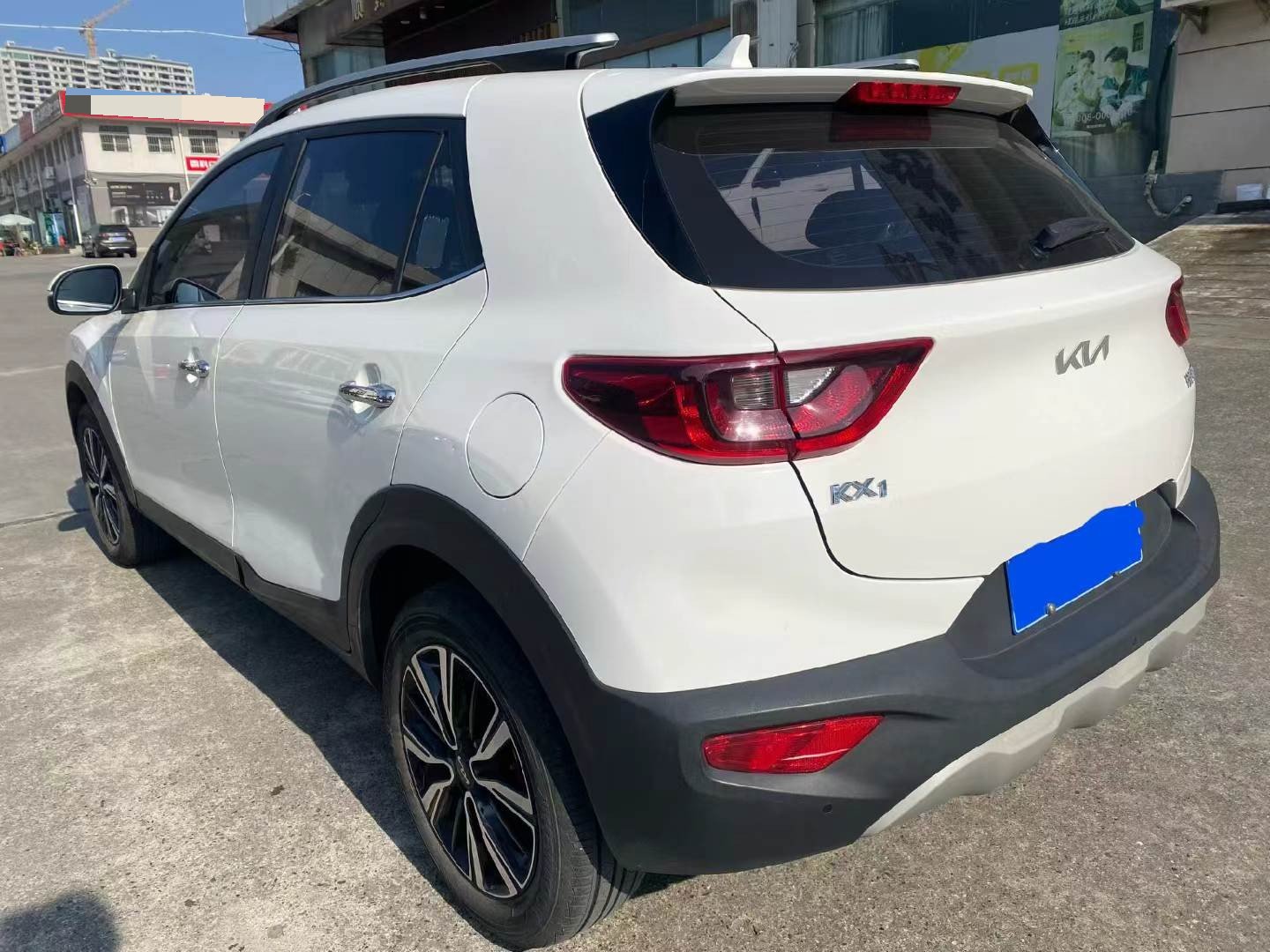
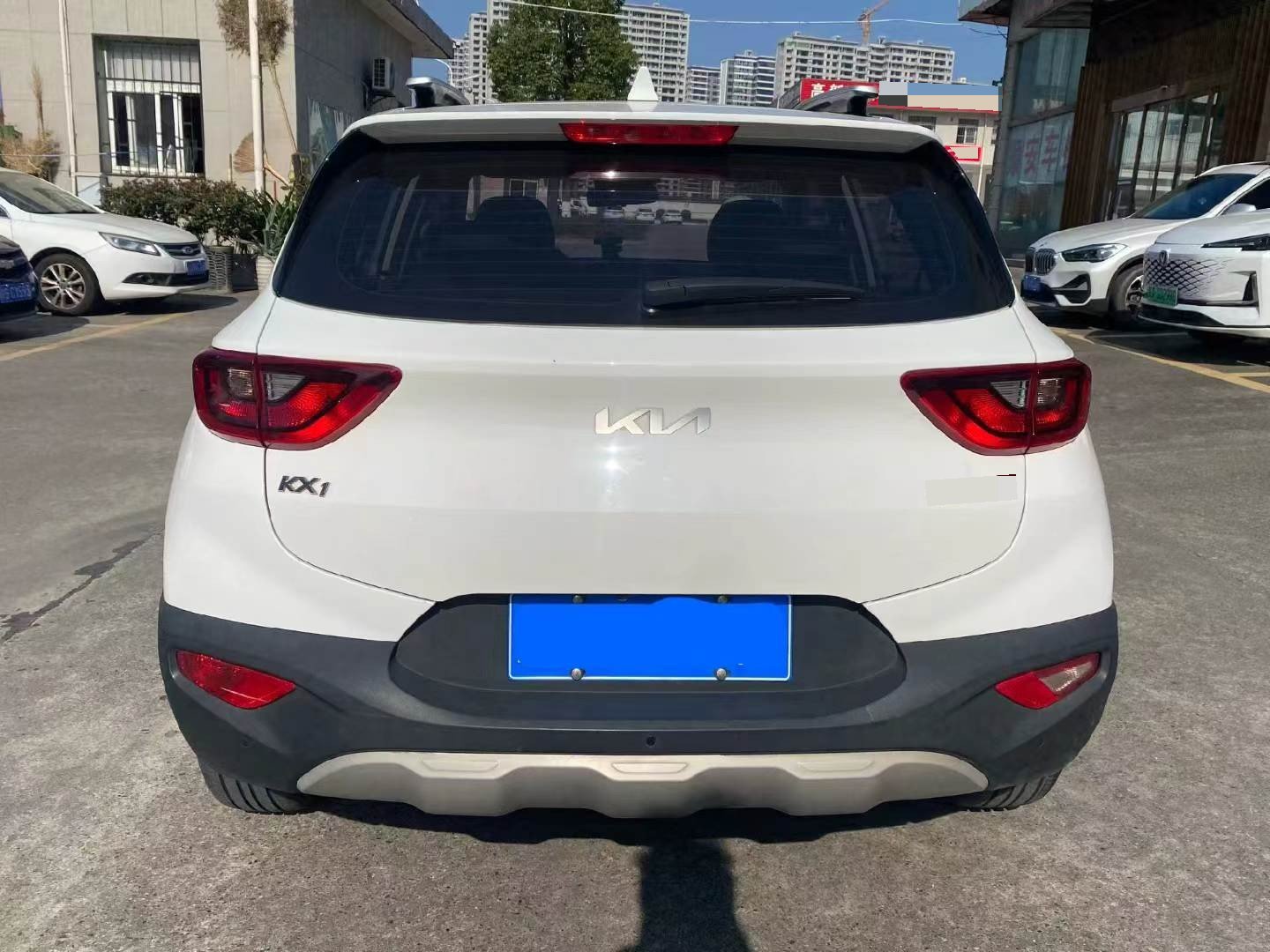
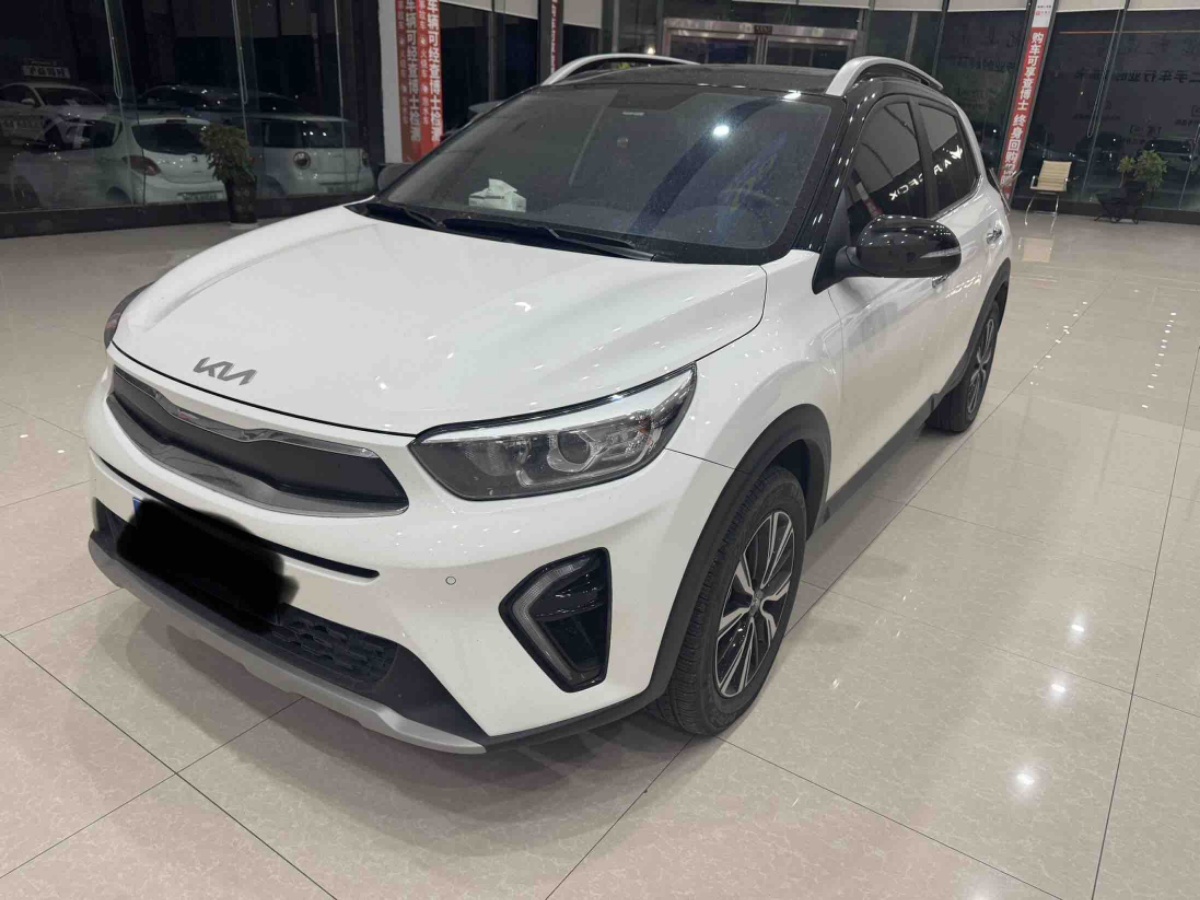
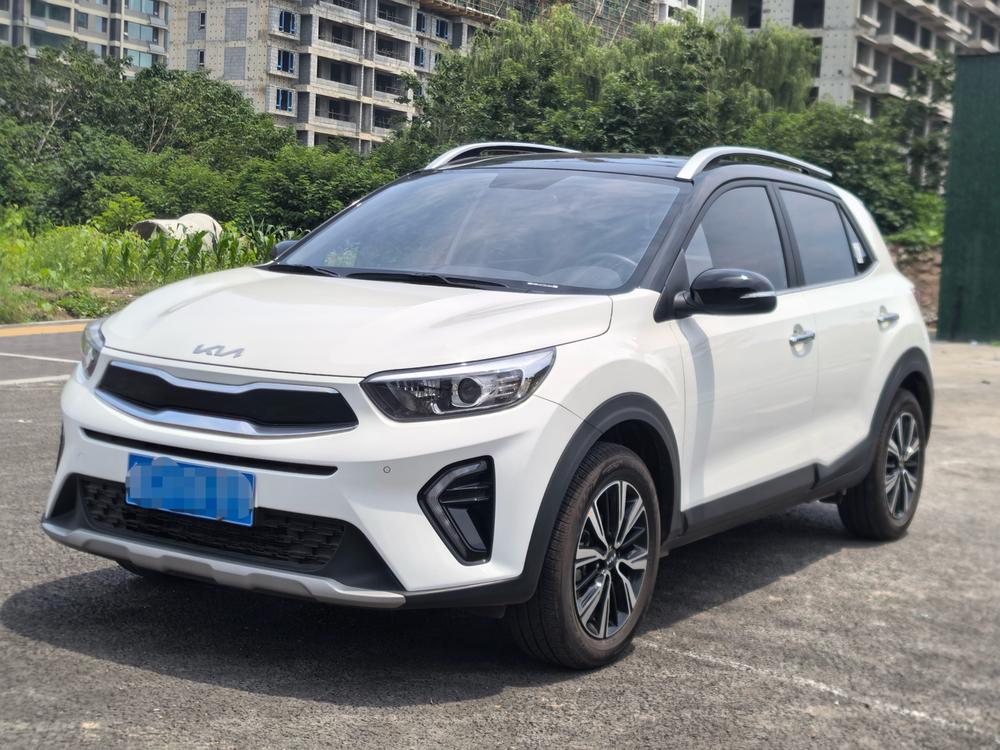
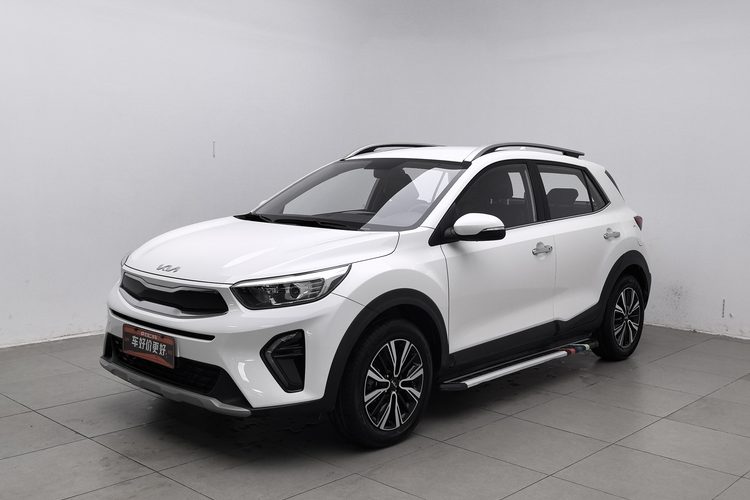
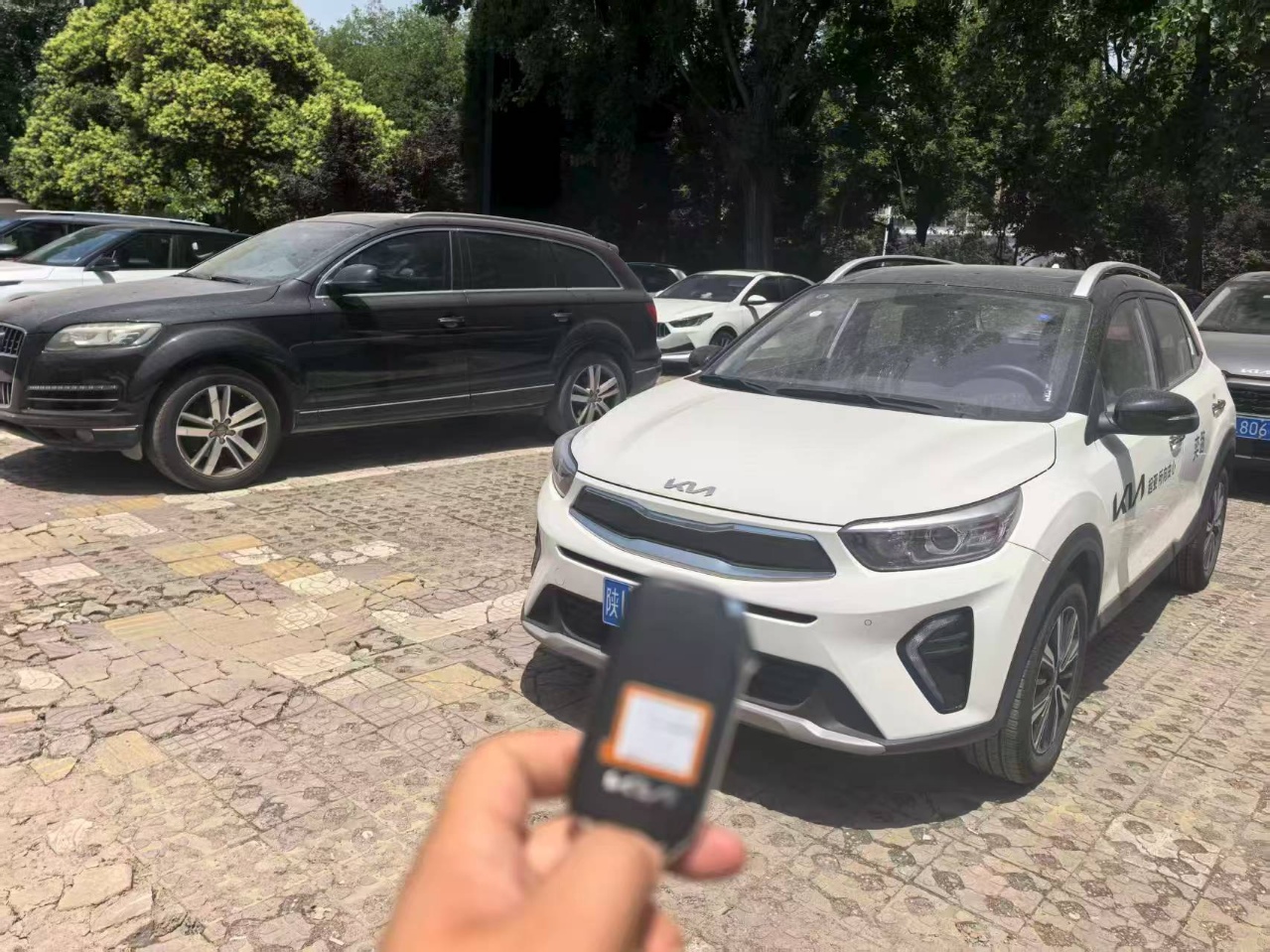
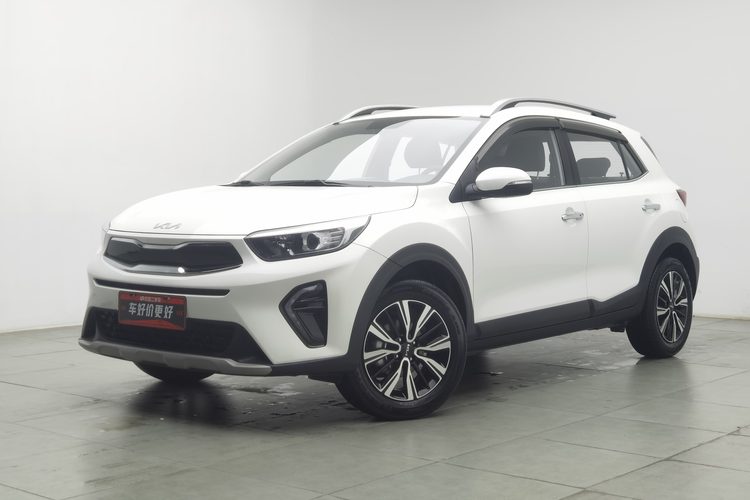
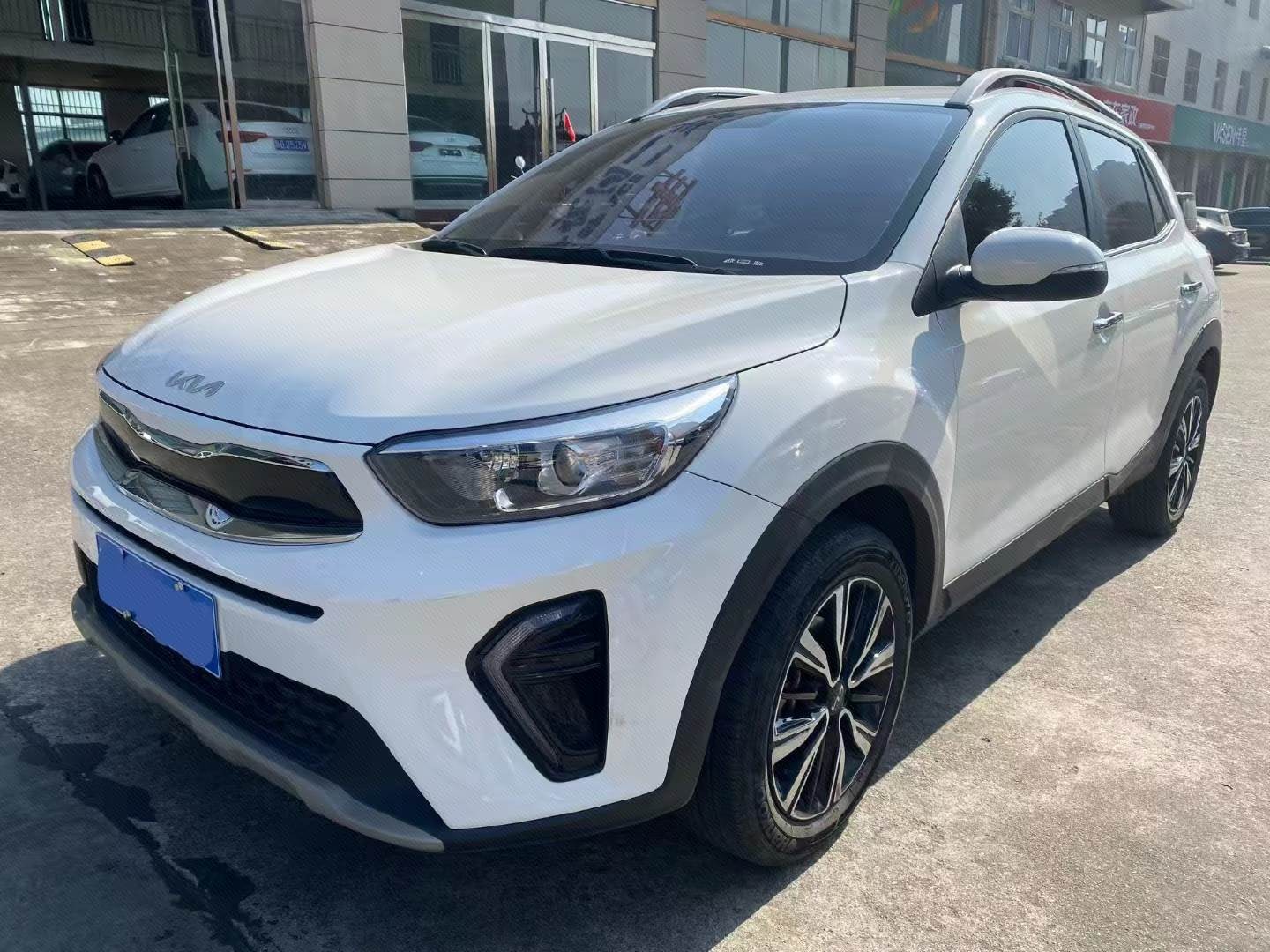
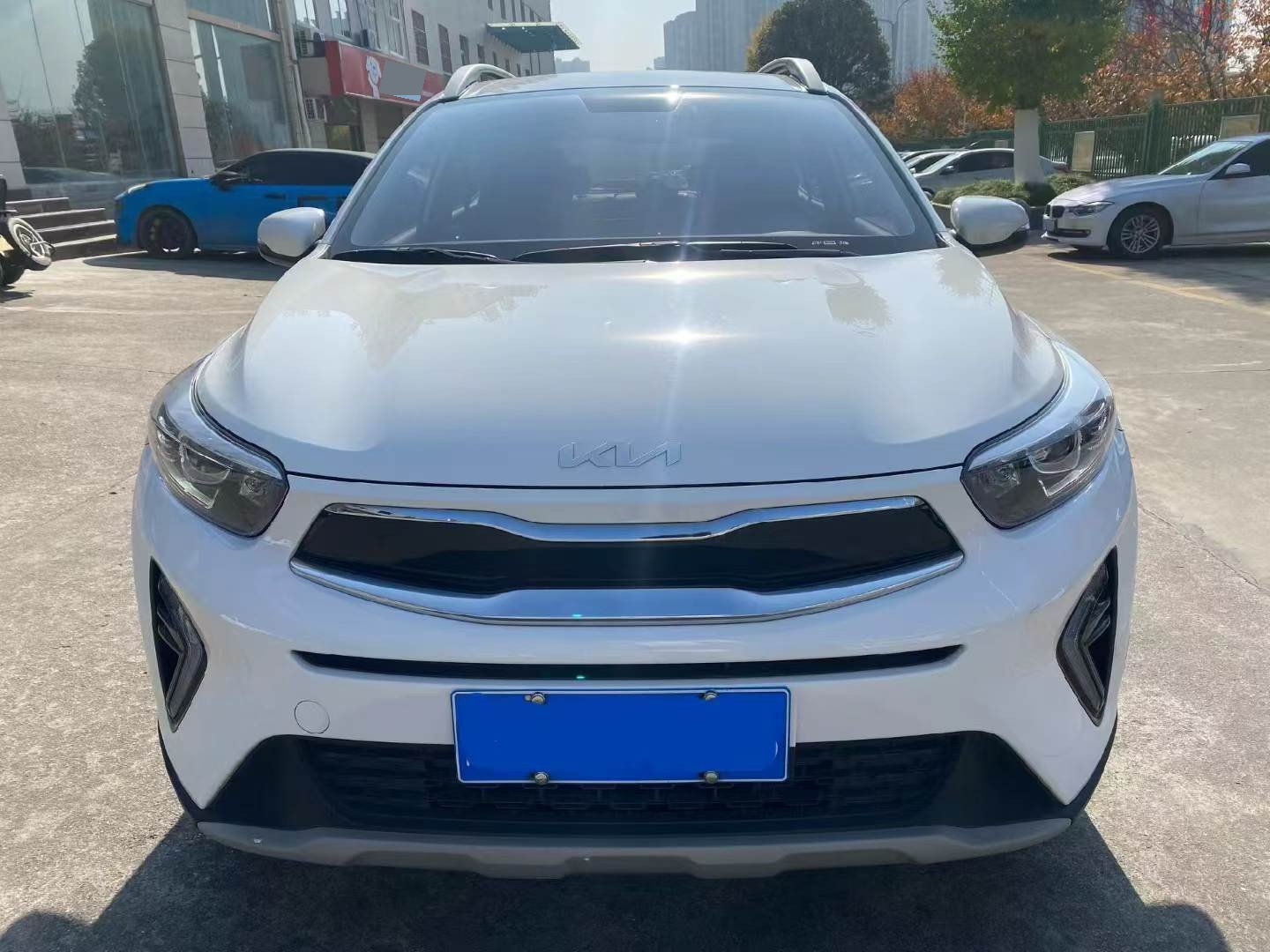
BrandKia
SeriesKX1
Year2022
First Registration2022/01
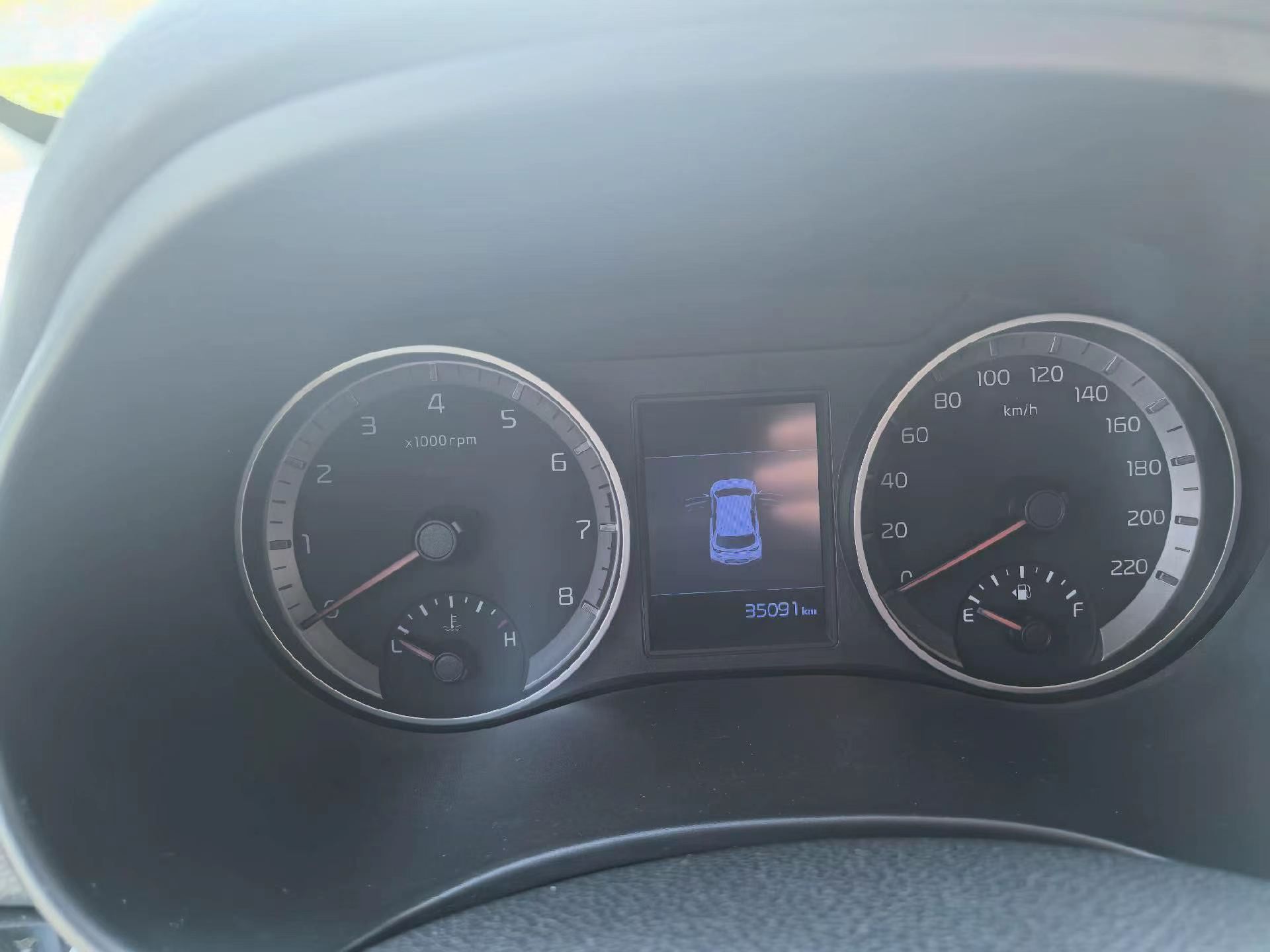
Mileage35,000km
Transfer Count0times
FuelGasoline
TransmissionManumatic
Engine1.4L 100 L4
ColorWhite
Seats-

Condition Description

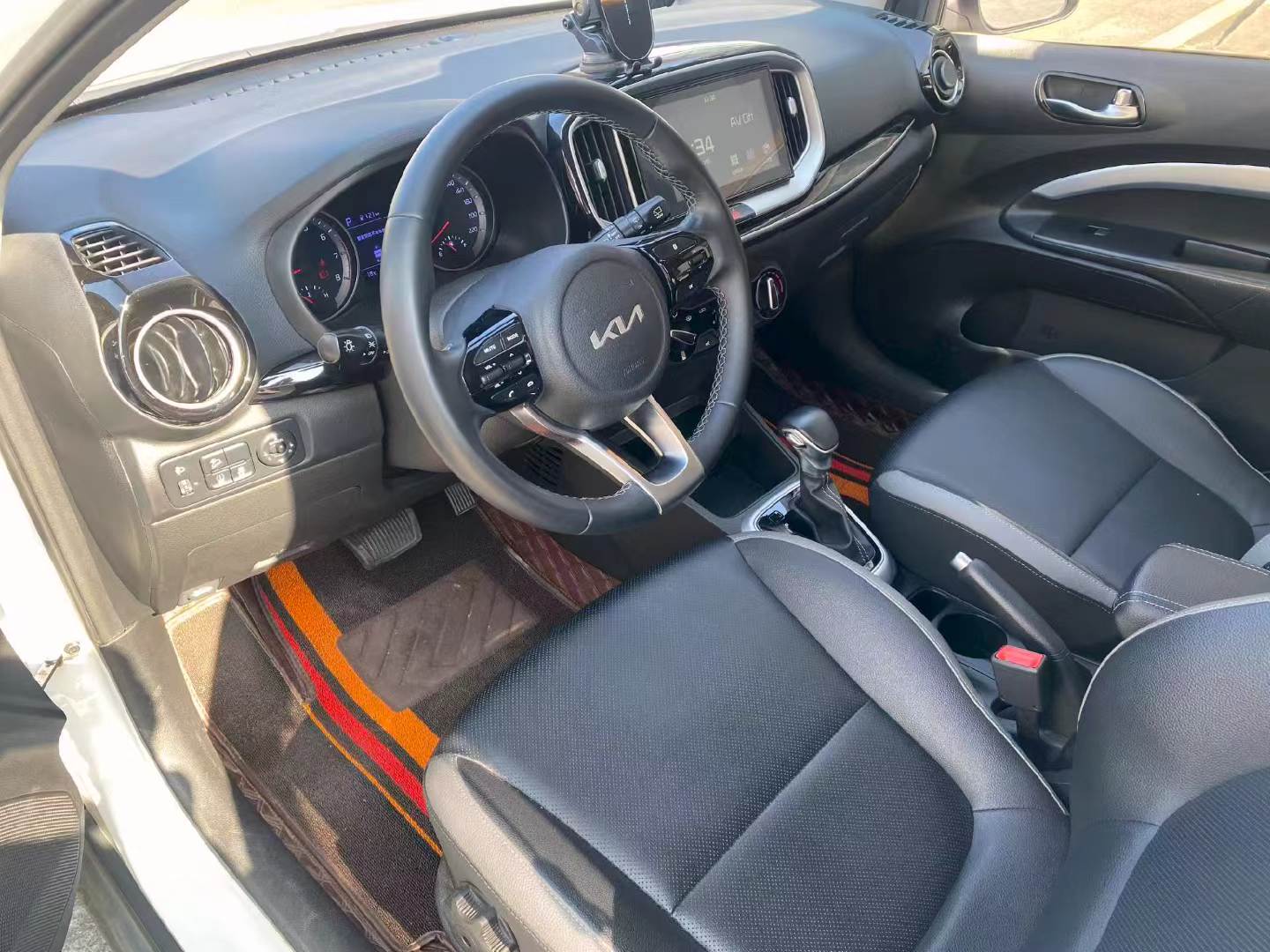
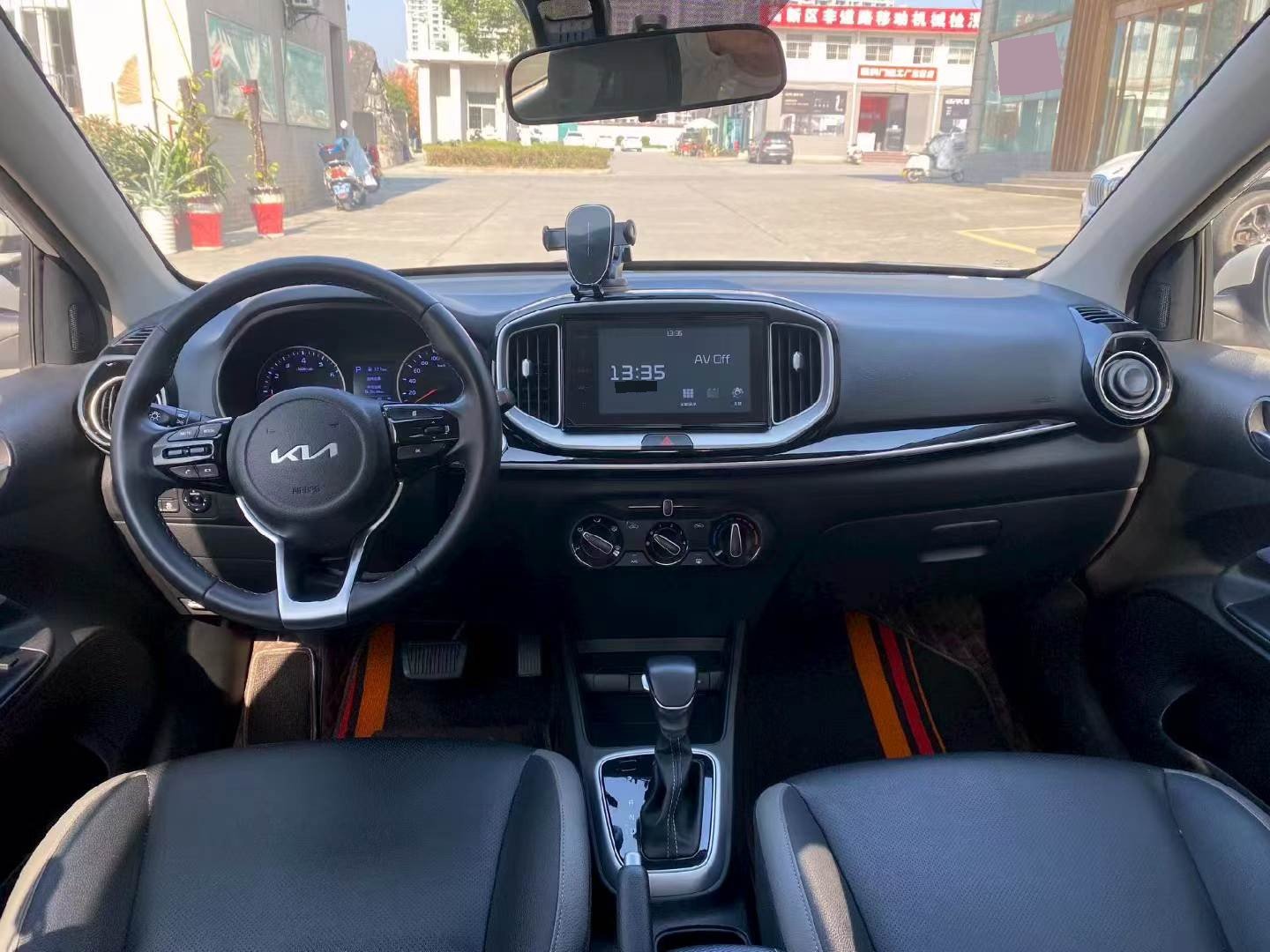
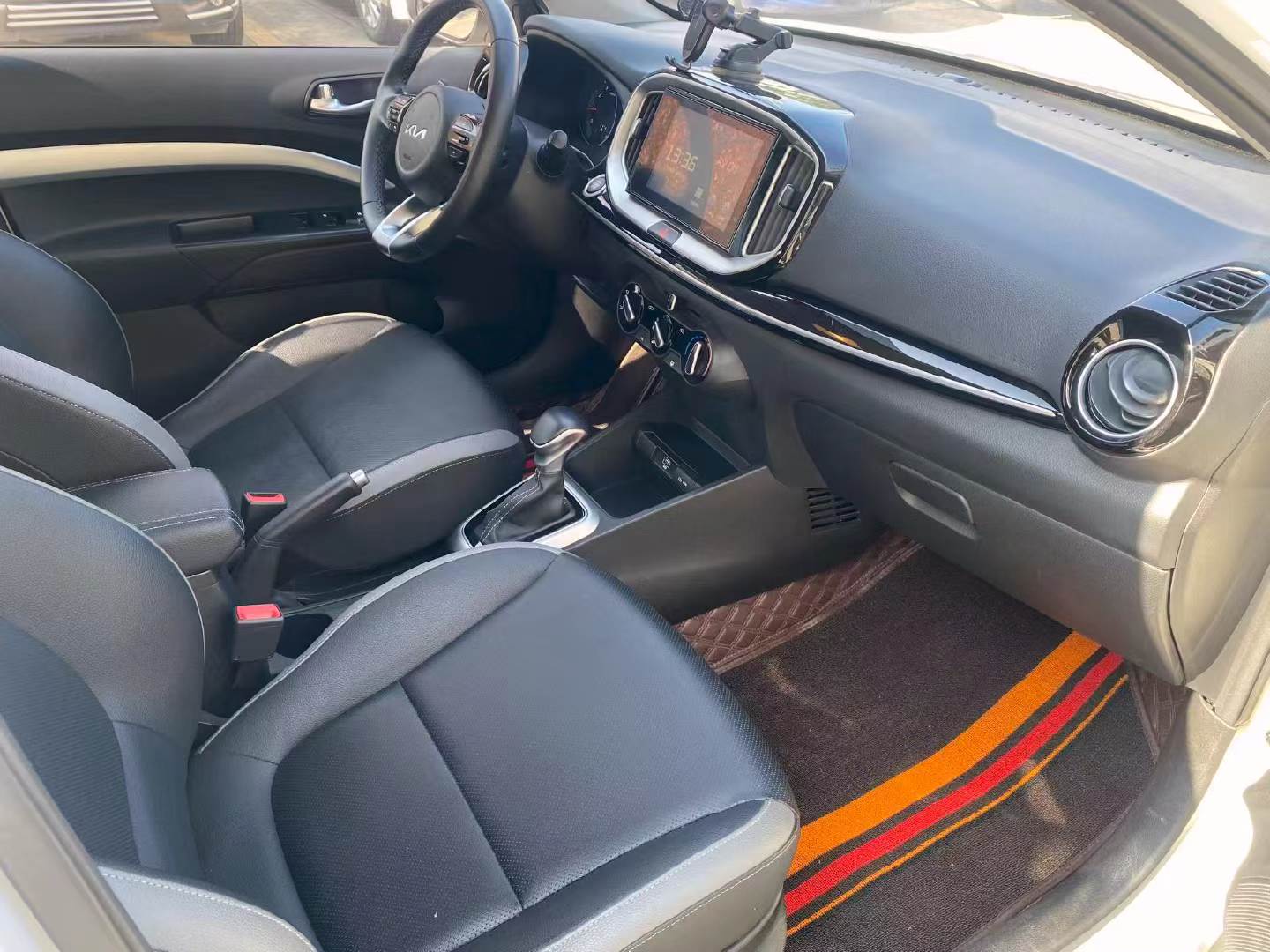
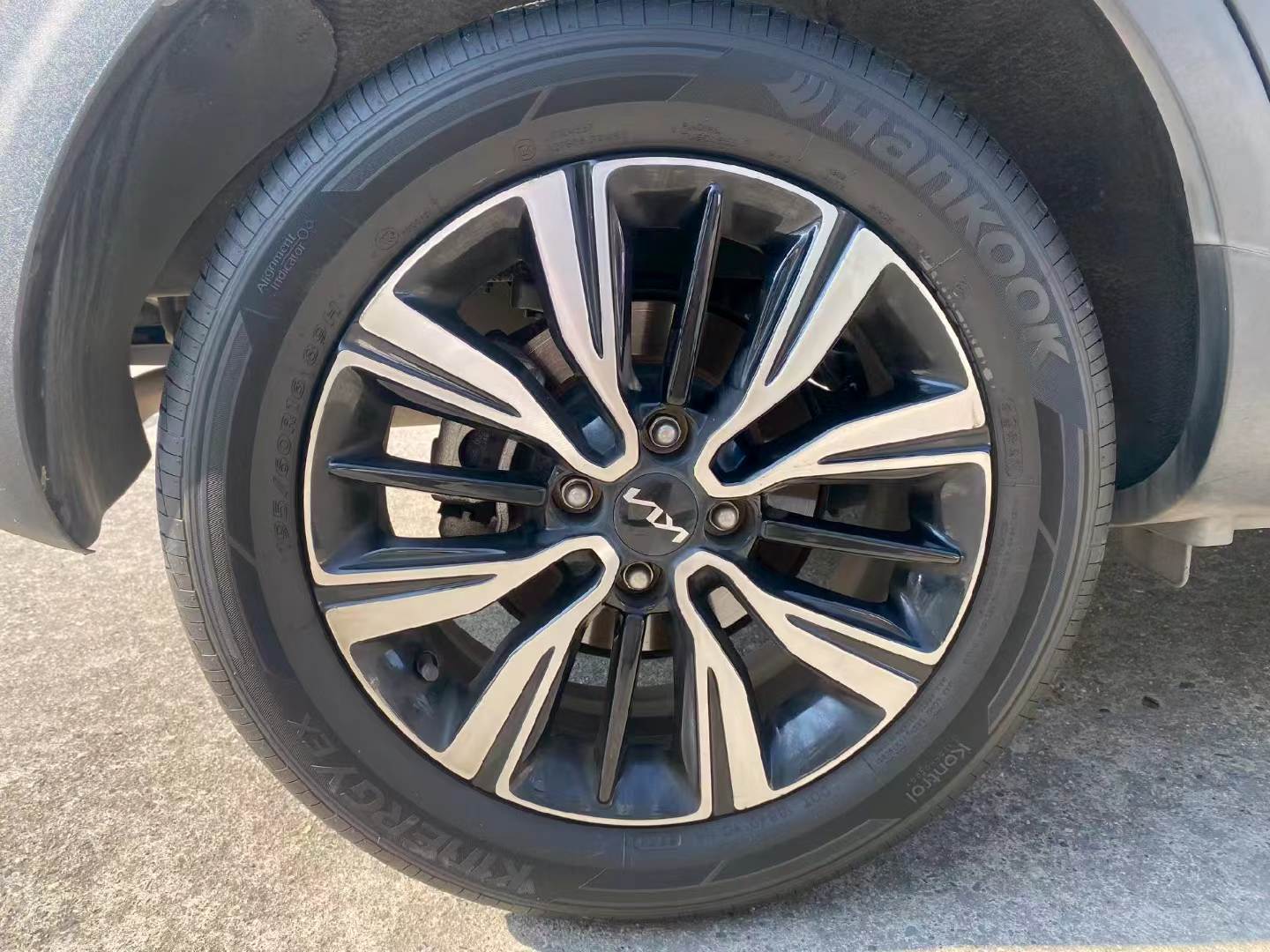
Original condition, can pass third-party inspection. Left rear door repainted. Zero insurance claims.

Document Information

Inspection Expiry Date-
Warranty Expiry Date-
Insurance Expiry Date2027/01

Q&A

More

If our country has a Free Trade Agreement (FTA) with China, can you provide a specific certificate of origin?

Yes. We will apply to customs or the trade promotion agency for a specific version of the certificate of origin (such as ASEAN Form E, China-ASEAN FTA certificate, etc.) to assist you in legally enjoying significant or even zero tariff treatment at the destination port.

How do I compare quotes from different Chinese exporters, and why is the cheapest offer often risky?

Comparing quotes properly means comparing the same thing: 1. Normalize the scope: some quotes include inland transport, export clearance, inspection and ocean freight, others are FOB only. Ask each exporter for a line-item breakdown so you can compare like with like. 2. Check what is excluded: port charges at destination, customs duties, homologation and registration are almost always on you. Get a written list of everything NOT included. 3. Look beyond the number: a quote 10-15% below the market usually means the car has an issue (accident history, rolled-back mileage, pending lien) or the exporter plans to cut corners on inspection and loading. 4. Verify the exporter: business license, export qualification, recent shipment records, and references from buyers in your region. A realistic quote from a verifiable exporter is worth more than a bargain that turns into a dispute. Always pay against milestones with inspection before balance payment.
What does a pre-shipment inspection include, and is it worth the cost?

A professional pre-shipment inspection typically costs a small fraction of the vehicle price and routinely pays for itself. A thorough inspection covers: paint thickness measurement across 30+ points to map body repairs; structural assessment of pillars, rails and crossmembers for accident damage; engine and transmission operation; a full electronic scan for fault codes; suspension and underbody checks for leaks and rust; and, for EVs, battery SOH and thermal management performance. You receive a written report with photos before the car is loaded — if the car fails, you can stop the shipment or renegotiate. Skipping the inspection to save a small fee is the classic false economy in used car importing: discovering a problem after arrival is far more expensive than preventing it at origin.