


48H

Basic Information

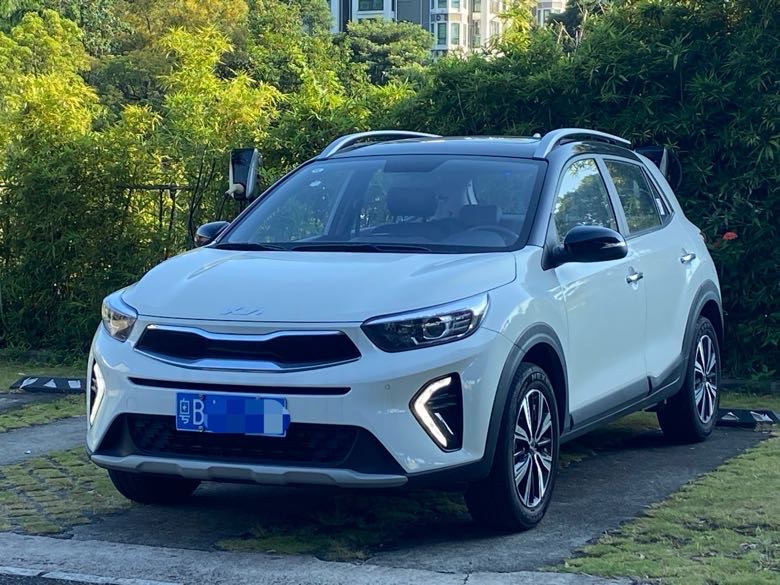
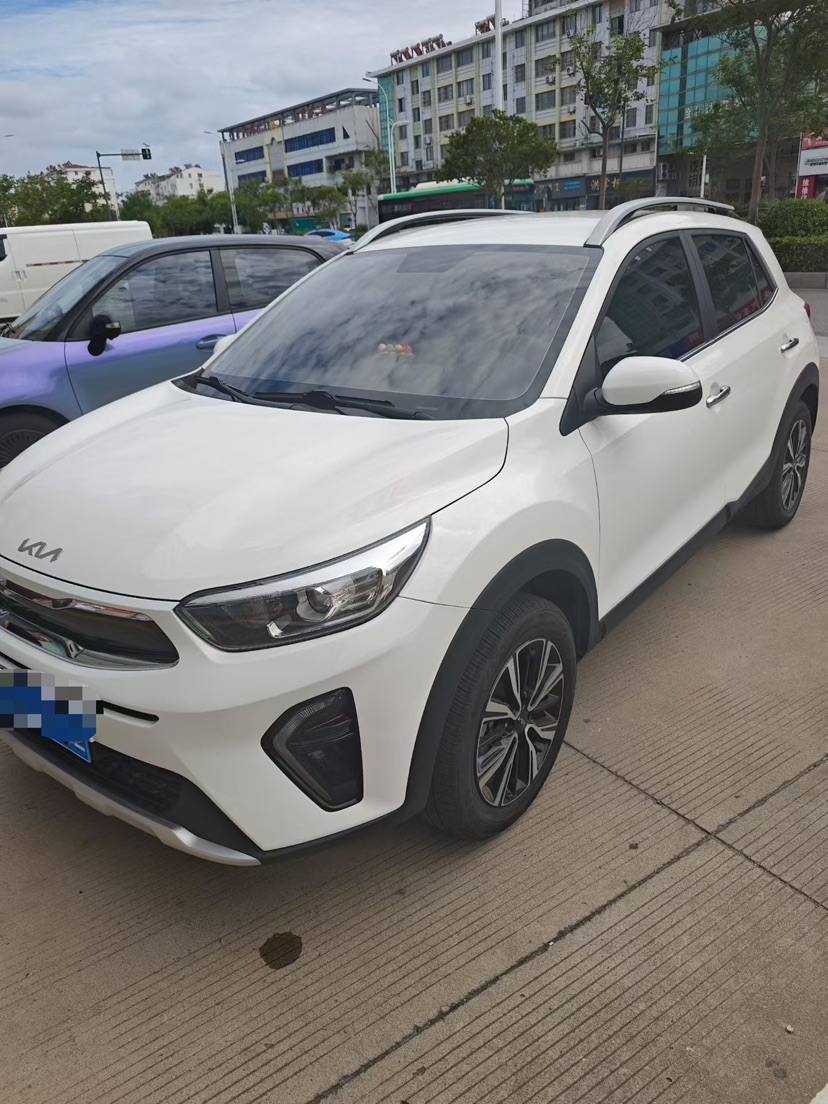
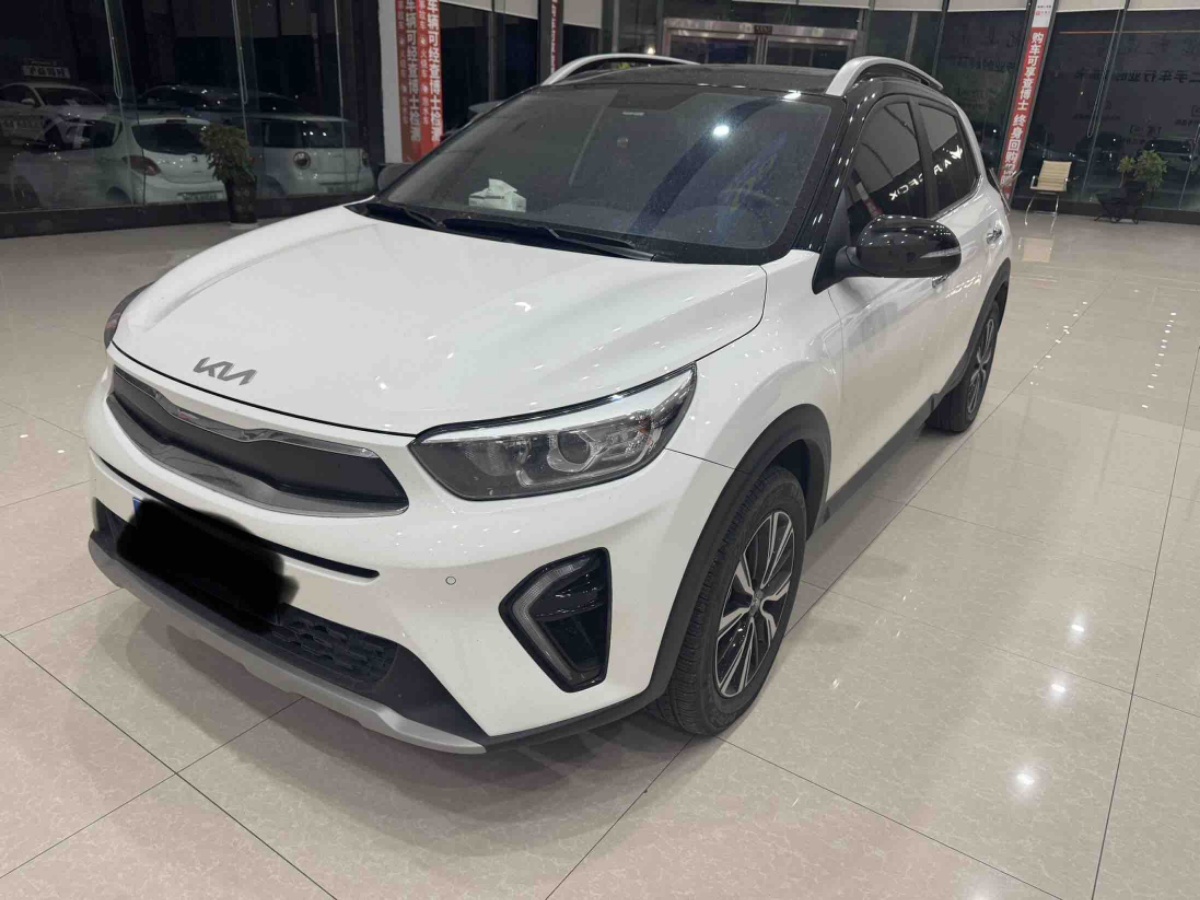
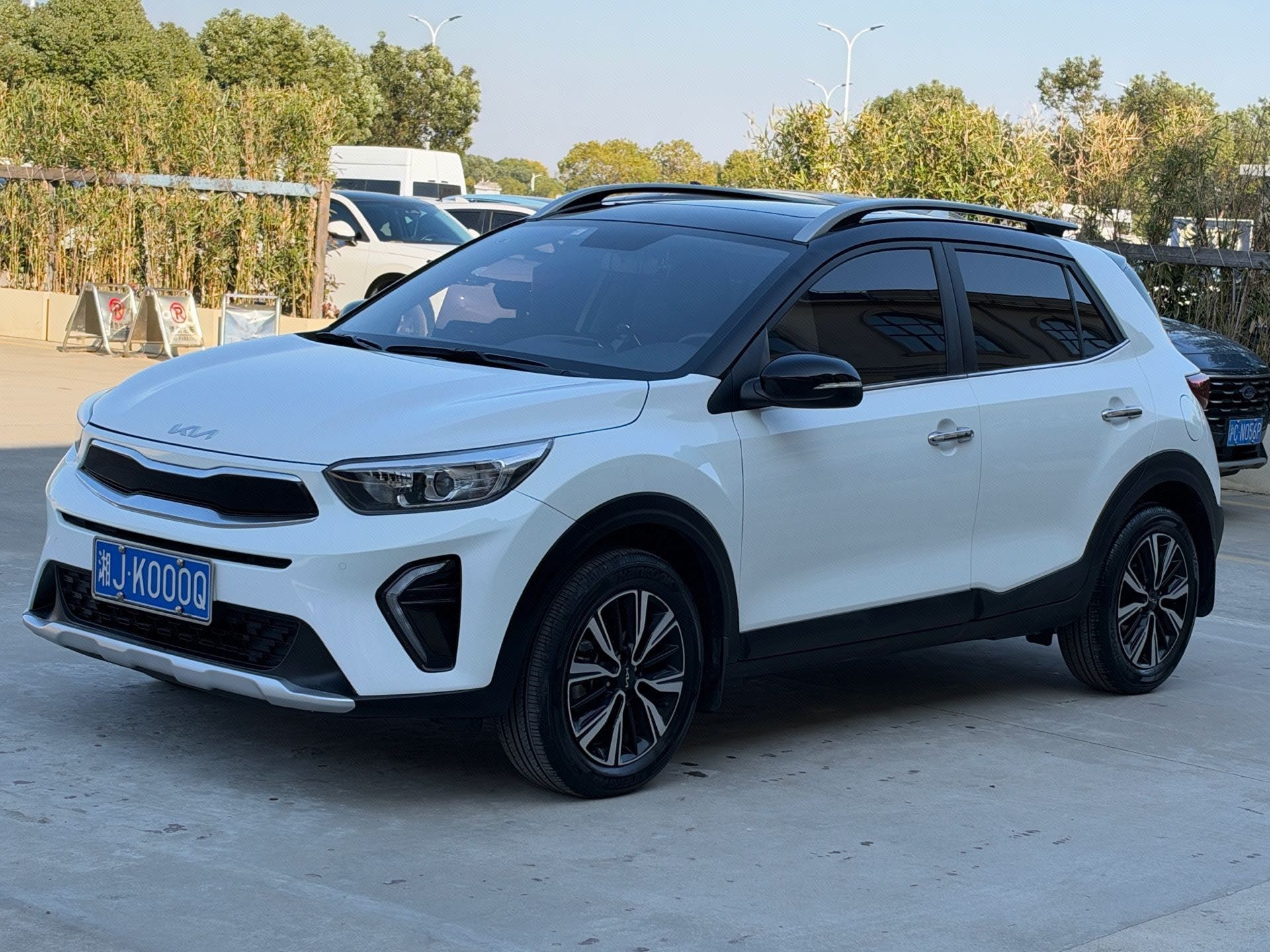
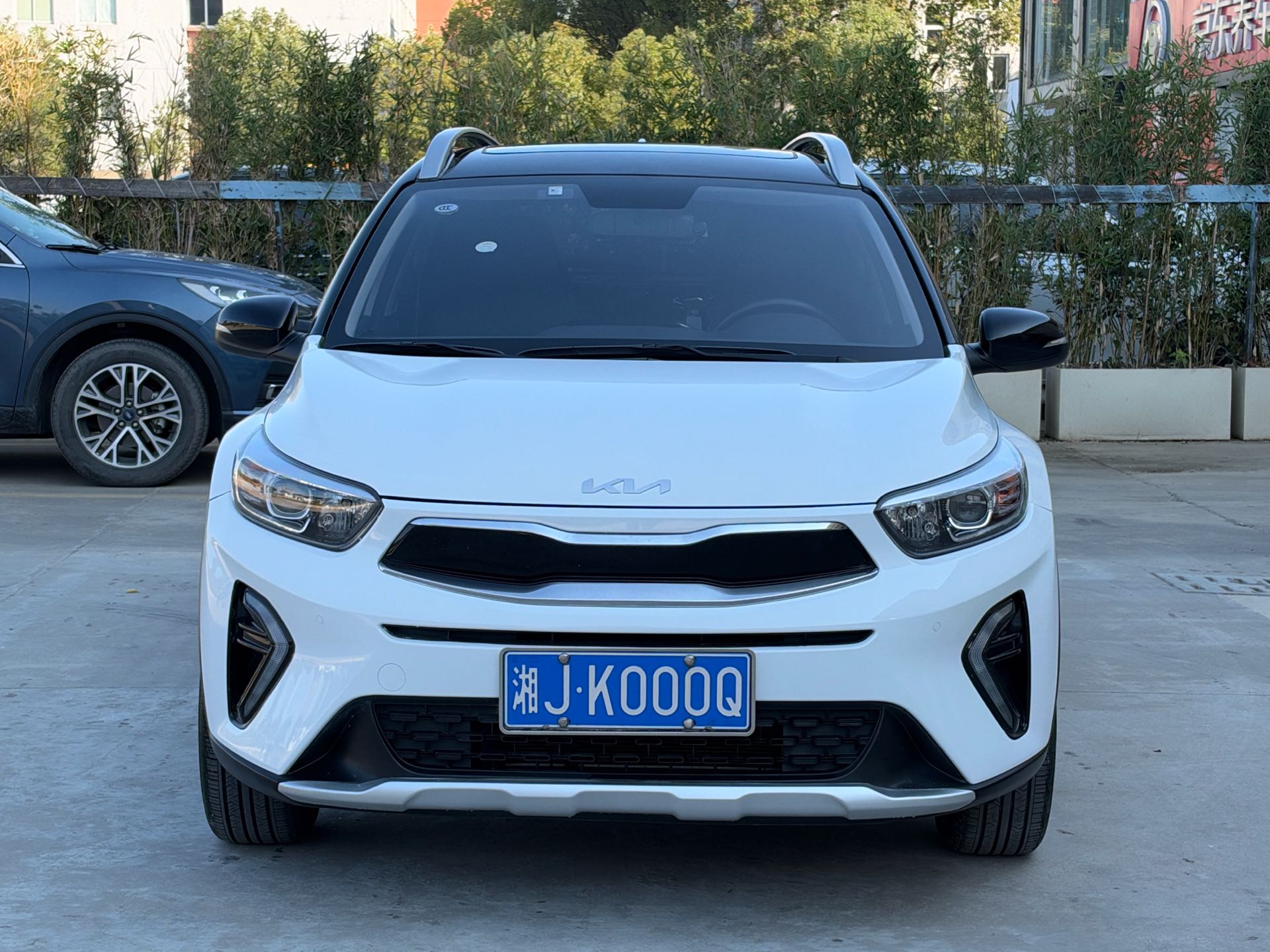
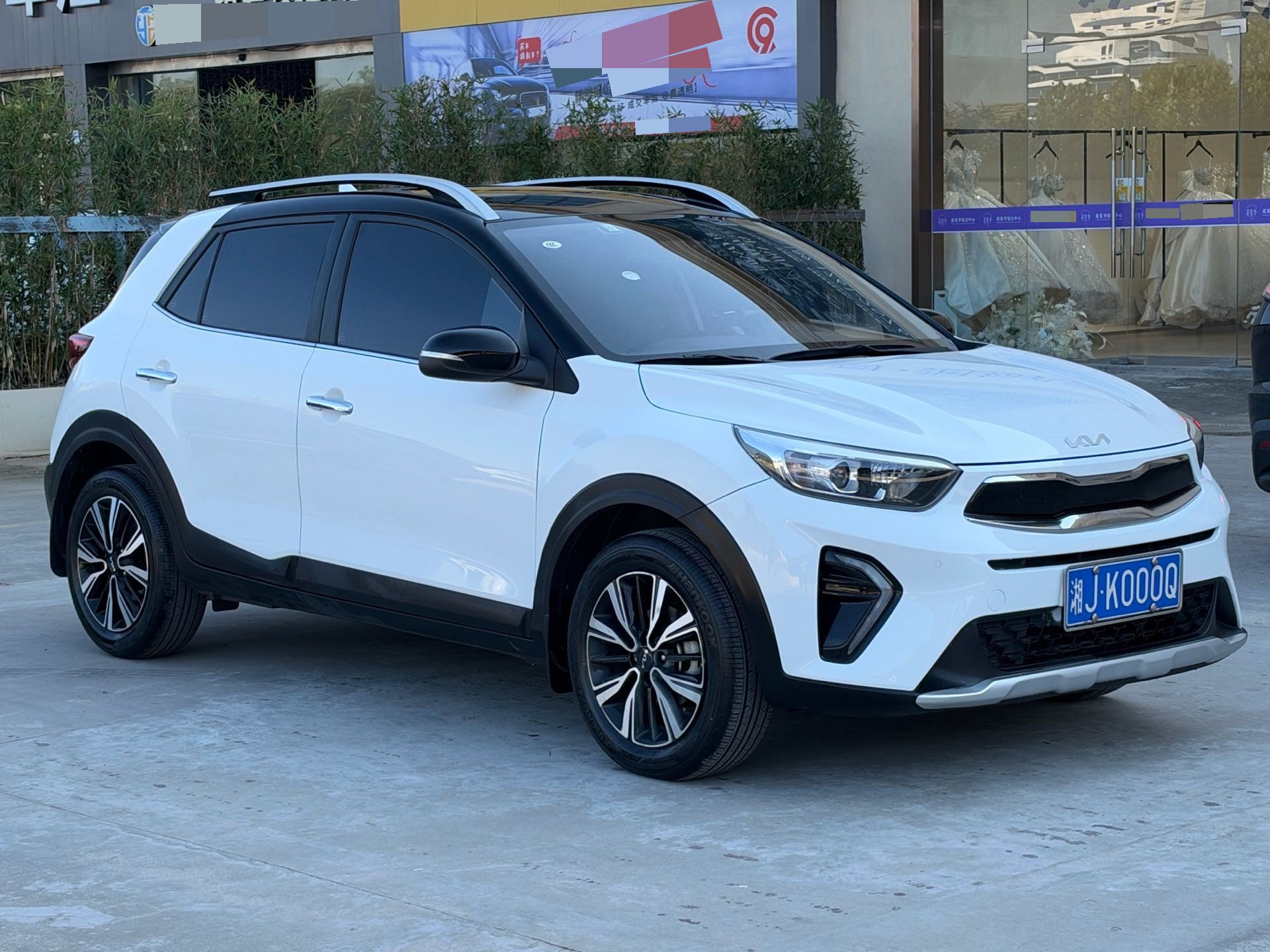
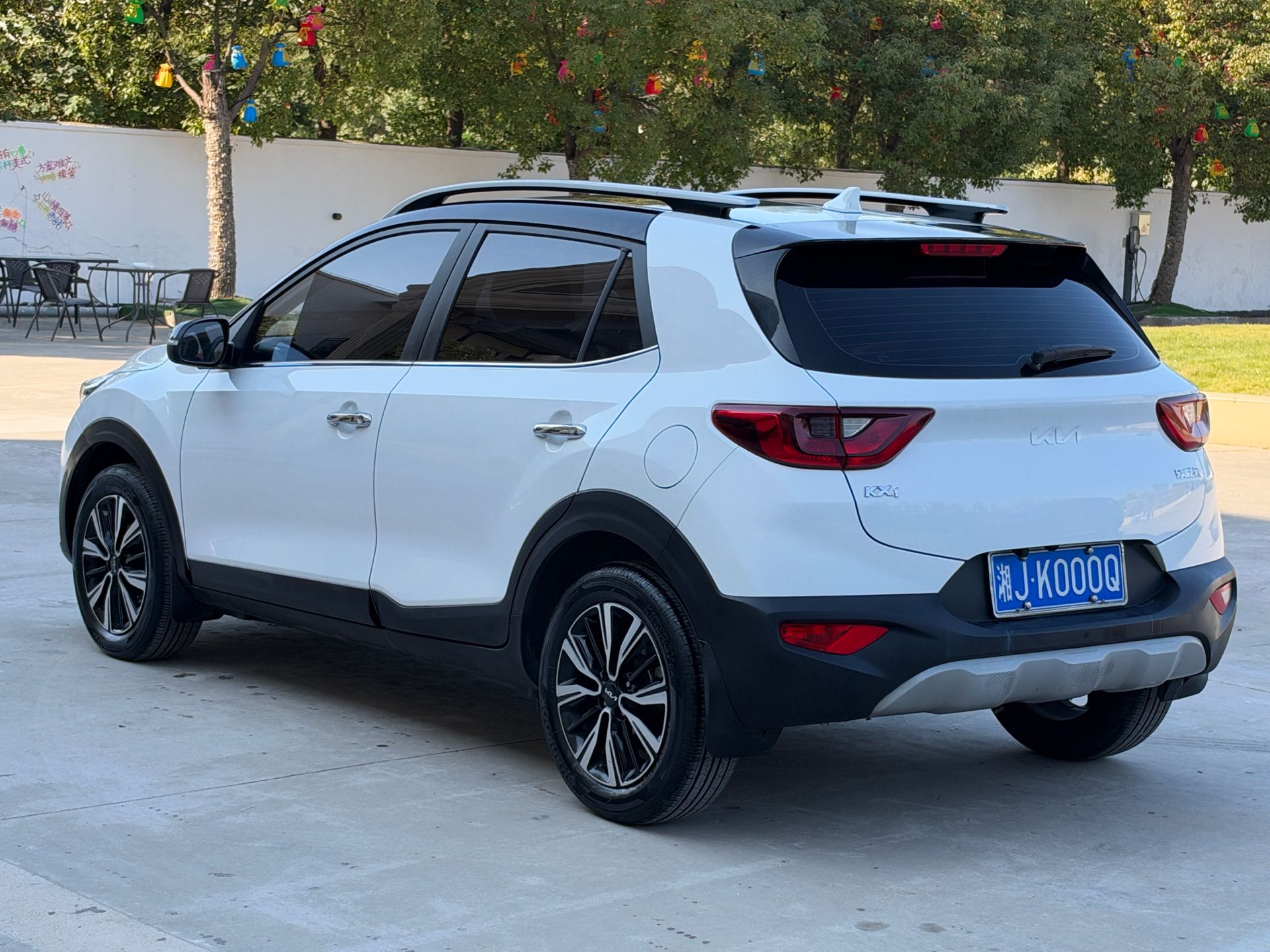
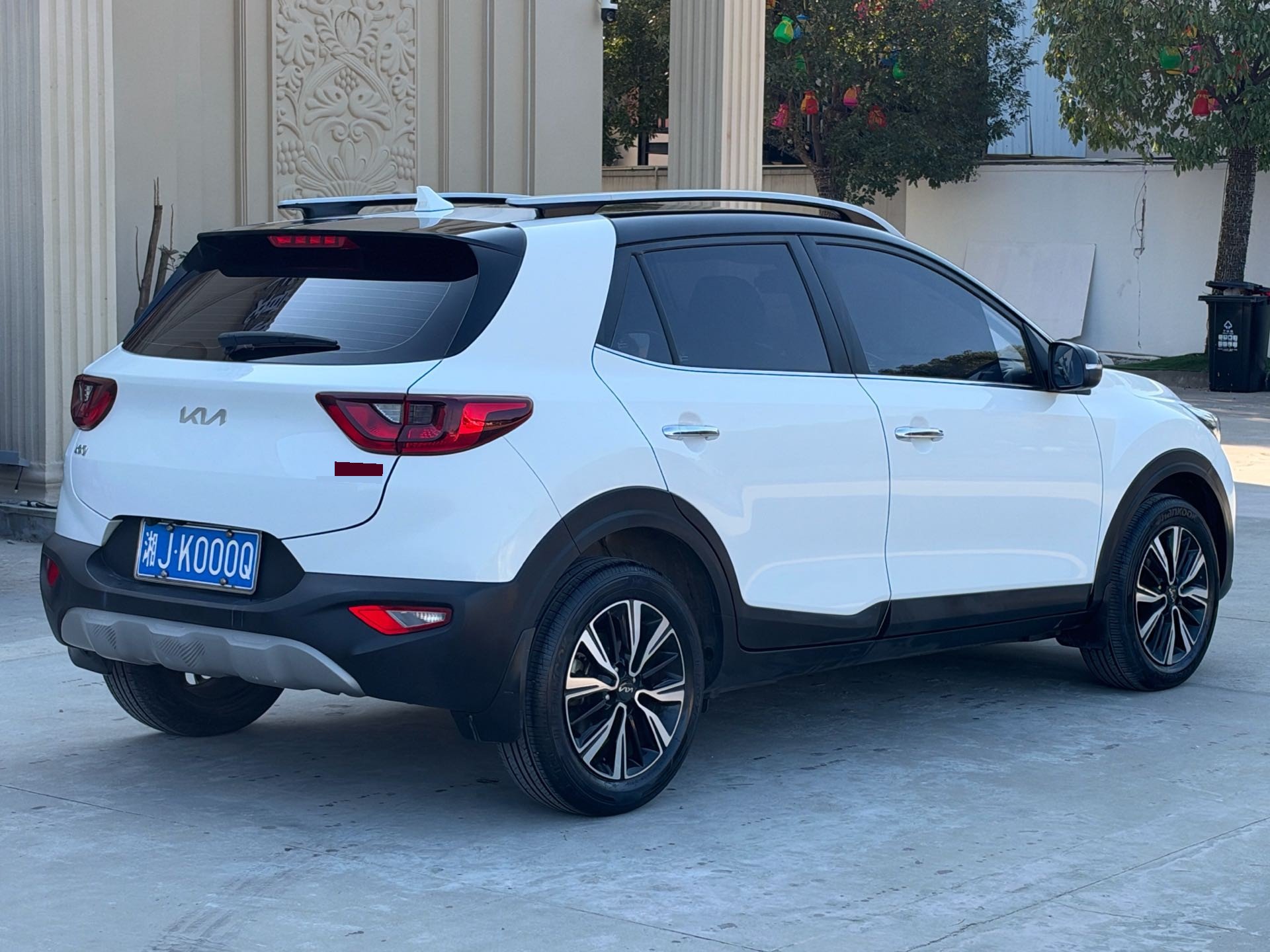
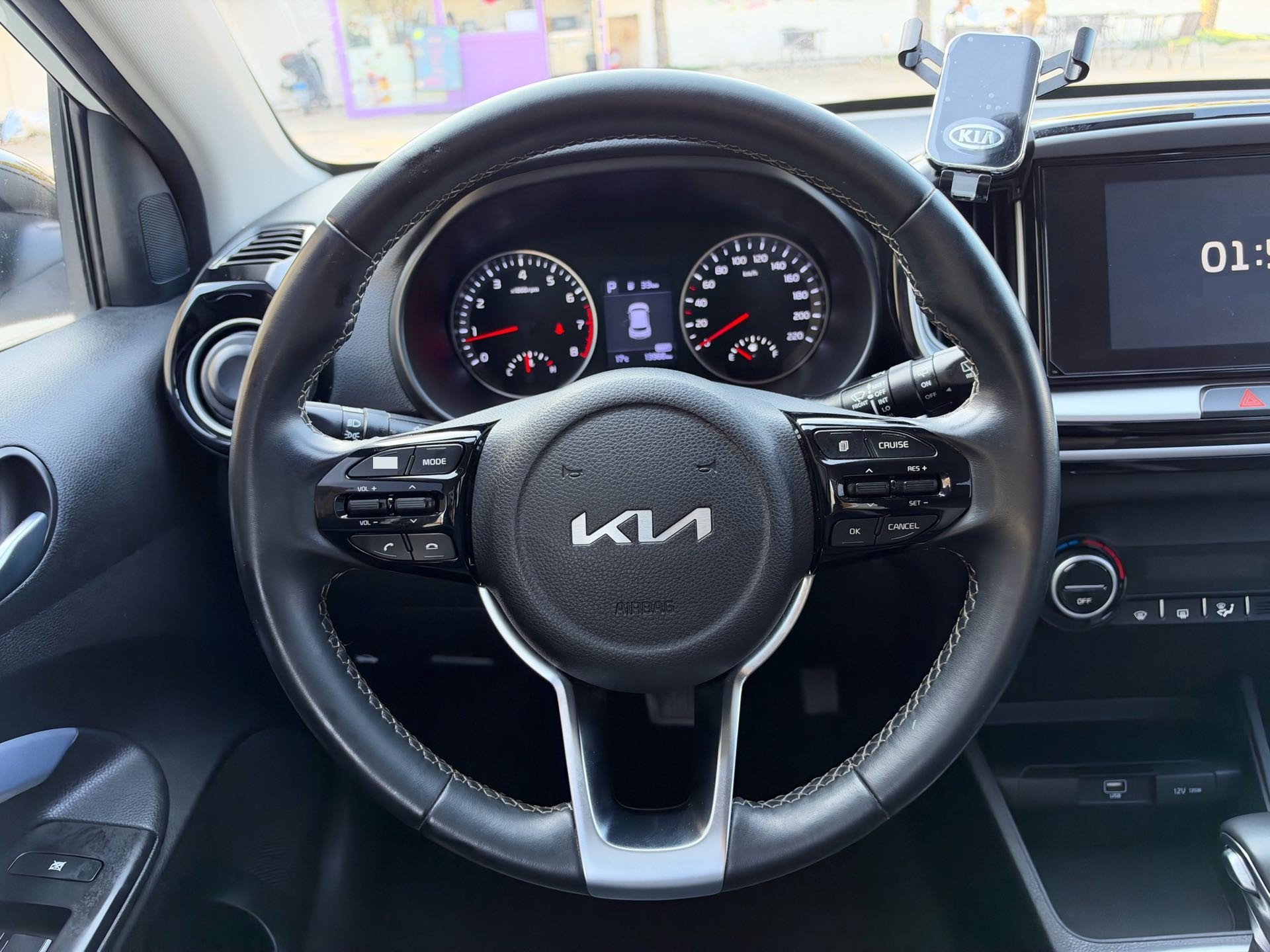
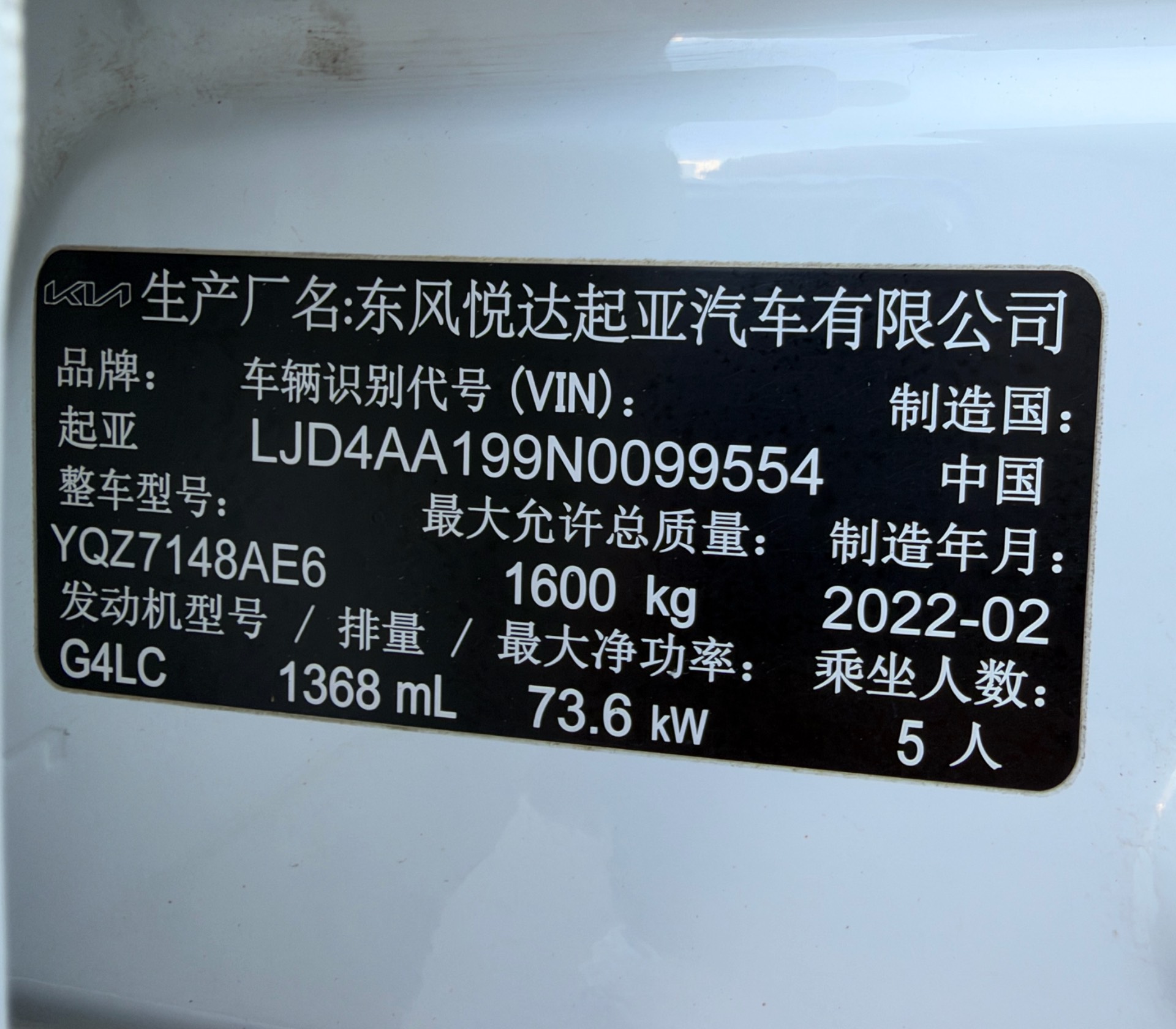
BrandKia
SeriesKX1
Year2022
First Registration2022/05
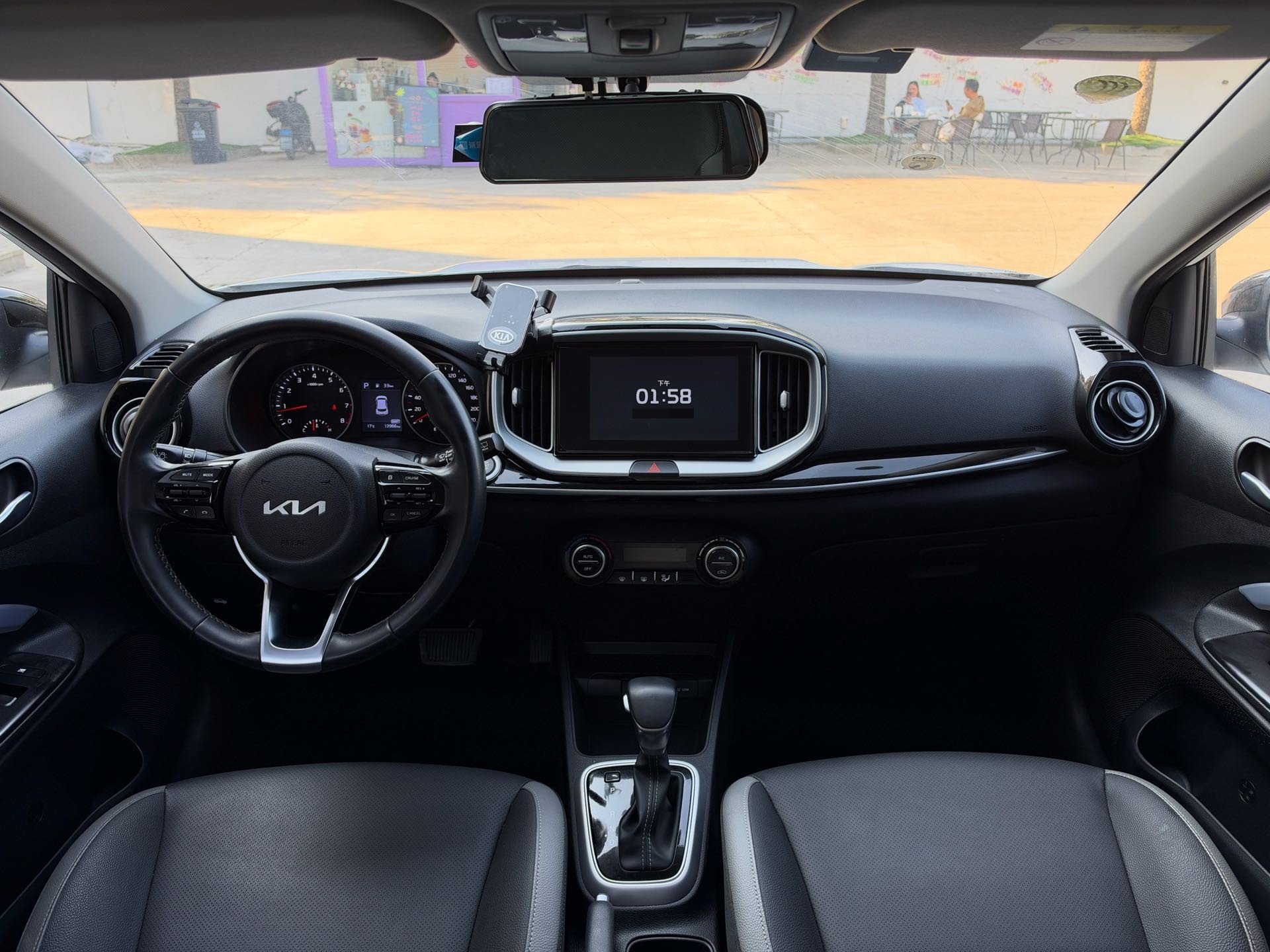
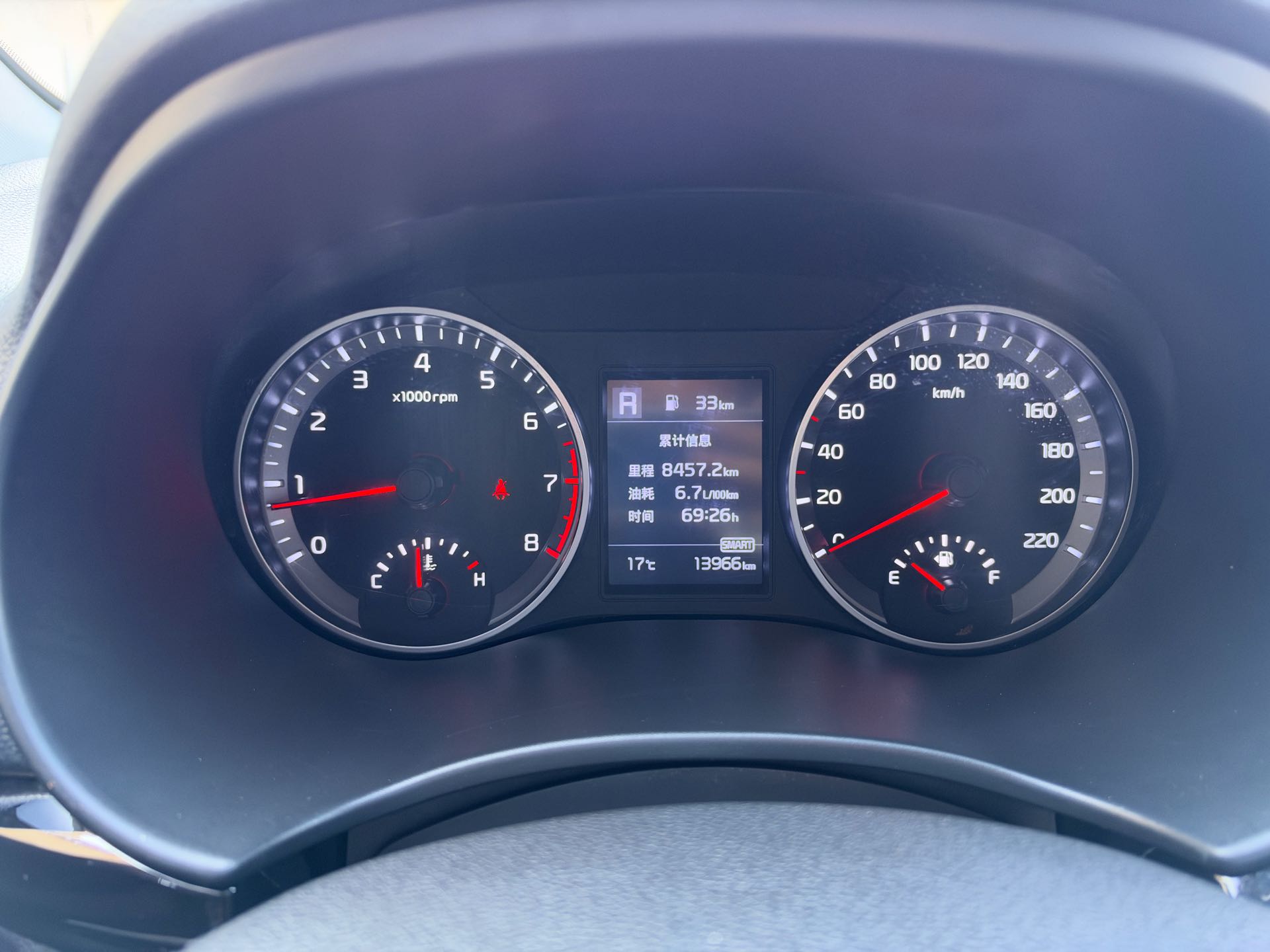
Mileage13,000km
Transfer Count0times
FuelGasoline
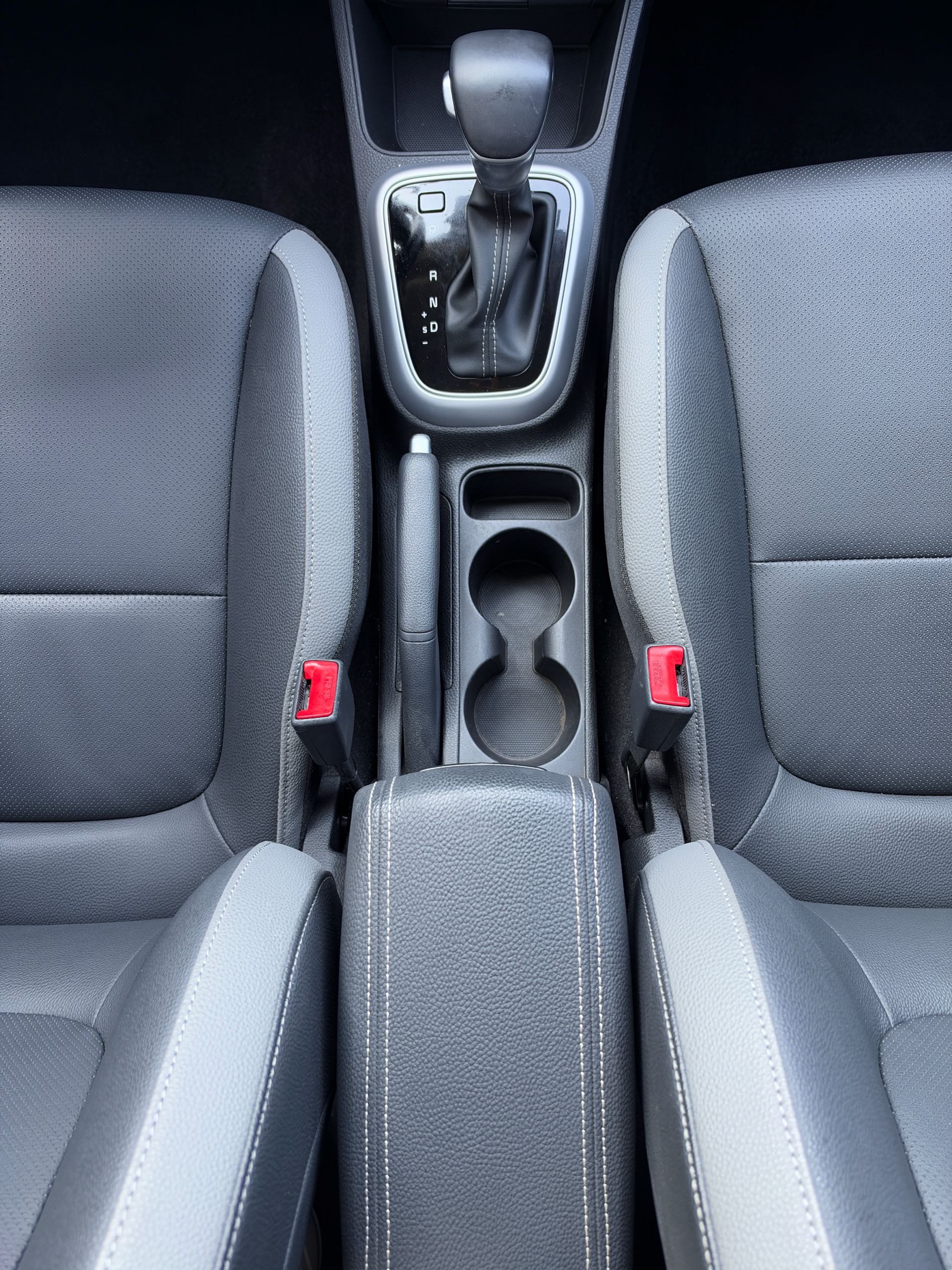
TransmissionCVT
Engine1.4L 100 L4
ColorWhite
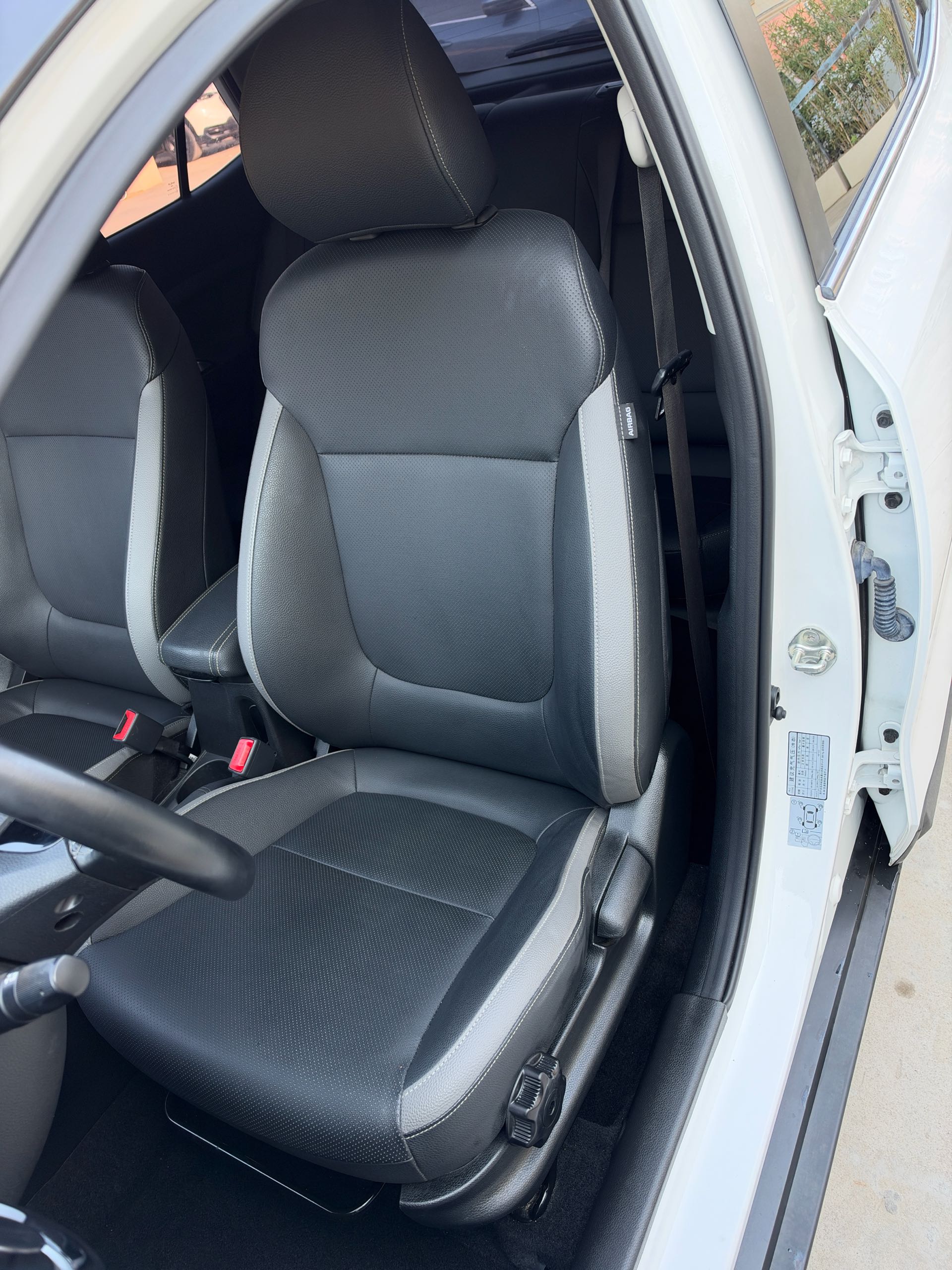
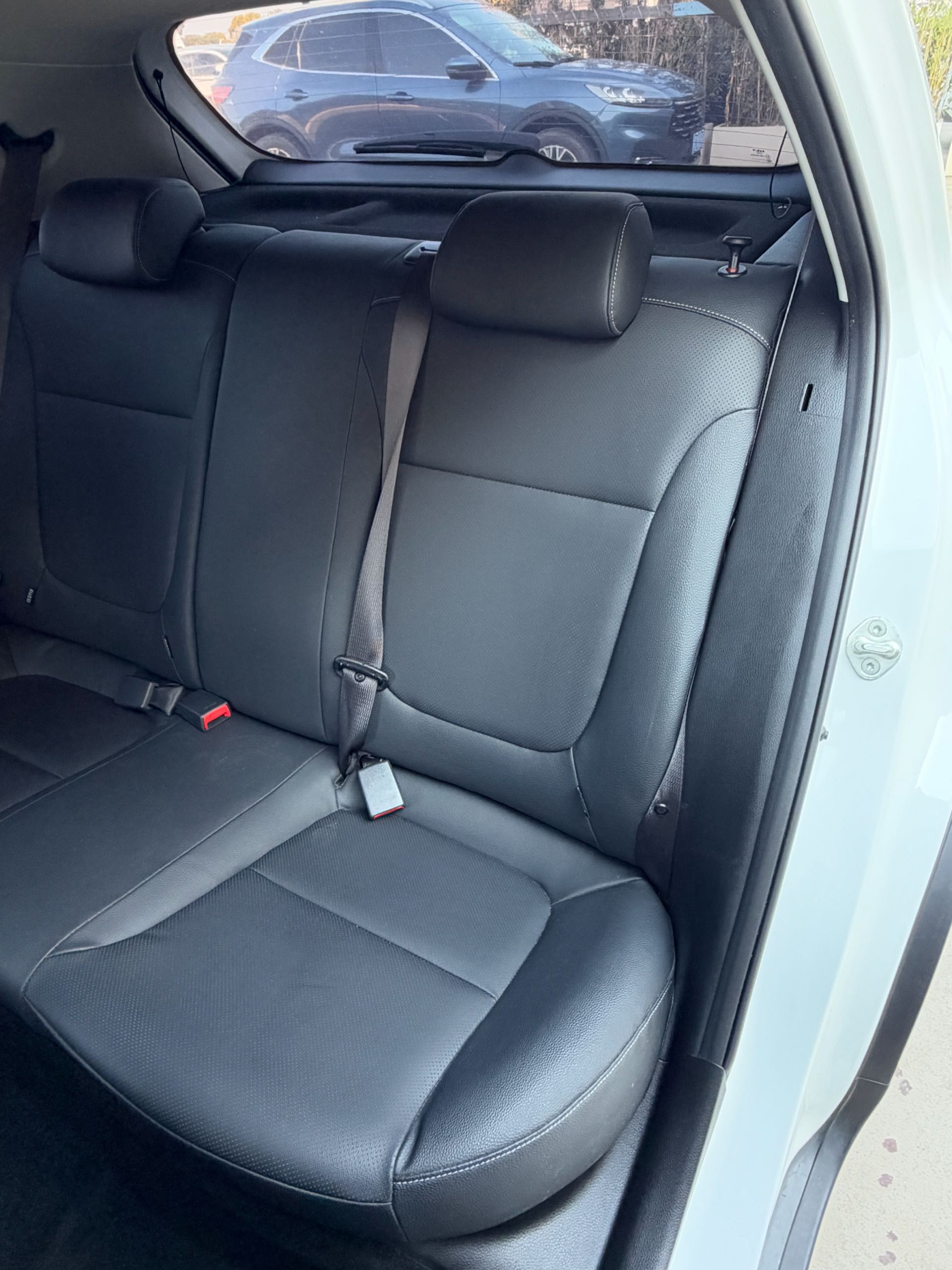
Seats5seats

Condition Description

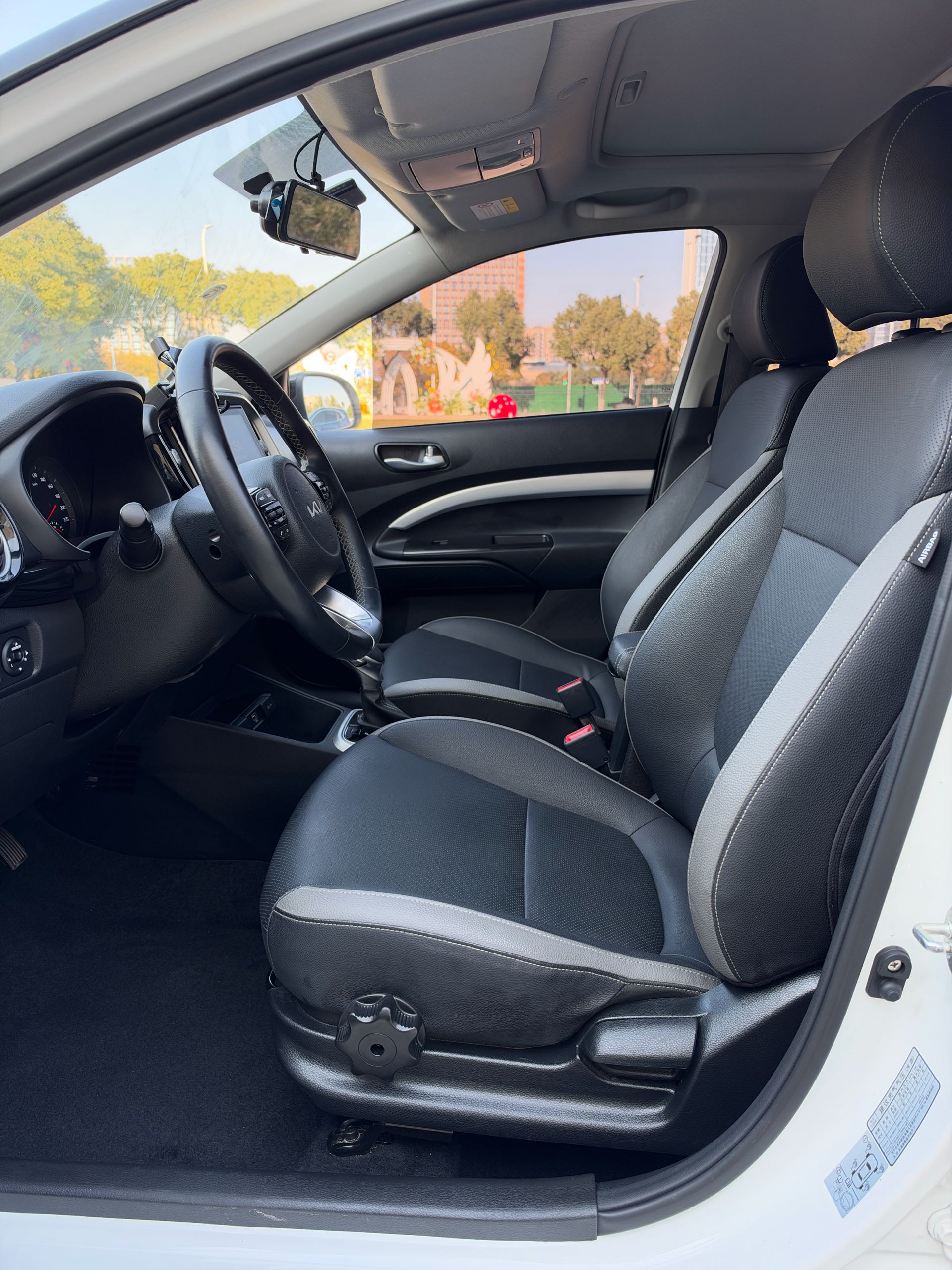
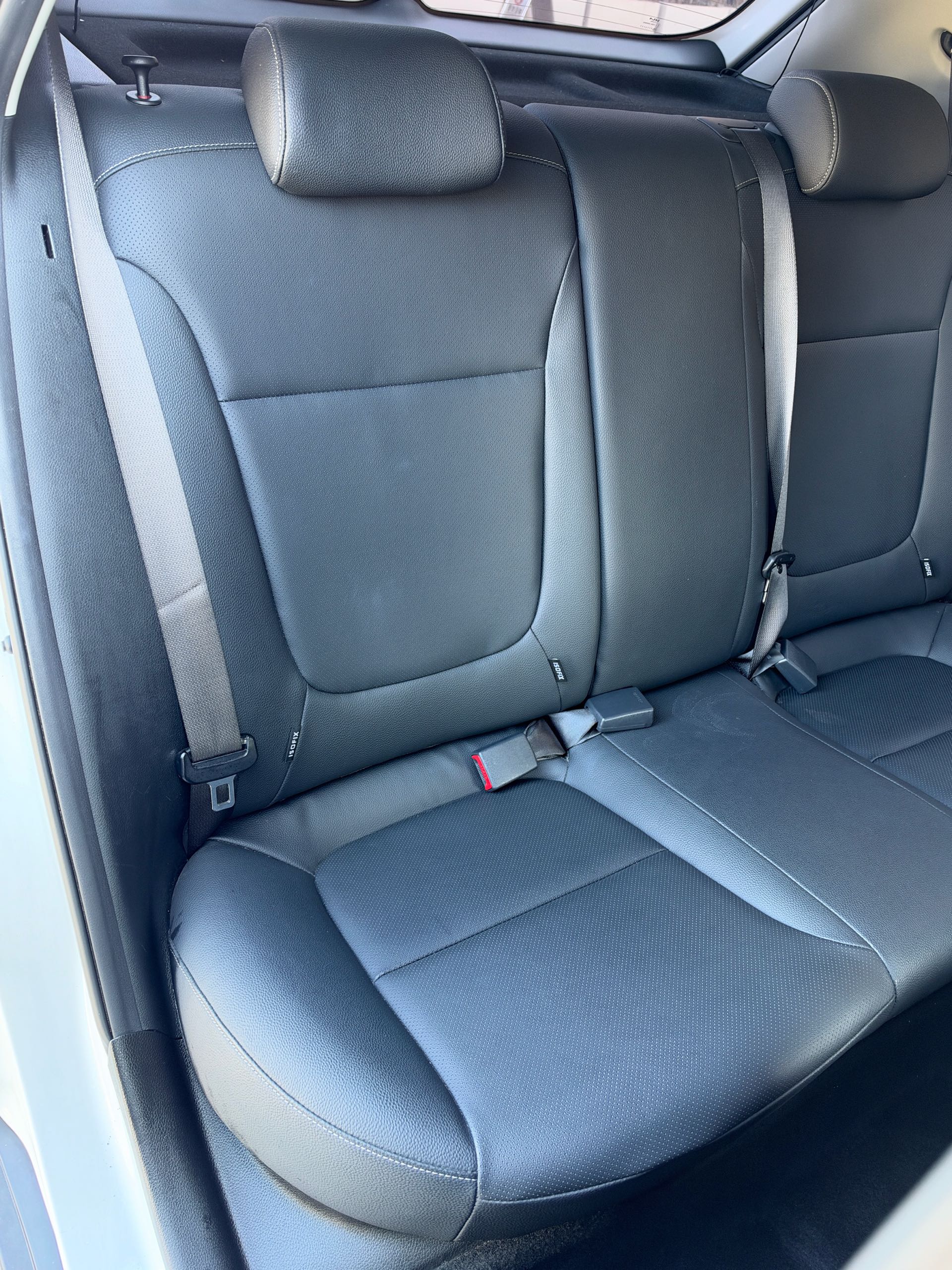
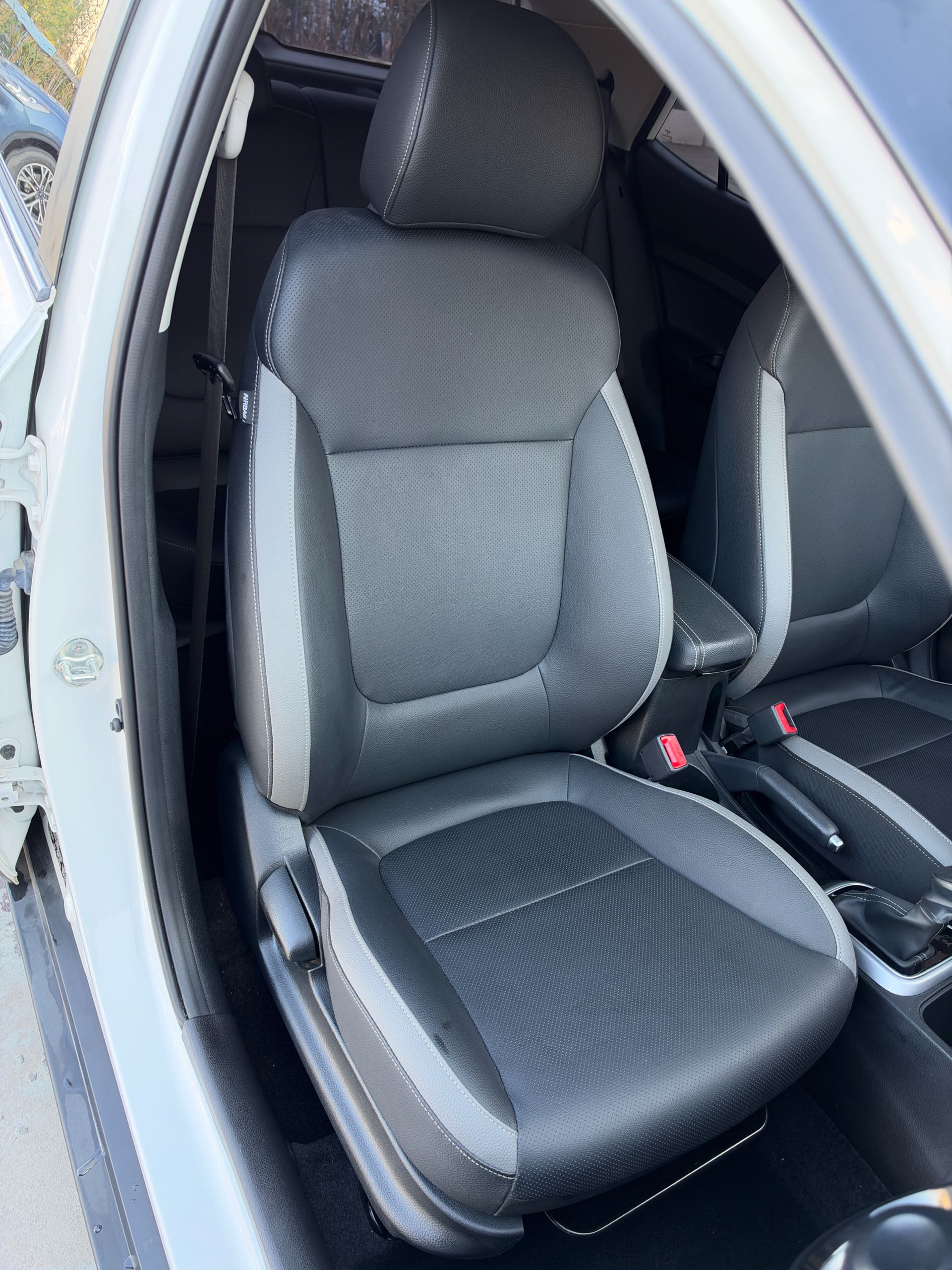
Original factory paint.

Document Information

Inspection Expiry Date-
Warranty Expiry Date-
Insurance Expiry Date2027/05

Q&A

More

If the destination country requires a "Certificate of Conformity (COC)" for the vehicle, can used cars from China provide the original factory COC?

Vehicles sold domestically in China only have the "Environmental Information List" and the "Vehicle Qualification Certificate," which are not the COC of the European system. We will provide a notarized English translation of the Chinese qualification certificate. If local customs strictly require the original European COC, the vehicle will not be able to clear customs.


Which electrical features should I test remotely before buying a used Chinese car—windows, sunroof, infotainment, sensors?

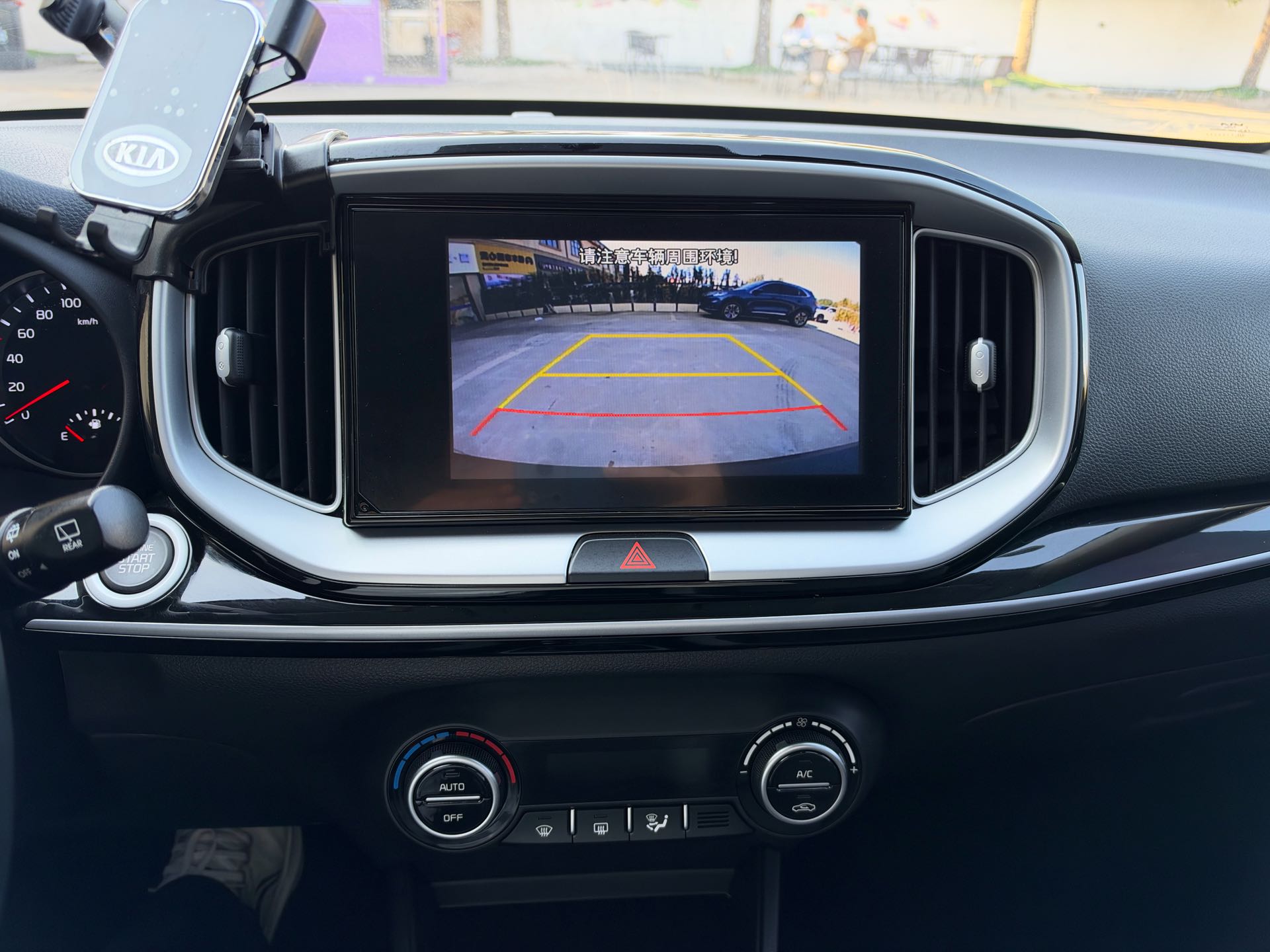
Electrical faults are among the most annoying problems to discover after import, because they rarely stop the car from running. Ask the seller for a live video walkthrough testing each item: all four windows up and down, sunroof open/close, central locking (including with the key and remote), infotainment touchscreen, Bluetooth pairing, all cameras (reversing and 360-degree if fitted), parking sensors, interior and exterior lights, and the horn. Also watch the dashboard during startup: every warning light should illuminate briefly and then go out. A light that never appears, or stays on, tells you something needs attention. Pair this with an OBD scan to catch stored fault codes the seller might not mention. If a feature "only works sometimes," assume it is broken and price the repair into your offer.

How do I check the underbody and frame of a used Chinese car for rust and prior repairs from inspection photos?

Ask your inspector for specific underbody shots rather than general views: the subframe mounting points, rocker panels, floor pan near the seat rails, and the spare tire well. Fresh underbody coating or thick black spray wax often hides repairs - it should look uniform, not patchy. Red flags: welded seams with grind marks or discolored paint around them (sign of structural repair); rust bubbling at panel edges or bolt heads; mismatched bolts on suspension arms (sign of disassembly after an impact); bent or freshly painted crossmembers. Surface rust on exhaust and bolts is normal in humid regions and not a dealbreaker - structural rust on load-bearing members is. Compare the underbody photos with the history report: if the report shows a rear-end accident, scrutinize the rear floor and spare tire area closely. Also check that jack points aren't crushed, which suggests improper lifting - a sign of repeated workshop visits. A 15-minute video of the car on a lift, slowly panned front to back, is worth more than 50 static photos.