







48H

Basic Information

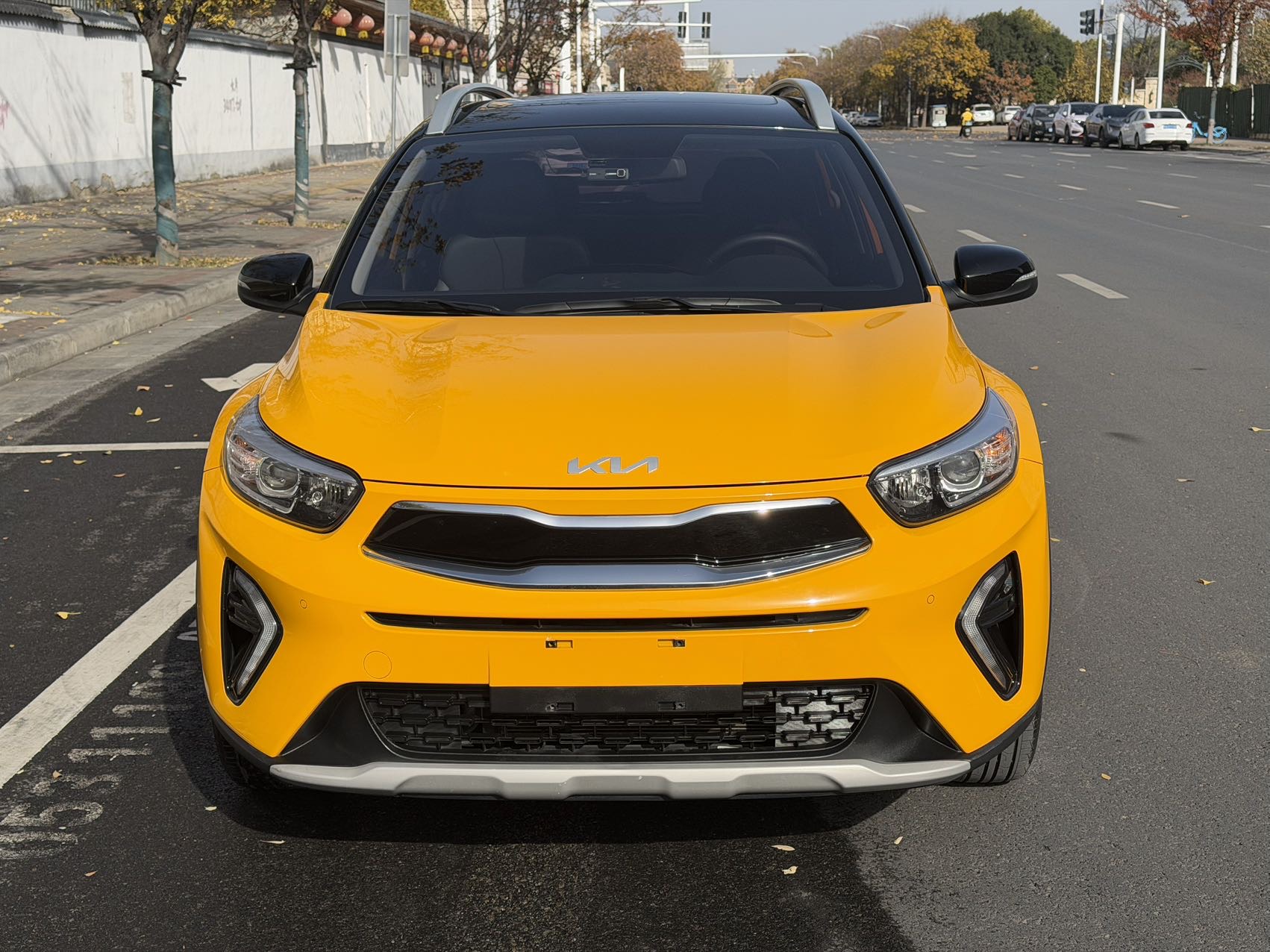
BrandKia
SeriesKX1
Year2022
First Registration2022/09
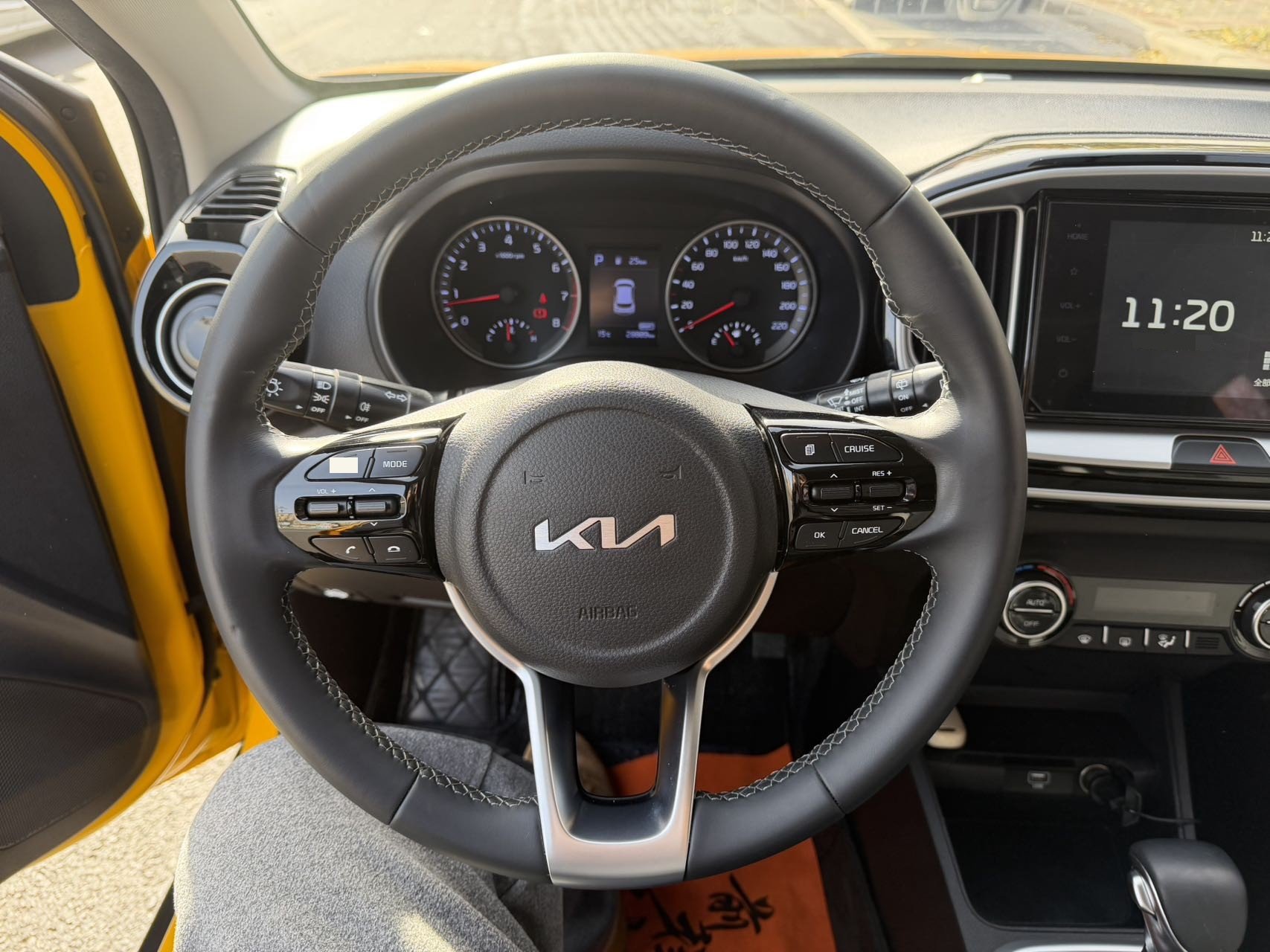
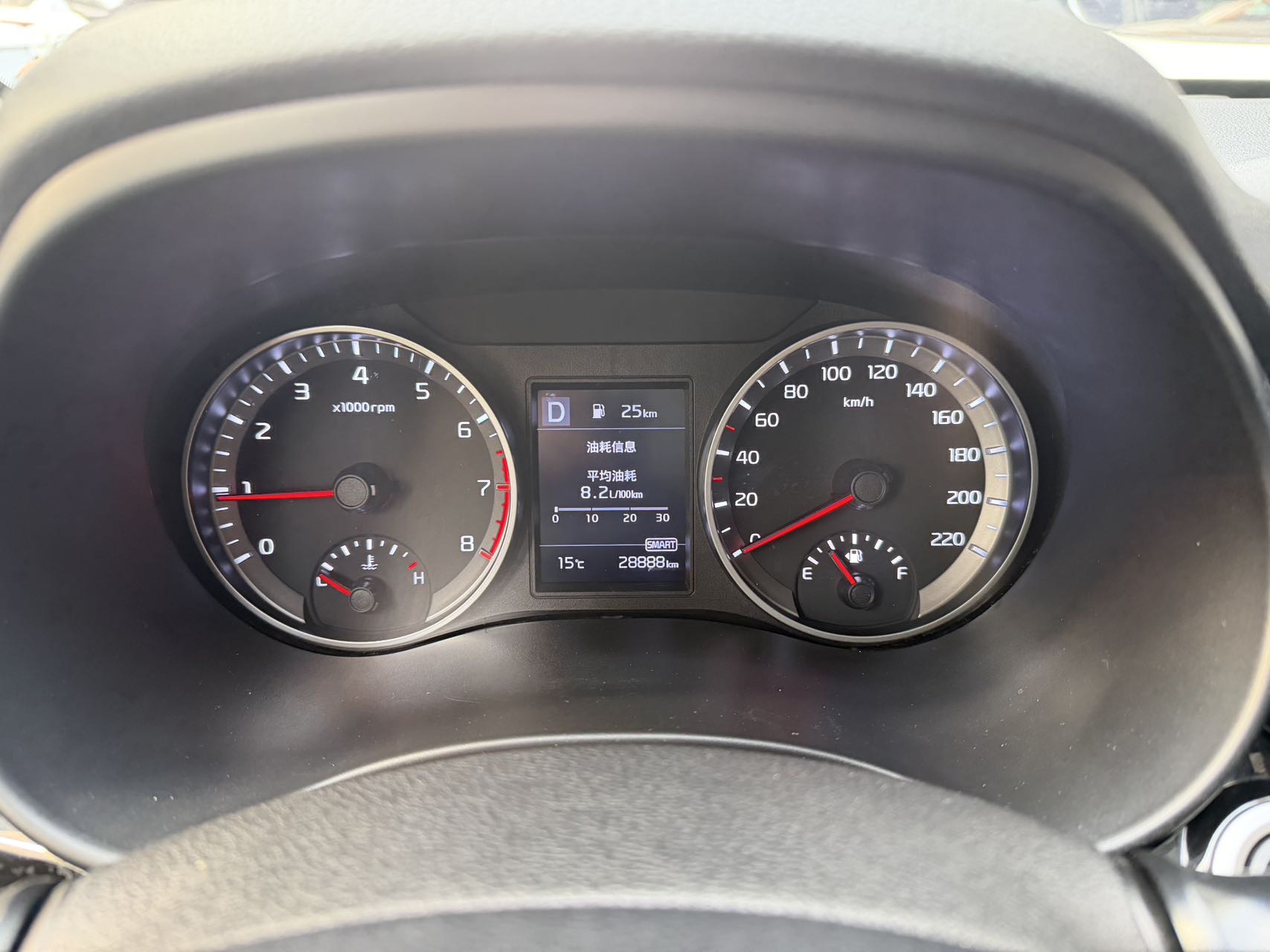
Mileage28,800km
Transfer Count0times
FuelGasoline
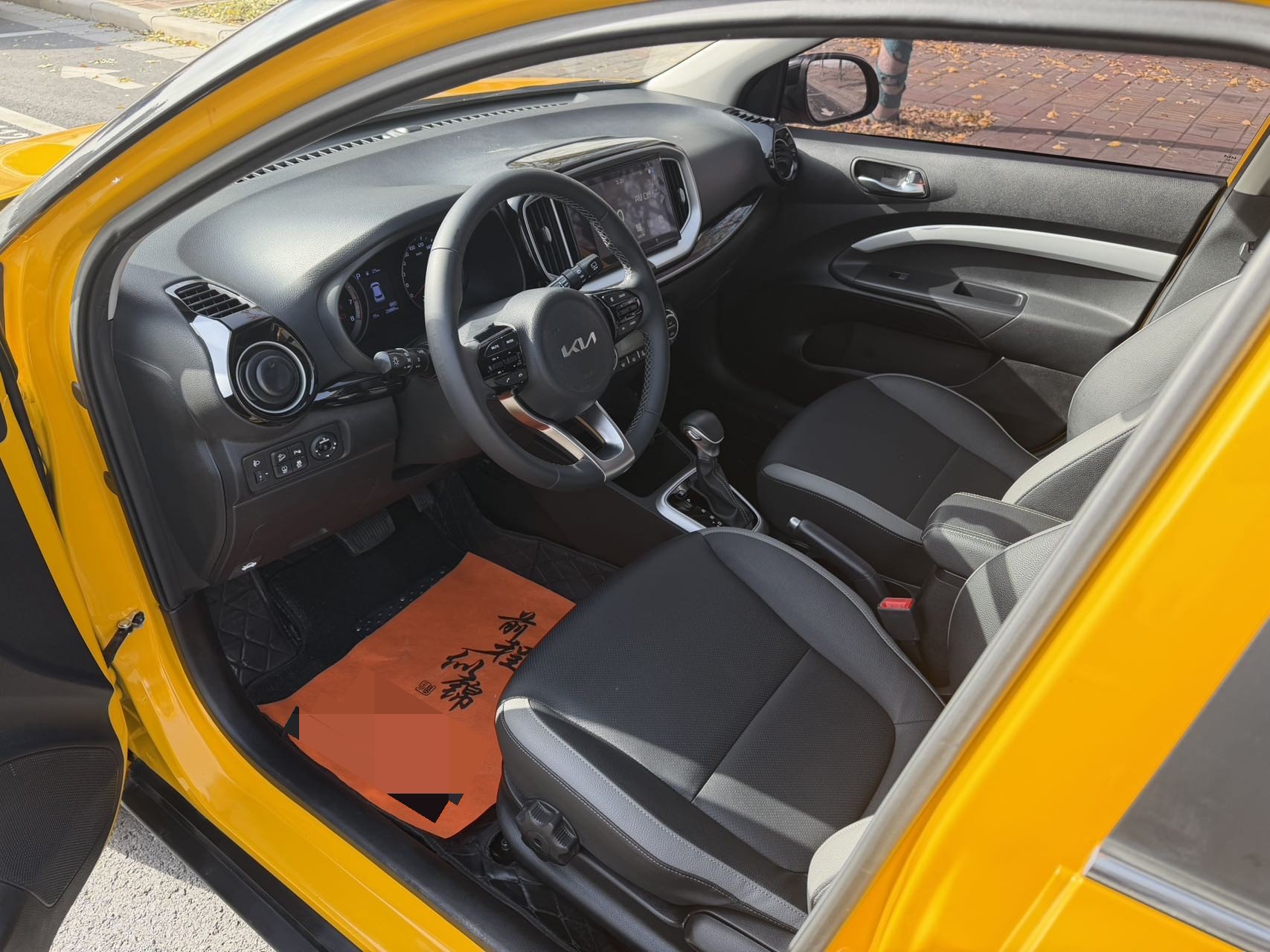
TransmissionCVT
Engine1.4L 100 L4
ColorYellow
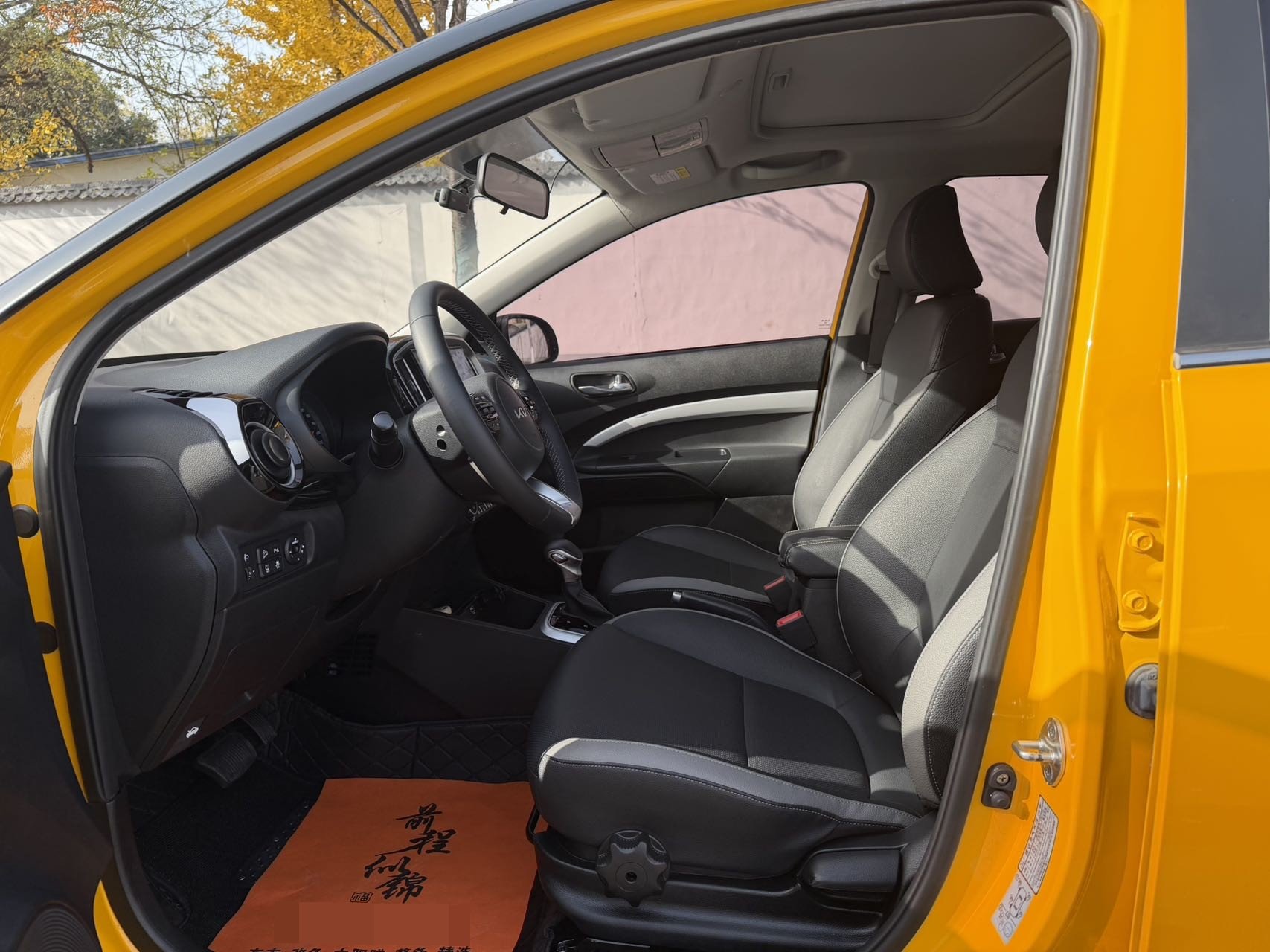
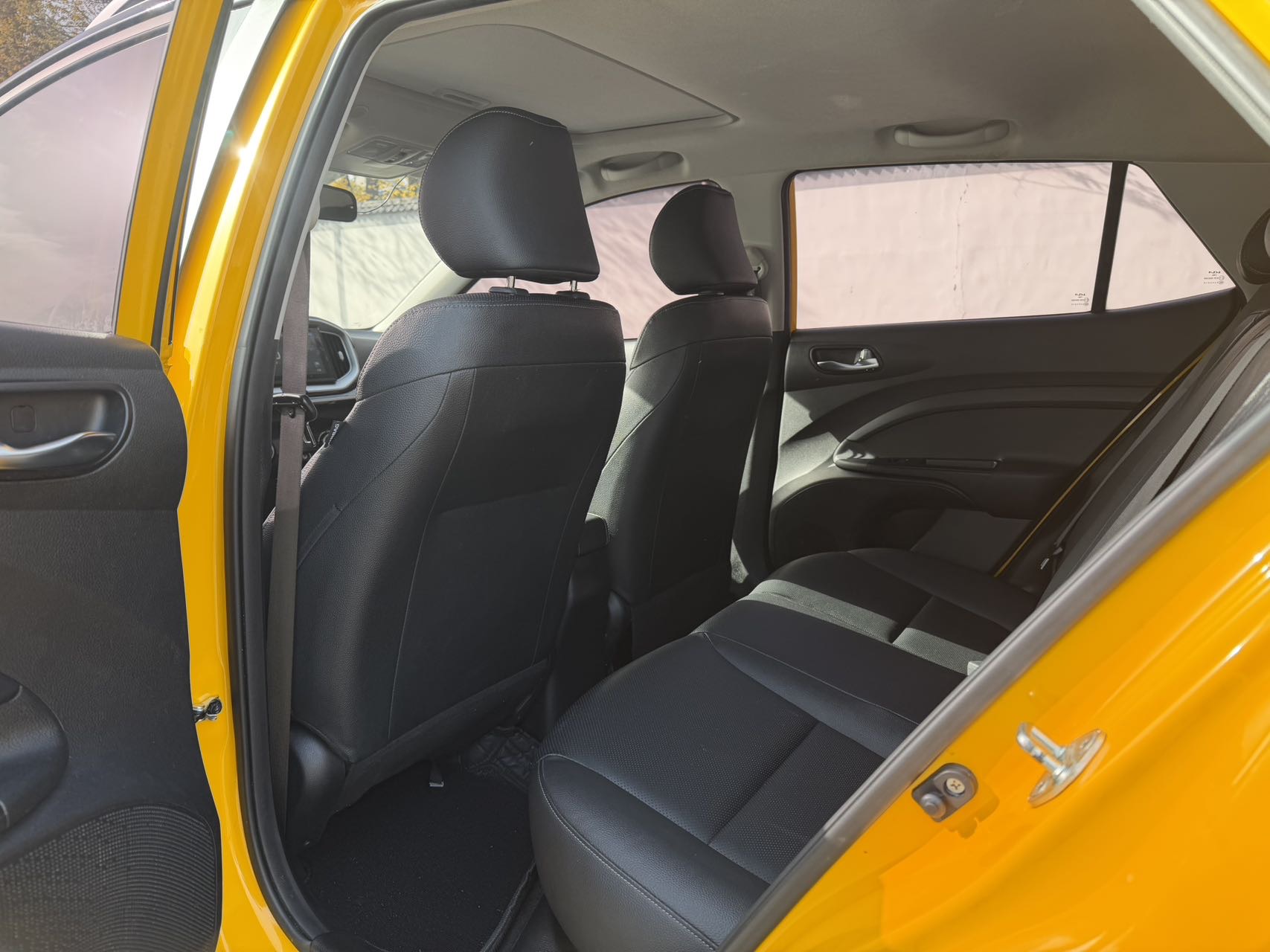
Seats5seats

Condition Description

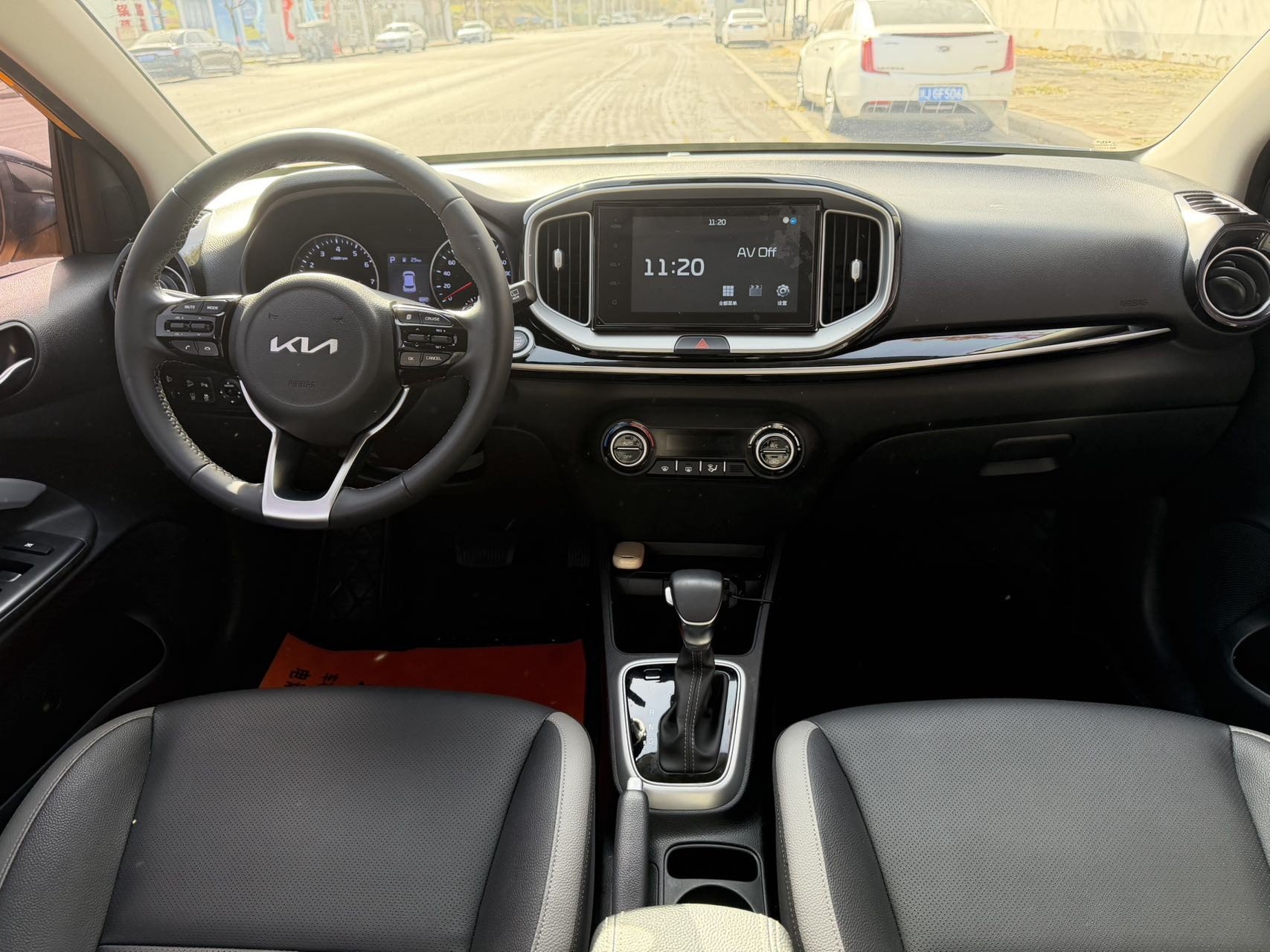
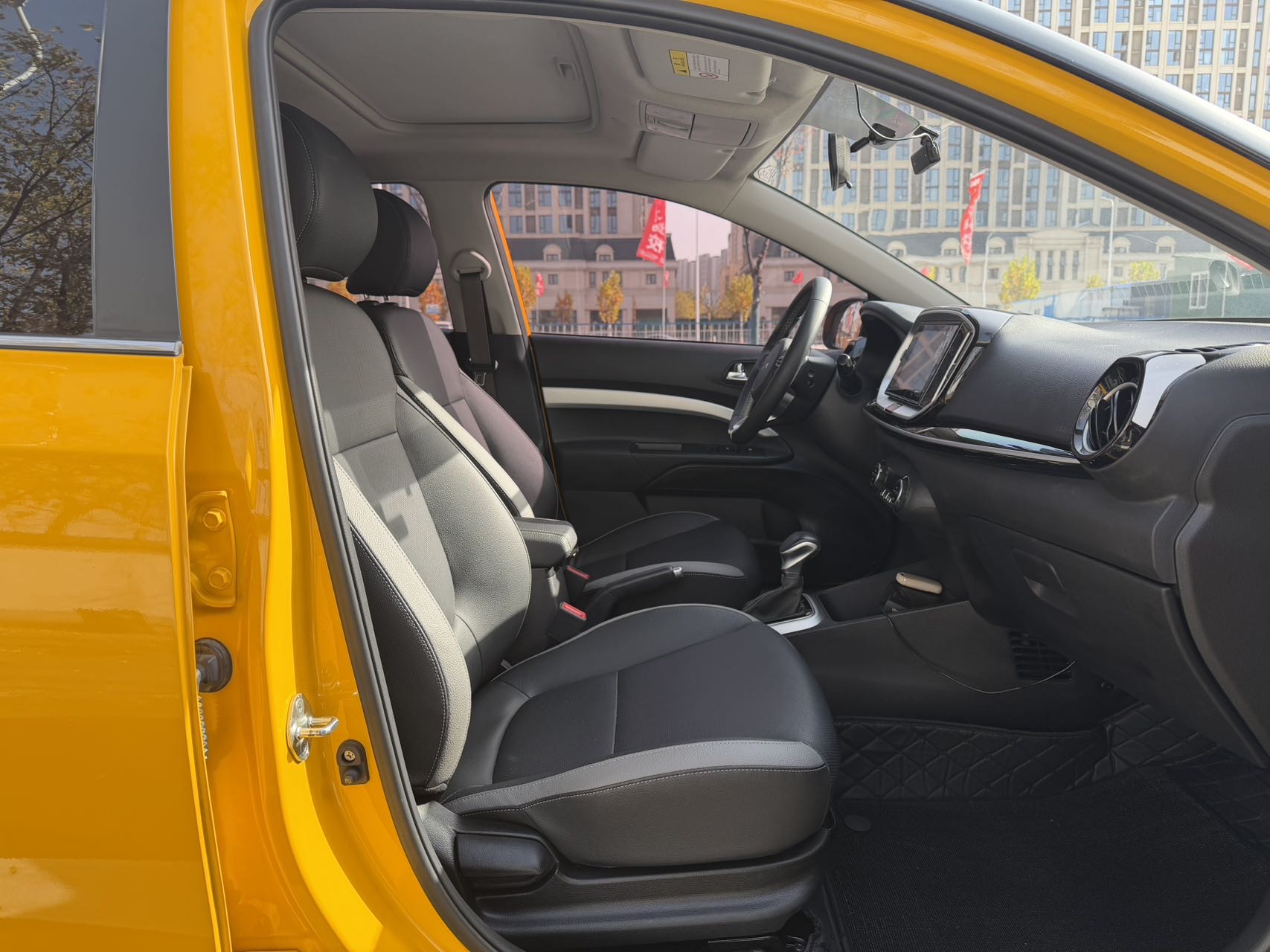
Manufactured in August 2022, original paint, no data repair, notes completed.

Document Information

Inspection Expiry Date-
Warranty Expiry Date-
Insurance Expiry Date2027/09

Q&A

More

Will the insect bodies and willow catkins on the vehicle's water tank and condenser surface be forcibly washed away with a high-pressure water gun before inspection?

Do not use a high-pressure water gun directly! The high-pressure water can instantly damage the fragile aluminum fins of the condenser, leading to a permanent decrease in cooling efficiency. We can only use a low-pressure air gun or a soft brush for surface cleaning.


If a problem arises after the car arrives, how are disputes and claims typically handled with a Chinese exporter?

Handling claims with an overseas exporter works best when expectations are set before payment. Prevention: put the inspection standard, photo/video evidence requirements, and a dispute clause into the sales contract. Keep all chat records and payment receipts. Typical process if issues arise: 1) Notify the exporter within 48-72 hours of delivery with photos/videos as evidence. 2) Most disputes fall into two buckets: shipping damage (handled via marine insurance — this is why insurance matters) or undisclosed mechanical defects (handled per contract, often via partial refund, spare parts, or repair cost sharing). Realistic expectations: exporters rarely accept returns, so negotiate compensation instead. A reputable company will usually cover reasonable repair costs for defects confirmed to pre-exist shipment. Tip: for higher-value cars, hire a local third-party inspection at destination as final evidence — it strengthens any claim significantly.

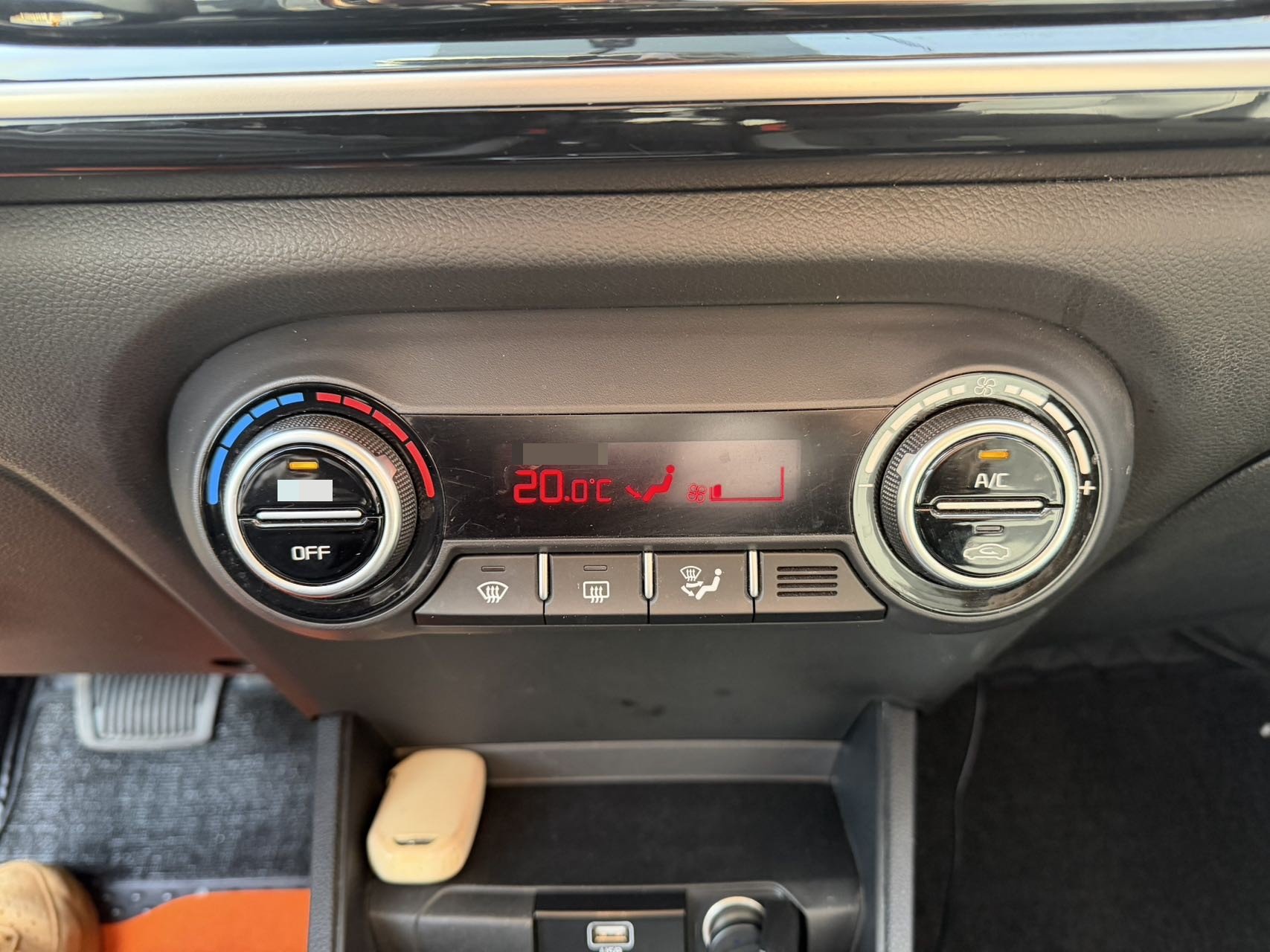
How are the refrigerant pressure, compressor operation, and heating effect of the air conditioning system deeply tested?

The technician will start the vehicle and turn on the air conditioning system, measuring the actual temperature at the vents at the lowest and highest settings with a thermometer; at the same time, they will connect a manifold pressure gauge to check if the refrigerant pressure in the high and low pressure lines is within the normal range, determining if there is a chronic refrigerant leak.